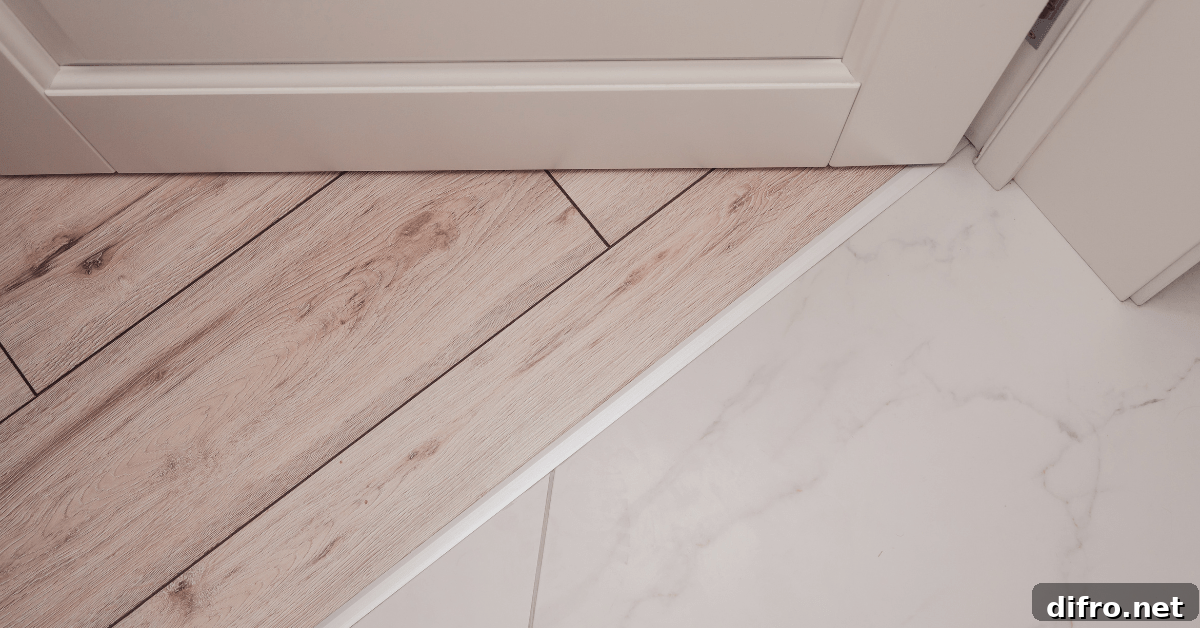
When a kitchen is thoughtfully designed, the junction between different flooring materials can become a distinguishing feature rather than an awkward afterthought. Transitioning from kitchen tile to wood flooring is one of the most effective ways to combine durability and warmth while defining functional zones. Whether you want a seamless look or a deliberate visual break, the right transition strategy will elevate both the appearance and flow of your home. Below are practical and creative kitchen tile to wood floor transition ideas to inspire your project.
Exploring the Beauty of a Flush Transition
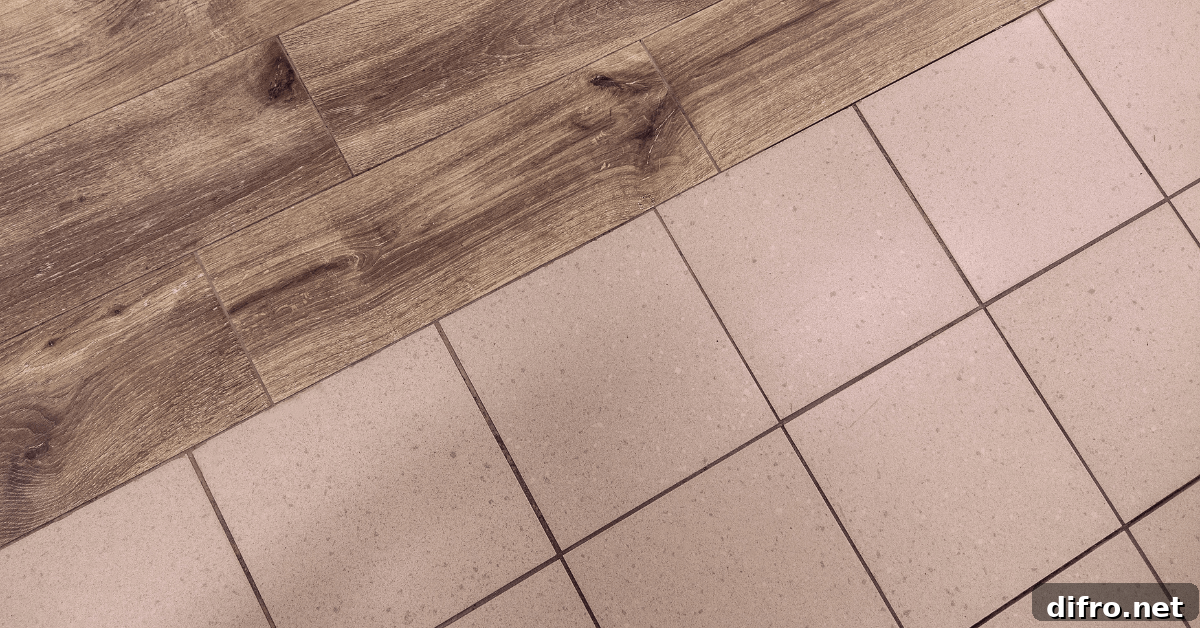
A flush transition places tile and wood at the same level for a clean, continuous surface. This approach is ideal for open-plan layouts where a consistent floor plane enhances sightlines and makes spaces feel larger. To maximize the effect, select tile and wood tones that complement each other: a deep walnut hardwood paired with a matte charcoal tile, for instance, offers a contemporary contrast while keeping the overall palette cohesive. Flush transitions work best when subfloor preparation is precise so both surfaces meet evenly without tripping hazards.
Using a T-Molding Strip to Define Spaces
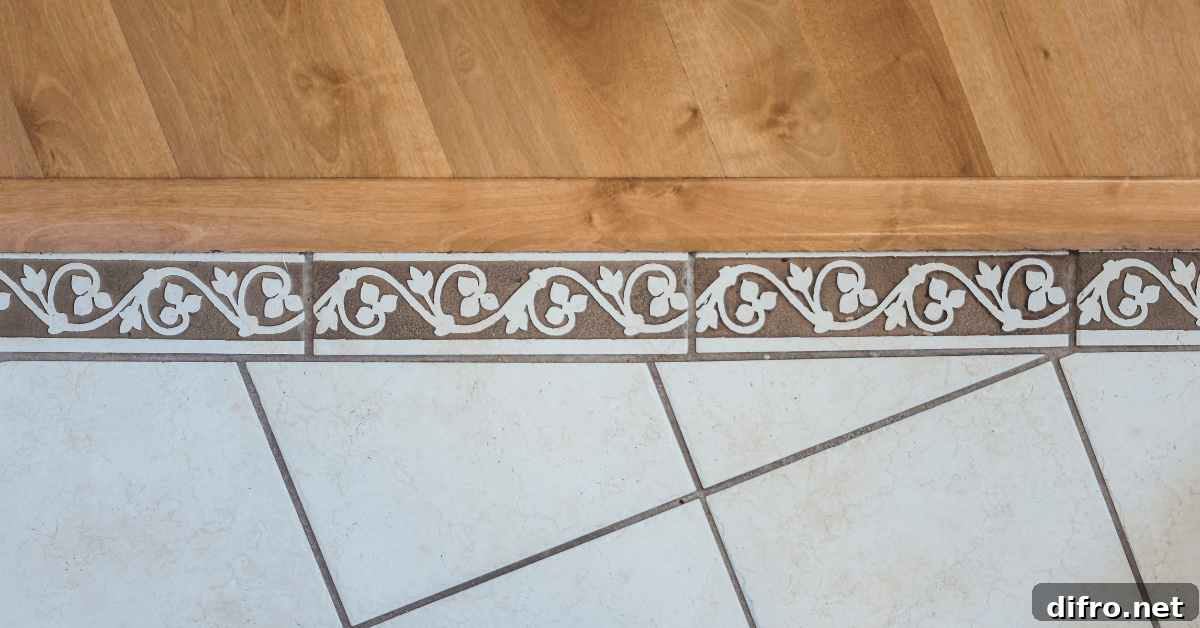
T-molding strips are a practical and attractive option when you want a defined boundary between tile and wood. These narrow profiles are available in many materials and finishes, so they can either blend subtly into the floor or act as a decorative accent. T-molding also accommodates the small expansion gap needed for wood flooring, protecting the edge of both materials. Consider metal or brass finishes to introduce a touch of elegance, or match the strip to the wood tone for a cohesive look that feels intentional rather than utilitarian.
The Art of Gradual Transitions
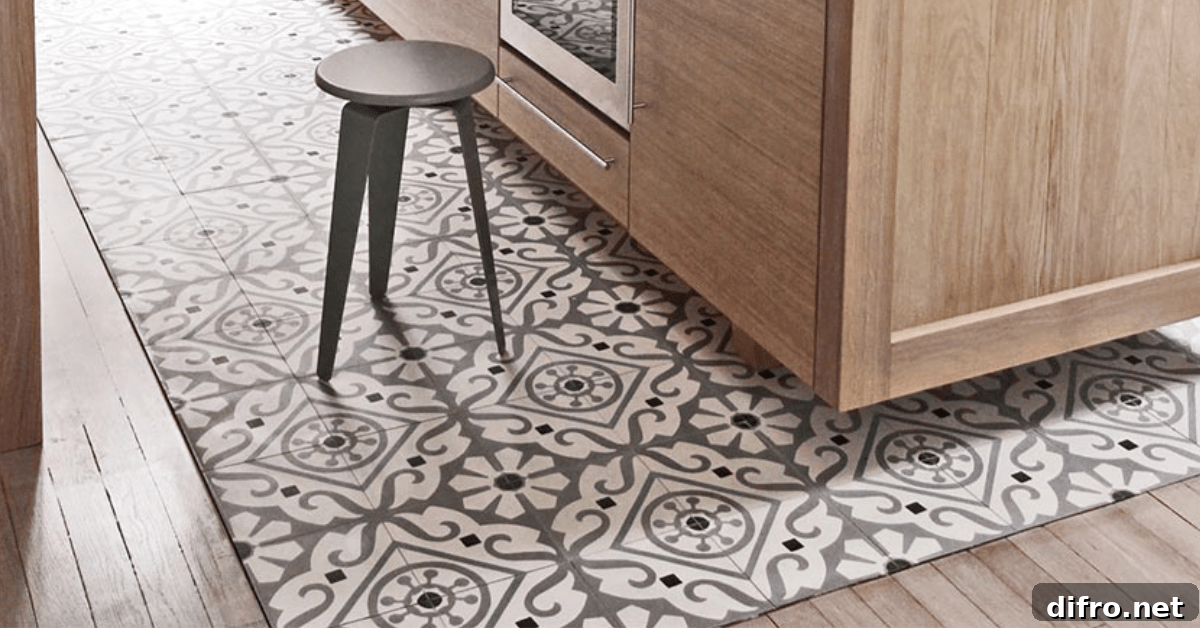
Gradual transitions blend tile into wood using a progressive pattern or staggered layout so the change appears organic. This technique often uses tapered tiles or staggered wood planks that overlap or step into one another, creating a soft, flowing edge. It’s particularly well suited to farmhouse, rustic, or transitional kitchens where a relaxed, lived-in appearance is desired. The gradual approach can disguise a threshold, reduce visual disruption, and create a bespoke flooring narrative across adjoining rooms.
Innovative Use of Chevron or Herringbone Patterns at the Threshold
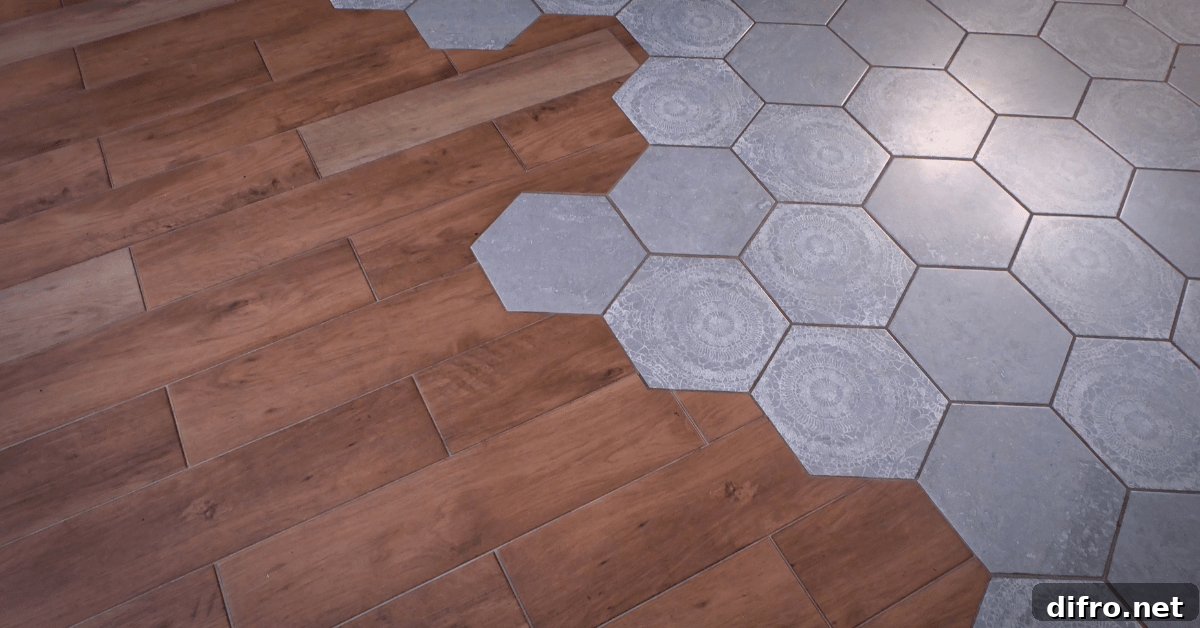
Placing a chevron or herringbone insert at the threshold creates a striking focal point while serving as a transition element. Using tile and wood together to form a patterned band emphasizes craftsmanship and directs movement between spaces. This technique allows designers to play with contrast—light tile against dark wood or vice versa—or to maintain a muted palette for understated sophistication. A patterned threshold transforms a functional seam into a deliberate design statement.
Frequently Asked Questions
How do you transition between tile and wood flooring?
Transitions can be achieved with flush installations, T-molding strips, reducers, or decorative inserts. Choose a method that suits the height difference, expansion needs of the wood floor, and the visual effect you want. Proper subfloor preparation and accurate installation are key to a safe, long-lasting transition.
Is it OK to mix tile and wood floors?
Yes. Mixing tile and wood is a practical way to combine the durability of tile with the warmth of wood. Selecting materials with complementary colors, textures, or finishes will produce a cohesive overall look while allowing each material to perform where it’s best suited.
How do you combine tile and wood flooring effectively?
Plan transitions early in the design process, picking materials and patterns that work together. Consider functional zones—use tile where water and spills are likely, and wood in adjoining living areas. Use transition strips, patterns, or flush installations to create a deliberate and attractive junction.
What are alternatives to traditional transition strips?
Alternatives include flush transitions where materials meet levelly, decorative inlays or mosaic borders that delineate the edge, or using contrasting grout lines or tile patterns to define the seam. These solutions turn the transition into a design opportunity rather than a necessity.
Related Articles
- Stunning Kitchen Flooring Ideas for Your Home
- 10 Dream Kitchen Upgrades That Homeowners Regret
- Linoleum Flooring – The Classic Kitchen Choice Making a Trendy Comeback
Thoughtful kitchen tile to wood floor transitions improve both aesthetics and function. Whether you prefer a seamless flush install, a refined metal T-molding, a soft graduated edge, or an eye-catching patterned threshold, each option offers a different way to integrate two distinct materials. By considering color, texture, movement, and practical needs up front, you can design a transition that enhances your kitchen’s style and usability.
Want more design ideas and practical tips? Subscribe to our newsletter for interior design inspiration and practical advice to transform your home.