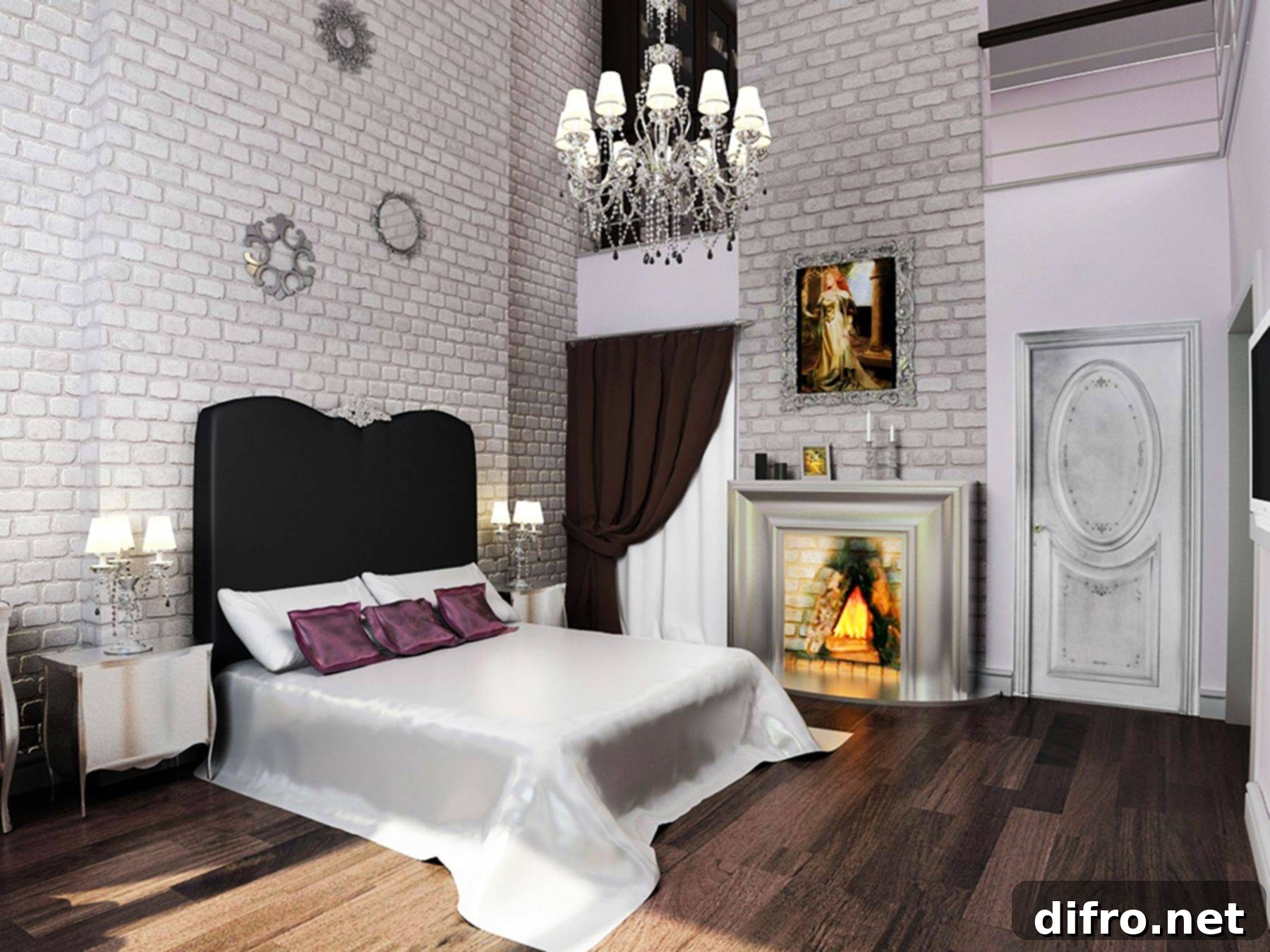
Everyone has a preferred decorating style, and while gothic design is less mainstream, it’s a striking choice that exudes elegance and drama when done well. A true gothic bedroom is not merely dark and gloomy; it focuses on rich textures, deliberate lighting, and carefully chosen furniture and accessories. Whether you’re working with a tight budget or have more to spend, these practical ideas will help you style a distinctive, atmospheric gothic bedroom.
Introduce Deep Colors Like Red or Purple
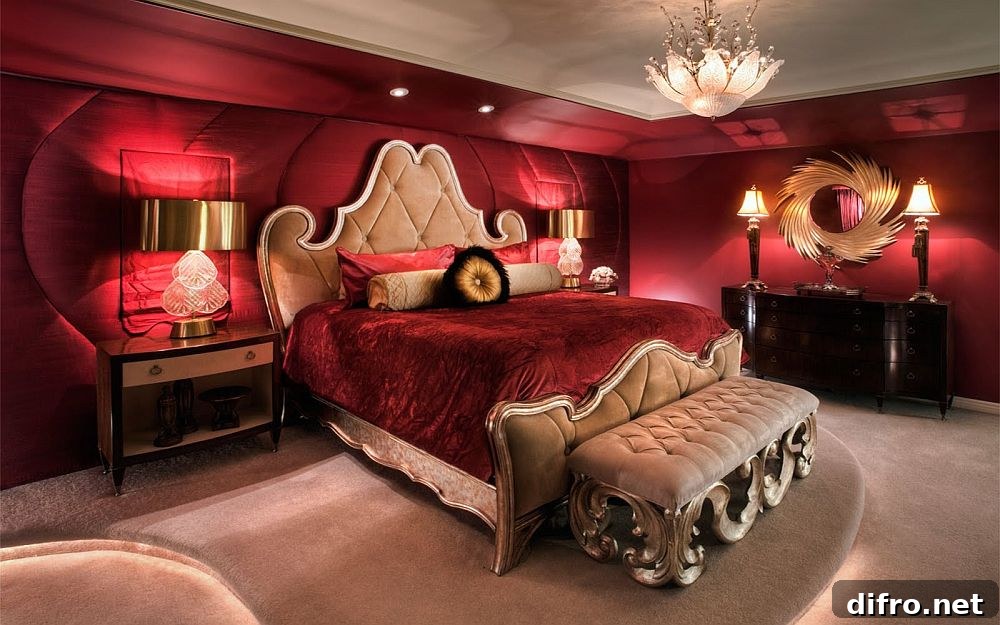
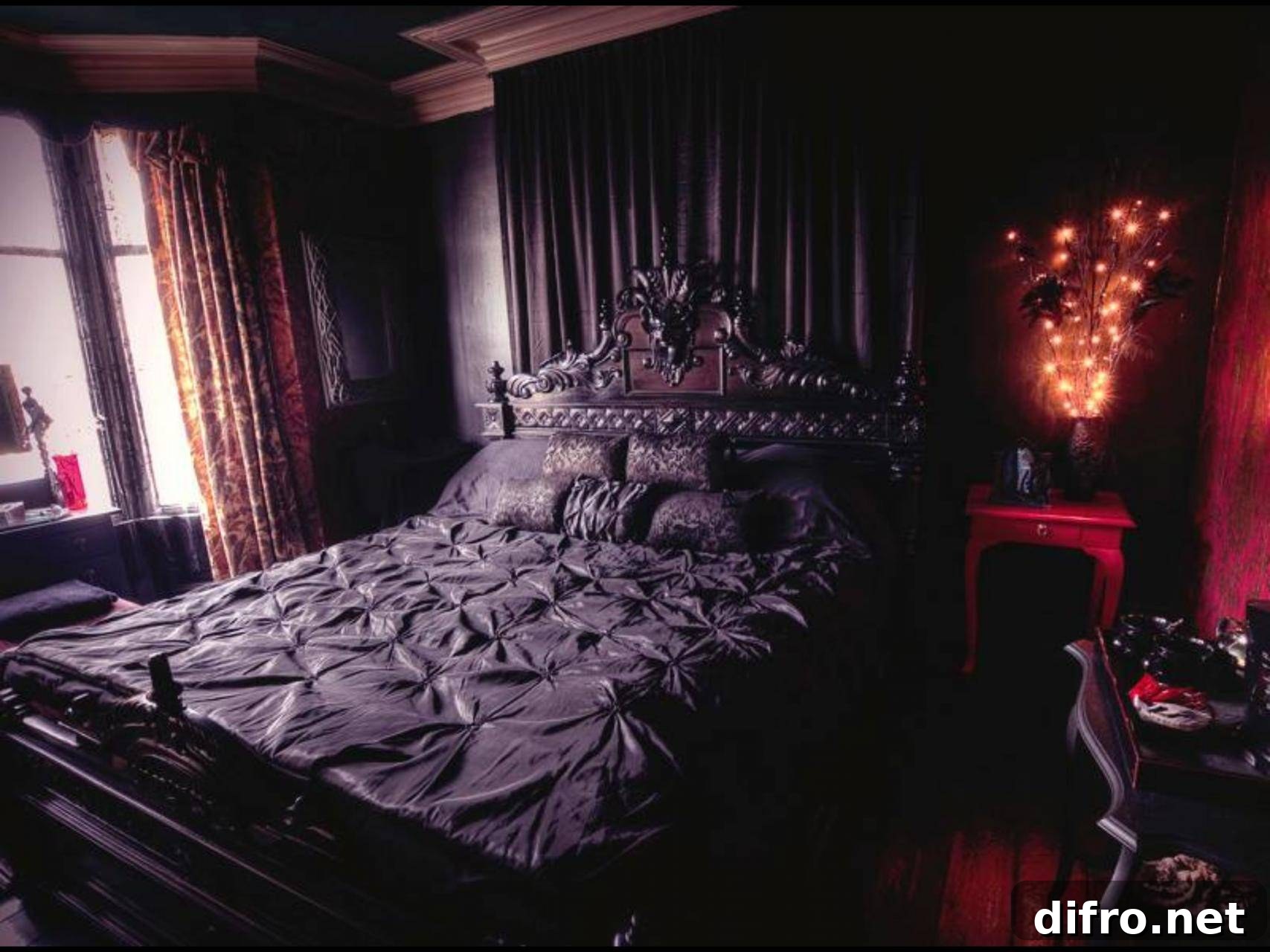
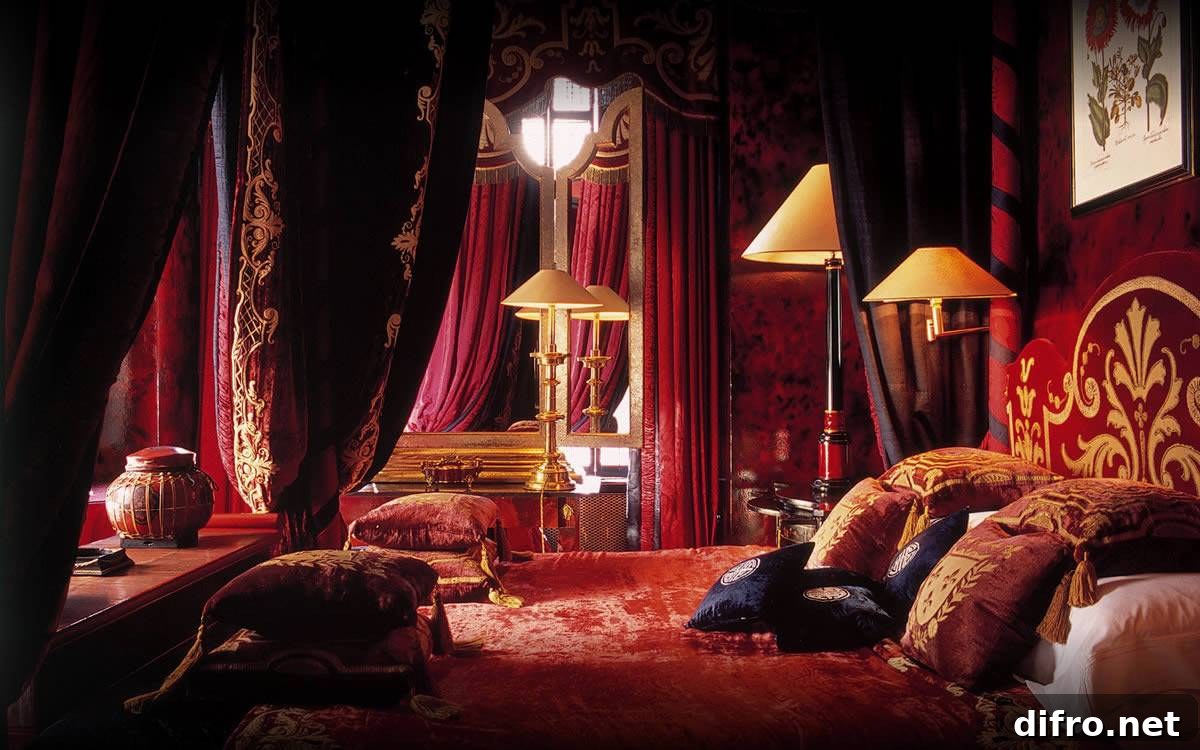
Color is one of the most important elements in a gothic bedroom. While black is an obvious choice, adding deep jewel tones creates an elegant contrast and stops the space from feeling flat. Think velvet drapes in royal purple or rich crimson upholstery. Deep navy and forest green can also work as accent colors, especially when paired with black or charcoal walls. Use these shades on curtains, bed linens, or an accent wall to achieve a layered, luxurious look.
Create Low Lighting with Candlesticks
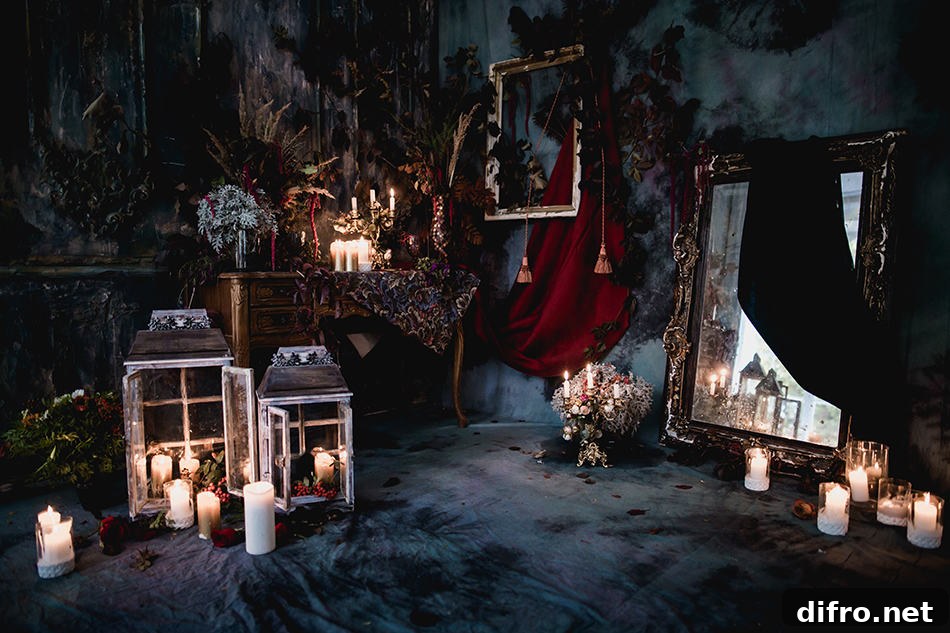
Candlesticks and candelabras are essential for a gothic bedroom’s mood. Wrought iron or antique-style candle holders provide soft, flickering light that enhances the atmosphere. Choose holders of different heights for visual interest, and always place candles safely—well away from curtains or overhead fabrics. If open flame isn’t suitable for your space, consider LED candles that flicker realistically to keep the ambiance without the fire risk.
Set up a Large and Dramatic Chandelier
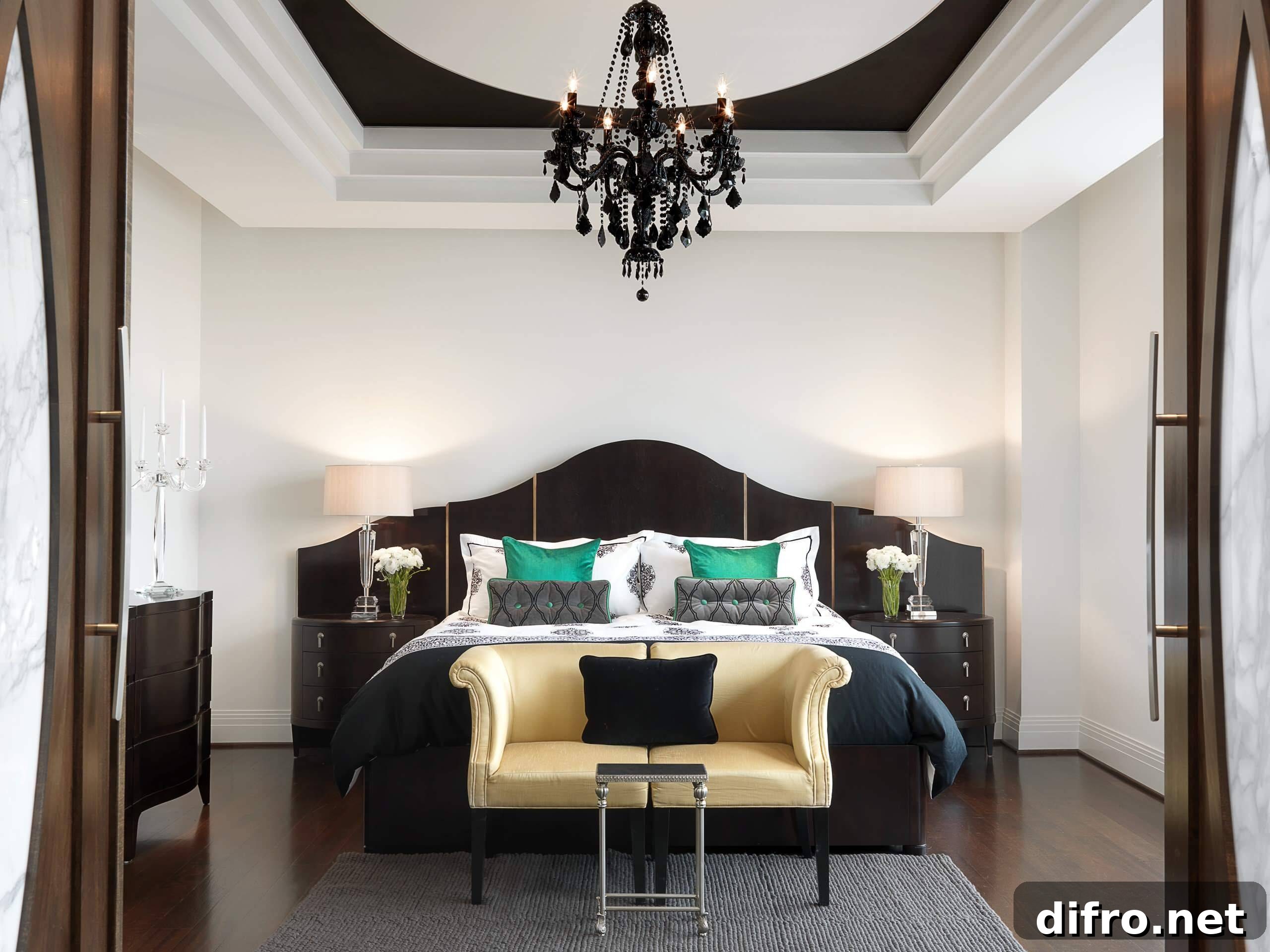
A dramatic chandelier is a powerful focal point in a gothic bedroom. Choose an ornate, large fixture in dark metal or black-finished brass to emphasize the room’s vertical space. Keep the light level low; dimmable options are ideal so you can control brightness for reading versus ambiance. A chandelier with many arms and decorative details will complete the theatrical effect without overpowering the room.
Introduce Brick or Exposed Masonry
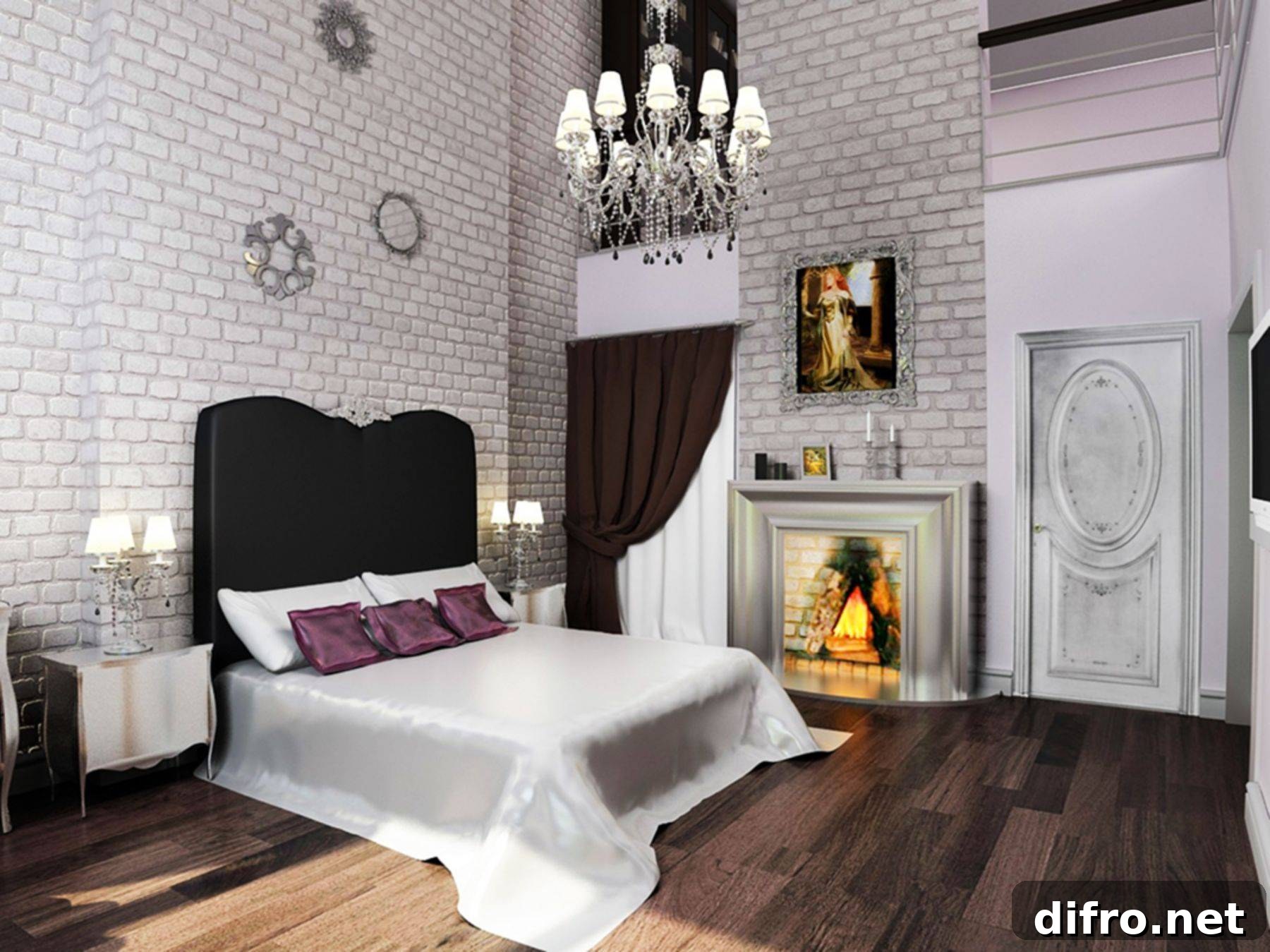
Textured walls such as exposed or whitewashed brick add authenticity and character to a gothic room. A slightly worn, aged finish evokes historic architecture and gives the space more depth than a flat painted wall. If you can’t install real brick, textured wallpaper or faux panels can simulate the effect effectively.
Black and White Balance
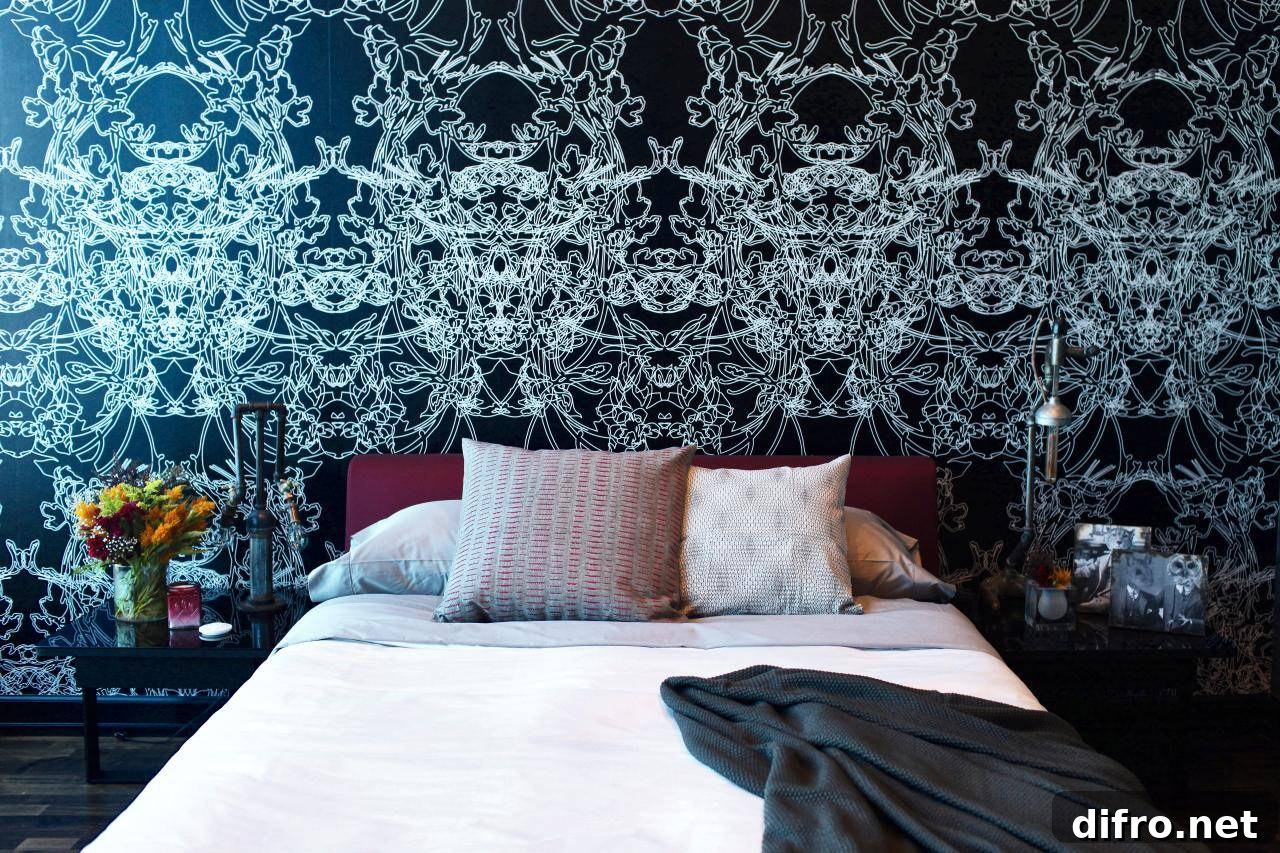
Black is central to gothic style, but it’s important not to overwhelm the room with only one tone. Introducing white or very pale accents creates contrast and highlights architectural details. Consider patterned black-and-white wallpaper, tile, or contrasting trim to balance darkness with crisp lines. This contrast helps furnishings and artwork stand out.
Choose Themed Furniture and Accessories
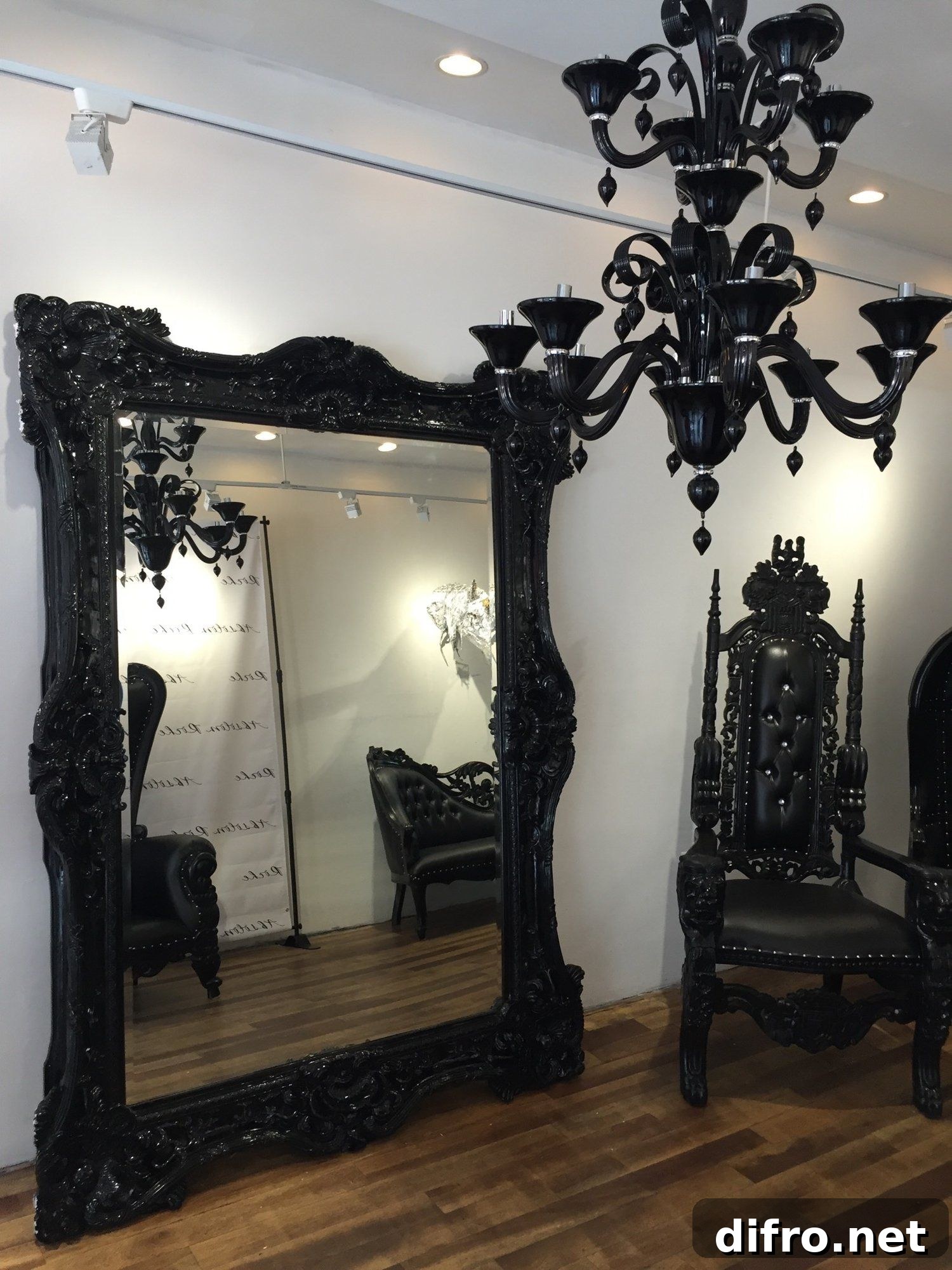
Furniture in a gothic bedroom should feel substantial. Heavy wooden pieces with carved details or dark wrought-iron frames fit the style best. A corner armchair in black leather or velvet becomes instantly inviting. Mirrors with ornate frames, dressers in deep finishes, and accessories such as sculptural skulls, vintage trunks, and baroque-style picture frames all contribute to the theme. Coordinate rugs and curtains so they complement, rather than compete with, the furniture.
Velvet and Silk Fabrics
Fabrics are where gothic style truly becomes tactile. Velvet and silk in deep colors—black, burgundy, purple—bring luxury and weight to draperies, bed canopies, and upholstery. Heavy, full curtains work best in rooms with higher ceilings; use thick materials to create privacy and soften the acoustics. Avoid very lightweight fabrics, which can detract from the gothic aesthetic.
Detailed Carved Bed Frame
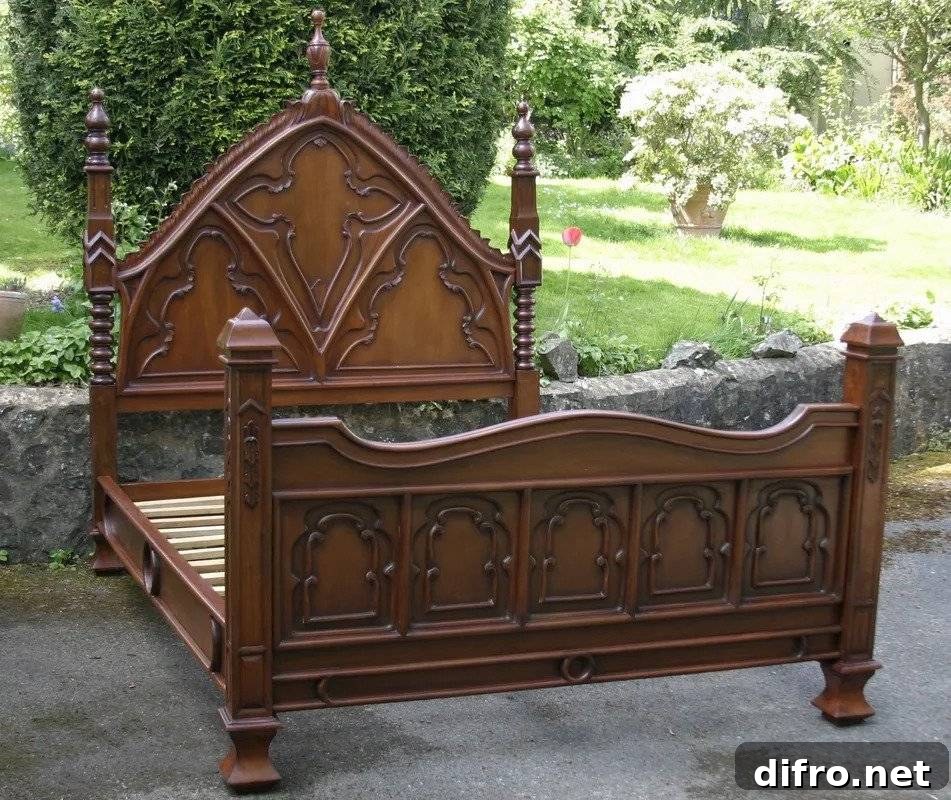
A carved bed frame becomes the focal point of a gothic bedroom. Choose a heavy frame in intricately carved wood or decorative metal. The more detail and craftsmanship, the more refined the overall effect. Complement the frame with bedding and pillowcases in dark tones and thematic patterns if desired—subtle skull motifs or baroque patterns can reinforce the style without feeling kitschy.
In short, a successful gothic bedroom blends deep colors, rich textures, and carefully selected architectural and decorative pieces. Decide whether you prefer a modern gothic approach—with cleaner lines, tiles, and a black-and-white palette—or a classic gothic look that emphasizes wrought-iron details, heavy fabrics, and layered accessories. Many elements can be adapted from items you already own: a fresh coat of spray paint on a mirror frame or a new set of velvet curtains can change a room dramatically. Be deliberate with contrast, lighting, and texture to achieve an impactful, atmospheric bedroom.
FAQs
How can I make my bedroom look gothic?
Use a dark color scheme, rich fabrics like velvet, ornate or heavy furniture, and atmospheric lighting such as chandeliers and candlesticks. Incorporate gothic-inspired accessories and artwork for a cohesive look.
What is a gothic bedroom?
A gothic bedroom is a dramatic, moody space characterized by deep colors, textured fabrics, ornate furniture, and design elements drawn from medieval and Victorian Gothic architecture.
What colors are typical for gothic bedrooms?
Gothic bedrooms favor deep, saturated colors such as black, burgundy, deep purple, dark green, and occasionally navy, often combined with contrasting pale accents to highlight details.
How can I make my home look more gothic?
Introduce dark, ornate elements throughout your home: antique-style furniture, textured walls, heavy drapery, gothic-inspired lighting, and curated accessories that echo the theme while maintaining balance and coherence.
Subscribe to design newsletters and catalogs for more inspiration and ideas to transform your home into a unique, stylish space.