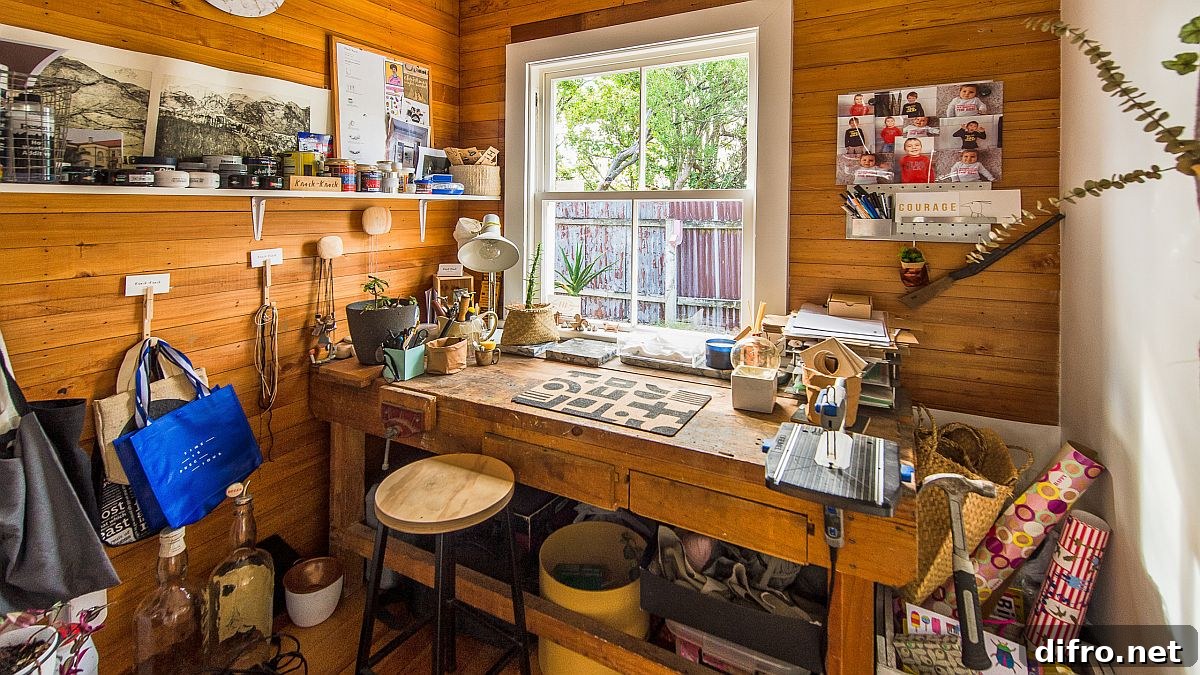
Being confined at home for an extended period can change how you view everyday life. It also highlights how much time we normally spend commuting and running errands, often away from activities that feel meaningful. That extra time at home is a perfect opportunity to start—or reconnect with—a hobby. A well-planned, small and ergonomic craft room gives you a compact, productive space where creativity can thrive for years to come.
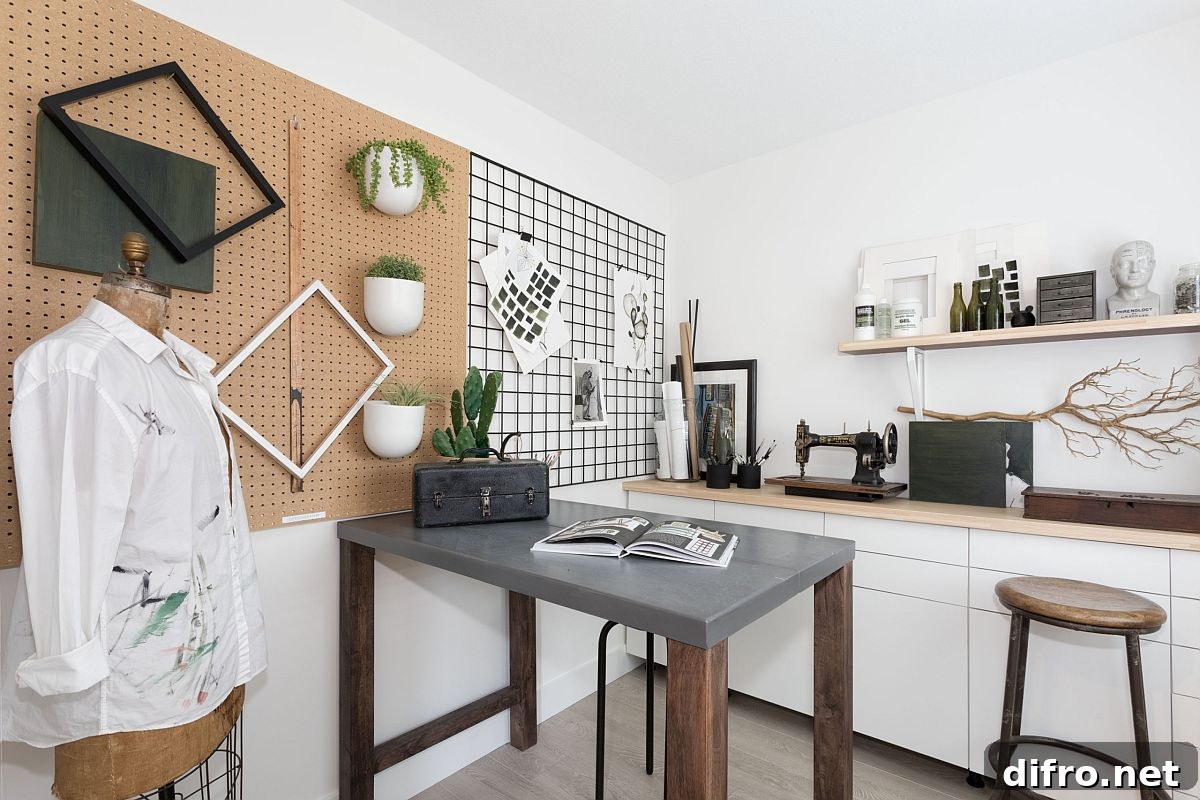
Small craft rooms are straightforward to create when you know what you need. Typically, they combine multiple storage solutions with a dedicated work surface—either a desk or a central island. In compact rooms, flexibility is key: storage and furniture should be adaptable to changing projects and needs. Some small craft spaces double as a home office, while others take up a corner of a bedroom or kitchen. Wherever you place yours, thoughtful layout and smart organization make a big difference. Below are practical ideas and design principles to help you make the most of a small craft room.
Smart Storage and Wall Space
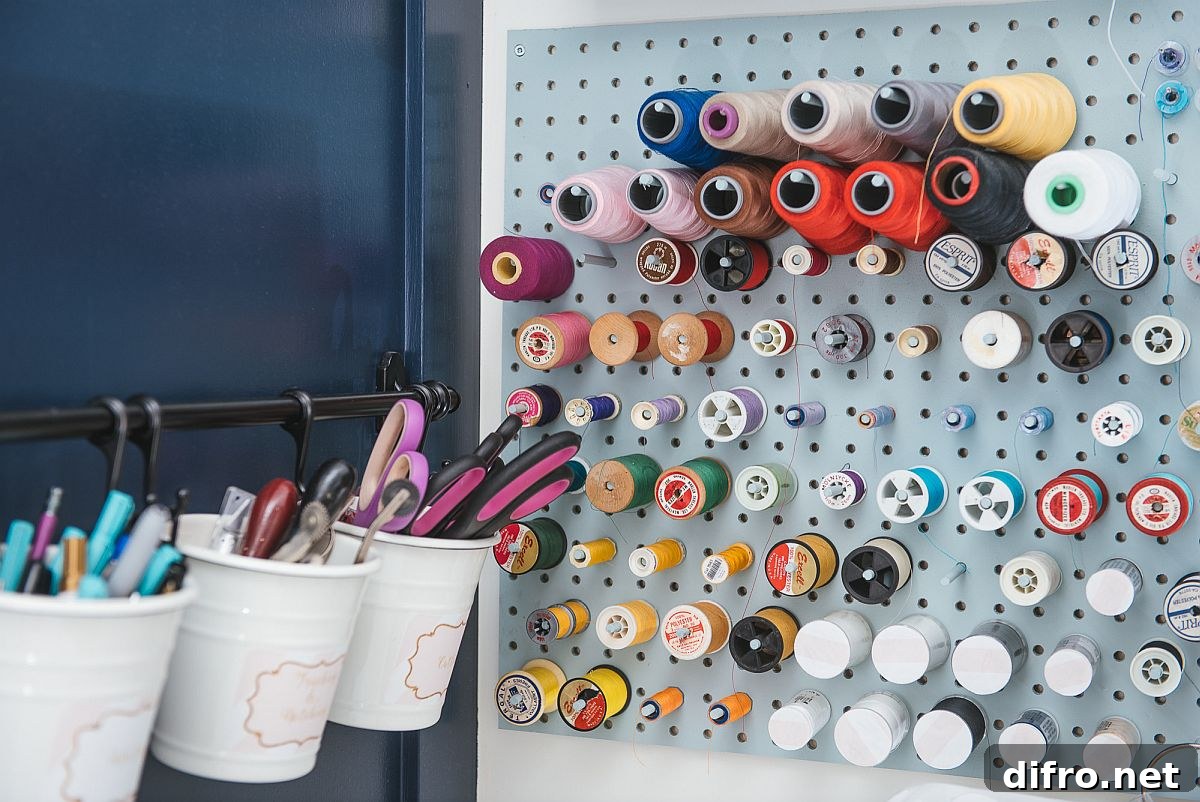
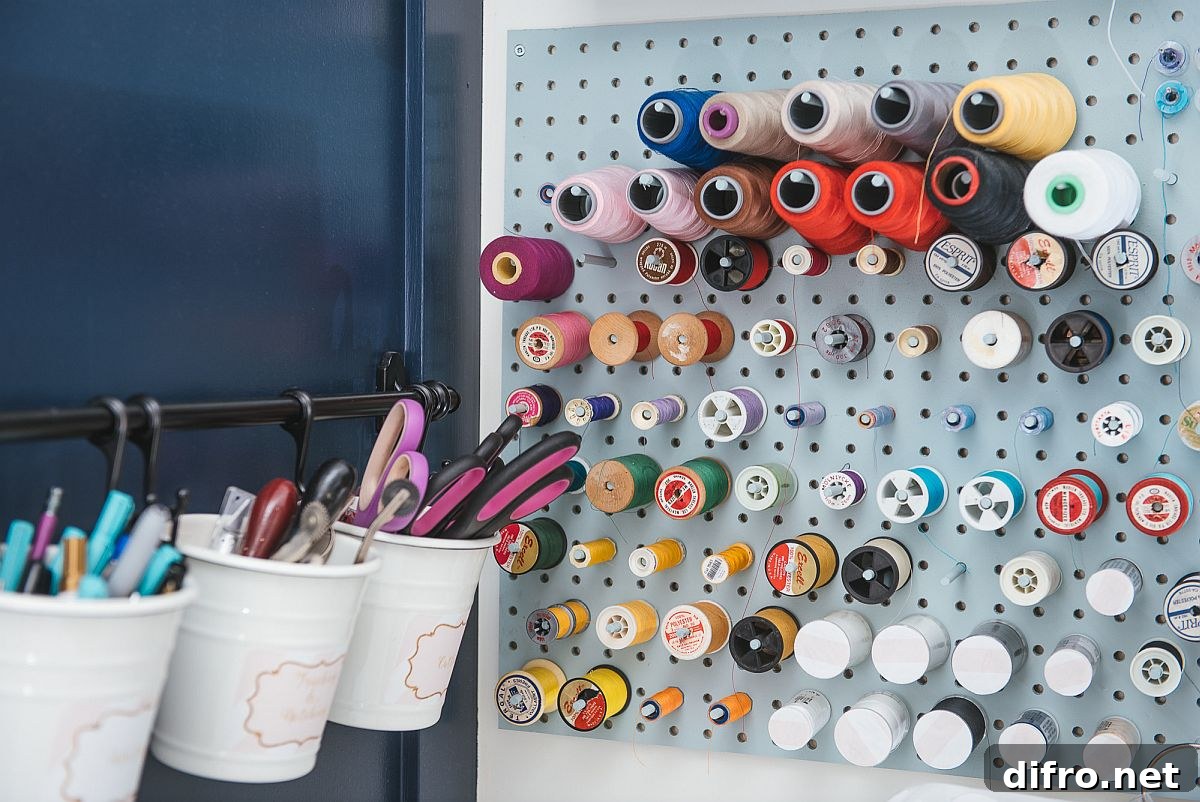
Storage is the most important element in a craft room. When floor space is limited, walls become the primary resource. Use pegboards, metal grids, and a mix of hooks and hangers to keep tools visible and accessible. Open, floating shelves provide quick access to supplies, while labeled boxes and baskets corral smaller items and supplies. For renters or anyone avoiding permanent alterations, freestanding shelving, stackable bins, and modular storage units work well and can be rearranged as needs change. Think vertically: tall cabinets, narrow shelving, and hanging organizers turn otherwise unused wall space into an efficient storage system.
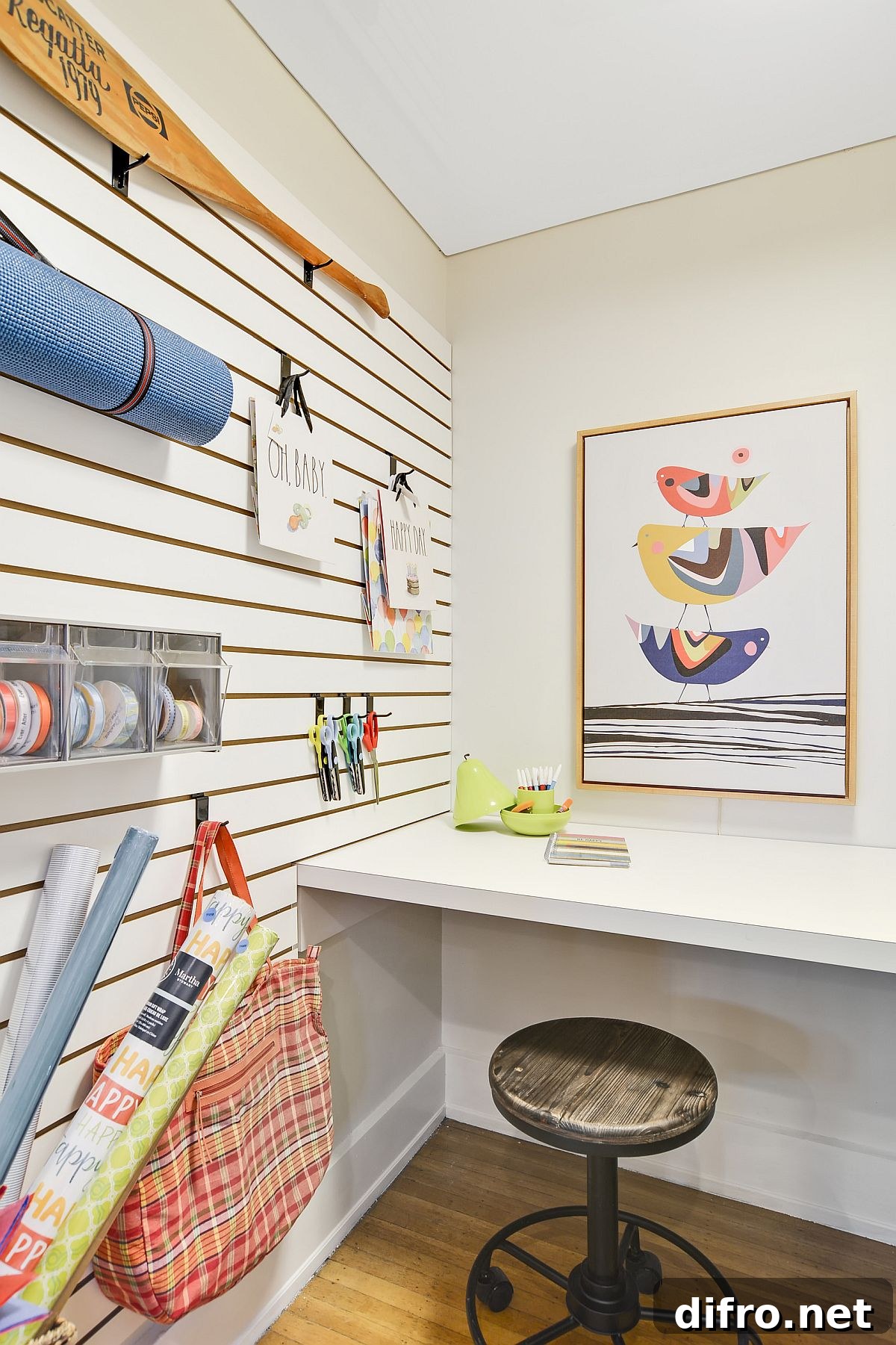
Craft Room that Multitasks
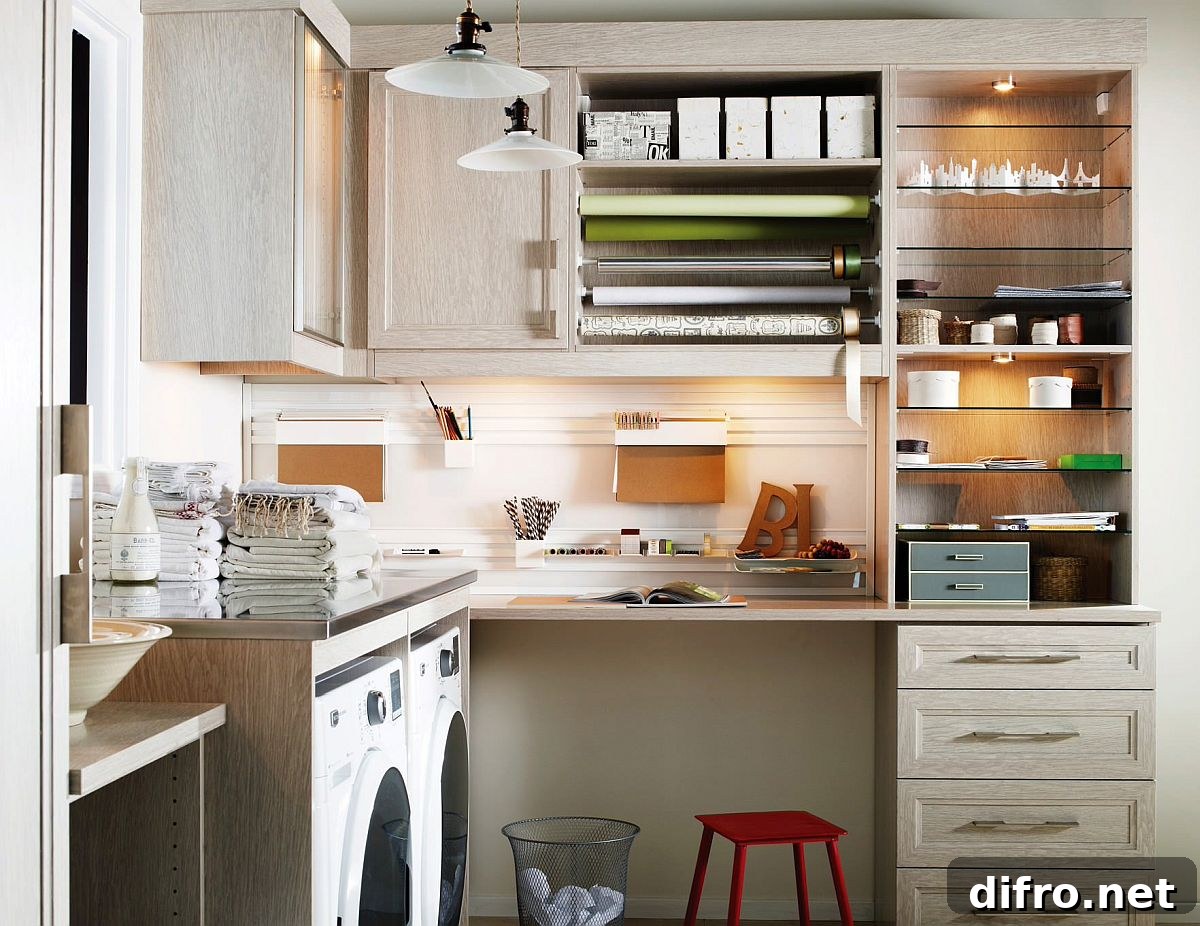
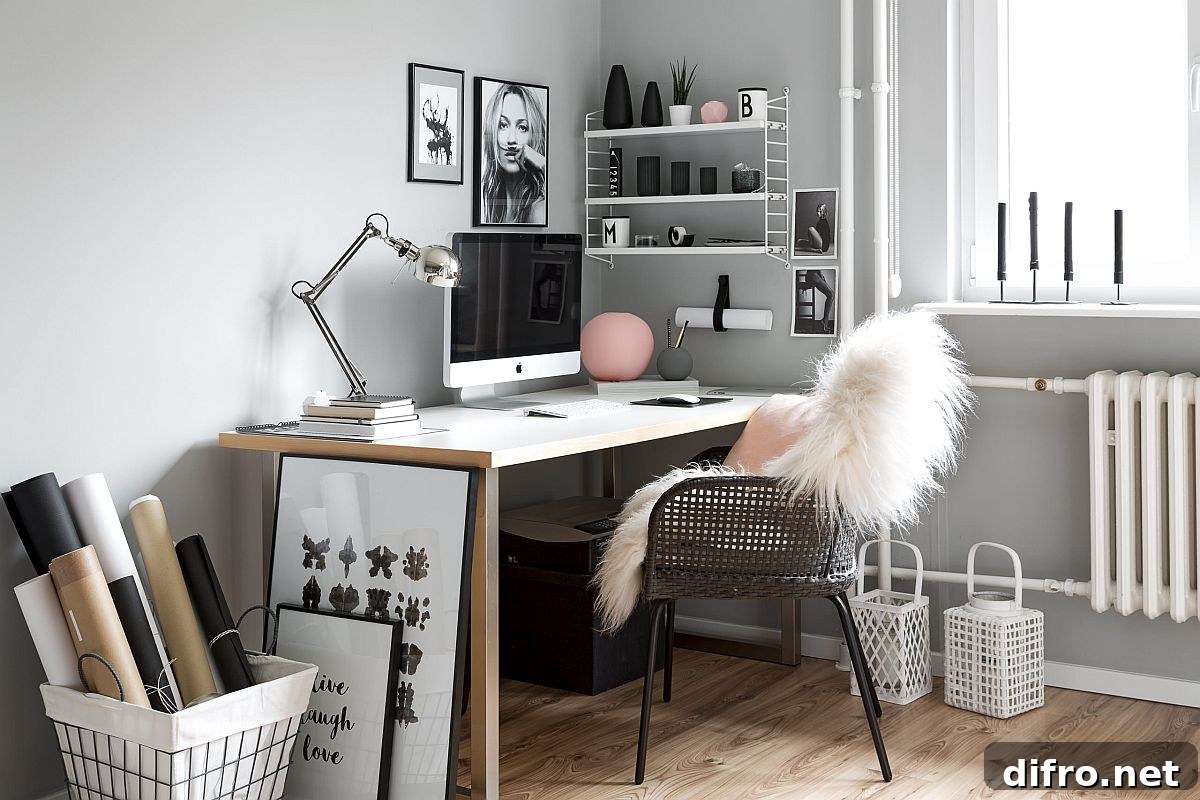
Multipurpose craft rooms are ideal for small homes. A single desk can serve as a weekday home office and a weekend crafting table. Choosing furniture that works well for both tasks—comfortable seating, a surface at the right height, and easily accessible storage—minimizes compromises. Lighting and shelving needs for an office and a craft area overlap, so combining them is often practical: strong task lighting, ambient illumination, and nearby storage keep both types of work running smoothly. A flexible layout also allows the space to shift roles for school projects, remote work, or creative hobbies.
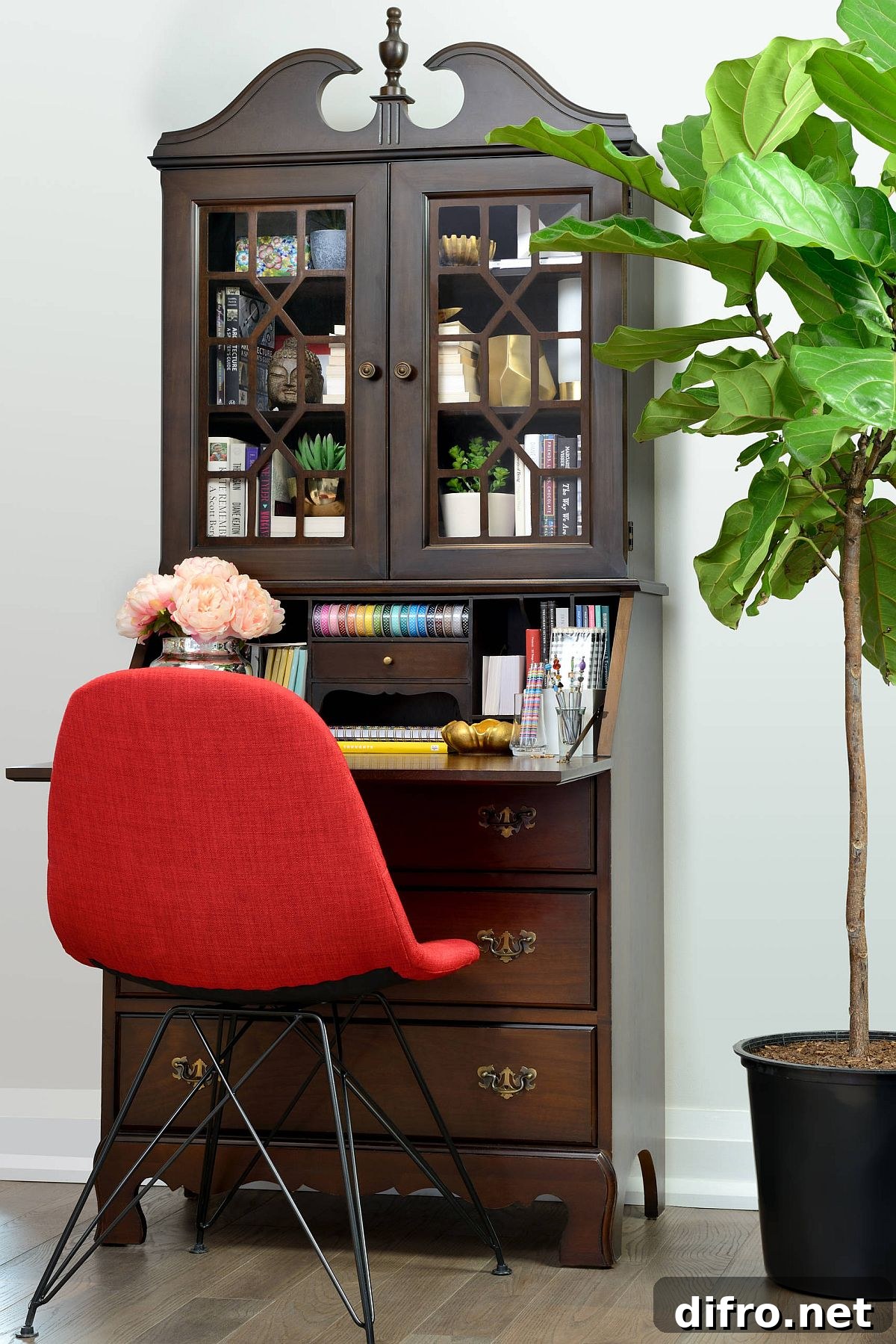
Color, Lighting and Organization
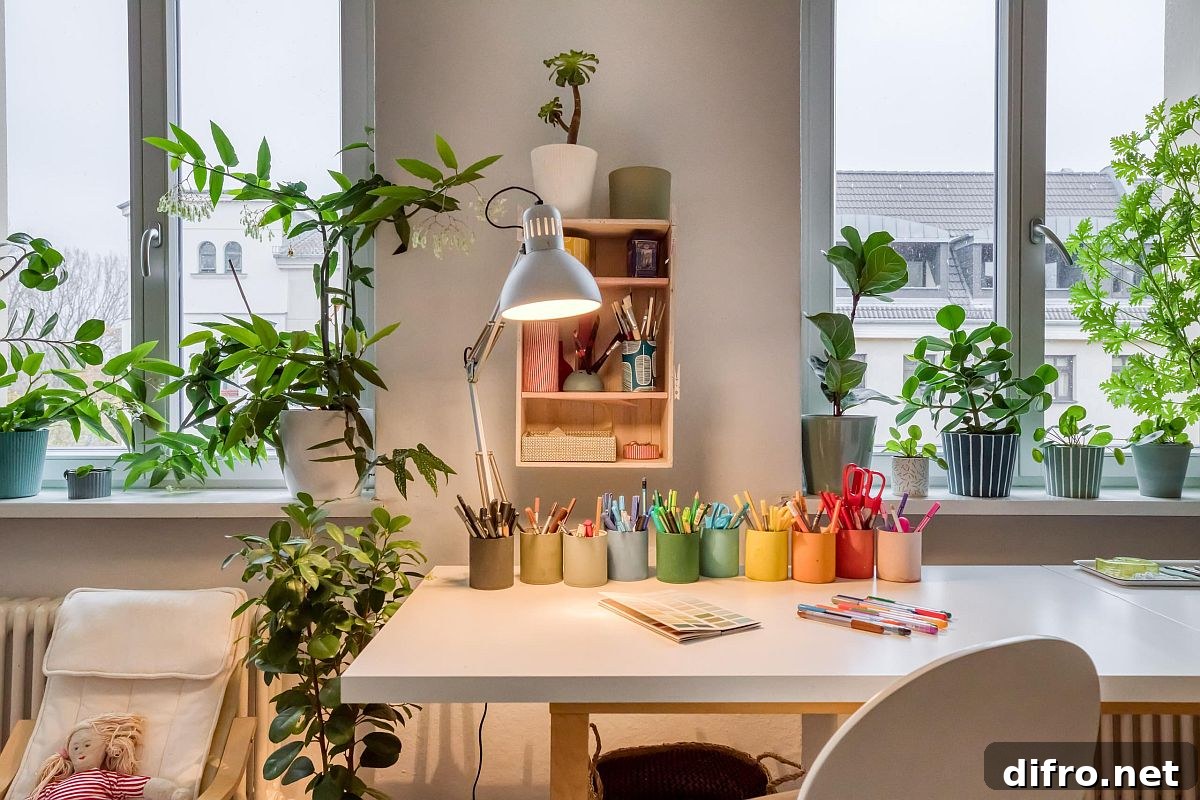
Good lighting and a clear visual strategy are essential in small craft rooms. Recessed ceiling lights or a row of adjustable task lamps provide even illumination for precise work. If possible, position the workspace near a window for natural light and a pleasant view. Keep the room’s backdrop neutral and the color palette simple; this prevents visual clutter and keeps attention on the projects rather than on competing patterns. Use a limited accent color or a single patterned wall to add personality without overwhelming the space.
Organization systems that balance visibility and containment work best. Open cubbies, pull-out drawers, labeled baskets, and clear bins let you find materials quickly, while closed storage keeps dust off delicate supplies. Wall-mounted dowels and pegboards are particularly effective in small rooms because they create modular storage and are easy to reconfigure. Periodically declutter and group items by project or function to keep the workspace efficient and inspiring.
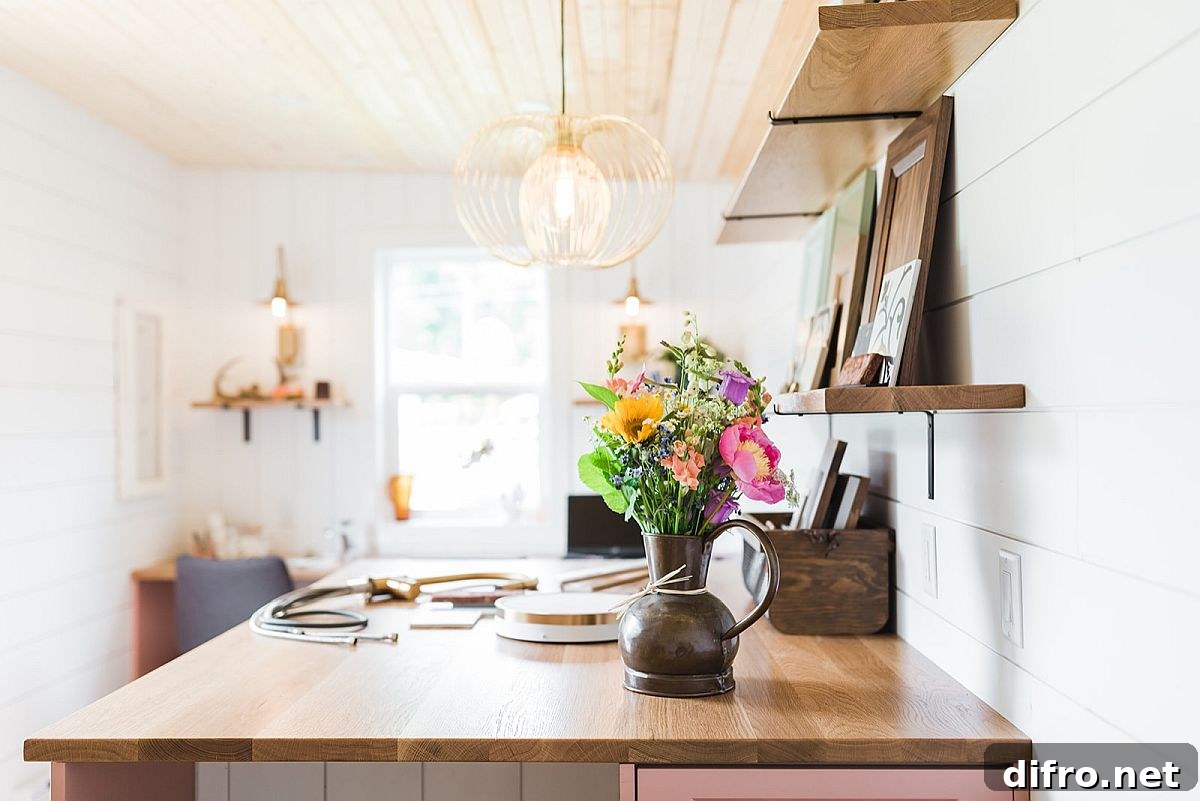
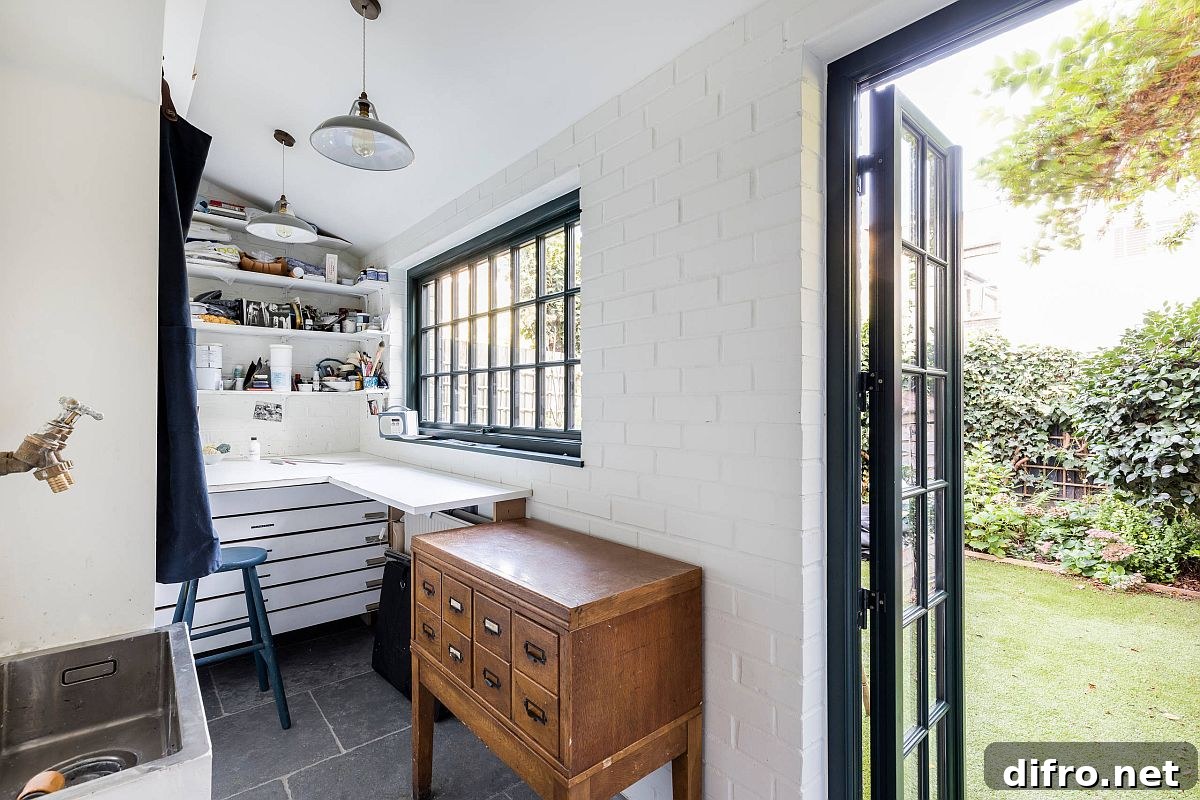
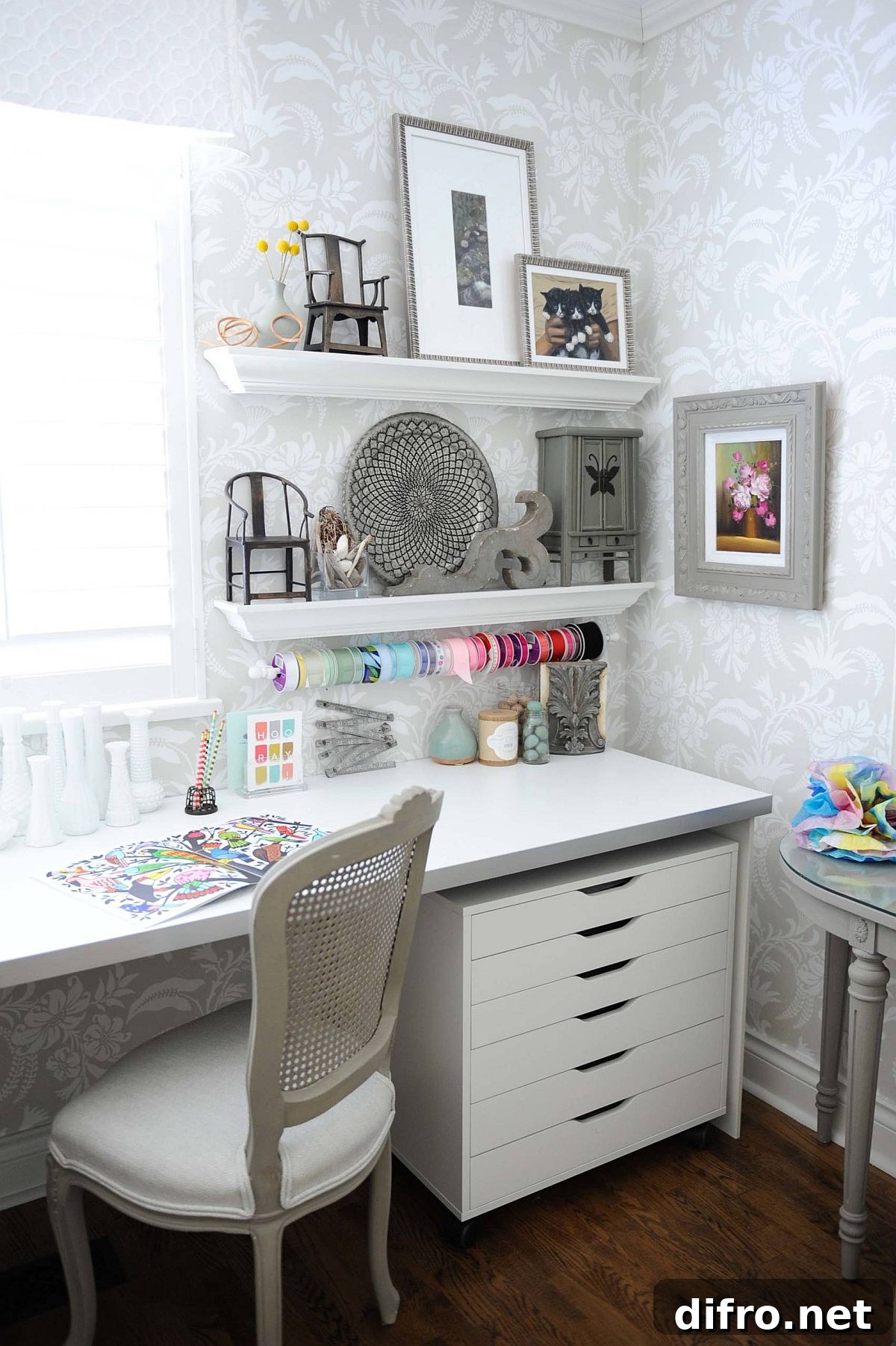
Designing a small craft room is about making thoughtful choices: prioritize flexible storage, maximize vertical space, select lighting that supports detailed work, and maintain a calm color scheme that reduces visual noise. With these principles, even the smallest corner can become an organized, inspiring place to create.