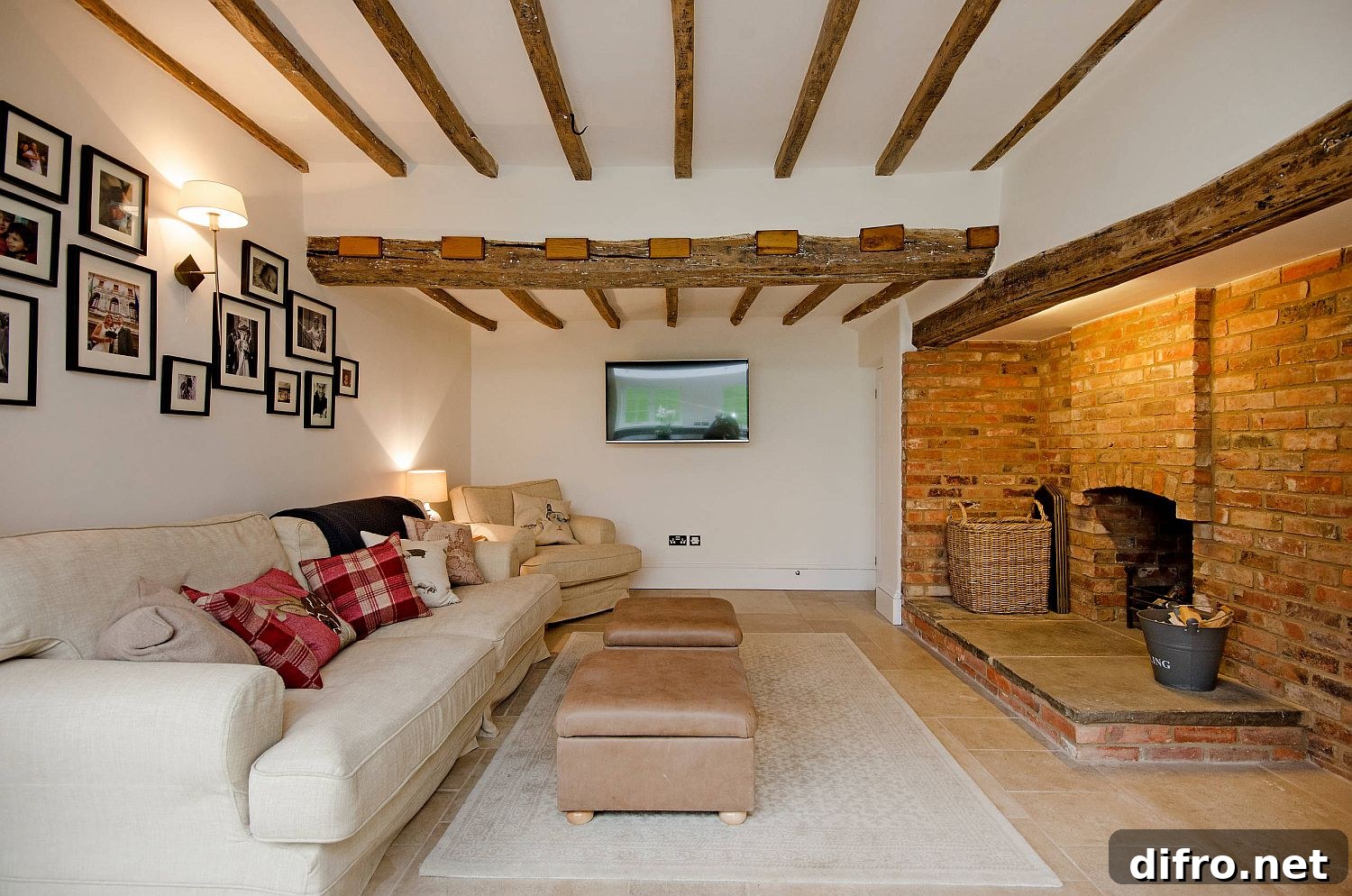
Some design elements cycle back into fashion and then become long-lasting trends that reshape interiors worldwide. As older homes receive modern makeovers and adaptive reuse grows in popularity, industrial, rustic and farmhouse accents are reappearing in force. One classic feature enjoying a strong revival is the wooden ceiling beam. Once a practical structural element in older buildings, ceiling beams are now embraced for their decorative value as much as their function.
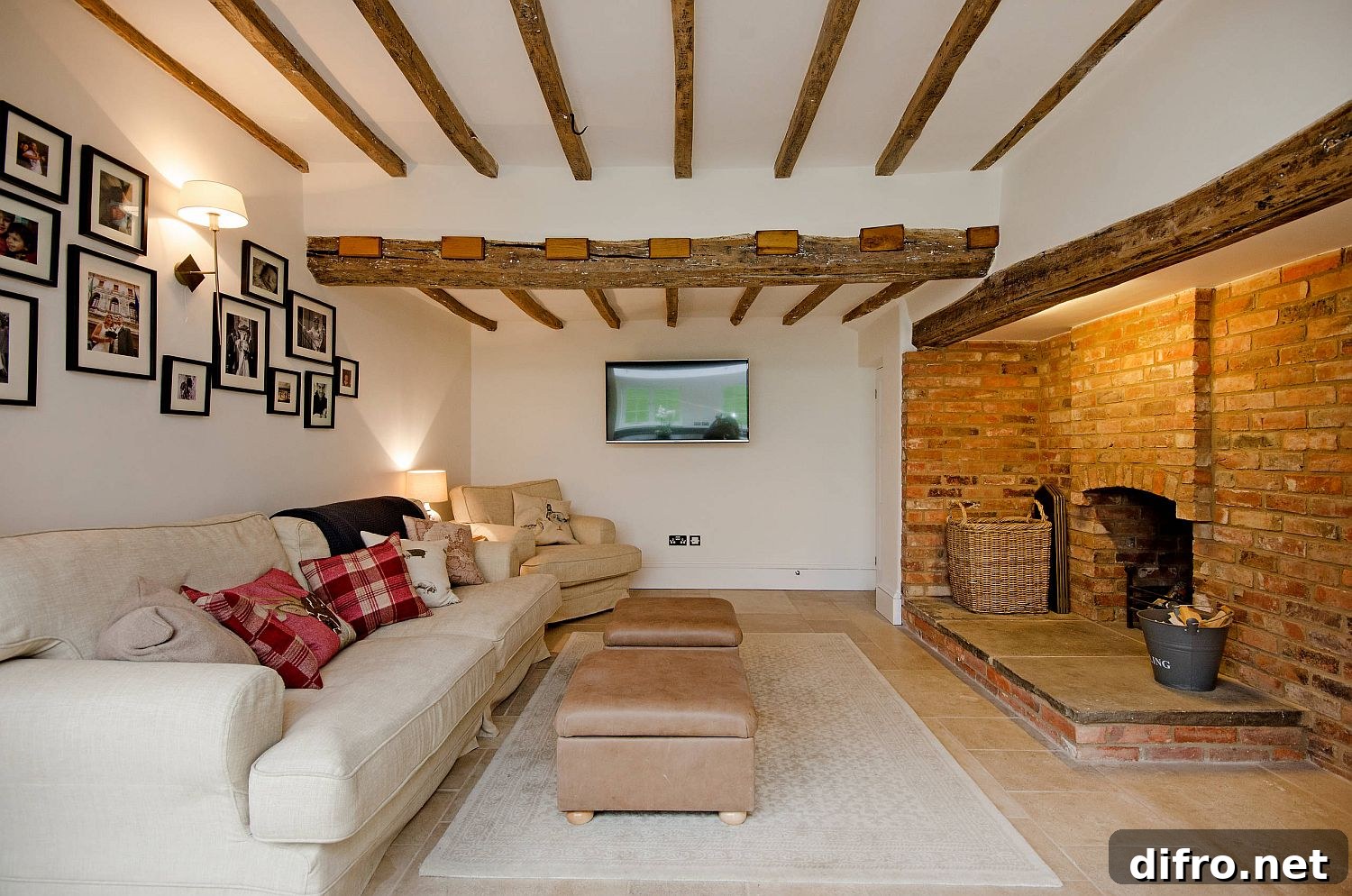
Ceiling beams instantly lift a living room above a plain white ceiling and add texture, depth and a cozy atmosphere. Whether you want a distinctly rustic feeling, a farmhouse charm or a more contemporary look, wooden beams are highly adaptable. Below are practical guidelines and design ideas to help you choose and style ceiling beams so they complement your living space.
Classic and Traditional Styling
Traditional interiors are the easiest fit for wooden beams. A simple paint or stain can help the beams blend with the room’s palette, while keeping them visible as a warm, organic element. In traditional rooms, beams often flank fireplaces, crown seating areas and frame focal walls. You can keep a polished finish for a refined look or embrace a raw, reclaimed texture to add contrast and character.
Choosing Beam Style and Scale
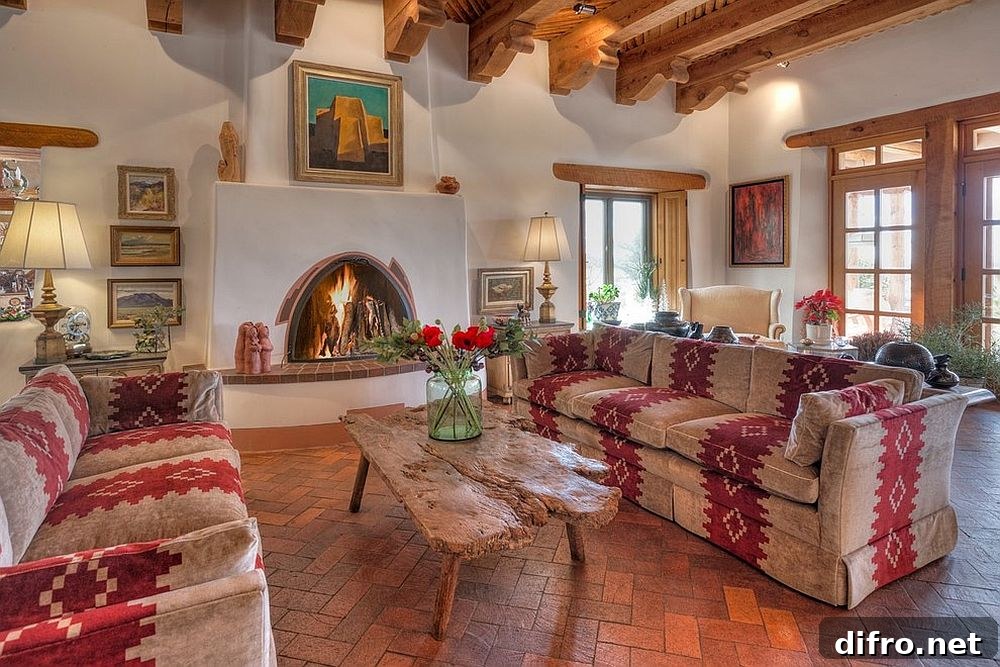
Beams come in exposed, boxed and faux styles. Exposed beams suit rustic schemes; boxed beams offer a more structured, refined feel; and faux beams provide the look of real wood at a lower cost and with easier installation. Size matters: hefty beams can dominate a small room, while thinner beams provide subtle texture without overpowering the space. Use beam placement—parallel rows, a grid or even a diagonal pattern—to create visual interest and define zones in open-plan living areas.
Mixing Wood Finishes and Materials
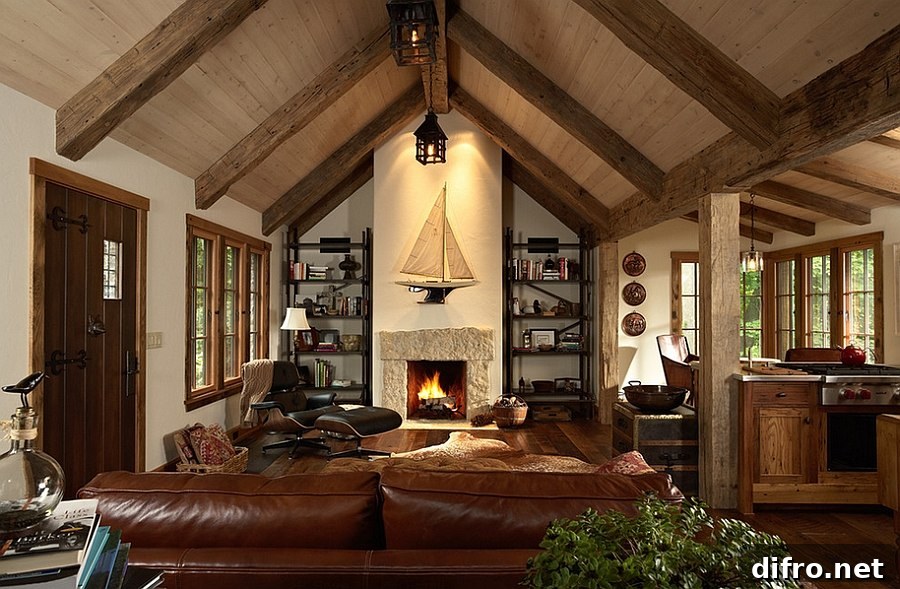
Contrast different wood tones to create depth: darker beams paired with lighter floors or furniture add richness, while matching tones produce a cohesive, calming rhythm. Combining materials—brick, plaster or stone walls with timber beams—adds texture and layers to a living room. For coastal or modern interiors, choose smoother, lighter woods; for farmhouse and rustic looks, reclaimed or distressed boards are ideal.
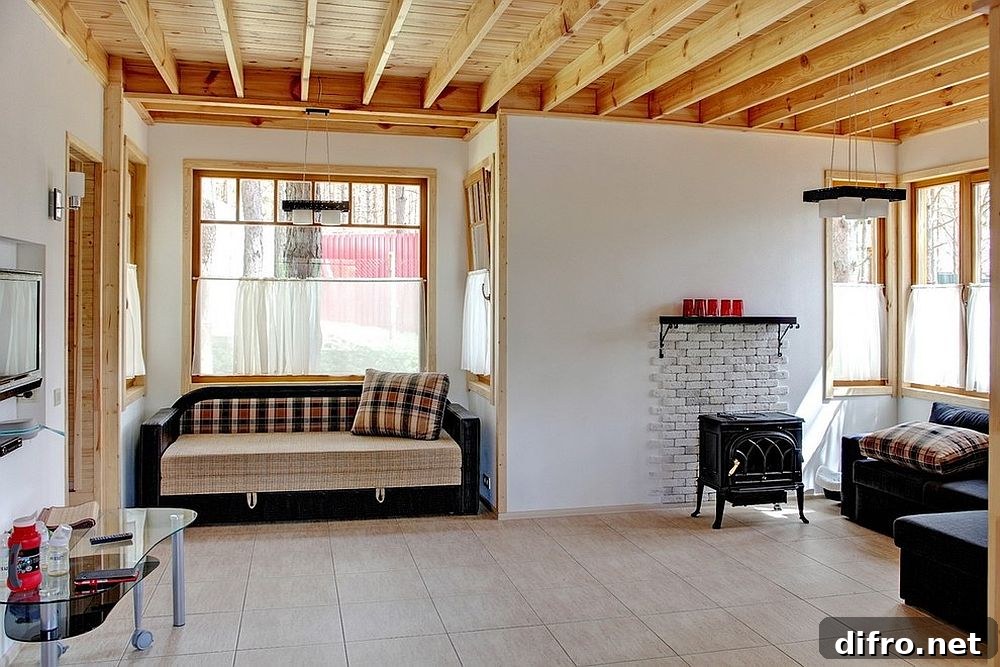
Lighting and Accent Treatments
Good lighting highlights the beams and enhances the room’s mood. Recessed spotlights, track lighting or pendant fixtures hung from beams can draw attention upward and create cozy pools of light. String lights or seasonal garlands wrapped around beams add charm for holidays and special occasions. Consider installing skylights in vaulted ceilings to bring natural daylight into beam-accented spaces.
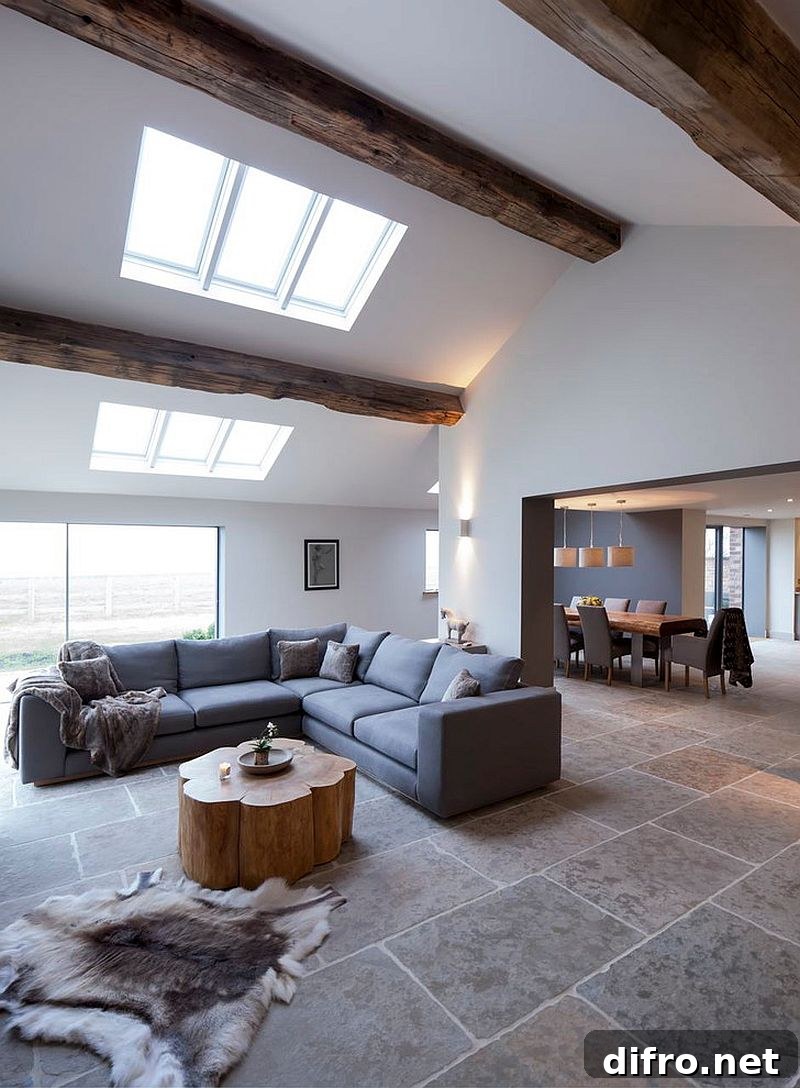
Modern Applications
Wooden beams are not limited to traditional rooms. In contemporary, white or minimalist interiors, a single contrasting beam or a grid of slim beams can become a defining architectural detail. In loft conversions and double-height living rooms, beams enhance the vertical drama while reinforcing a clean, modern aesthetic.
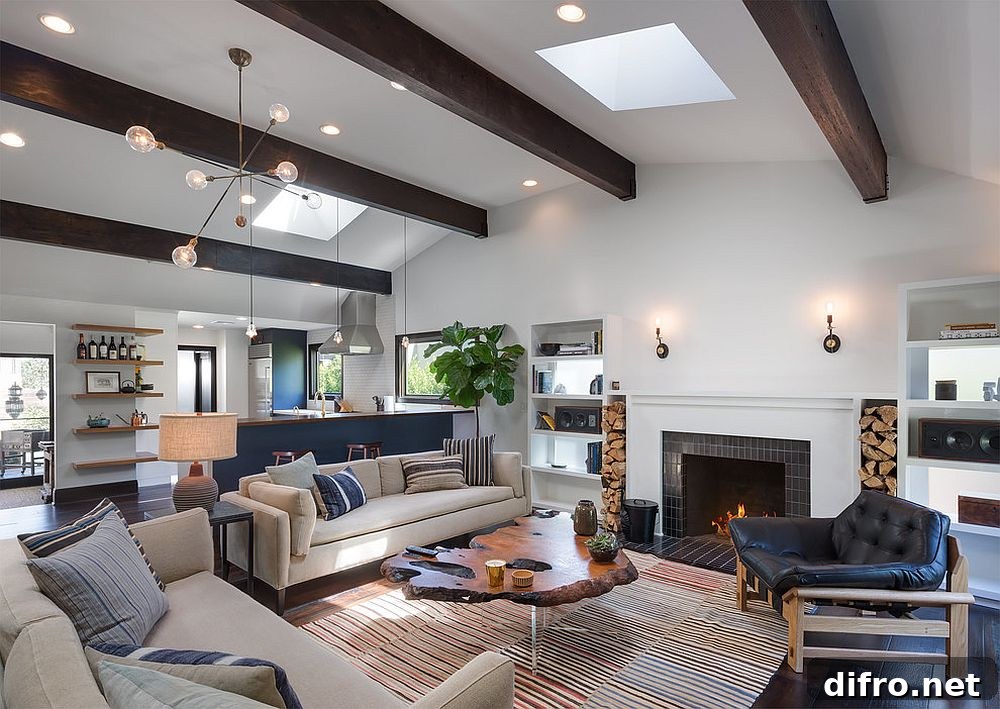
Installation and Practical Considerations
Ceiling beams can be structural or purely decorative. Faux or boxed beams are lighter and easier to install, while true structural timbers require assessment of load-bearing capacity and professional installation. If you plan a DIY project, research recommended fastenings and safety guidelines. Be mindful of ceiling height: beams reduce vertical clearance, so thin profiles are preferable in rooms with low ceilings.
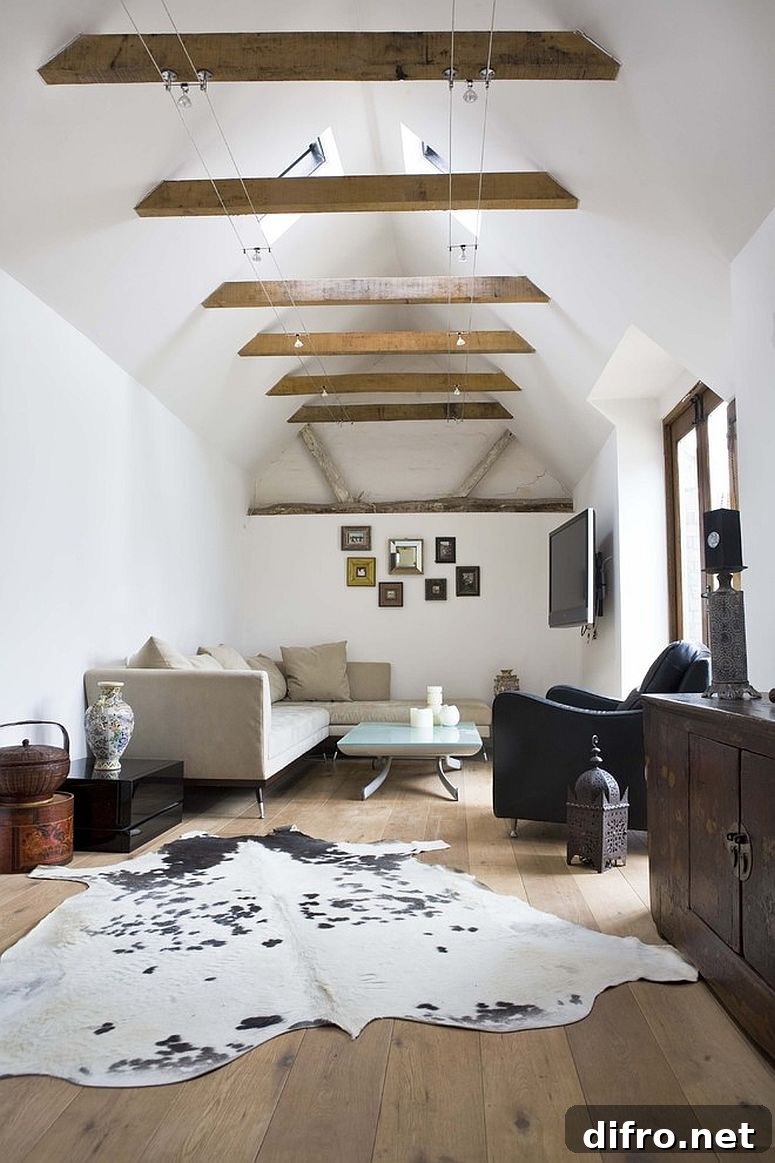
Versatility Across Styles
Wooden ceiling beams are among the most versatile architectural accents. Their final effect depends more on finish, spacing and context than on the wood itself. Heavier, darker beams read traditional or industrial; lighter, narrower beams feel coastal or modern. Use beams to anchor hanging lights, define seating areas or introduce festive décor—whatever the style, they bring warmth, texture and a timeless sense of craftsmanship to the living room.
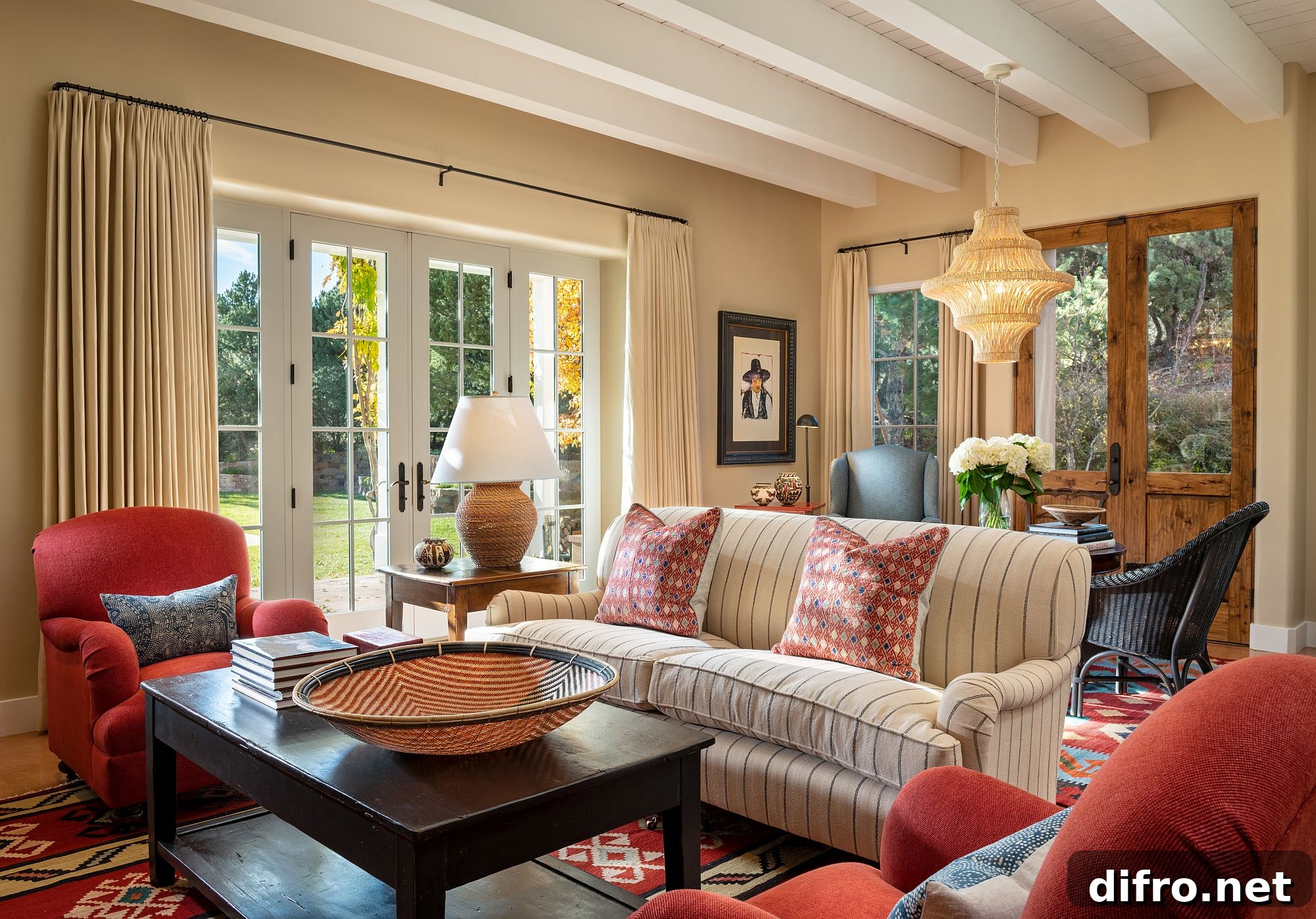
Whether you choose reclaimed timbers for a rustic statement, sleek maple for modern minimalism or a painted finish to match your palette, wooden ceiling beams are a high-impact feature that enhances character and comfort in any living room.