Imagine stepping into a room that immediately feels balanced, comfortable, and easy to move around in. Many of us unknowingly make a few common furniture-arrangement mistakes that prevent rooms from reaching their full potential. With a few thoughtful changes focused on traffic flow, scale, and purpose, you can unlock more space, improve comfort, and make your home more inviting. Below are the most frequent furniture layout errors and practical, design-forward solutions to fix them.
1. Overcrowding
One of the easiest ways to make a room feel smaller is to fill it with too much furniture. Overcrowding restricts circulation, creates visual clutter, and makes even large spaces feel cramped. Start by identifying what’s essential: keep pieces that serve a purpose or add meaningful style. Look for multi-functional furniture—storage ottomans, benches with compartments, or sofas with hidden storage—to reduce clutter without sacrificing utility. Create clear walkways and aim for comfortable spacing around each item so the room breathes. Remember: a curated selection of well-chosen pieces often looks and feels better than a crowded collection.
2. Ignoring the Focal Point
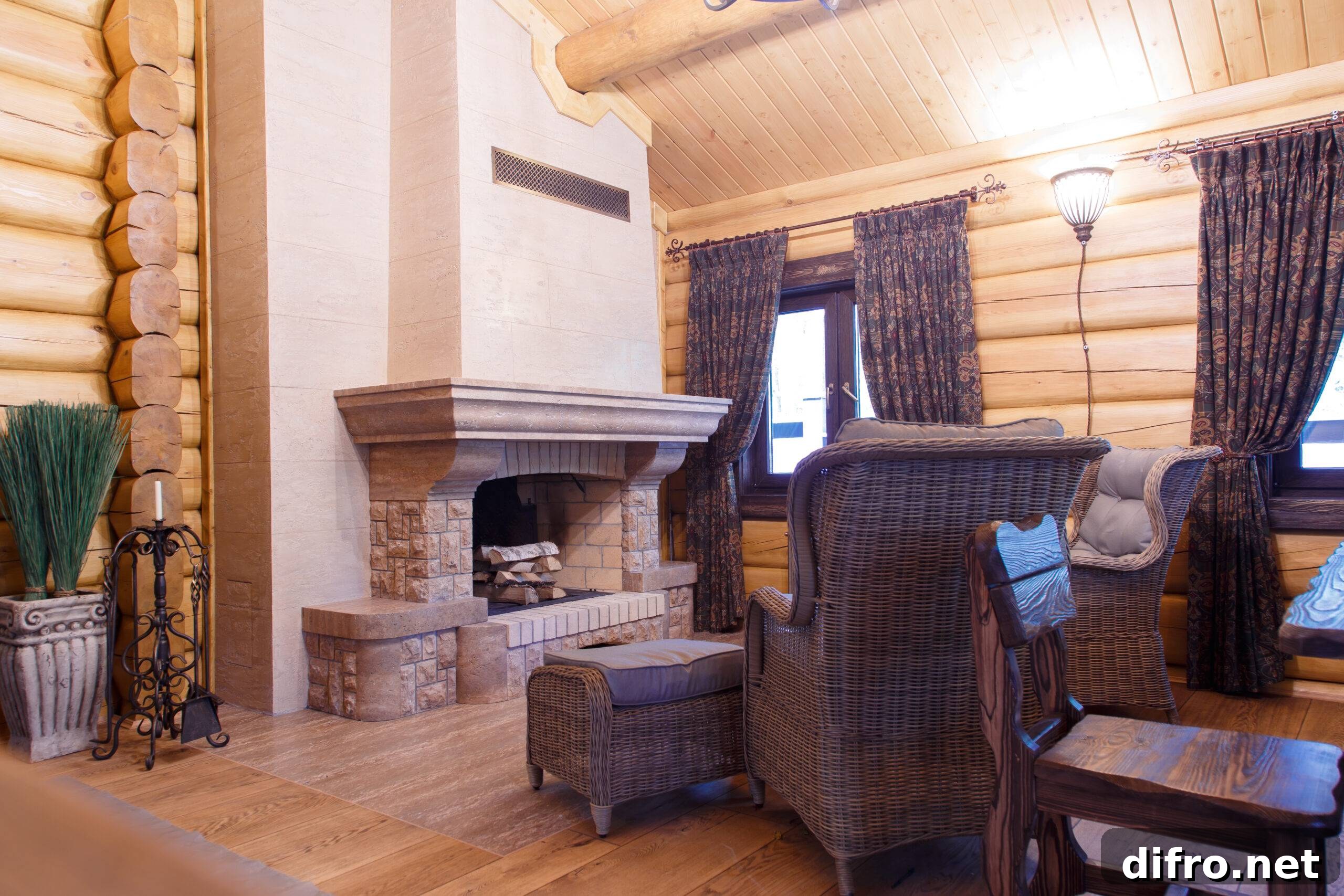
Every well-designed room has a focal point—a fireplace, a large window, an architectural feature, or a striking artwork. Failing to acknowledge that anchor leaves the space feeling disjointed. Identify where the eye naturally lands and arrange seating and major elements to face or complement that feature. If your room lacks a natural focal point, create one with a statement rug, a grouping of art, or a central piece of furniture. Properly oriented furniture draws attention to the room’s best aspects and makes layouts feel intentional and cohesive.
3. Blocking Pathways
Furniture that interrupts natural movement makes a room awkward and harder to use. Blocked pathways force people to take uncomfortable detours and can make daily life less convenient. Observe how people naturally move through the room and position pieces to support those paths. Allow at least a modest clearance between furniture for comfortable walking, and avoid placing large items in front of doors or windows. Prioritizing flow makes a space feel more functional, open, and welcoming.
4. Pushing Furniture Against Walls
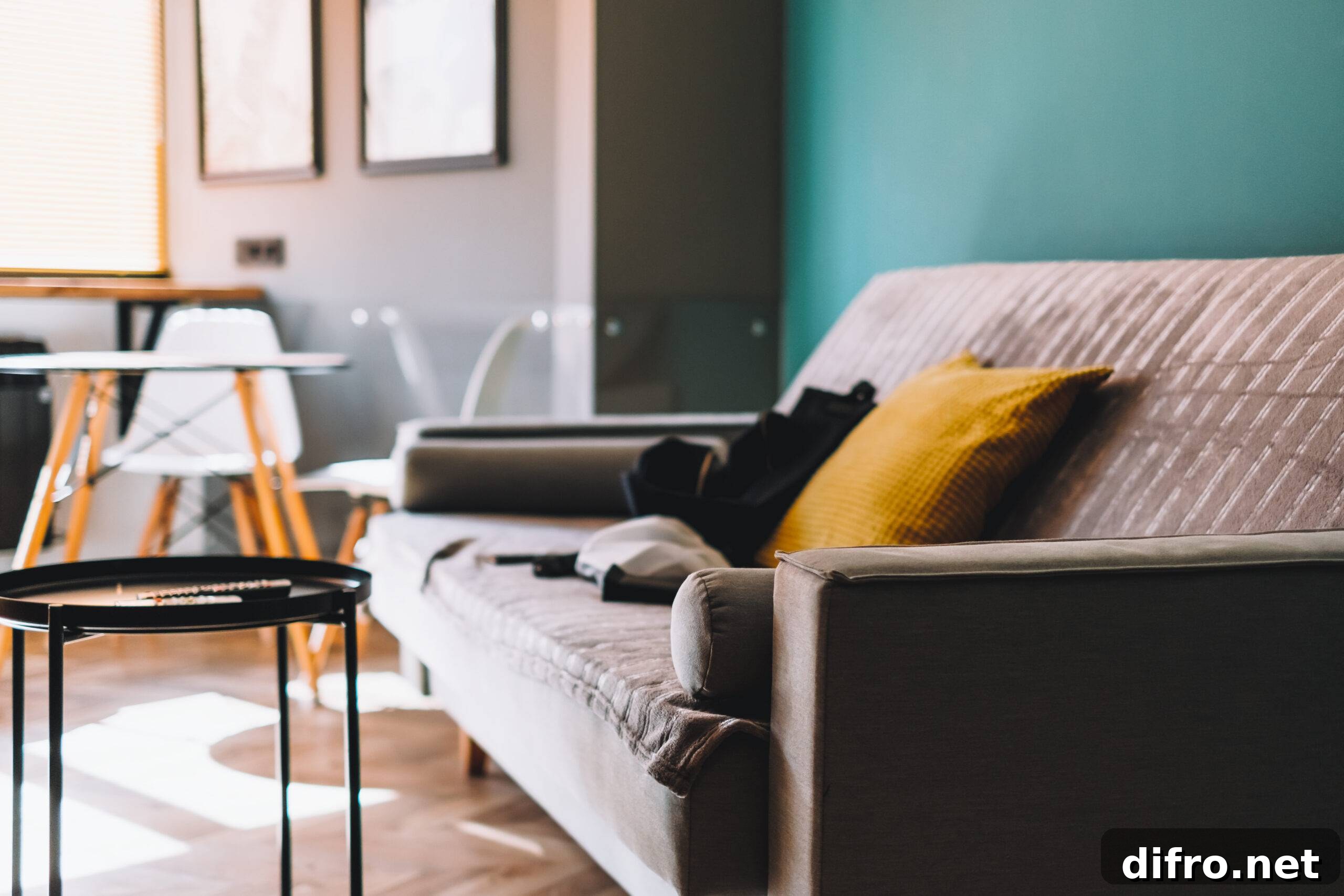
While pulling furniture to the walls may seem like an easy way to open floor space, it often produces a cold, disconnected layout. Floating furniture—arranging sofas and chairs slightly away from walls—creates intimate conversation zones and a cozier atmosphere. Start by moving seating a few inches away from the wall, group pieces around a central rug or coffee table, and use lighting or a console table behind a sofa to define the area. Keep built-in storage or media units against walls, but allow seating to sit more centrally so the room feels purposeful and inviting.
5. Neglecting Scale and Proportion
Scale and proportion are essential to a balanced interior. Oversized furniture can overwhelm a small room, while tiny pieces in a large space can feel lost. Measure your room and choose items that fit the scale: low-profile sofas and narrow tables work well in compact areas, while larger sectional sofas or grouped seating help fill expansive rooms. Consider the relationship between pieces—a disproportionately large coffee table in front of a small sofa will throw off balance—so aim for harmony between furniture sizes for a polished and functional layout.
6. Ignoring Functionality
A pretty room is only successful if it serves the people who use it. Think about how you live in the space and arrange furniture to support those activities. In living rooms, ensure there’s adequate seating and a comfortable sightline to the television or focal point. In a home office, prioritize desk placement, task lighting, and accessible storage. For multi-purpose rooms, use flexible furniture and zoning—rugs, shelving, or screens—to separate functions. Always prioritize comfort and convenience alongside style.
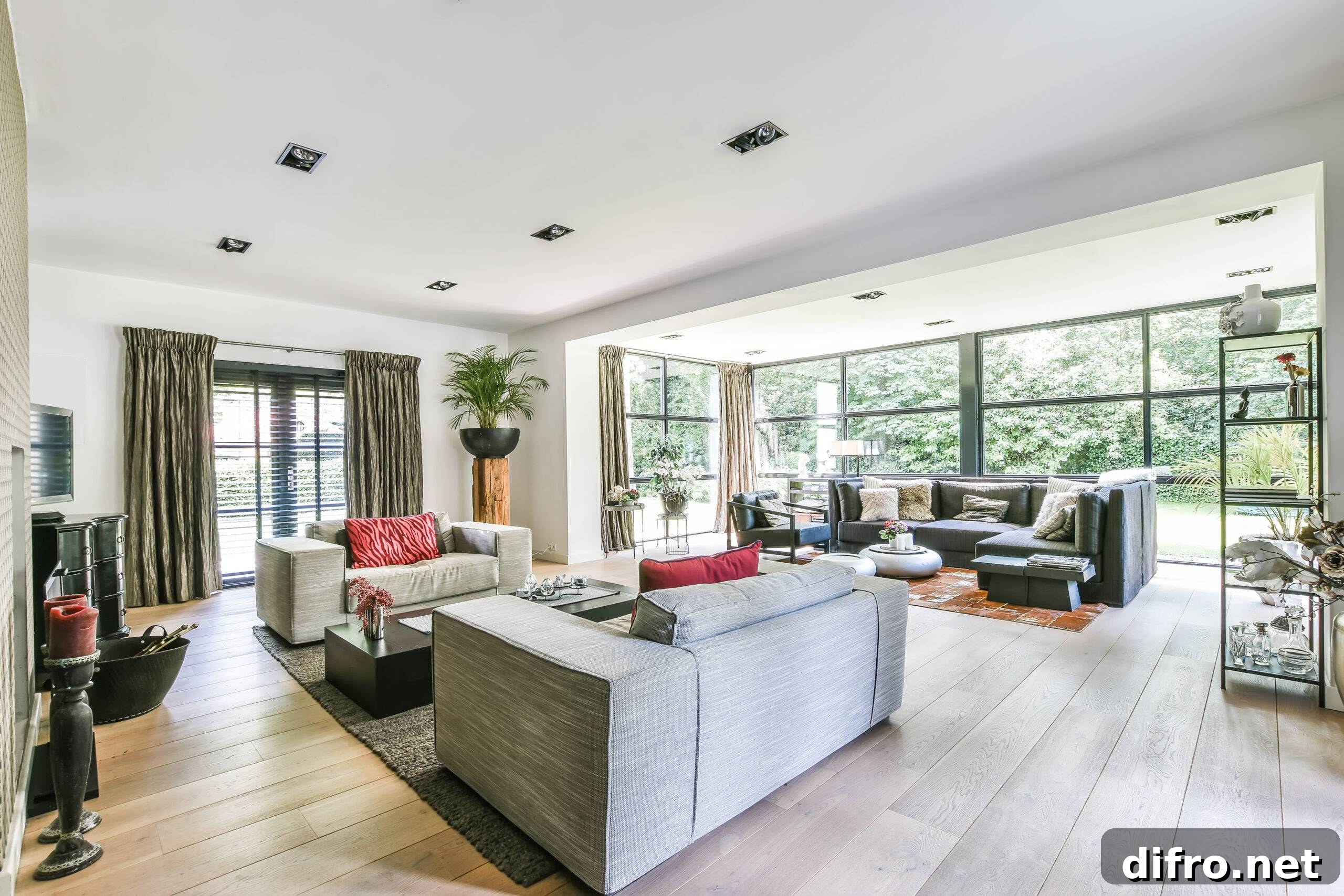
Arranging furniture successfully combines practical planning with a touch of creativity. Focus first on circulation, focal points, scale, and real-life use, and then refine with color, texture, and accessories. These core adjustments will instantly improve flow, increase perceived space, and make your rooms more comfortable and effective. With the right foundation, decorating becomes easier and more satisfying—so start with these fundamentals and let your personal style fill in the details.
Ready to refresh your home? Subscribe to our newsletter for regular interior design tips, layout ideas, and practical advice to help you create comfortable, functional spaces.