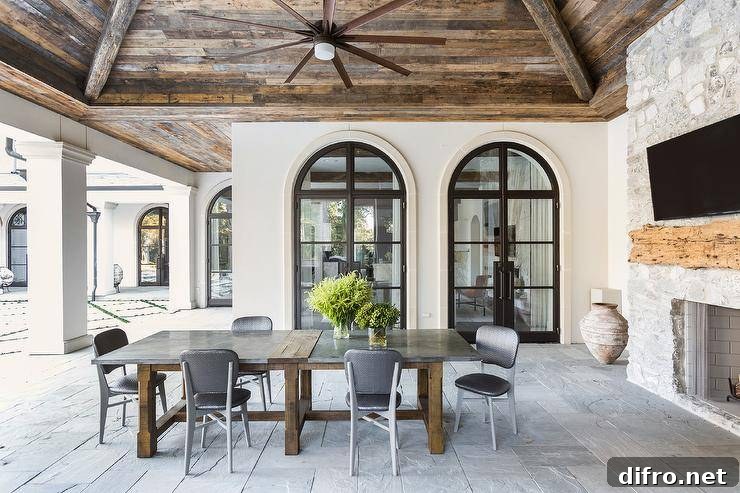
Outdoor living rooms are a major home trend, and concrete patios have become a favored choice for creating durable, stylish backyard spaces. A well-designed concrete patio delivers a timeless aesthetic that often replaces traditional wooden decks. Low-maintenance and versatile, concrete patios help define outdoor zones and complement existing landscaping.
Concrete patios are an economical way to increase a home’s curb appeal and usable square footage. With countless stamping patterns, finishes, and color options, concrete can be tailored to match your home’s architecture and the surrounding landscape, from modern minimalism to cottage charm.
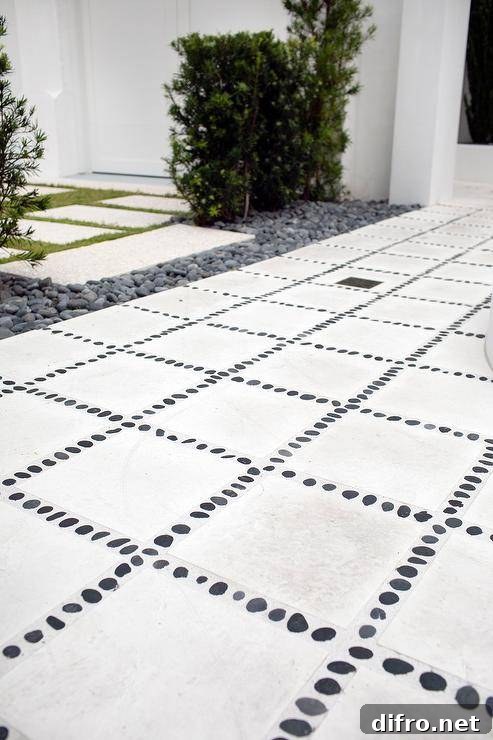
Don’t think of a concrete patio as a plain slab — when combined with patio covers, pergolas, pool decks, fire features, or planting beds, a concrete surface can become the foundation for a beautiful outdoor living room. Linking patios to the yard with walkways and transitions helps create a cohesive lounging retreat and extends living space outdoors.
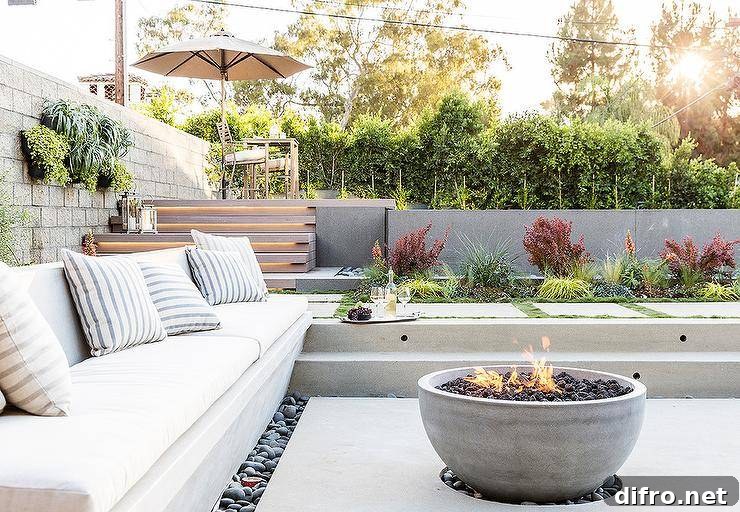
If you want a more intimate space, consider sunken patios or built-in seating to create cozy alcoves. Concrete also provides an excellent base for outdoor kitchens, fire pits, gazebos, or dining areas, giving you flexibility to design multifunctional outdoor rooms.
Decorating on a Budget
Concrete gives you a clean slate for decorating. If you’re working with a tight budget, secondhand furniture and upcycled pieces are great options—often patio sets are lightly used and available at a fraction of the cost. Metal tables and chairs can be refreshed with paint to match your palette, allowing you to furnish a full outdoor room affordably.
Poured concrete is usually less expensive per square foot than many stone or tile options. Resurfacing can cost roughly $3 to $10 per square foot depending on finish and complexity, while concrete slabs and pavers let you create economical, customizable layouts.
How to Improve a Concrete Patio
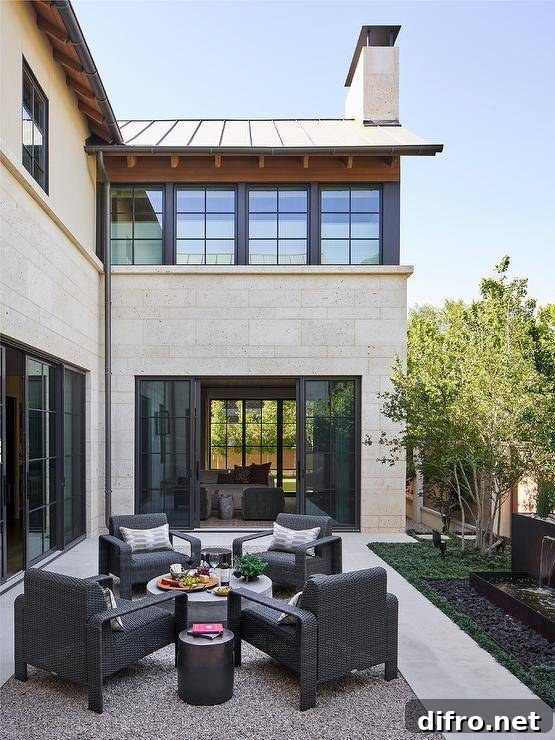
Concrete is a fantastic blank canvas. Break up the surface with an oversized outdoor rug to add texture and color. Place planters, raised beds, and greenery to soften large expanses of cement. Strategic lighting—like landscape lanterns, string lights, or in-floor lights—will warm the area and create atmosphere after dark.
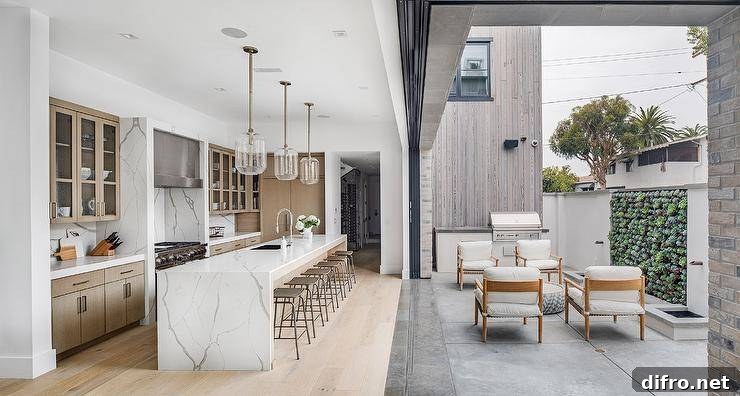
Below are 40 inspired concrete patio ideas collected from designers to help you create an outdoor space you’ll enjoy year-round.
Simple and Sweet
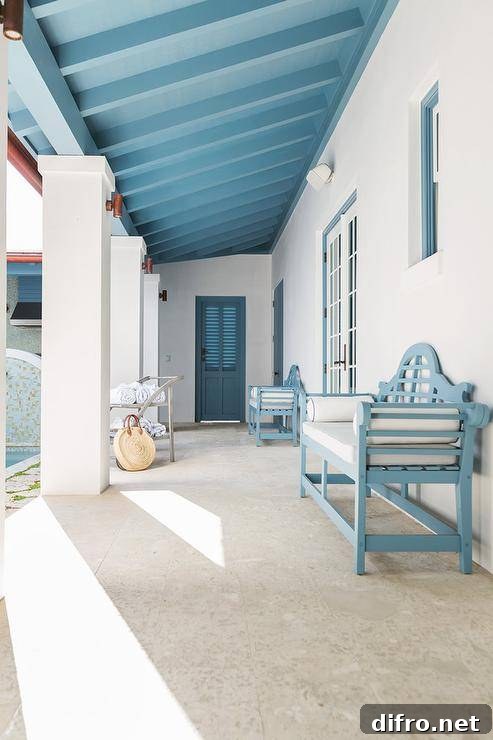
A minimalist concrete patio can let architectural details, like painted doors or a striking façade, take center stage. Simple finishes and clean lines create a calm backdrop that highlights key design elements.
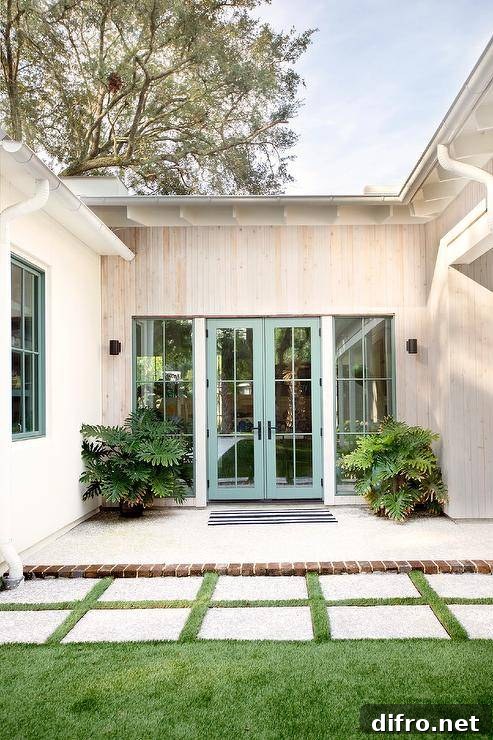
Easy Concrete Pavers
Concrete pavers come in many shapes, sizes, and textures and can be installed over compacted sand for a quick update. Leaving gaps between pavers allows for pea gravel, groundcover, or grass to soften the surface and reduce materials, while tightly butting pavers creates a smooth, continuous patio.
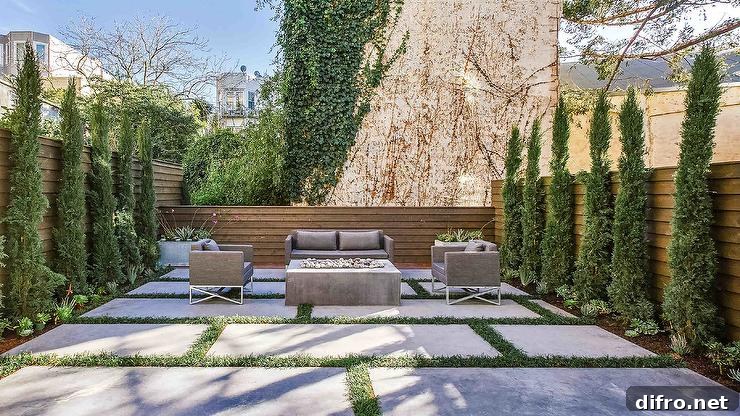
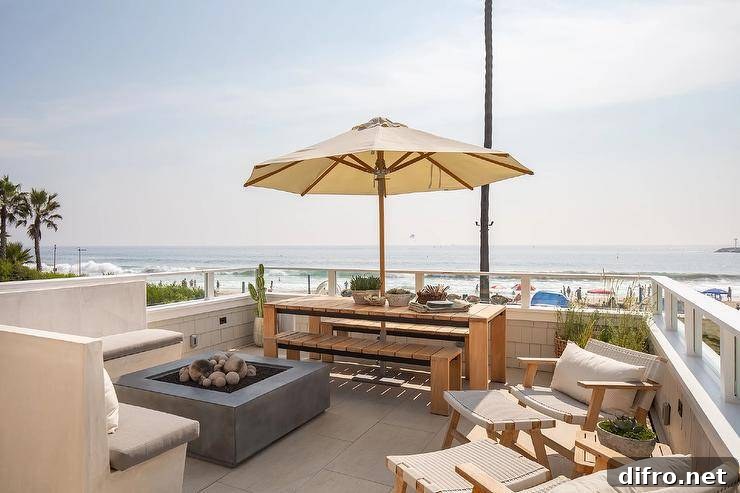
Concrete on the Beach
Concrete patios work beautifully in coastal settings. Their smooth, restrained finish supports a nautical palette and modern furniture, creating relaxed but refined beachfront living areas.
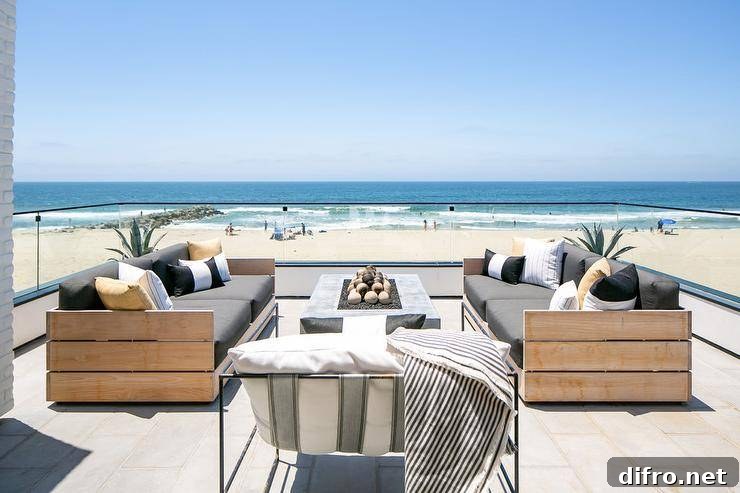
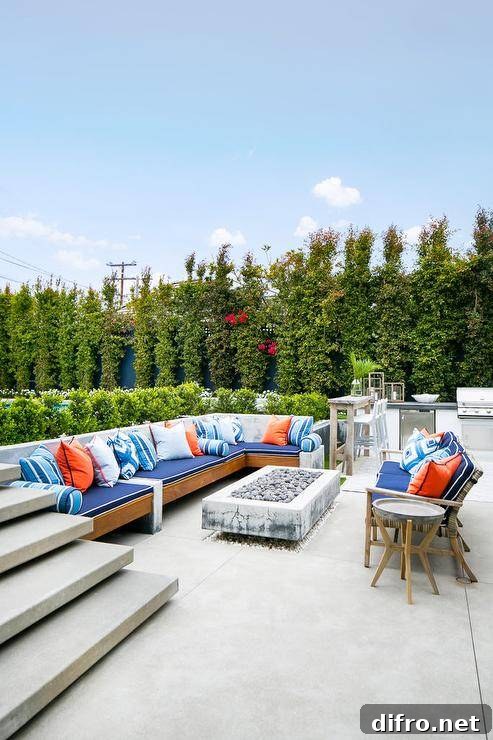
Sunk-In Patio
A sunken patio adds varied elevation and creates a defined, intimate gathering area. Combined with colorful cushions and warm accents, a lower patio can feel inviting and lively instead of stark.
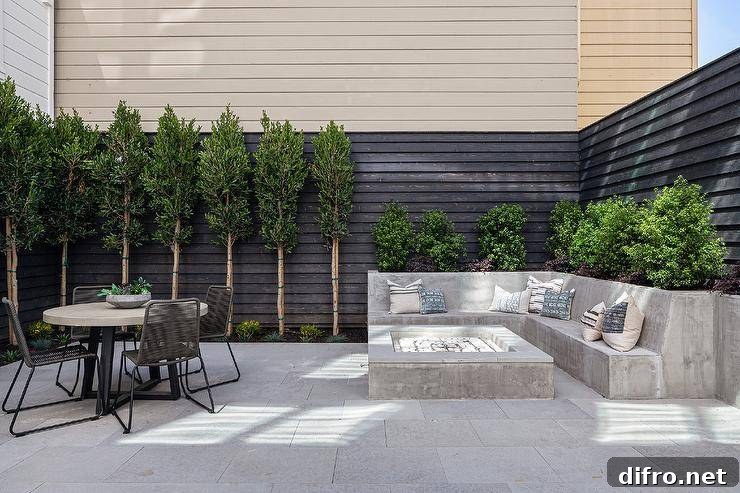
Concrete Furniture
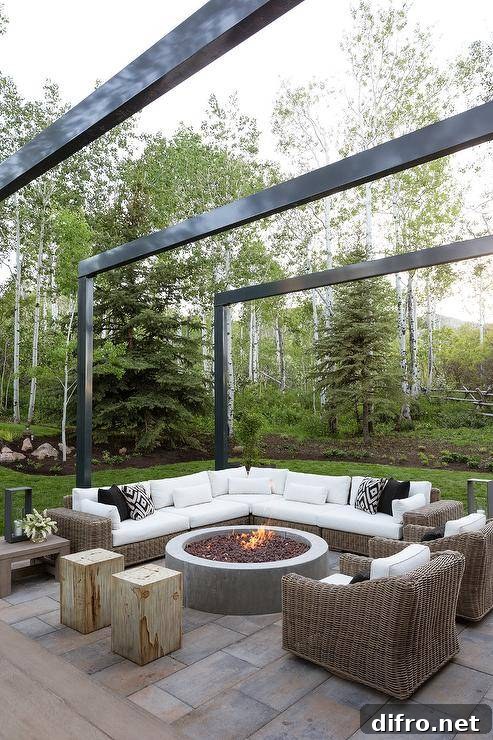
Extend the material palette by incorporating built-in concrete seating, fire pits, or dining tables. Concrete furniture reinforces a cohesive look and provides durable, low-maintenance fixtures for outdoor living.
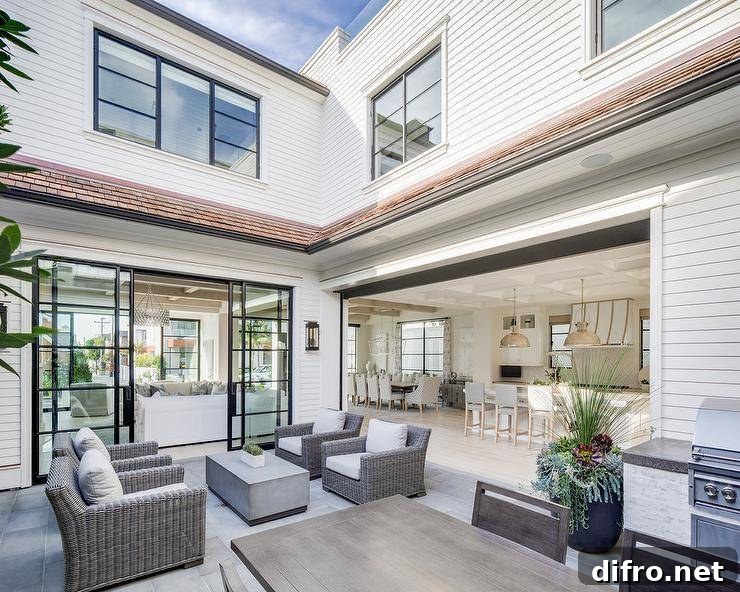
Open to the Home
Placing a concrete patio directly off a home’s large openings creates a seamless indoor-outdoor transition. Neutral pavers work well with bright interiors and encourage a relaxed, cohesive flow for entertaining.
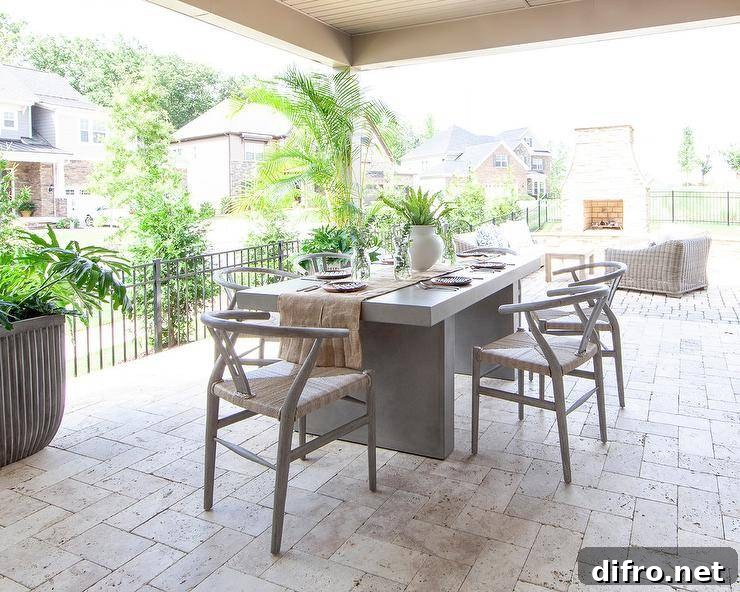
Outdoor Dining Space
Interlocking cream pavers under a covered patio create a warm dining space that feels like an extension of the home. Pavers add visual interest and durability for frequent entertaining.
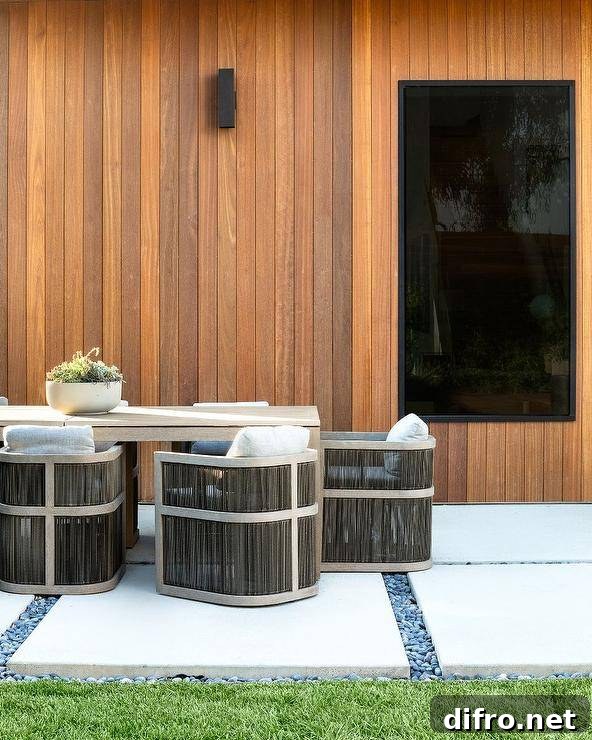
Modern Concrete Patio
Contrasting materials—like dark river rock framing light pavers—can give a modern patio a tranquil, zen-like quality. This type of composition works well for dining and entertaining areas where form and function meet.
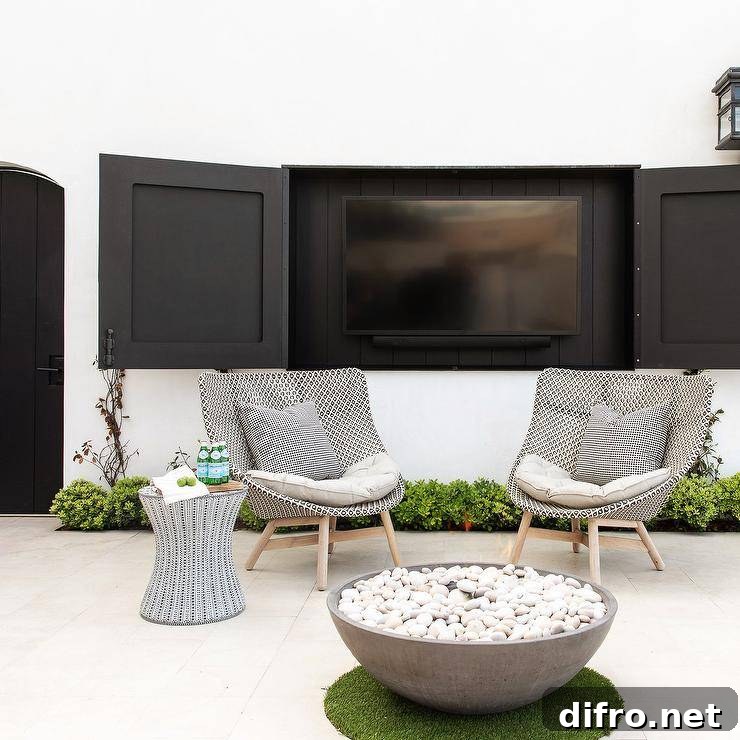
A Perfect Hang-out Space
Smart storage and concealed electronics keep patios tidy and functional. A round concrete fire feature with monochrome seating creates a modern, comfortable spot for evenings outdoors.
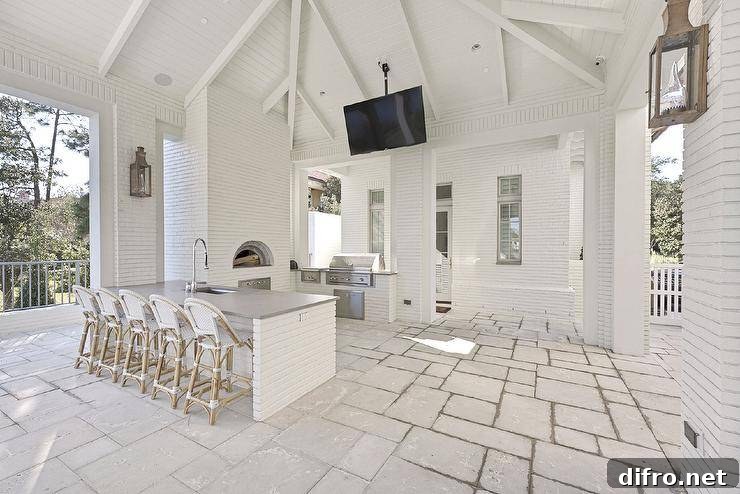
Spacious and Exquisite
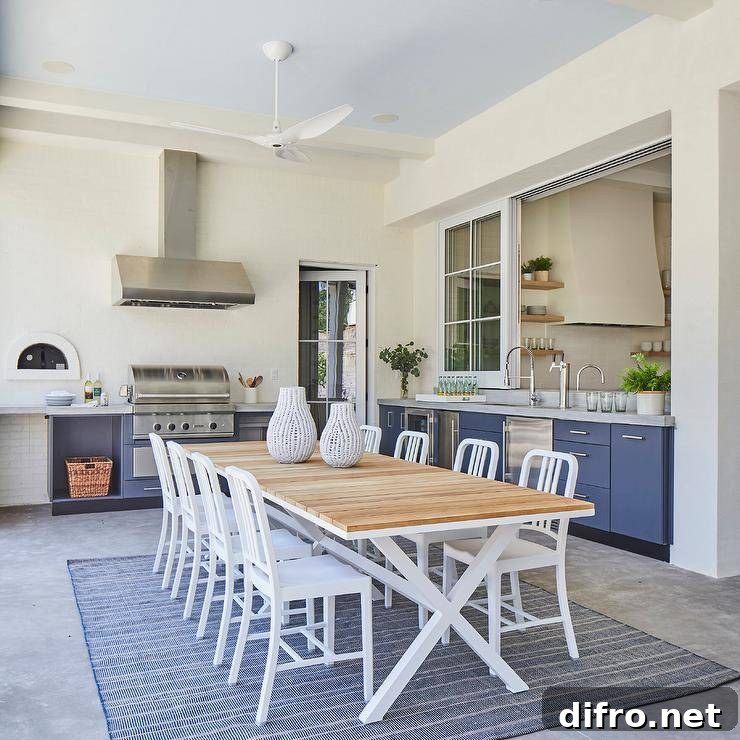
Large covered patios with outdoor kitchens and media areas create indoor-style comfort outdoors. Bright, airy finishes and a durable concrete surface make these patios ideal for extended summer use.
Life in the “Hollywood Hills”
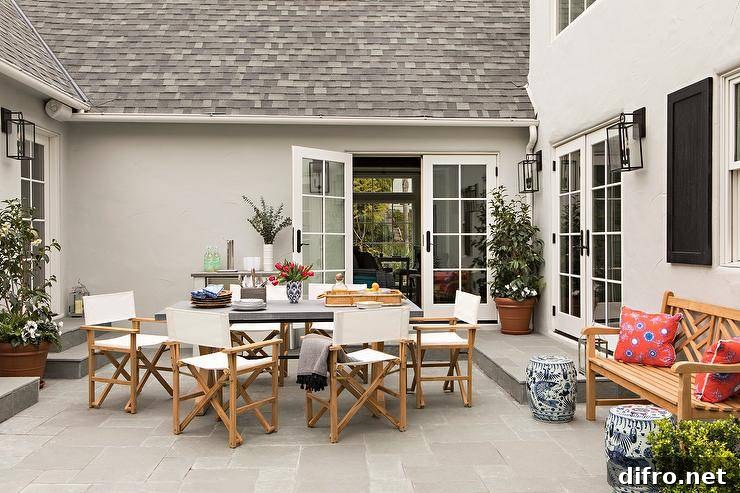
Slate-style pavers or sleek concrete finishes paired with director-style seating create an elegant, cinematic vibe for patios that feel like private villas.
Toss Down a Rug
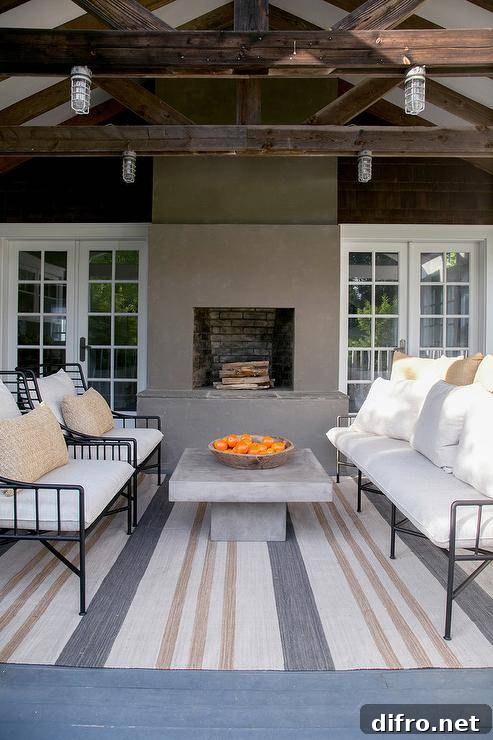
Concrete’s smooth surface makes it ideal for large outdoor rugs. Rugs bring color, pattern, and softness without permanent changes, and they help define seating and dining zones.
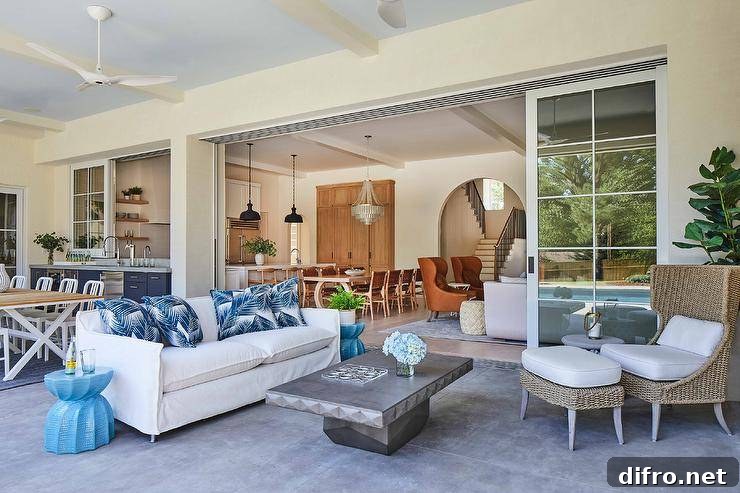
An adjacent outdoor living area with slipcovered seating and vibrant cushions can warm the concrete and create a welcoming social hub.
Four Reasons to Choose Concrete for Your Patio
Create a Durable Outdoor Entertaining Space
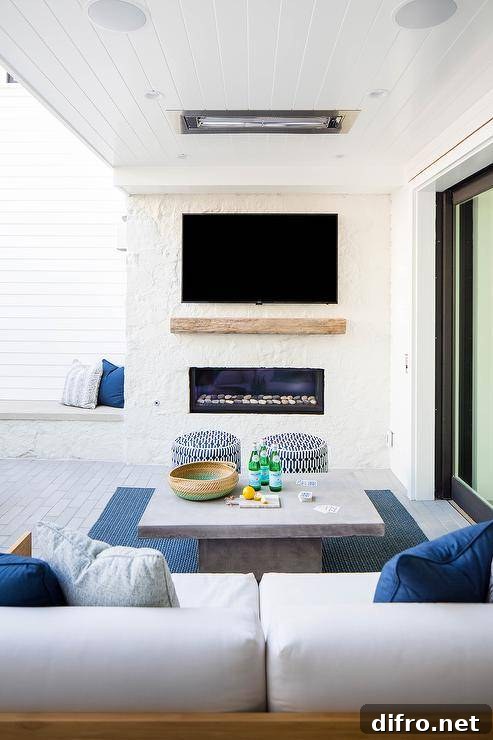
Concrete patios support outdoor kitchens, seating areas, fireplaces, and media features. They provide a stable, easy-to-maintain surface for frequent entertaining and everyday use.
Customizable Color and Pattern
Concrete can be stained, dyed, stamped, or engraved to mimic brick, slate, or tile. These options allow you to coordinate your patio with exterior finishes and landscape materials.
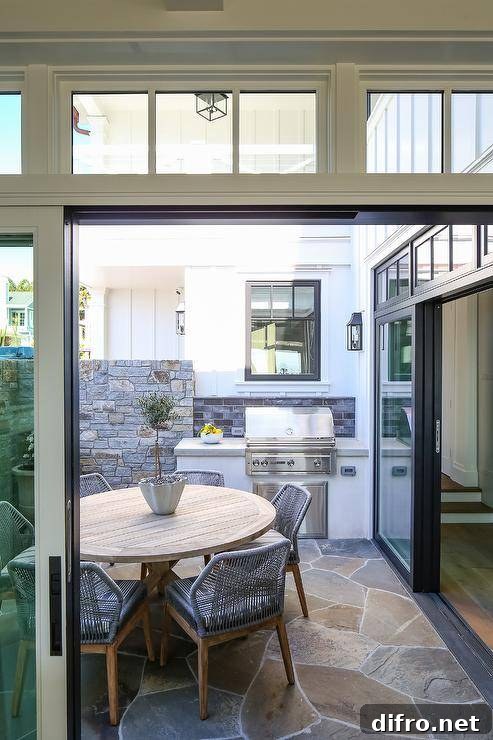
Cost-Effective Without Sacrificing Style
Concrete often costs less than natural stone or specialty pavers, especially when you factor labor. Its flexibility in shape and finish makes it a smart, budget-friendly choice for high-impact results.
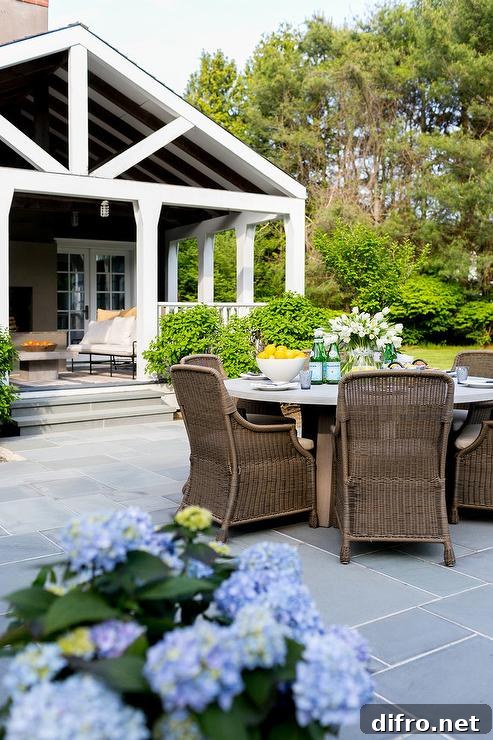
Durable and Low Maintenance
Concrete resists rot, pests, and warping and requires far less upkeep than wood. With proper installation and occasional sealing, a concrete patio can deliver years of reliable performance with minimal care.
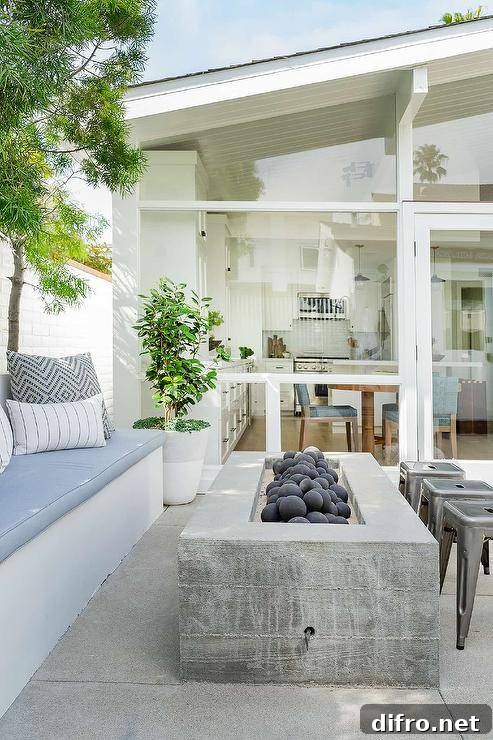
Pros & Cons of a Concrete Patio
Concrete patios were once the standard before wood decks became popular. Today, many homeowners are returning to concrete after years of dealing with deck maintenance, rot, and staining. Concrete and paver patios offer a durable, low-maintenance alternative that can be customized to any style.
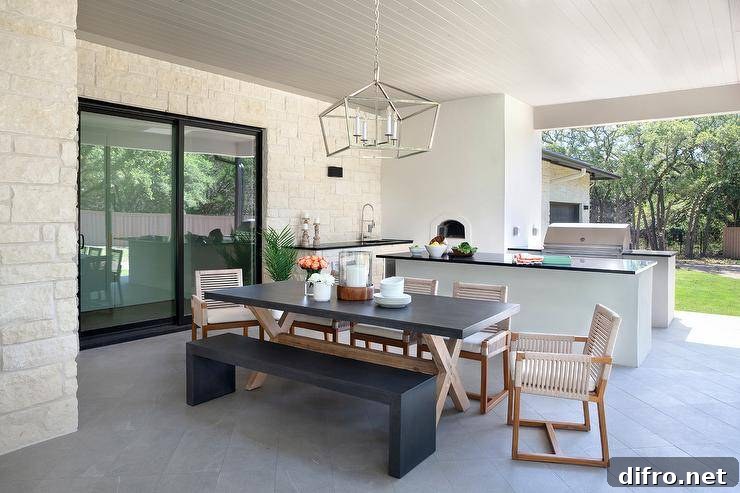
Durability
Properly installed concrete can withstand a wide range of climates and, when combined with modern reinforcement and finishing methods, lasts for decades with minimal maintenance.
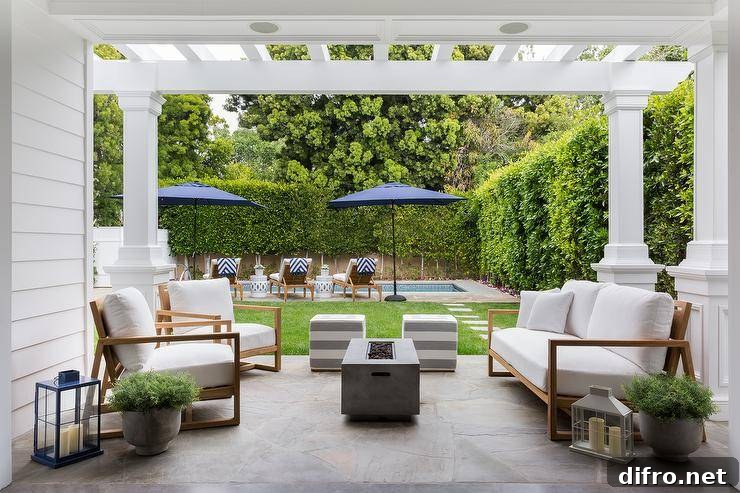
Versatility
Concrete can be formed into any shape, tinted to many hues, and finished with a wide range of textures and patterns. This versatility makes it easy to design patios that suit both the landscape and the home’s interior style.
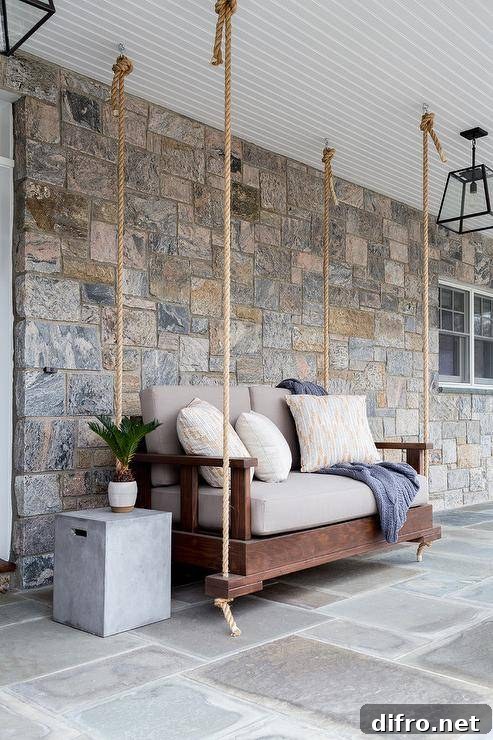
Easy Maintenance
Compared to wood, concrete requires far less routine care—no staining or sealing every few years and no risk of termites or rot. Solid slabs are the simplest to maintain, while pavers remain easier than wood decks.
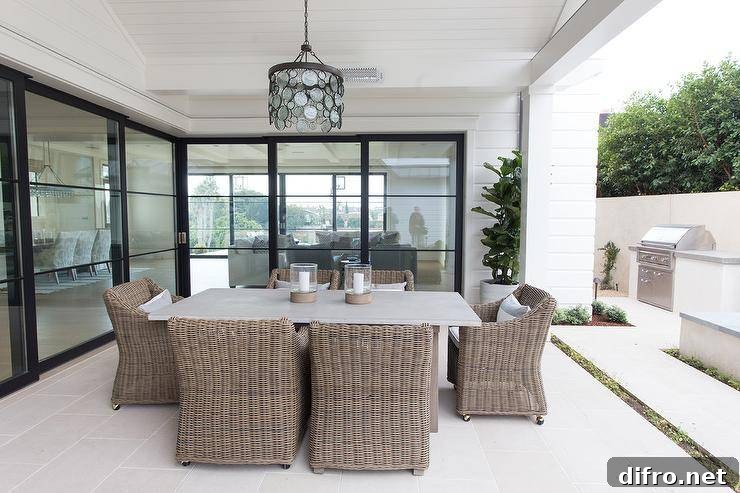
Environmentally Friendly
Choosing concrete over wood can conserve lumber and reduce the need for solvent-based stains and sealers, offering a lower-maintenance, longer-lasting alternative.
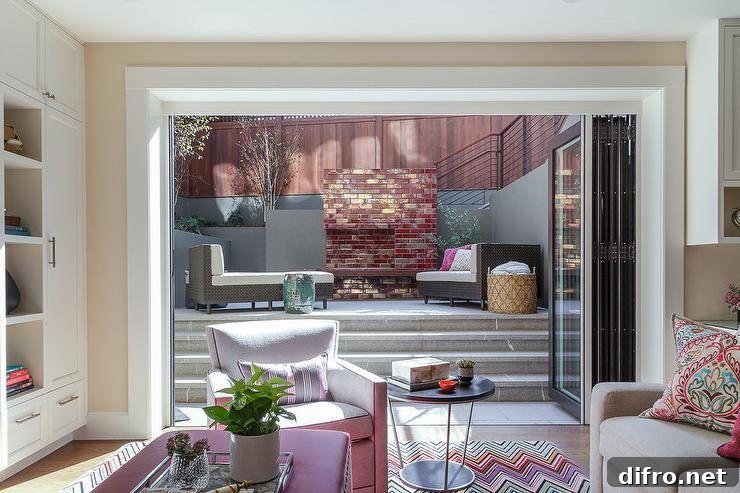
Better Value
Decorative concrete can replicate expensive materials at a lower cost and typically increases resale value thanks to its aesthetic flexibility and longevity.
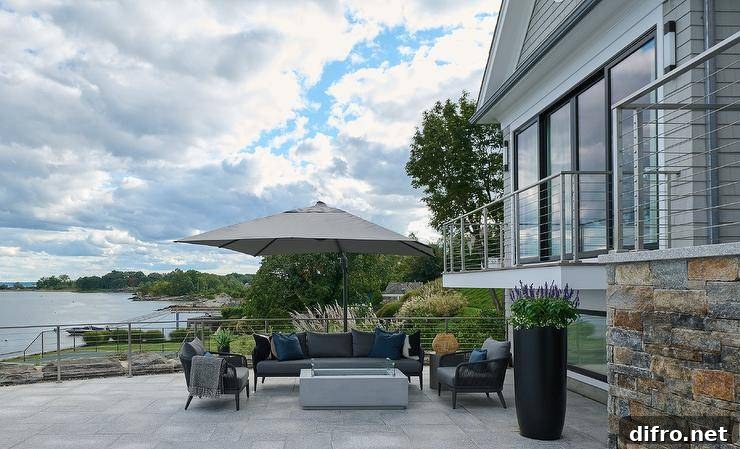
Concrete can also be used to define multiple destinations across a backyard—pathways, seat walls, fountains, and fire features help draw visitors through layered outdoor living spaces.
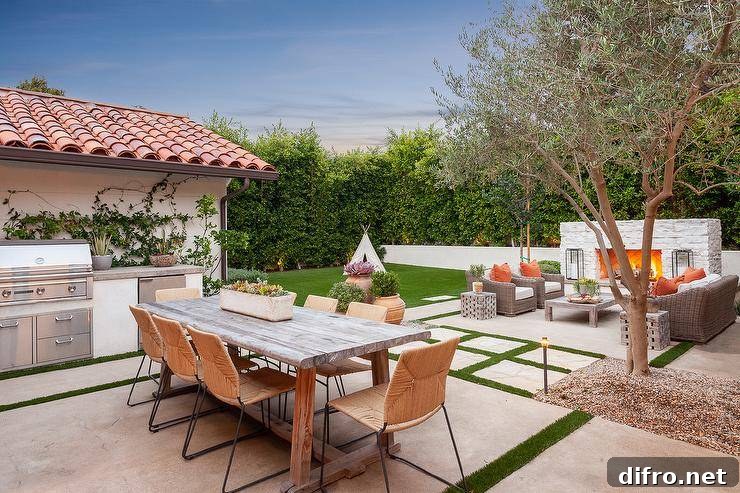
Small Concrete Patio Ideas
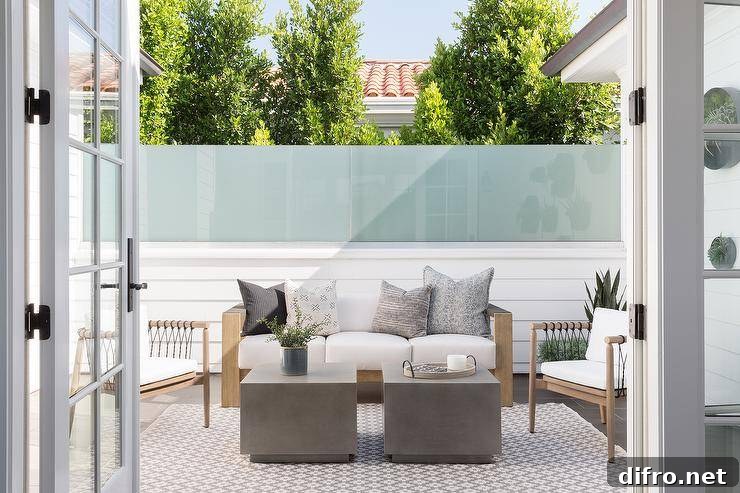
You don’t need a large yard to enjoy a concrete patio. Small concrete patios are an affordable way to create a usable outdoor room in tight or sloped spaces. They can be poured almost anywhere and tailored to fit awkward corners or terraces.
Concrete Around the Pool
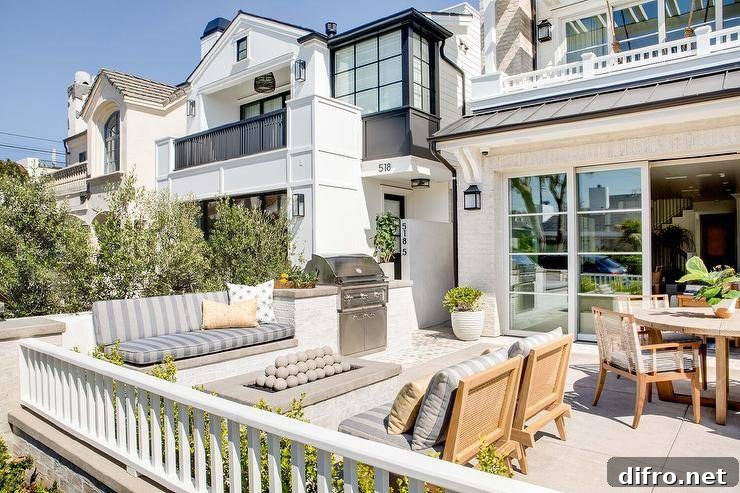
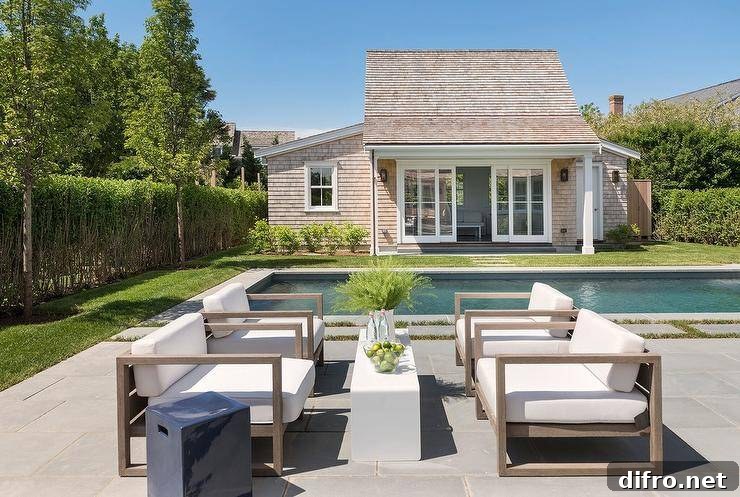
Concrete works well around pools, offering slip-resistant finishes, durable edges, and cohesive design that ties pool decks to patios and lounging areas. A well-chosen concrete surface can create a stylish summer oasis for family gatherings and poolside entertaining.
Covered Concrete Patio Ideas
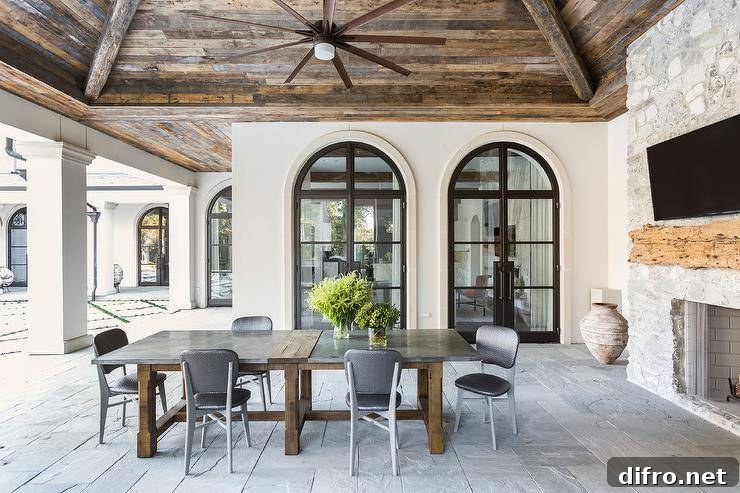
Adding a cover—like a pergola, gazebo, or vaulted porch—extends the usability of a concrete patio by offering shade and shelter. Covered patios create comfortable, year-round outdoor rooms and protect furniture and finishes from the elements.
If you need more ideas for your backyard, check out these related articles:
- Most Beautiful Outdoor Lanterns To Light Up Your Backyard
- Beautiful Pergola Decorating Ideas for Your Backyard
- 52 Patio Decor Ideas for a Better Outdoor Space
- Decorative Stepping Stone Designs for Gardens, Backyards, and Patios