There are countless attractive kitchen designs to choose from, but a giant ceramic chicken is not one of them. Tacky kitchen decor is easy to recognize—shelves of empty beer bottles, fake fruit bowls, and cheesy wine slogans—but it still shows up in homes. Some trends become so widespread that people stop questioning how tasteless they are. Below is a concise guide to the most common examples of tacky kitchen decor, why they fall short, and what to avoid when planning your kitchen design.
Obvious Room Labels
Labels like KITCHEN, SINK, or PANTRY might be useful for a preschool classroom, but they are unnecessary in a home kitchen. While practical jar labels for COFFEE or SUGAR help guests and keep pantry items organized, labeling entire rooms insults a guest’s common sense and reads as redundant. Save labels for containers that genuinely need them.
Kitchen Desks
Desks in kitchens are a relic of older homes and rarely make sense in modern living. A workspace near hot pans, splatters, and constant noise is neither practical nor pleasant for focused work. Most kitchen desks end up cluttered with mail and sweaters. If you need a home office, choose a quieter, dedicated room or a well-separated nook that won’t compete with daily kitchen activity.
Plastic Dishes
Plastic dishware has its place for camping or students on a tight budget, but in a mature home it looks cheap and reminds guests of temporary living. If you can afford ceramic or stoneware, upgrade—durable, tasteful dishes elevate the whole kitchen. Tossing brittle, brightly colored disposable-looking plates can instantly improve the room’s appearance and make everyday meals feel nicer.
Open Shelves
Open shelving can create a rustic or Tuscan vibe, but it often reads as cluttered and requires constant maintenance. Every jar, pan, or decorative object becomes part of the room’s visual identity, reducing flexibility in styling. Only use open shelves if you own cohesive, high-quality pieces and are prepared to dust and arrange them regularly—otherwise opt for closed cabinetry to keep the kitchen calm and tidy.
The “Barnhouse” Theme
Barn-inspired kitchens—complete with ceramic roosters, sliding barn doors, and milk pitchers full of faux flowers—can look charming when authentic, but in most suburban homes they feel out of place. The trend often suggests a farm setting without any real connection to it. If you love farmhouse style, use a few well-chosen accents rather than committing to the full cliché.
Fake Fruit Bowls
Fake fruit is immediately noticeable and quickly collects dust. A bowl of fresh fruit not only looks better but is useful and inviting. If you want an effortless decorative touch, real apples, oranges, or lemons provide color and vibrancy without the artificial sheen of plastic alternatives.
Displayed Alcohol Collections
Rows of beer bottles or an alcohol wall can send unintended messages. For a home bartender who mixes drinks for guests, a modest, functional bar area makes sense. But a decorative display of empty bottles tends to look juvenile or suggestive of excessive drinking. Keep liquor storage tasteful and purposeful rather than ornamental.
Slogans That Celebrate Wine
Wine-themed signs and mugs with phrases like “I speak fluent wine” or “Dinner is poured” often aim for humor but come across as clichéd and try-hard. If you love wine, display a curated collection or tasteful glassware instead of relying on slogan-based decor that ages poorly.
Brightly Colored Refrigerators
Vibrant, retro-colored refrigerators can work in a fully committed 1950s-inspired kitchen, but a lone neon appliance in a modern setting looks out of place. For a subtle vintage touch, choose pastel tones and integrate colors across cabinetry and accents. Otherwise stick to neutral finishes that blend with the rest of your design.
Loud Cabinet Knobs
Cabinet hardware should complement your kitchen’s color palette and materials. Busy, mismatched knobs draw attention for the wrong reasons. Keep hardware small and coordinated—simple, tasteful knobs and pulls provide cohesion and elevate the overall look.
Chevron Tiles
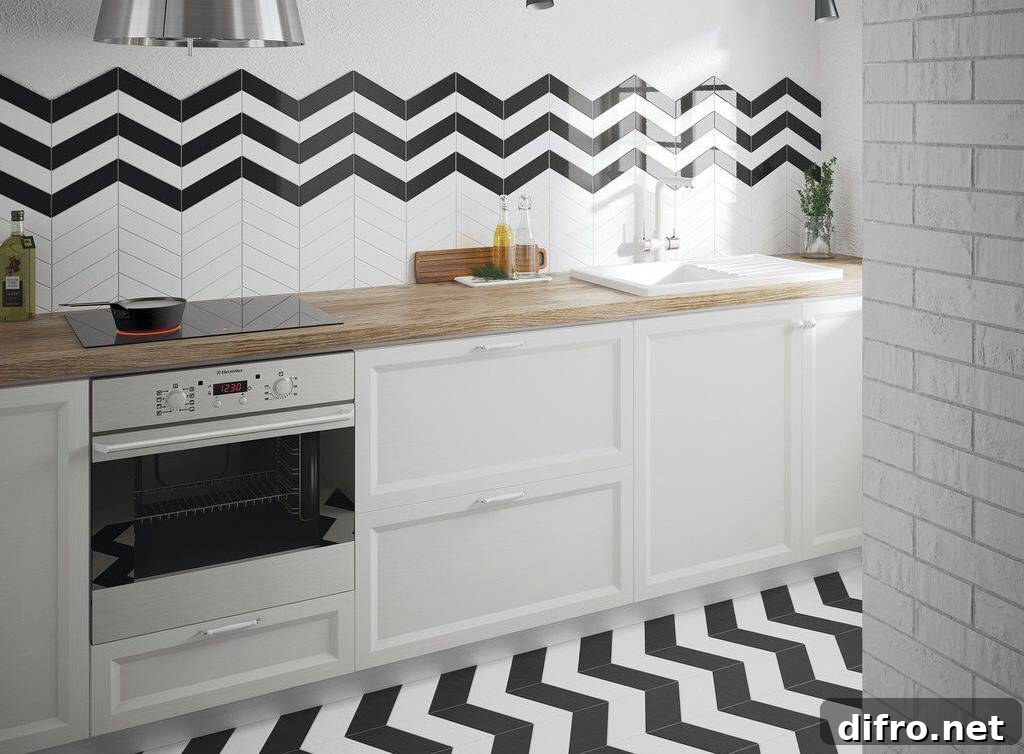
Chevron patterns can be visually jarring when overused, especially in large areas like backsplashes or floors. The zigzag motif is bold; in kitchens it can overwhelm the space and clash with cookware and textiles. If you love chevron, use it sparingly as an accent rather than a dominant surface.
Mason Jar Overuse
Mason jars are functional for canning and storage, but decorating with mason jar lights and accessories has become ubiquitous. They can look dated or overly themed if used everywhere. Use jars for practical storage or occasional rustic touches, but avoid turning them into a defining motif.
Tuscan Kitchen Decor
Tuscan kitchens—with heavy wood, hanging pans, and ornate tile—work well in restaurants or homes that match that aesthetic throughout. In otherwise modern houses, the style can feel forced. If you prefer the warmth of Tuscan elements, blend them subtly with contemporary finishes instead of a full theme overhaul.
Overcrowding With Plants
Houseplants add life, but too many in a kitchen can collect grease and grime and even pose hazards if hung over cooking areas. For a practical, attractive approach, keep a few healthy, well-placed plants or a small herb garden that you’ll actually use while cooking.
Lace Tablecloths
While lace once signaled craftsmanship, modern mass-produced lace can feel dated and fragile. It’s impractical for a high-use table and can resemble formal settings. Opt for sturdy, elegant fabrics that withstand daily life while still offering pattern and texture.
Distressed Furniture
Distressed pieces can add character, but too many faux-worn elements in a modern home create a disjointed look. Either commit to a cohesive shabby-chic style throughout or choose a few authentic antiques to blend harmoniously with contemporary finishes.
All-Stainless Industrial Kitchens
While stainless steel is functional and hygienic in commercial kitchens, an all-stainless home kitchen can feel cold and clinical. Mix metal finishes with warm materials—wood, stone, or soft textiles—to create a welcoming, modern cooking space that doesn’t resemble a lab.
Fake Houseplants
Artificial plants rarely look convincing and tend to gather dust, which undermines a clean kitchen aesthetic. Real plants, especially culinary herbs, deliver both beauty and function. If you must use faux plants, choose high-quality pieces and place them where dust accumulation is minimal.
All-White Kitchens
White kitchens can be bright and elegant, but an entirely white scheme shows every stain and requires relentless upkeep. Consider balanced contrasts—warm woods, subtle tiles, or colored accents—to keep the space inviting while still feeling clean and modern.
Too Many Competing Colors
Overloading a kitchen with multiple, clashing colors creates visual chaos. Stick to a coherent palette—two or three complementary tones—and use bold hues sparingly as accents. A restrained color scheme makes the kitchen more pleasant and easier to decorate cohesively.
In short, tasteful kitchen design balances function and style. Avoid trends that read as gimmicky or overly themed; instead, curate pieces that feel authentic to your home and lifestyle. Small, intentional changes—coordinated hardware, real plants, quality dishes, and sensible color choices—will make your kitchen both practical and attractive without veering into tacky territory.