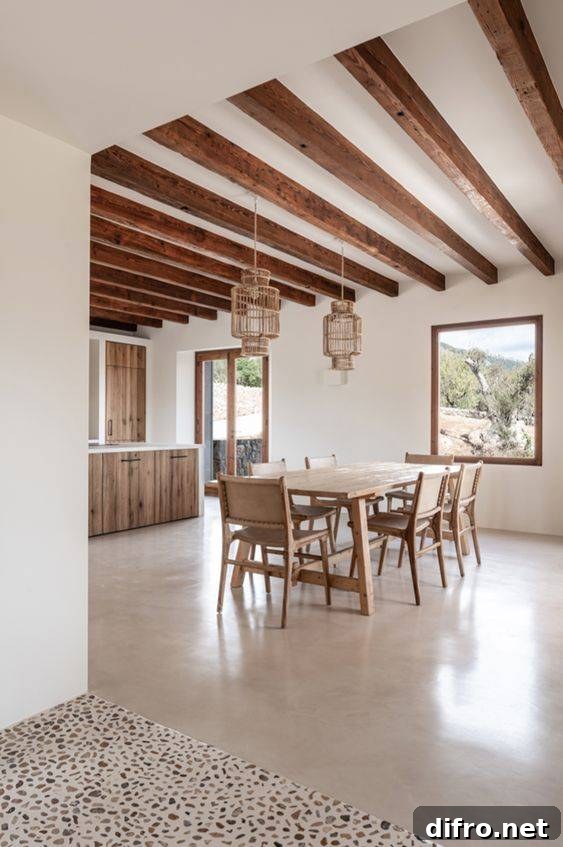
There is something uniquely appealing about polished concrete floors and their raw, minimalist aesthetic. Beyond a sleek, modern appearance, concrete offers many practical advantages. It presents an affordable alternative to hardwood or natural stone and lets you achieve a high-end look without a hefty budget. Homeowners increasingly choose concrete for its longevity and durability. If you’re wondering how to make concrete floors work in your space, this guide covers styling tips, practical uses, and easy ways to soften or customize the look.
Play with texture
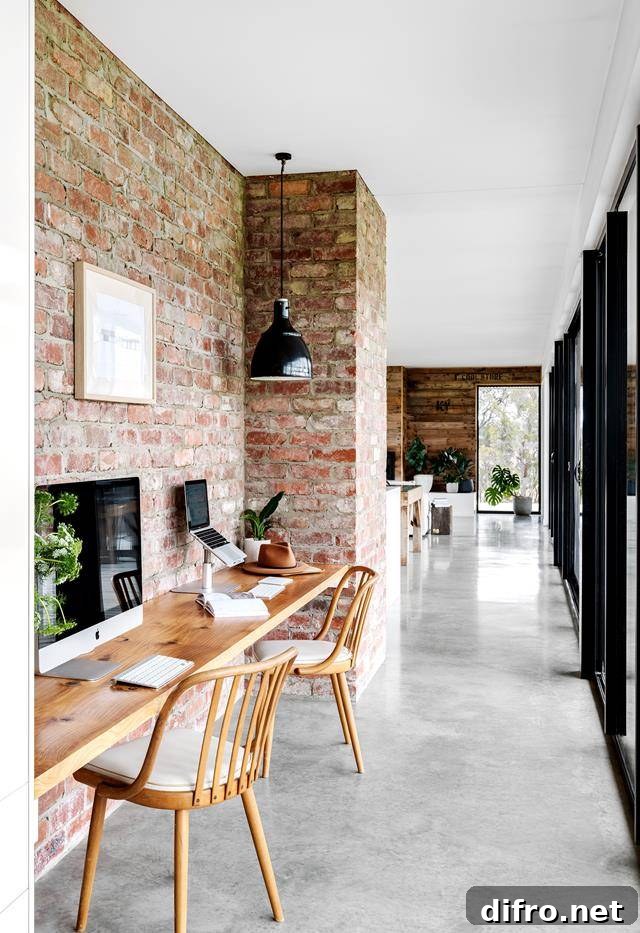
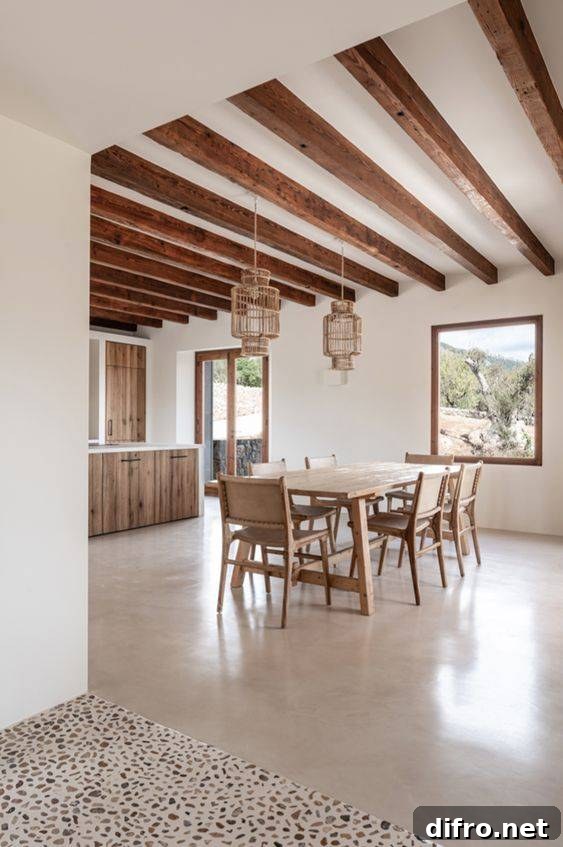
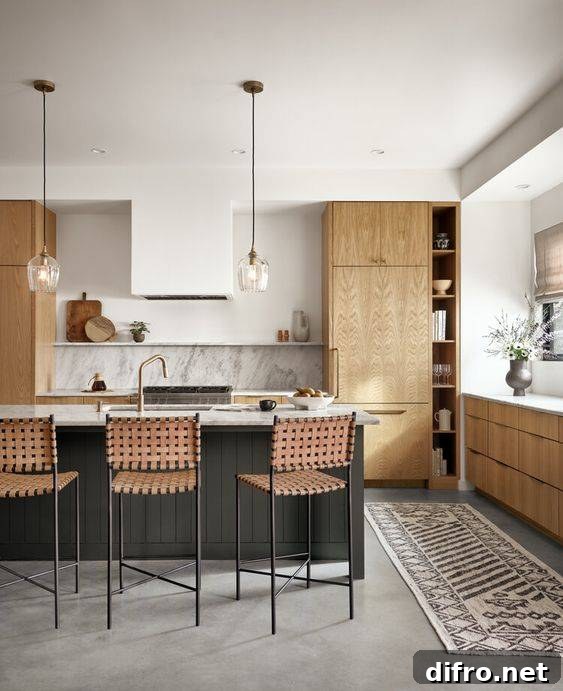
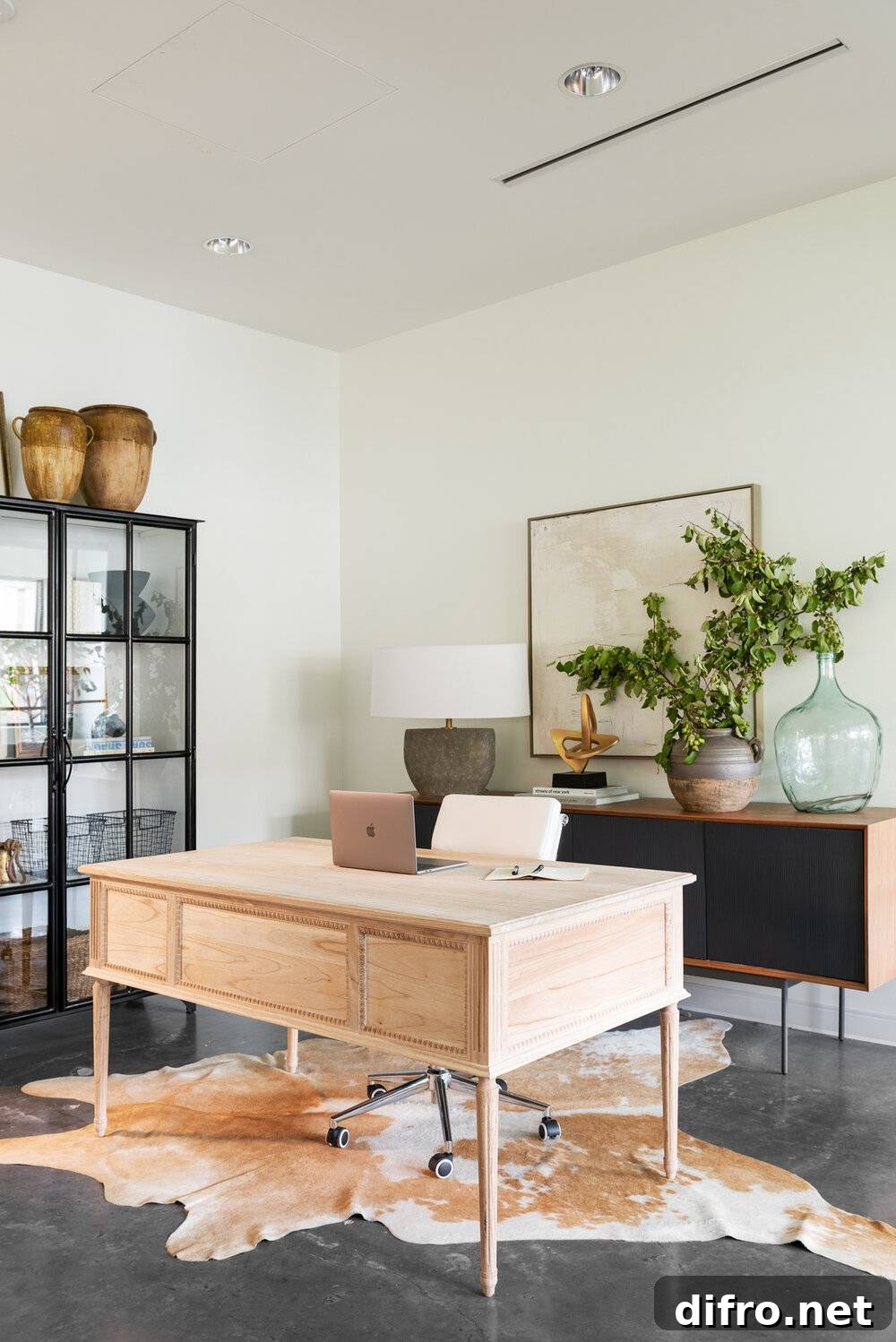
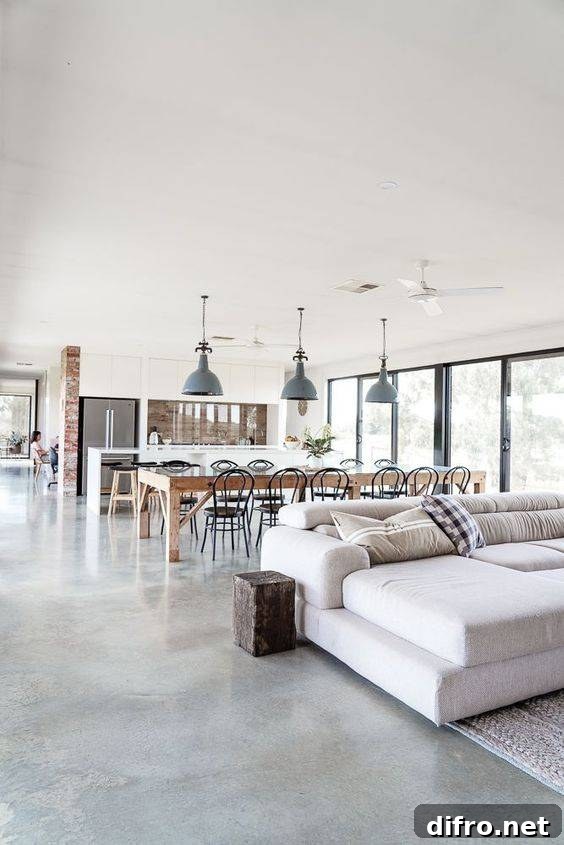
Bare concrete is a hallmark of industrial design, but you don’t need to commit fully to that style to use it effectively. Combining polished concrete with exposed brick or textured walls creates a striking contrast: the smooth, cool floor juxtaposes with rough, tactile surfaces to add depth and character. Introducing natural wood accents—such as ceiling beams, furniture, or trim—brings warmth and balance to the gray tones while maintaining a refined, modern feel.
Introduce color
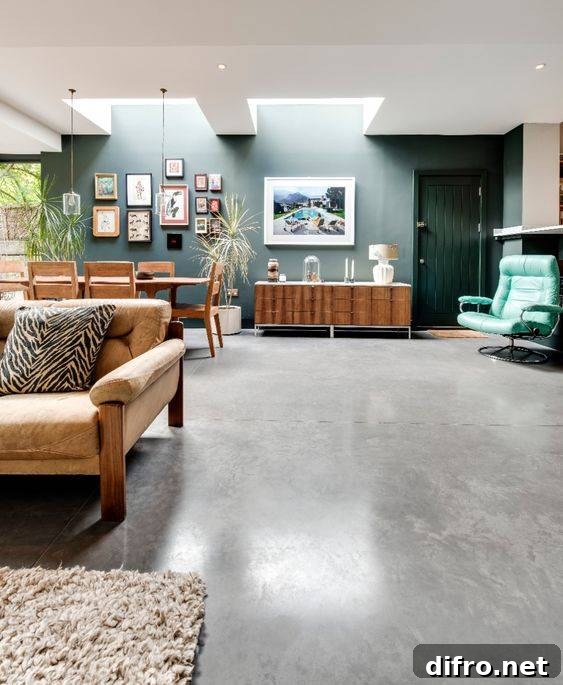
Polished concrete’s neutral palette can risk feeling bland in some interiors, so adding color is a smart way to inject personality. A bold wall color—deep green, navy, or warm terracotta—creates visual interest and balances the raw material. Accent furniture, textiles, and artwork can also provide pops of color that lift the space while letting the floor remain a subtle, cohesive foundation.
Perfect for a modern organic bathroom
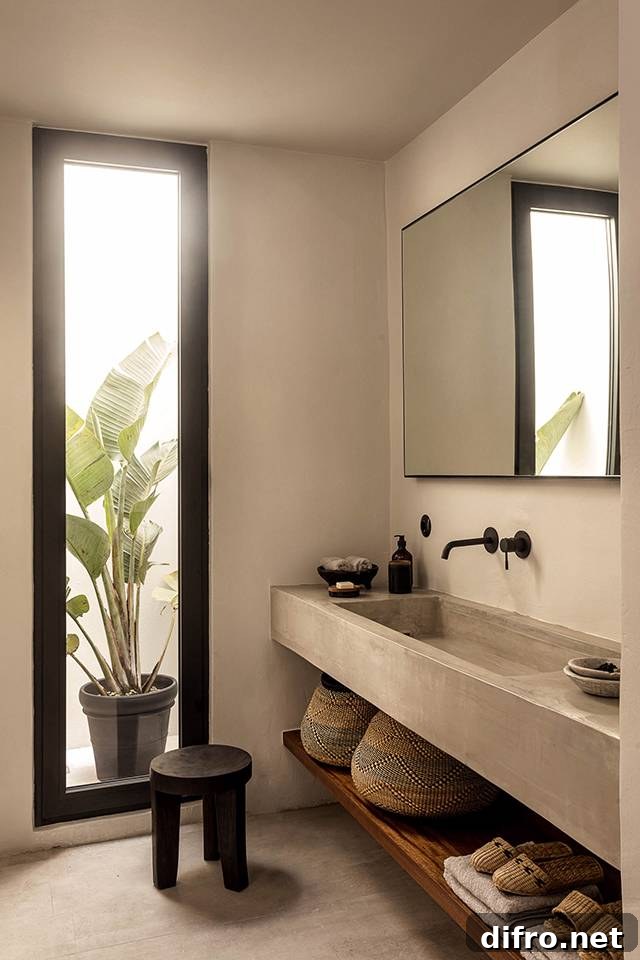
Concrete is an excellent option for bathrooms when you want a modern yet organic look. It is durable, water-resistant when properly sealed, and easy to maintain. Polished or sealed concrete can serve as a seamless shower or bathroom floor, creating a continuous surface that feels contemporary and clean. Use natural materials like wood, stone, and plants to soften the space and enhance an organic aesthetic.
Create a strong focal point
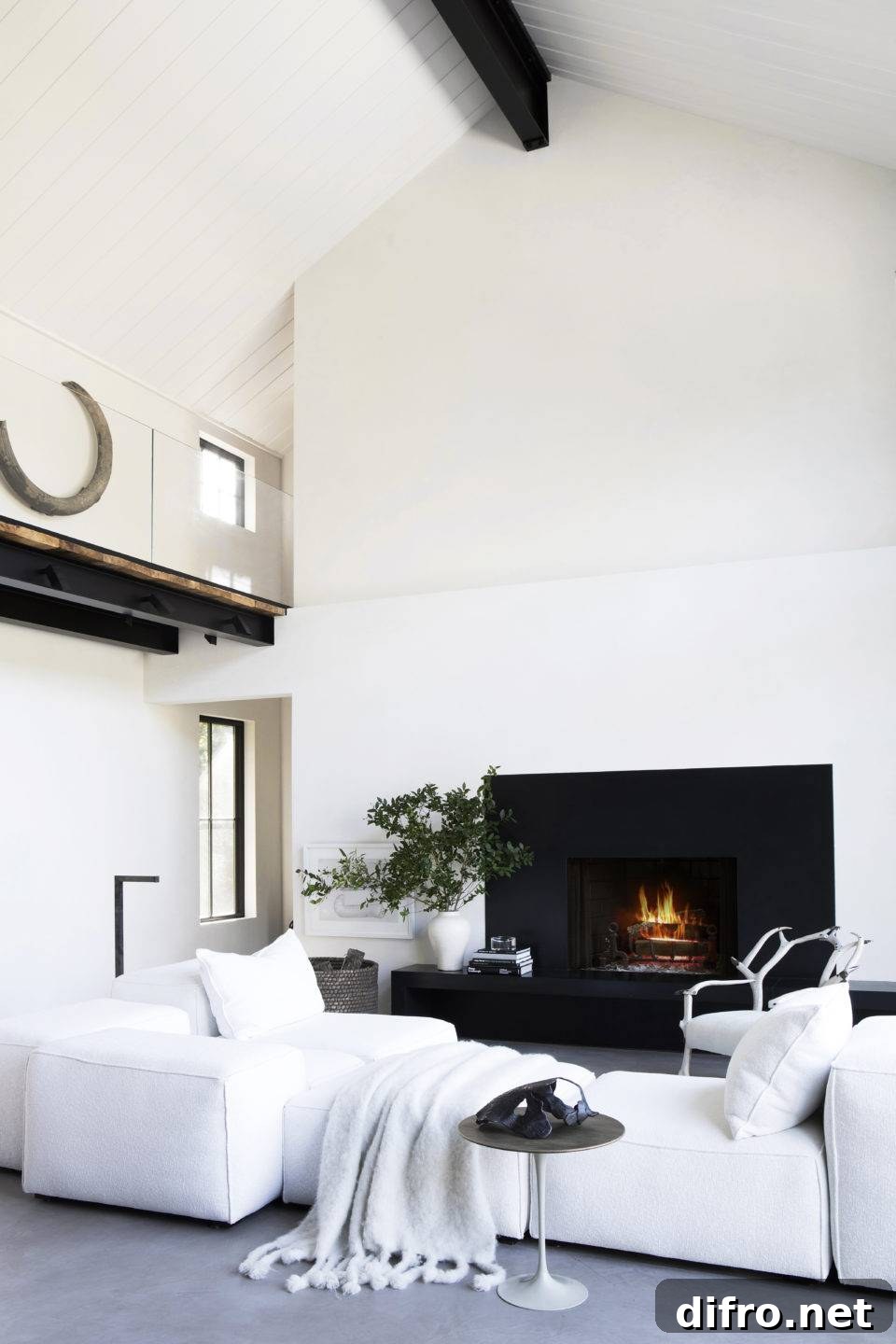
Let the floor act as a neutral backdrop and direct attention to a single, strong focal point—such as a fireplace, gallery wall, or statement piece of furniture. In a refined living room, a black fireplace or dramatic piece of artwork can take center stage while the polished concrete ties the room together without competing for attention. The result is a balanced, sophisticated interior where each element supports the whole.
Play with area rugs
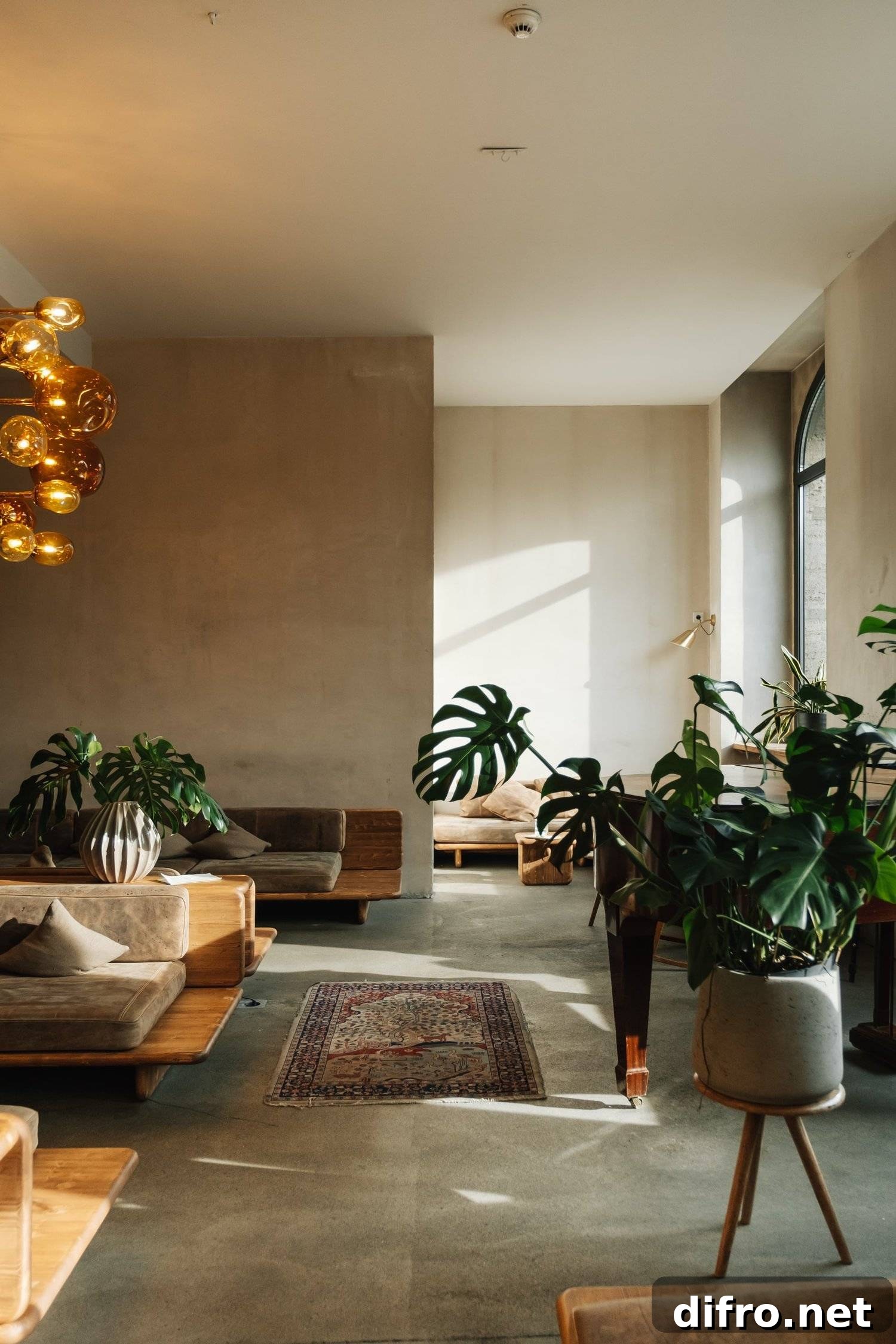
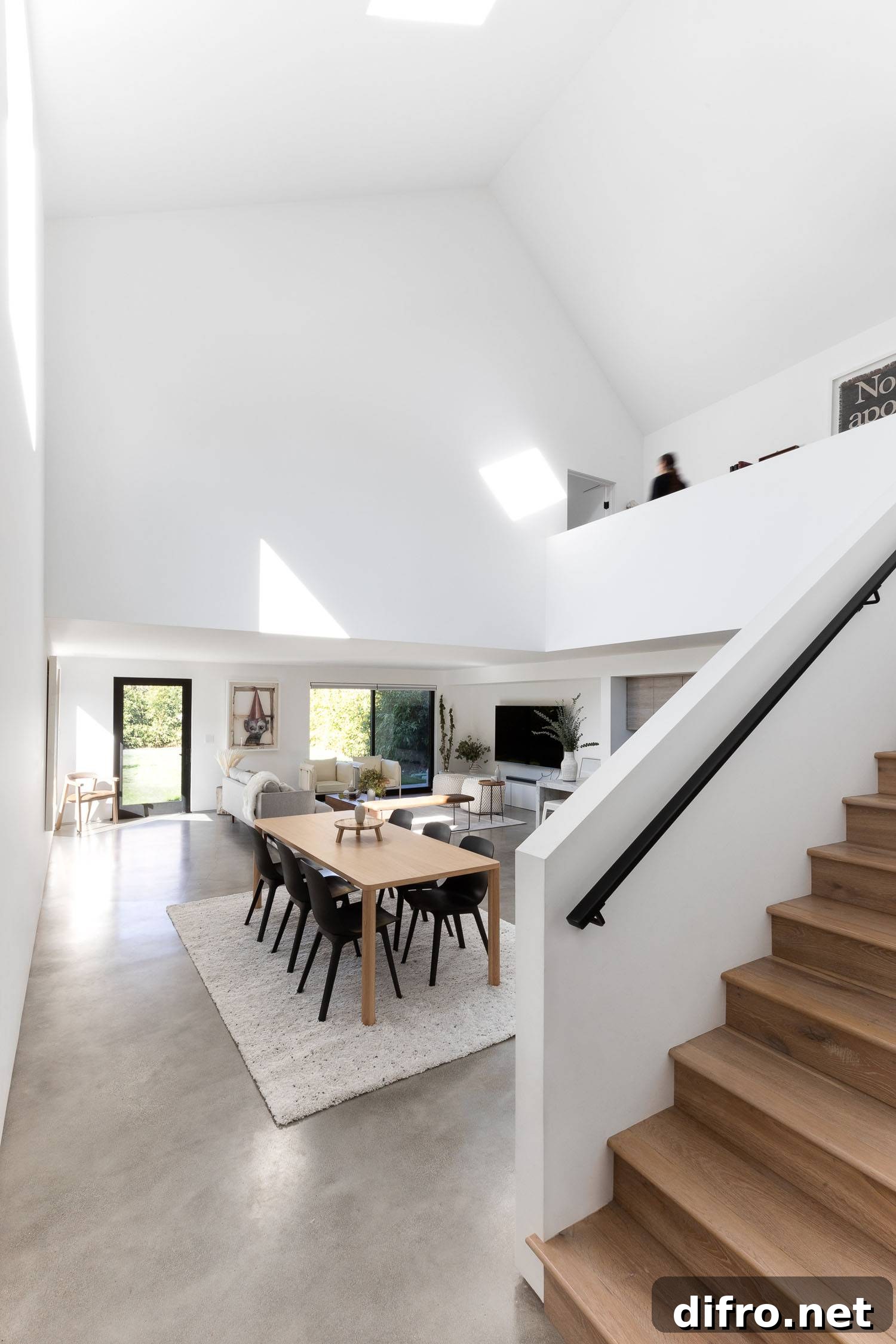
Concrete can feel cool and austere, so adding area rugs introduces texture, warmth, and comfort. Rugs help define zones in open-plan spaces—anchoring a dining area or seating arrangement—and they soften acoustics while protecting the floor. Choose rugs with natural fibers or plush piles depending on the look and comfort level you want to achieve.
Painted concrete
If the natural gray tone doesn’t suit your design, concrete can be painted or stained to add color and pattern. Painting opens up endless creative possibilities—from subtle, warm hues that blend with your interior to bold geometric patterns that make a dramatic statement. Proper surface preparation and a durable sealant are important to ensure longevity and maintain the finished look.
Other articles you might enjoy:
- Corner Bathroom Vanity Ideas: 18 Designs for Any Space
- Painting Possibilities: The Best Cabinet Paint Options
- Your Guide For Understanding Analogous Color Schemes
FAQs
What are the advantages of choosing concrete floors for a residential or commercial space?
Concrete floors are durable, low-maintenance, and versatile. They withstand heavy use, can be finished in a range of looks—from high-polish to textured—and provide good thermal mass, which can help stabilize indoor temperatures when paired with proper insulation or heating systems.
How long does it take to install concrete floors?
Installation time varies by project size and scope. For a straightforward pour and finish, work may be completed in a matter of days, but additional time for curing, polishing, or applying specialized finishes can extend the timeline to a couple of weeks. Complex designs and extensive surface prep will lengthen the schedule.
Are concrete floors suitable for both indoor and outdoor spaces?
Yes. When specified and sealed appropriately, concrete performs well both indoors and outdoors. Exterior concrete should be designed to resist freeze-thaw cycles and treated to improve slip resistance and weather durability.
Can concrete floors be customized to match a specific aesthetic or design?
Absolutely. Concrete can be stained, dyed, polished, stamped, or painted to achieve a wide range of colors and textures. Integrating inlays, control joints, or contrasting finishes allows for highly customized designs without sacrificing performance.
Are concrete floors cold to the touch?
Concrete can feel cool underfoot, but it is an efficient conductor of heat. Radiant floor heating systems work well with concrete to provide comfortable, even warmth throughout the space.
Can existing floors be replaced with concrete?
Often, yes. Depending on the current flooring and subfloor condition, contractors may remove the old material and pour a new slab or install an overlay. A professional assessment will determine the best approach for a durable and level result.