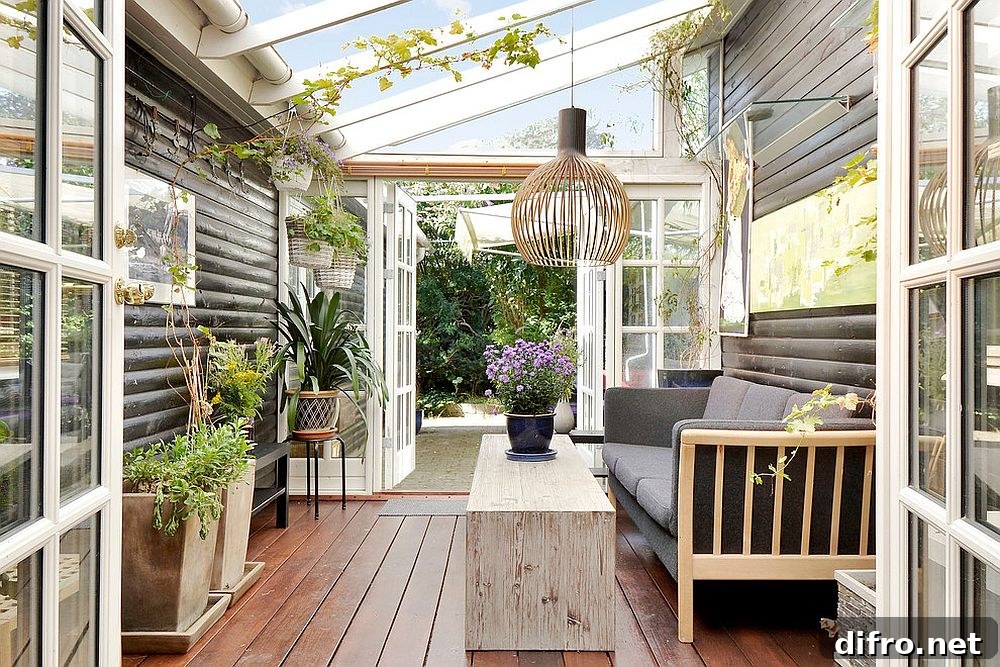
An open pool deck or a sunny outdoor living area can be delightful, but seasonal changes and unpredictable weather often drive us indoors. A sunroom offers the best of both worlds: abundant natural light and a comfortable, sheltered space to enjoy warmth and views year-round. Sunrooms come in many styles—from Scandinavian and contemporary to rustic and Mediterranean—and adding indoor plants is one of the easiest ways to bring them to life. Plants not only freshen the air and add color, they also help create a calm, restorative atmosphere that extends the experience of the outdoors into your home.
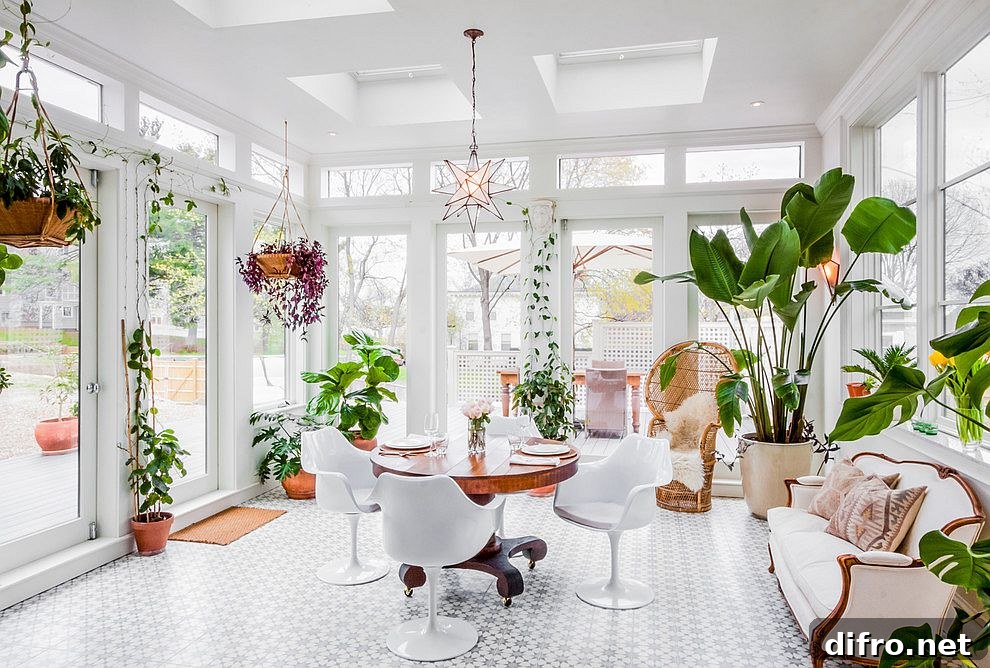
When planning a green upgrade for your sunroom, focus first on selecting plants that match the environment and your care routine. Air plants, orchids, passion flowers, the resilient ZZ plant, and a wide range of succulents are all excellent options, each with different light, water, and temperature needs. Pair your plant choices with thoughtful placement and containers to ensure they thrive and complement your sunroom’s style.
It Is All About the Placement!
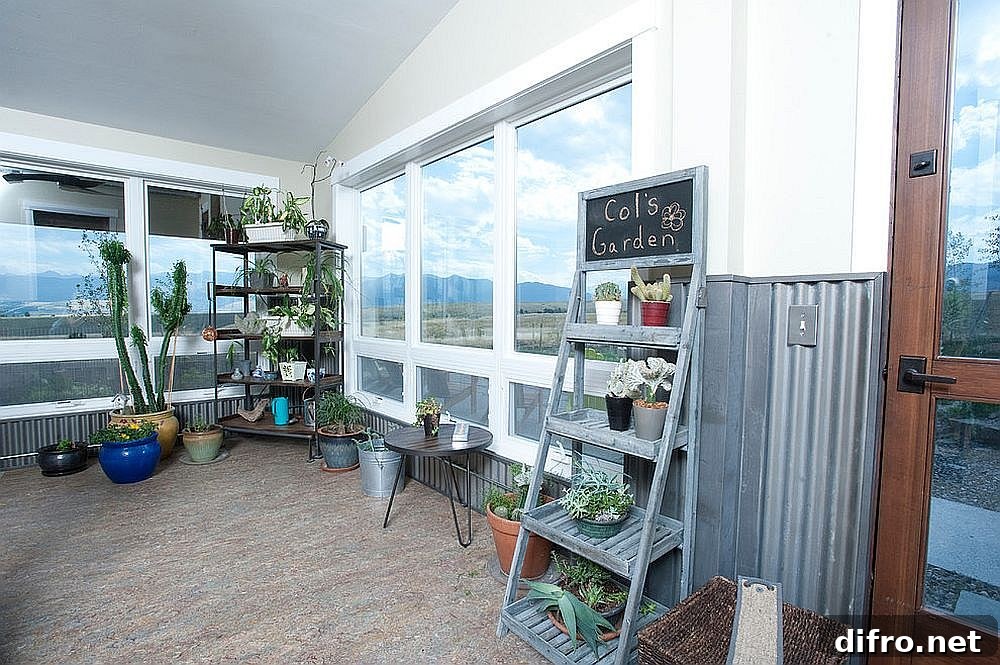
Plant placement is about more than aesthetics—light exposure, temperature, and airflow are crucial. Sunrooms typically provide generous natural light, but direct sun suits some species (like many succulents and certain flowering plants) while others prefer bright, indirect light or shaded corners. For example, a rubber plant tolerates lower light and works well in darker corners, whereas succulents and snake plants are adaptable and can be placed in many spots. Evaluate each plant’s light and warmth requirements, and position them accordingly so they remain healthy throughout the year.
RELATED: Hanging Plants and Soil-less Vegetation For Green Homes
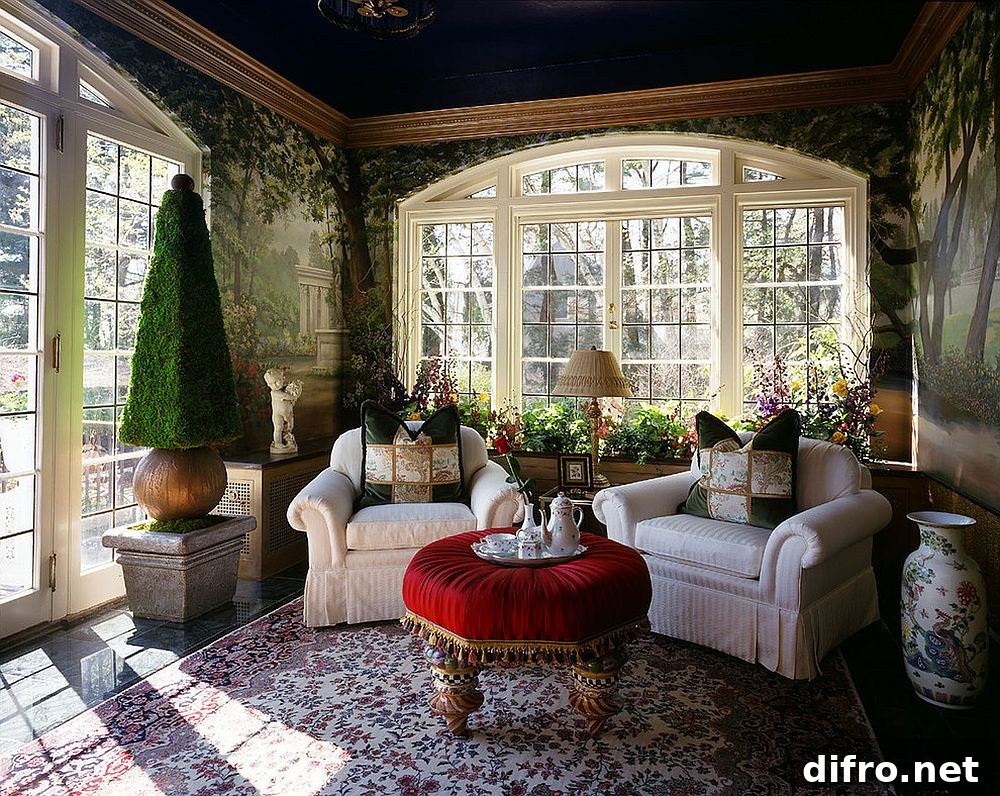
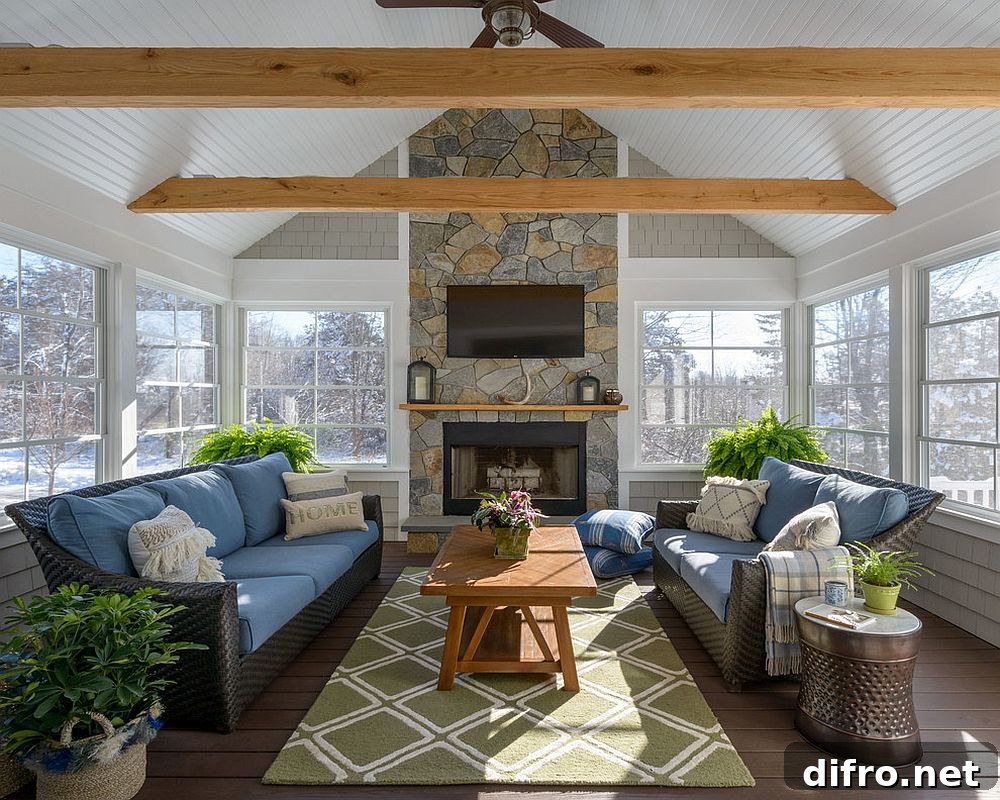
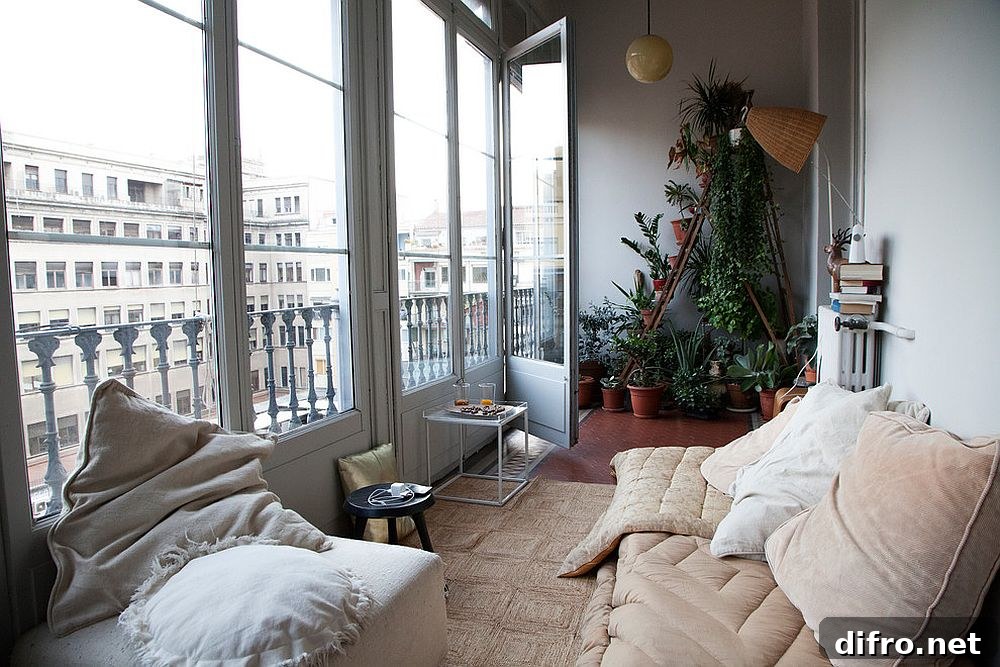
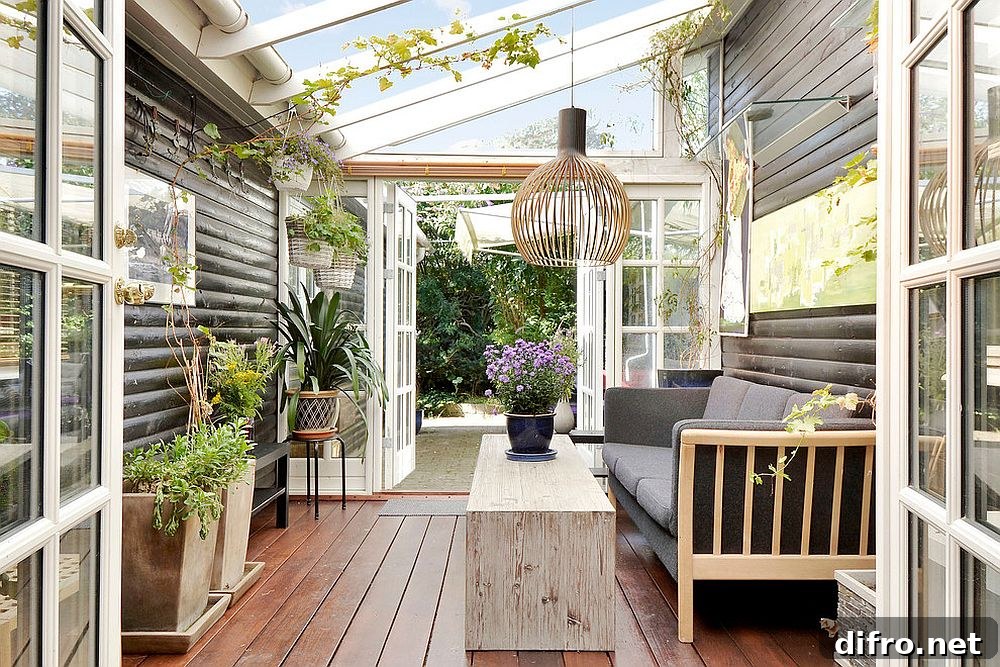
The Right Pot
Choosing the right container matters for plant health and room aesthetics. Sleek, dark pots and glazed finishes suit contemporary and minimalist sunrooms. Terracotta and ceramic pots bring warmth and texture to rustic, farmhouse, or traditional interiors. Patterned or colorful pots can amplify a Mediterranean palette, while small hanging containers or geometric planters work well for succulents and air plants. Match pot size to the plant’s root system and ensure adequate drainage to prevent overwatering.
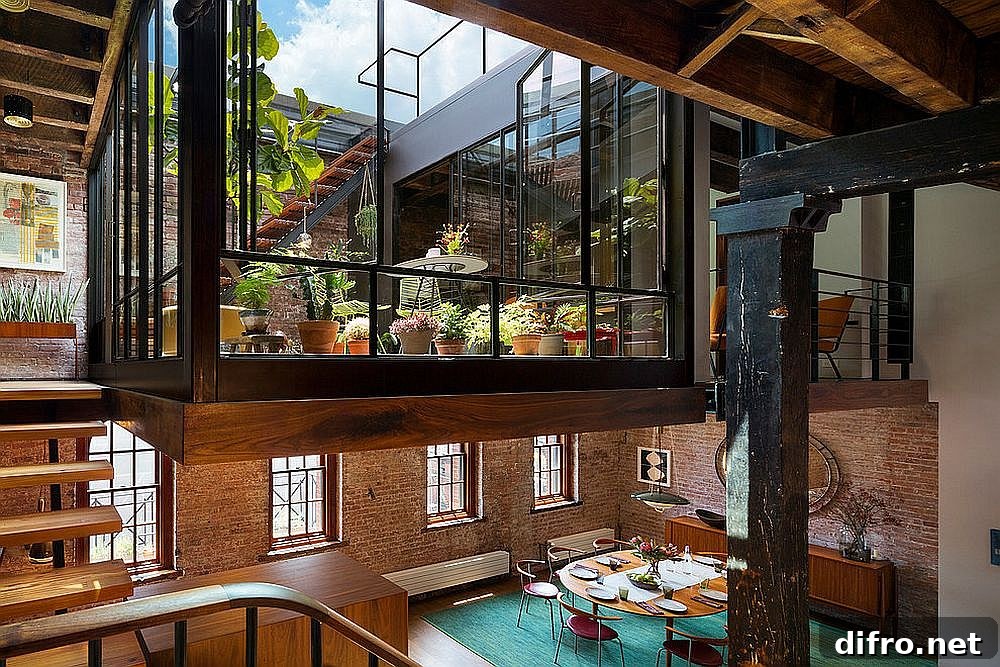
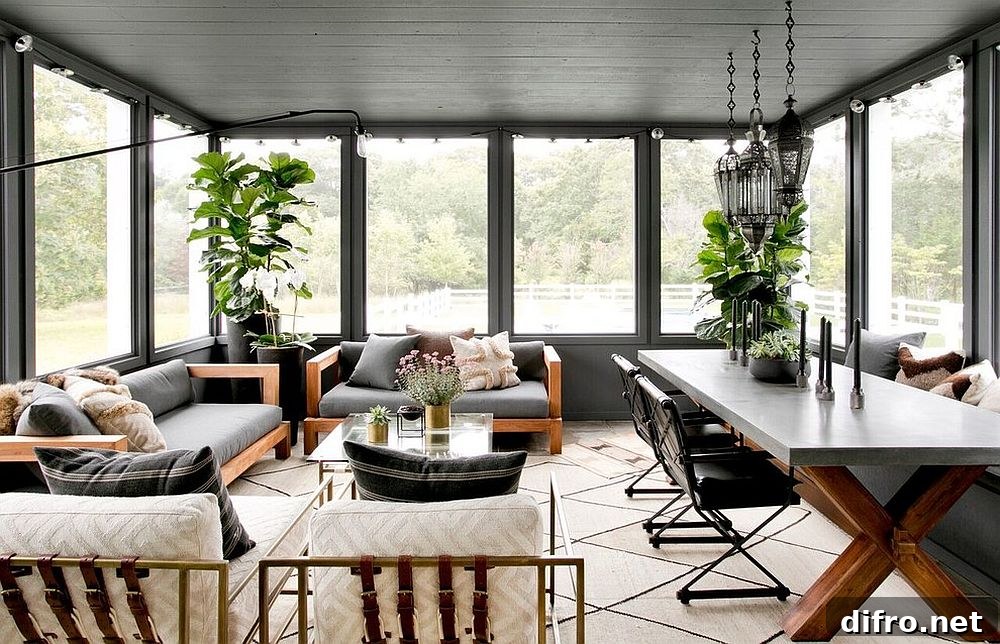
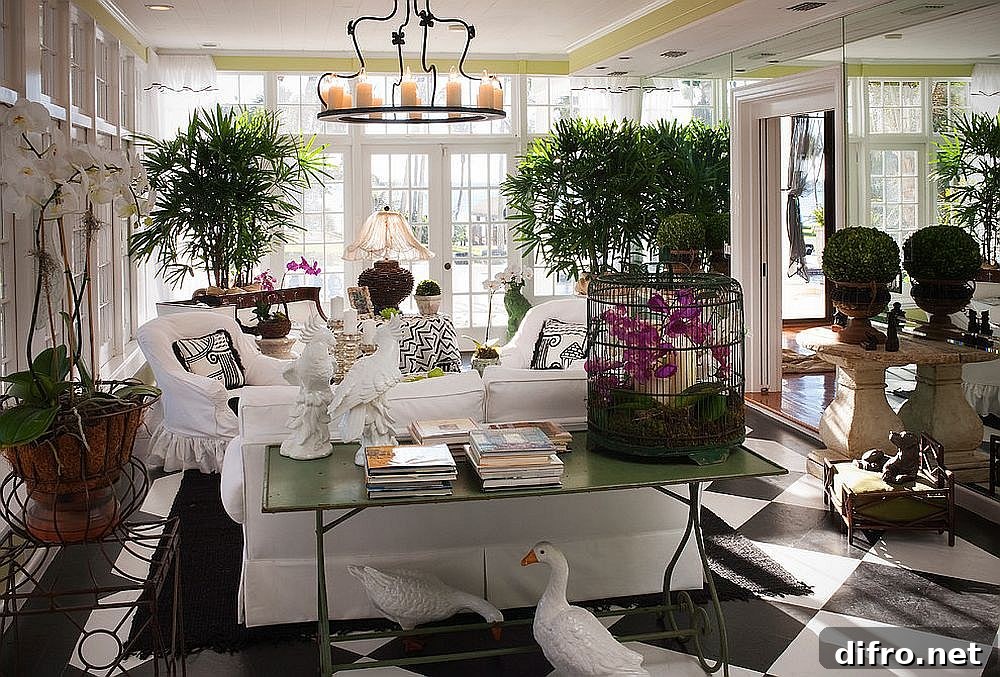
Finding Your Sunroom Style
Adding plants doesn’t mean filling every surface with greenery. Too many plants can overwhelm certain styles, while a curated selection will enhance the room’s design. Consider how flowering plants, foliage colors, and pot finishes interact with your existing palette. In contemporary sunrooms, a few well-placed specimens can define gathering areas. In tropical or bohemian schemes, denser plantings may be appropriate. Use plants strategically to highlight architectural features, frame seating areas, or soften hard surfaces.
RELATED: 10 Rooms With Elegant Indoor Plants
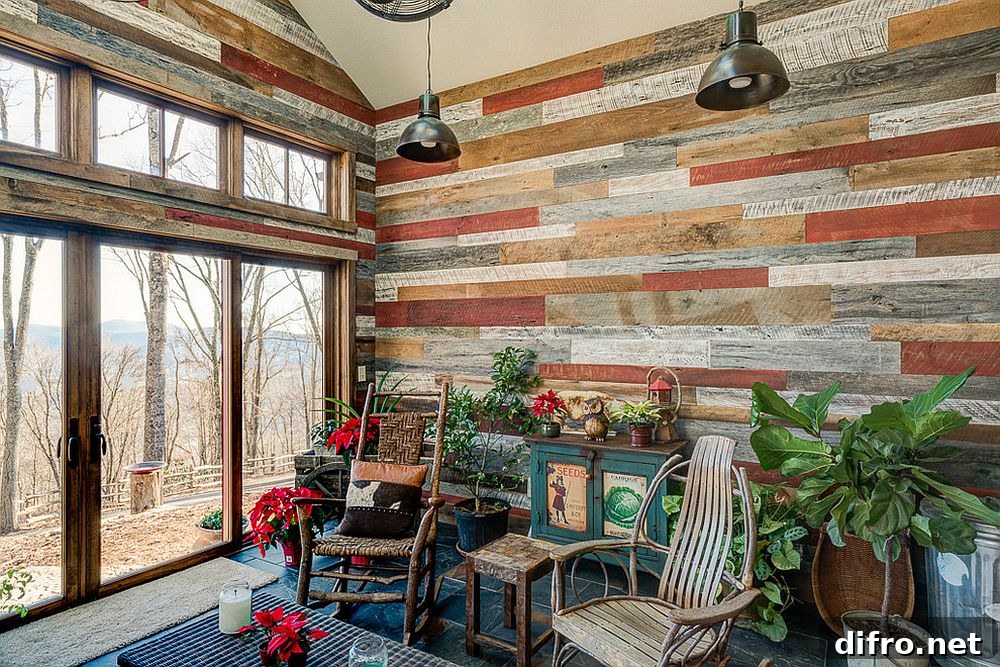
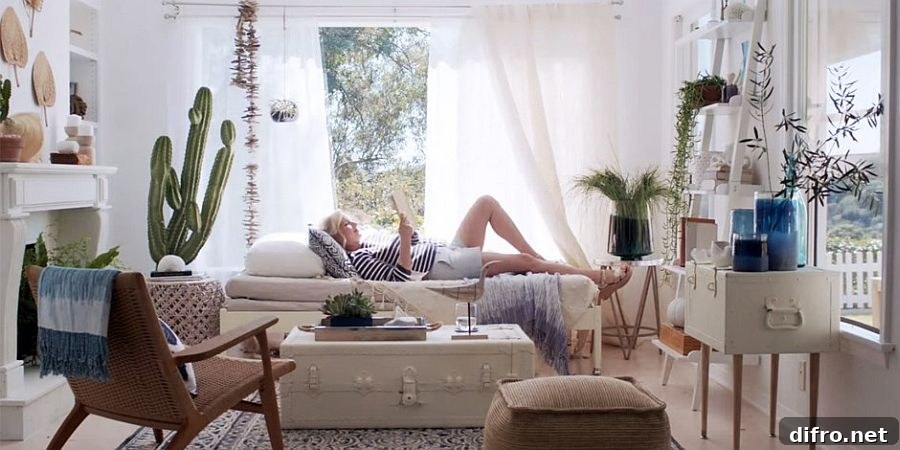
Heat and Humidity
Light is only part of the equation. Temperature and humidity play a major role in plant health. In winter, sunrooms can cool quickly when daylight fades, so consider supplemental heating or moving more temperature-sensitive plants away from drafty windows. Conversely, bright, enclosed sunrooms may become warm and humid in summer, benefiting tropical species but potentially stressing others. Monitor indoor climate and select plants suited to your typical conditions, or create microclimates with grouping, misting, and humidity trays.
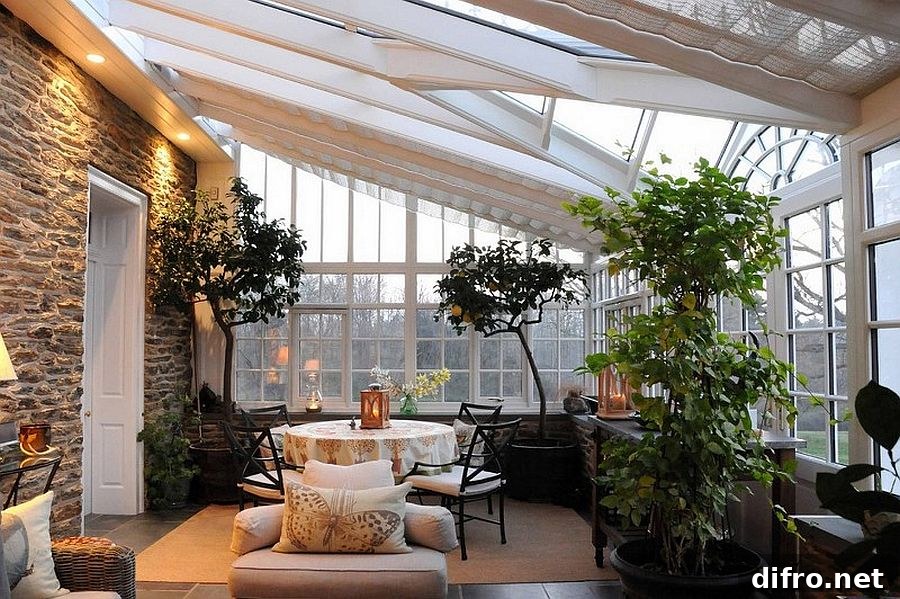
Adding Visual Greenery
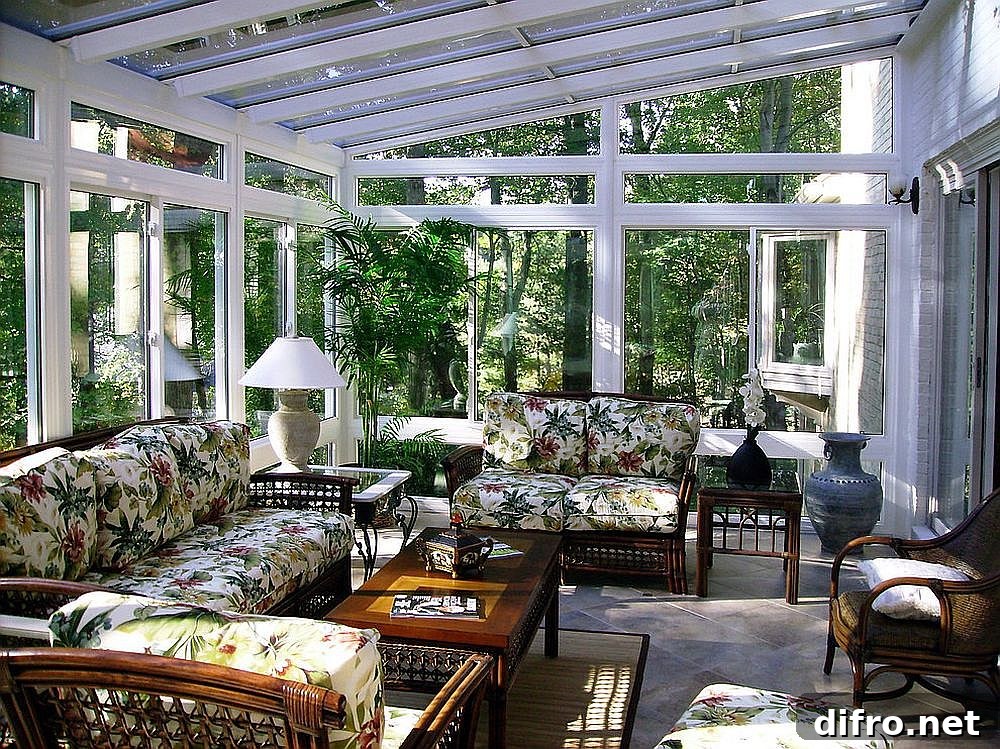
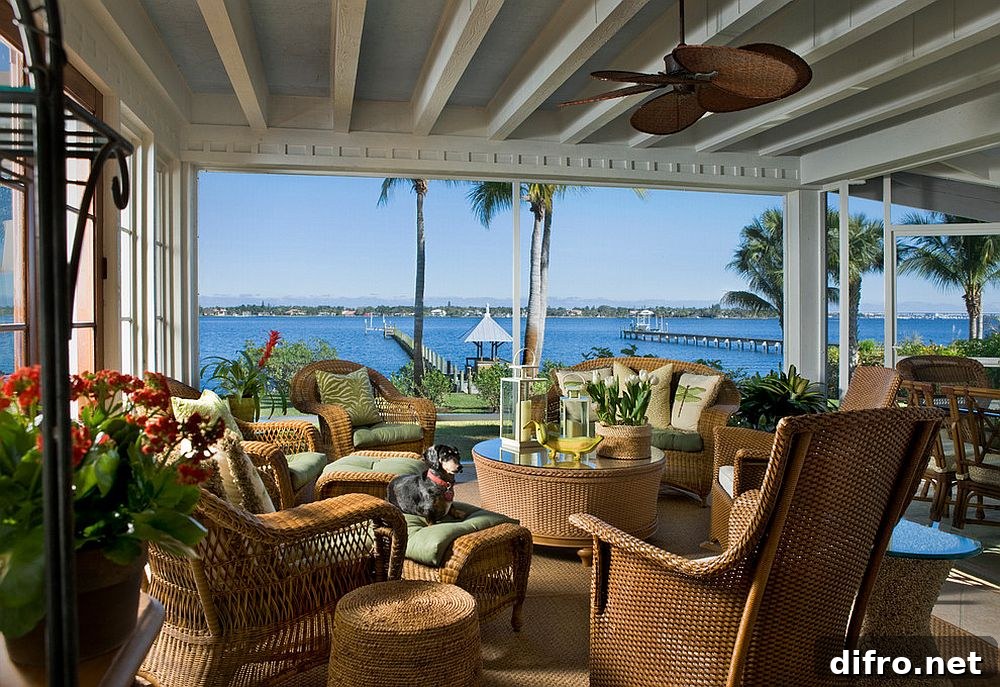
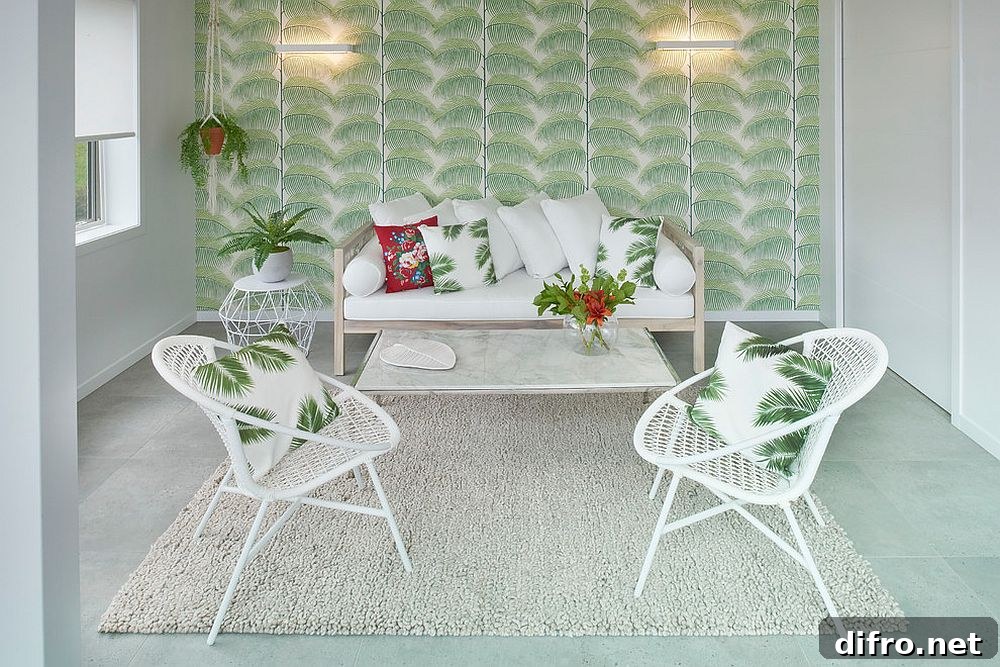
If you’re unsure about committing to many live plants, introduce greenery visually. Tropical-patterned cushions, leafy wallpaper, and textiles with botanical motifs can evoke a lush feel with minimal maintenance. Large glass windows that frame the outdoor landscape also make the surrounding greenery part of the interior aesthetic. Combine these visual elements with a few low-maintenance plants to create a balanced, inviting sunroom.
RELATED: Choosing The Best Indoor Plants For Your Interior
With careful plant selection, thoughtful placement, and the right containers, your sunroom can become a healthy, year-round green retreat—whether you prefer a minimalist, tropical, rustic, or contemporary look. Start small, observe how each plant responds to light and climate, and expand your collection as you gain confidence.