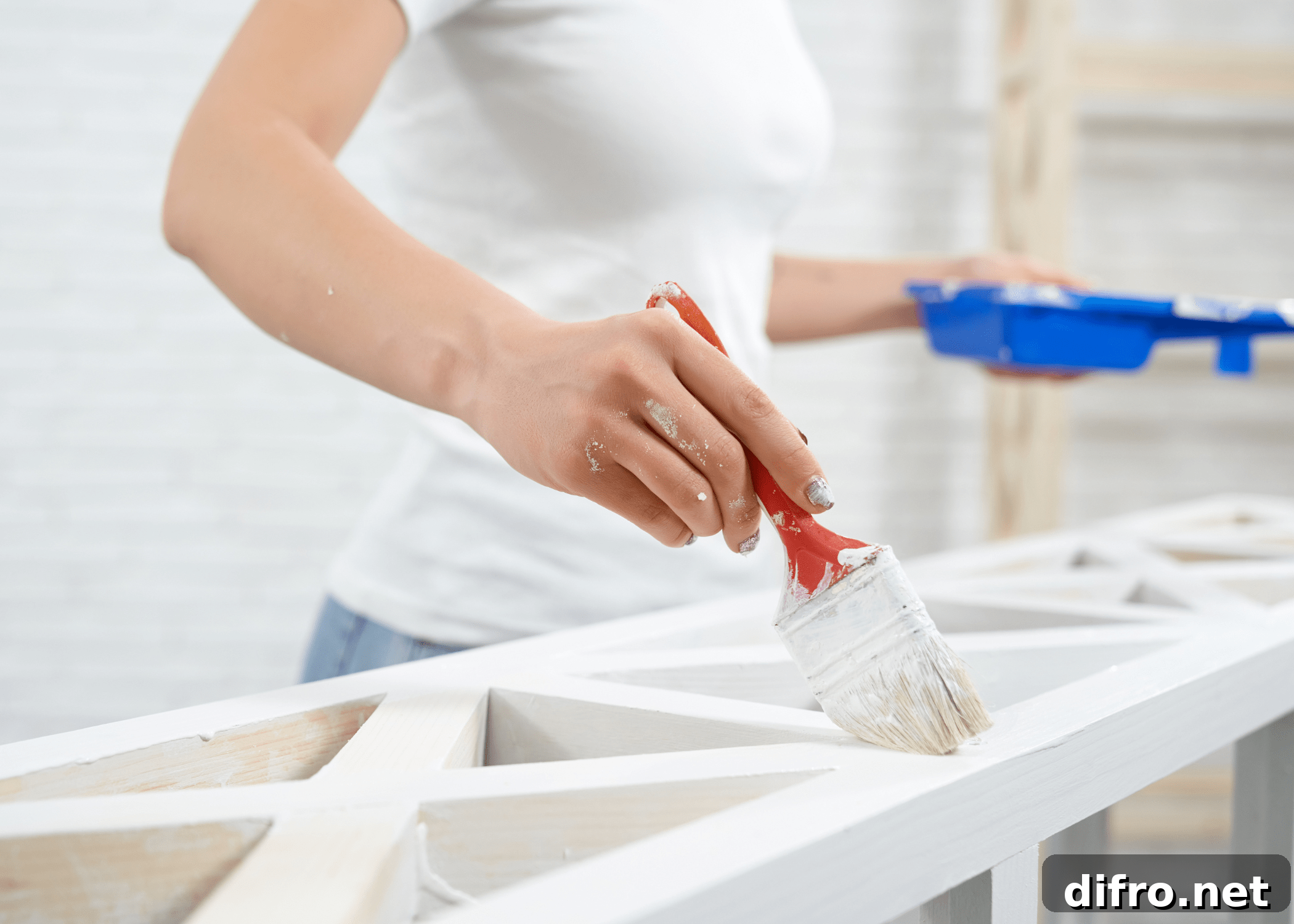
Learning exactly how to paint IKEA furniture can turn inexpensive, mass-produced pieces into one-of-a-kind highlights in your home. IKEA’s clean, simple designs make excellent canvases for DIY upgrades, whether you want a subtle refresh or a bold color statement. Painting furniture is more than a quick coat of paint; it requires the right preparation, materials and technique to achieve a durable, professional-looking finish that stands up to everyday use.
This guide walks you through the whole process — from cleaning and sanding to choosing primer and paint, to the final protective topcoat — so you can confidently transform IKEA furniture into personalized, long-lasting pieces that reflect your style.
Preparing Your IKEA Furniture
Cleaning
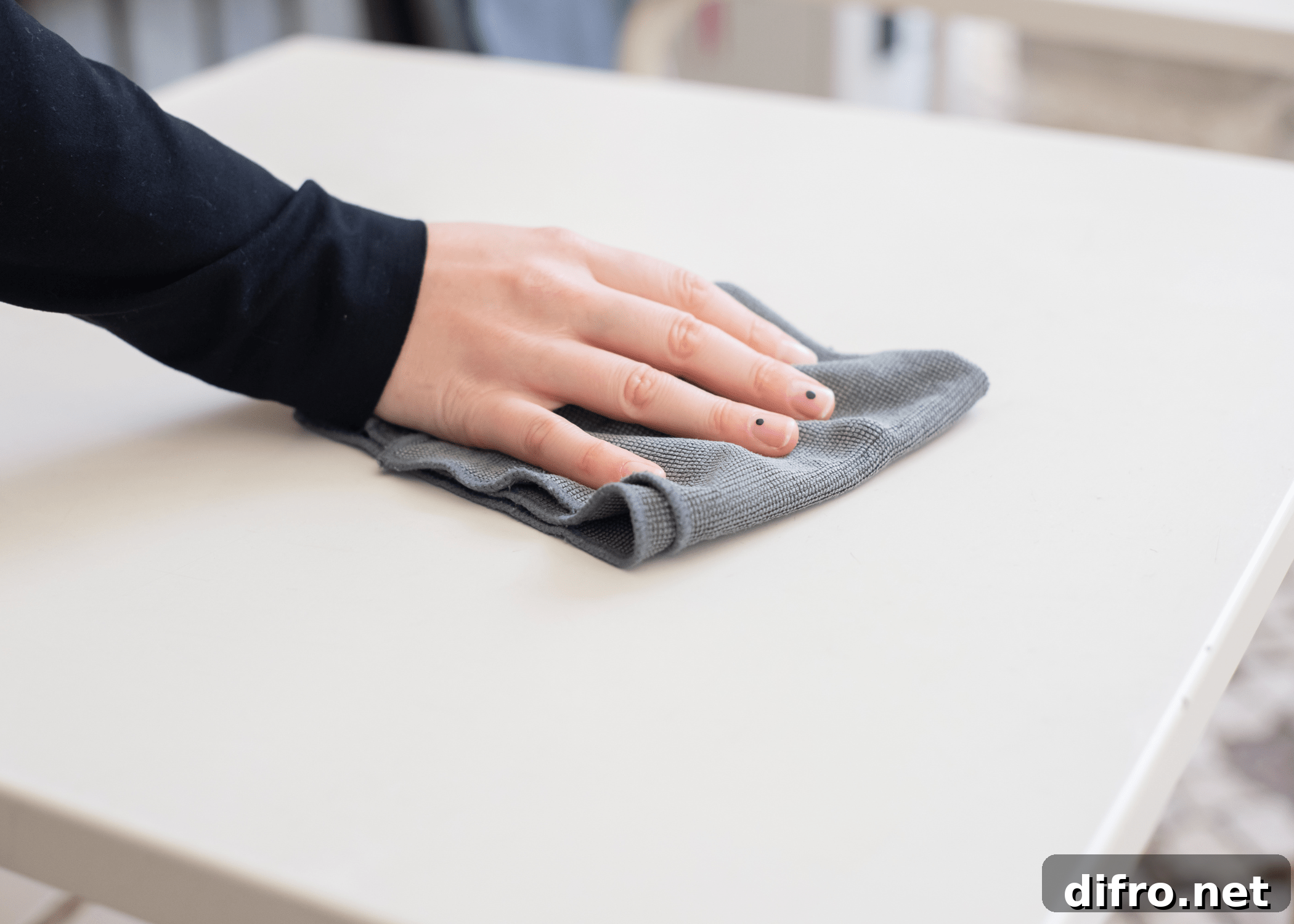
Before you begin painting, make sure the furniture is completely clean. Wipe the surfaces with a mild soap-and-water solution using a soft cloth to remove dust, fingerprints and grease. Avoid abrasive cleaners that could damage the finish. After cleaning, allow the piece to dry fully — paint adheres best to a dry, contaminant-free surface.
Sanding
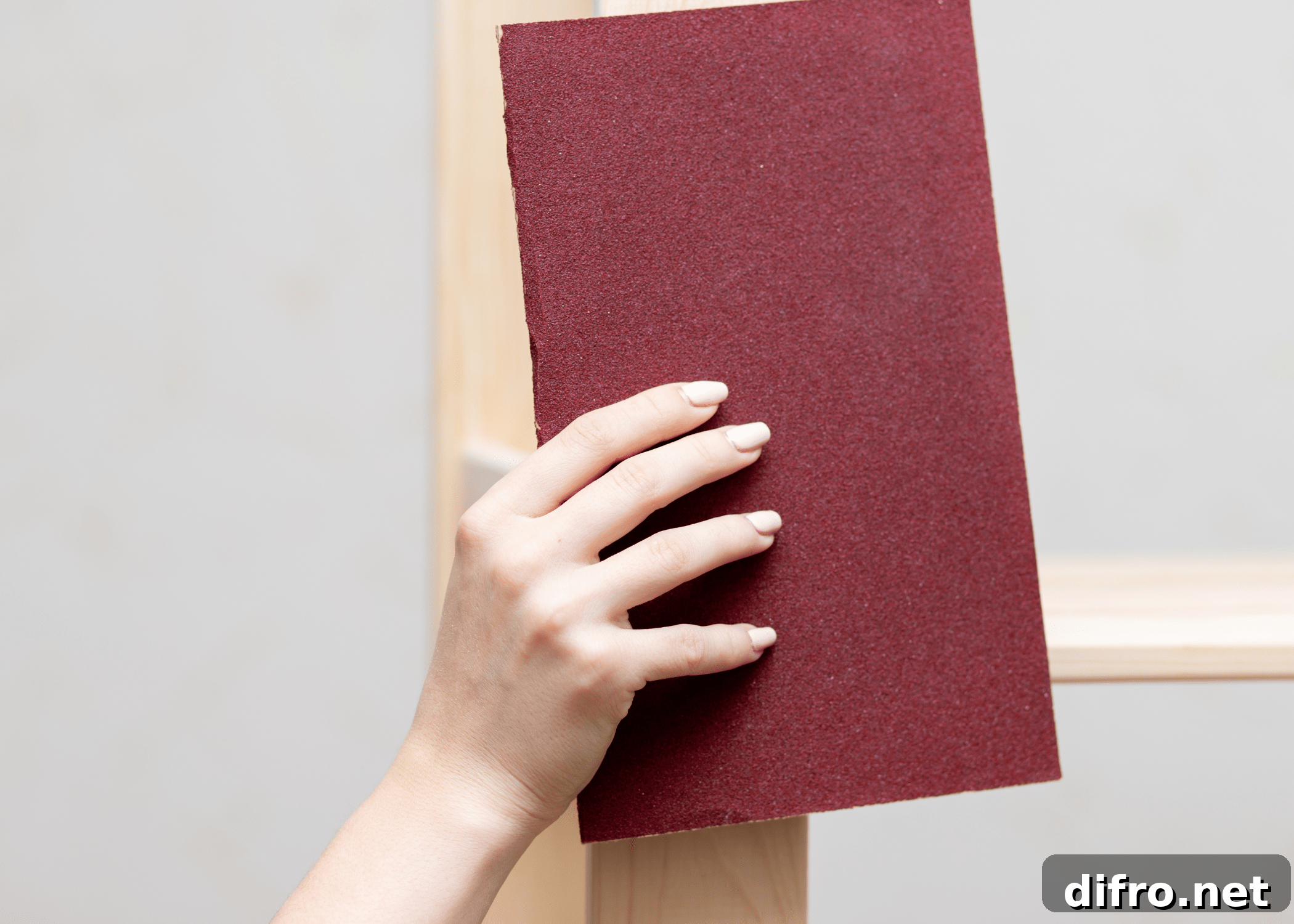
Sanding is an essential step for getting paint to stick and for smoothing out imperfections. Lightly scuff the surface using fine-grit sandpaper — around 120 to 220 grit is ideal for laminate and MDF commonly used by IKEA. Sand in a circular motion and avoid pressing too hard to prevent deep scratches. After sanding, remove all dust with a tack cloth or a clean, damp rag and let the surface dry completely.
With proper cleaning and sanding, the surface will be ready to accept primer and paint, which ensures a longer-lasting finish.
Choosing the Right Primer and Paint
Primer
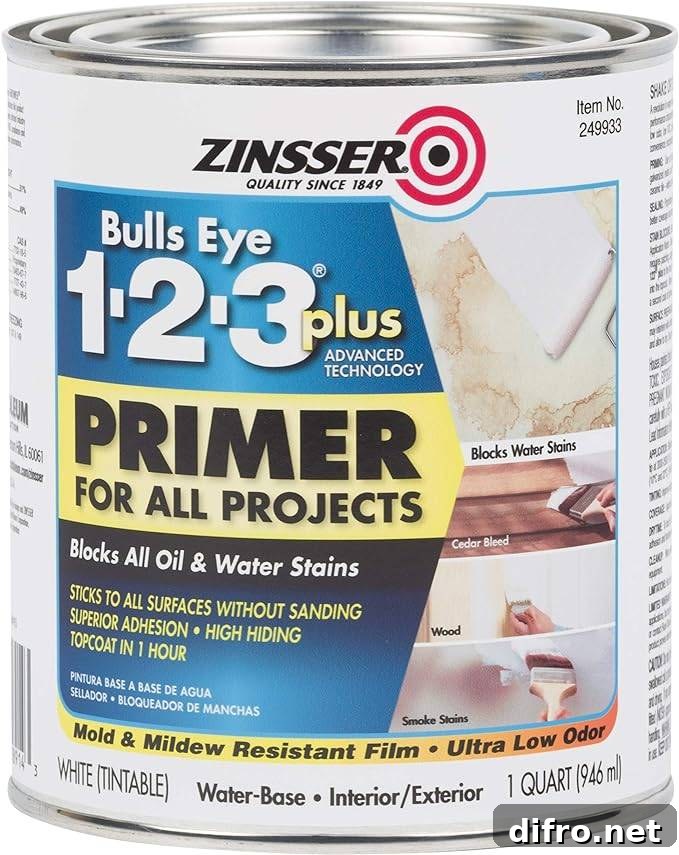
Most IKEA furniture uses particleboard, MDF or laminate surfaces that are smooth and non-porous. To prevent peeling and to ensure good adhesion, choose a bonding primer suited for slick surfaces. Shellac-based or oil-based primers are excellent options because they adhere strongly and block stains or old finishes from showing through. Apply the primer in thin, even coats and allow it to dry according to the manufacturer’s instructions.
Paint
For pieces that will receive regular use — such as tables, drawers and chairs — select a durable paint finish like semi-gloss or gloss. These finishes are easier to clean and more resistant to scuffs. Water-based acrylic enamels and high-quality oil-based paints both provide good durability and a smooth appearance. If you prefer a subtle, low-sheen look, satin or eggshell finishes are still practical but may show wear more quickly than glossier options.
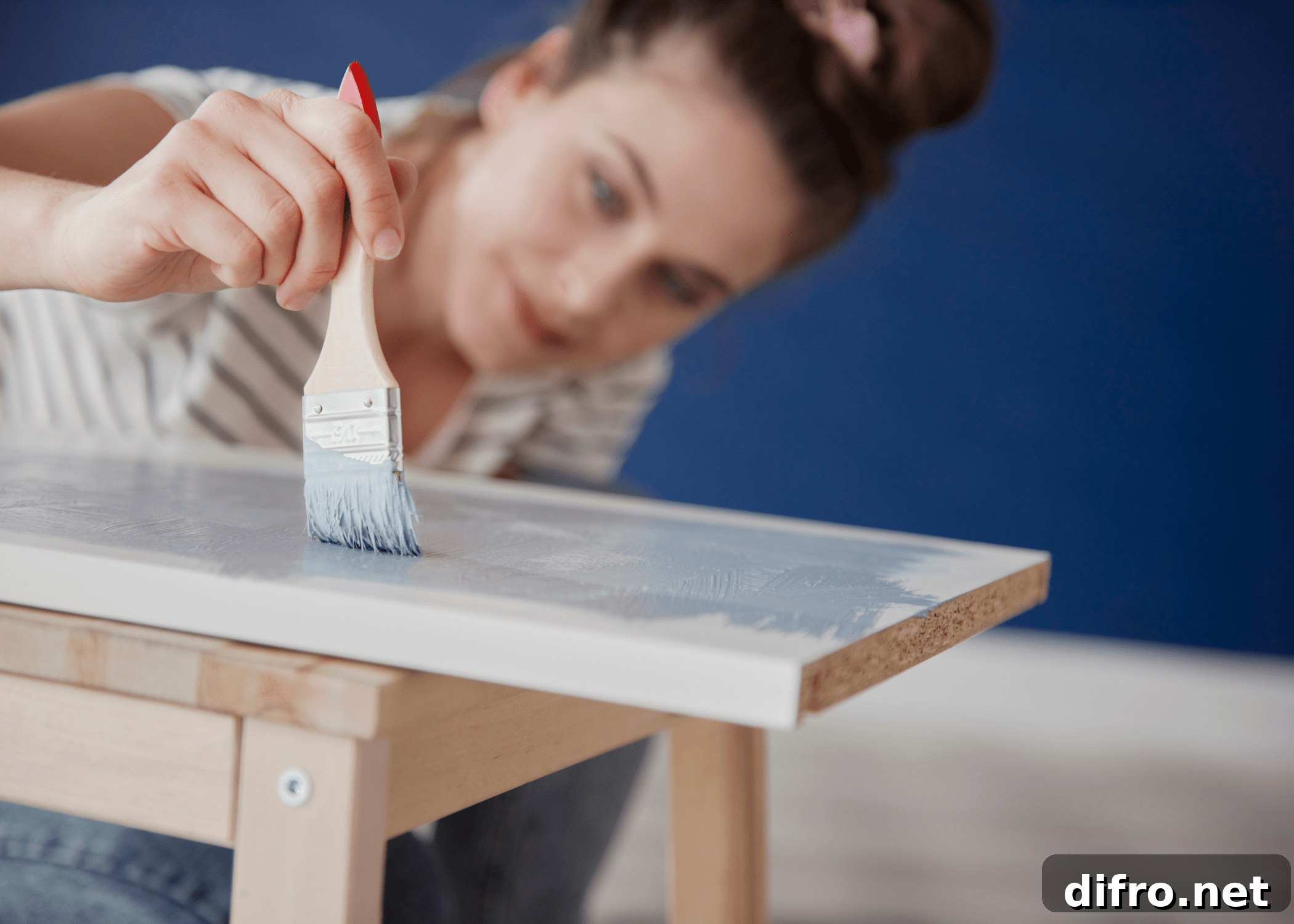
Allow adequate drying and curing time between coats to avoid tacky or uneven areas. Patience during drying and curing will give you a strong, long-lasting finish.
Step-by-Step Guide to Painting IKEA Furniture
Step 1
Disassemble the piece as much as possible. Remove hardware, doors and drawers to make painting easier and neater. Protect your workspace with a drop cloth or old sheets. Use painter’s tape to cover any areas you don’t want painted, such as drawer slides or hinges.
Step 2
After sanding and cleaning, apply a bonding primer in thin, even coats. Primer not only improves adhesion but also helps cover old colors or stains that might otherwise bleed through. Follow the primer’s instructions for drying times; when in doubt, allow at least 24 hours for full drying.
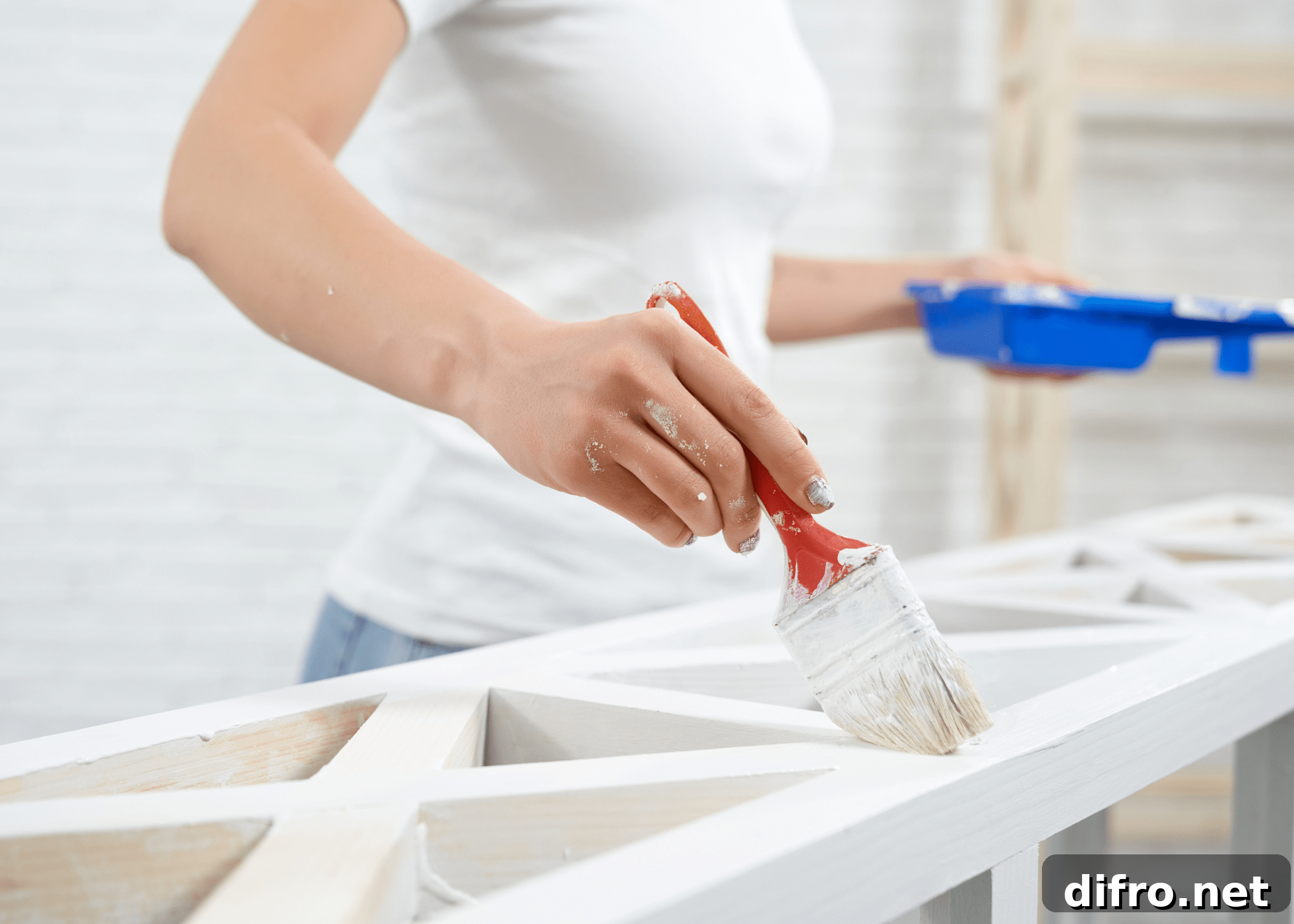
Step 3
Apply your chosen paint in thin, even coats, letting each coat dry completely before applying the next. Two coats of paint typically provide even coverage, but darker or brighter colors may require additional coats. For extra protection, finish with a clear topcoat: water-based polyurethane or a furniture-grade sealer will protect the paint from scratches and moisture while keeping colors true.
Enjoying Your Newly Revamped IKEA Furniture
Once the finish has fully cured, reassemble the furniture and replace the hardware or update it for a fresh look. Painted IKEA pieces can dramatically change the feel of a room, whether you choose a soft neutral, a deep moody tone or a vibrant pop of color. The reward of a successful furniture makeover is not just a nicer piece — it’s a more personal, curated space that reflects your taste.
Sitting back to admire your handiwork, you’ll appreciate how a little time and the right technique can turn simple IKEA pieces into lasting, personalized favorites.
Related Articles
- These Versatile IKEA Rugs Have True Design Power
- Ceiling Paint vs Wall Paint – Differences and When to Use Each
- IKEA Launches New Line, DAJLIEN, of Home Workout Gear
Frequently Asked Questions (FAQs)
What type of paint should I use on IKEA furniture?
Use a quality bonding primer followed by an acrylic latex or furniture-specific paint. For durability, semi-gloss or gloss finishes are best for surfaces that will see regular cleaning or contact.
Do I need to sand IKEA furniture before painting?
Yes. Light sanding with fine-grit paper creates a slightly rough surface that helps primer and paint adhere. You don’t need to remove the entire finish — just scuff it enough to improve bond.
How do I ensure the paint doesn’t peel off?
Thorough preparation is the key: clean and degrease the surface, sand lightly, and apply a high-quality primer formulated for slick surfaces. Allow all coats to dry fully before use.
Can I use spray paint on IKEA furniture?
Spray paint works well, especially for intricate profiles or furniture with many angles. Apply multiple light coats, keep the can moving, and work in a well-ventilated area to avoid runs.
How many coats of paint do I need?
Plan on one to two coats of primer and two thin coats of paint for most projects. Some colors or paint types may require extra coats for full coverage.
What should I do if the paint chips or gets scratched?
Lightly sand the damaged area, clean it, and apply touch-up paint in thin layers until it blends with the surrounding finish. For larger damage, recoat the affected surface after proper prep.
How long should I wait before using the painted furniture?
While paint can feel dry within hours, full curing can take days to weeks depending on the product. Wait at least 24–48 hours before light handling and up to a week for normal use; follow the manufacturer’s cure-time recommendations for best results.
Ready to bring new life to your home? Subscribe to our newsletter for exclusive interior design tips, trends, and ideas that will transform your space. Click here to subscribe