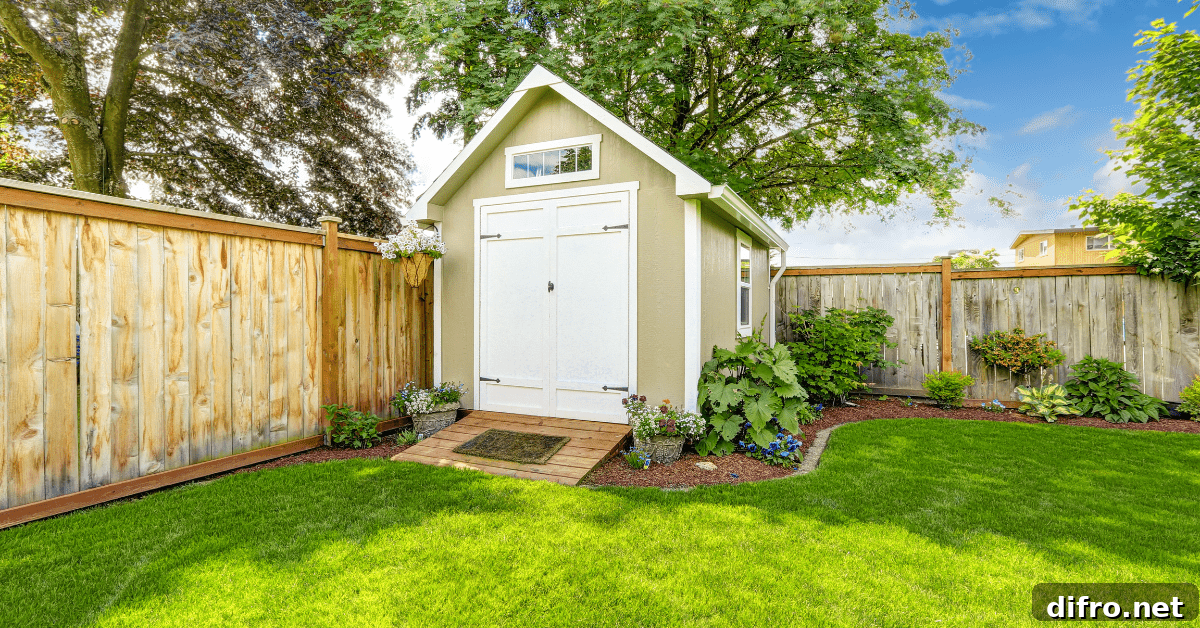
Sheds have evolved from simple storage units into stylish, multifunctional outdoor rooms. Whether you’re planning to add a new shed or refresh an existing one, this guide walks through thoughtful design choices, practical restyling tips, and essential maintenance practices to keep your shed functional and attractive year-round.
1. Choosing the Right Shed Design
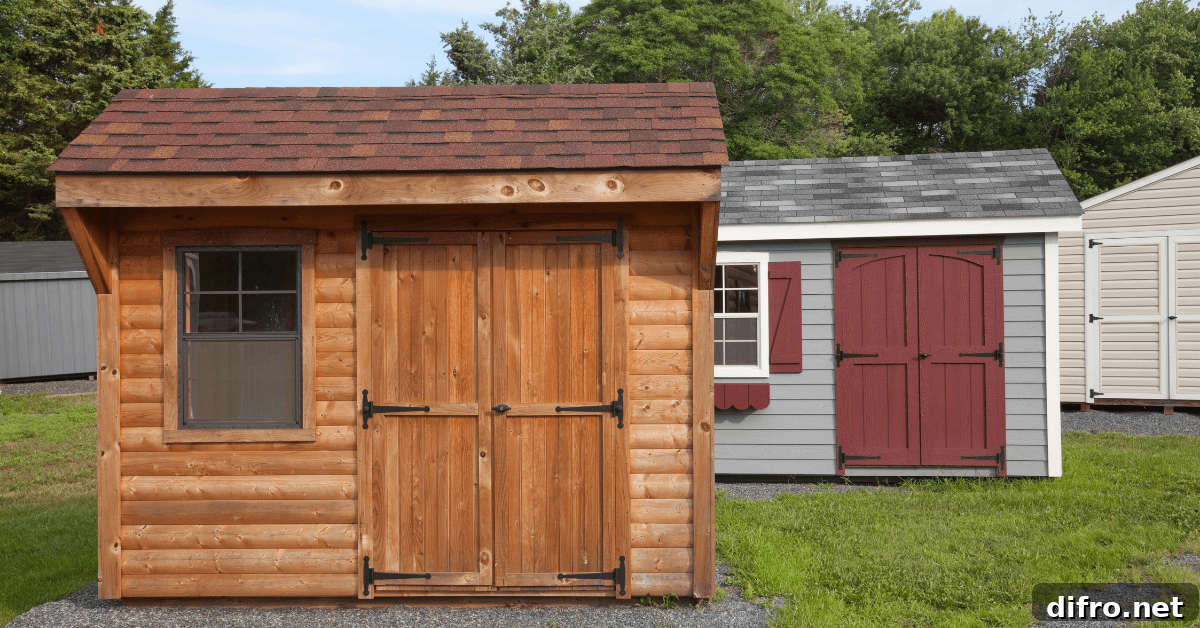
When selecting a shed, think about how it will sit within your yard, the style of your home, and how you intend to use the space. Below are popular design directions and what they typically offer:
a. Modern Minimalist Sheds
- Features: Clean lines, large windows, neutral palettes that emphasize light and openness.
- Best for: Home offices, quiet studios, reading nooks and relaxation spaces.
b. Rustic Chic Sheds
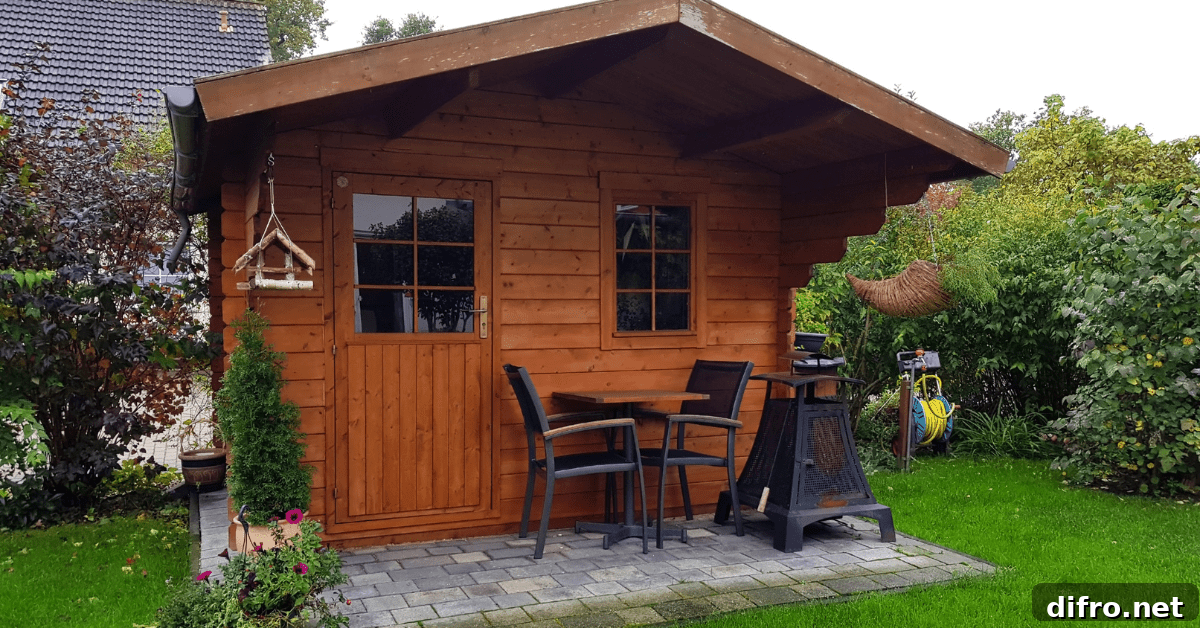
- Features: Reclaimed wood, weathered finishes, barn-style doors and vintage details.
- Best for: Guest rooms, playhouses, potting sheds and cozy retreats.
c. Industrial Style Sheds
- Features: Metal framing, concrete or durable flooring, exposed structural elements.
- Best for: Workshops, makerspaces, home gyms and heavy-duty storage.
d. Scandinavian-Inspired Sheds
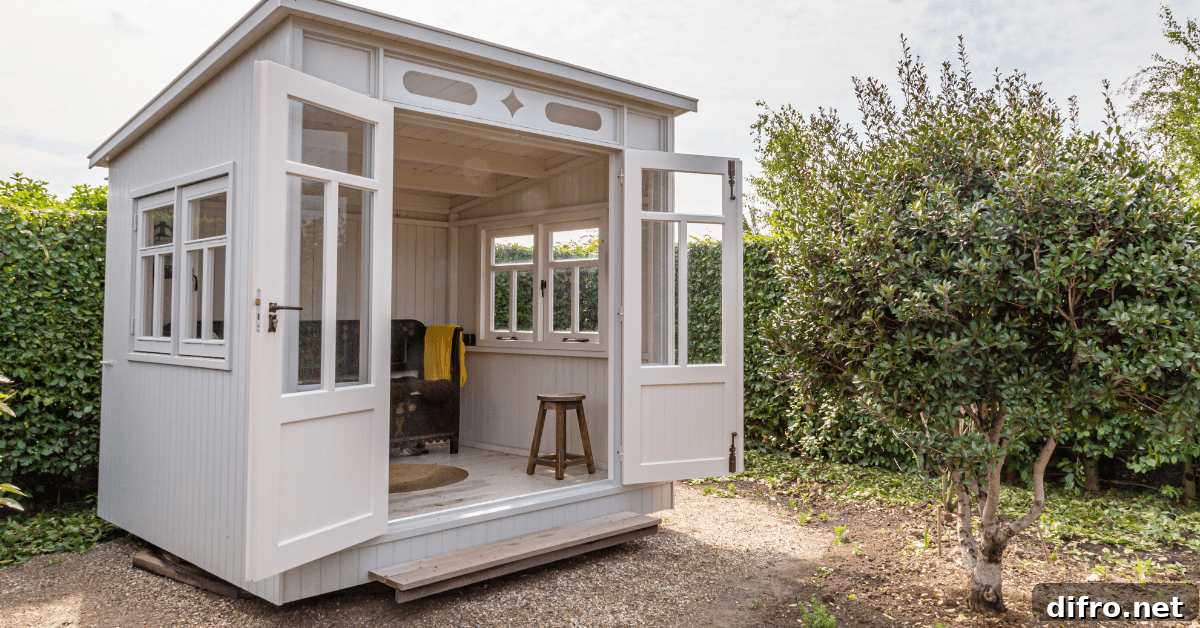
- Features: Light woods, white walls, minimalist furnishings and plenty of natural light.
- Best for: Yoga or meditation studios, serene home offices and reading spaces.
e. Mid-Century Modern Sheds
- Features: Bold color accents, geometric shapes and streamlined profiles.
- Best for: Creative studios, entertaining spaces and distinctive home offices.
f. Eco-Friendly Sheds
- Features: Recycled or responsibly sourced materials, green roofs, passive heating and ventilation options.
- Best for: Homeowners prioritizing sustainability and lower operating costs.
2. Restyling and Upgrading an Existing Shed
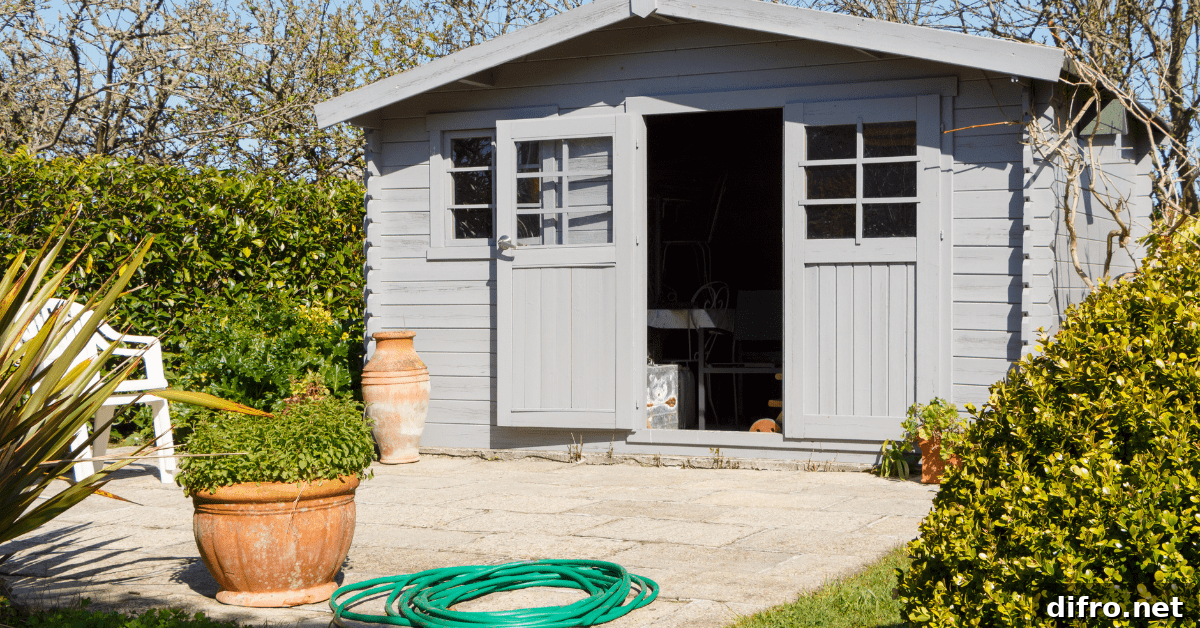
If your shed needs a refresh, focus first on the exterior and weatherproofing, then move inside to improve comfort and usability. A fresh coat of weather-resistant paint or stain immediately updates curb appeal and protects materials. Select colors that complement your home and garden; contrasting trim or a bold door color can create a focal point.
Upgrading siding, replacing worn doors, or adding architectural details like shutters and window boxes elevates the structure. For natural light and a more open feel, consider enlarging windows or installing skylights. Exterior lighting increases usability after dark and improves safety.
Inside, insulate walls and ceilings if you plan to use the shed year-round. Finish surfaces with durable paneling or painted drywall, and choose comfortable, easy-to-clean flooring such as laminate, engineered wood or indoor-outdoor rugs. Fit the space with multifunctional furniture—built-in shelving, fold-down desks, or compact seating—that maximizes usable area without cluttering.
3. Maintaining Your Shed
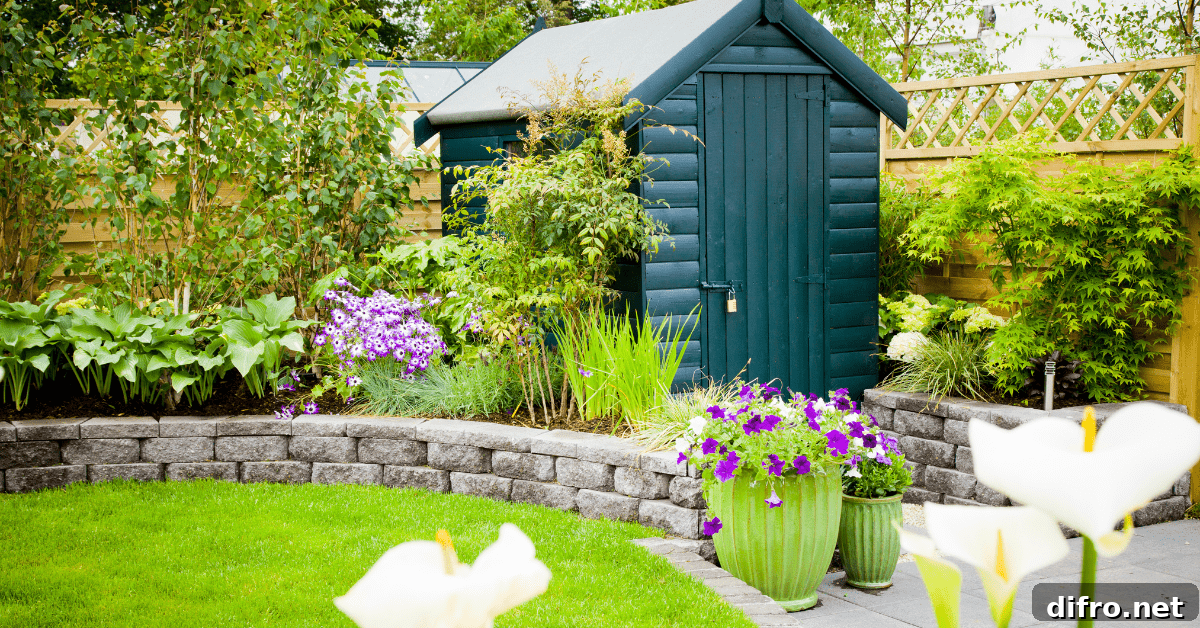
Routine maintenance extends the life of a shed and preserves its appearance. Perform a basic cleaning monthly or as needed—sweep and mop floors, dust surfaces, and clear cobwebs. Inspect the structure at least twice a year and after severe weather to check for leaks, rot, loose boards or rusted fasteners.
Keep paint or stain in good condition by touching up areas where the finish has worn. Maintain the roof by cleaning gutters, removing debris, and replacing damaged shingles or roofing panels promptly. Regular pest checks help prevent infestations; seal gaps, secure vents and consider targeted, humane pest-control measures if signs of rodents or insects appear.
4. Creative Uses for Your Shed
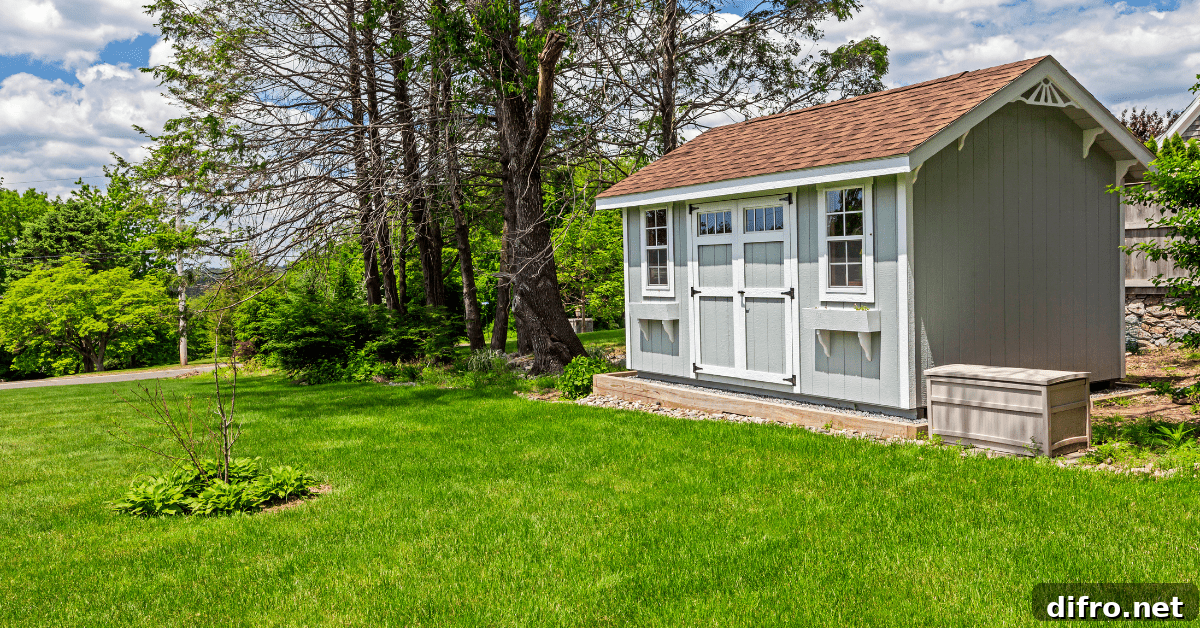
Sheds can be tailored to many purposes beyond storage. Convert a shed into a quiet home office with a desk, ergonomic chair and shelving for an efficient workflow. An art studio benefits from an easel, targeted task lighting and organized supply storage. For overnight guests, a well-insulated shed with a simple bed, nightstand and soft lighting becomes a welcoming miniature guest room.
Fitness or wellness uses include a compact yoga or Pilates studio outfitted with mats, mirrors and soft acoustics. For families, a shed can become a dedicated playhouse, outfitted with child-safe finishes, low shelving and imaginative decor. When planning any conversion, consider ventilation, insulation, electrical needs and local building codes.
Related Articles
- 5 Ways to Revive a Garden Shed
- Simple Outdoor Kitchen Ideas to Enhance Your Backyard
- Transform Your Backyard with These Cozy Small Outdoor BBQ Area Ideas
Styling a shed successfully means balancing design, function and ongoing care. Choose a style that complements your home and needs—whether modern minimalist, rustic chic, industrial, Scandinavian, or eco-friendly—and invest in practical upgrades and regular maintenance to keep your shed attractive and useful for years to come.
Subscribe to design newsletters and resources to discover fresh ideas, seasonal tips and practical inspiration for transforming your home and outdoor spaces.