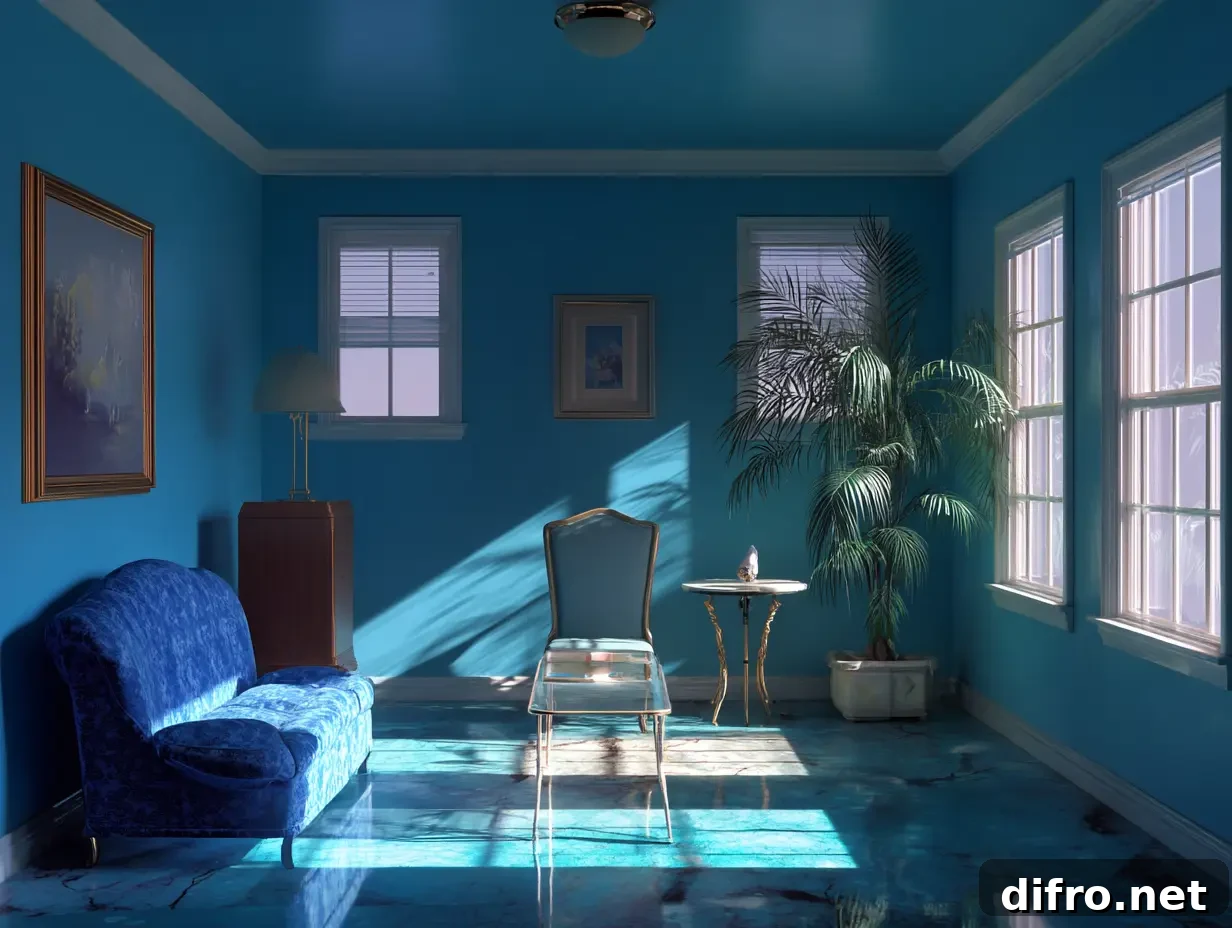
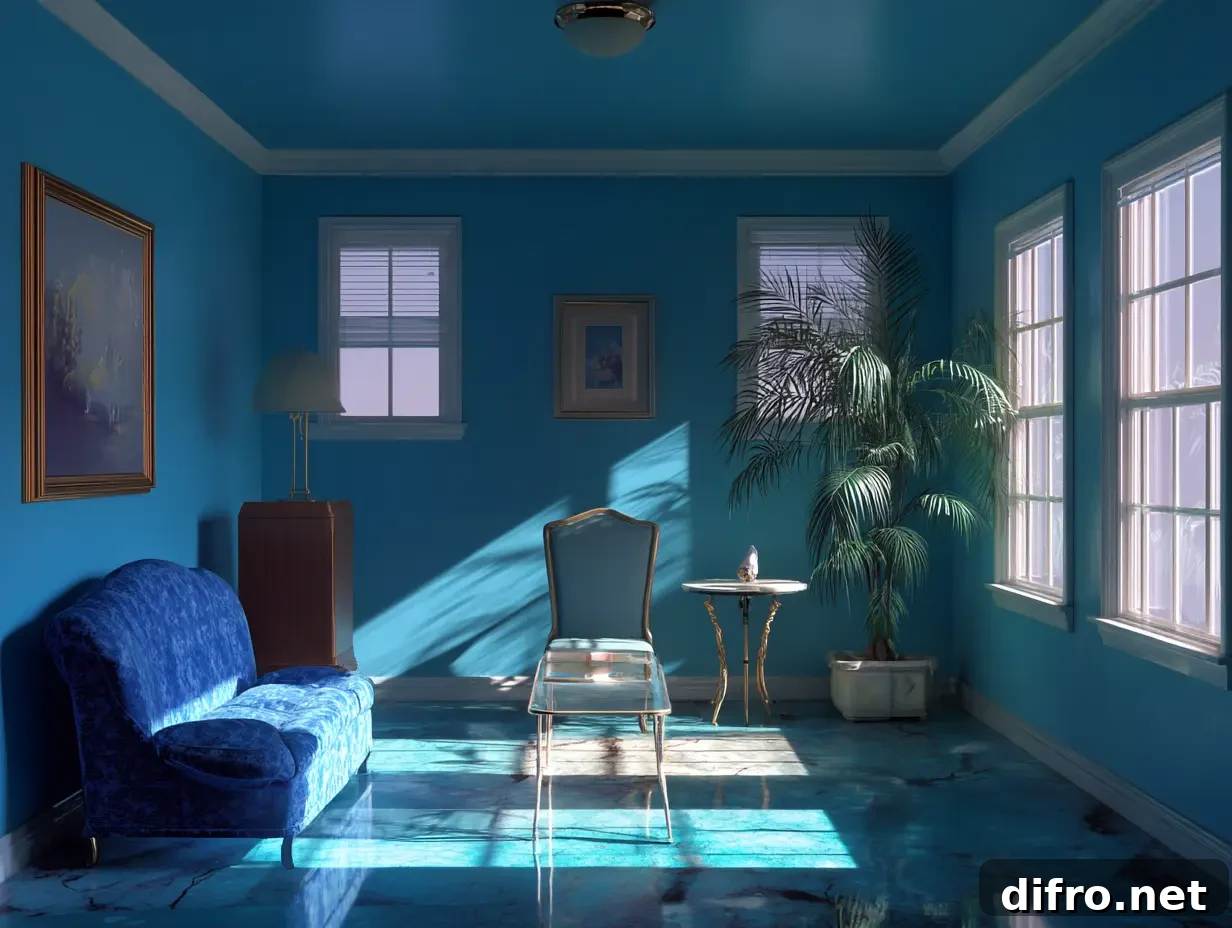
We focus a lot on mattresses, blackout curtains, and white noise machines, but we often overlook a simple environmental factor: the color of the walls. Paint isn’t a sedative, yet growing evidence from sleep science and environmental psychology shows that visual surroundings act as a “silent signal” to the nervous system. Certain tones help the brain shift into a parasympathetic, or rest, state, while other colors can subtly keep alertness and heart rate elevated.
The Biology of Color: Why Your Brain Cares About the Walls

Color is more than aesthetic preference; it triggers physiological responses. Soft blues and muted greens are frequently associated with reduced blood pressure and a calmer heart rate. In fact, a 2024–2025 survey of over 2,600 Americans reported that 38% of respondents experienced improved sleep quality after changing their bedroom to a more calming hue. That response shows how visual cues in the sleeping environment can influence relaxation and sleep onset.
The 2026 Shift: Beyond Cool Blue
Blue still ranks highly for its tranquil associations, but design trends in 2026 emphasize grounded earth tones that support a sense of safety and warmth. These hues are being favored as alternatives or complements to traditional calming palettes.
- Blue & Green: Proven calming colors that remain top performers for lowering stress and promoting relaxation.
- Terracotta & Warm Stone: “Cocooning” colors that introduce visual warmth and a cozy feeling many cool grays lack.
- The Envelope Method: Also called color drenching—painting walls, ceilings, and trim the same muted shade to reduce high-contrast lines that encourage the eyes to keep scanning at night.
The Lighting Trap: Why Your Perfect Paint Job Needs 2700K Bulbs
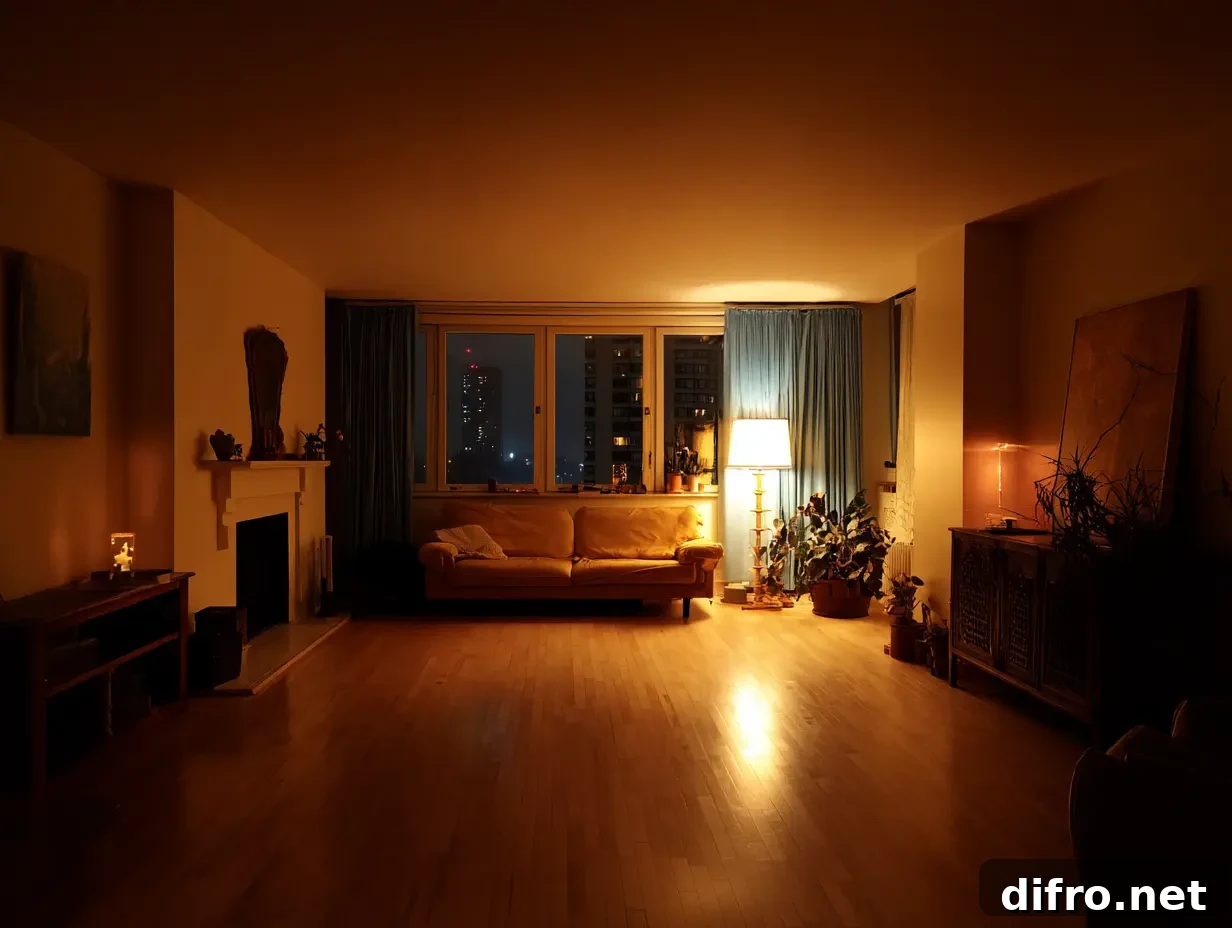
Light exposure is a primary regulator of melatonin production, which helps set the body’s sleep–wake cycle. The eye contains light-sensitive cells that react strongly to blue wavelengths. Even if your walls are a deep navy, cool white bulbs around 4000K can send signals to the brain that it’s still daytime, delaying the transition to sleep.
- The Blue Light Conflict: Melanopsin-expressing retinal cells are especially sensitive to blue light and can maintain alertness when exposed to high-color-temperature lighting in the evening.
- The 2026 Fix: Designers and sleep-conscious homeowners now favor layered lighting with warm white bulbs around 2700K. This warmer, lower-angle light more closely mimics sunset and supports the body’s natural melatonin rise.
Common Mistakes: What to Avoid for Better Rest
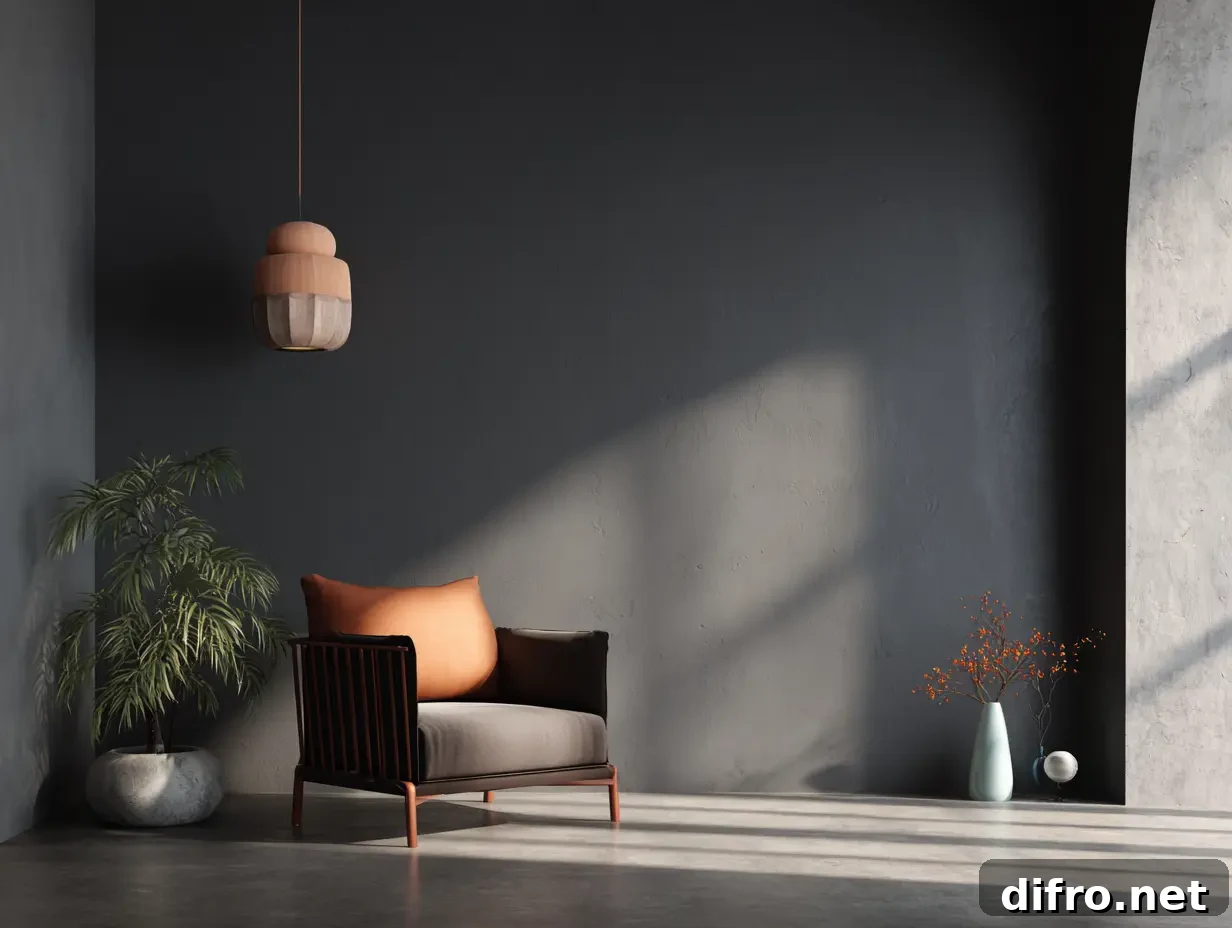
To make your bedroom more supportive of sleep, avoid common design pitfalls that increase stimulation.
- High-Gloss Finishes: Glossy paint reflects light and creates sharp highlights. Choose matte or eggshell finishes to diffuse light and produce a softer visual effect.
- Vibrant Reds and Purples: Bright, high-energy colors can stimulate brain activity and make it harder to wind down.
- Visual Clutter on Walls: Busy patterns or heavily contrasted gallery walls create visual noise that keeps the mind active instead of calming it.
The 60-Second Bedroom Reset

If you’re not ready for a full repaint, small changes can still have a big impact. These quick adjustments help cue your brain that it’s time to relax.
- Switch the Bulbs: Replace cool, daylight bulbs with warm-toned smart bulbs or 2700K LEDs to reduce blue light exposure in the evening.
- Mute the Bedding: If wall color is bright, use desaturated, earthy bedding—linen, bamboo, or cotton in taupe, sage, or soft gray—to visually anchor the room.
- Control Contrast: Choose curtains and soft furnishings that harmonize with wall color to create a seamless, calming visual plane.
The Takeaway
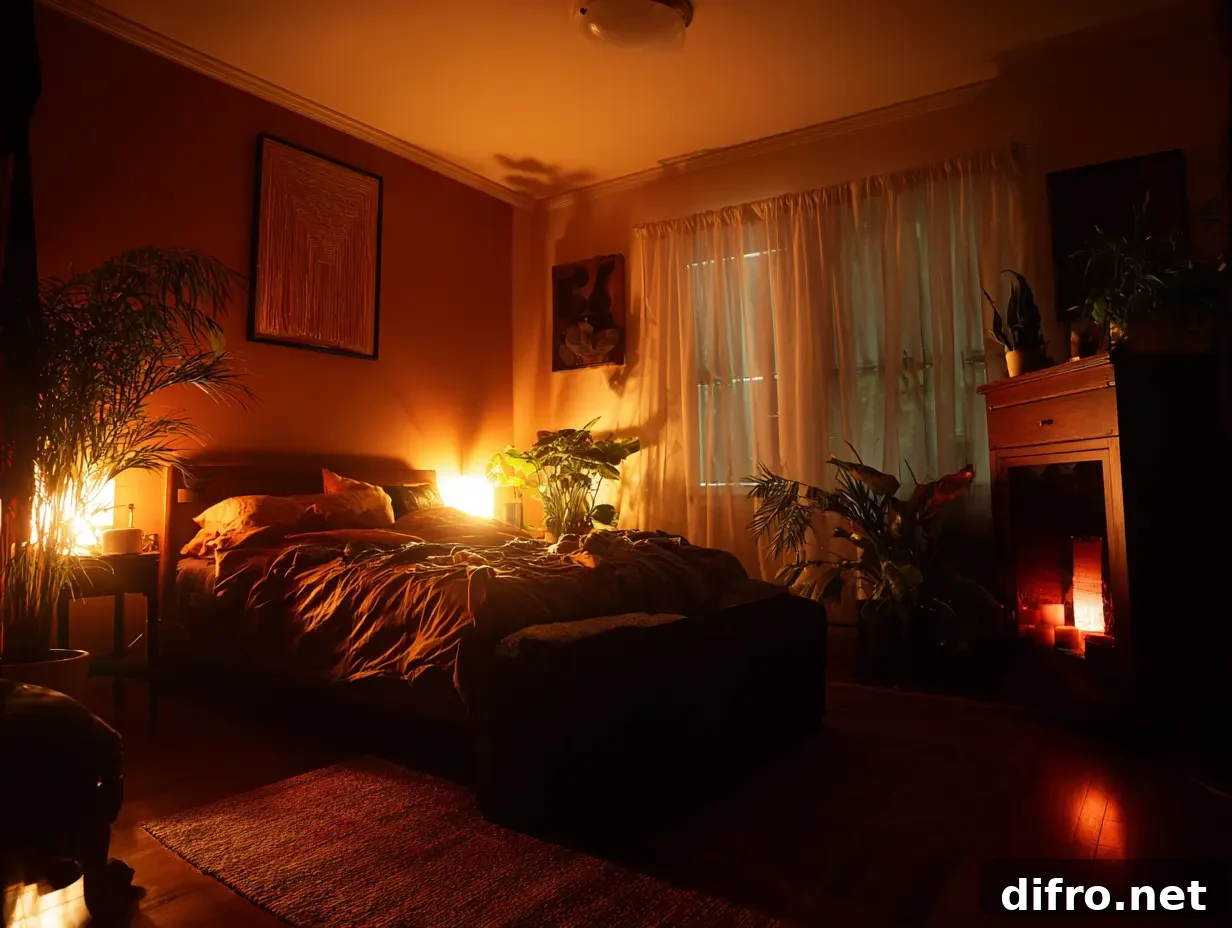
Your bedroom should visually support the same objective as your bedtime routine: lower stimulation. Pair low-saturation, calming colors with warm, diffused lighting and soft finishes to create an environmental cue that it’s safe to let go of the day. Thoughtful paint choices combined with appropriate lighting and minimal visual clutter can make falling asleep easier and improve overall sleep quality.