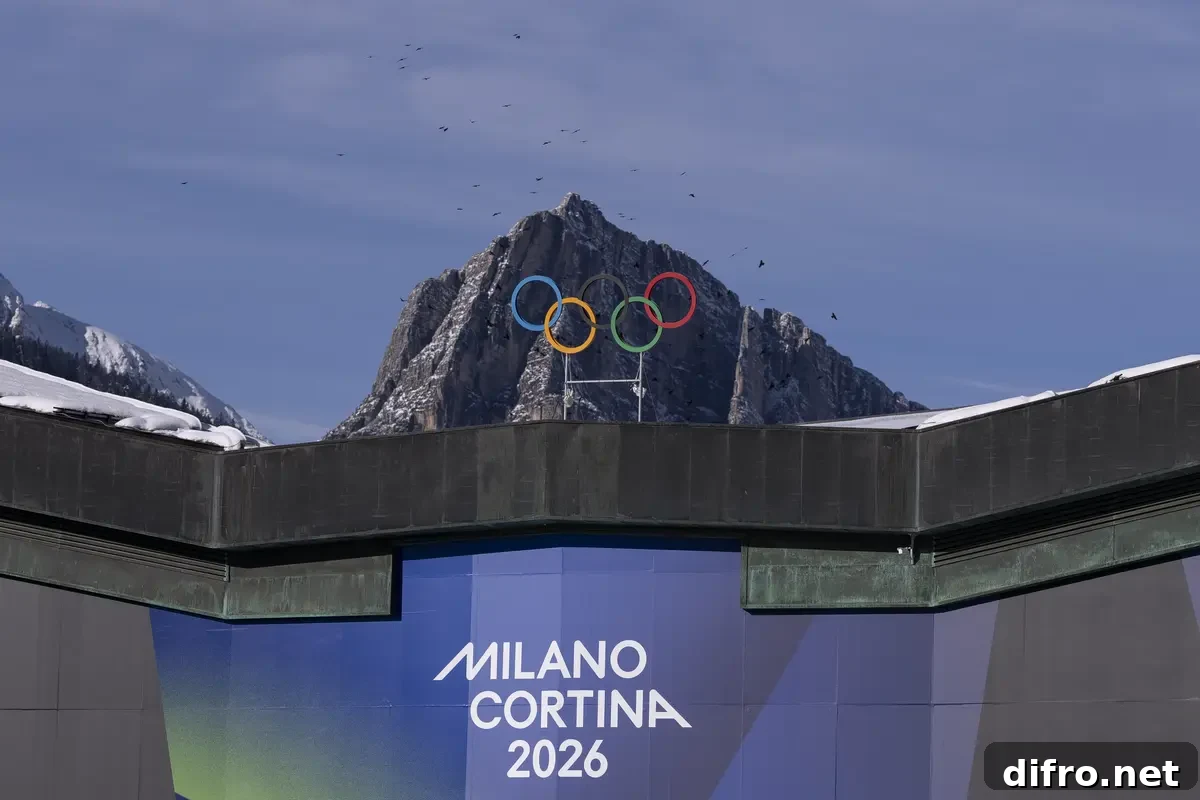
When most people imagine an Olympic village, they picture temporary dormitories: efficient, pragmatic, and destined to be dismantled or forgotten. The Milano Olympic Village for Milano Cortina 2026 rejects that notion. Backed by a reported $140 million investment, the project embraces a new design philosophy often described as “Sustainable Chic.” Rather than prioritizing short-lived spectacle, Milan has chosen a long-term, urban-minded approach that treats the village as a permanent neighborhood from the start.
This project is far more than athlete housing; it is a deliberate effort in urban renewal that asks a central question: how can we build for the future without erasing the character and vitality of a city? The answer lies in a balanced design that spans aesthetics, flexibility, and environmental responsibility.
The “Sustainable Chic” Aesthetic: Redefining Urban Luxury
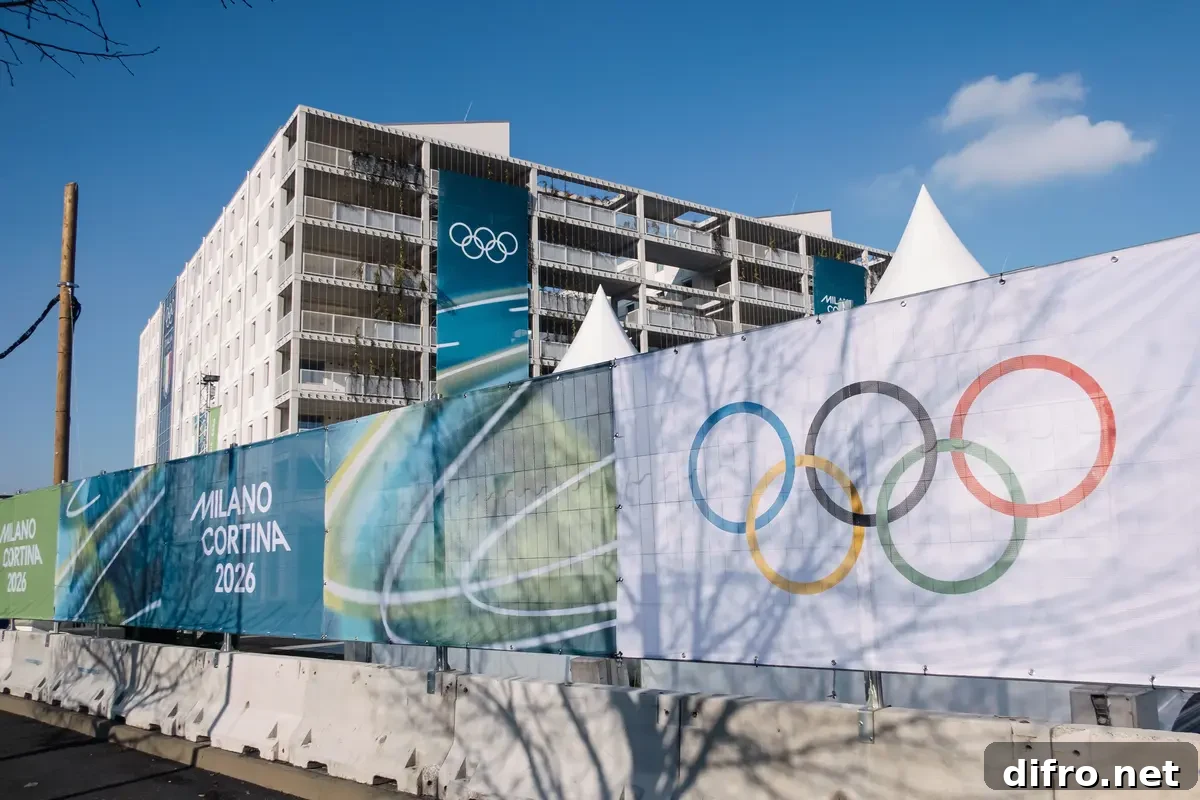
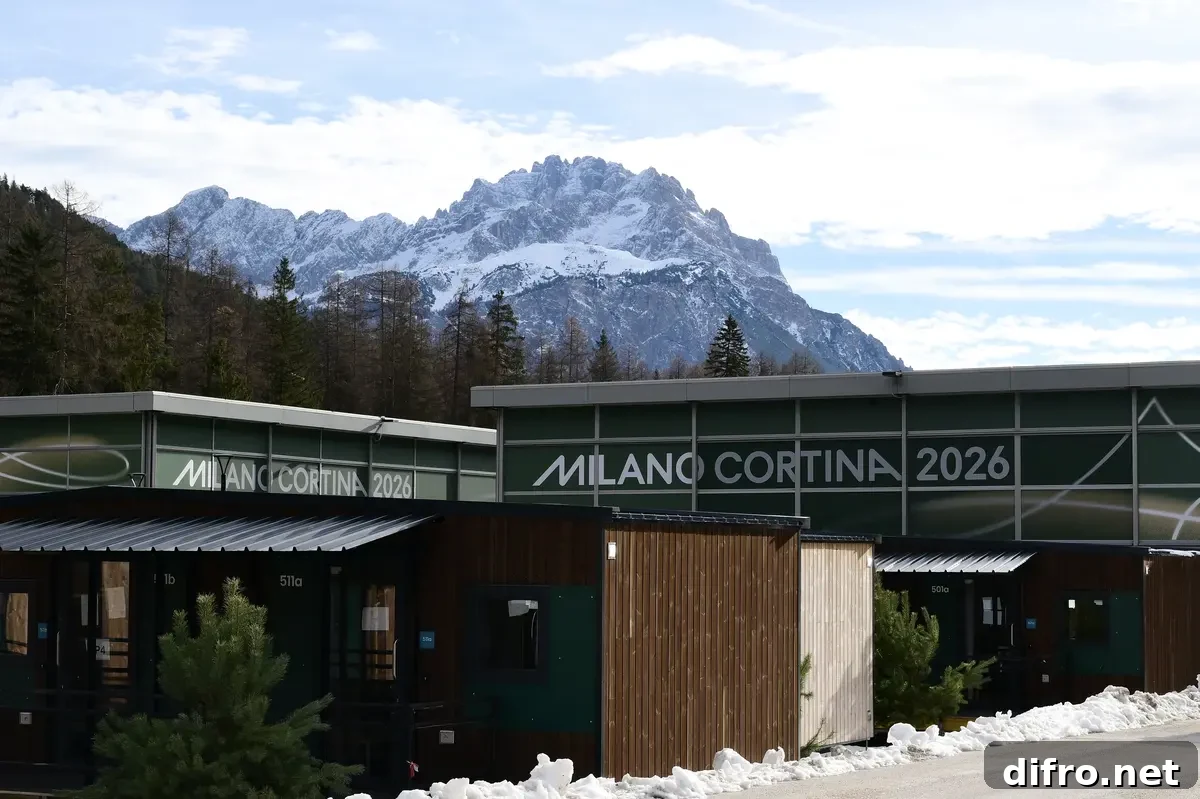
The village’s visual language departs from flashy, high-tech façades in favor of a refined restraint that reads more like a boutique hotel than a temporary sports complex. The emphasis is on materials, daylight, and colors that will age gracefully and remain relevant long after the Games conclude.
- Natural Materials: Warm wood accents and recycled concrete create tactile interiors and facades that feel human and durable.
- Light as a Resource: Extensive, high-performance glazing is used strategically to maximize natural daylight and reduce reliance on artificial lighting.
- Muted Palettes: Timeless, earthy tones ensure the architecture will not look dated once the event is over.
Designers are shifting focus from dramatic silhouettes that exist primarily for media imagery to human-centered spaces that people actually want to live in. This approach prioritizes comfort, functionality, and longevity over novelty.
From Athlete Housing to Student Living: The Ultimate Pivot
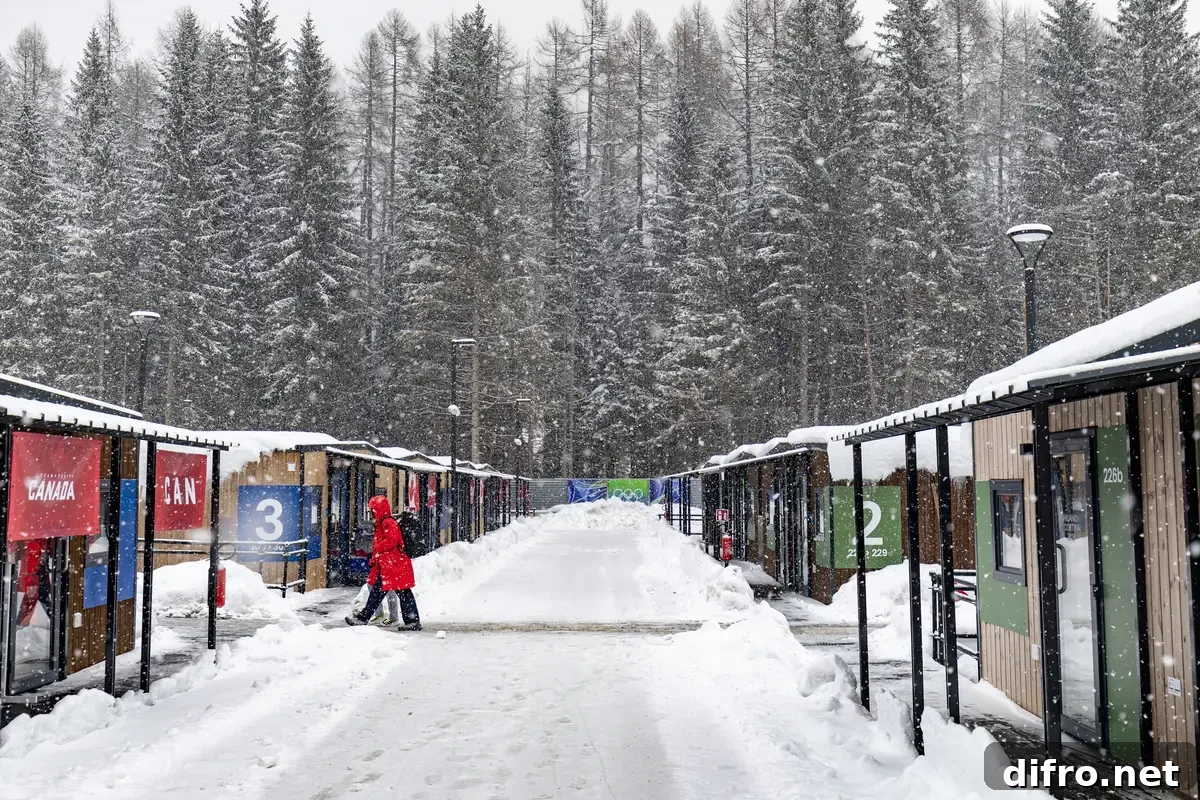
Unlike many past Olympic developments that became underused “white elephants,” Milan designed this village as a permanent district first and a Games venue second. That means the entire complex, from the exterior streetscapes to the apartment interiors, is planned for long-term civic use.
A Blueprint for Urban Renewal
After the 2026 Games end, the master plan calls for a smooth transition of the site into a mixed-use neighborhood with several public benefits:
- Affordable Housing: Units allocated to help address the city’s housing shortage.
- Student Residences: High-quality accommodations to serve Milan’s academic communities and support campus life.
- Public Green Spaces: New parks and landscaped courtyards acting as urban lungs to reduce heat and improve livability.
By incorporating flexible layouts and durable finishes from day one, developers reduce the need for heavy renovation later, thereby limiting the carbon footprint associated with post-event repurposing.
Technical Innovation: High-Performance, Low-Impact
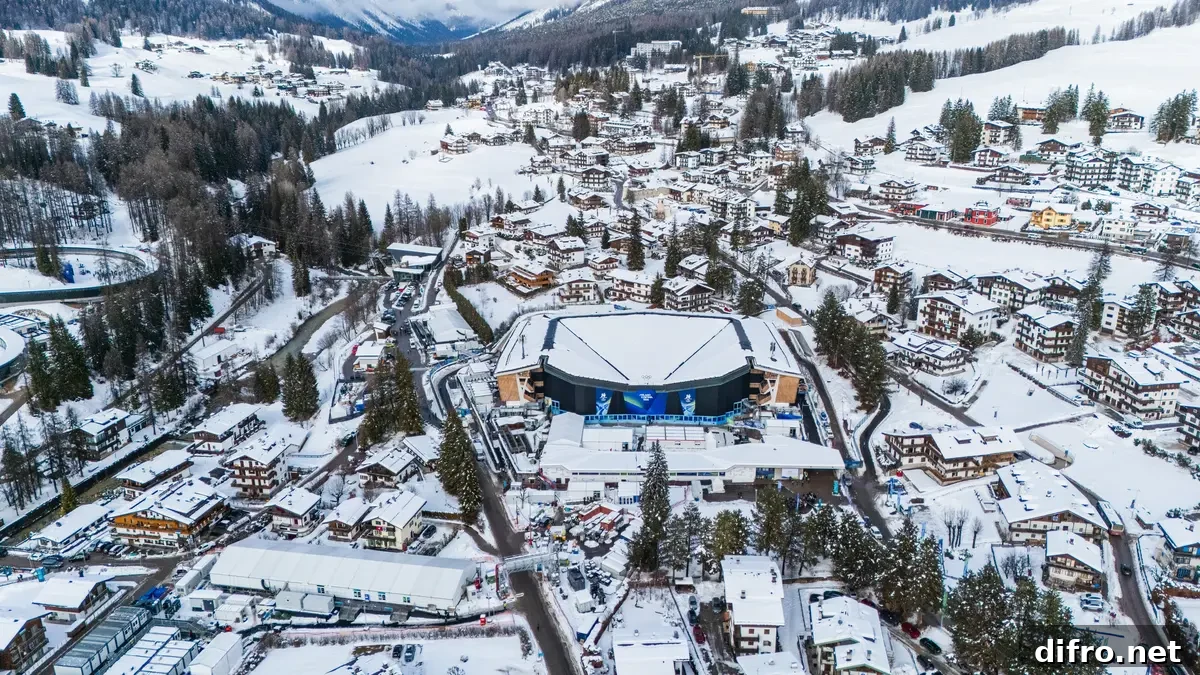
Beneath the elegant appearance, the village incorporates rigorous technical systems aimed at meeting ambitious climate and performance goals. These systems are designed to reduce operational energy use and minimize embodied carbon.
| Feature | Impact on Urban Living |
| Smart Climate Control | Adapts heating and cooling to actual occupancy, lowering energy waste. |
| Functional Green Buffers | Courtyards and planted zones that help cool buildings and improve air quality. |
| Low-Emission Concrete | Reduces the embodied carbon associated with construction materials. |
Why the Milano Olympic Village Is a Global Model
As cities around the world confront housing shortages and the pressures of climate change, Milan’s “Build Once, Use Forever” philosophy offers a compelling template. It demonstrates that sustainable architecture need not appear utilitarian or austere: it can be refined, accessible, and aspirational. The most sustainable building, the project suggests, is one that is designed to remain useful and loved for decades rather than being demolished or extensively rebuilt.
The Milano Olympic Village is therefore more than an event venue: it is an investment in the city’s future, marrying elegant design with technical resilience and social purpose. It stands as a case study in how major international events can catalyze long-term urban improvement when planners prioritize adaptability, quality, and the everyday lives of residents who will inherit these places after the closing ceremony.