
Moving to a new home is an exciting milestone, but it often comes with higher costs than most people expect. Planning ahead and understanding the typical expenses associated with a move will help you create a realistic budget and avoid last-minute surprises. Whether you’re relocating across town or across the country, this guide outlines the common costs you should expect and practical tips to keep them under control.
1. Professional Movers
Hiring professional movers is usually the largest line item in a moving budget, but it also reduces stress and physical labor. Prices vary widely depending on distance, the size of your home, and which services you choose. For local moves, expect rates roughly between $800 and $2,000. Long-distance moves commonly fall between $2,000 and $5,000 or more. Extra services—full-service packing, handling fragile or oversized items (pianos, antiques), or short-term storage—will increase the bill. Get written estimates from multiple companies, check customer reviews, and confirm what each quote includes (labor, supplies, insurance). Choosing solely on price can lead to problems later, so balance cost with reliability.

2. DIY Moving
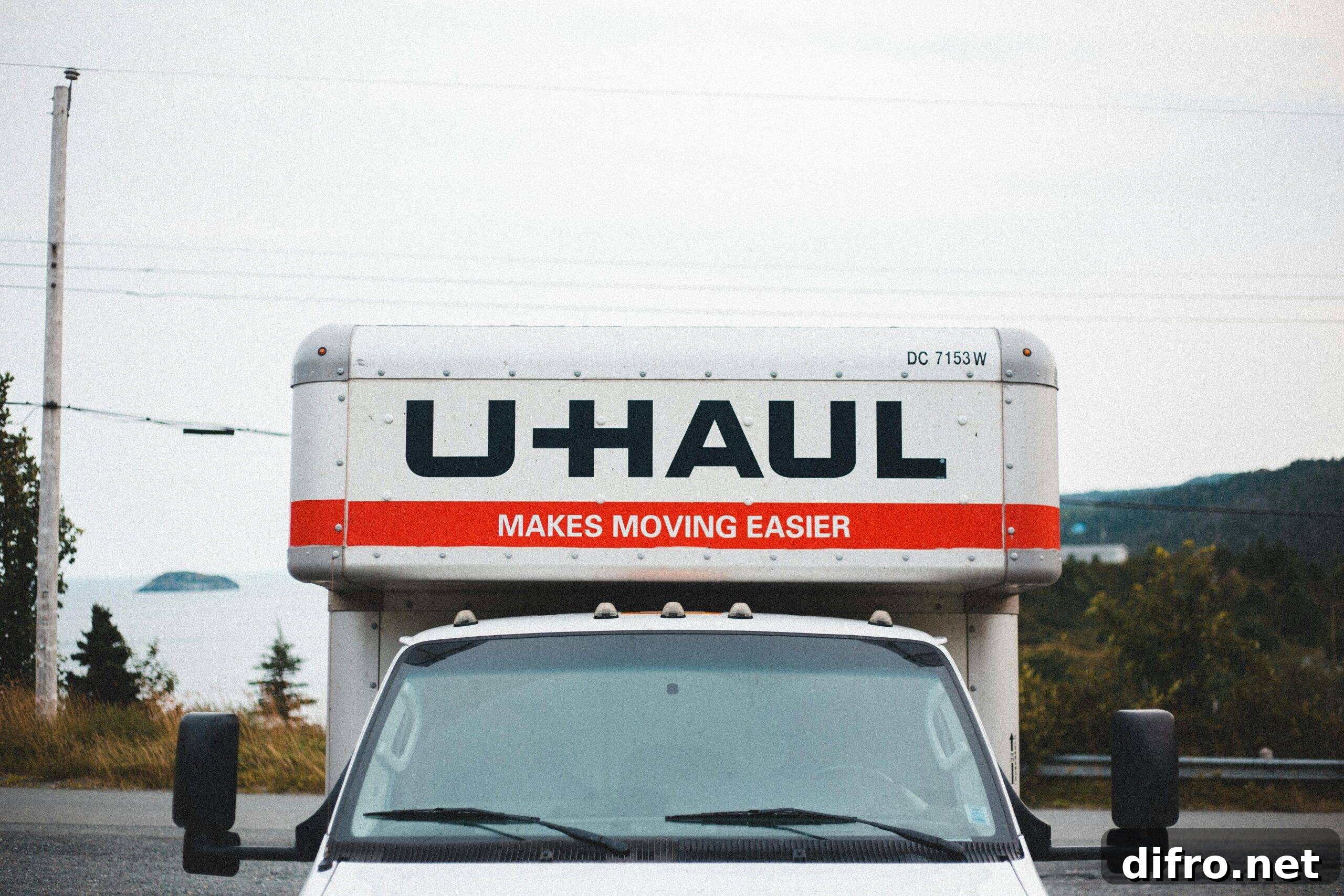
If you want to save money and don’t mind more effort, a do-it-yourself move can be significantly cheaper. Truck rental costs depend on the vehicle size and rental duration, commonly ranging from $50 to $200 per day. Add fuel, insurance, and equipment costs (dollies, furniture pads, straps), and you’ll have a clearer picture of total expense. Recruiting friends or family to help can lower labor costs, but factor in time, potential damage risk, and physical strain. A DIY move suits those with flexibility, good planning skills, and the ability to lift and secure items safely.
3. Packing Supplies
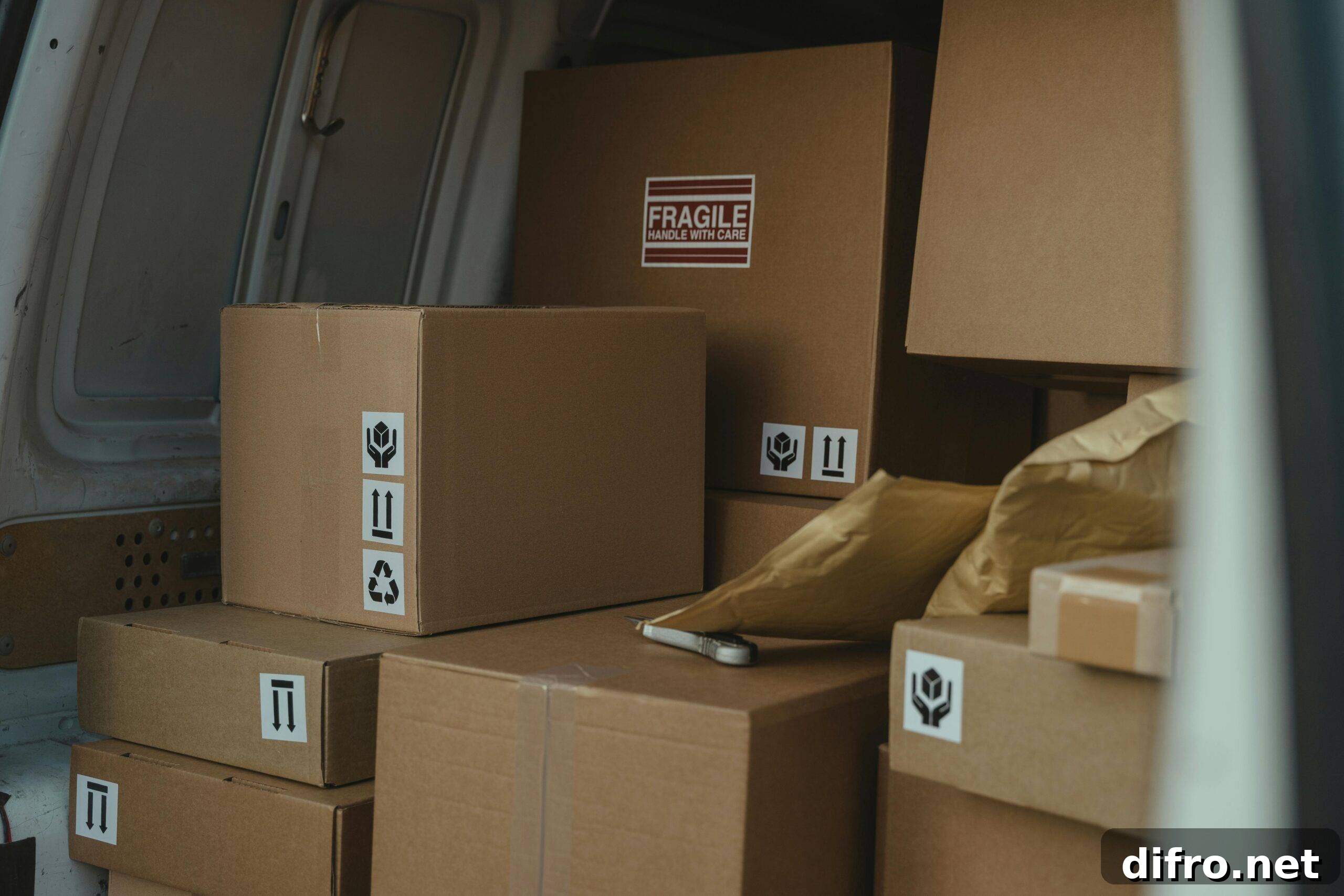
Packing supplies are frequently underestimated. Boxes, packing tape, bubble wrap, packing paper, and markers can add $100–$300 or more depending on how much you own. Specialty boxes for TVs, artwork, or wardrobes carry extra cost. Save money by collecting free boxes from stores, reuse sturdy boxes from deliveries, and use household linens or clothing as padding instead of bubble wrap where appropriate. Organize and label boxes clearly to cut down on unpacking time and avoid repeat handling fees if you hire movers to transport packed items.
4. Storage Solutions
Temporary storage is often needed when closing dates don’t align or when downsizing. Self-storage units vary by size and amenities; expect monthly rates from about $50 to $200 or more for climate-controlled or secured units. If long-term storage is necessary, look for discounts on multi-month rentals and compare facilities for location, access hours, and security features. Account for transportation to and from the storage facility when estimating overall cost.
5. Hidden Costs
Unseen expenses can quickly add up. Common hidden costs include utility connection fees, final cleaning or repair costs at your previous residence, deposits at the new place, and replacement purchases for items that don’t make the move. For long-distance moves, budget for travel costs—fuel, meals, and overnight stays. Create a comprehensive checklist of potential fees and set aside an emergency buffer to cover unexpected charges so your move doesn’t strain your finances.

6. Timing Your Move
When you schedule your move can affect the cost significantly. Peak moving season—typically late spring through summer and weekends—commands higher prices because demand is greater. If you can be flexible, moving during off-peak months (fall and winter), mid-week, or mid-month often results in lower rates and better availability. Booking early and avoiding peak days where possible can reduce costs and simplify logistics.
Preparing a detailed moving budget, getting multiple quotes, and planning ahead are the best ways to keep expenses under control. A realistic estimate that includes professional services, DIY options, packing supplies, storage, and a cushion for hidden costs will help your move be smoother and less stressful. With careful planning and informed choices, you can manage moving costs while focusing on settling into your new home.