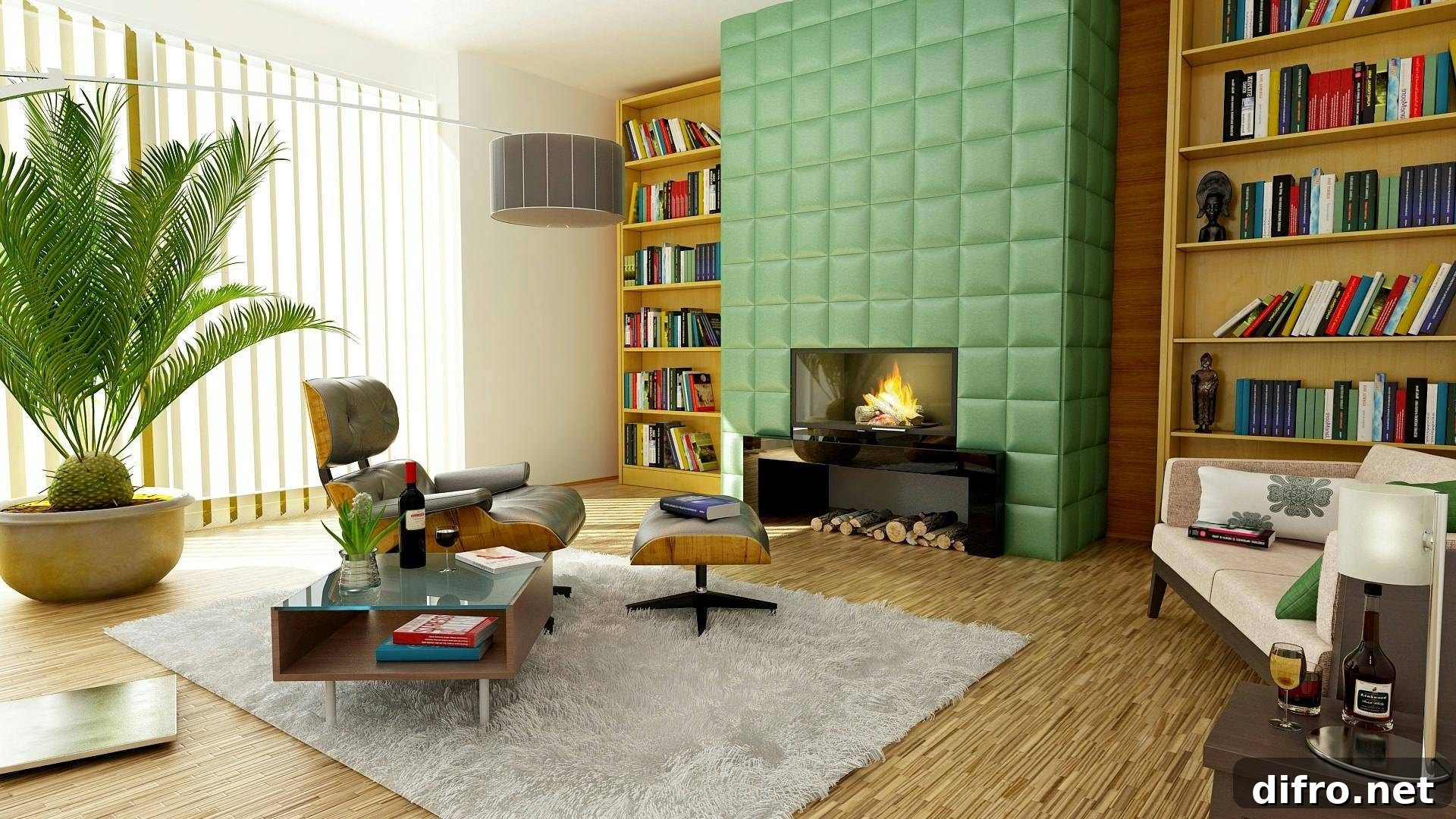
Designing the perfect room is both an art and a practical challenge. It calls for creativity, a clear sense of purpose, and thoughtful choices that reflect your personality while supporting daily life. Whether you’re updating a cozy bedroom corner or transforming an expansive living area, creating a space that suits your lifestyle and aesthetic is a satisfying process. The difference between an ordinary room and an exceptional one lies in small details and deliberate decisions. Below are practical strategies to help you design a room that looks beautiful, functions well, and feels uniquely yours.
Balance Functionality and Aesthetics
Great room design starts with balancing how a space looks and how it works. A room should be visually pleasing but also tailored to its main purpose. First, define the primary function—whether it’s a living room for relaxation, a kitchen for cooking, or a bedroom for rest. Once the function is clear, choose furniture and layouts that support that use and reflect your style. Select pieces that offer comfort, storage, and the right scale for the room. After the essentials are in place, layer in decorative elements—rugs, cushions, lighting—that enhance both comfort and visual interest.
Use Color Psychology to Influence Mood
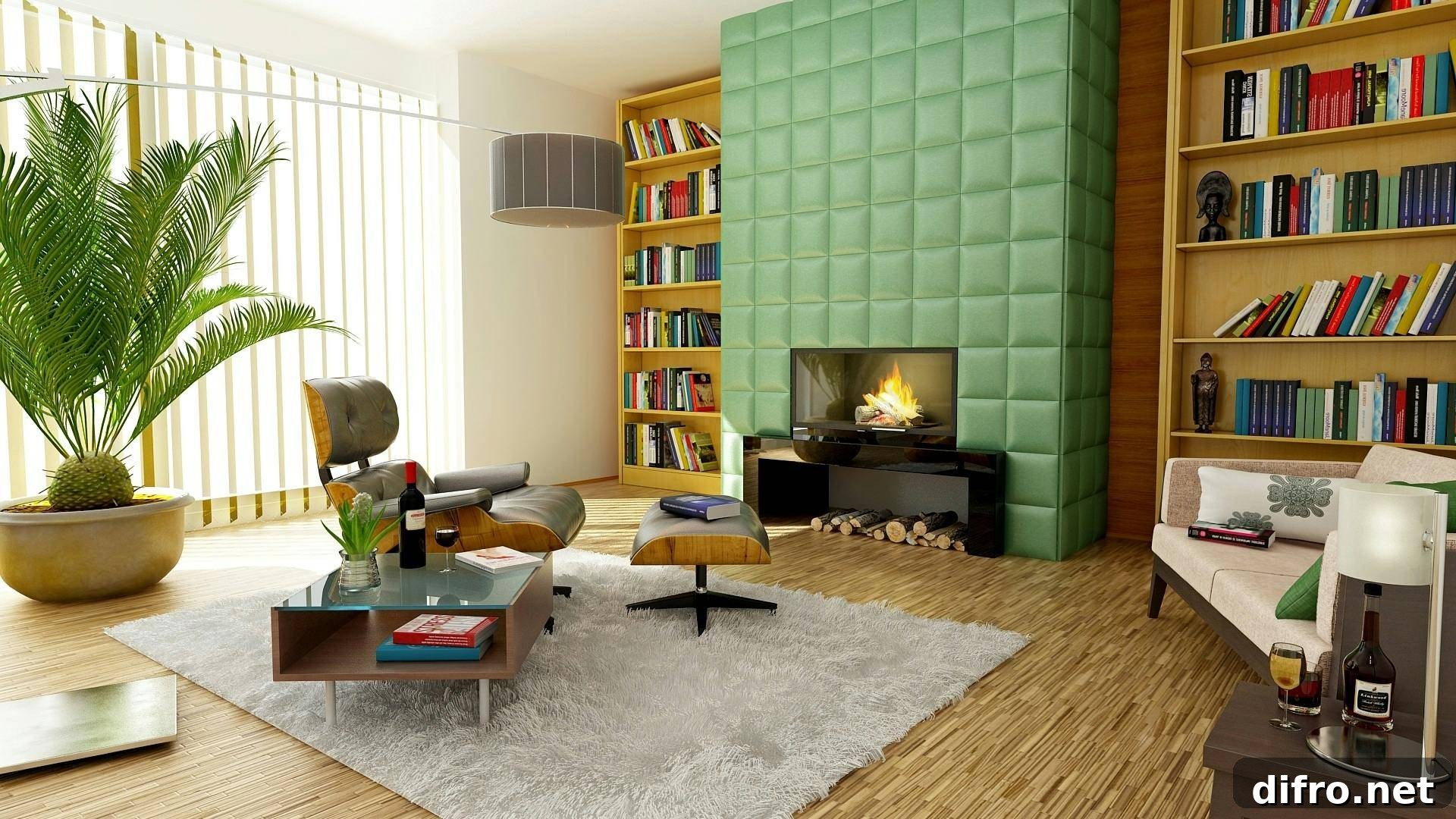
Color strongly shapes how a room feels. Understanding color psychology helps you pick hues that support the room’s purpose and the mood you want to create. Soft blues and greens promote calm and work well in bedrooms and quiet sitting areas. Warm tones like reds and oranges add energy, making them suitable for lively social spaces. Neutrals—white, beige, gray—make versatile backdrops for furniture and artwork, and allow accent colors to stand out. When choosing a palette, also consider natural light, room size, and the materials already present; lighter colors can open up a small room, while richer tones can make large spaces feel cozier.
Optimize Space with Thoughtful Furniture Placement
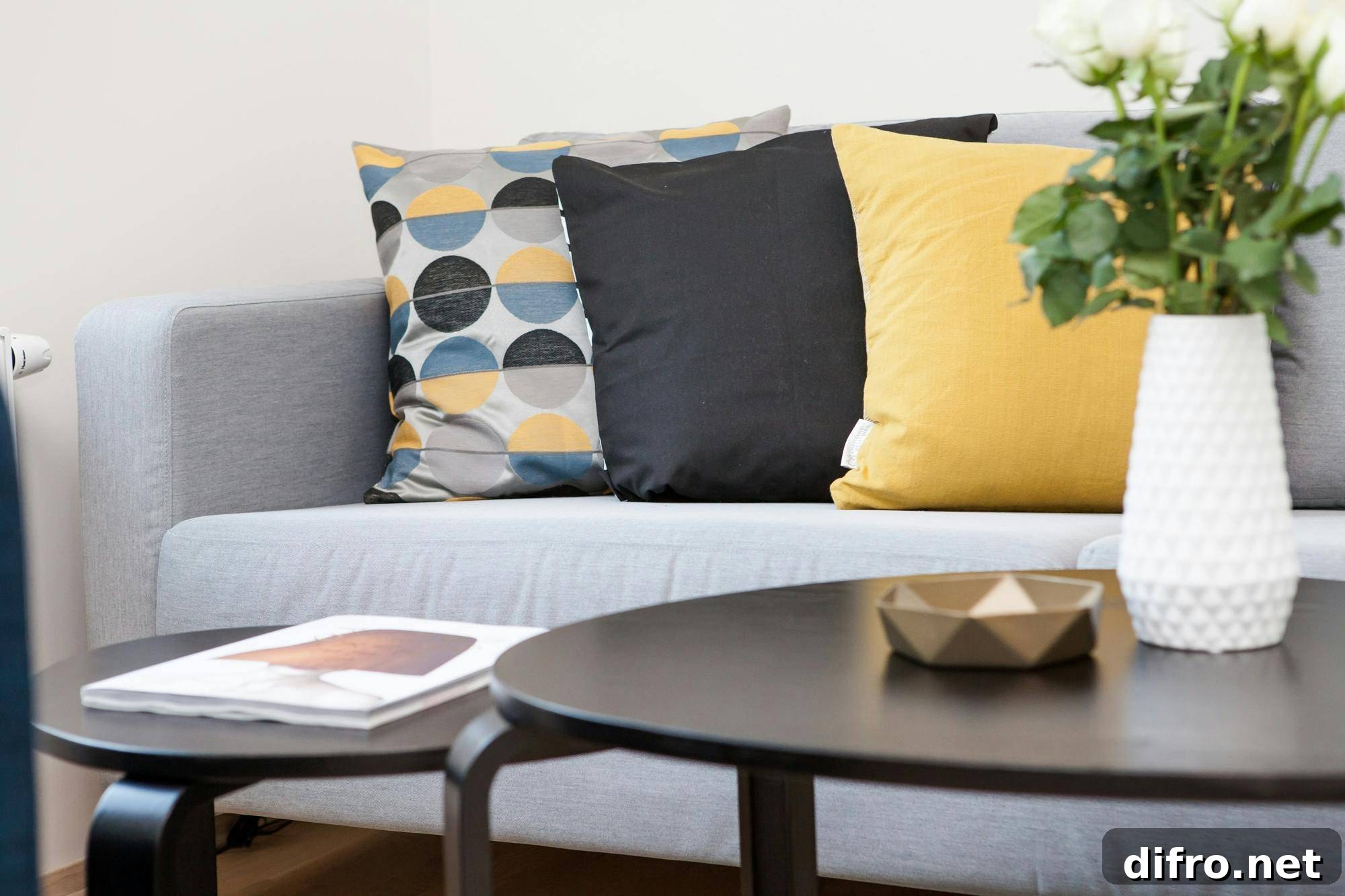
How furniture is arranged can transform the feel and usefulness of a room. Start with the room’s natural traffic flow and keep pathways clear so movement feels effortless. Use furniture to define functional zones—position a pair of chairs and a table to create an intimate seating area, or a bookshelf to separate a workspace from the living area. Match furniture scale to room size: oversized pieces can overwhelm small rooms, while tiny items may look lost in large spaces. Aim for balance by coordinating the sizes, shapes, and placement of key pieces so the room reads as cohesive and inviting.
Bring Nature Indoors
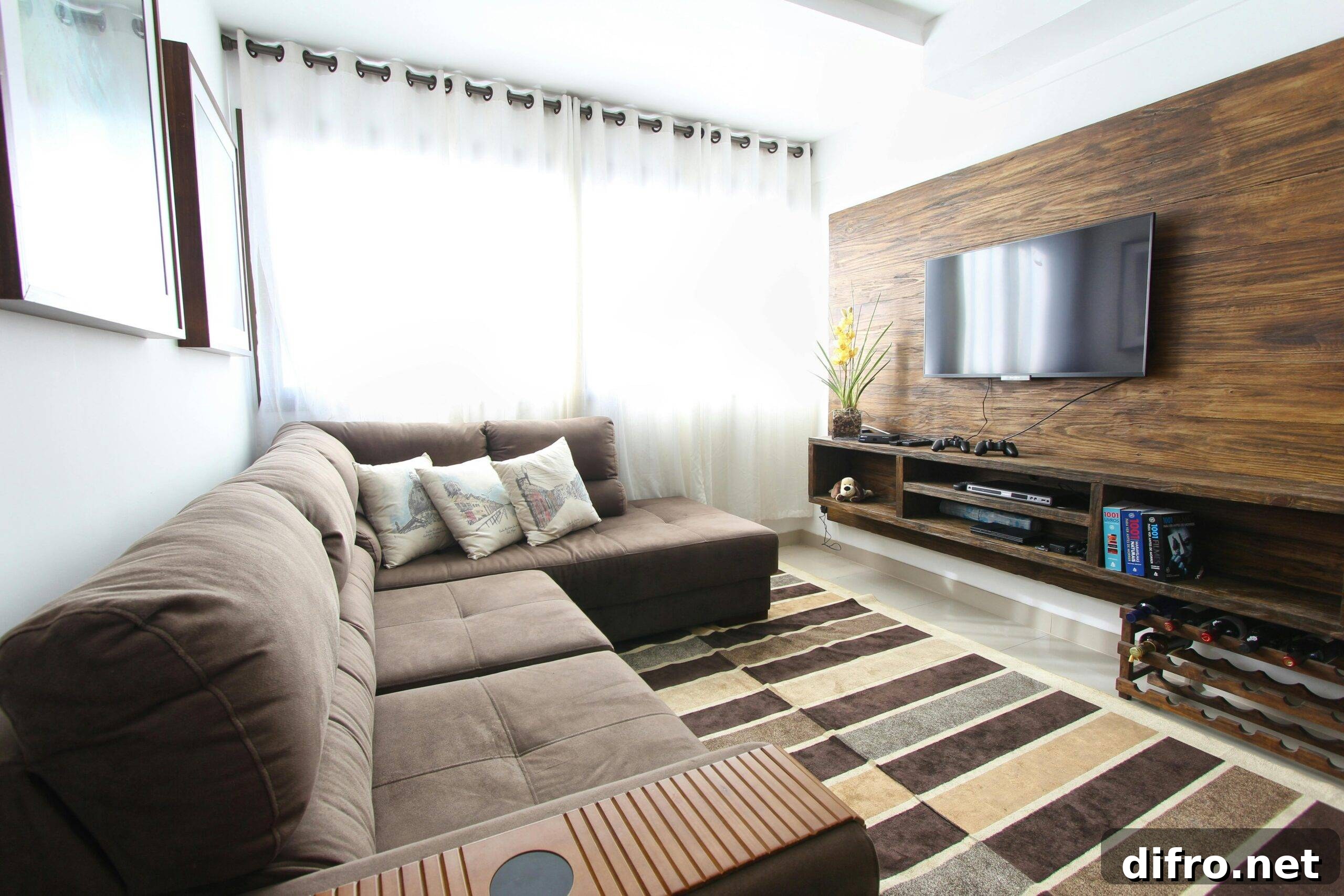
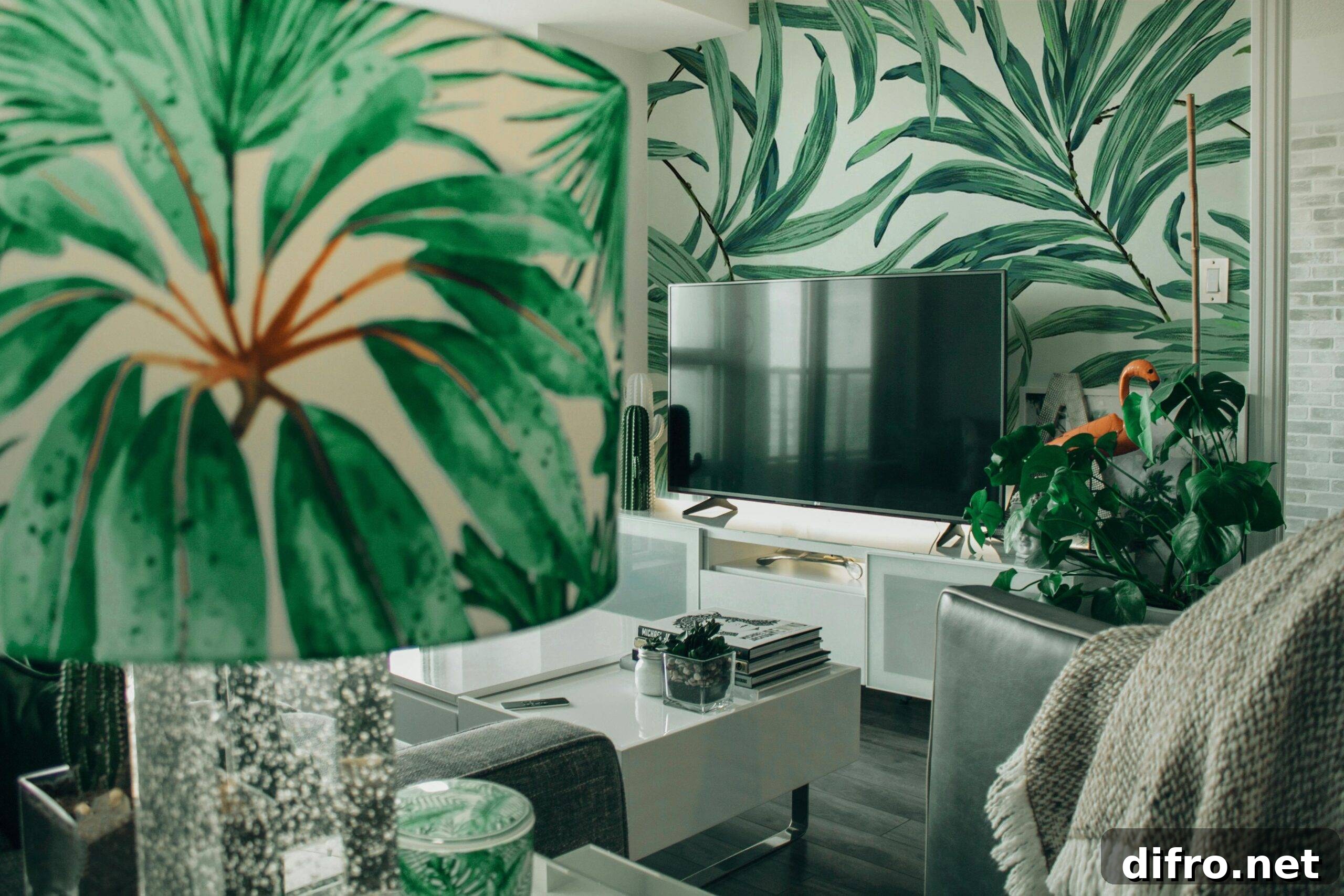
Incorporating natural elements makes a room feel livelier and more welcoming. Houseplants add color and texture while improving perceived airiness, and natural materials—wood, stone, linen—introduce warmth and tactile contrast. Maximize daylight with large windows or mirrors that reflect light, making interiors feel brighter and more connected to the outdoors. Even small touches—woven baskets, a wooden coffee table, or linen curtains—can introduce organic character that calms and refreshes the space.
Personalize with Meaningful Decor
Personal touches are what make a space feel like home. Display items that matter to you—photographs, travel souvenirs, artwork, or a favorite collection—to add character and spark conversation. When styling smaller objects, group them thoughtfully so they create visual impact without clutter. Use larger pieces, like a substantial painting or an interesting light fixture, as focal points that anchor the room. Consider scale, proportion, and the visual weight of each item as you arrange them to maintain harmony across the space.
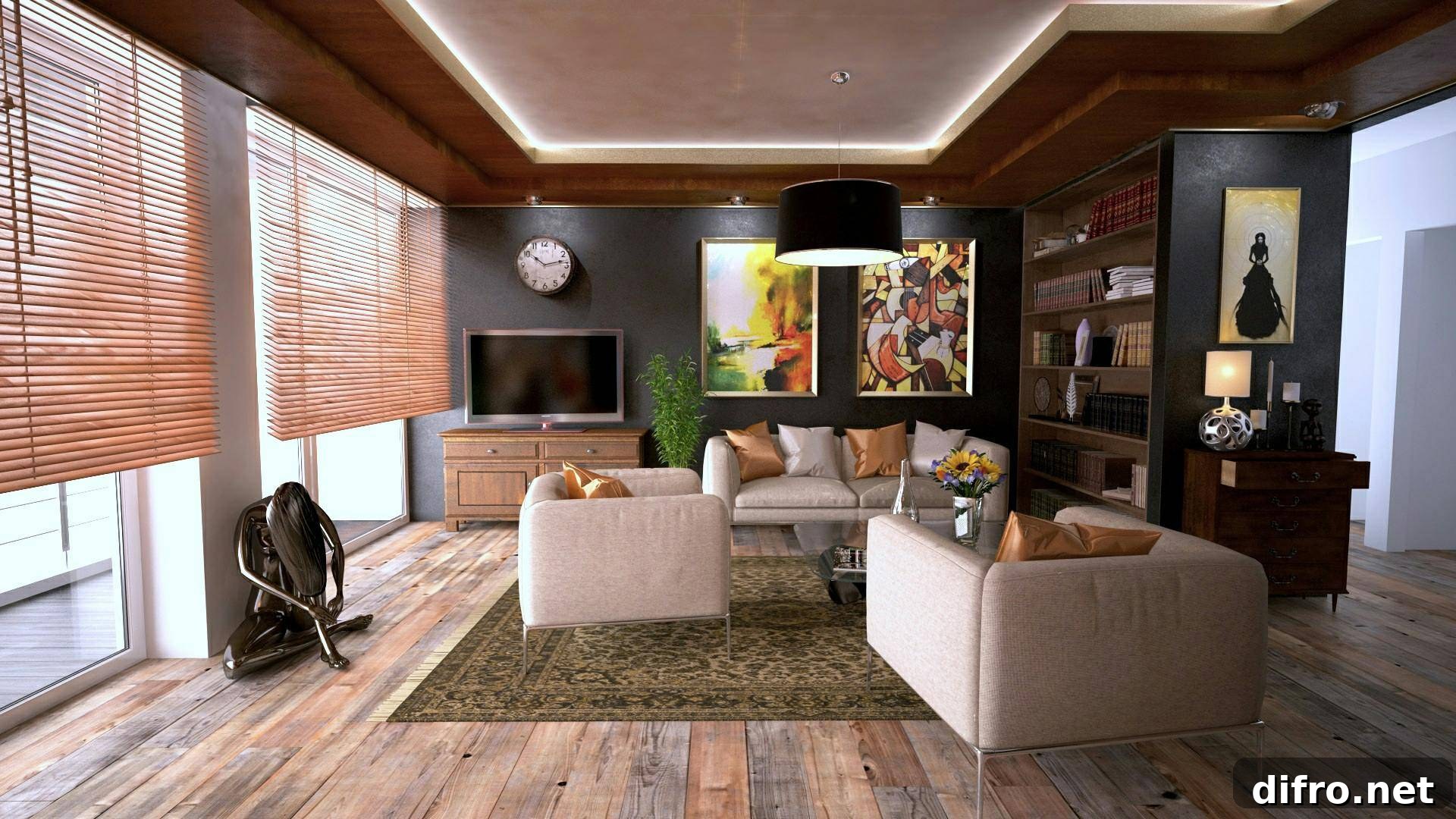
Designing the ideal room is an iterative process—expect to refine and adjust as you live with the space. Move furniture, test different color accents, and change lighting until the room supports the activities you need and evokes the mood you want. Keep functionality and aesthetics in balance: prioritize practical placement, but don’t shy away from playful patterns or textures that bring joy. With patience and attention to detail, you can transform any room into a purposeful, beautiful space that truly reflects who you are.