Tiny homes offer a distinctive alternative to conventional housing, promising a simpler, more sustainable lifestyle and the chance to pare life down to the essentials. But while the idea of downsizing is appealing, building a tiny home comes with its own set of challenges. Design oversights, underestimated costs, and regulatory hurdles are common pitfalls that can turn an exciting project into a costly headache. This article outlines the most frequent mistakes people make when building tiny homes and offers practical, easy-to-follow advice to help you avoid them and create a comfortable, long-lasting small dwelling.
1. Forgetting Local Zoning Rules and Building Codes
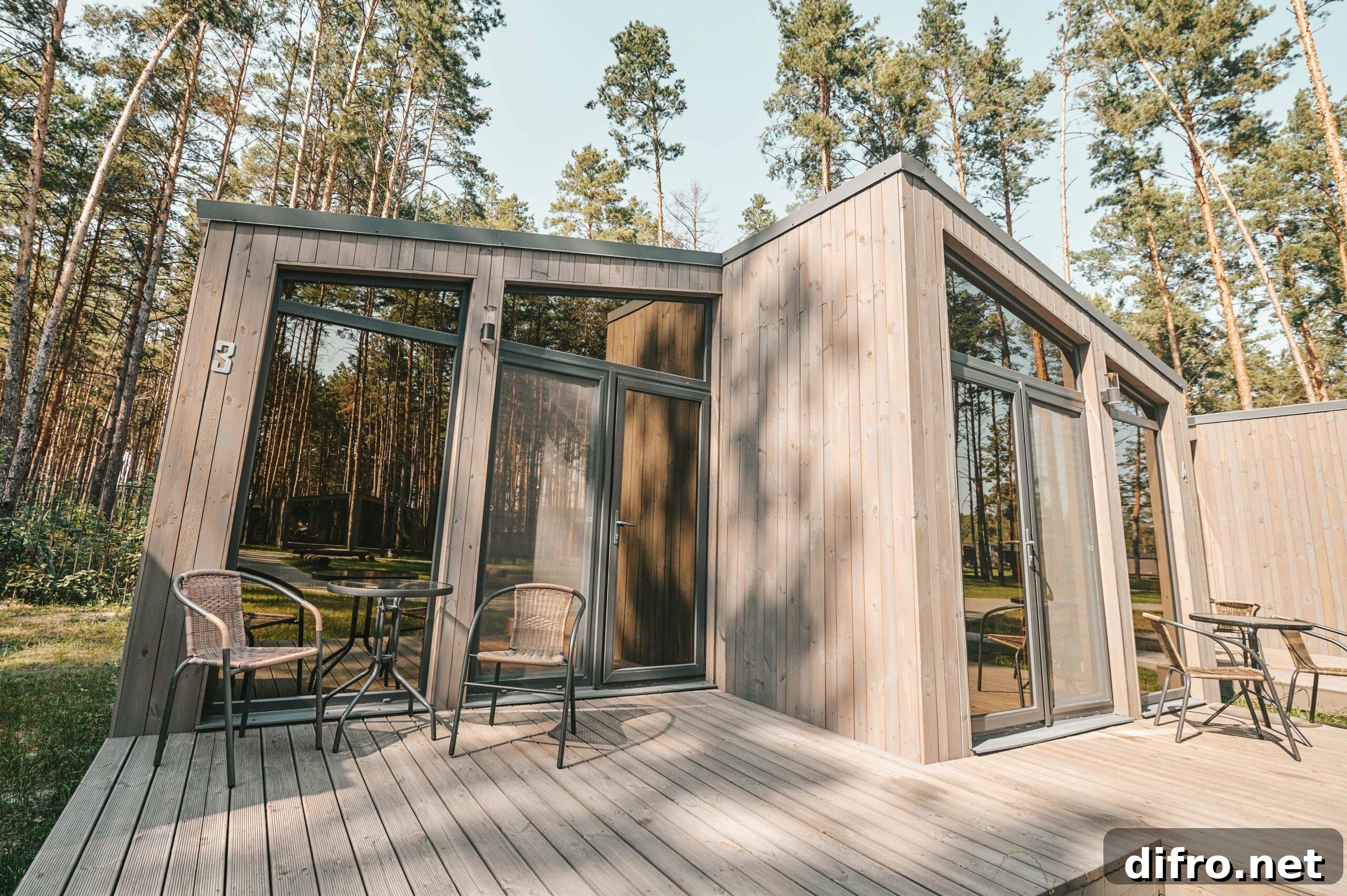
Enthusiasm for design and lifestyle change can lead many prospective tiny-home owners to skip or delay checking local zoning and building codes. Tiny houses often sit in a regulatory gray area, and requirements vary widely by municipality. Failing to comply with local rules can mean fines, required modifications, or even being forced to move the home. Before you begin construction, contact your local planning department or building authority to learn the exact rules for size, placement, utility hookups, and permitted foundations. Decide early whether your tiny home will be built on a permanent foundation or set on wheels—this choice can change what regulations apply. In short: research first, build later.
2. Underestimating Utility Challenges
Integrating water, electricity, heating, and sewage systems into a compact house requires careful planning. Many builders either assume utility connections will be simple or delay designing systems until the build is underway. The result can be inefficient layouts, insufficient capacity, or expensive retrofits. Start utility planning in the earliest design stages: determine whether you’ll connect to municipal services or go off-grid, size systems appropriately, and plan routing for pipes, wiring, and ventilation. Consult plumbers, electricians, and HVAC specialists who understand small-space installations to ensure your systems are efficient, safe, and code-compliant.
3. Skimping on Quality to Save Money
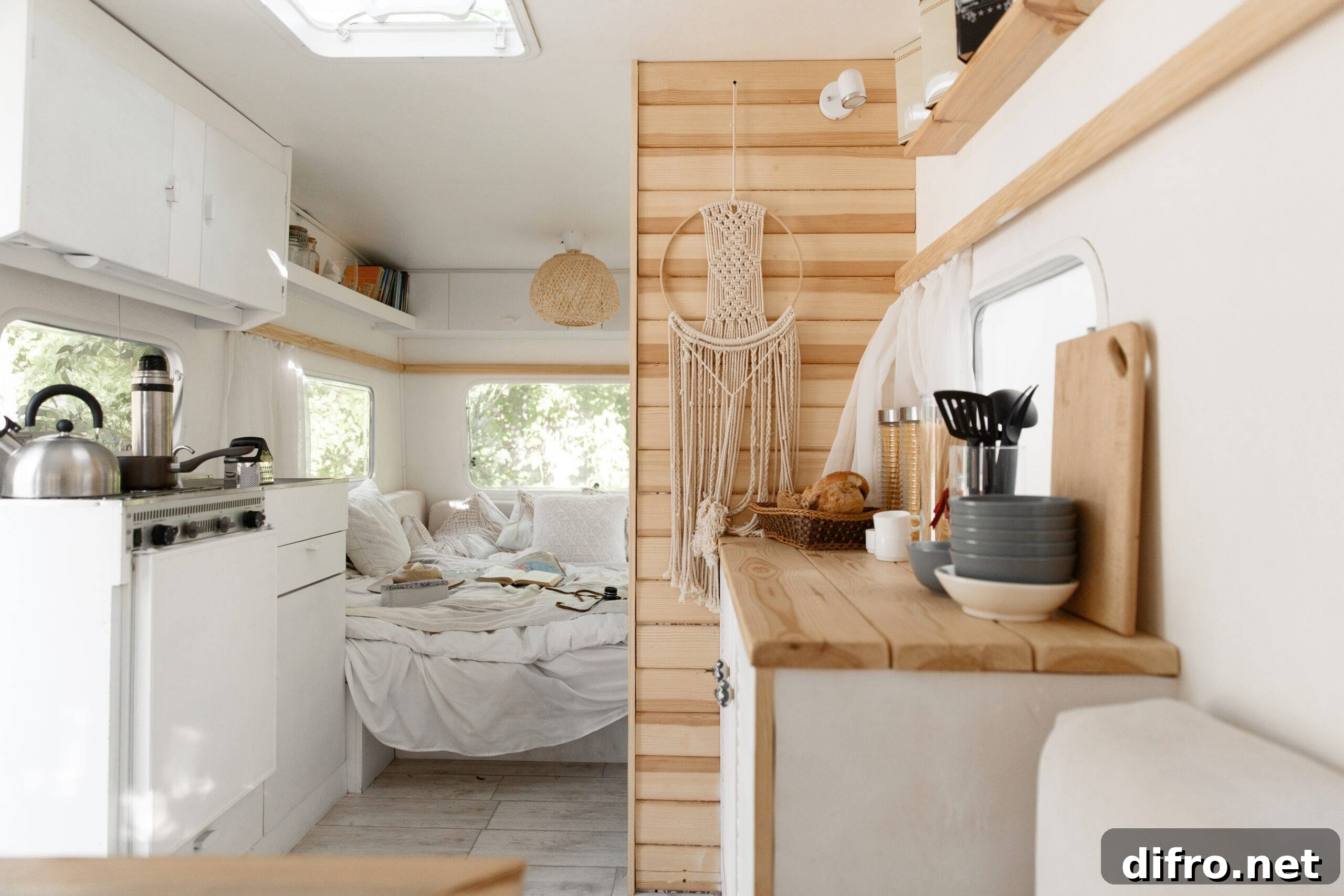
Trying to cut costs by using cheap materials or hiring inexperienced labor can be tempting, but this often leads to higher costs over the long term. Poor insulation, subpar framing, and inferior finishes reduce comfort, increase energy bills, and require frequent repairs. Prioritize durable, low-maintenance materials and work with builders who have proven experience in small-scale construction. Investing in good insulation, quality windows, and a strong structural base pays off in longevity, energy efficiency, and resale value. In tiny homes—where every detail matters—quality workmanship has an outsized impact on daily comfort.
4. Packing in Too Many Luxury Features
It’s natural to want high-end finishes and conveniences, but trying to cram too many features into a tiny footprint can defeat the purpose of small-space living. Overloading the design with nonessential elements leads to cluttered, cramped interiors that undermine functionality. Start by listing must-have functions—sleeping, cooking, bathing, storage—and design around those priorities. Choose multi-purpose furniture and modular systems, and only add luxury features once essential systems are in place and working well. The goal is to keep the space feeling open and usable, not simply feature-rich.
5. Failing to Plan for Future Needs and Flexibility
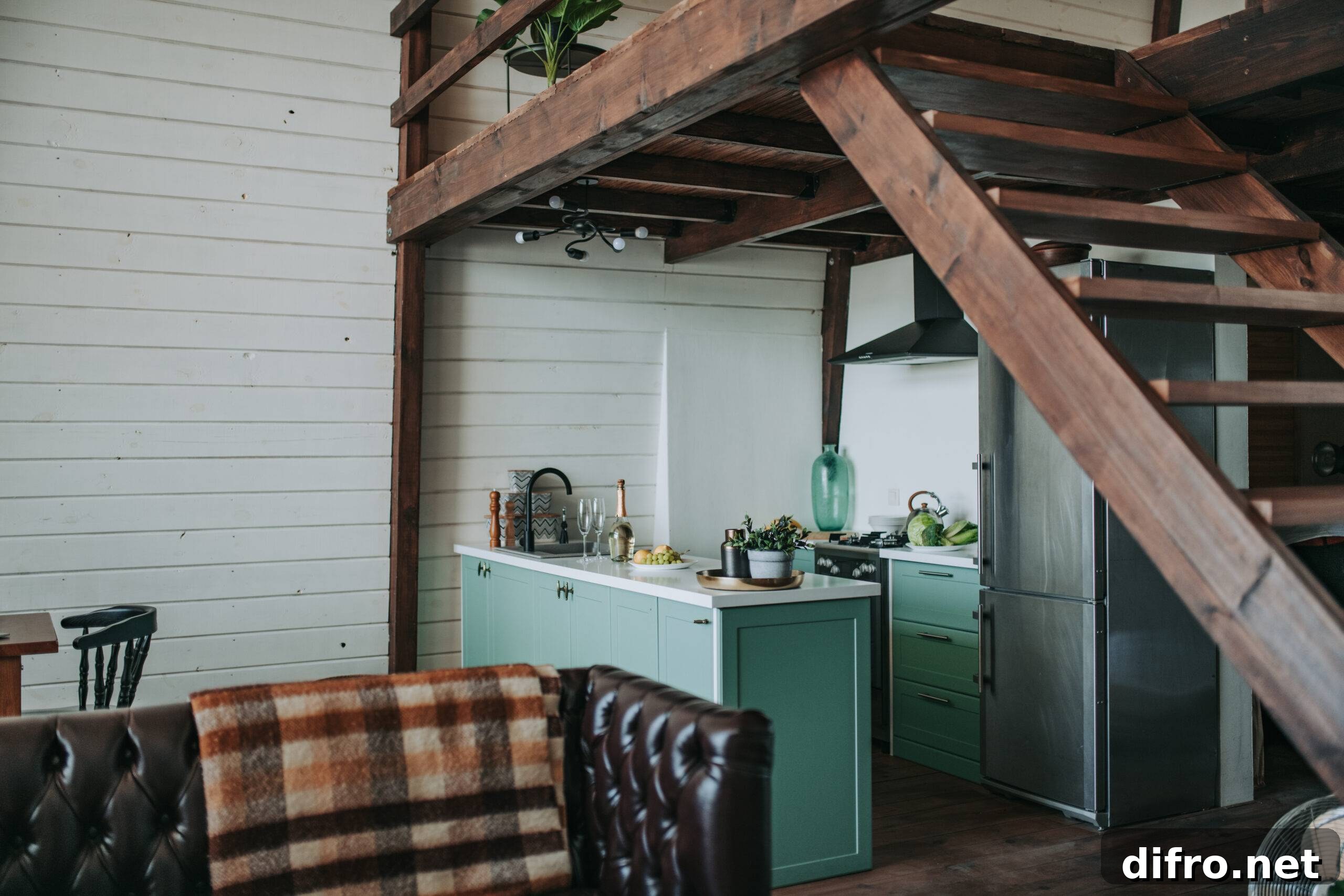
Many tiny-home plans focus only on immediate needs, but life changes—new family members, remote work, or changing mobility—can increase space requirements. Design with flexibility in mind: include convertible furniture, flexible storage, lofts that can be adapted, or structural provisions for future additions. Consider the possibility of installing renewable systems like solar panels, or leaving space for extra storage and mechanical upgrades. Anticipating future changes helps ensure your tiny home remains practical and comfortable as your lifestyle evolves.
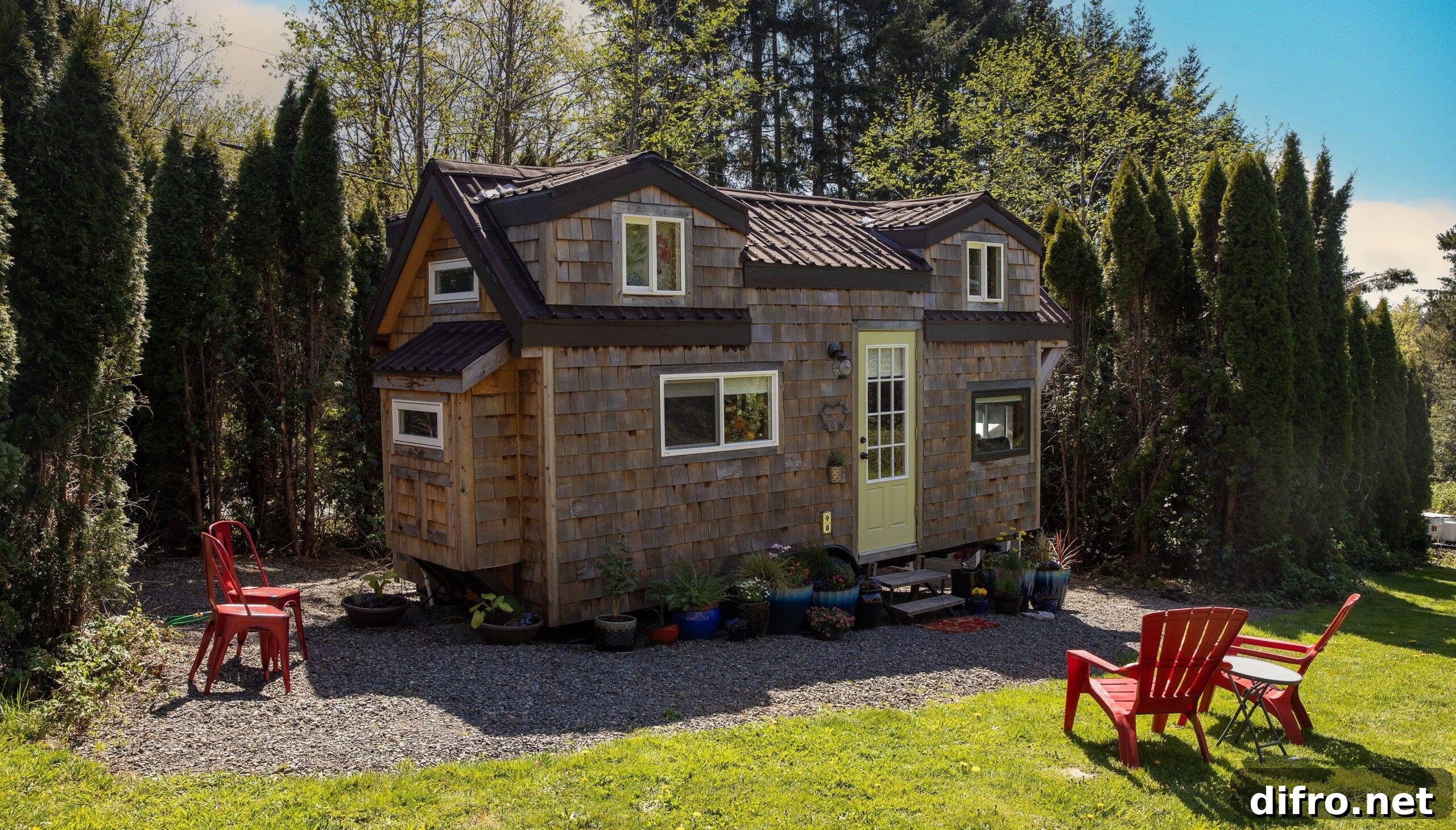
Building a tiny home can be a deeply rewarding project that aligns with sustainable living and financial simplicity. Success depends on careful research, realistic budgeting, and thoughtful design decisions. Avoid the common mistakes highlighted here by checking rules early, planning utilities with professionals, investing in quality, keeping design focused on essential functions, and designing for future adaptability. With the right preparation, your tiny home can be comfortable, efficient, and durable—truly a small house that feels like home.