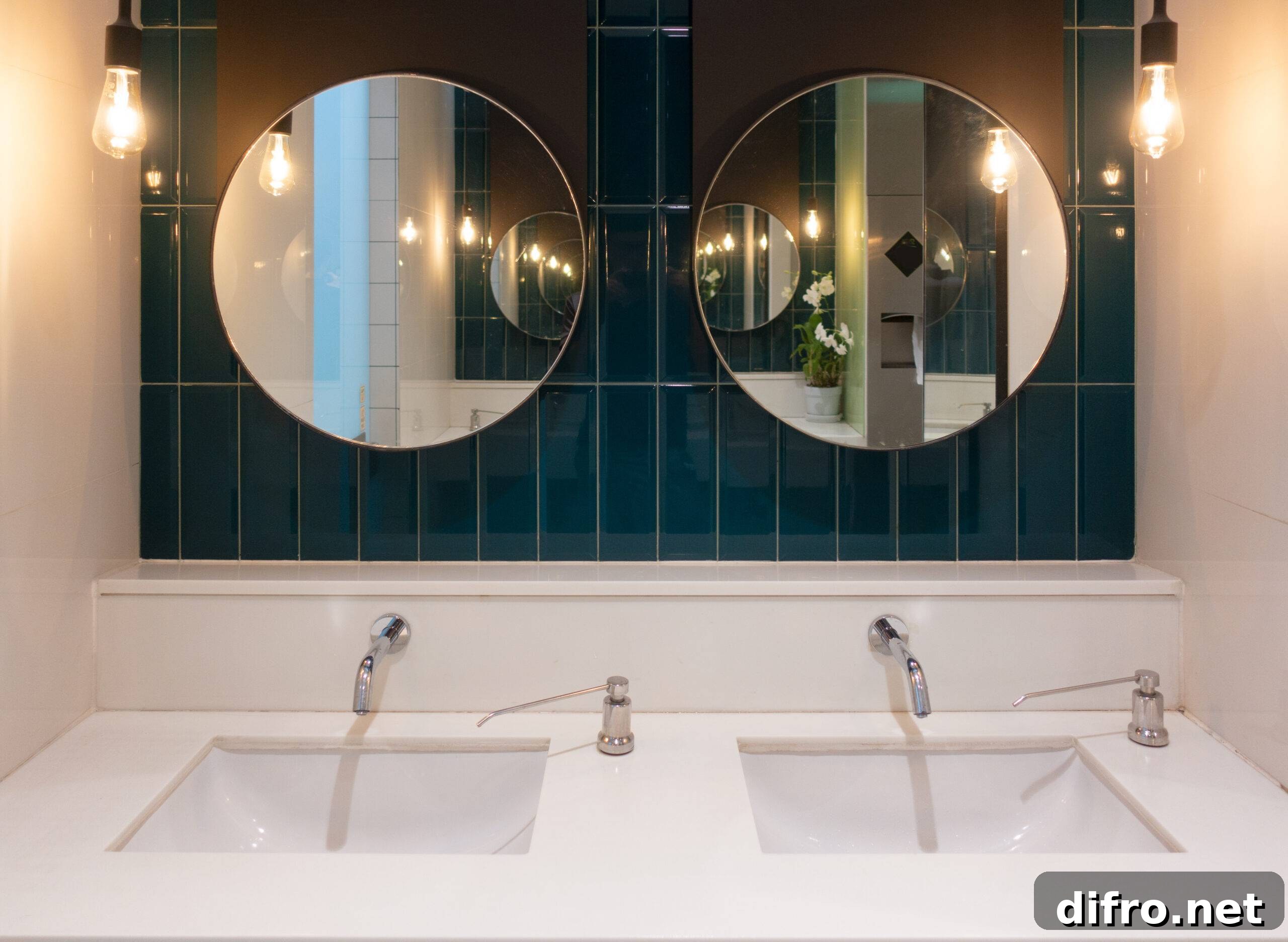
Feng Shui teaches that mirrors are more than decorative items: they influence the flow of energy, redirect light, and can either enhance or weaken the feeling of a room. Careful mirror placement can open a space, increase natural light, and invite positive energy, while poor placement can create awkward reflections and an unsettled atmosphere. Below are clear, practical Feng Shui guidelines for positioning mirrors in different rooms of the home, helping you make intentional choices that improve light, balance, and the overall sense of harmony.
Mirrors in the Entryway
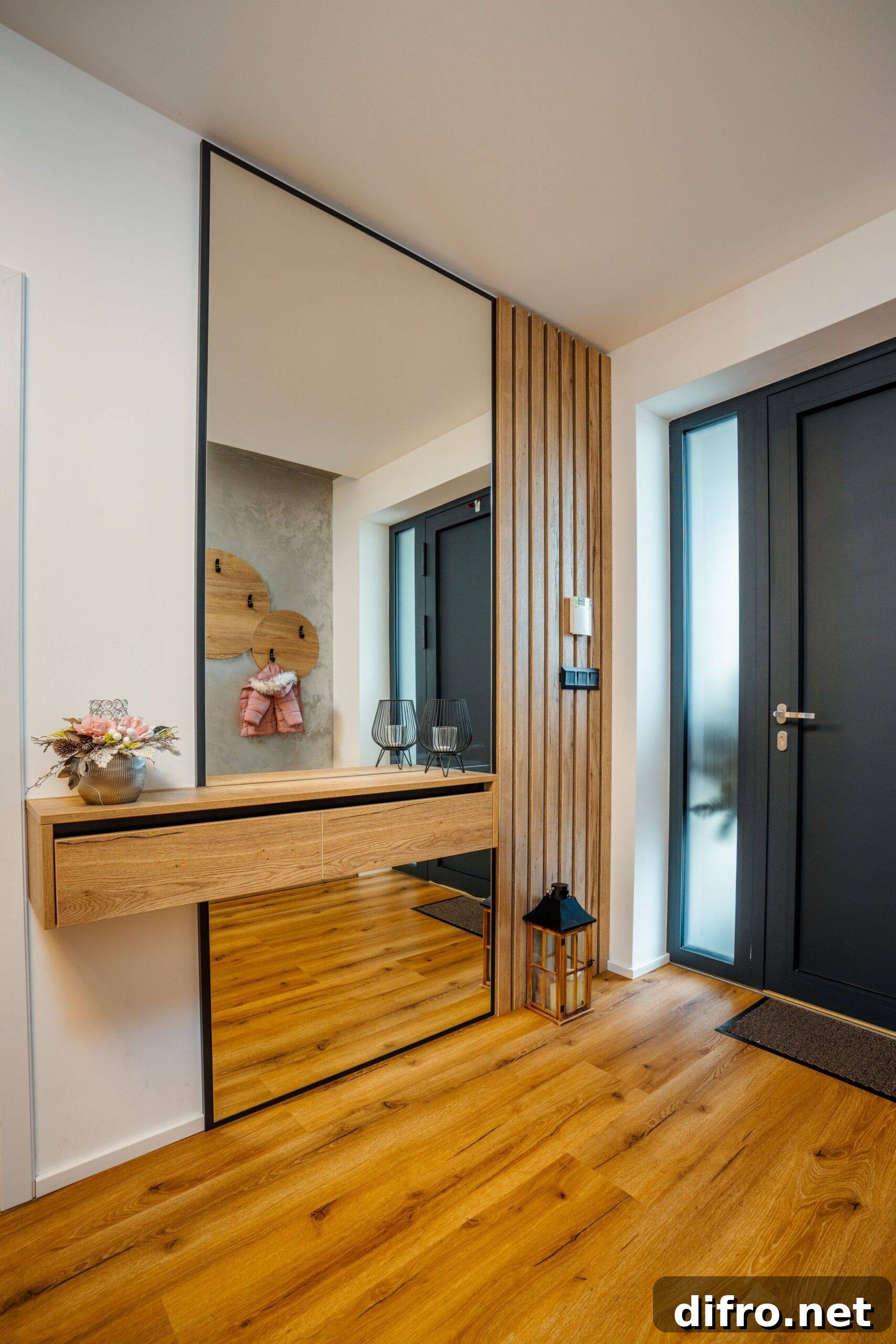
The entryway sets the tone for your home and plays a key role in how energy enters and circulates. Avoid placing a mirror directly opposite the front door; this can bounce energy back outside instead of allowing it to spread throughout the home. Instead, mount mirrors on side walls or at an angle so they expand the space and brighten the hall without reflecting the door. A well-placed mirror here makes the entrance feel larger and more welcoming, so choose a size and frame that complements your decor and the scale of the space.
Living Room Mirrors
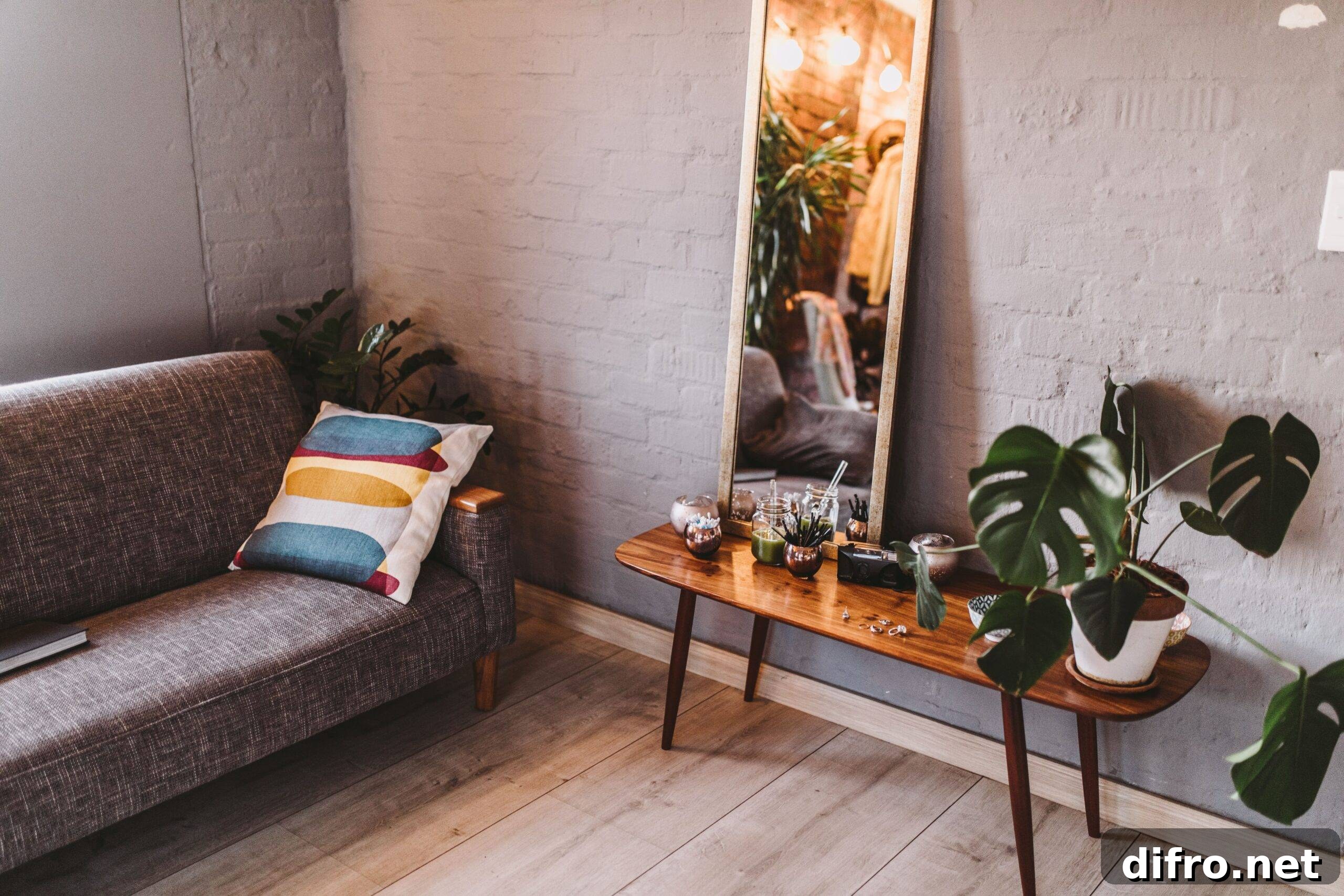
In living rooms, mirrors are useful tools for increasing brightness and creating the impression of more space. Position a mirror opposite or adjacent to a window to capture and reflect daylight, or orient it so it reflects an attractive view or a piece of artwork rather than clutter. Avoid mirrors that highlight sharp corners or busy, chaotic areas. Large, carefully framed mirrors can visually widen a room and enhance social gatherings by amplifying light and depth—select placements that celebrate the room’s best features and conceal mess or disorder.
Bedroom Mirrors
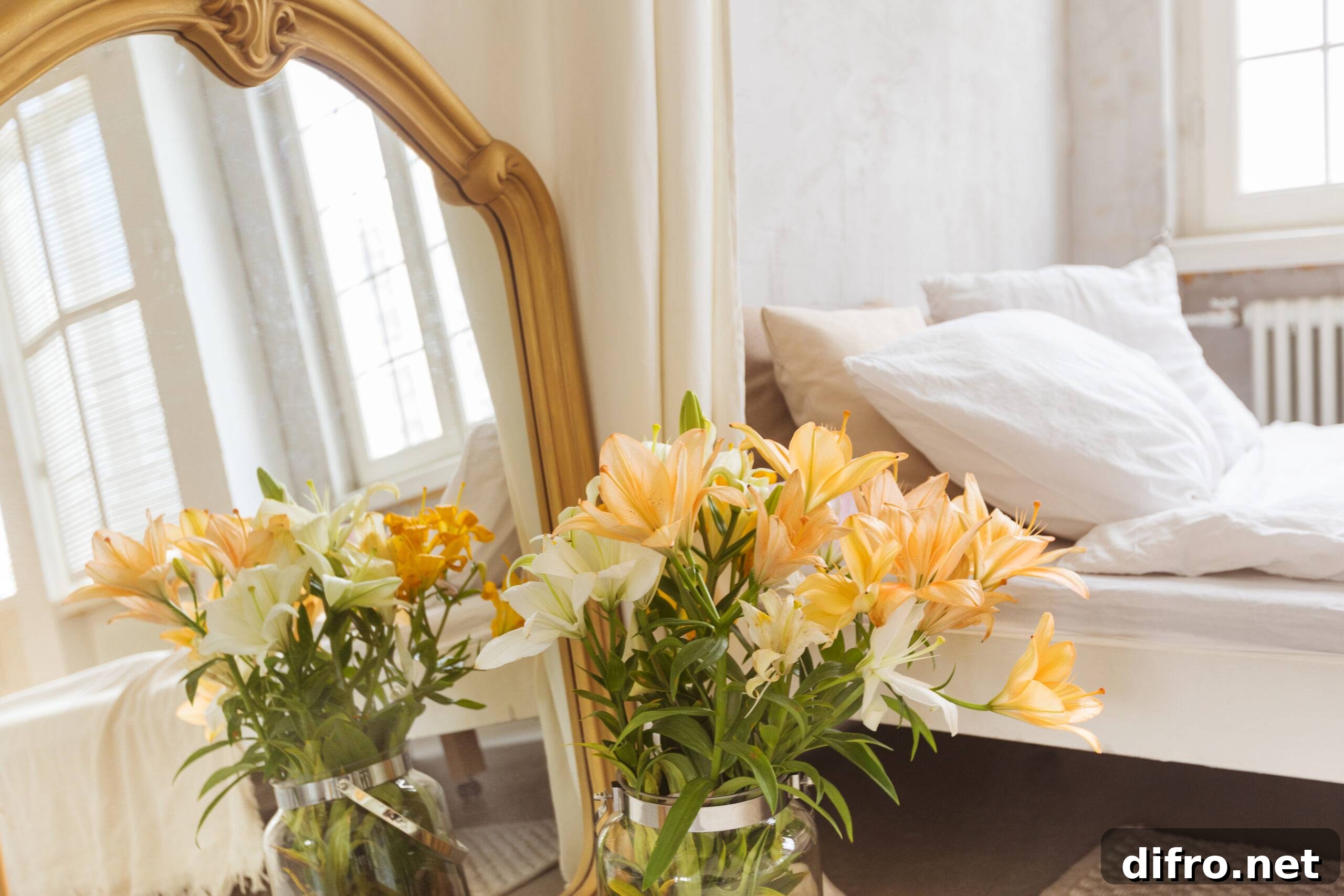
Bedrooms require thoughtful mirror use because this is a space for rest and recuperation. Feng Shui generally advises against placing mirrors where they directly face the bed, since reflections can create restless energy and interfere with sleep. Better options include mirrors on side walls, inside closet doors, or on dressing tables positioned so they do not reflect the bed. Keep bedroom mirrors functional but minimal—use them where you need them for dressing and grooming, and avoid large reflective surfaces that dominate the room.
Dining Room Mirrors
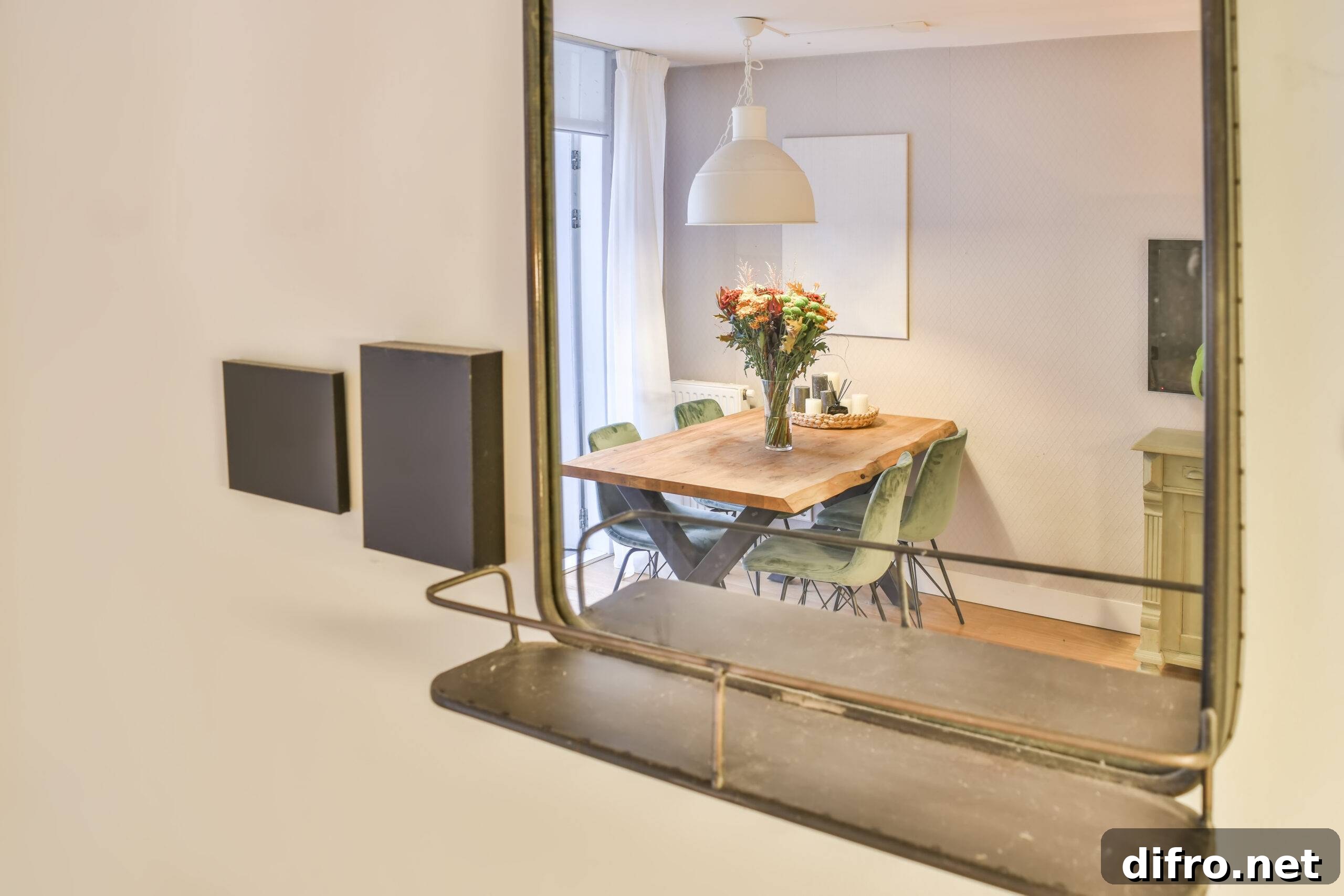
Mirrors in the dining room can symbolically amplify abundance and hospitality. Placing a mirror so it reflects the dining table is a common Feng Shui recommendation because the reflection suggests plenty and can enhance the sense of gathering. Make sure the reflected area is tidy and inviting; reflections of clutter or unfinished spaces will undermine the intended effect. Choose a mirror that complements the table and room size—an oversized or stylistically mismatched mirror can feel awkward at mealtimes, so opt for frames and proportions that harmonize with your dining décor.
Bathroom Mirrors
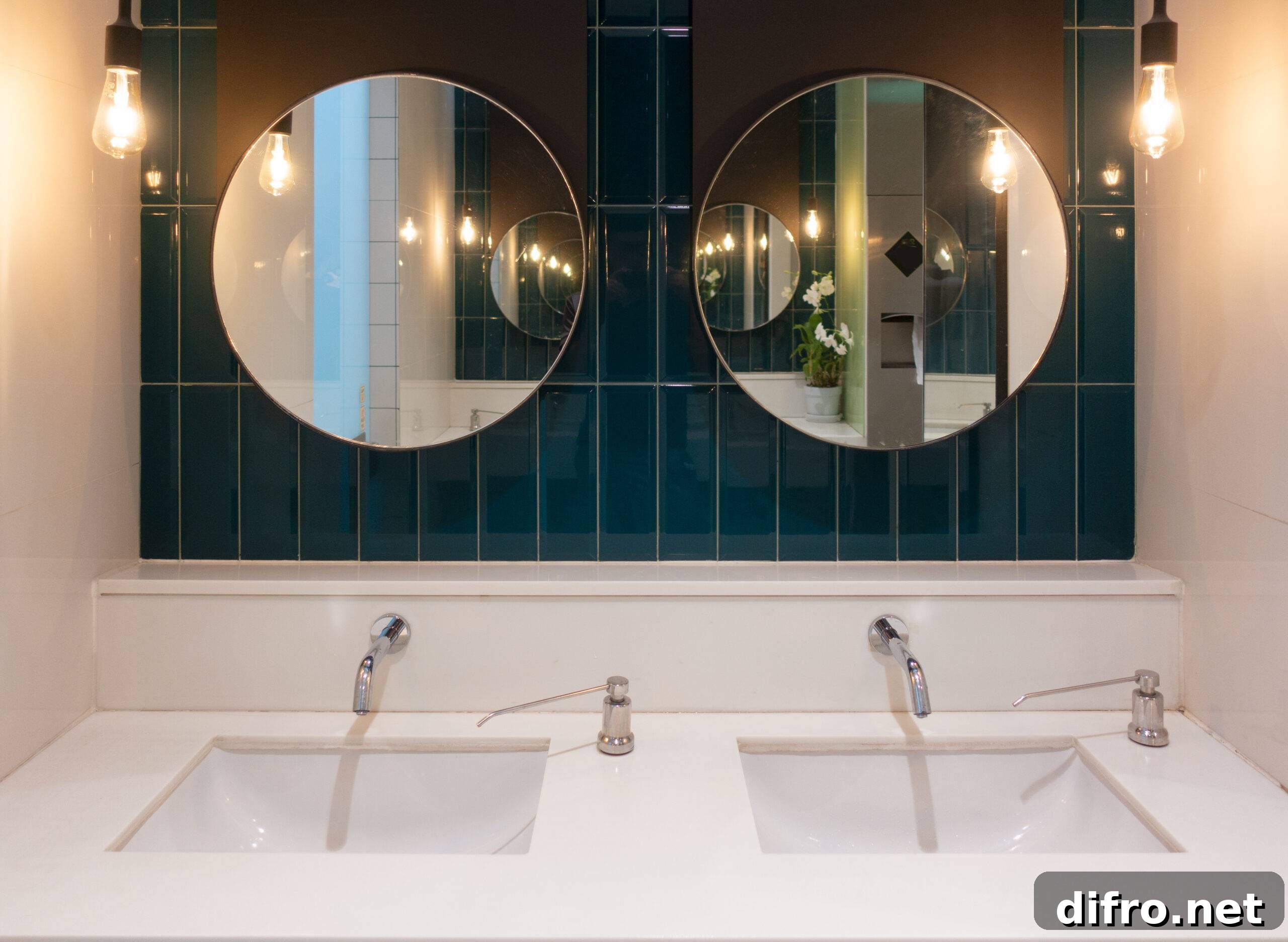
Bathrooms are places where energy can feel contained, so mirror placement matters. Avoid mirrors that reflect the toilet, as traditional Feng Shui interprets this as washing away energy or prosperity. The classic placement above the sink is practical and effective; consider arranging a small piece of art, a plant, or a decorative shelf so the mirror reflects something pleasant instead of a door or cluttered counter. In small bathrooms, keep mirrors oriented to enlarge the sense of space without creating confusing or cramped reflections.
Mirrors are powerful styling and energy tools when used with intention. To maximize their benefits: keep mirrors clean, avoid reflecting messy or chaotic scenes, and select sizes and frames that suit each room’s purpose. Thoughtful mirror placement can enhance natural light, visually expand rooms, and support a calmer, more harmonious home environment—core aims of Feng Shui practice. Use these guidelines to place mirrors that uplift the space while remaining practical and beautiful.