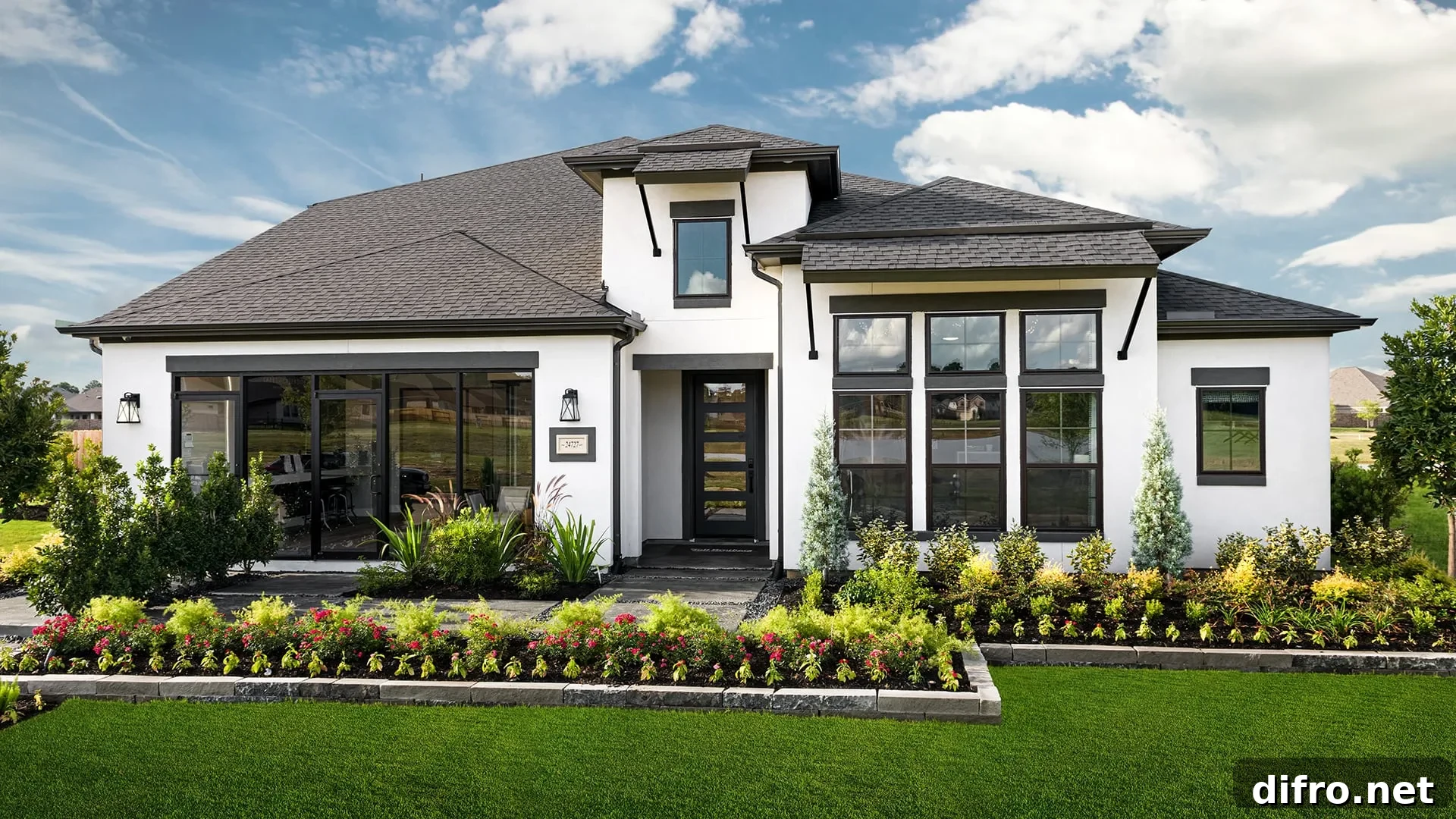
The small details of exterior design often make the biggest difference, and one of the most powerful yet overlooked choices is the color of your home’s exterior trim. Trim color affects curb appeal, defines architectural features, and can set the tone for the entire facade—from classic and elegant to playful and contemporary. Whether you want your house to blend into its surroundings or stand out on the street, selecting the right trim color is an opportunity to reinforce your home’s character. Below are practical trim color ideas, their typical effects, and tips to help you decide.
Classic White
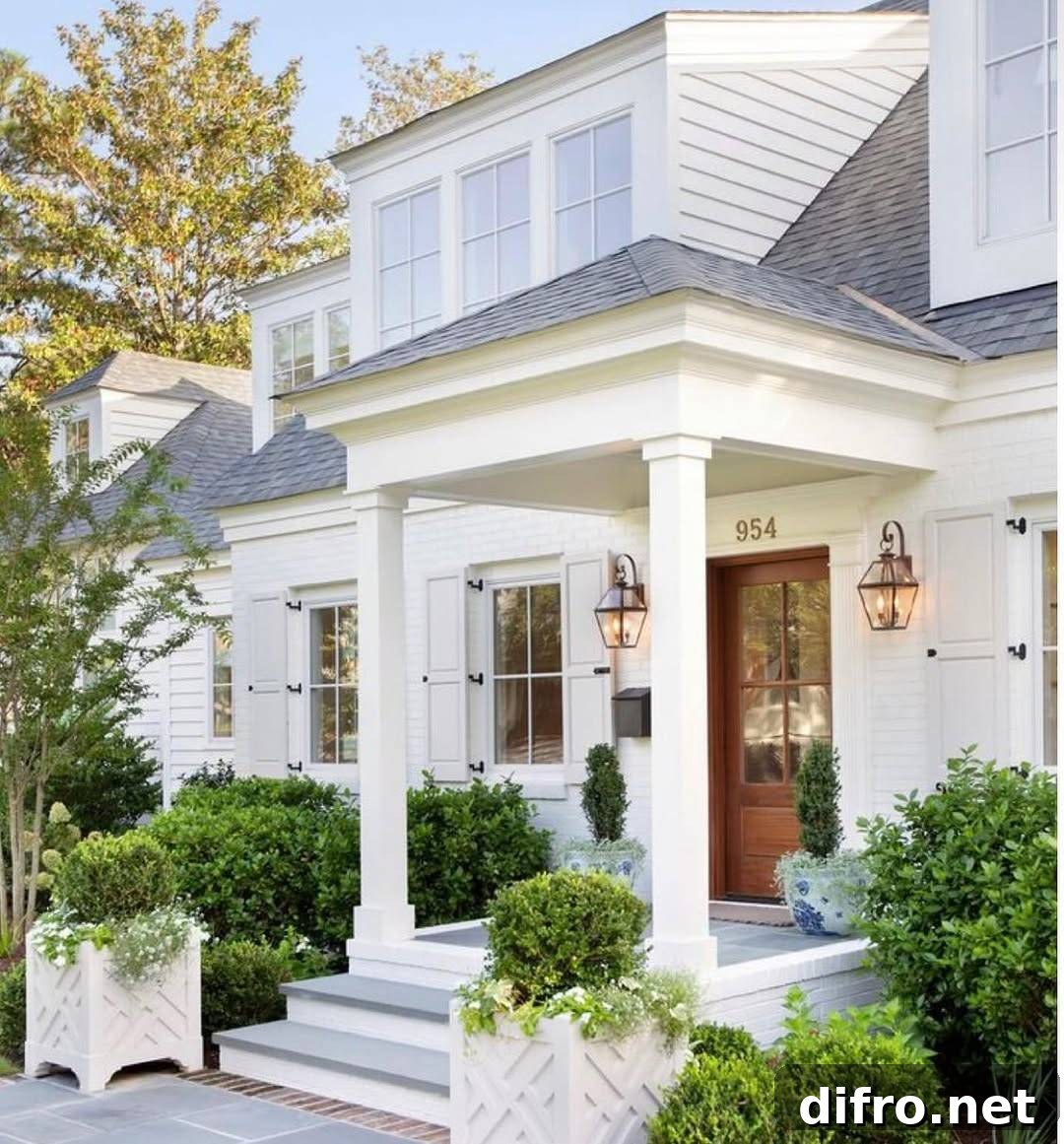
White trim is a timeless and reliable option. It creates a crisp, clean edge that brightens almost any siding color and draws attention to architectural details like window casings, eaves, and door frames. On darker siding—navy, deep green, or charcoal—white produces a striking, high-contrast look that feels polished and intentional. With lighter or pastel siding, white trim reads as airy and cohesive, helping colors appear fresher. If pure white feels too stark, warm off-white or soft cream tones provide the same tidy framing with a softer, more traditional feel. White trim is also highly versatile for resale, as it appeals to a broad range of tastes.
Bold Black
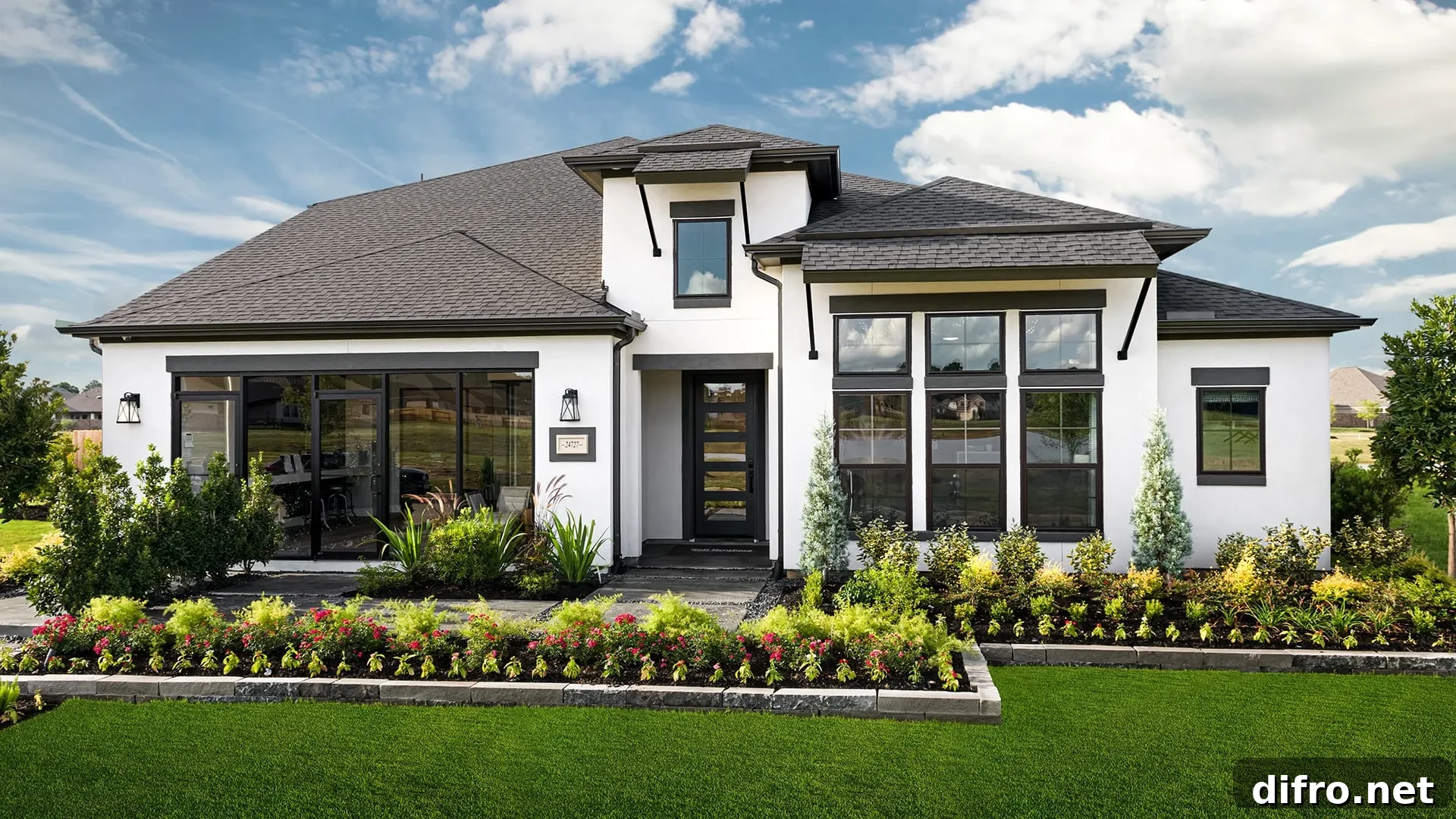
Black trim lends an immediate modern, refined edge to a home’s exterior. It emphasizes clean lines and can make windows, doors, and rooflines feel more graphic and intentional. Black trim works exceptionally well with white, light gray, or pale siding, where it produces a chic monochrome or high-contrast palette that reads contemporary and sophisticated. On more modern or minimalist architecture, black trim reinforces geometry and simplicity. It can also serve to ground lighter siding tones, making the whole exterior composition feel more anchored.
Neutral Grays
Gray trim sits between the extremes of white and black, offering a subtle, modern alternative. From pale dove gray to deep charcoal, gray tones provide gentle contrast that elevates a facade without overwhelming it. Lighter grays can add a soft, contemporary edge to warm or cool siding colors, while darker grays can replace black for a slightly softer, more forgiving look. Gray trim pairs effortlessly with many materials—vinyl, fiber cement, brick, and natural wood—making it a versatile pick for homeowners seeking a calm, timeless aesthetic that still reads current.
Earthy Tones
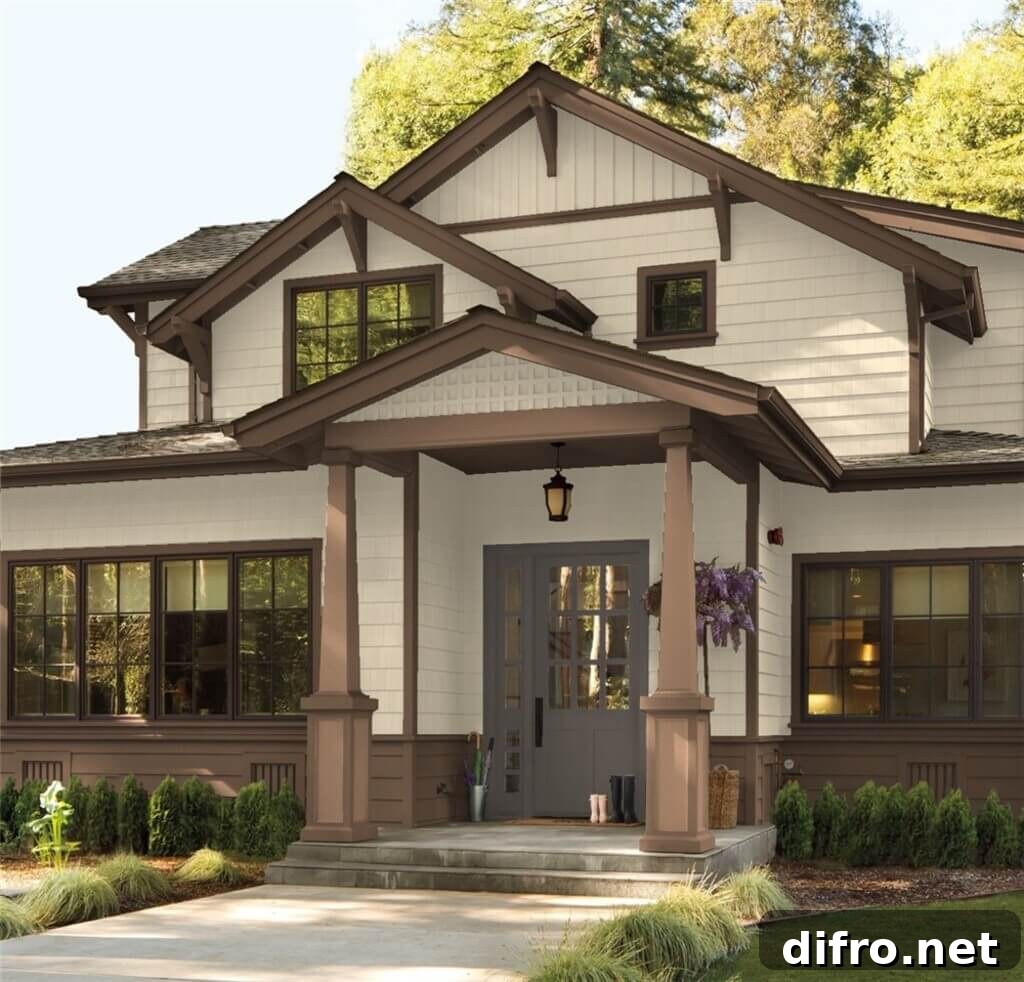
Earth-inspired trim colors—taupe, warm beige, olive, and rich browns—work especially well when you want the exterior to harmonize with natural surroundings. These tones are ideal for homes in wooded, rural, or nature-forward settings because they complement stone, brick, and wood siding. Earthy trim adds warmth and depth, helping the house feel grounded and inviting without stealing the spotlight from the main siding or landscape. For an authentic, cohesive exterior, choose earthy trims that pick up undertones already present in roofing, stonework, or foundation materials.
Soft Pastels
Soft pastel trims—pale pink, mint, powder blue, and other gentle hues—bring a whimsical, charming quality to exteriors, especially on cottages, coastal homes, or historic houses where playful color enhances curb appeal. Pastel trim reads as inviting and cheerful, brightening white or neutral siding while remaining understated. To keep the look balanced, use pastel trim sparingly on architectural details like shutters, window frames, or the front door surround, and consider echoing the color in small exterior accents such as planters or porch furniture for a cohesive, curated look.
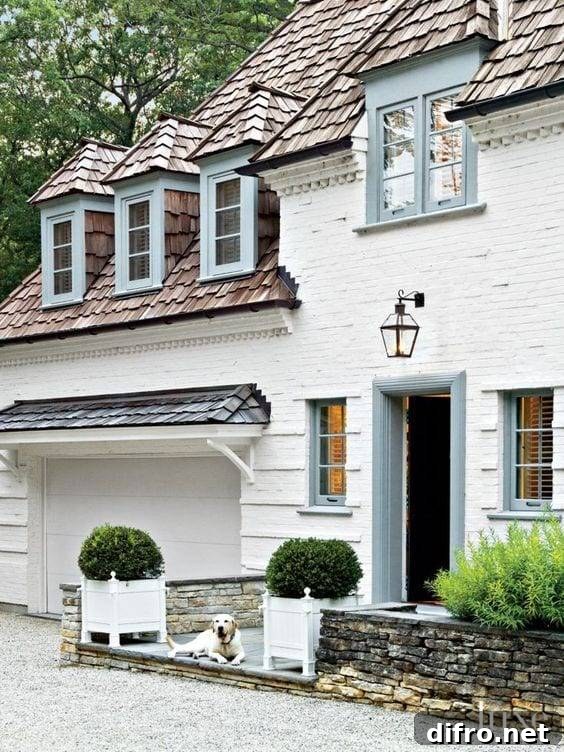
When choosing exterior trim colors, consider the architectural style of the house, the dominant tones in your siding, and the neighborhood context. Look at how natural and artificial light affect color throughout the day, and test samples on different parts of the facade before committing. The best trim color should highlight windows, doors, and other architectural features while supporting the overall color story of your home. Whether you want a classic, timeless finish or a bold, contemporary statement, the right trim color will complete your exterior palette and boost curb appeal.