
Art is the finishing touch that defines a home. No matter how carefully you plan layout, architecture, and furnishings, blank walls leave a space feeling incomplete and impersonal. A well-chosen painting, print, or photograph can elevate a room’s design, reflect your personality, and tie a scheme together. Yet selecting and displaying art well requires more than picking what you like; common mistakes can undermine the look and feel you want to create. Below are practical guidelines to help you avoid those pitfalls and make your walls work for your home.
Ignoring Scale and Proportion
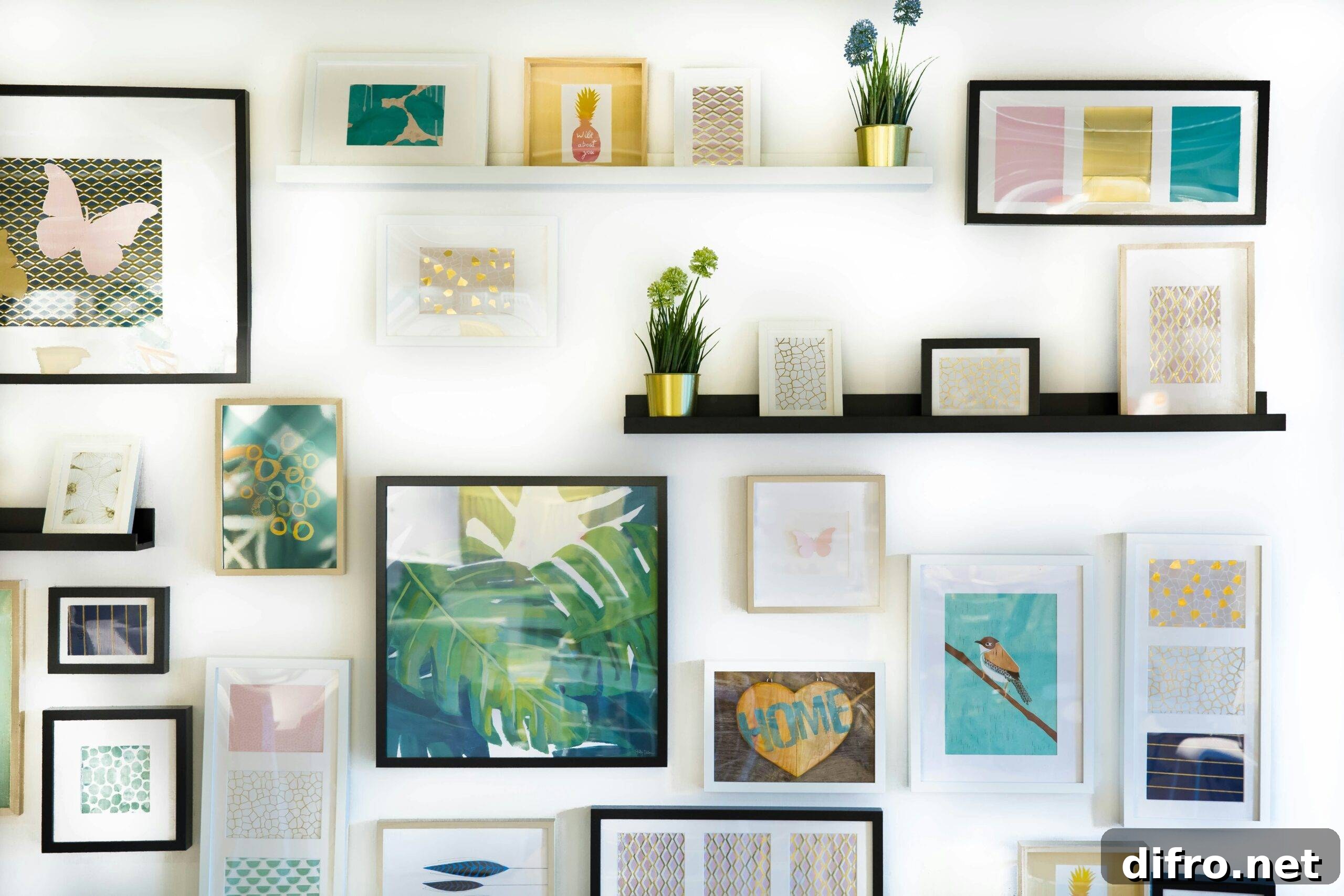
One of the most frequent missteps is choosing art that doesn’t match the scale of the wall or surrounding furniture. Too-small artwork disappears on a large expanse, while an oversized piece can overwhelm a compact room. Aim for balance: a single artwork typically looks best when it occupies roughly two-thirds to three-quarters of the available wall area above a sofa, console, or bed. For gallery walls, vary sizes but keep consistent spacing and a clear visual center so the grouping reads as a unified composition. Always measure the wall and furniture first, and consider a paper mockup or cardboard cutout to preview how a piece will feel in the space.
Overlooking Proper Lighting
Lighting dramatically affects how art looks. Natural daylight reveals color and texture beautifully, but it isn’t always available or ideal. Consider dedicated picture lights, track lighting, or wall-mounted fixtures to illuminate key works. Choose bulbs with color rendering that complements your pieces—soft warm light tends to flatter many artworks, while cooler light can sharpen whites and blues. Also be mindful of direct sunlight, which can fade pigments over time; use UV-filtering glazing on valuable works and position them away from prolonged sun exposure. Good lighting turns art into a true focal point and lets the details you love show through.
Ignoring the Room’s Color Palette
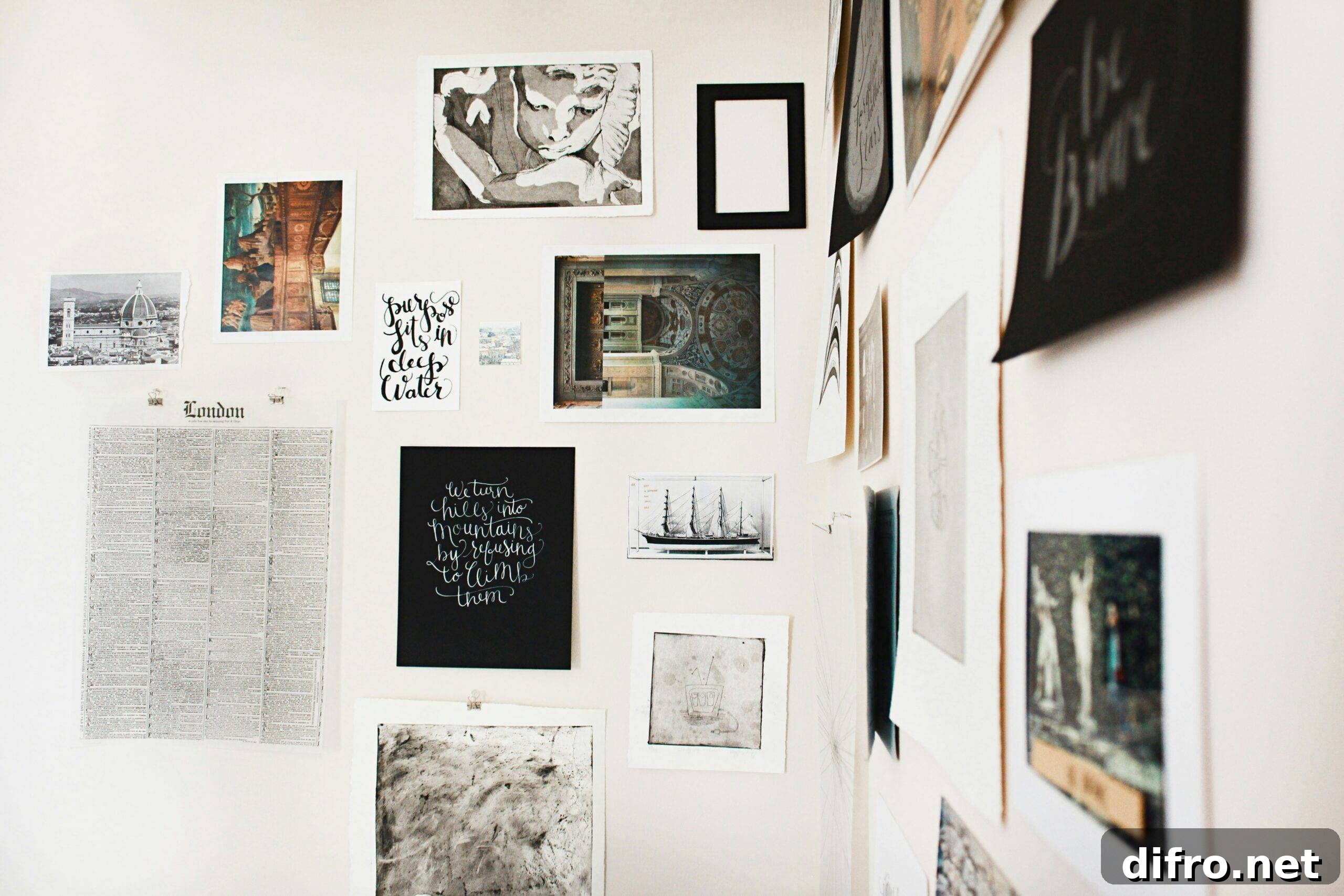
Artwork should enhance the room’s color story, not clash with it. When selecting pieces, consider dominant and accent colors in your furnishings, textiles, and finishes. Look for works that pick up those tones or introduce a measured contrast that complements the existing palette. Think also about the mood you want to create: warmer hues add energy and intimacy, while cooler tones promote calm and serenity. Choosing art that harmonizes with the room’s colors helps the whole space feel intentional and cohesive.
Creating a Cohesive Arrangement
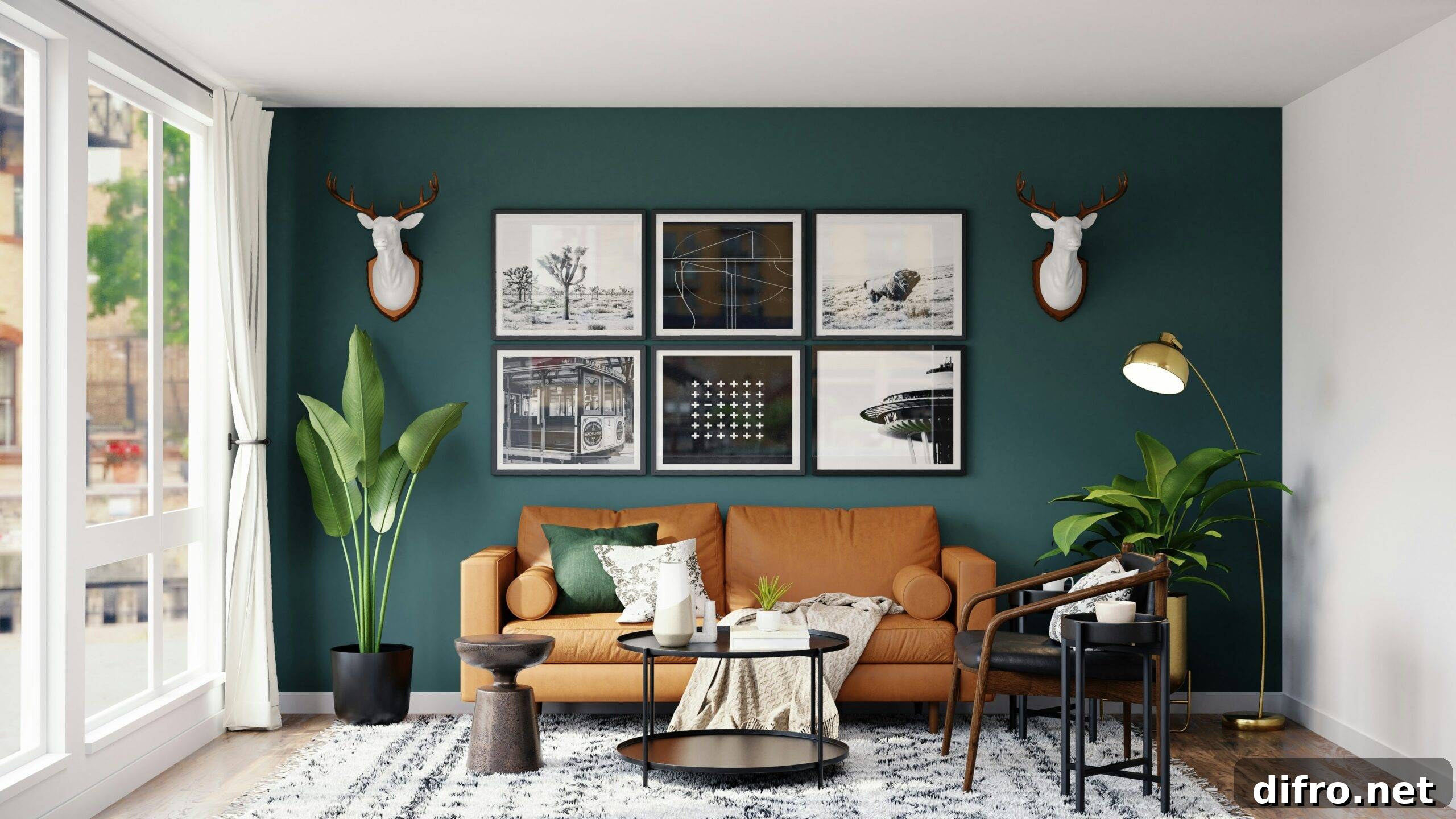
Multiple pieces can make a stronger statement, but careless placement creates clutter. Plan groupings in advance: lay frames on the floor, sketch layouts, or use paper templates on the wall to test arrangements. Keep consistent spacing—typically 2 to 4 inches between frames works well for most gallery walls—and align either by center line, top edge, or bottom edge for a tidy look. Aim for balance by mixing sizes, orientations, and frame styles thoughtfully; repetition of color, shape, or subject can tie a diverse collection together. Taking the time to arrange deliberately will make a group of artworks look curated rather than accidental.
Choosing Art That Reflects Your Personal Style
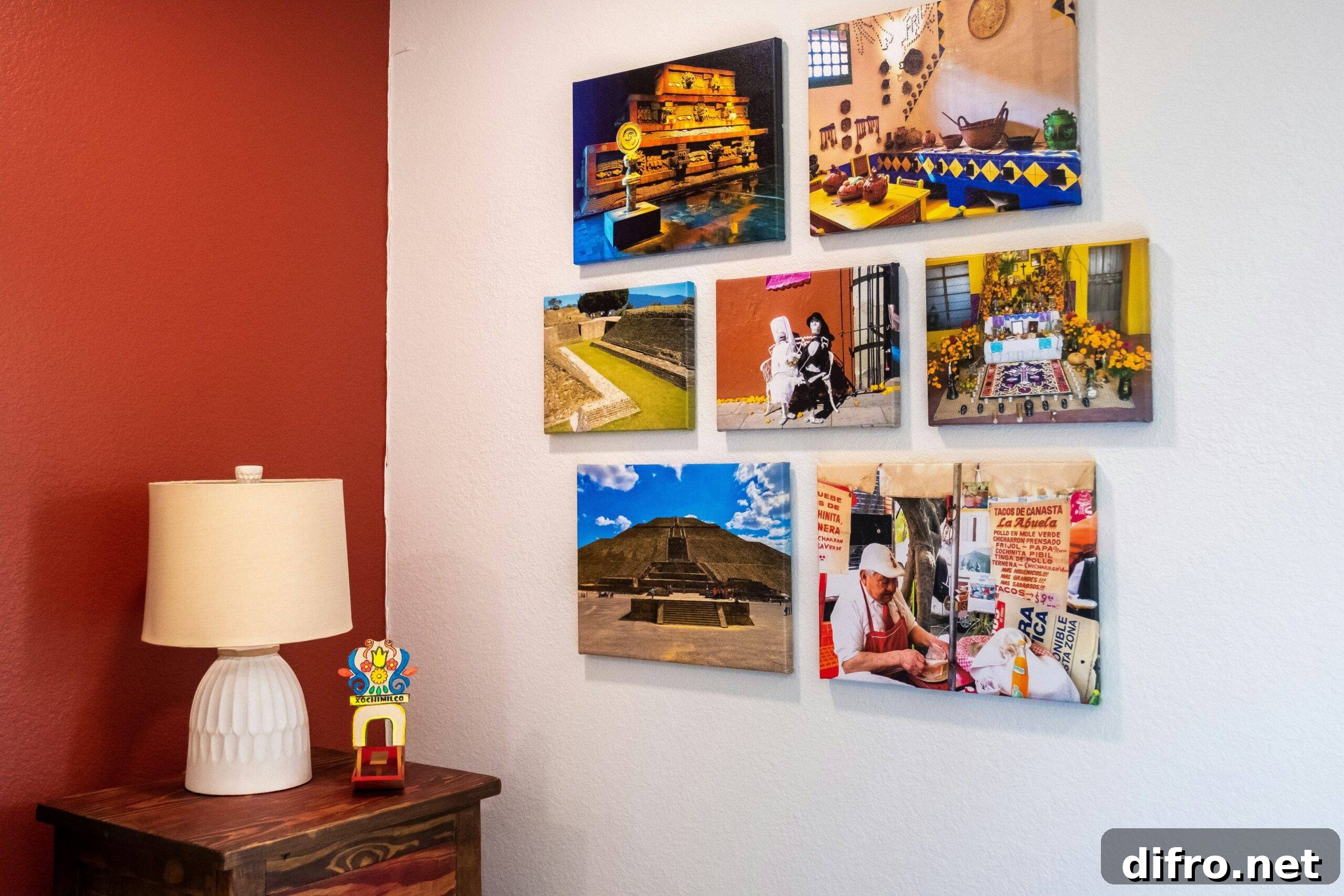
Trends can be tempting, but the most enduring and satisfying art choices are those that resonate with you. Select pieces that spark emotion or memories, reflect your interests, or express your aesthetic preferences. Over time your tastes may evolve, so build a mix of pieces you love now and a few versatile works that will age well with your home. When your art reflects who you are, your living spaces feel more personal and inviting.

Thoughtful selection and careful display of art transform a house into a home. Avoiding common mistakes—mismatched scale, poor lighting, clashing colors, careless arrangements, and picking art that doesn’t speak to you—helps create interiors that feel cohesive, intentional, and personal. Prioritize pieces you love, plan how they will be viewed, and use light and placement to showcase them effectively. When art is chosen and shown with care, it brings life, personality, and lasting satisfaction to every room.