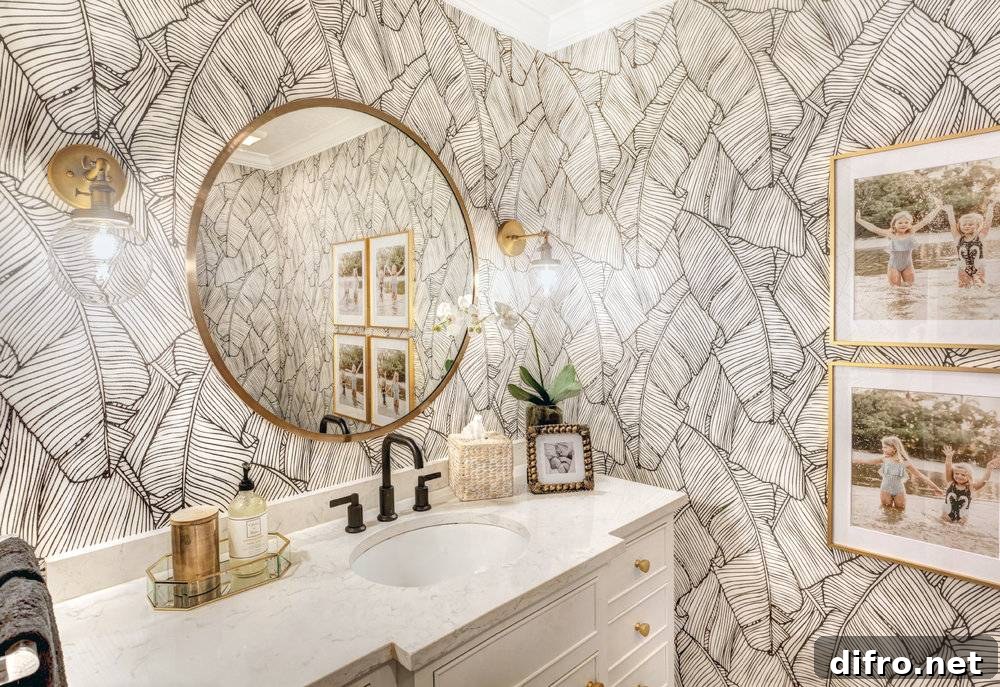
If you’re planning a bathroom refresh, wallpaper is worth reconsidering. Many people assume wallpaper won’t survive a humid environment, but moisture-resistant options and proper installation make wallpaper a viable, stylish choice for bathrooms of any size.
Below you’ll find practical information about using wallpaper in bathrooms—what to look for, installation tips, style ideas, and potential drawbacks—so you can decide whether wallpaper fits your renovation plans.
Long-lasting
Although a fresh coat of paint may seem like the quickest update, wallpaper can offer superior durability in the right conditions. High-quality, properly installed wallpaper can outlast paint in high-traffic rooms such as family bathrooms.
When choosing wallpaper for a bathroom, look for products specifically designed for humid spaces. Moisture-resistant wallpaper is often made from vinyl or woven with fiberglass yarn, materials that tolerate steam and dampness better than standard paper-backed wallpaper. Paired with good ventilation, these materials help prevent peeling and mildew.
Plenty of patterns available
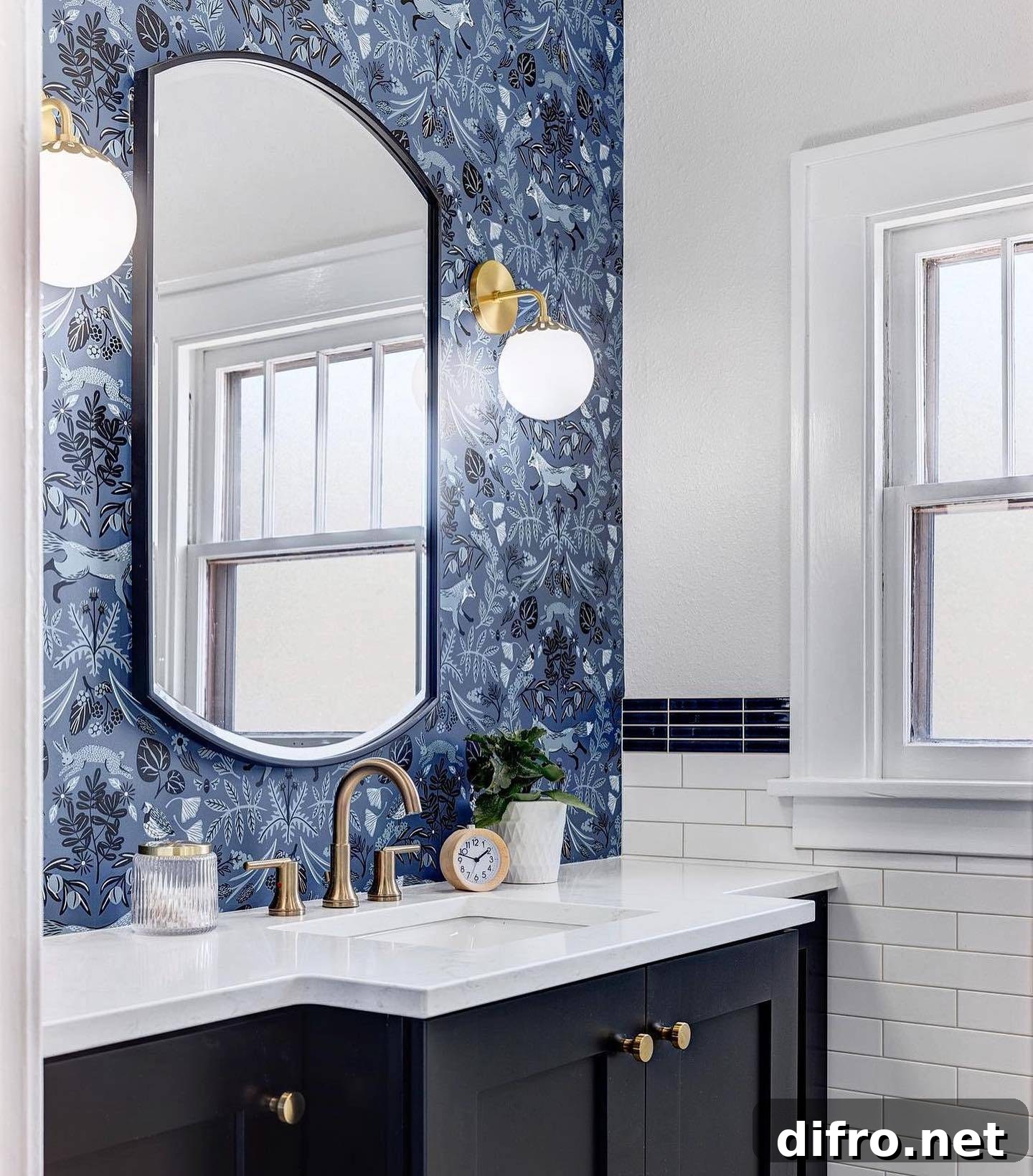
Bathrooms are no longer purely functional spaces; homeowners want rooms that reflect their style. Wallpaper opens up a wide range of design possibilities—far beyond what a single paint color can achieve.
From delicate florals and subtle textures to bold damask and large-scale tropical prints, there’s a wallpaper pattern to complement any bathroom design. A classic floral might enhance a vintage vanity, while a muted textured paper can reinforce a minimalist, modern look. Use wallpaper to create a focal wall behind a vanity or mirror, or embrace a full-room pattern for dramatic effect.
Peel-and-stick options
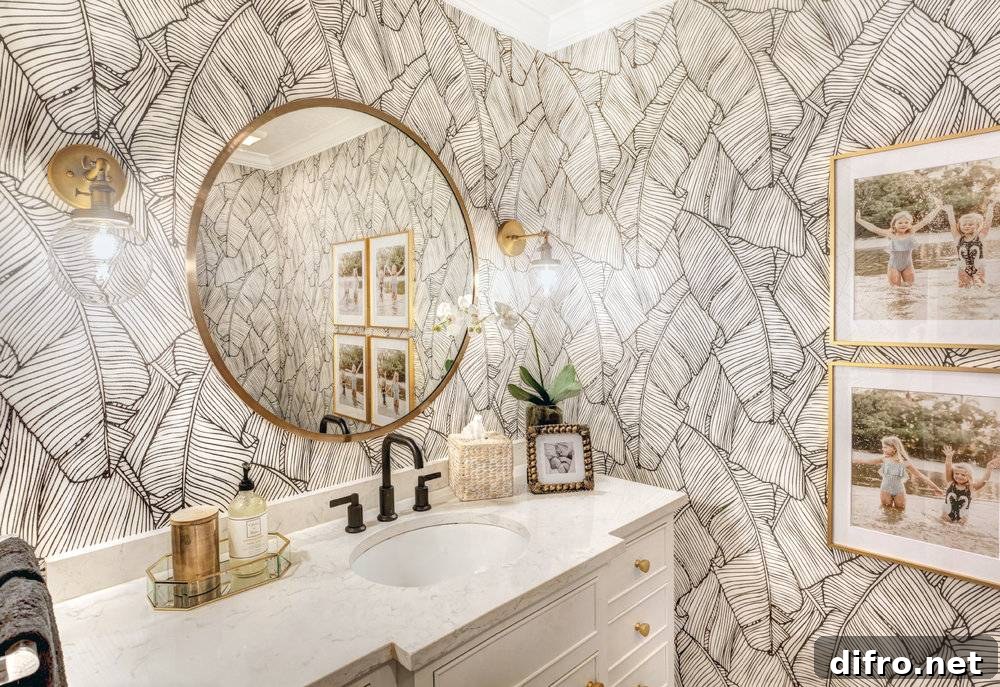
For DIYers or renters, peel-and-stick wallpaper is a convenient alternative to traditional paste-applied paper. These self-adhesive products are easy to apply and remove, making them ideal for temporary updates or for people who like to change their decor frequently.
Applying peel-and-stick wallpaper typically involves peeling off a backing and smoothing the paper onto a clean, dry surface, working out air bubbles as you go. While it’s more forgiving than paste-and-paste installations, you should still prep the wall, measure carefully, and align patterns to achieve a professional-looking finish.
Possible drawbacks of using wallpaper in the bathroom
Waterproof or moisture-resistant wallpaper can be more expensive than paint, but it often delivers better longevity and a stronger visual impact. The key to a successful bathroom wallpaper installation is careful preparation and correct application—poor installation is the main cause of peeling, bubbling, and premature failure.
Basic installation tips include cleaning and drying the surface thoroughly, repairing holes or uneven spots, and using the right tools to smooth seams and remove air pockets. In areas that receive direct water spray—such as inside the shower—consider sticking with tile, acrylic, or other fully waterproof finishes and use wallpaper outside those wet zones.
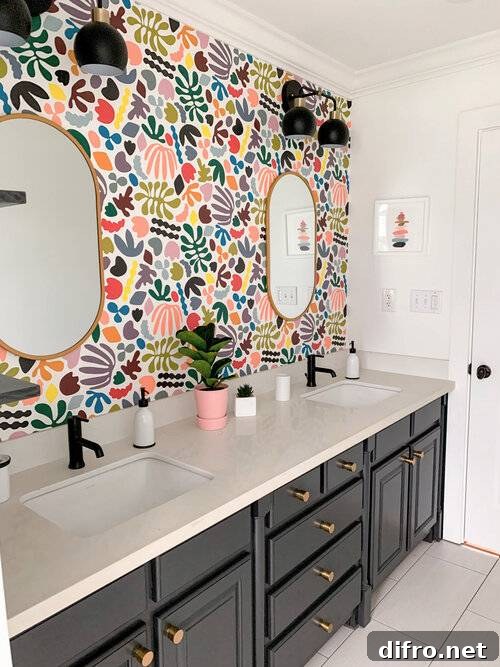
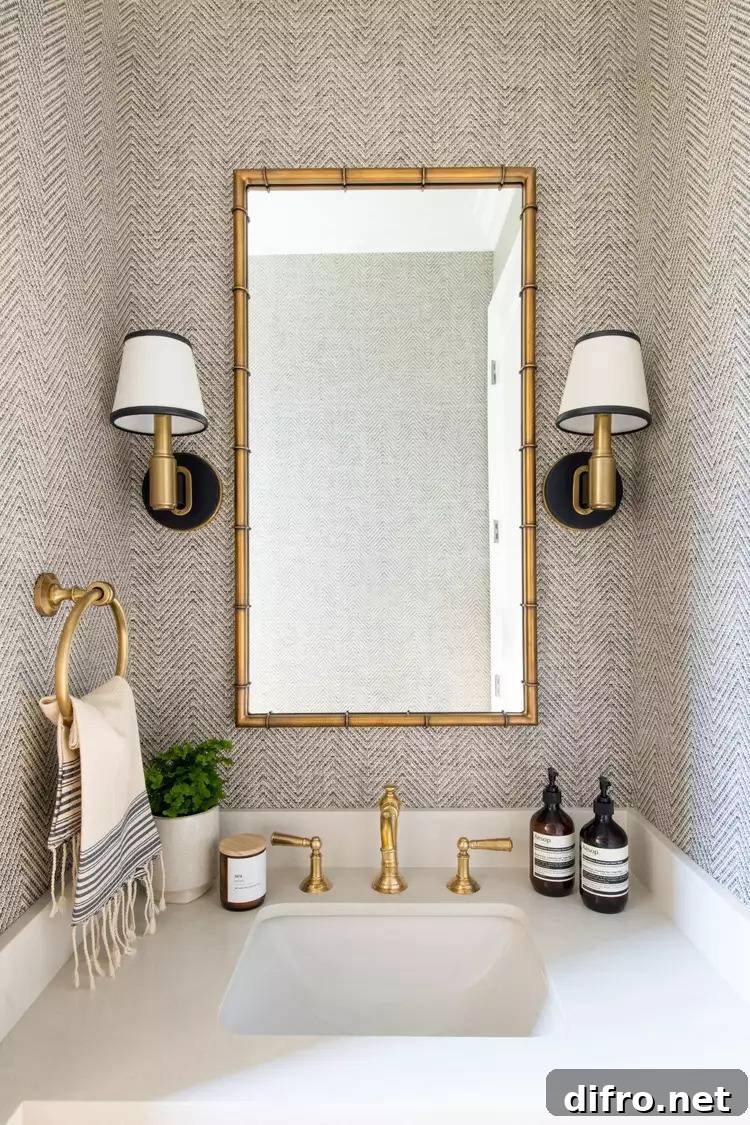
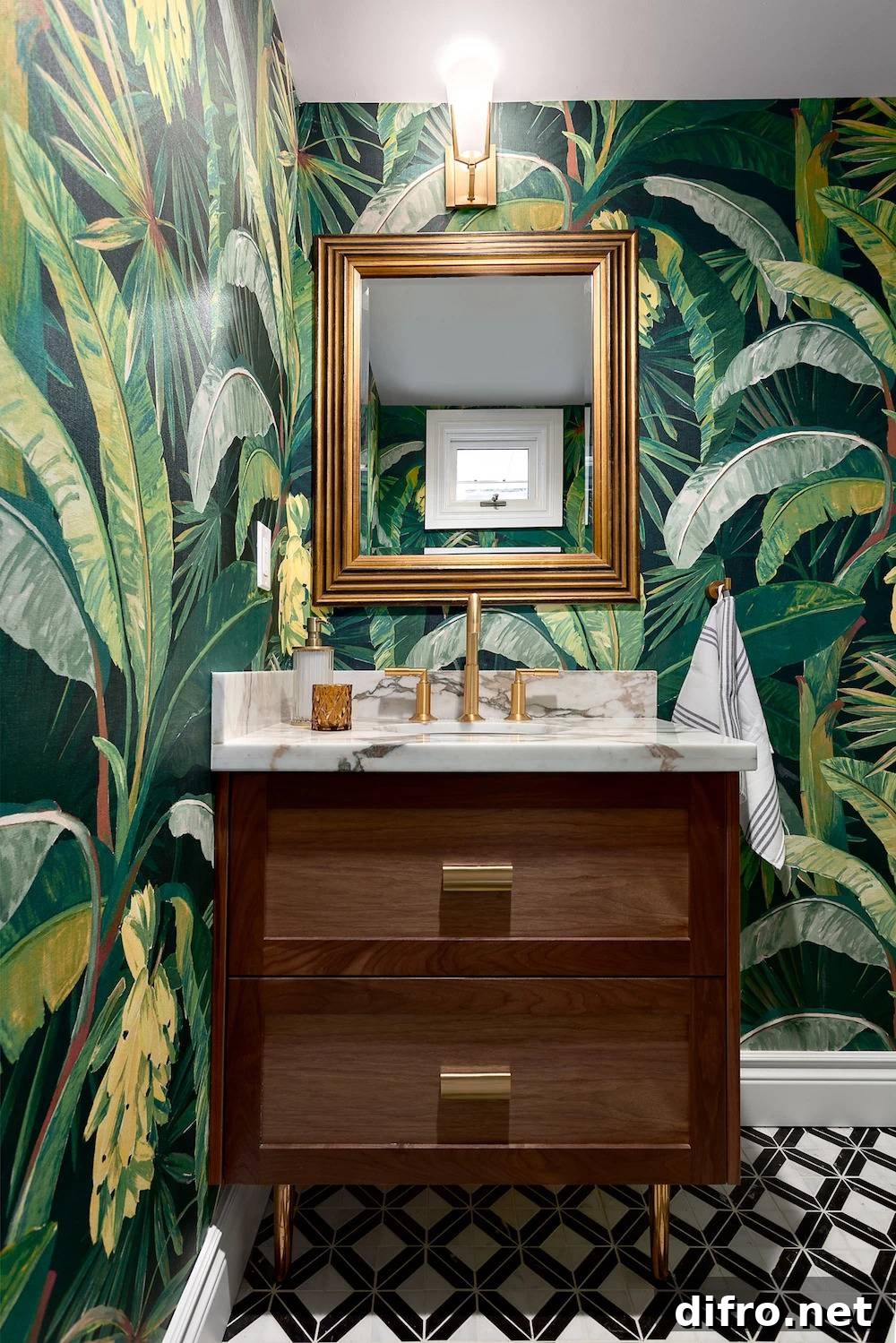
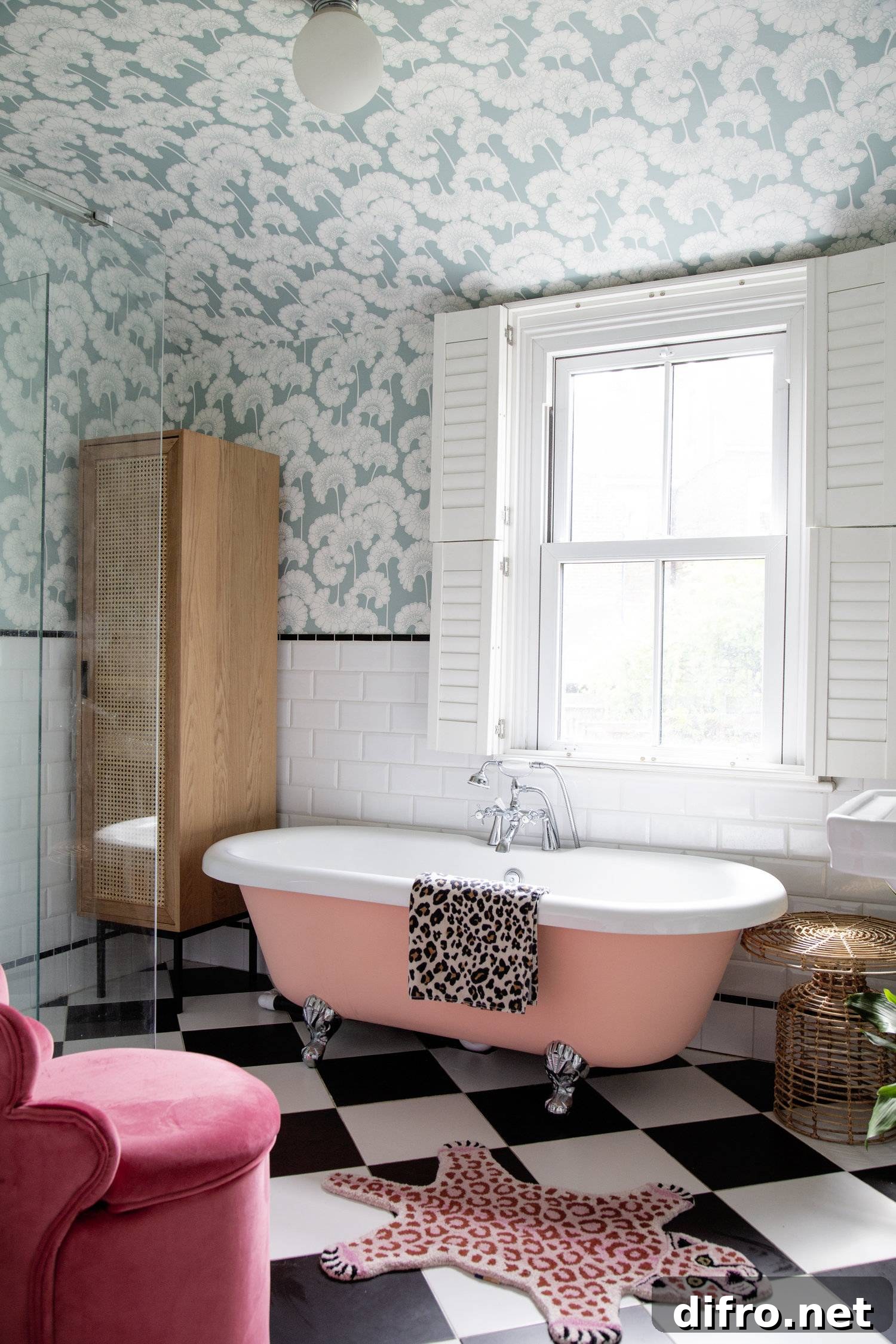
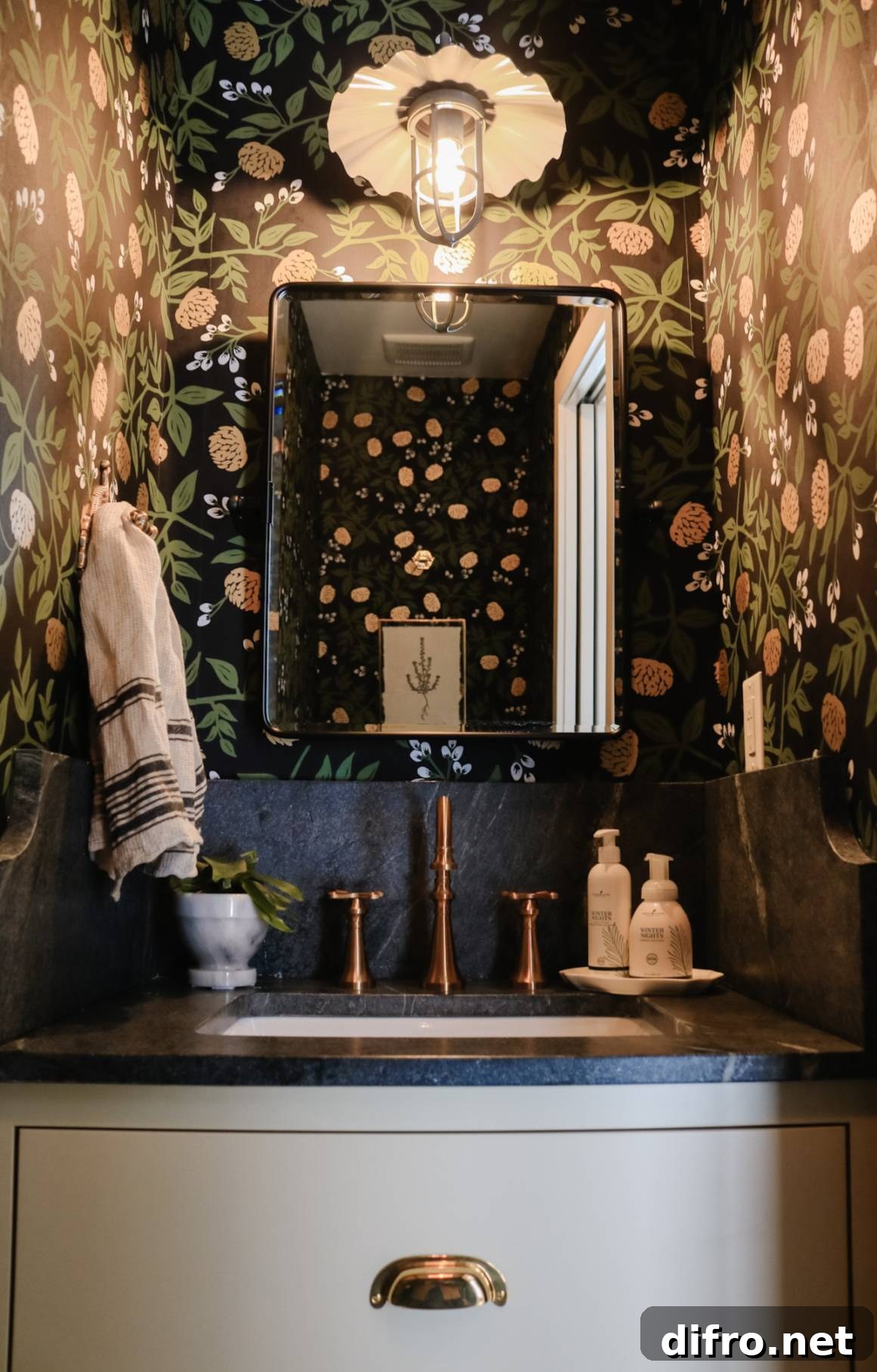
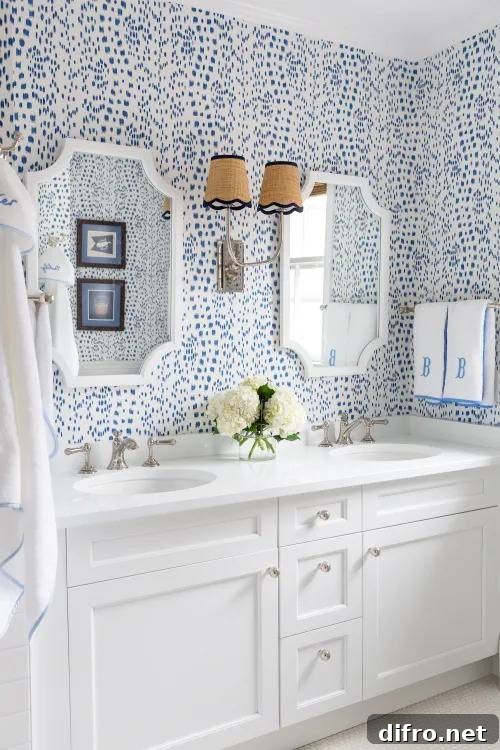
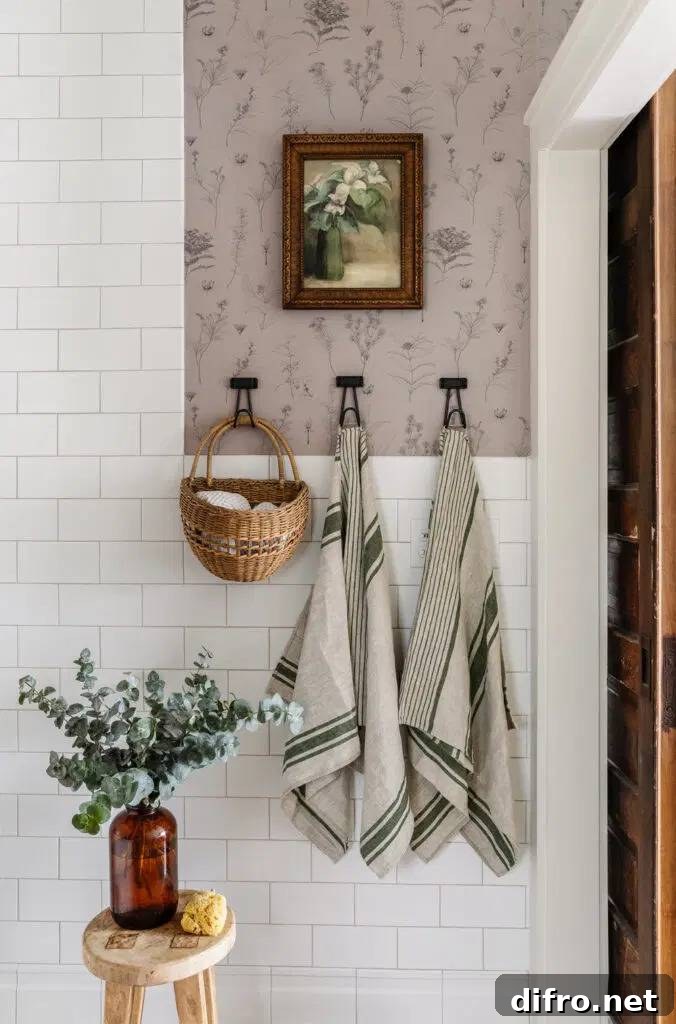
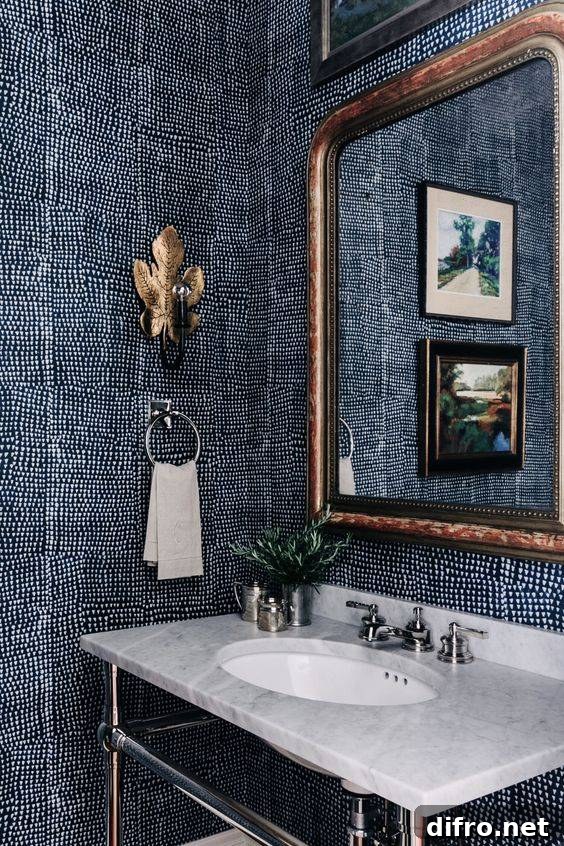
Final considerations: prioritize ventilation, limit wallpaper exposure to direct water, and choose the right material for your climate and lifestyle. With careful selection and proper installation, bathroom wallpaper is a practical, decorative solution that can transform a simple washroom into a memorable, design-forward space.