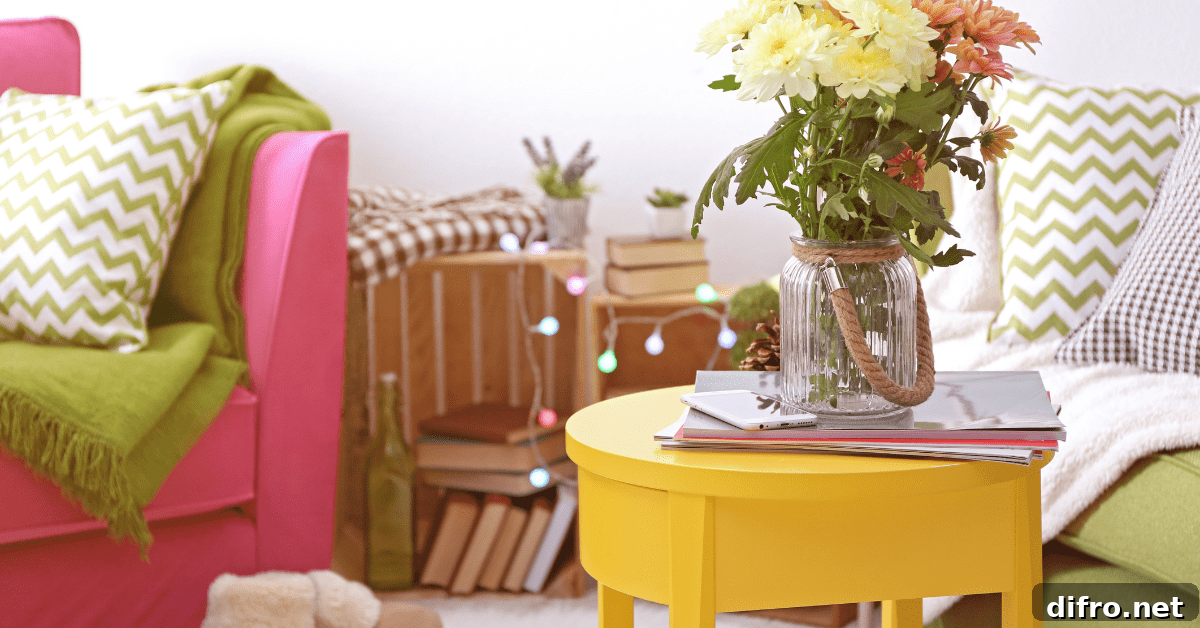
Have you ever thought about pairing hot pink with olive green or navy blue with burnt orange? If not, you’re about to discover a fresh approach to color that can elevate your home from ordinary to remarkable. Below are five surprising yet harmonious color combinations that work beautifully in interiors and can give your rooms new life.
Breaking the Color Rules
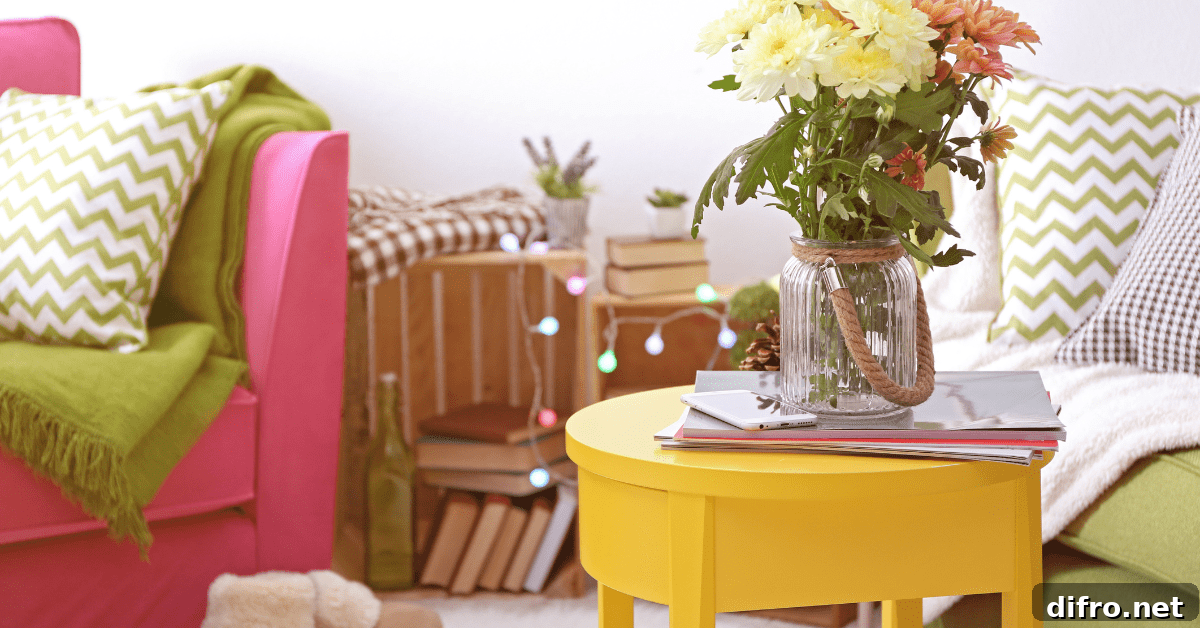
Traditional color theory offers helpful guidelines, but design evolves when you experiment. Unexpected combinations can produce lively, personal interiors when applied with intention. The secret is balance: select compatible tones, vary intensities, and distribute color thoughtfully across surfaces, furnishings, and accessories to create harmony rather than chaos.
Below are five pairings that may surprise you. For each, you’ll find suggestions for shades, where to use them, and simple ways to make the mix feel intentional and cohesive in your space.
1. Pink and Green
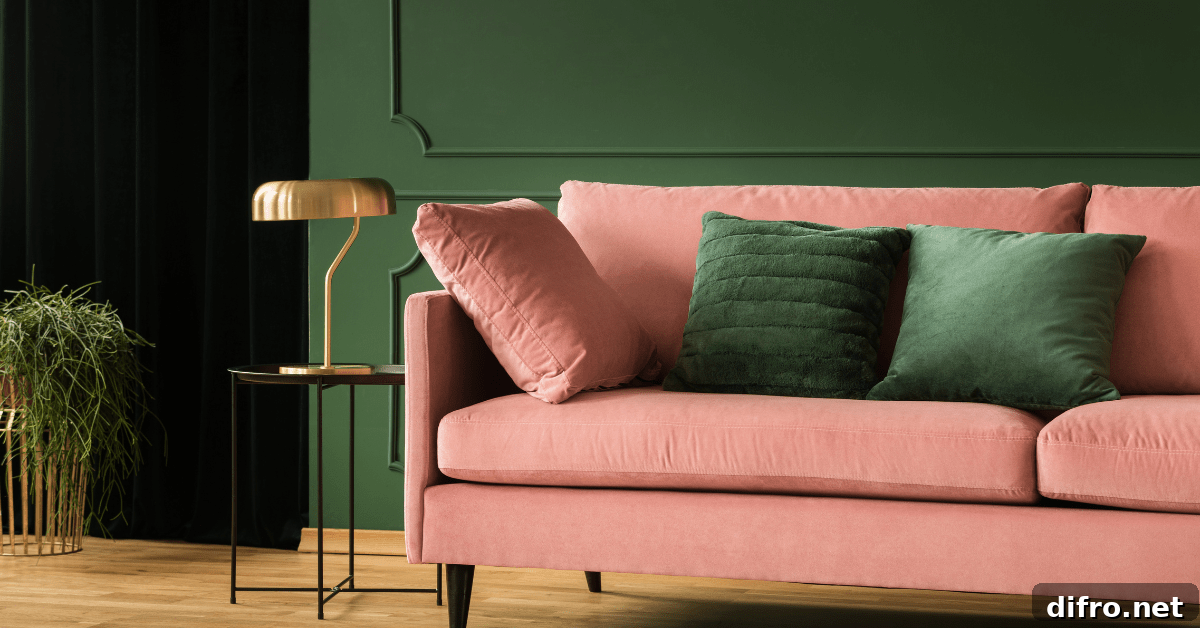
Pink and green may evoke watermelon or classic preppy palettes, but they can also create a sophisticated, tropical mood. Choose a saturated pink—fuchsia or magenta—and pair it with a muted olive or soft sage to avoid visual overload. Use green for larger elements like walls, cabinetry, or curtains, and let pink serve as energetic accents in cushions, a statement chair, or artwork. Accent finishes in warm metallics or natural wood can tie the scheme together.
2. Navy Blue and Burnt Orange
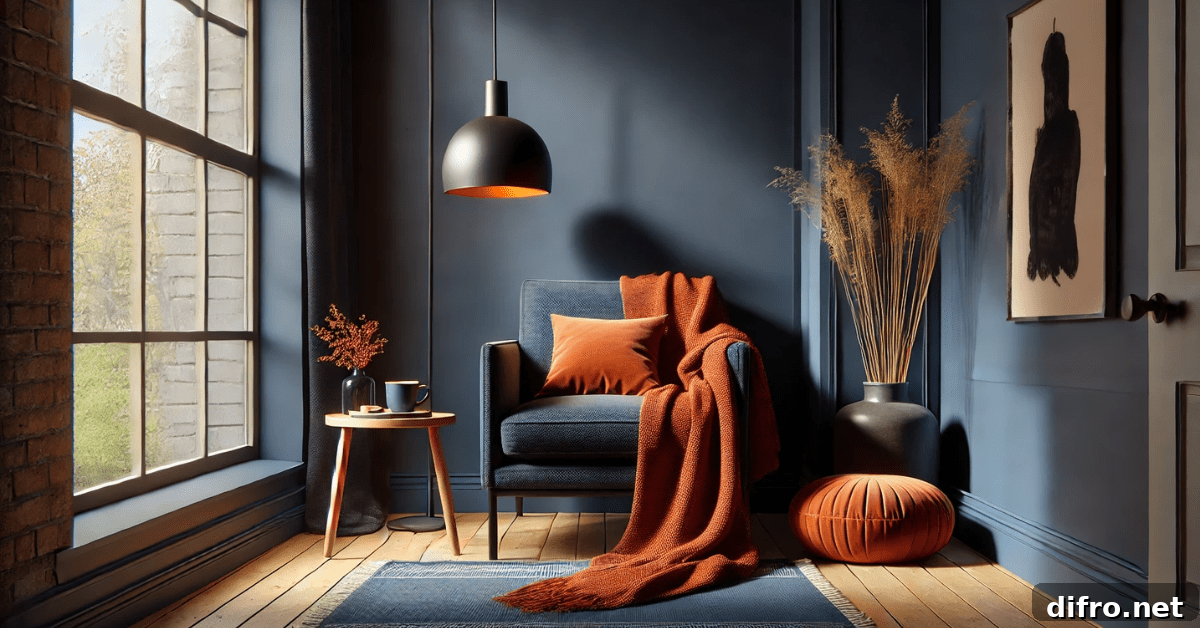
Navy and burnt orange form a refined, contemporary contrast. Navy’s depth grounds the room while burnt orange injects warmth and energy. For a classic look, paint the walls navy and introduce burnt orange through textiles, lamps, and art. For something brighter, reverse the roles: warm walls with navy trim, sofas, or shelving. The result is dramatic but well-balanced when you include neutral textures—linen, leather, or light wood—to soften the contrast.
3. Lavender and Mustard Yellow
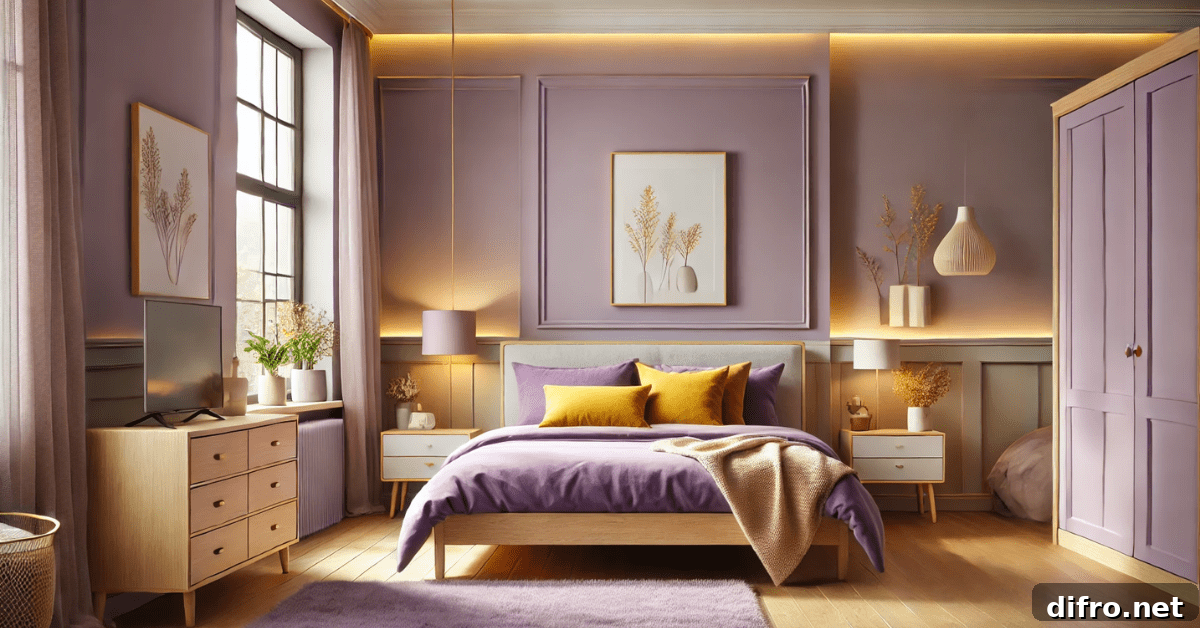
Lavender and mustard bring a delightful mix of soft elegance and bold energy. Lavender’s calming undertone balances mustard’s vibrancy. Use lavender as a main wall color in bedrooms or sitting rooms, then add mustard through cushions, curtain panels, or a single accent chair. Alternatively, mustard walls paired with lavender textiles create an unexpected but charming contrast. Keep patterns minimal so the colors remain the focal point.
4. Teal and Coral
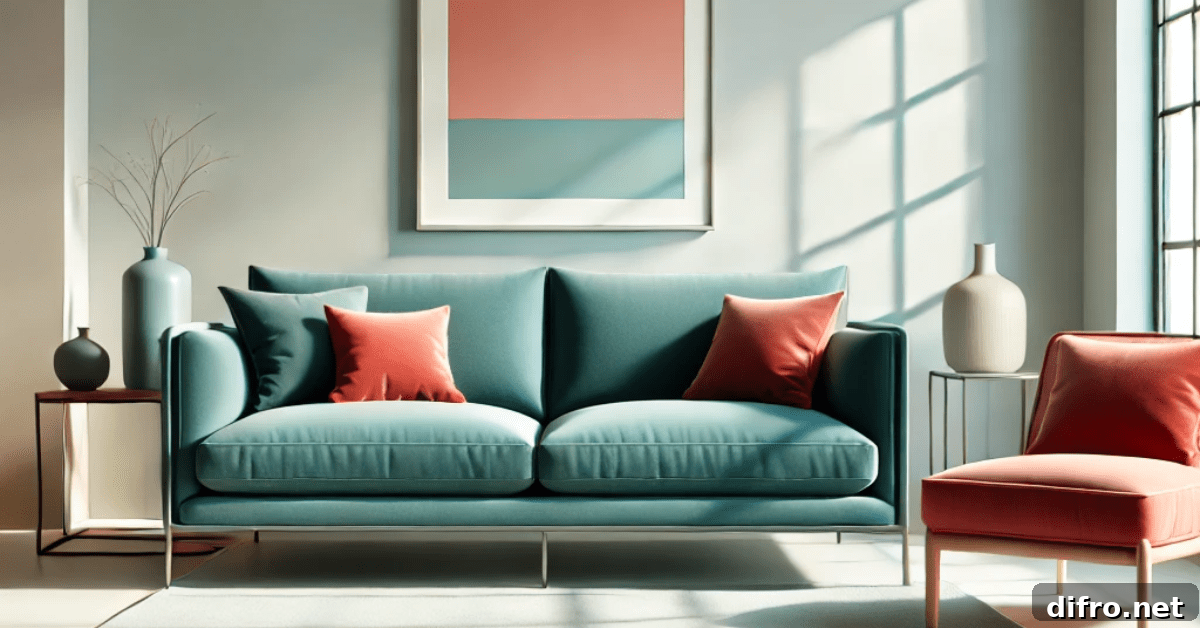
Teal and coral evoke coastal and tropical influences: teal suggests ocean depth while coral recalls vivid sunsets. This pairing works especially well in living rooms, bathrooms, and bedrooms. Use teal on larger surfaces—an accent wall or sofa—and coral for accessories like rugs, throws, and artwork. Add white or sandy neutrals to keep the palette fresh and airy, and consider natural textures such as rattan or jute to reinforce the coastal vibe.
5. Charcoal Gray and Lime Green
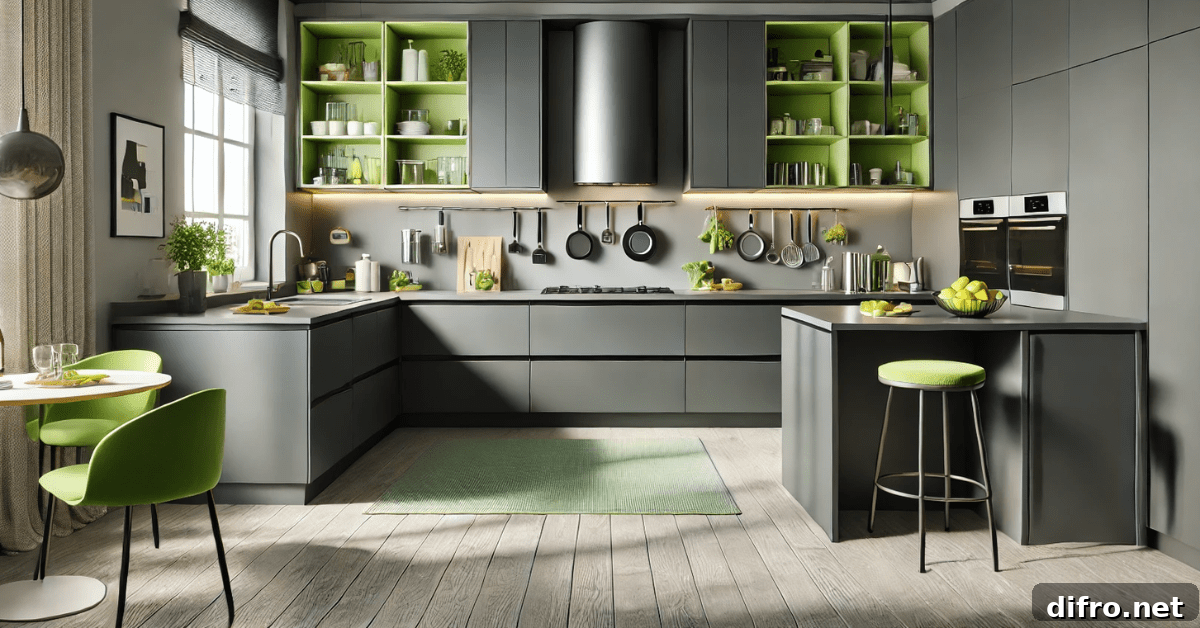
Charcoal and lime create a modern, urban contrast—charcoal supplies a moody, sophisticated base while lime adds sharp, graphic pops of color. Use charcoal on walls and large furniture, then layer in lime accents via rugs, chairs, artwork, or indoor plants. This pairing suits home offices and contemporary living spaces; metallic or concrete finishes can amplify the industrial-chic character.
Related Articles
- Explore the Hottest Paint Colors for Every Room in 2025
- Color Wheel and Opposites – Mastering Complementary Colors in Design
- The Best Ways to Use Orange in Your Decor
Don’t be afraid to experiment. Whether you favor tropical vibrancy, refined contrasts, or an urban edge, these unconventional color pairings offer exciting ways to refresh your home. Start small—introduce one new color through accessories or a single painted wall—and adjust tones and textures until the room feels balanced and true to your style.
Turn your house into the home you love. Subscribe to a design newsletter for ideas and trends and begin your journey to a more beautiful, personalized space.