
Are you ready to curl up in bed but unsure whether to choose a duvet or a comforter? These two popular bed toppers may look similar at a glance, but they differ in construction, care, warmth, and styling. This guide breaks down the differences and helps you decide which option best fits your sleep needs and bedroom style.
What Exactly is a Duvet?

A duvet is a soft, quilted insert filled with down, feathers, wool, or synthetic fibers. It is intended to be used inside a removable duvet cover, similar to how a pillow fits into a pillowcase. The term “duvet” comes from the French word for down, reflecting the original use of down feathers as the primary filling.
Duvets are valued for their versatility. The removable cover protects the insert from dirt and is easy to change, allowing you to refresh your bedroom’s look without replacing the entire bedding. Inserts are sold in different fills and weights, from lightweight summer options to heavier winter versions, so you can tailor warmth and loft to your preferences. One minor drawback is that the insert can shift inside the cover and may need occasional adjusting or fastening with ties or clips.
How a Comforter is Different

A comforter is a single-piece bed covering with an outer fabric shell stitched around a filling. The stitching or quilting keeps the filling evenly distributed to prevent clumping. Because comforters are an all-in-one piece, they don’t require a separate cover and are commonly sold as part of coordinated bedding sets.
Comforters generally sit flatter and hang further over the bed’s sides than high-loft duvets. They are quick to make up and can provide a neat, tailored appearance. However, the entire comforter must be washed when it becomes soiled, which can be more cumbersome for larger sizes and certain materials.
Warmth and Weight: Finding Comfort

In terms of warmth, duvets often offer greater insulation because of their higher loft and options for down or down-alternative fills. Duvet inserts are frequently labeled by tog rating or weight, which makes it easier to choose a level of warmth suitable for each season and personal preference.
Comforters are typically lighter and provide a more consistent warmth across styles. This can be an advantage if you prefer a single bedding solution year-round or live in a milder climate. If you sleep hot, a lighter comforter or a lightweight duvet insert and breathable cover can help regulate temperature.
Style and Versatility: Dressing Up Your Bed
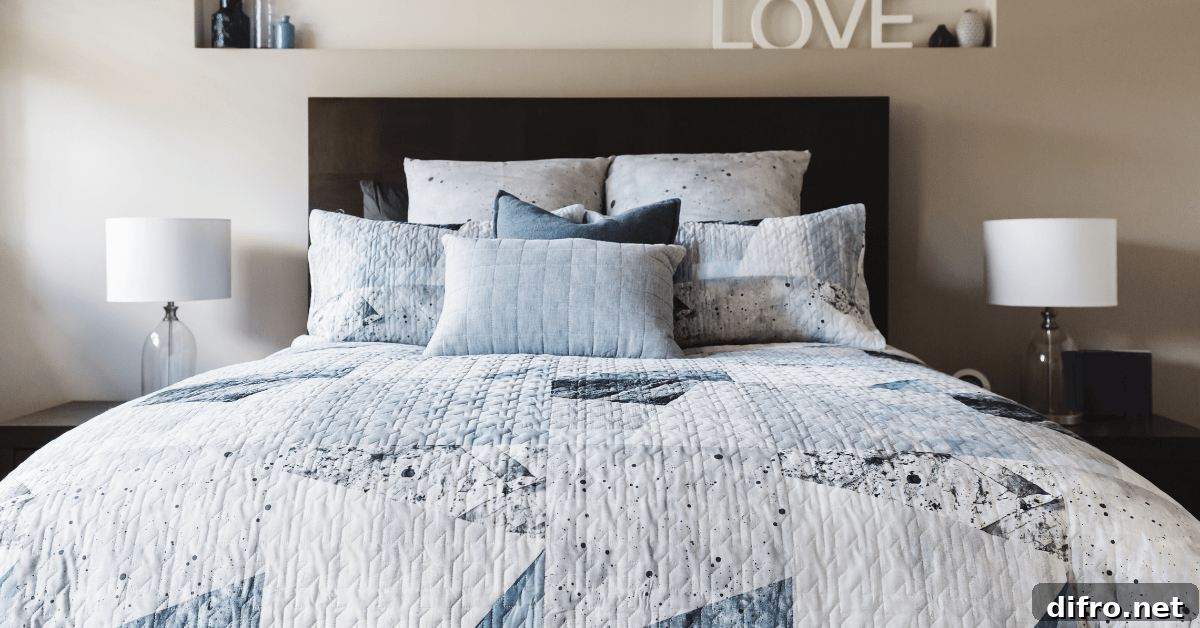
Duvet covers provide the greatest flexibility for styling. They are available in many colors, patterns, and fabrics, so you can change the look of your bedroom quickly and affordably. Swapping covers seasonally or for a new color scheme is simple and helps you refresh the space without replacing the insert.
Comforters are less adaptable once bought, but they often come in coordinated sets that include matching shams and decorative pillows. This can make it easier to create a cohesive, polished look. Some people prefer the structured, layered appearance a comforter provides; others like the relaxed, plush look of a duvet.
Care and Maintenance: Keeping It Clean
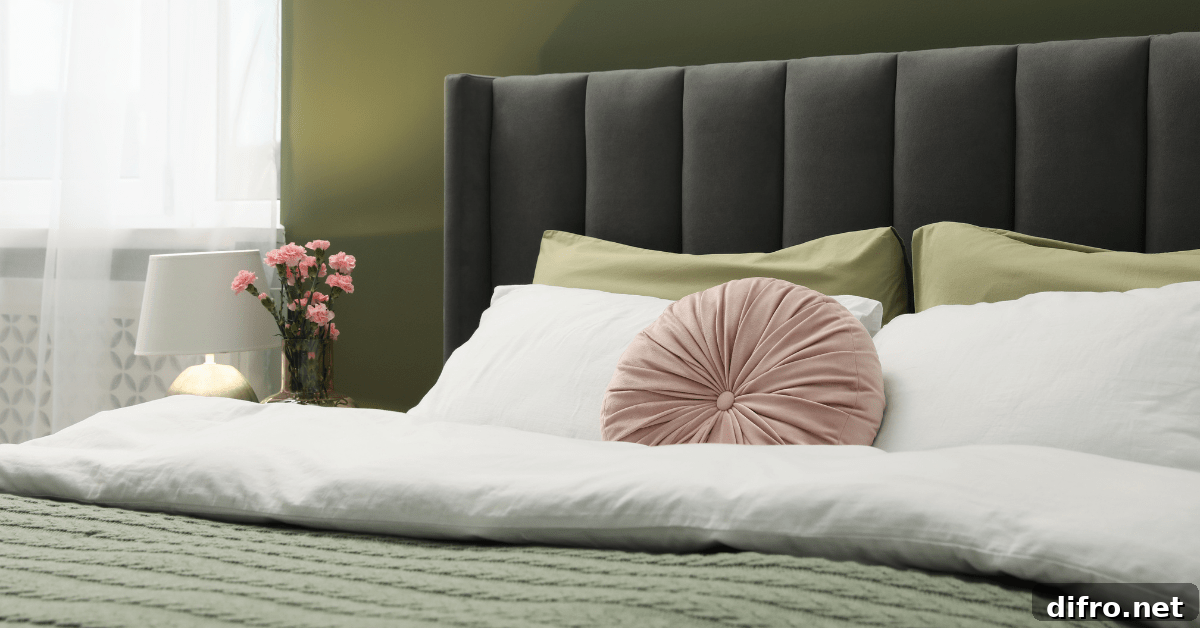
Care needs differ between duvets and comforters. A major advantage of duvets is that the cover is easy to remove and wash regularly, protecting the insert from body oils, dust, and spills. Inserts, especially down or delicate fills, require less frequent cleaning, and many can be professionally cleaned when necessary.
Comforters are often machine washable, but larger sizes can be difficult to launder at home and may require a commercial washer or professional cleaning. To protect a comforter and reduce washing frequency, some people use a duvet cover over a comforter or a washable blanket as a barrier.
Choosing Between a Duvet and a Comforter

The best choice depends on your priorities. If you value flexibility, seasonal options, and easy visual updates, a duvet with interchangeable covers is a strong choice. If you prefer a simple, ready-made solution that offers a tidy, consistent look, a comforter may better suit your needs.
Additional considerations when deciding include:
- Cleaning and maintenance — how often you want to wash bedding and whether you have access to large machines.
- Climate and sleep temperature — choose lighter options for hot sleepers and heavier or higher-tog options for cold sleepers.
- Bedroom style — duvets excel at quick style changes; comforters work well for coordinated sets and a tailored look.
- Allergies — look for hypoallergenic fills and machine-washable covers if allergies are a concern.
Many people use both: a lightweight comforter for summer and a fluffy duvet for winter, or a duvet with multiple inserts to layer as needed. Whichever you choose, prioritize comfort, ease of care, and a look you enjoy waking up to every day.
Related Articles
- Choosing the Perfect Bed Sheets for Blissful Sleep
- What to Remove from Your Bedroom Today for Better Relaxation
- Interior Design Tips for Making a Four Poster Bed Work in Any Room
Ready to refresh your bedroom? Subscribe to our newsletter for interior design tips, seasonal trends, and practical ideas to elevate your home.