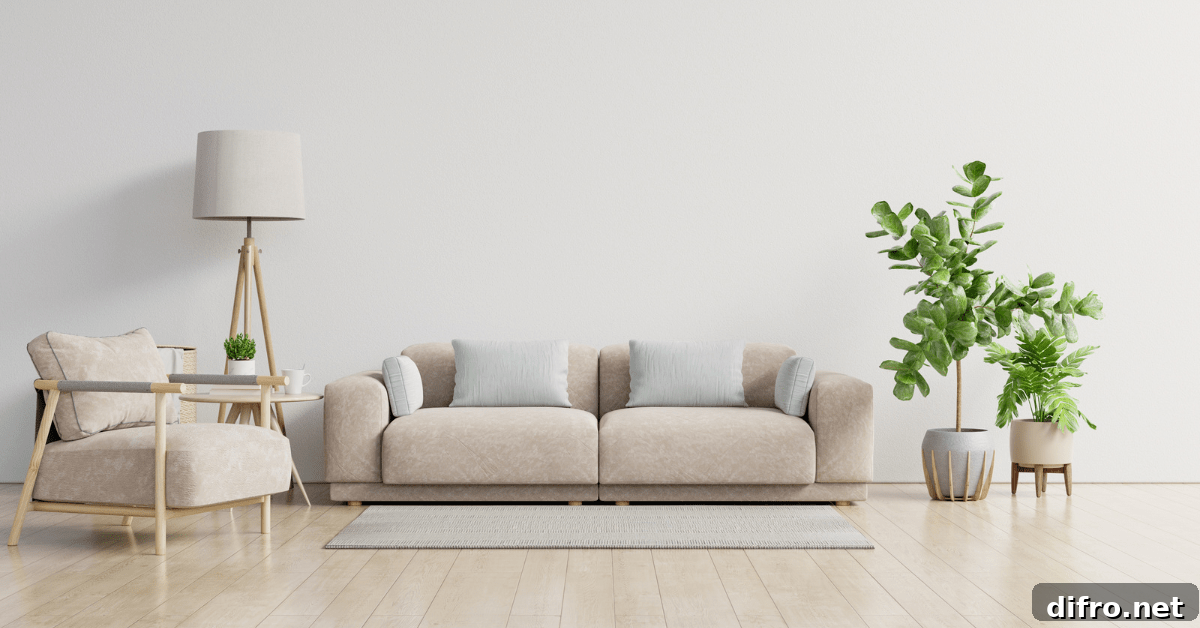
Have you ever entered a room that immediately felt balanced and comfortable without being able to pinpoint why? Often the difference comes down to negative space—the deliberate empty areas around furniture and decor that let a room breathe. While people usually focus on pieces and textures, the open spaces between and around those elements determine a room’s rhythm, scale, and overall impact. This guide explains what negative space is, why it matters, and how to use it throughout your home to create calmer, more functional interiors.
What Exactly Is Negative Space in Design?
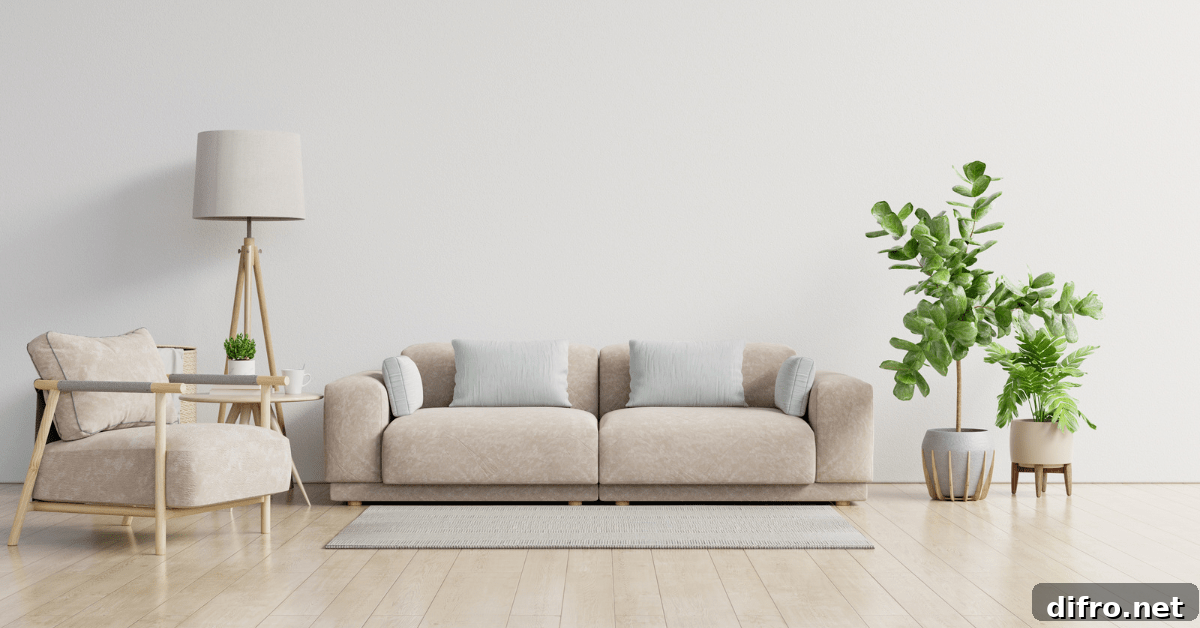
Negative space in interior design refers to the unoccupied areas between and around the objects in a room. It’s not simply “empty” space—it’s intentional space that highlights furniture, artwork, and architectural features. While positive space contains the physical items you choose, negative space frames them, clarifies sightlines, and helps the eye move comfortably through the room. Thoughtful negative space creates a sense of order and improves both aesthetics and usability.
Why Negative Space Matters
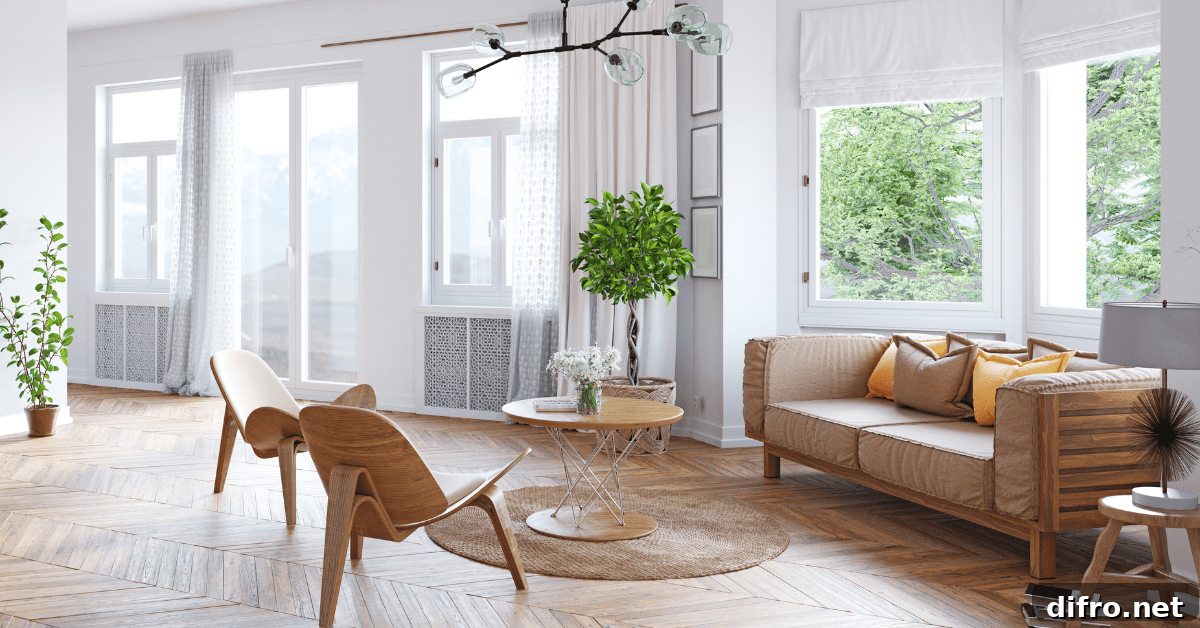
Negative space plays several important roles in interior design:
- It balances visual weight so rooms don’t feel cluttered.
- It allows key pieces—furniture, art, lighting—to stand out.
- It improves traffic flow and day-to-day functionality.
- It creates a perception of greater openness and light.
- It defines focal points and establishes visual hierarchy.
Without sufficient negative space, even well-chosen items can compete and create a chaotic impression. Learning to use negative space effectively elevates a room from merely decorated to thoughtfully designed.
Creating Negative Space in the Living Room
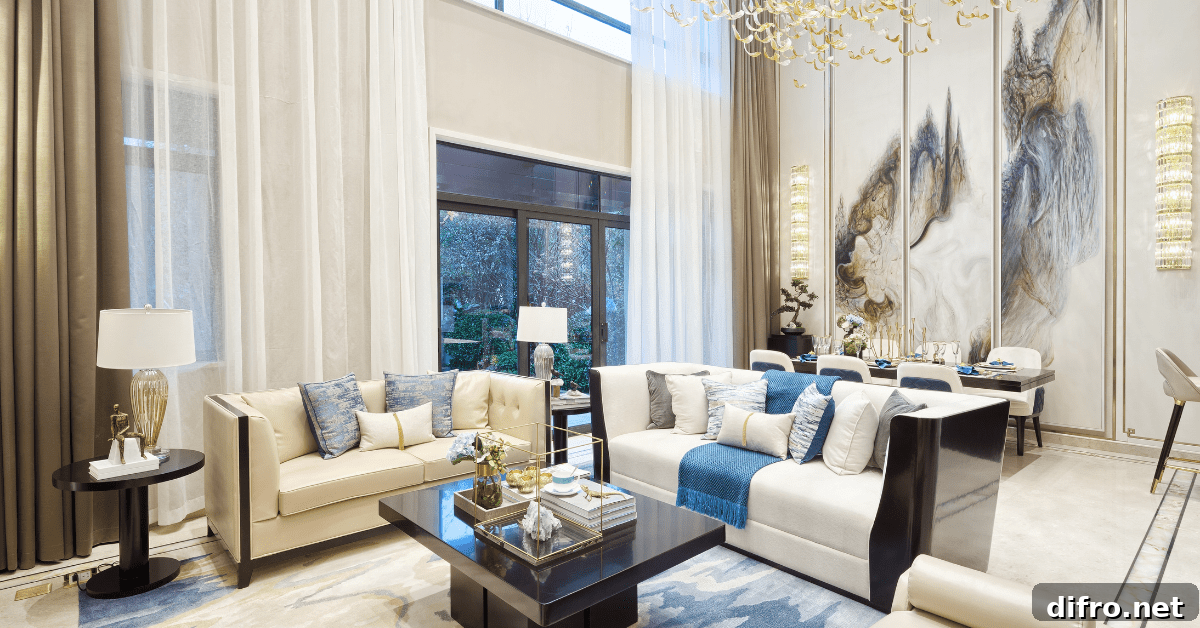
The living room benefits greatly from balanced negative space because it’s where people gather and move. Use these practical strategies:
- Float furniture away from walls when possible to create circulation space and a more relaxed arrangement.
- Arrange seating into clear conversation zones with walkways around them.
- Anchor the seating area with a rug that leaves a visible border of floor around the edges.
- Reserve some shelving and tabletops as intentionally sparse to avoid visual noise.
- When installing a gallery wall, give each frame room to breathe; the blank wall between pieces enhances each work.
Negative space doesn’t mean sterility—textures, a single statement object, or layered lighting can add warmth without crowding the composition.
Harnessing Negative Space in the Bedroom
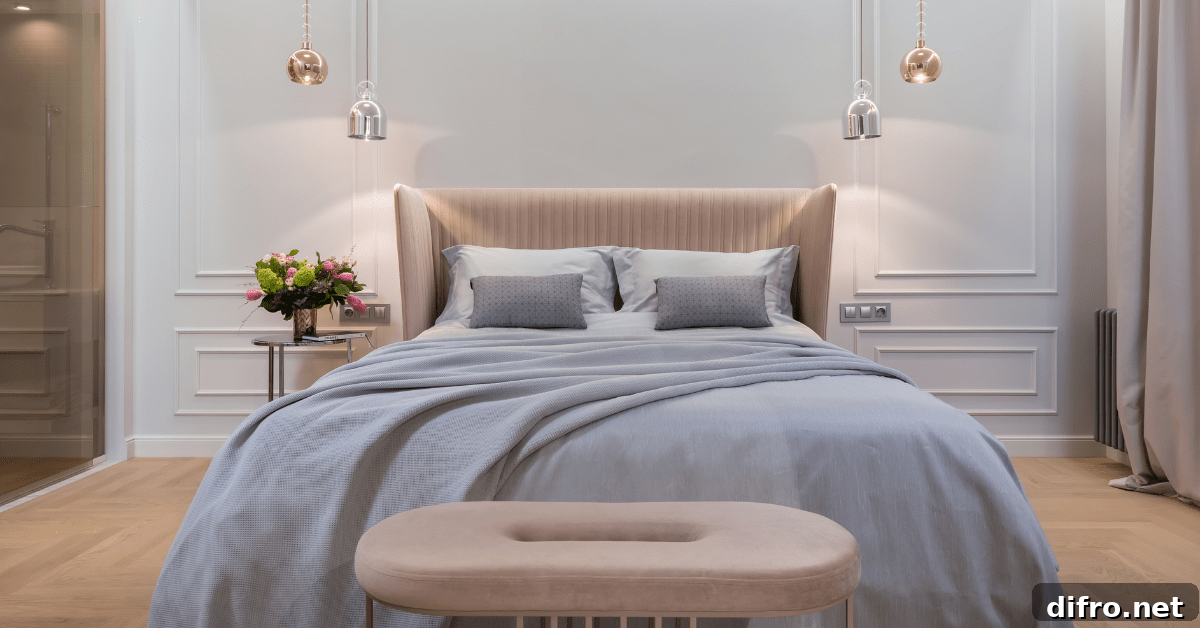
The bedroom should feel calm and restorative, and negative space helps create that atmosphere. Consider these tips:
- Place the bed so there is room to move on both sides; symmetry creates a restful layout.
- Keep the foot of the bed clear when possible to avoid a cramped feel.
- Choose nightstands and storage that are proportionate to the bed and room scale.
- If you add a bench or seating, ensure it doesn’t interrupt circulation.
- Center a single piece of artwork above the bed and leave surrounding wall space uncluttered to emphasize the focal point.
Simple, open areas encourage relaxation and make a bedroom feel more like a retreat.
Negative Space in the Kitchen
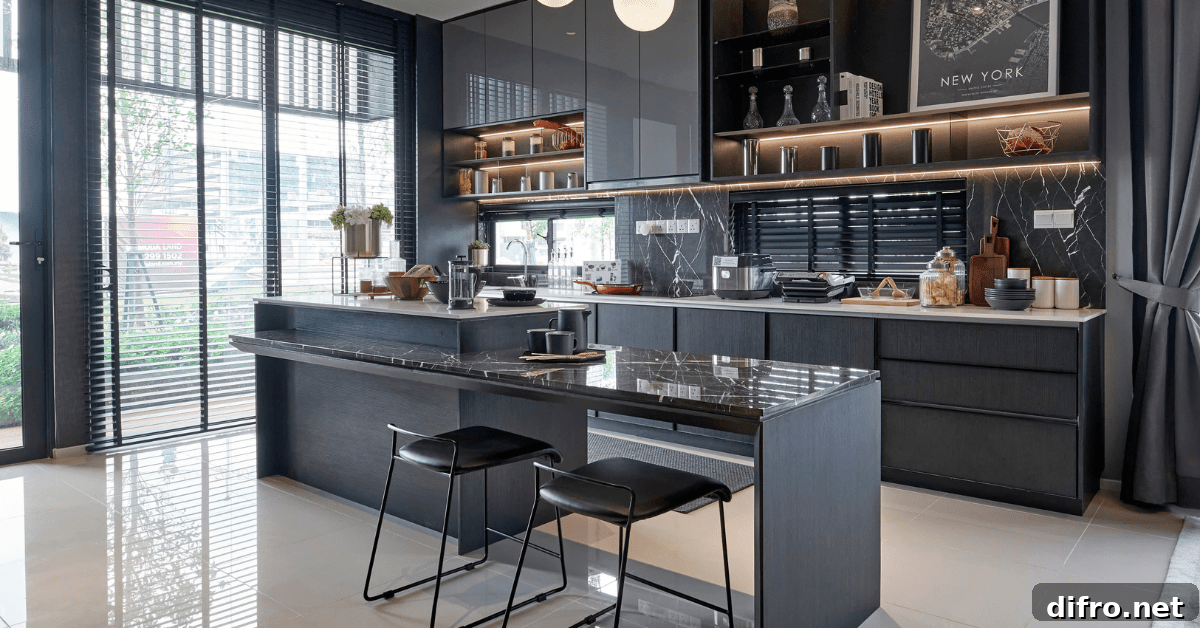
Kitchens must balance efficiency with aesthetics. Thoughtful negative space makes them more usable and visually calm:
- Keep counter zones clear for prep—store small appliances when not in use.
- An island with an overhang creates open area underneath and improves flow.
- Glass-front cabinets or selective open shelving break up solid cabinetry blocks and introduce lightness.
- A restrained backsplash or limited decorative elements can prevent visual overload.
- Leave some wall space free instead of covering every surface with hooks or art.
Strategic openness helps a kitchen feel clean, organized, and welcoming.
Bathroom Design with Negative Space in Mind
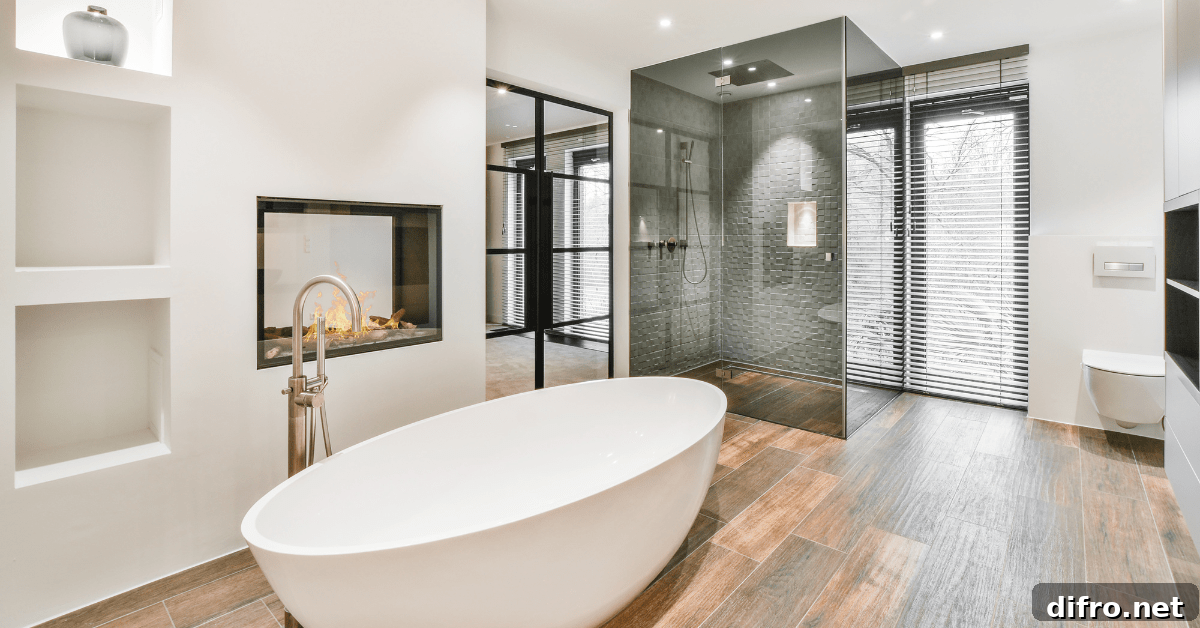
Even compact bathrooms can feel larger by applying negative space principles:
- Install a floating vanity to reveal floor space and lighten the visual weight.
- Choose a frameless glass shower to maintain uninterrupted sightlines.
- Leave expanses of wall or a simple tile field rather than busy patterns everywhere.
- If layout allows, position fixtures so there is open space around them.
- Use a large mirror to reflect light and create a sense of depth.
These choices make a bathroom feel more open and spa-like without changing square footage.
Utilizing Negative Space in the Dining Room
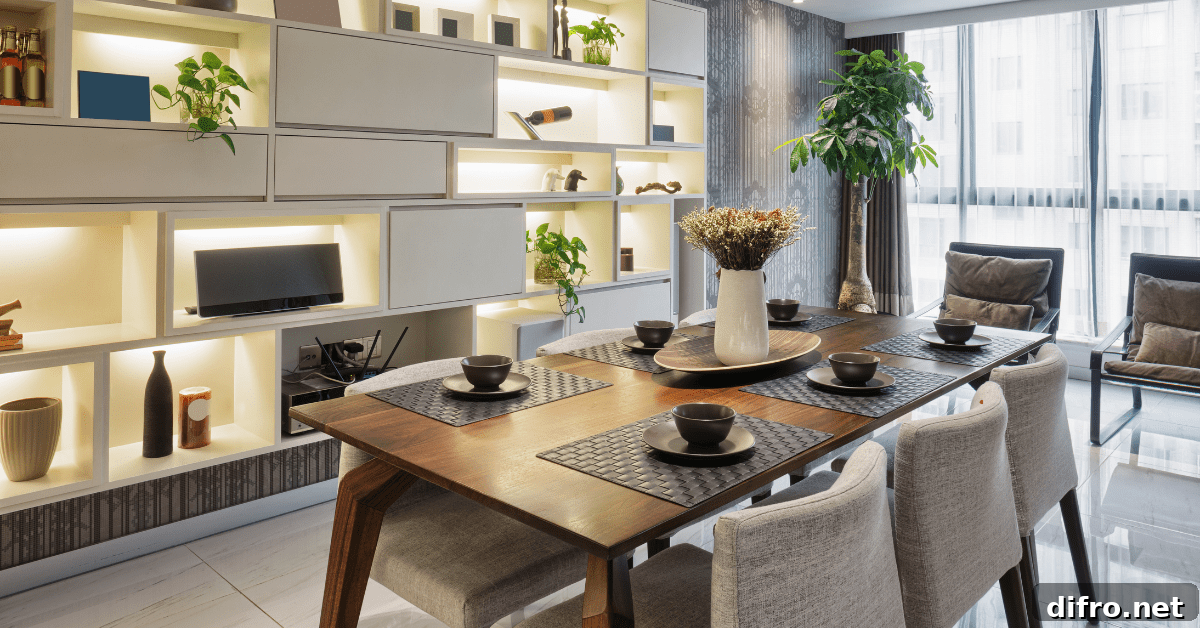
Dining spaces should invite lingering conversations; negative space supports that by avoiding cramped settings:
- Choose a table that leaves at least about three feet of clearance around all sides for comfortable movement.
- Select a rug that extends beyond the chairs to define the area but show a border of flooring.
- Keep sideboards and consoles relatively clear to prevent visual clutter.
- Create a single focal piece on the wall and provide generous empty wall space around it.
- Consider armless chairs to reduce visual bulk and open sightlines.
The result is an inviting room that feels spacious and purposeful.
Negative Space in Home Offices and Workspaces
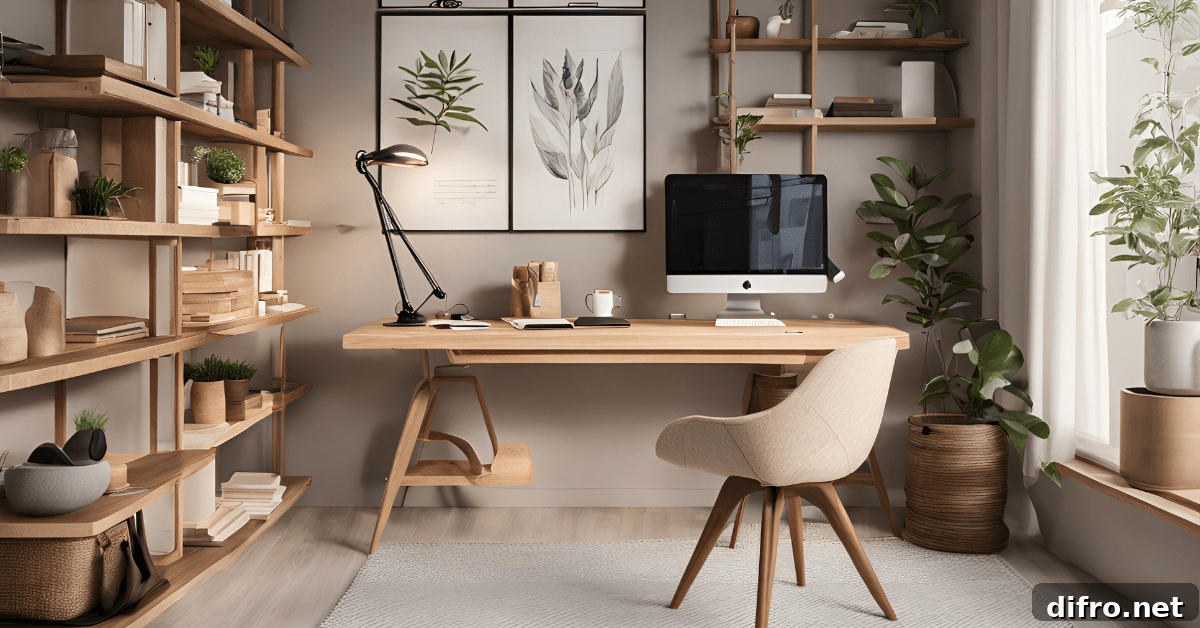
A tidy workspace supports focus. Apply negative space to encourage productivity:
- Keep the desk surface clear for active tasks and only display essential tools.
- Use shelving with deliberate gaps between objects for a curated, calming look.
- Position the desk to face a view or a plain wall that minimizes distraction.
- Choose a streamlined chair to reduce visual clutter in the room.
- Add a plant or two to bring life without overwhelming the space.
A balanced office layout reduces visual noise and helps sustain concentration.
Outdoor Spaces and Negative Space
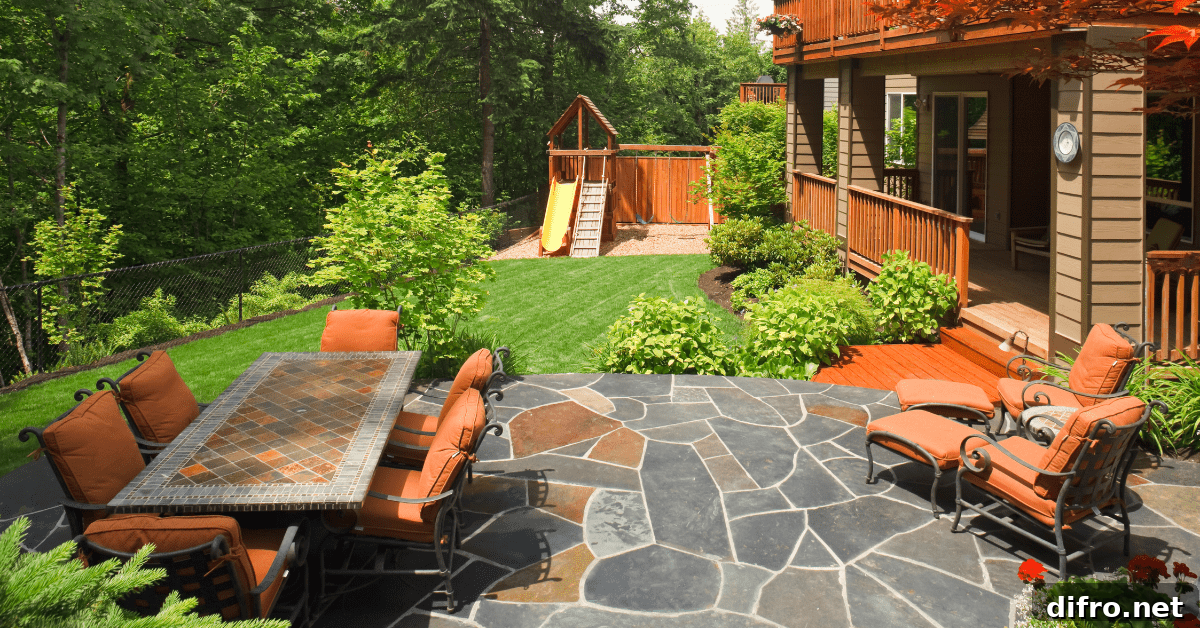
Negative space is just as important outside. Whether designing a patio, deck, or garden room, consider these points:
- Leave pathways clear so seating zones feel separate but connected.
- Use planters and greenery to frame areas rather than filling every corner.
- An open pergola or overhead structure can introduce airy negative space above a seating area.
- If you add an outdoor rug, leave visible decking or paving around the edges to define the area.
- Resist filling every surface with pots and ornaments—intentional gaps enhance the overall composition.
Well-considered outdoor negative space makes exterior rooms feel more relaxing and usable.
Related Article: Home Stagers’ Secret Tips to Transform Any Room!
Negative space is not empty or wasted—it’s an essential component of good design. By intentionally leaving room to breathe, you can create interiors that look organized, feel comfortable, and function better every day. Start small: clear a countertop, float a sofa, or leave more wall space around your favorite artwork. Over time, those pauses will transform the rhythm and clarity of your home.