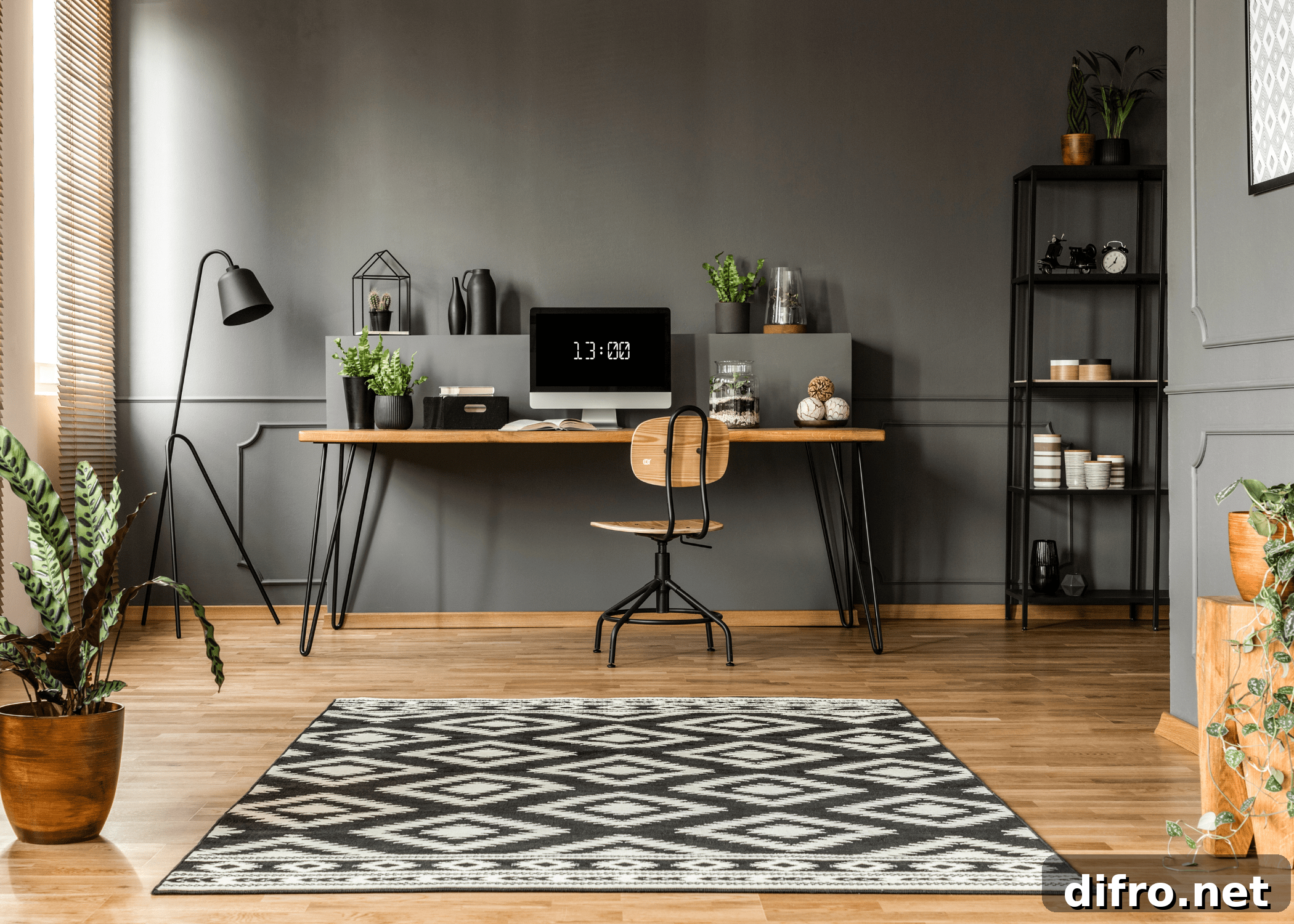
Creating a comfortable, inviting home is something many of us aim for. A well-designed living space provides rest, calm, and a sense of sanctuary from the outside world. While adding cozy touches helps, it’s equally important to recognize and remove the elements that work against comfort. Certain items and habits can make a home feel cluttered, noisy, or stressful. Eliminating them clears the way for a calmer, more restorative environment.
This article highlights five things you rarely find in truly comfortable homes. Removing these common culprits will help you refine your space—whether you prefer clean modern minimalism or a warm, layered traditional look. Each section explains why the item undermines comfort and offers practical, realistic alternatives to improve your home’s atmosphere.
Clutter and Unnecessary Items
Clutter is a major barrier to comfort. A home that feels comfortable is usually tidy and intentional: every object has a purpose or brings joy. Visual overload from excess items can make it hard to relax, focus, or even breathe easily. Removing clutter reduces daily stress and makes rooms feel more open and welcoming.
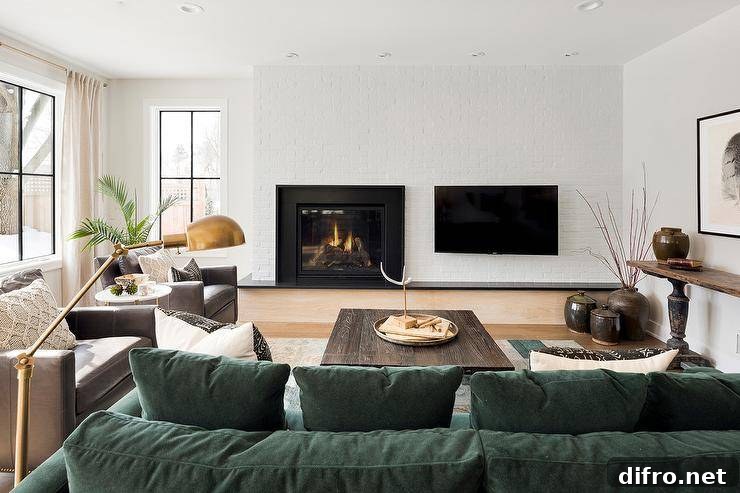
To keep clutter at bay, schedule regular decluttering sessions and be honest about what you use and love. Adopt a quality-over-quantity mindset: favor fewer, better objects that serve multiple purposes. Use effective storage—closed cabinets, baskets, and decorative boxes—to keep everyday items out of sight. Clear surfaces and well-organized storage both improve the visual flow and make the home more relaxing.
Outdated or Worn-Out Furniture
Comfortable homes avoid tired, sagging furniture. Old couches, unstable tables, and worn chairs not only look neglected; they physically reduce comfort. Investing in well-made, supportive pieces makes a noticeable difference in how a room feels and functions.
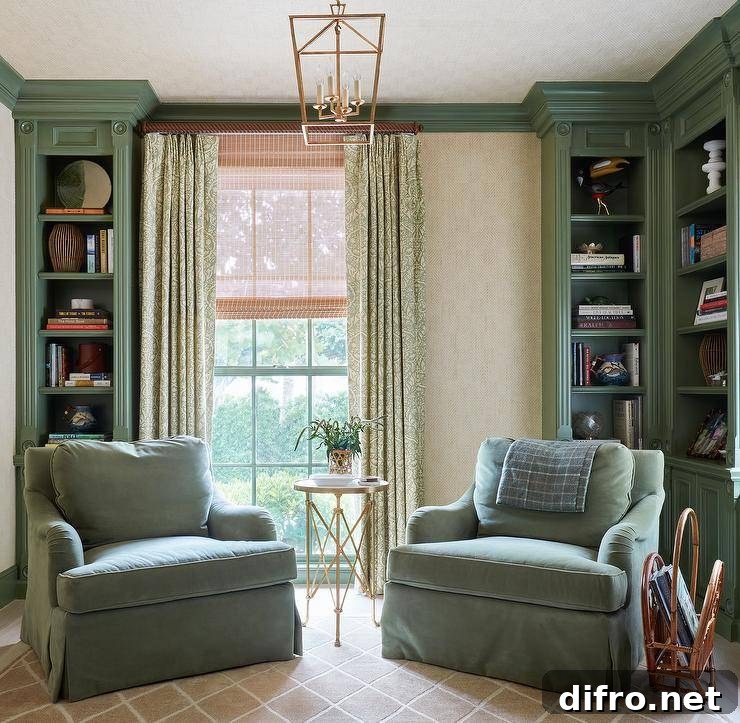
Routine maintenance—cleaning upholstery, tightening joints, and refreshing finishes—helps furniture last longer and keeps rooms feeling cared-for. When buying new pieces, prioritize comfort, scale, and timeless design so items remain useful as tastes change. Comfortable homes reflect attention to detail, and furniture is one of the most noticeable details.
Harsh Lighting
Lighting sets the mood. Overly bright, cold lights can make a home feel clinical rather than cozy. Comfortable homes favor layered lighting: a mix of ambient, task, and accent light sources that can be adjusted for different activities. Lamps, sconces, and dimmer switches offer flexibility and help create an inviting glow.

Natural light is also prized: large windows, light-filtering curtains, and strategically placed mirrors increase daylight and make rooms feel brighter and more open. Thoughtful lighting choices heighten comfort and enhance the overall ambiance of a home.
Excessive Technology
Technology supports modern living, but too many screens and devices in shared spaces can undermine relaxation. Comfortable homes find a healthy balance: they accommodate necessary tech while minimizing its dominance in living areas. Designating specific zones—like a home office or dedicated media room—helps keep communal spaces oriented toward conversation and leisure.
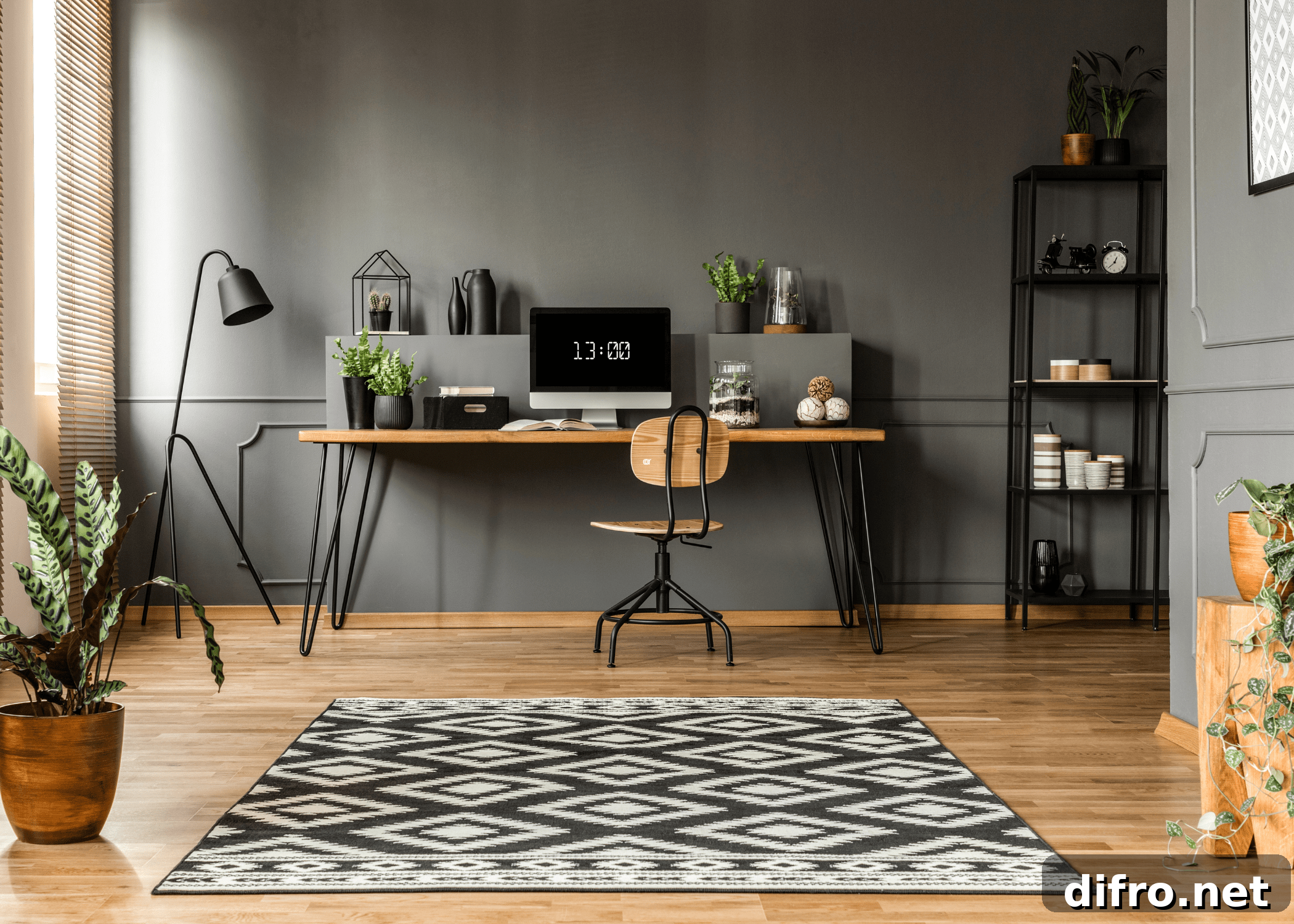
In shared rooms, prioritize activities that encourage connection—reading, board games, or listening to music. Limiting visible technology makes the environment calmer and supports more meaningful downtime with family and friends.
Overpowering Scents
Strong, artificial fragrances can be intrusive and even cause discomfort. Comfortable homes favor gentle, natural scents that enhance the atmosphere without overwhelming it. Subtle options include fresh flowers, lightly scented natural candles, or a few drops of essential oil in a diffuser. Good ventilation and occasional airing out also help maintain a fresh, pleasant indoor environment.
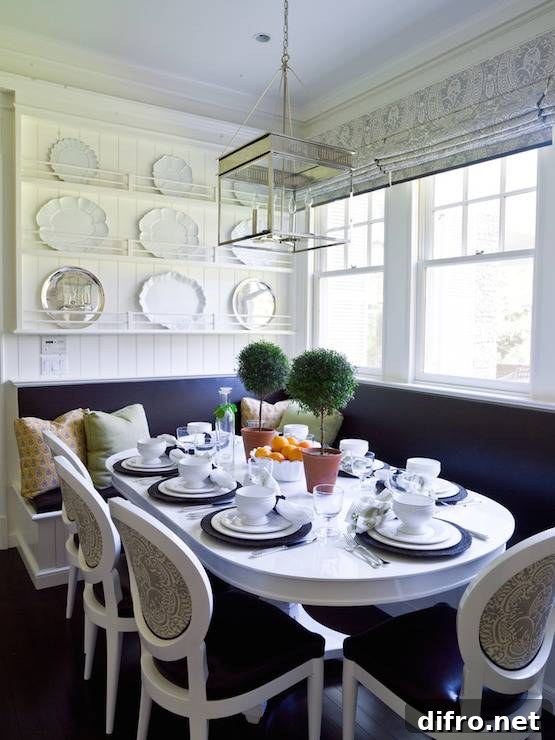
Choose mild, natural aromas and ensure good air circulation. The goal is a home that smells clean and inviting without calling attention to itself—this subtlety is part of what makes a space truly comfortable.
Related Topics
- Cozy sunroom ideas to maximize small spaces
- Modern farmhouse decor that blends timeless elegance and cozy charm
- Cafécore style ideas for a warm, inviting home
Creating a comfortable home is as much about removing distractions as it is about adding cozy details. By eliminating clutter, worn-out furniture, harsh lighting, excessive technology, and overpowering scents, you open up space for calm, connection, and restful living. Small adjustments in organization, lighting, and object selection can dramatically improve how your home looks and feels, helping it become the comfortable haven you want it to be.