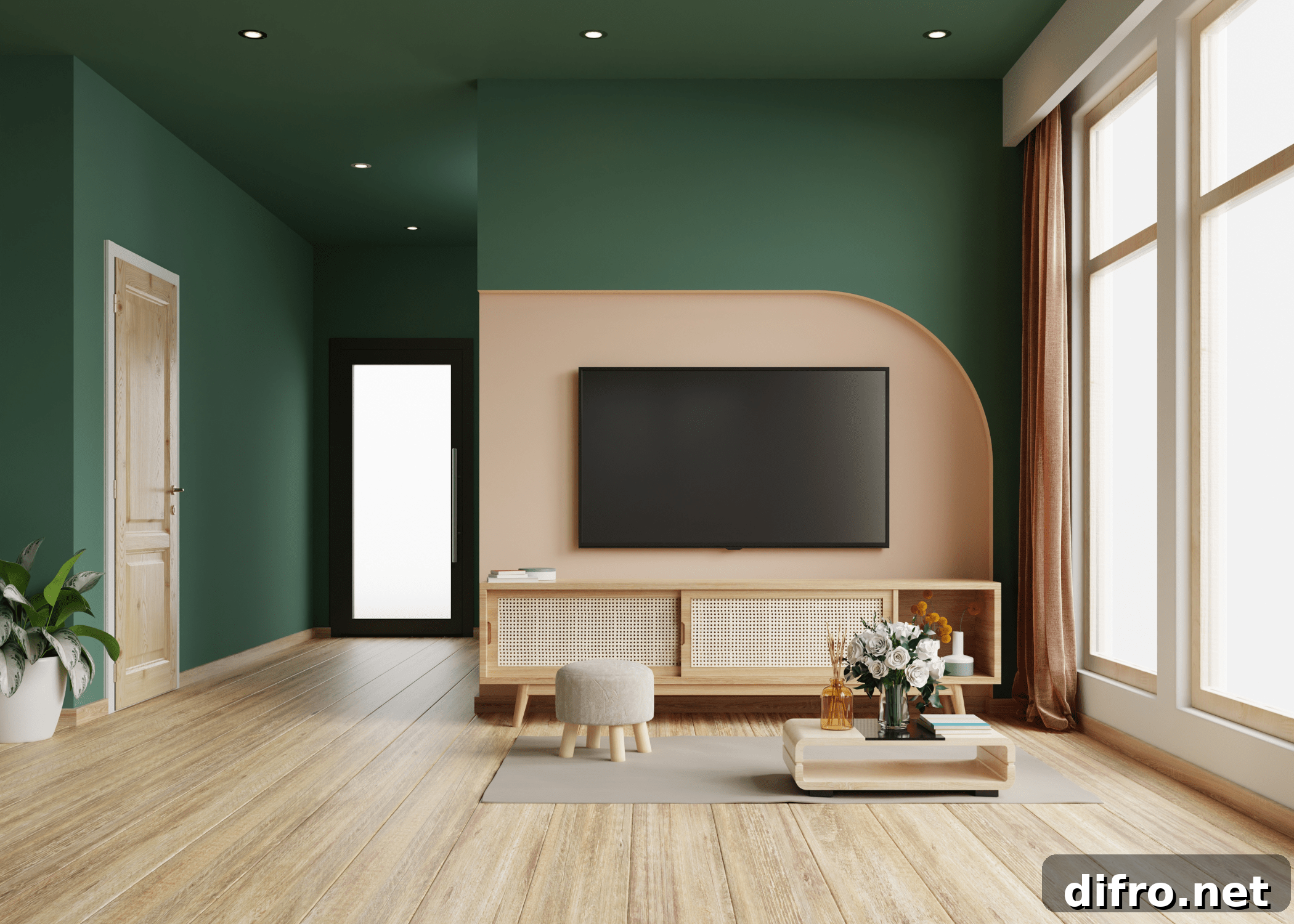
Refreshing the paint in your home is one of the simplest ways to change a room’s look and feel. The right interior paint color can lift the mood, make a space feel larger or cozier, and create a versatile backdrop for your furniture and decor. With so many options available, choosing a color can feel overwhelming. Certain hues, however, remain popular because they suit many styles and stand the test of time.
This guide highlights nine of the best interior paint colors to consider for your home. Ranging from bright neutrals to deep, dramatic shades, these colors work well across living rooms, bedrooms, kitchens, and home offices. Use them as primary wall colors, accent walls, or to create contrast with trim and furnishings.
1. Classic White
Classic white is a top choice for a reason: it makes rooms feel clean, open, and bright. White walls reflect natural light, visually expand smaller spaces, and create a neutral canvas that complements any design style—from minimalist to eclectic. Whether you choose a warm white with soft yellow undertones or a cool white with blue hints, this color pairs easily with colorful accents, textured rugs, and bold artwork, allowing you to update decor without repainting.
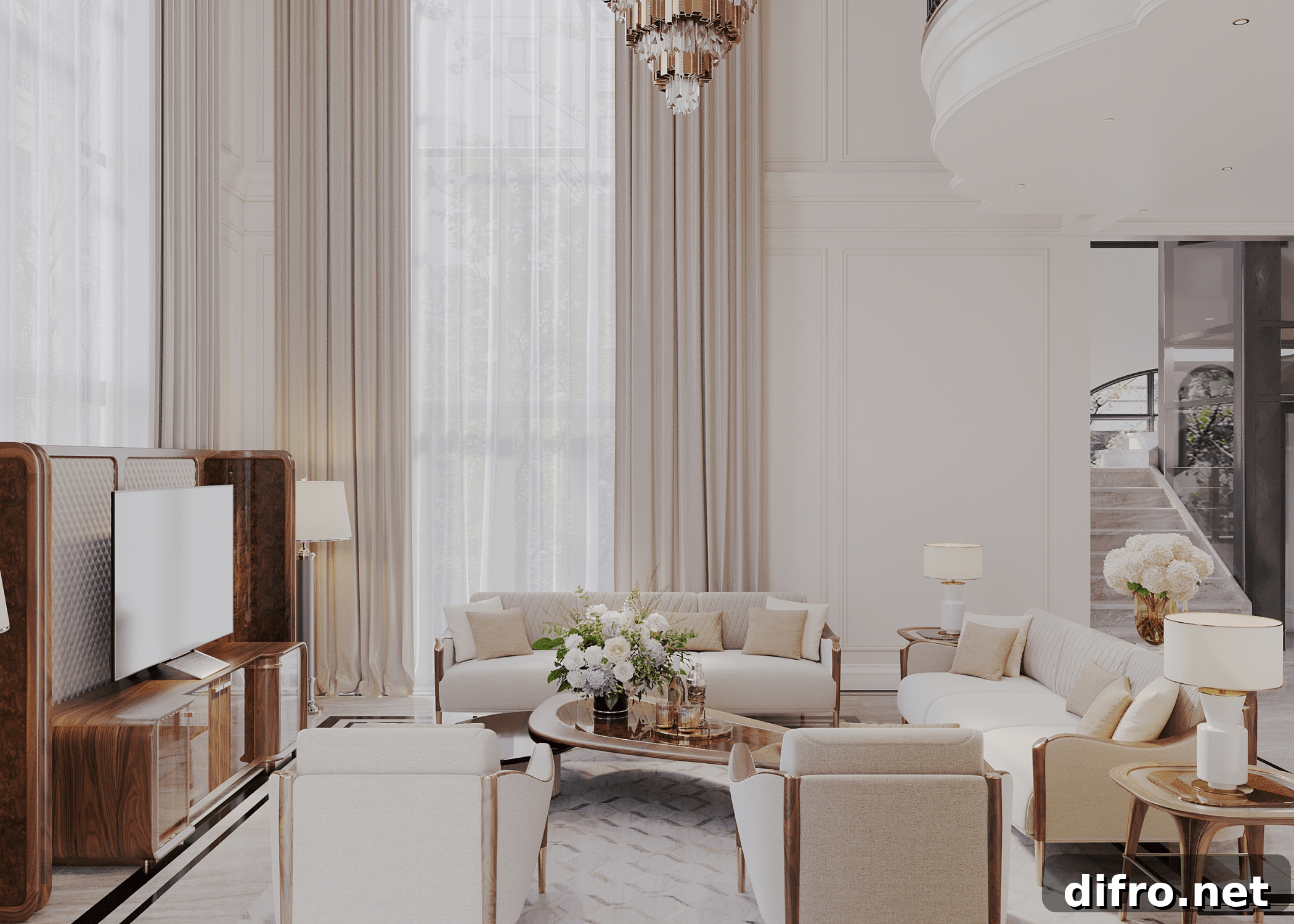
Classic white works particularly well in living rooms, kitchens, and bathrooms where brightness and a fresh look are priorities.
2. Soft Gray
Soft gray is a sophisticated neutral that provides a calm, elegant backdrop for both contemporary and traditional interiors. This color is ideal for bedrooms and living areas where a soothing atmosphere is desirable. Soft gray complements other neutrals and pairs beautifully with stronger accent tones like navy, mustard, or deep green. It also harmonizes with a variety of materials—metal, glass, and wood—making it a flexible choice for an integrated home palette.
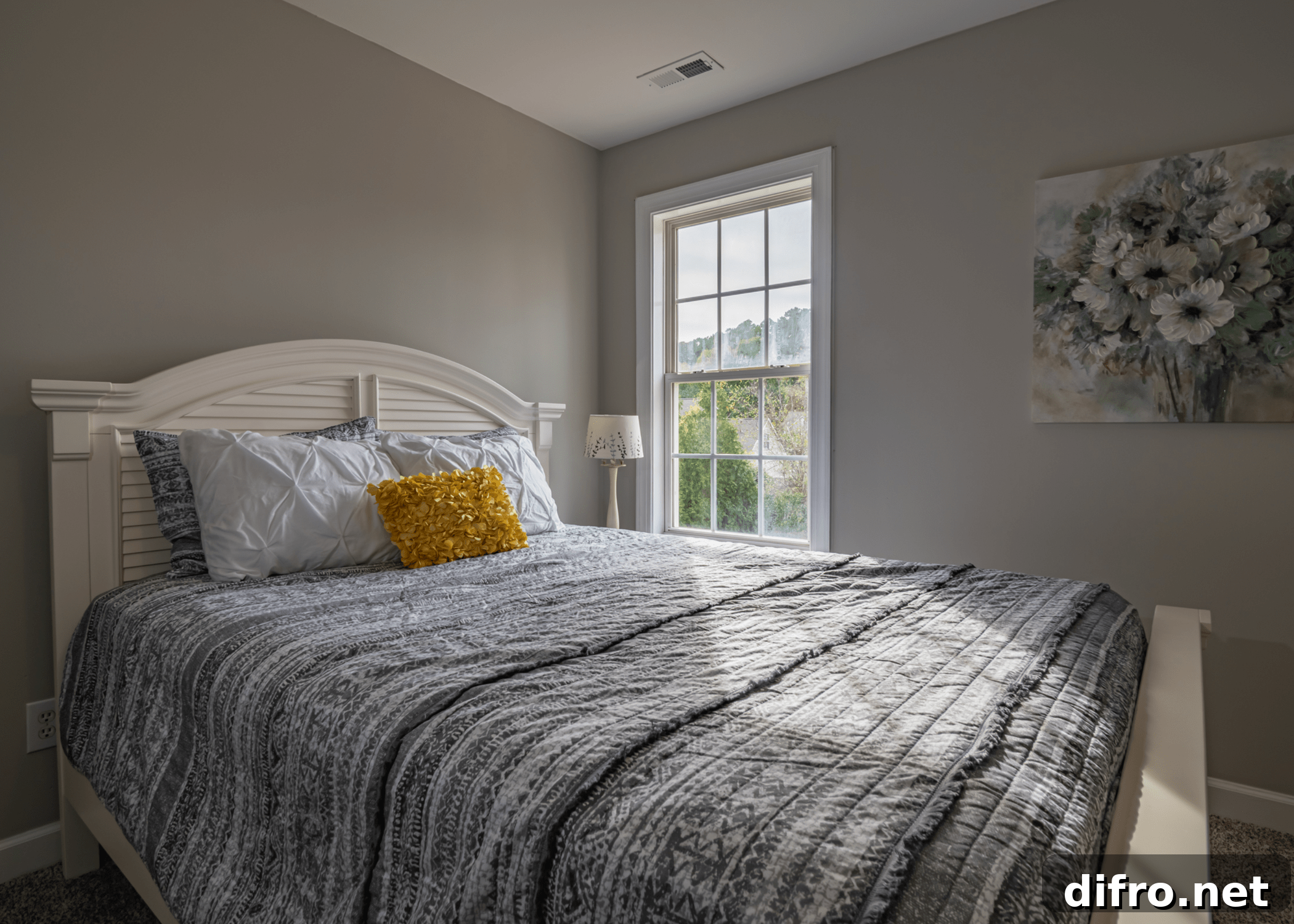
If white feels too stark, soft gray is a refined alternative that maintains brightness while adding subtle depth.
3. Navy Blue
Navy blue brings depth and richness to a room without feeling faddish. Use it in dining rooms, bedrooms, or home offices to add drama and character. Navy works exceptionally well with white trim for crisp contrast and with metallic accents like gold or silver for a touch of luxury. Despite its intensity, navy can act as a neutral backdrop that allows furniture, textiles, and artwork to pop.
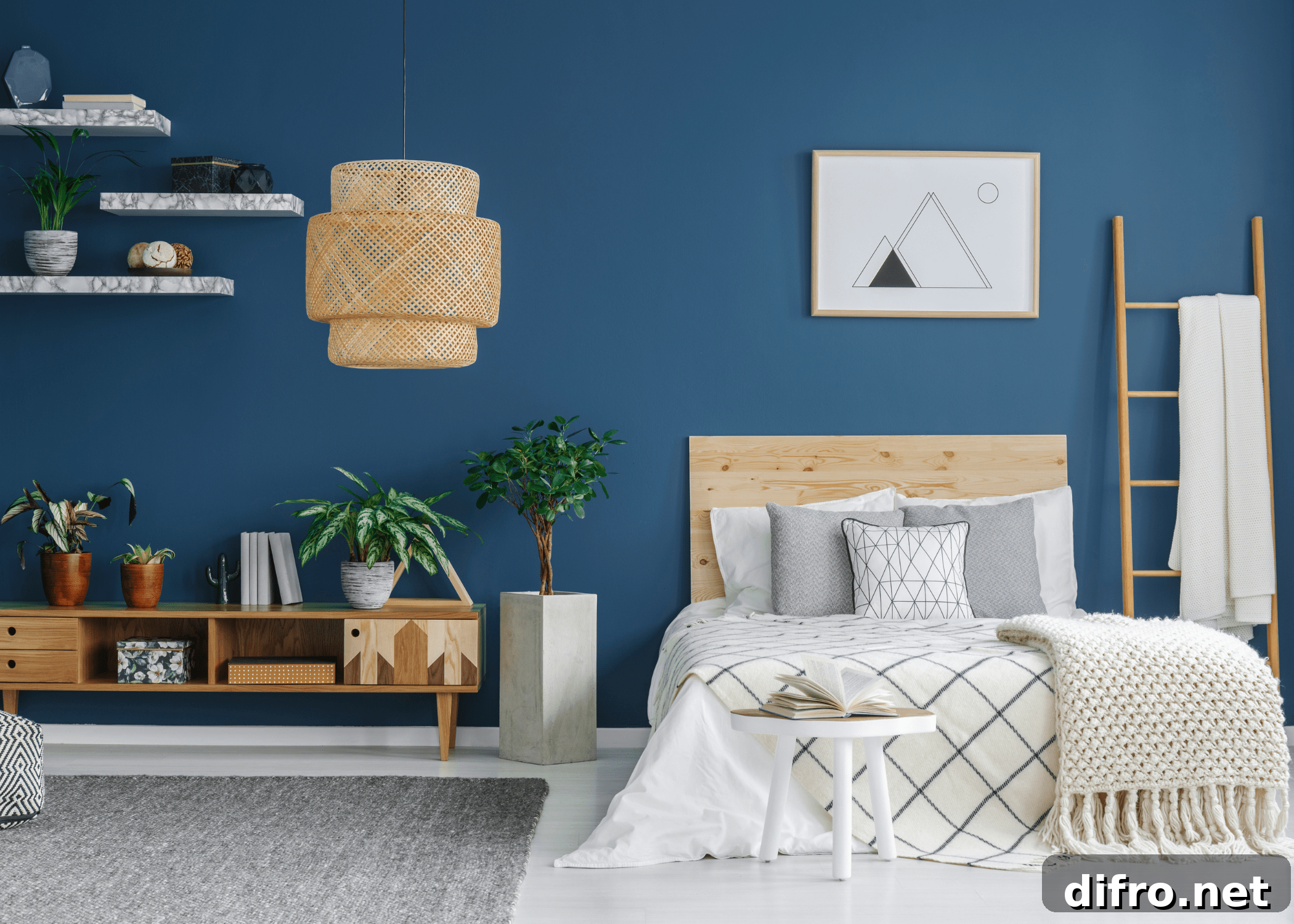
Pair navy with warm lighting and soft fabrics to create an intimate and sophisticated atmosphere.
4. Warm Beige
Warm beige offers a cozy, welcoming tone that works well across many rooms. Its subtle brown and yellow undertones create a soft, soothing backdrop that enhances natural wood tones and textured materials. Warm beige is versatile: use it as a main wall color or as an understated complement to bolder hues. It’s particularly effective in living rooms, bedrooms, and hallways where a comforting, lived-in feeling is desired.
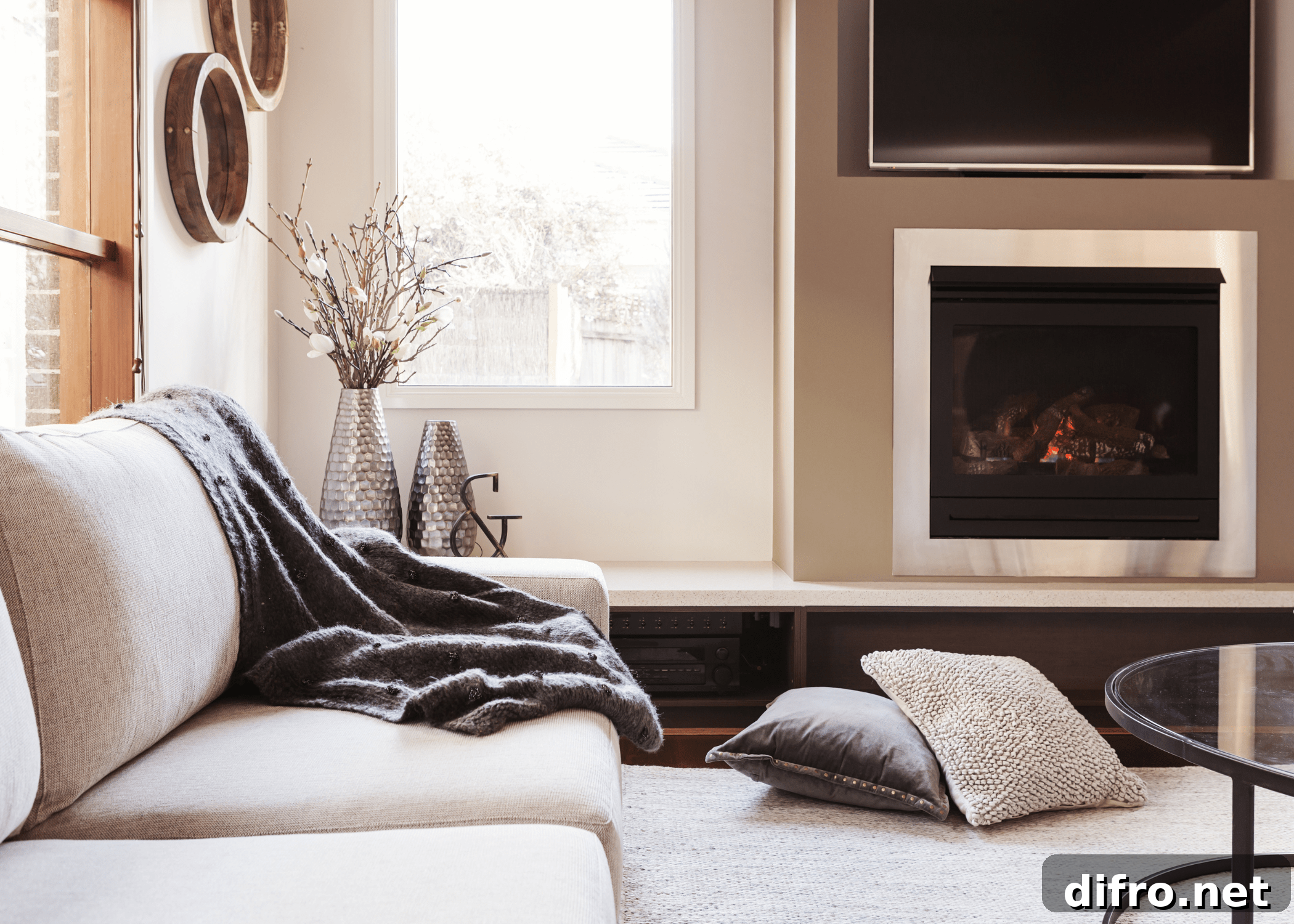
Warm beige pairs beautifully with plants, woven textures, and both light and dark wood finishes.
5. Sage Green
Sage green is a tranquil, nature-inspired hue that brings calm and balance to interiors. It’s an excellent choice for bedrooms, bathrooms, and quiet corners where relaxation is the goal. Sage green pairs naturally with wood tones, white trim, and soft pastels, and it complements botanical decor and organic materials. When combined with ample natural light, sage creates a fresh, airy ambiance that feels connected to the outdoors.
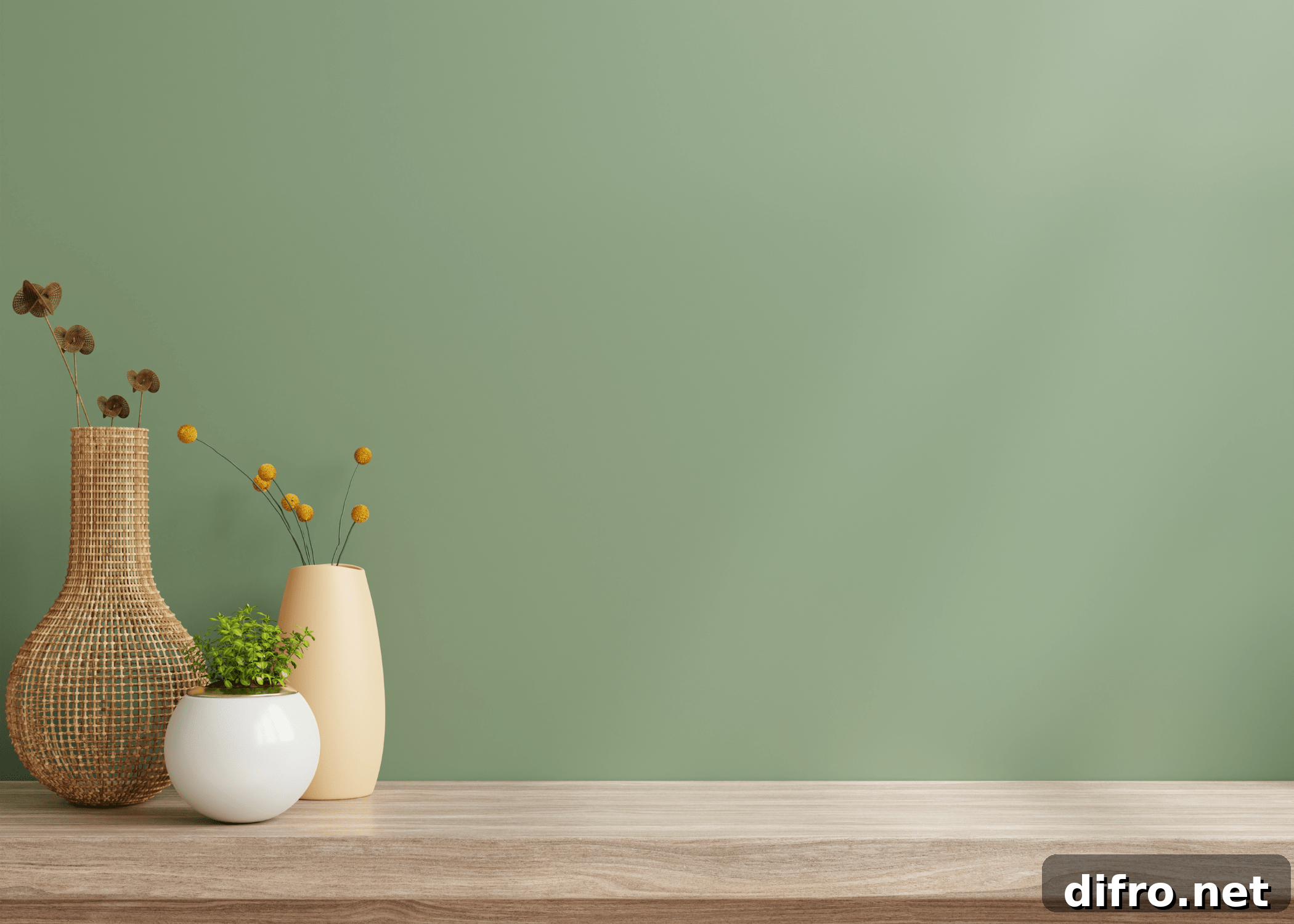
This understated green is perfect for anyone seeking a soothing, restorative palette.
6. Charcoal Gray
Charcoal gray delivers drama and sophistication while remaining surprisingly adaptable. Use it for accent walls, dining areas, or home offices to create a modern, refined look. Charcoal pairs well with bright whites and jewel tones, and it complements metallic details like brass and chrome. When balanced with warm lighting and plush textiles, charcoal can feel cozy rather than cold.
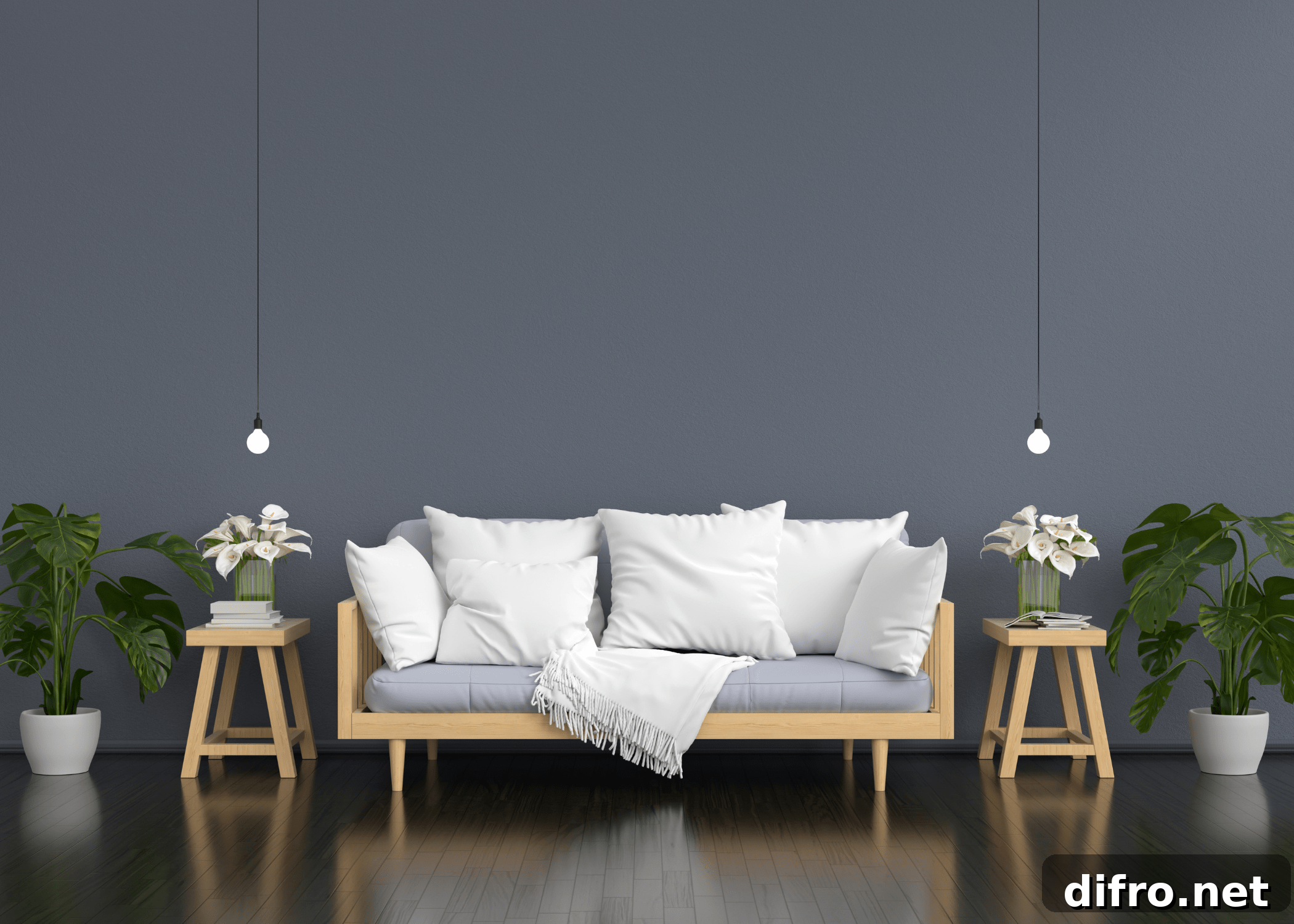
Choose charcoal for a bold, contemporary statement that still reads elegant and welcoming.
7. Blush Pink
Blush pink is soft, romantic, and unexpectedly versatile. Ideal for bedrooms, nurseries, and cozy living spaces, this gentle hue brings warmth without overwhelming the room. Blush pairs nicely with neutral tones and metallic finishes such as gold or rose gold, creating an elegant, modern look. It also complements floral patterns and soft textiles, lending a light, airy feel when combined with natural light.
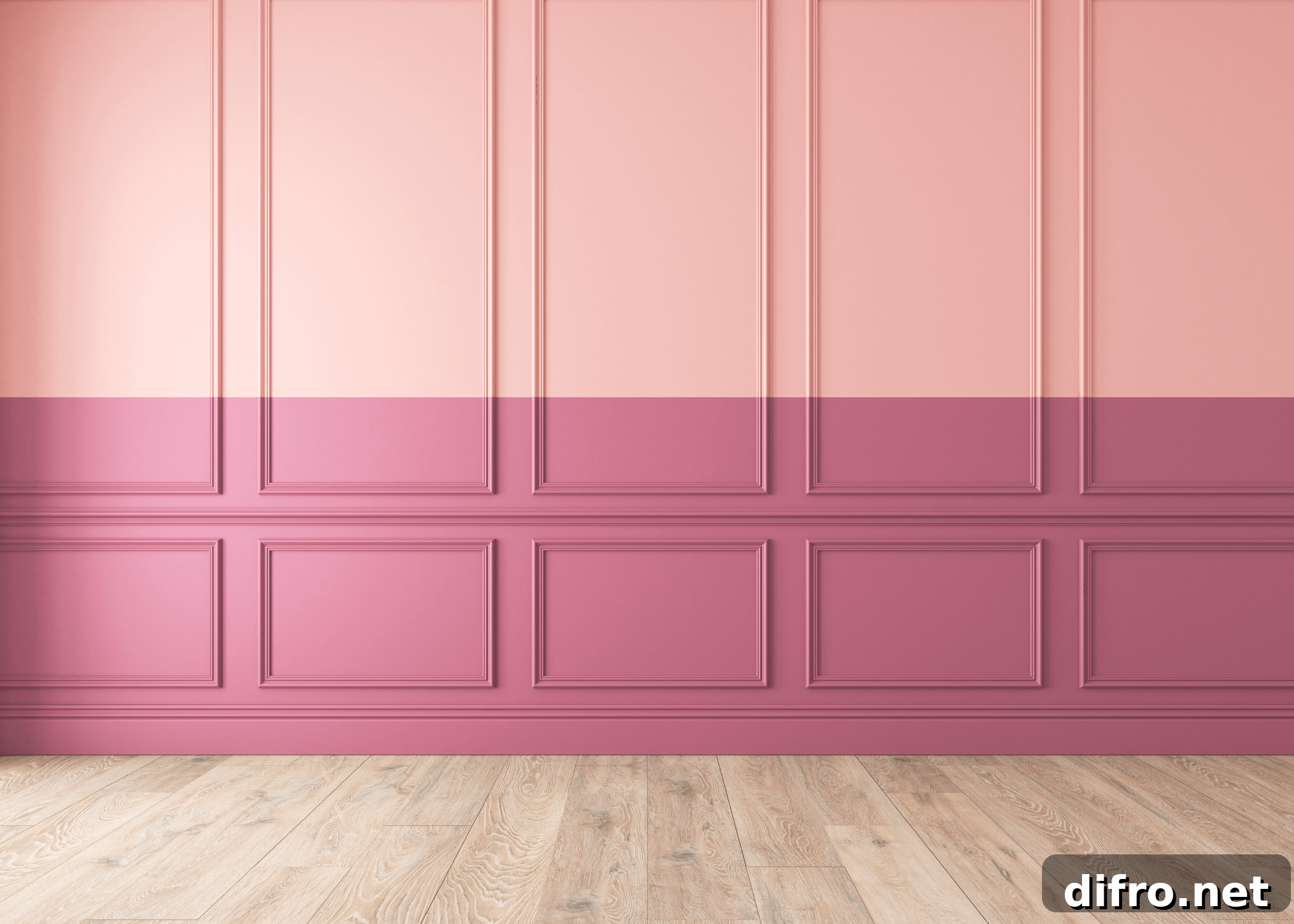
This color is a great choice when you want a subtle feminine touch without going full-on pastels.
8. Deep Green
Deep green brings a luxurious, grounded feel to interiors. Use it in living rooms, dining spaces, or studies to create a dramatic, elegant atmosphere. Deep green pairs exceptionally well with gold accents, dark wood, and rich fabrics like velvet. It also enhances botanical decor and natural textures, making spaces feel intimate and refined.
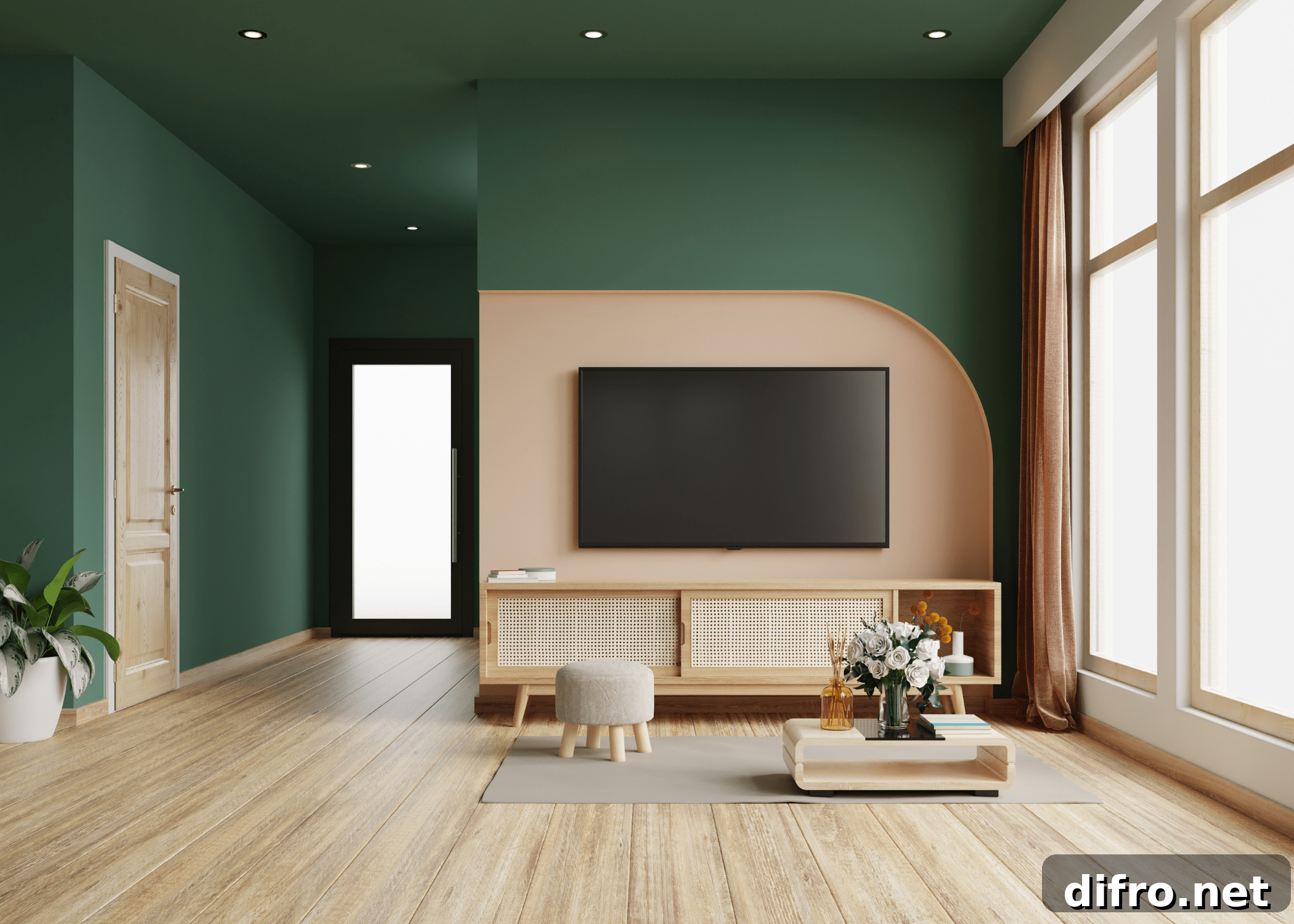
Choose deep green for rooms where you want a bold, stylish statement that still feels warm and approachable.
9. Light Blue
Light blue creates a peaceful, refreshing environment perfect for bedrooms, bathrooms, and relaxing living areas. This airy color pairs well with white, gray, and natural wood tones and complements coastal or nautical decor schemes. Light blue reflects light and can make rooms feel larger and more open, contributing to a calm, restorative atmosphere.
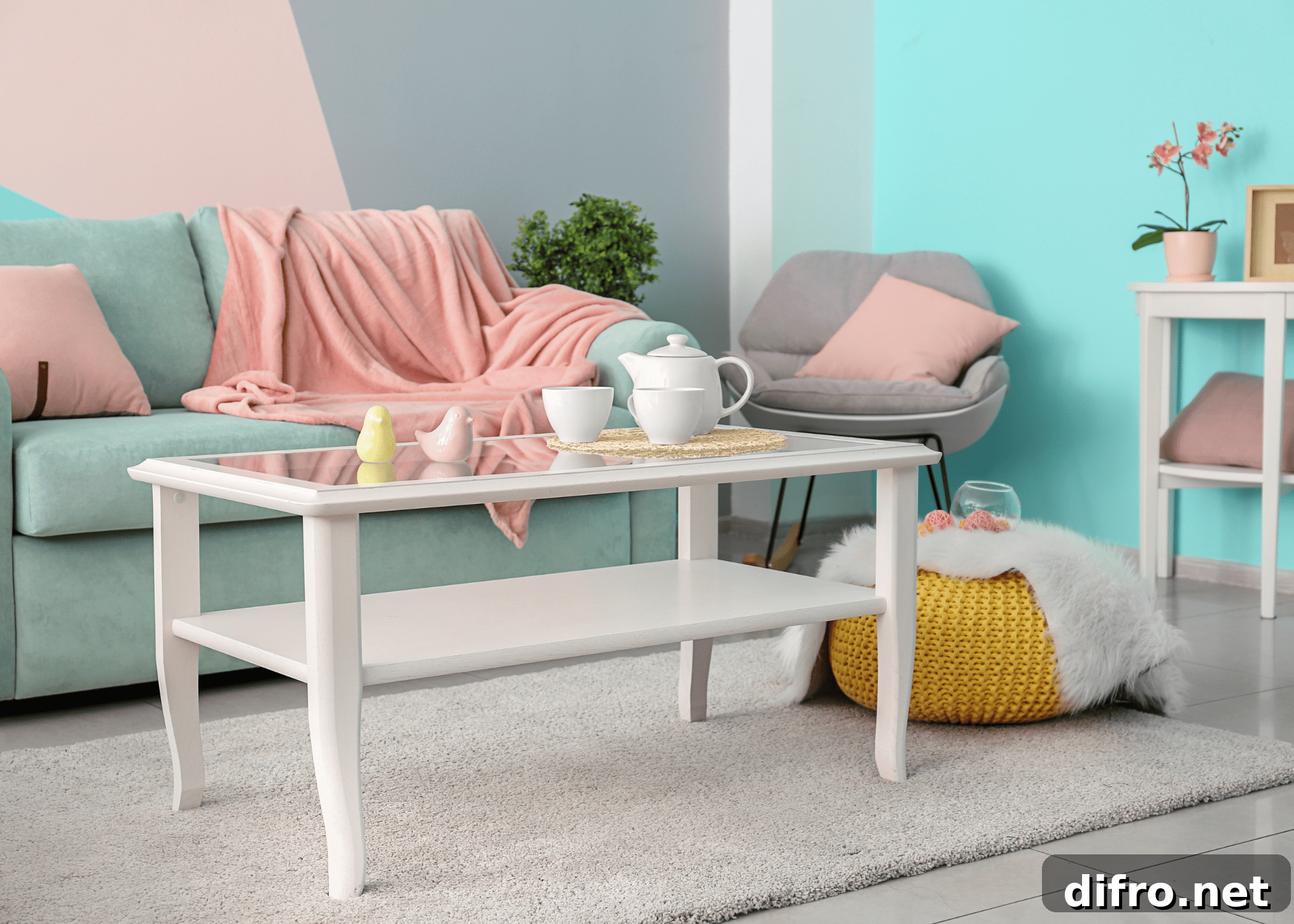
Consider light blue when you want a soothing backdrop that enhances natural light and promotes relaxation.
Final Tips for Choosing Paint Colors
When selecting an interior paint color, consider the room’s lighting, the size of the space, and the mood you want to create. Test samples on different walls and observe them at various times of day. Coordinate your chosen color with trim, flooring, and major furniture pieces to ensure a cohesive look. Whether you prefer timeless neutrals or bold, dramatic tones, these nine colors offer reliable starting points that suit a wide range of homes and styles.