
Welcome to the meeting point of history and contemporary living, where the enduring elegance of Colonial-style houses is updated to meet modern needs. Modernizing a Colonial-style house requires careful choices: how do you add modern amenities, energy efficiency, and comfort without erasing the architectural character that makes these homes special? This guide offers practical, tasteful strategies for upgrading interiors, preserving original features, and blending modern and period-style furnishings so your home feels both current and authentic.
Navigating the Modernization Dilemma
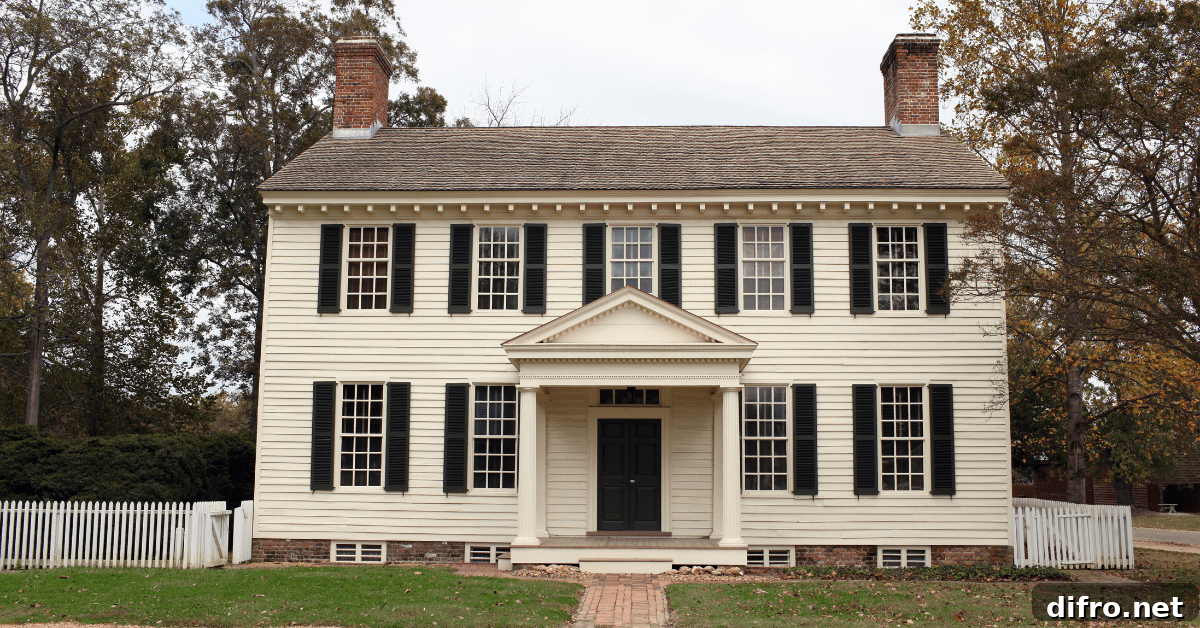
Deciding to modernize a Colonial-style house is more than an aesthetic update; it is a deliberate choice to preserve a home’s identity while improving livability. Keeping the Colonial charm during renovation honors craftsmanship and history, supports neighborhood cohesion, and can increase property value. Thoughtful modernization balances these priorities with modern conveniences so the house retains its timeless appeal.
- Respect historical identity: Symmetry, central chimneys, and classical columns define Colonial architecture. Preserve these signature elements to keep the home’s character intact.
- Blend old and new for long-term appeal: Modern upgrades should complement—not compete with—original features so the house remains attractive across design trends.
- Enhance property value: Well-executed modernization that preserves historic details can make the property more desirable to buyers looking for authenticity plus comfort.
- Support sustainability: Restoring durable original materials reduces waste and extends the life of the building fabric.
Thoughtful Interior Upgrades
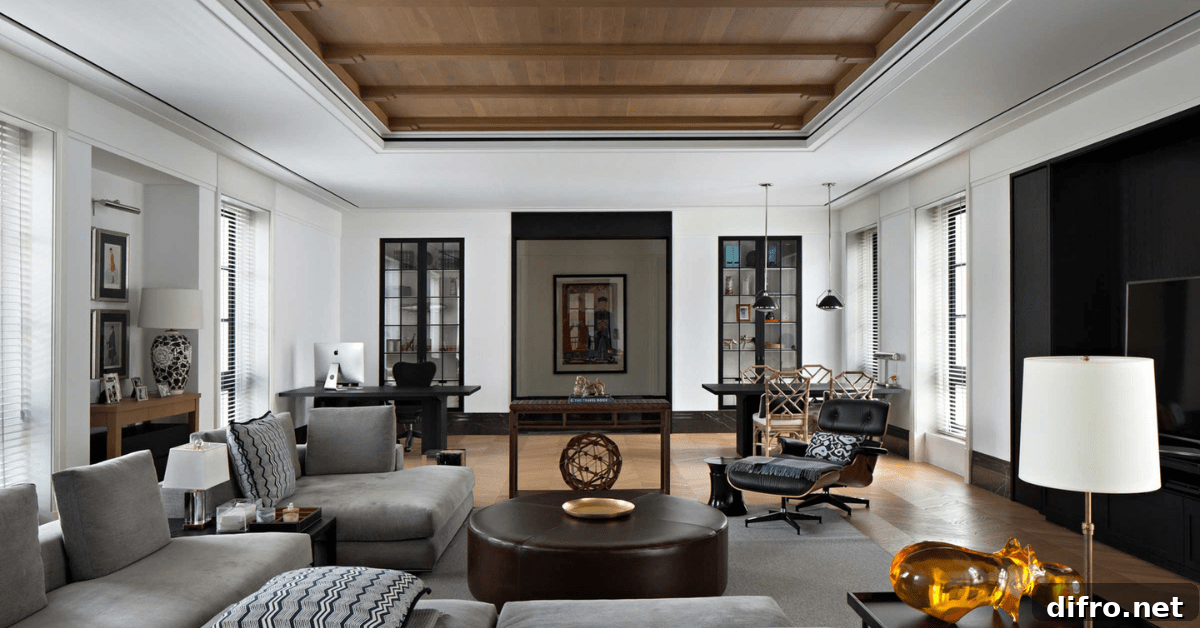
Interior modernization should preserve defining architectural details while introducing practical improvements for daily life. Focus on reversible or minimally invasive changes where possible so future owners can retain the original fabric.
- Preserve architectural details: Retain crown molding, wainscoting, built-in cabinetry, and exposed woodwork. When necessary, restore rather than replace.
- Use a neutral palette: Soft whites, warm beiges, and muted grays provide a historically appropriate backdrop that highlights architectural features and accommodates a range of furnishings.
- Flooring: Refinish original hardwood floors to maintain warmth and continuity. Add area rugs for comfort and layered texture.
- Lighting: Choose period-appropriate fixtures—chandeliers, wall sconces, and lamps with brass or wrought-iron finishes—while integrating modern LED technology for efficiency.
- Concealed modern systems: Install smart thermostats, updated electrical and HVAC systems, and discreet wiring solutions to add convenience without visual disruption.
- Functional cabinetry and storage: Add built-ins and concealed storage that follow existing architectural lines to increase usability while minimizing visual change.
- Fireplace care: Update fireplace surrounds or hearth materials sensitively, preserving original mantels and proportions where possible.
Preserving Original Features

Safeguarding original features is central to any Colonial renovation. Prioritize research, documentation, and repair techniques that respect historic materials and craftsmanship.
- Research first: Understand the home’s era, original finishes, and character-defining elements before making changes.
- Use period-appropriate materials: When replacing siding, trim, or shutters, choose materials that match the original in appearance and performance.
- Restore woodwork: Engage skilled craftsmen to repair moldings, banisters, and mantels, preserving carved details and patina where feasible.
- Window conservation: Repair original windows and shutters rather than replacing them. Add storm windows or weather-stripping for better energy performance while keeping the original frames.
- Document changes: Keep records and photographs of original conditions and restoration work to preserve the home’s history and aid future conservation.
Harmonizing Modern and Period-Style Furnishings
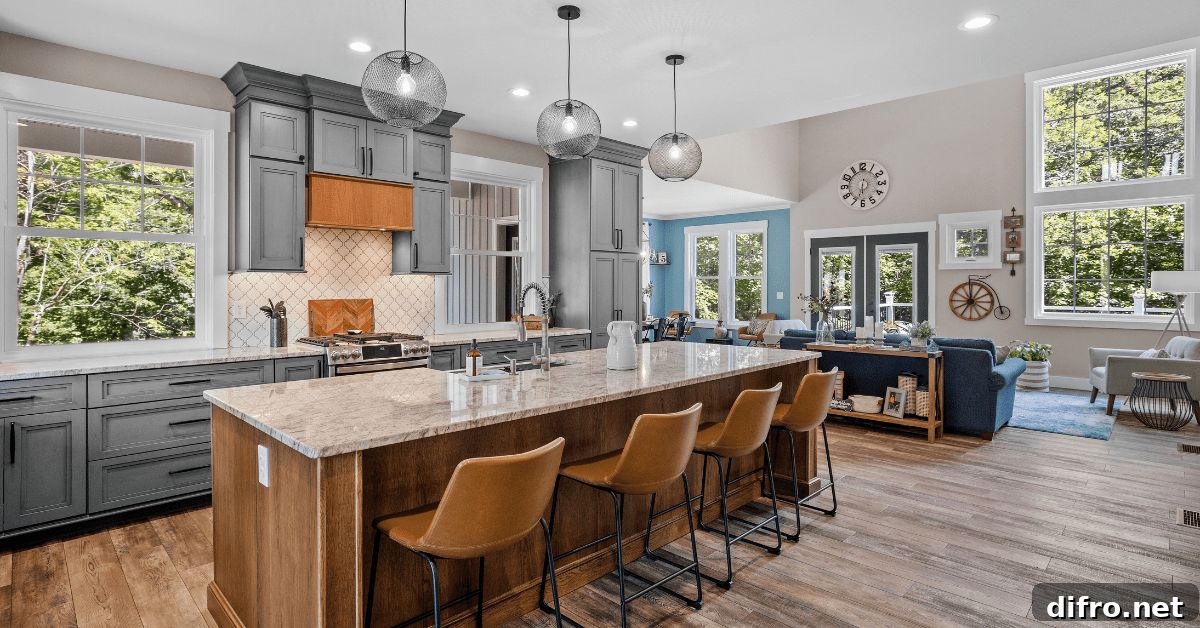
Successfully combining modern furnishings with period pieces creates a layered, authentic interior. Aim for balance so contemporary elements enhance historic character rather than overwhelm it.
- Define the equilibrium: Decide how contemporary you want rooms to feel—lean traditional with modern accents, or create a stronger contrast with bold modern art and neutral period furniture.
- Anchor spaces with classic pieces: Select a few timeless furniture items—Queen Anne or Sheraton-inspired forms—to anchor rooms while adding modern seating or tables for function.
- Reupholster thoughtfully: Update vintage frames with contemporary fabrics to make antique furniture feel fresh and usable.
- Mix materials: Combine warm woods with glass, metal, or stone to create contrast and visual interest without losing cohesion.
- Neutral backdrop: Use neutral wall and trim colors to allow both antique and modern items to coexist harmoniously.
- Custom built-ins: Design modern built-ins that reflect traditional proportions and moldings so they integrate naturally into the architecture.
Modernizing a Colonial-style house is a respectful, creative process. By preserving defining architectural details, choosing sympathetic materials, and thoughtfully mixing period and contemporary furnishings, you can create a home that honors its past while meeting present-day needs. Careful planning and attention to historic character result in a home that feels cohesive, comfortable, and enduring.