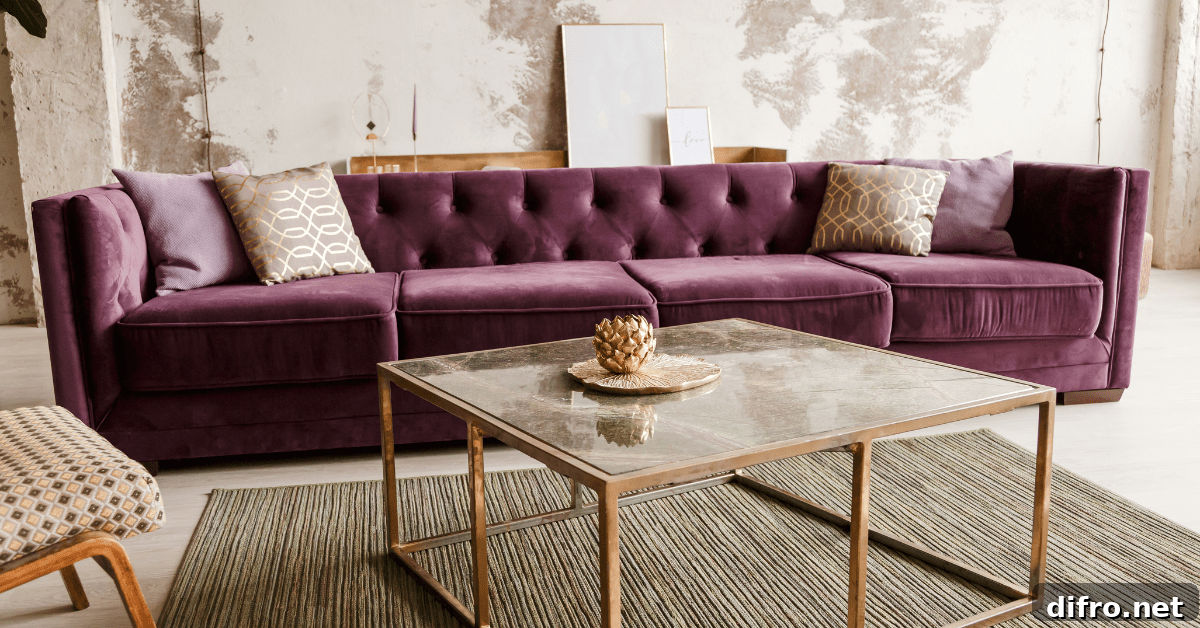
When planning interior design, the colors you choose define the mood, flow, and perceived quality of a room. Purple is a richly expressive hue that ranges from delicate lavender to deep eggplant, and knowing the best colors that go with purple helps you create balanced, striking, or soothing interiors. Below are practical, easy-to-follow pairings and design tips to help you incorporate purple successfully throughout your home.
The Versatility of Purple in Interior Design
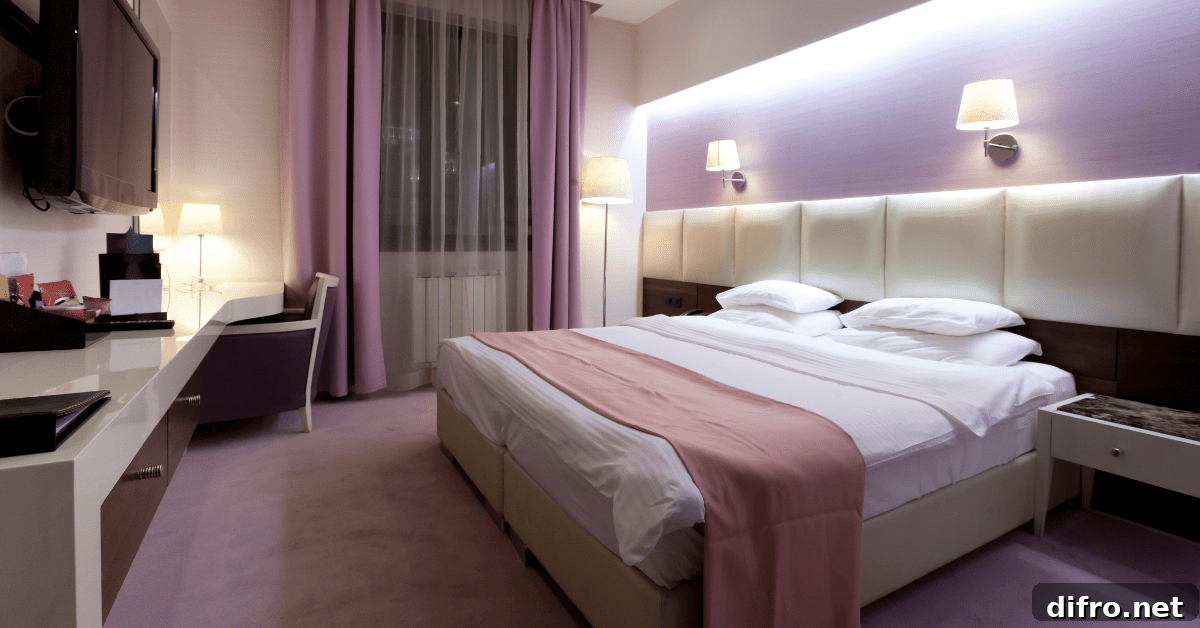
Purple exists across a broad spectrum, which makes it adaptable to many styles—from contemporary and minimalist to classic and eclectic. Lighter purples, like lavender and lilac, convey calm and softness, making them ideal for bedrooms, nurseries, and bathrooms. Deeper purples—plum, aubergine, and eggplant—bring a sense of luxury and intimacy, suited to living rooms, dining rooms, and reading nooks. Choosing the right shade is the first step; the next is selecting colors that support and enhance your chosen purple.
Finding Harmony with Neutral Tones for a Balanced Look
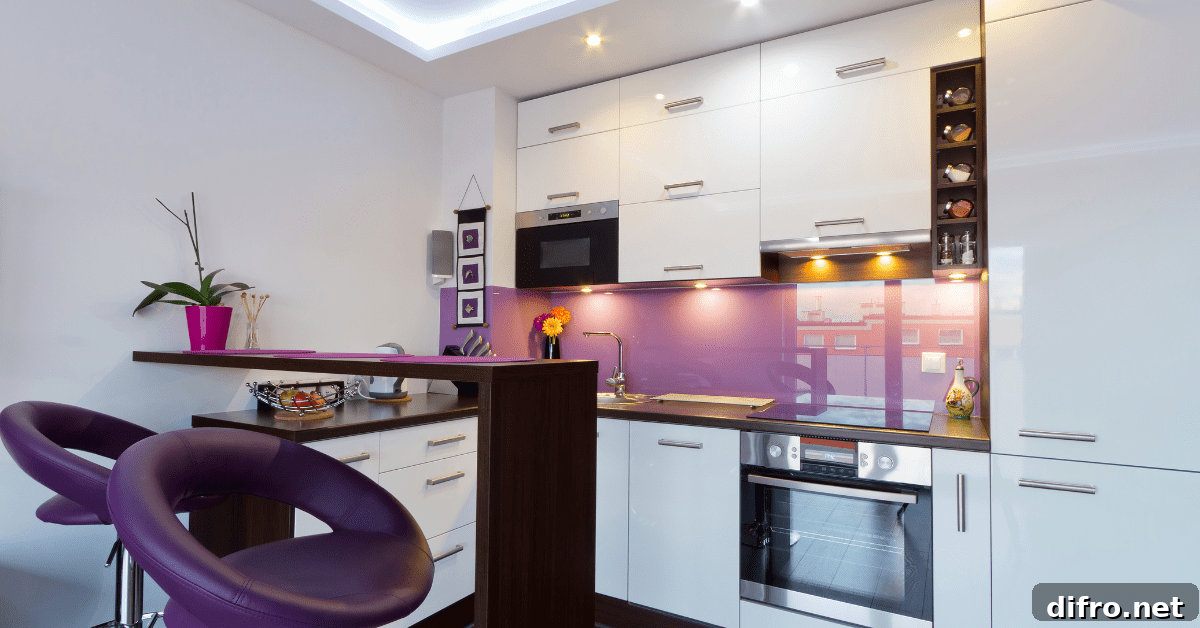
Neutral tones—white, warm or cool grays, beige, and soft taupe—pair effortlessly with purple and help it read as intentional rather than overpowering. Use neutrals as the primary backdrop (walls, ceilings, large furniture pieces) and reserve purple for accents like textiles, artwork, or a single feature wall. For example, lavender walls with crisp white trim feel fresh and airy; plum sofas with dove-gray throws create a cozy, refined lounge. Neutrals also provide contrast and breathing room, letting purple act as the focal point without overwhelming the senses.
Creating Vibrant and Energetic Spaces with Complementary Colors
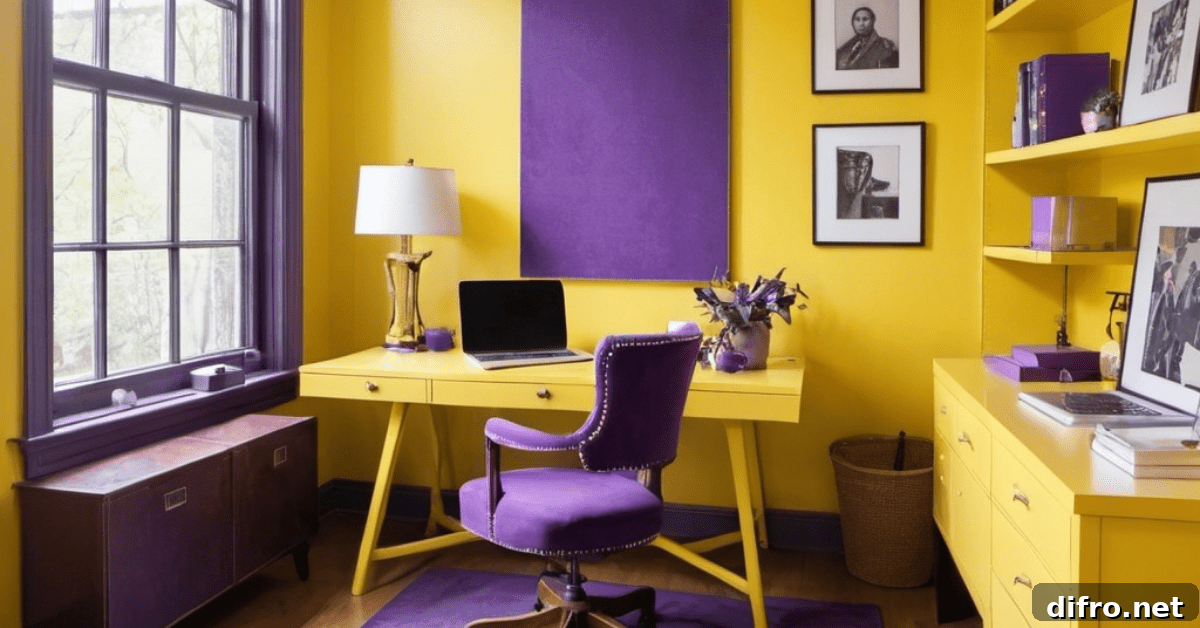
If your goal is vibrancy, pair purple with its complementary colors—shades from the yellow to gold range. This strong contrast creates visual energy and highlights purple’s richness. Use yellow or mustard accents in small doses: a lamp, throw pillows, or an accent chair. Introduce metallic gold or brass elements to amplify warmth and luxury without adding visual clutter. Complementary pairings work particularly well in dining rooms, home offices, or creative spaces where energy and focus are desired.
Using Purple and Blue for a Cool and Calming Atmosphere
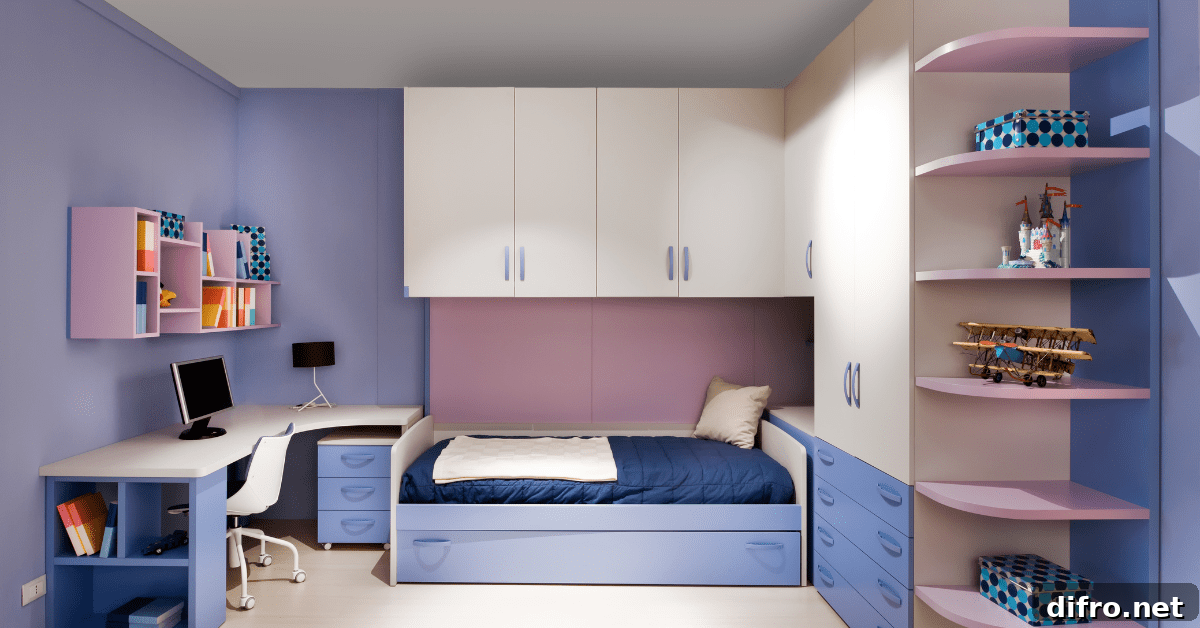
Purple and blue are near neighbors on the color spectrum, which makes them naturally harmonious. Pairing soft lavenders with pale blues creates a tranquil, spa-like setting—excellent for bedrooms and bathrooms. For a more intimate feeling, choose richer shades of both colors: deep indigo with eggplant accents provides depth and warmth while remaining cool-toned. Layer fabrics and finishes—velvet cushions, linen curtains, matte paint—to add tactile interest while preserving the calm atmosphere.
Pairing Purple with Green for a Fresh and Natural Vibe
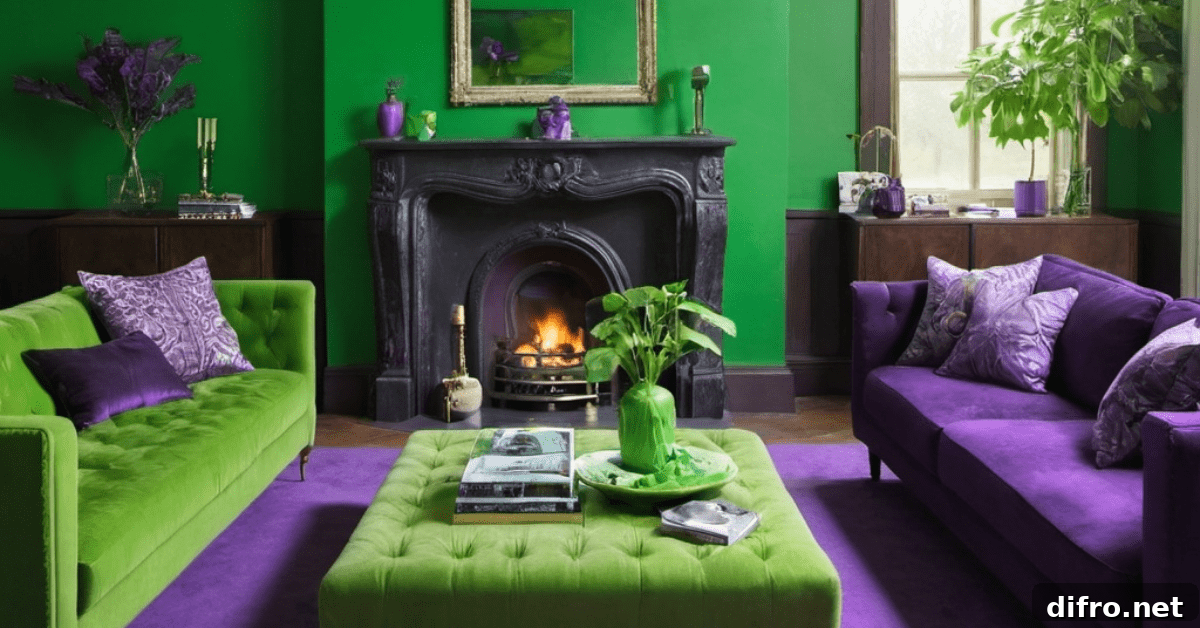
Green and purple together evoke botanical richness—think blossoming gardens and verdant landscapes. Softer purples combined with muted greens create a gentle, inviting palette for living spaces and kitchens. For a bolder approach, pair emerald or forest green with deep plum for a dramatic, sophisticated interior—well suited to dining rooms or libraries. Incorporate plants and natural textures to reinforce the organic connection between these hues and keep the palette feeling grounded.
Exploring Monochromatic Schemes for a Sophisticated Look
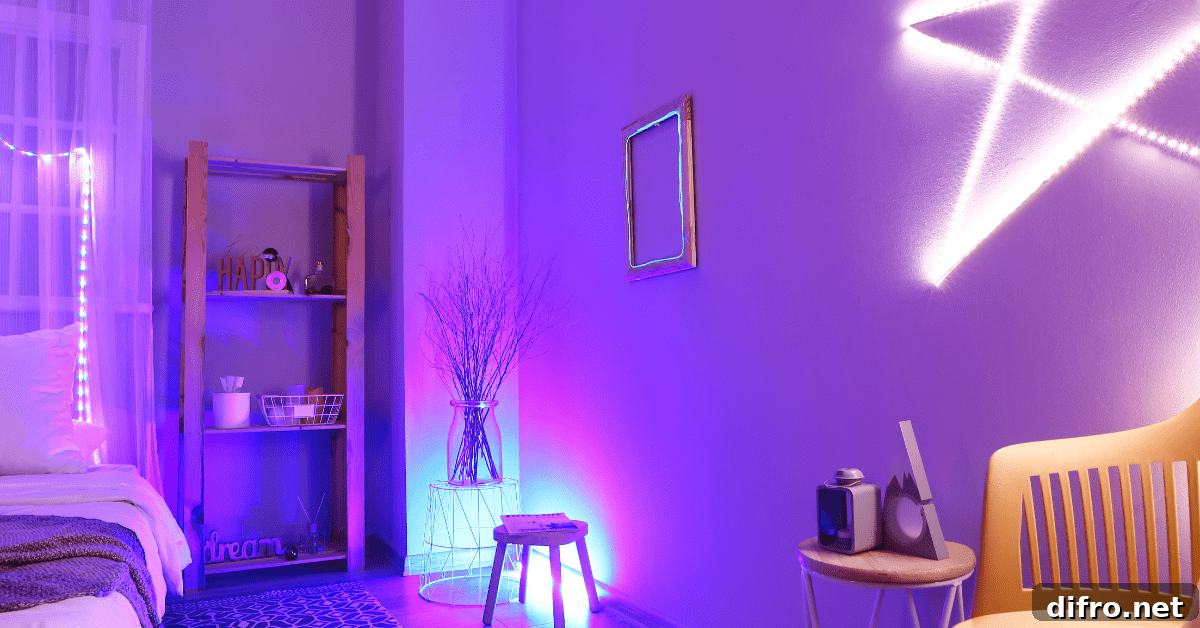
A monochromatic purple scheme uses multiple tints and shades of the same hue for a cohesive, sophisticated result. Mixing light lavenders, mid-tone violets, and deep plums within one room allows you to play with texture and pattern—rugs, drapery, upholstery, and accent pillows—without introducing competing colors. This approach is elegant and visually unified, and it’s especially effective in spaces where you want subtlety and depth rather than high contrast.
Incorporating Metallics to Enhance the Luxurious Appeal of Purple
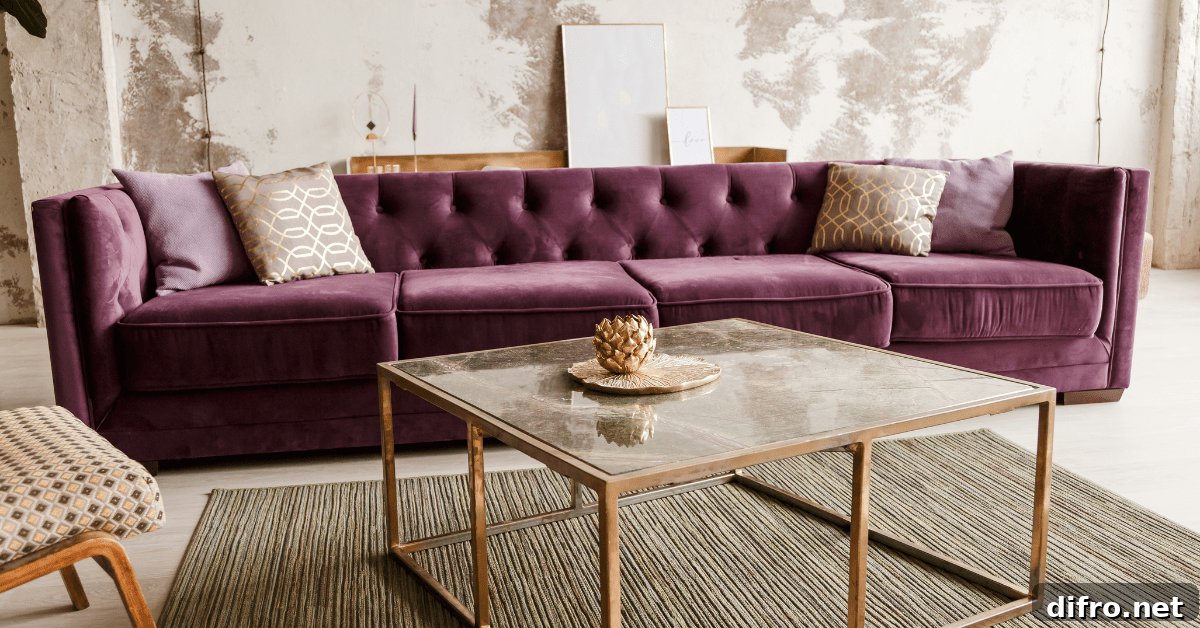
Metallic finishes amplify purple’s sense of luxury. Silver and chrome complement cool purples for a sleek, contemporary feel, while gold, brass, and bronze warm up richer purples and lend a more traditional or opulent tone. Use metallics in lighting fixtures, picture frames, hardware, and small decor objects to add shine and contrast. A few well-placed metallic accents will elevate the overall composition without competing with the color palette.
Related Reading
- 5 Types of Colors That Make Your House Look Expensive
- What Color is Indigo? A Deep Dive into This Versatile Hue
- 9 Most Trendy Ranch Style House Exterior Paint Colors
Using colors that go with purple gives you a versatile foundation for any interior style. Whether you choose neutrals for balance, complementary colors for energy, or metallics for glamour, thoughtful pairings—combined with texture, lighting, and scale—will help you design spaces that feel cohesive and intentional. Experiment with swatches and samples in the room’s natural light, and let the purple tone guide decisions about contrast, warmth, and mood.
Ready to refresh your home? Subscribe to a design newsletter or follow trusted interior design sources for seasonal tips, color guides, and styling ideas to bring your vision to life.