Have you ever watched a home renovation show and thought, “That looks easy—I can do it”? Renovations can be exciting and, when done well, can increase your home’s comfort and resale value. But not every upgrade is a smart investment. Some projects are costly to install and maintain, appeal only to a narrow group of buyers, or even reduce a property’s marketability. Before you start swinging a sledgehammer or signing a contract, it helps to know which renovations tend to deliver poor returns.
This guide highlights eight common renovations that often underperform financially or limit a home’s appeal. For each, you’ll find why it can be risky and practical alternatives that enhance livability and value without wasting money. Use these tips to prioritize improvements that bring the best balance of enjoyment today and resale potential tomorrow.
1. High-End Kitchen Upgrades
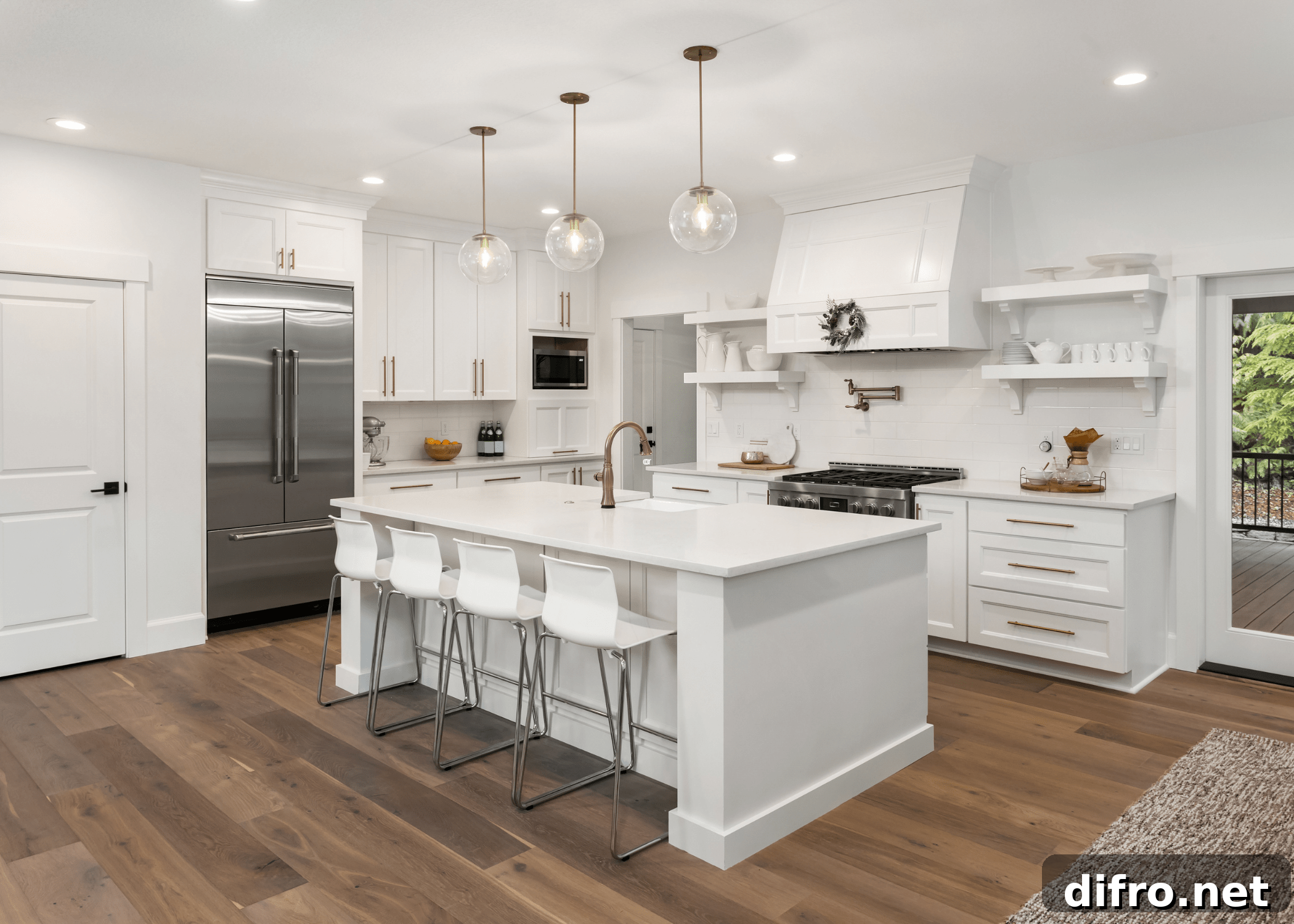
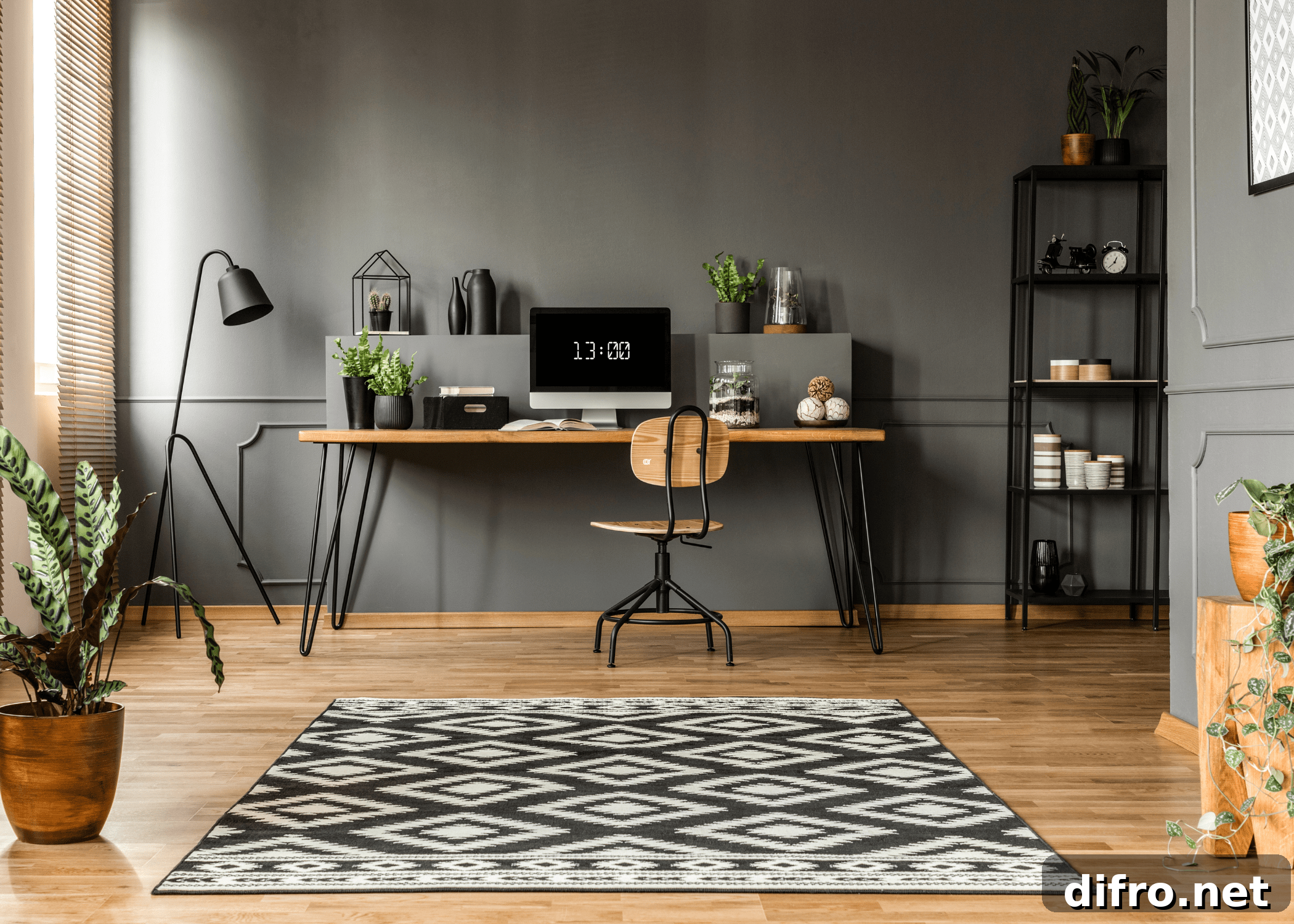
Kitchens do sell homes, but splurging on luxury appliances, rare stone countertops, or fully custom cabinetry rarely recovers the entire investment. Most buyers prefer a clean, modern, and functional kitchen over one packed with ultra-premium finishes. A thoughtfully designed mid-range remodel—new cabinet faces, durable countertops, updated lighting, and efficient layout changes—usually yields a stronger return and wider buyer appeal.
2. Lavish Bathrooms
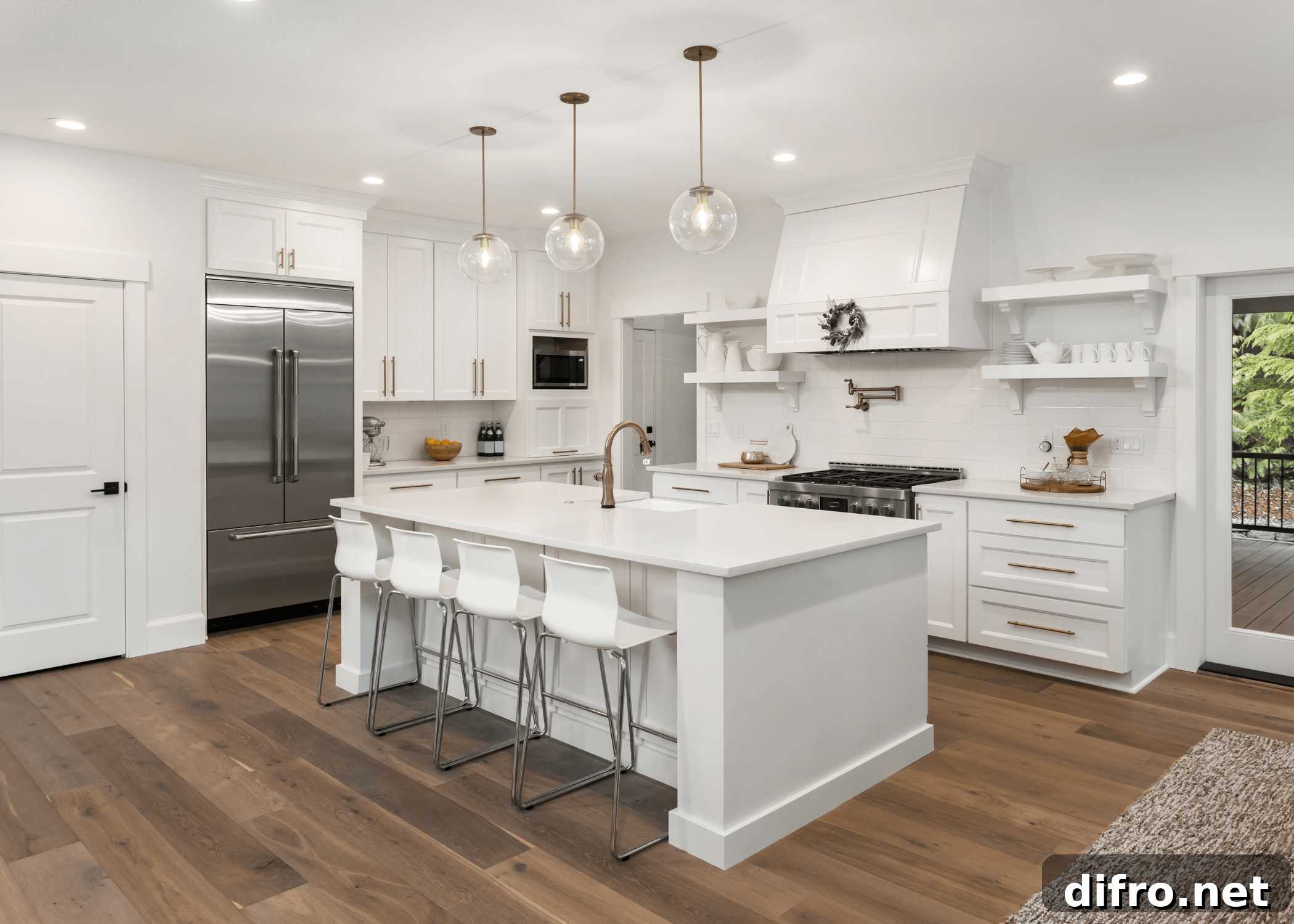
Bathrooms are important, but installing steam rooms, heated floors, or high-cost luxury fixtures isn’t always sensible. These upgrades add complexity, increase maintenance costs, and may only attract a niche buyer. Instead, focus on practical improvements: replace worn tiles, refresh grout, install a modern vanity, improve lighting, and choose durable fixtures that look contemporary without commanding luxury prices.
3. Dedicated High-Tech Home Offices
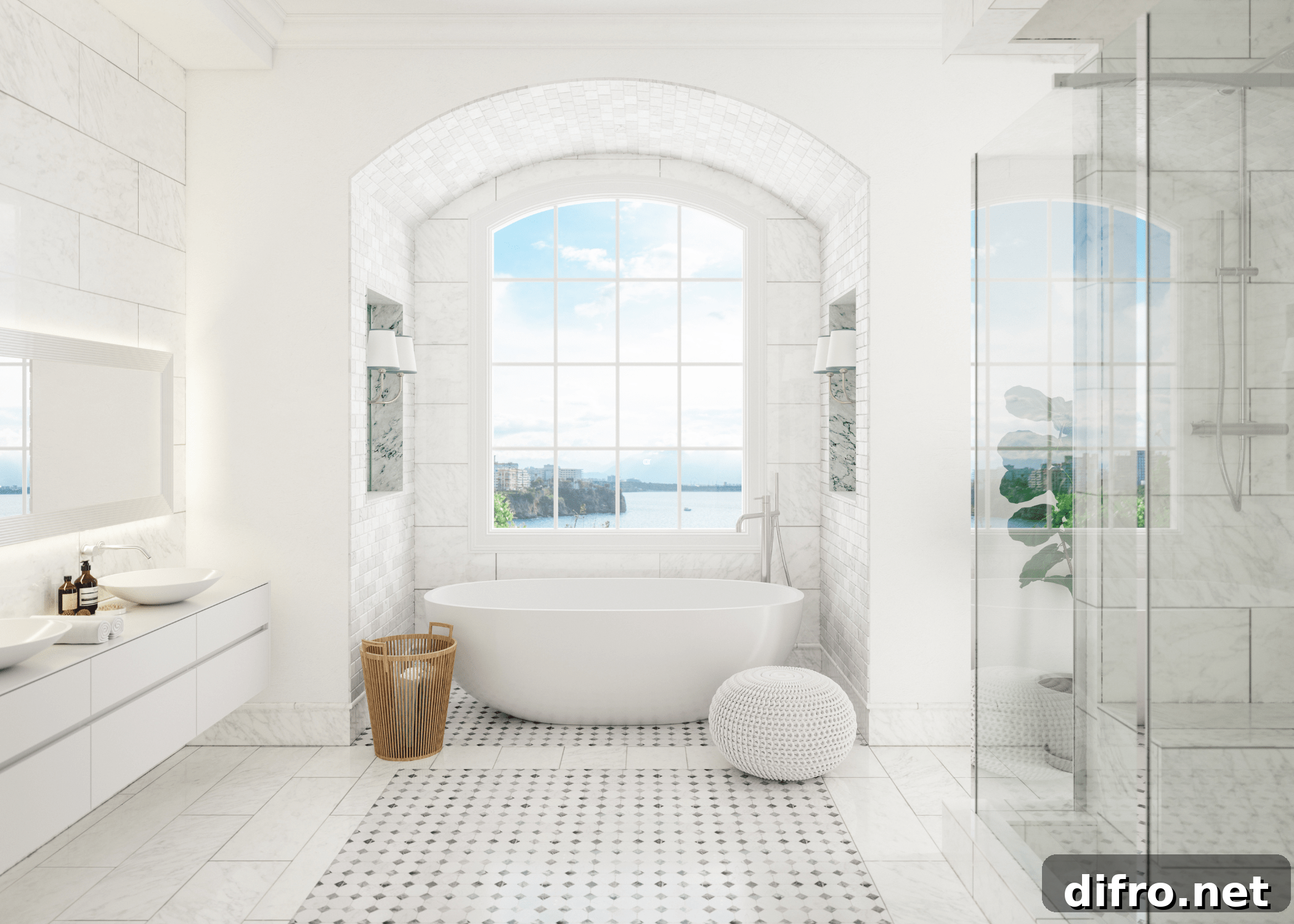
Remote work has increased demand for home office space, but building an ultra-specialized, tech-heavy office can be restrictive. Not every buyer needs a fixed office layout or expensive built-ins. A better approach is to create a flexible workspace—a well-lit nook with good wiring and storage options—that can double as a study, playroom, or guest room. Flexibility maintains broader appeal while supporting remote work needs.
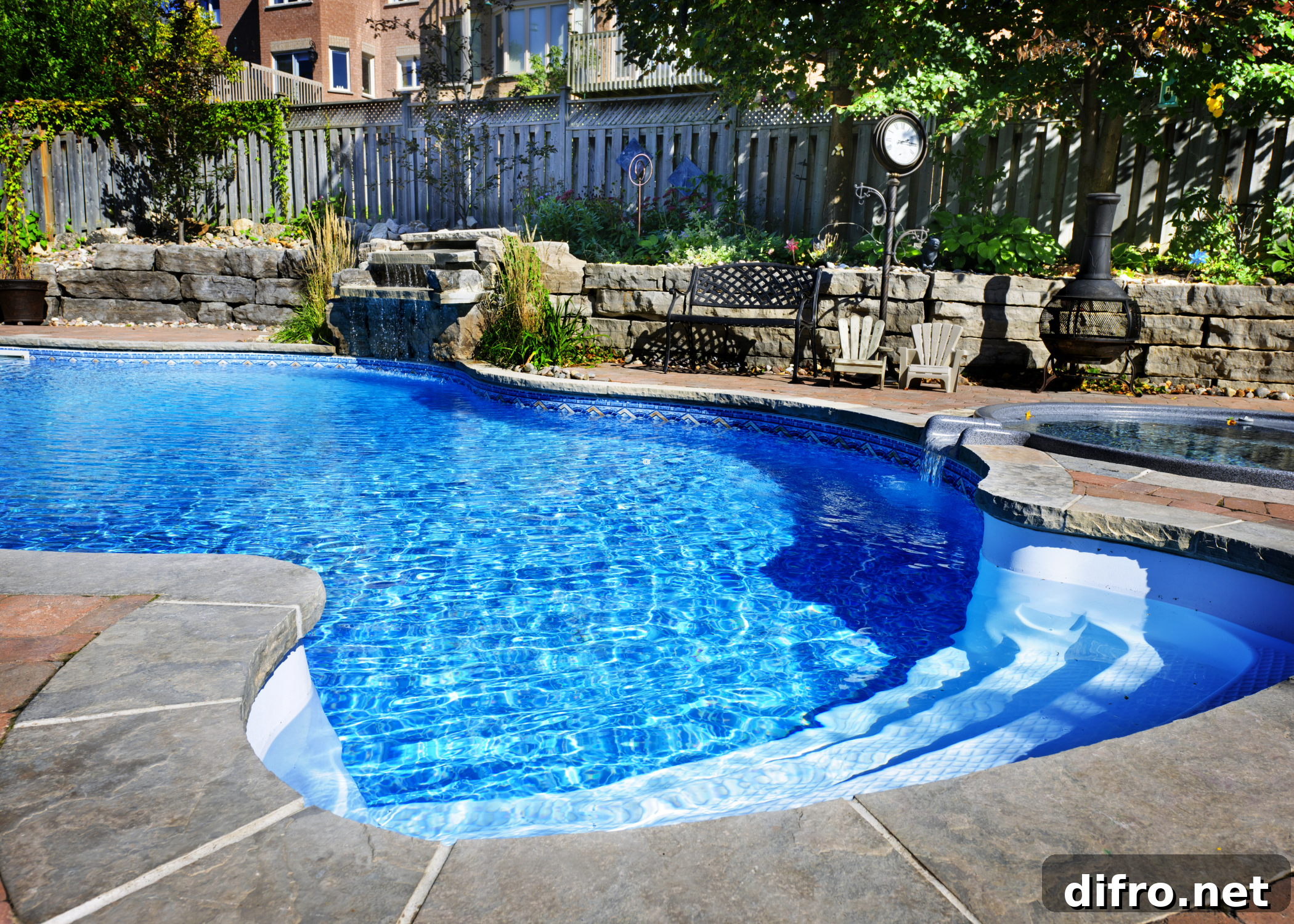
4. Swimming Pools
Swimming pools sound luxurious, but they are among the most debated upgrades. Pools require significant upfront cost, ongoing maintenance, and can deter buyers concerned about safety and upkeep. In colder climates, pools may be usable only a few months each year, further limiting their value. If outdoor living is important, consider lower-maintenance alternatives—a well-designed patio, an outdoor kitchen, or quality landscaping—that are appealing and easier to maintain.
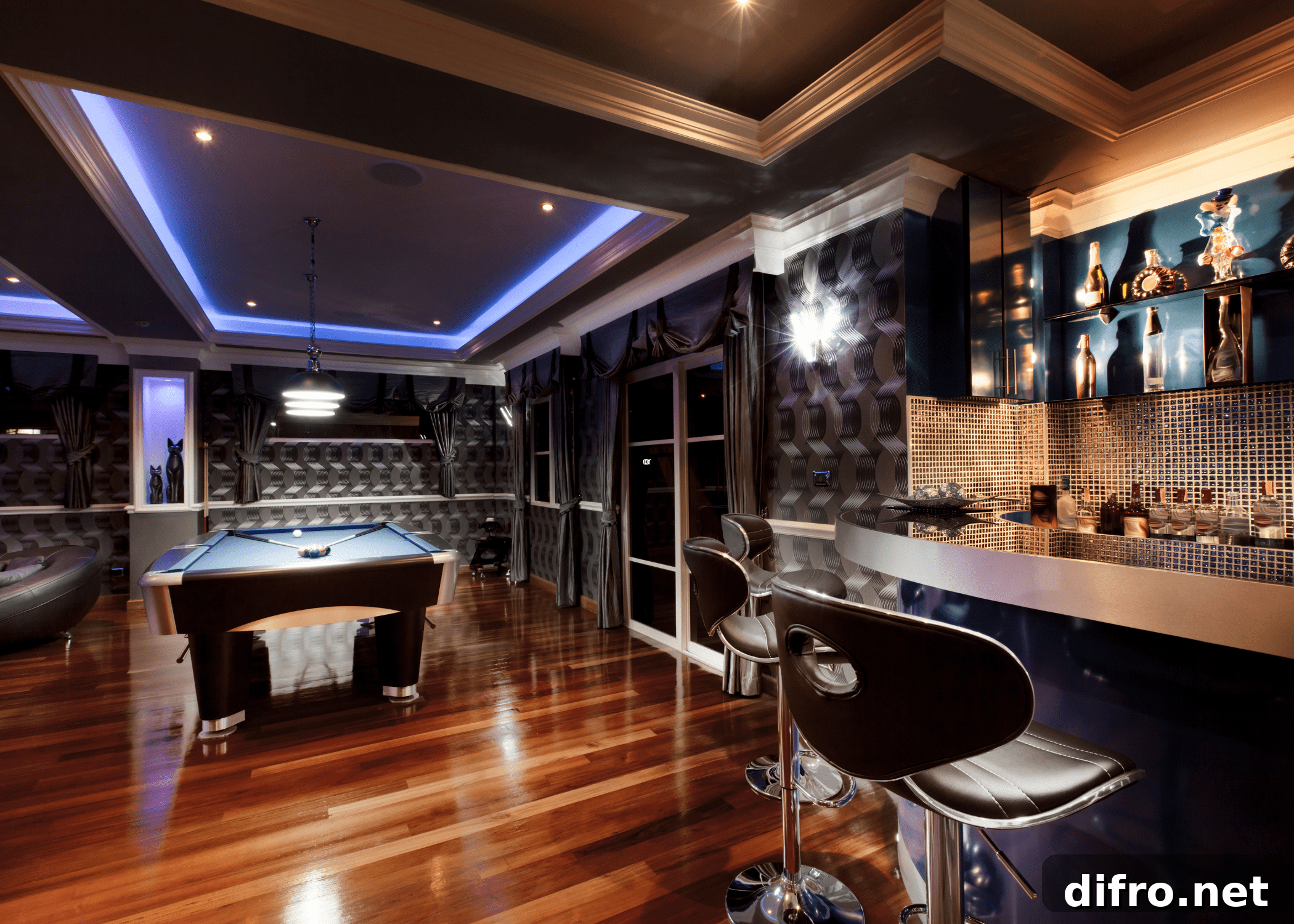
5. Overly Customized or Themed Rooms
Personal touches make a house feel like home, but extreme customizations—such as themed bedrooms, elaborate home theaters, or single-purpose hobby rooms—can limit resale appeal. Buyers often prefer neutral, adaptable spaces they can imagine personalizing. If you want character, choose finishes and features that are stylish but flexible, or make themed elements easily reversible so future owners can adapt the room to their needs.
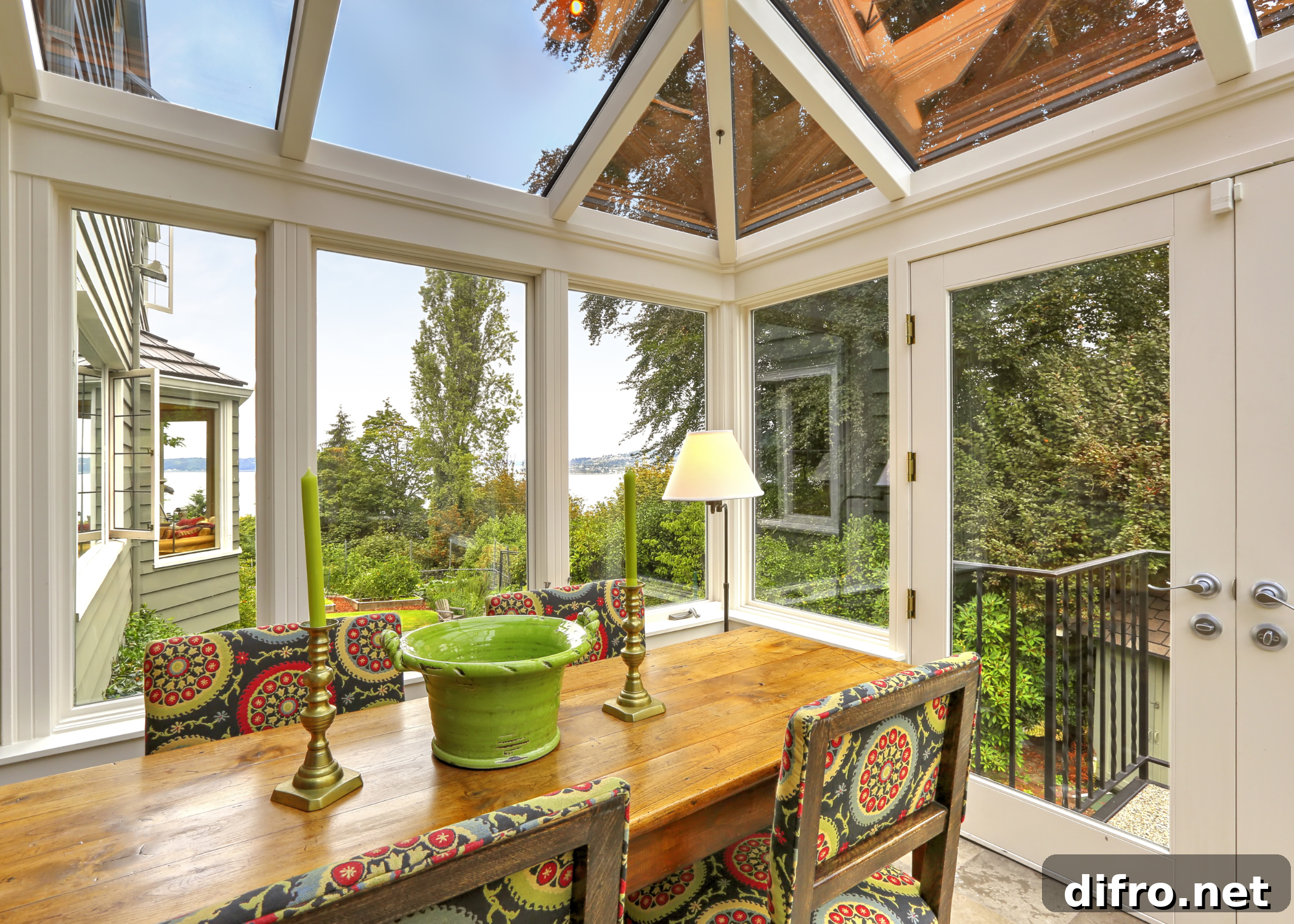
6. Sunrooms
Sunrooms provide pleasant light and a connection to the outdoors, but they can be expensive to build and costly to heat or cool compared with other additions. In some markets, sunrooms don’t add much measurable value because they’re not perceived as full, year-round living space. If you want more light and outdoor access, consider improving existing living areas with larger windows, sliding doors, or a screened porch that offers broader utility and lower operating costs.
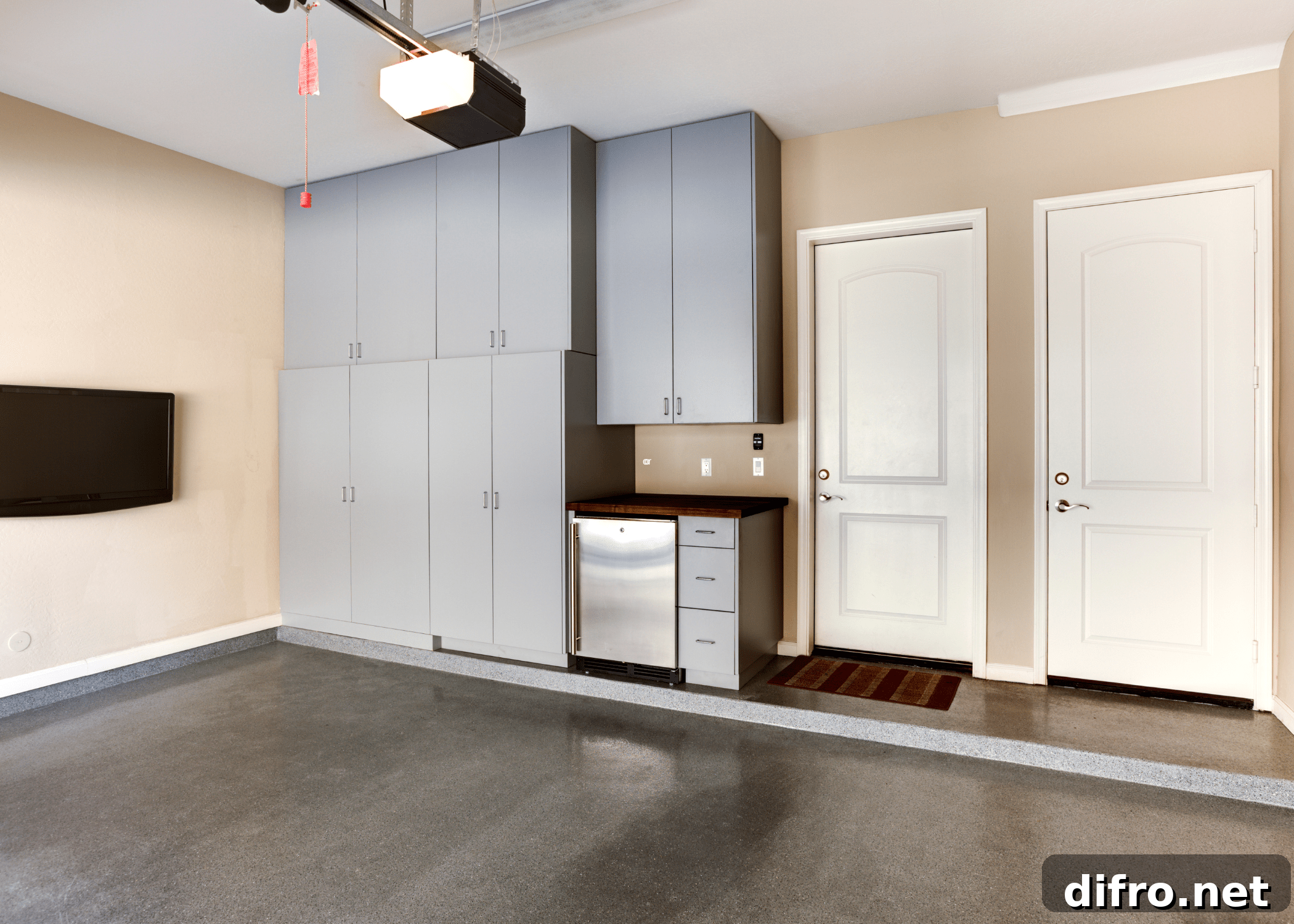
7. Garage Conversions
Converting a garage into living space can add square footage, but it often removes a highly valued feature: secure parking and storage. In many neighborhoods, buyers expect a usable garage for vehicles, tools, and storage. Before converting, assess local demand for parking and consider alternatives like finishing a basement, building a tasteful addition, or creating a flex space that preserves some garage functionality.
8. Luxury Landscaping
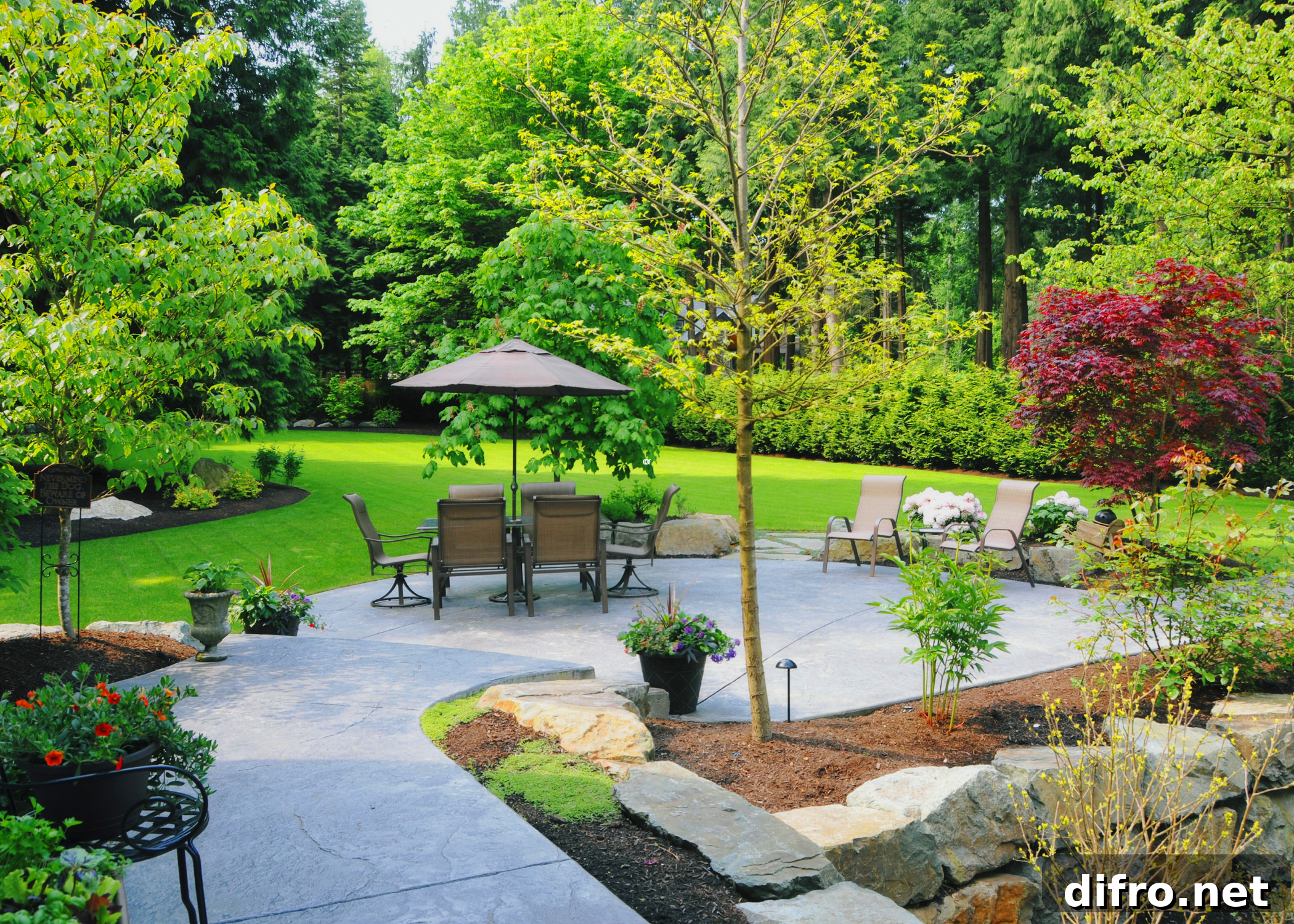
Well-planned landscaping improves curb appeal, but elaborate designs with exotic plants, custom water features, or extensive hardscaping can be costly to install and maintain, and may not suit every buyer’s taste. Aim for low-maintenance, climate-appropriate planting, clean edging, good drainage, and functional outdoor living areas. A tidy, attractive yard that’s easy to maintain often delivers more consistent returns than an ornate landscape that requires constant upkeep.
Summary
Renovations should balance personal enjoyment with practicality and market appeal. Avoid overspending on features with limited buyer demand or high ongoing costs. Opt for improvements that enhance function, update style, and remain broadly appealing—mid-range kitchen and bathroom updates, flexible living spaces, efficient heating and cooling, and low-maintenance outdoor areas are often the best investments. Thoughtful, measured upgrades will improve daily life and maximize resale value when the time comes to sell.
Want more design tips and renovation guidance? Sign up for a design newsletter or follow trusted local experts to receive curated ideas and practical advice tailored to your region and budget.