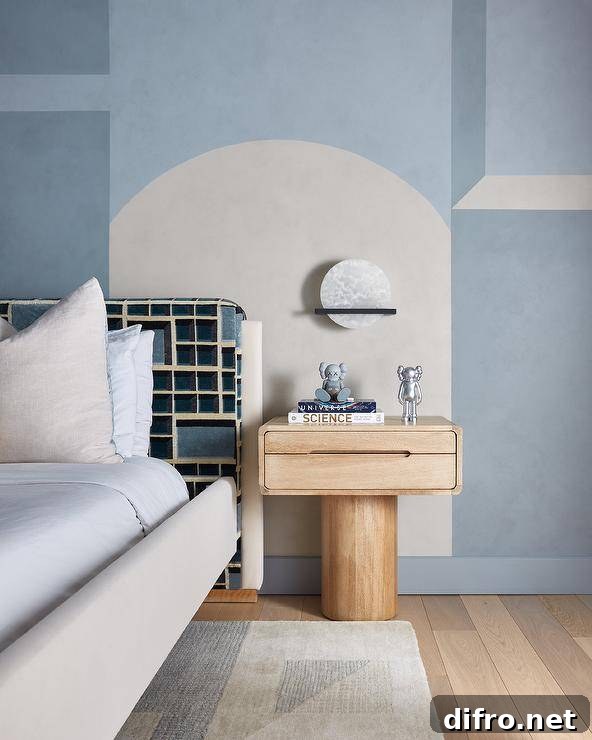
In a fast-paced world, creating a calm and uncluttered home can profoundly improve daily life. Japandi style — a thoughtful fusion of Japanese minimalism and Scandinavian practicality — offers just that. Combining clean lines, natural materials, and a restrained color palette, Japandi transforms interiors into peaceful, purposeful spaces. More than a fleeting trend, this approach to design embraces simplicity, craftsmanship, and a close connection to nature. Whether you want a full redesign or a subtle refresh, Japandi provides clear guidelines for creating a serene home environment.
Picture entering a room where every item serves a purpose, where carefully chosen furniture and finishes bring balance and warmth. Japandi prioritizes intention: reduce visual clutter, favor quality over quantity, and create spaces that support comfort and calm. The aesthetic relies on muted tones, layered textures, and uncluttered compositions to achieve a cozy yet refined atmosphere.
This guide outlines the core principles of Japandi style and offers practical tips for applying them throughout your home. From picking color schemes and furniture to lighting and plants, the following sections explain how to achieve the elegant simplicity that defines Japandi design.
What Is Japandi Style?
Japandi merges Japanese design principles—especially wabi-sabi, which honors imperfection and transience—with Scandinavian ideals like hygge, the pursuit of warmth and comfort. The result is a balanced aesthetic that values simplicity, function, and natural materials. Spaces created in this style feel both modern and timeless, prioritizing calm, usability, and quiet beauty.
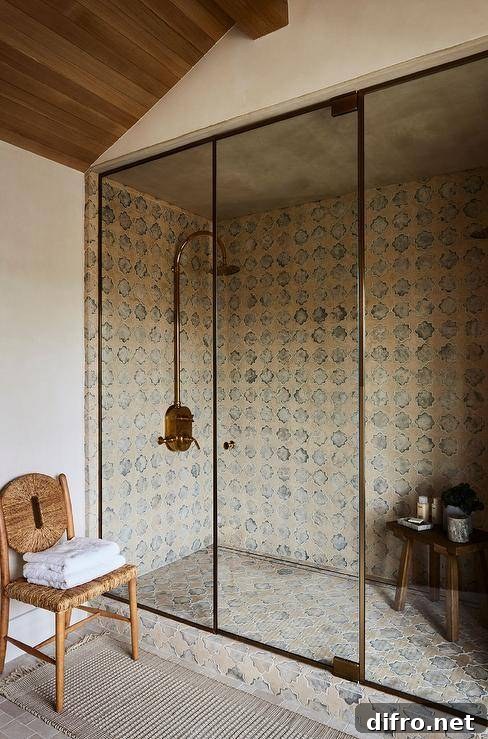
The Origins of Japandi Style
The word “Japandi” blends “Japanese” and “Scandi,” reflecting a design language that unites the best qualities of both traditions. Japanese and Scandinavian design share an appreciation for simplicity, natural elements, and purposeful living. By combining these philosophies, Japandi creates interiors that are functional, calming, and beautifully restrained—well-suited to contemporary lifestyles that value both aesthetics and ease of use.
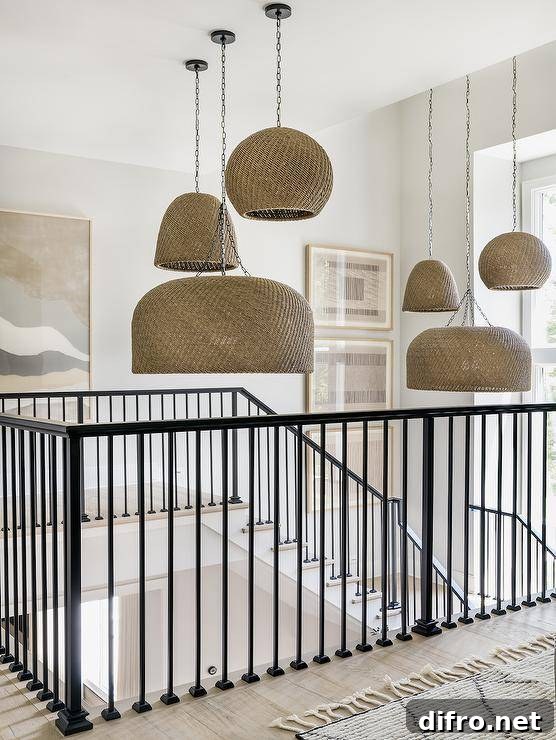

Key Elements of Japandi Style
Japandi draws its character from a few consistent design choices. Embracing these elements will help you create cohesive interiors that feel both functional and refined.
- Minimalism: Emphasize clean lines and intentional, uncluttered spaces.
- Natural Materials: Wood, stone, bamboo, and other organic materials create a warm, grounded feel.
- Muted Color Palettes: Soft neutrals—beige, gray, warm whites—form a calming backdrop.
- Functional Furniture: Choose pieces that balance beauty and practicality, favoring simple shapes and solid craftsmanship.
- Handcrafted Accents: Hand-finished ceramics, woven textiles, and artisanal objects add character and celebrate imperfection.
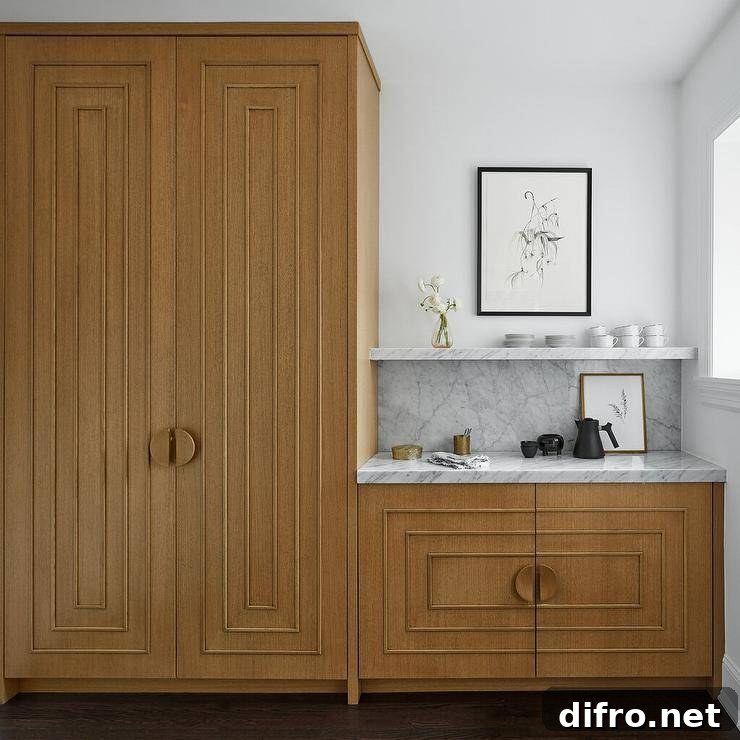
Choosing a Japandi Color Palette
Color sets the tone in Japandi interiors. Start with a neutral foundation—soft beiges, warm grays, off-whites—and layer in texture to add interest. Subtle accents in muted greens, dusty blues, or earthy ochres can be introduced through textiles, artwork, or plants to keep the palette calm yet varied. The goal is a harmonious, low-contrast scheme that highlights natural materials.
Selecting Furniture
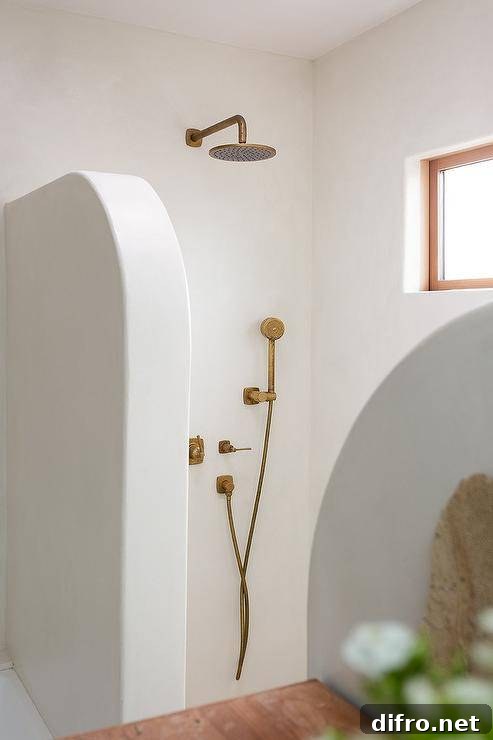
Furniture should be simple, well-proportioned, and crafted from natural materials. Opt for wooden pieces with clean profiles and minimal ornamentation. Low-profile seating, streamlined storage solutions, and multi-functional items support an uncluttered layout. Focus on comfort and utility: a thoughtfully designed chair or a solid dining table will anchor the room without overpowering it.
Using Natural Materials
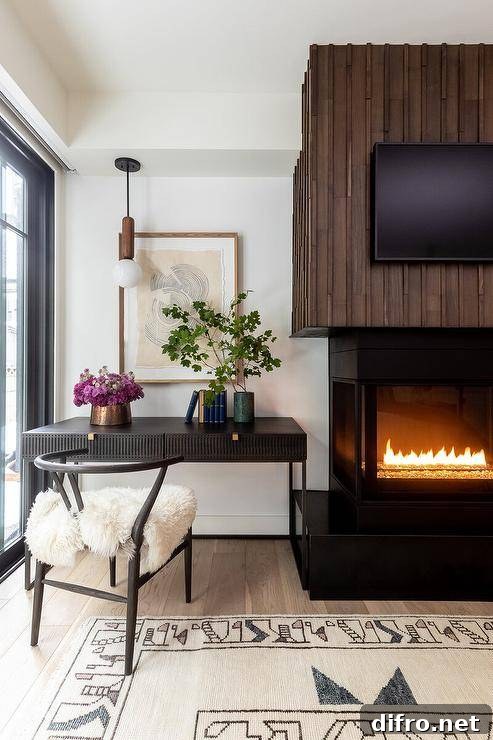
Wood, stone, bamboo, paper, and natural fibers are central to Japandi interiors. These materials introduce warmth, texture, and subtle variation. Choose artisanal or hand-finished pieces that highlight natural grain, texture, and minor imperfections—features that contribute to an authentic, lived-in look.
Creating a Cozy Atmosphere
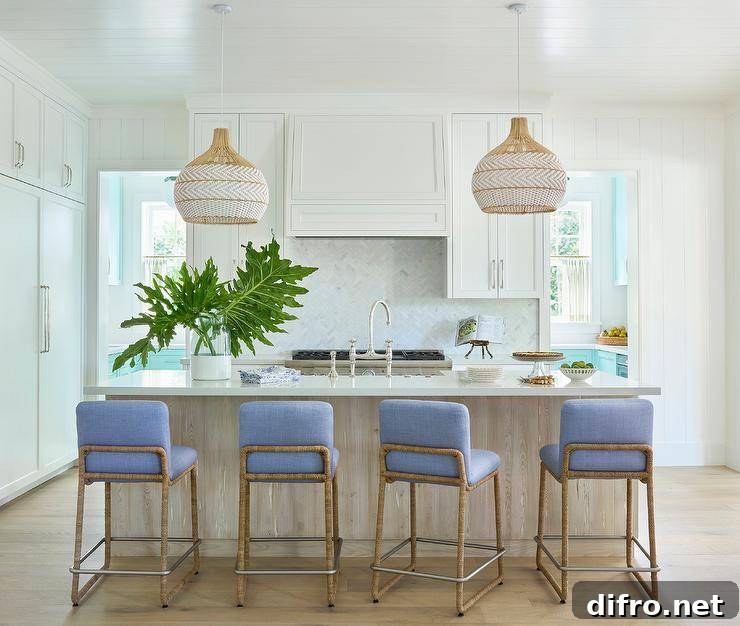
Minimalism in Japandi does not mean coldness. Layer soft textiles—linen, wool, cotton—in neutral tones to add tactile warmth. Rugs, throws, and cushions create visual comfort and soften hard surfaces while keeping clutter to a minimum. Intentional layering achieves a welcoming, lived-in feel without sacrificing simplicity.
Lighting: Soft and Balanced
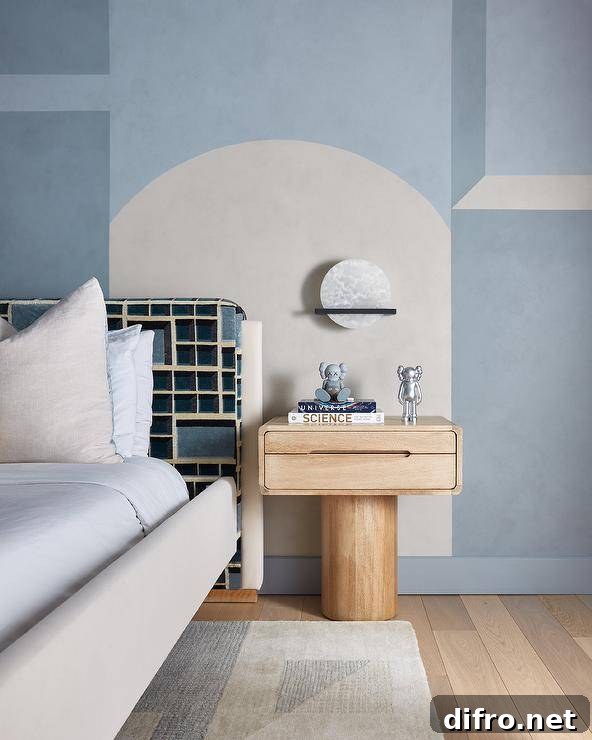
Light shapes mood. Japandi relies on diffuse, layered lighting to create a serene ambiance. Maximize natural light, supplement with warm-toned floor and table lamps, and avoid harsh overhead glare. Soft illumination enhances textures and promotes a calm, intimate atmosphere.
Bring Nature Indoors
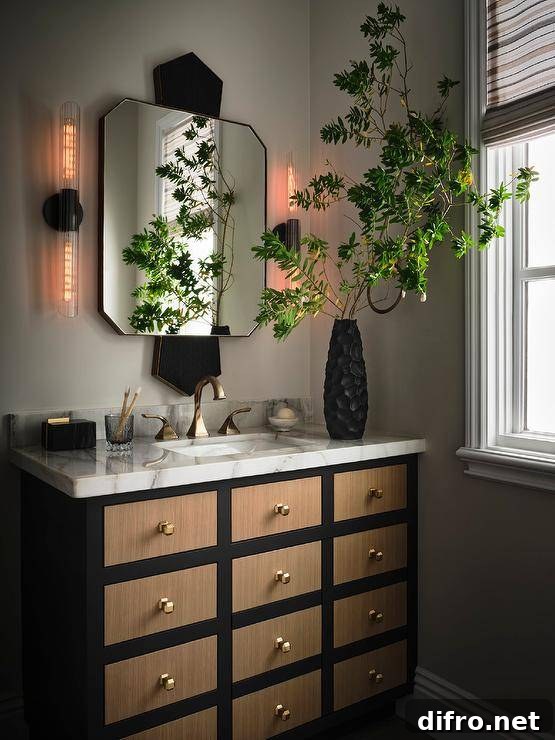
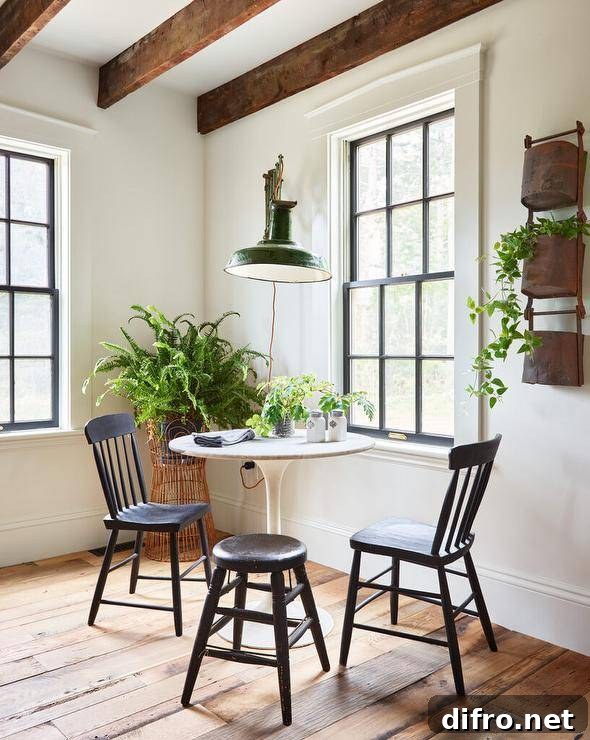
Plants are a simple way to add life and serenity. Choose understated, easy-care varieties—bonsai, succulents, ferns, or a single sculptural plant—to maintain the minimalist feel. Natural greenery complements the Japandi palette and reinforces the connection to nature that defines the style.
Related Articles
- Traditional Japanese-Style Bedroom Designs & Ideas for Minimalists
- Scandinavian Minimalism Compared to Minimalist Style
- Inspired by Japanese Minimalism: Posh Scavolini Kitchen Conceals It All!
Adopting Japandi principles helps you create a home that is both beautiful and restorative. Whether you’re redesigning an entire room or making small, deliberate changes, the Japandi approach encourages calm, functionality, and mindful use of materials. Use these guidelines to craft a space that supports well-being and reflects intentional living.
Interested in ongoing interior design ideas and tips? Subscribe to newsletters and design updates from trusted sources to stay inspired.
Frequently Asked Questions (FAQs)
What is the main philosophy behind Japandi style?
Japandi pairs the Japanese appreciation for imperfection and transience (wabi-sabi) with the Scandinavian pursuit of comfort and simplicity (hygge), producing a design language centered on functionality, natural materials, and understated beauty.
Can Japandi be mixed with other styles?
Yes. Japandi blends best with other minimalist or nature-focused styles. Maintain simplicity, natural textures, and restrained color choices to keep the overall look cohesive.
Which materials are commonly used in Japandi interiors?
Wood, stone, bamboo, linen, wool, and other organic materials are typical. These elements add warmth, texture, and an authentic connection to nature.
How can I add color without losing the Japandi feel?
Use muted, earthy accents—soft greens, dusty blues, or warm terracottas—sparingly. Keep the base palette neutral so color highlights enhance rather than dominate the space.
What plants suit Japandi interiors?
Choose simple, sculptural, and low-maintenance plants such as bonsai, succulents, ferns, or a single architectural potted plant to complement the minimalist aesthetic.
How do I keep a Japandi home clutter-free?
Adopt regular decluttering habits, select multi-functional storage, and prioritize curated, high-quality items. Ensure every object has a purpose and contributes to the room’s calm, cohesive atmosphere.