Pardon the pun, but this is one of the most captivating wine cellar and architectural inspirations you will find. A wine cellar carved into an abandoned limestone tunnel on a Texas hillside sounds like a scene from a movie, yet this remarkable contemporary wine cave was thoughtfully designed by Clayton Korte. The private wine cellar stands out as an exceptional example of modern wine storage and cave design, marrying raw, natural materials with refined finishes.
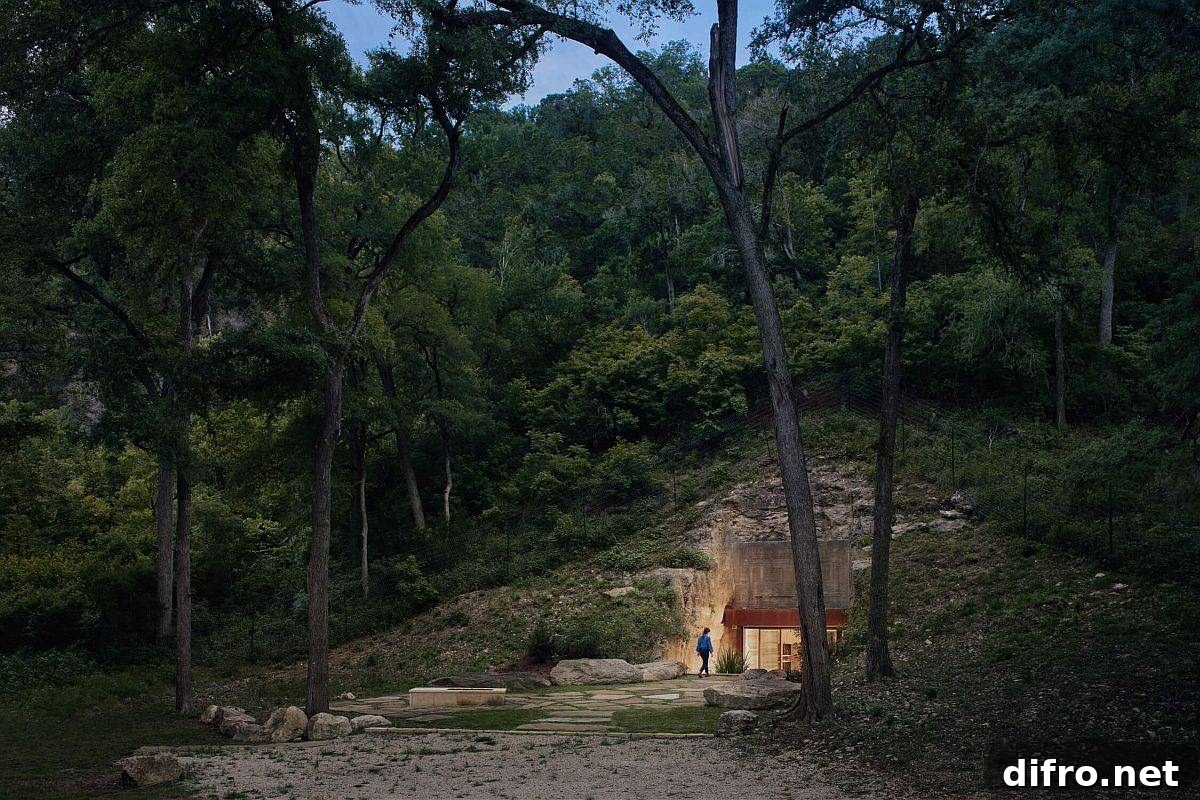
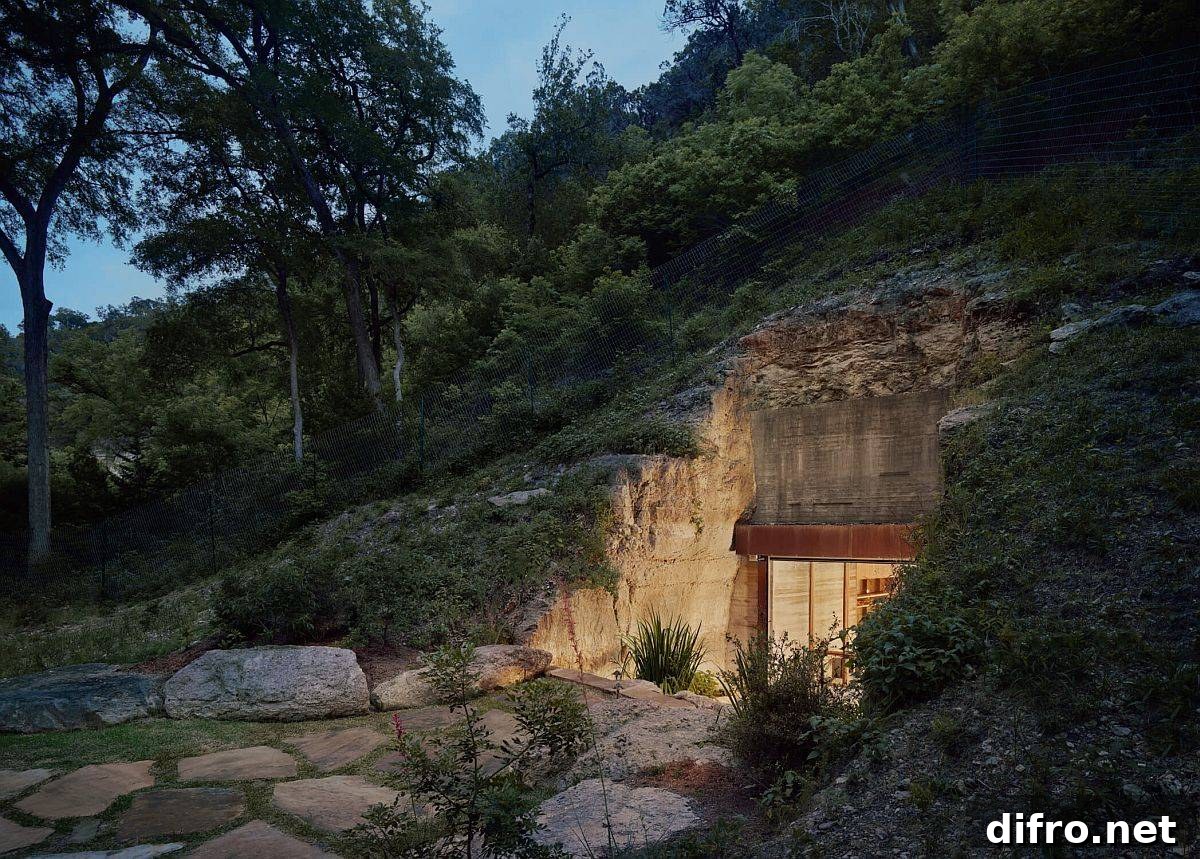
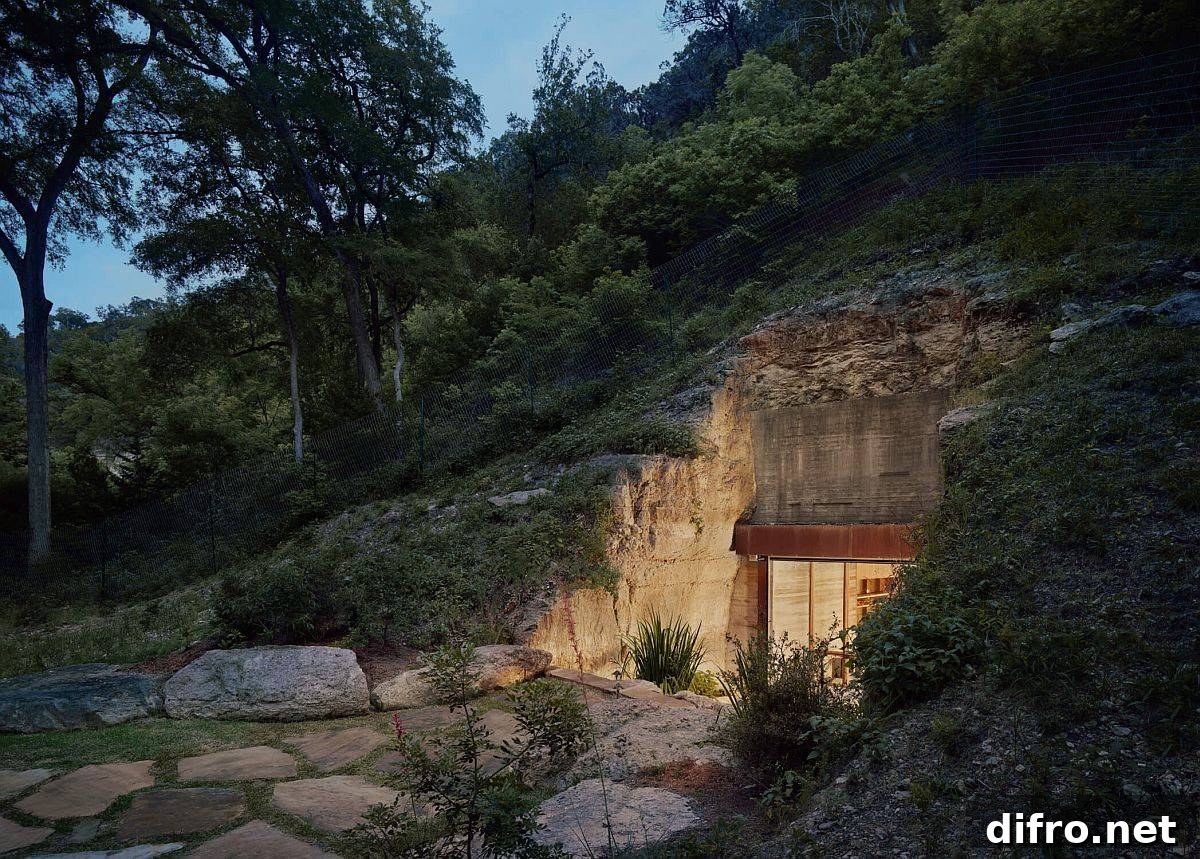
The entrance is discreetly set into a solid limestone hillside and is revealed by a carefully illuminated and landscaped approach. A thoughtful composition of boulders, a few steps and a living green wall guide visitors toward the portal, providing a dramatic transition from the exterior terrain into the calm, controlled environment of the cave.
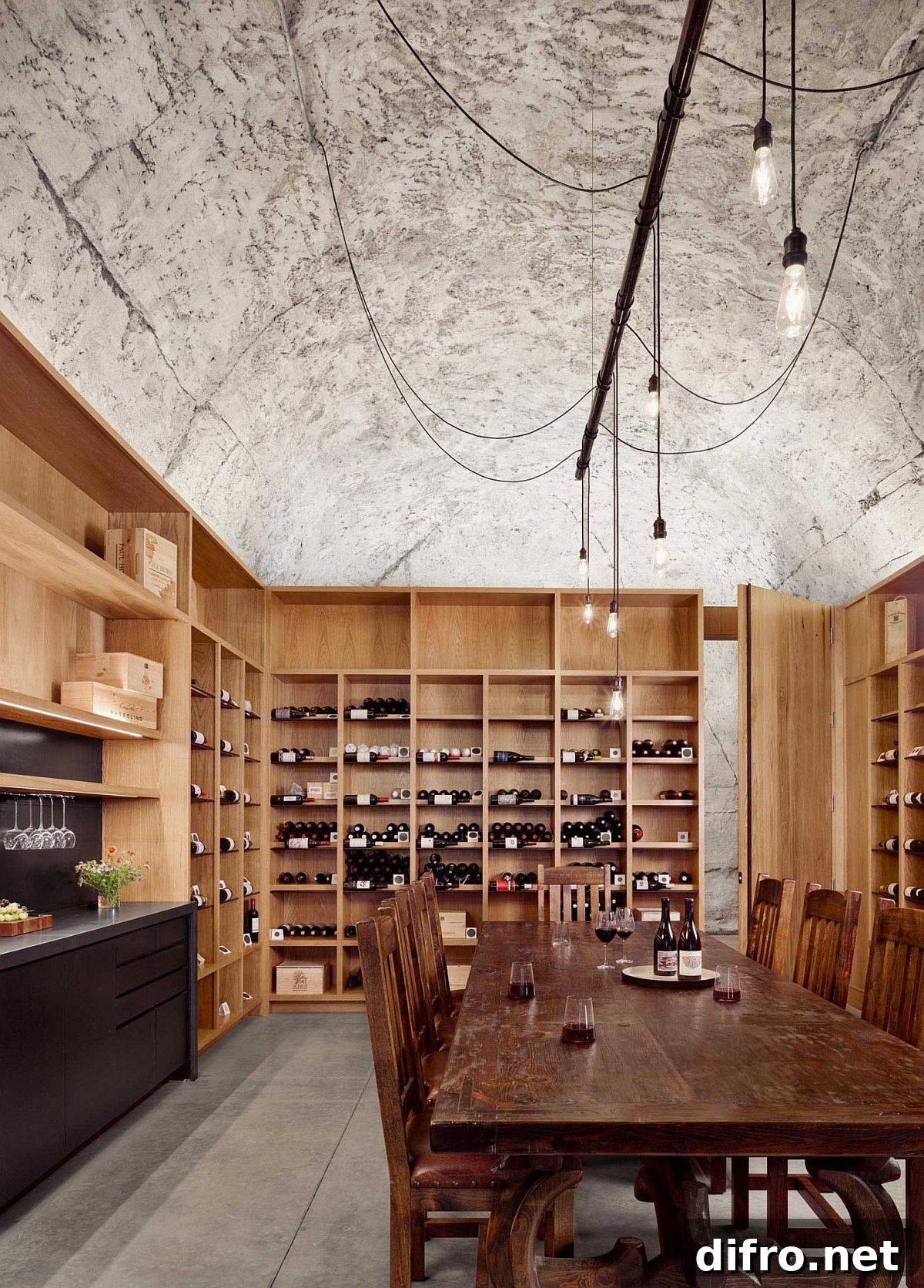
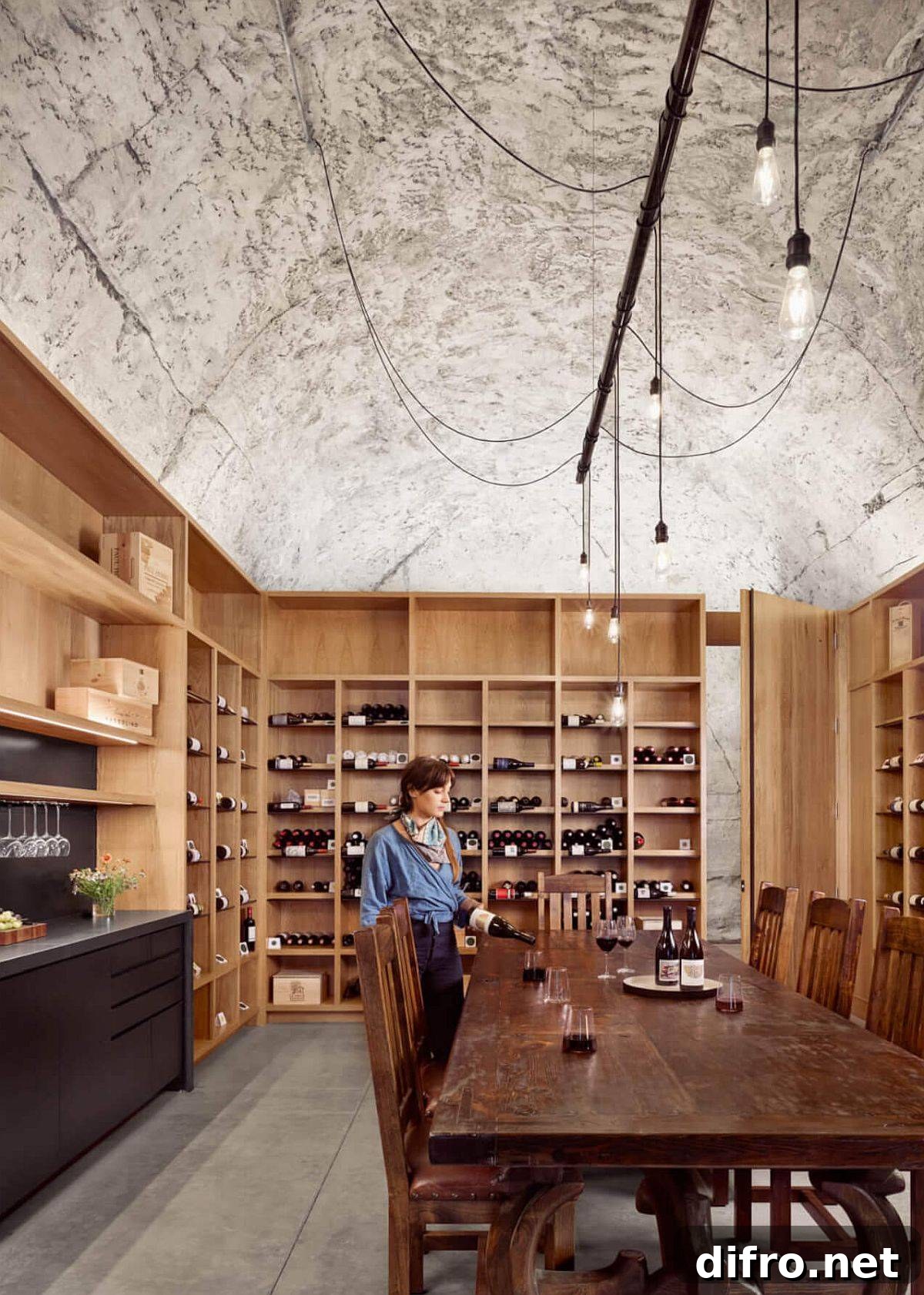
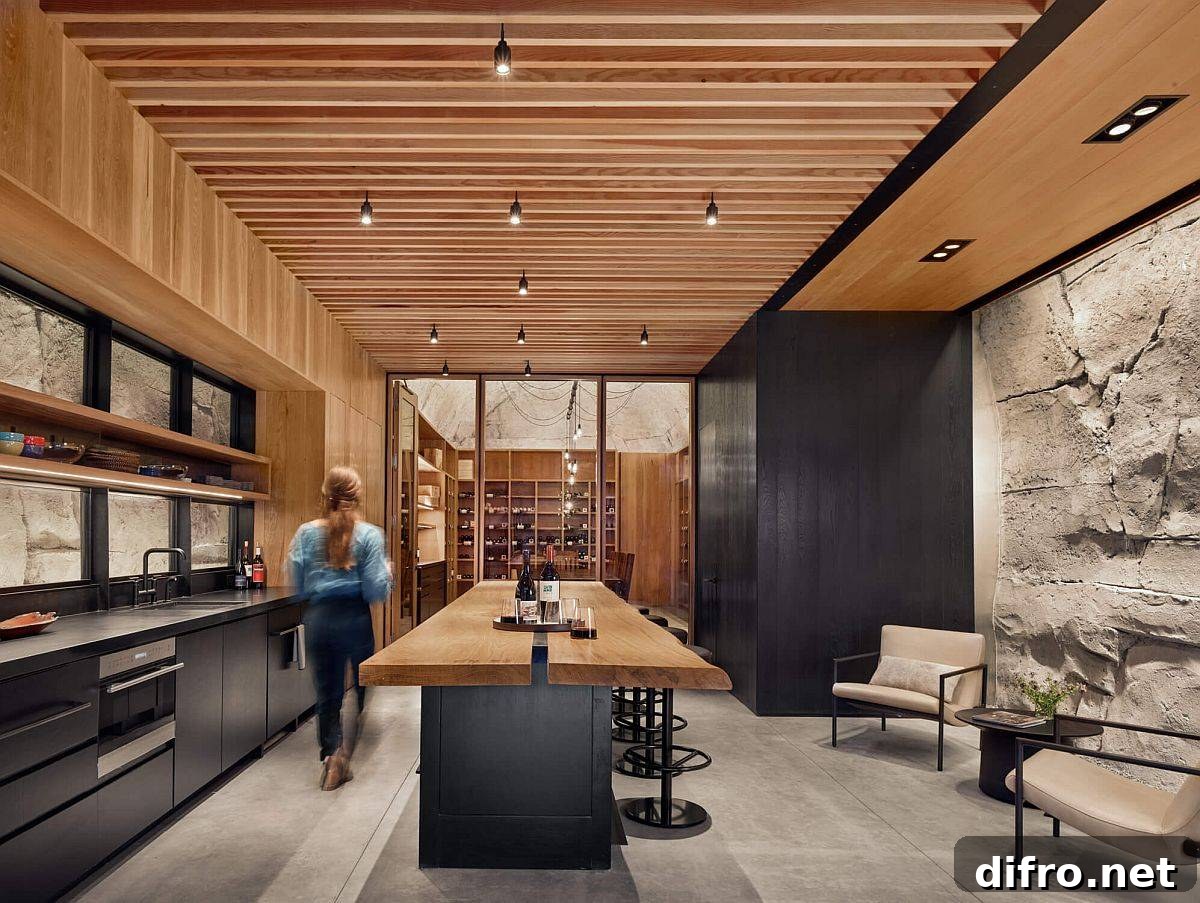
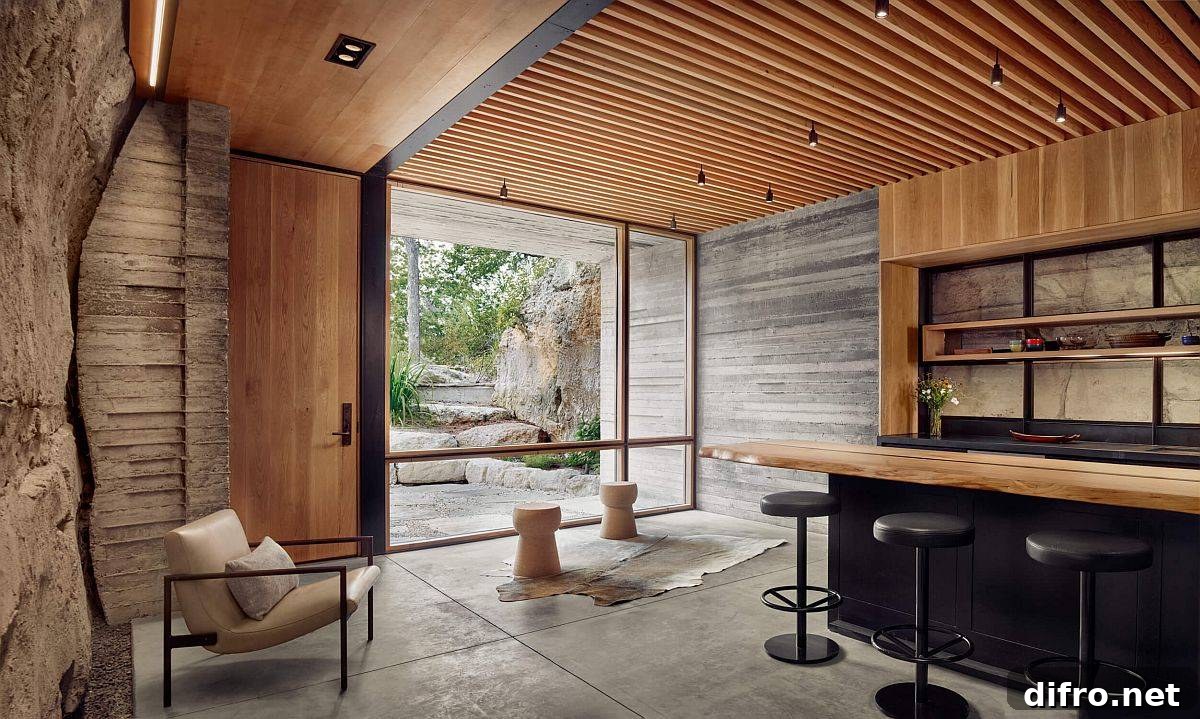
Inside, the space surprises with a warm, refined atmosphere. The walls are lined with polished Douglas fir and white oak, which contrast beautifully with exposed limestone backdrops and concrete surfaces. Ambient lighting is layered and generous, highlighting textures and creating a dramatic yet comfortable environment for wine storage and tasting. The material palette—wood, stone and concrete—was selected to respect the tunnel’s natural character while introducing contemporary, high-quality finishes.
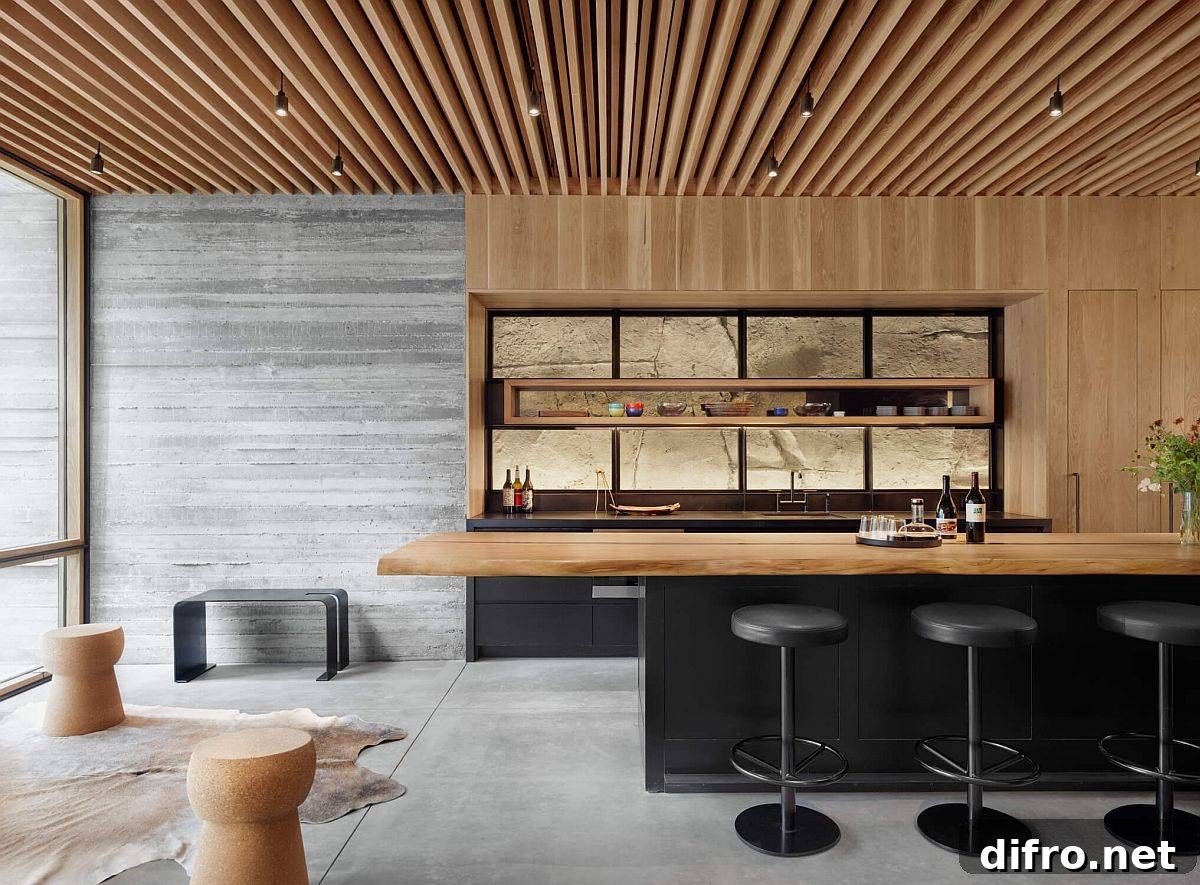
This wine cellar is designed to accommodate an impressive collection—more than 4,000 bottles—while maintaining inviting spaces for tasting and socializing. A cozy tasting lounge and bar area provide a relaxed setting for sampling wines, and a dedicated sitting area invites small gatherings. Throughout the cave, storage is integrated into the architecture so that the bottles become part of the space, presented and preserved with care.
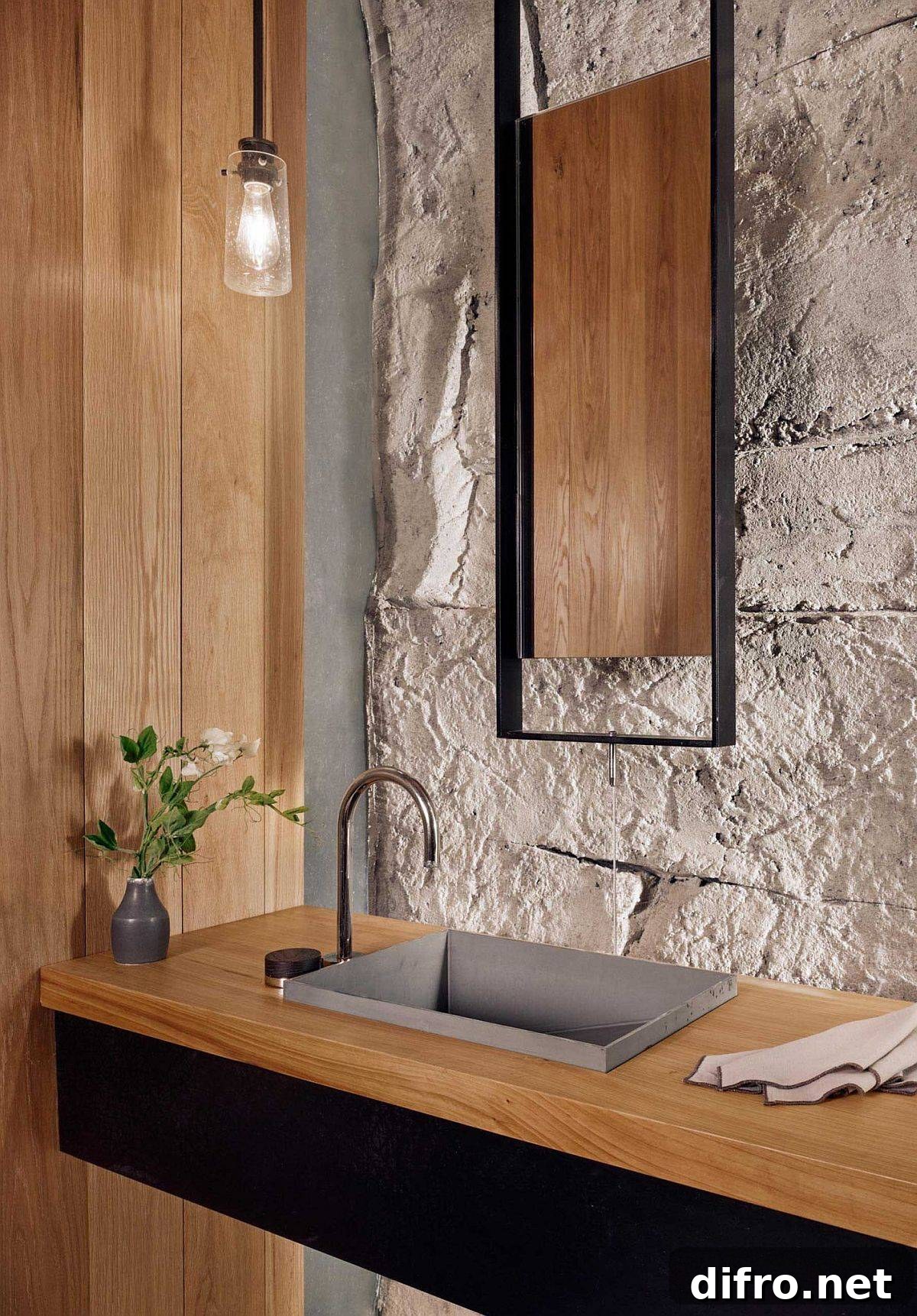
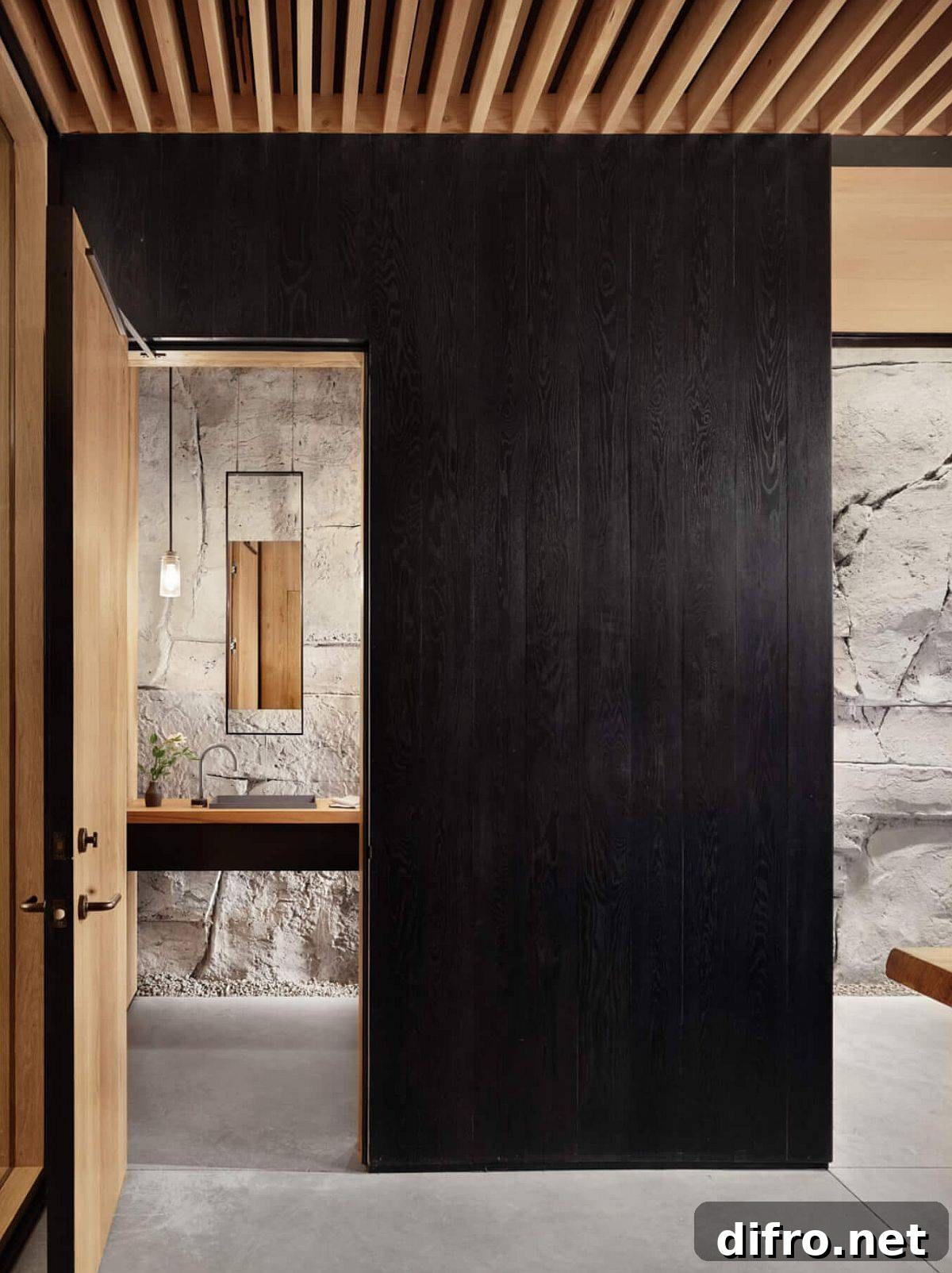
Even the restroom follows the same thoughtful design language: natural stone walls and a floating vanity echo the cave’s material palette, reinforcing continuity and attention to detail. Steel and wood-framed windows, custom joinery and carefully selected finishes enhance the cave’s singular character and make the interior feel both intimate and luxurious.
The cave’s exterior opening is finished with a board-formed concrete portal that is intentionally allowed to weather over time. This concrete portal was molded to fit the irregular surfaces of the limestone, creating a visually honest threshold between the natural hillside and the crafted interior. The design demonstrates a restrained approach: where the raw qualities of the hill are preserved, and modern interventions are precise and deliberate.
This project is a successful example of how contemporary architecture can inhabit and enhance a natural site without erasing its origins. The design calmly celebrates the limestone tunnel’s spirit while introducing modern comforts and finishes that support both storage and enjoyment of wine. The result is a warm, dramatic, and highly functional wine cave—an inspired setting for collectors and connoisseurs alike.
Photography: Casey Dunn