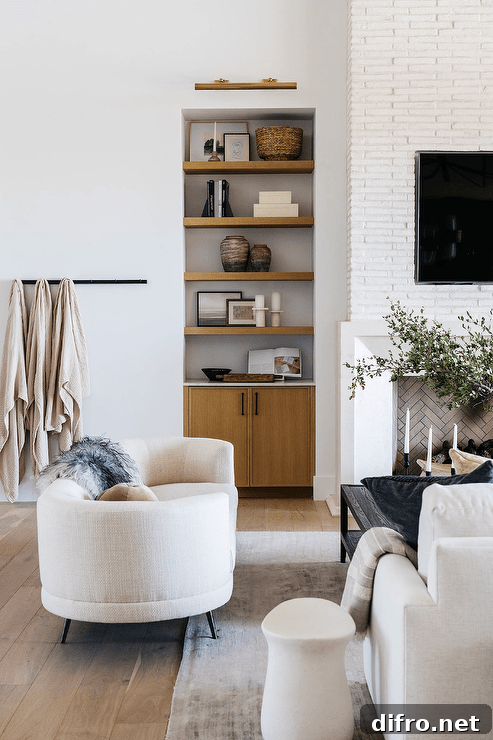
Living in a small space can feel cozy and inviting—or tight and restrictive—depending on how it’s designed. With thoughtful choices in color, layout, lighting, and decor, you can make a small room look and feel significantly larger. This guide gathers practical, stylish strategies to help you transform compact rooms into bright, airy, and functional spaces.
Below you’ll find advice on color palettes, natural light, furniture selection, storage solutions, lighting, and texture. Each section offers simple, actionable ideas you can apply at home to open up even the tiniest rooms.
Use Light Colors and Clever Contrasts
Light Colors for an Airy Feel
Light paint colors are one of the easiest and most effective ways to visually expand a room. Whites, soft neutrals, and pale pastels reflect more light and create an open, breathable atmosphere. Reserve darker hues for accents rather than painting every surface in a deep tone—too much darkness will make a room feel smaller.
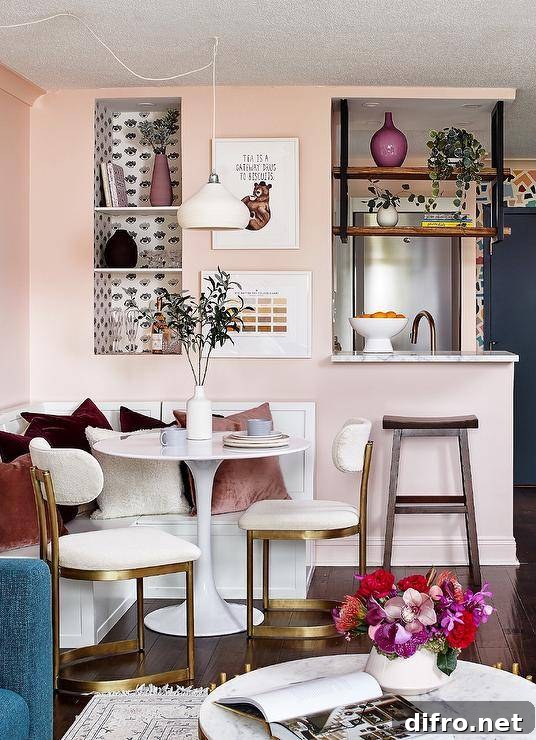
Create Depth with Contrasts
Contrasting shades add depth when used sparingly. Painting a single wall a slightly darker color or adding a darker accent behind shelving creates a focal point that visually pushes the space outward. The key is balance: use contrast to define zones and add interest without crowding the palette.
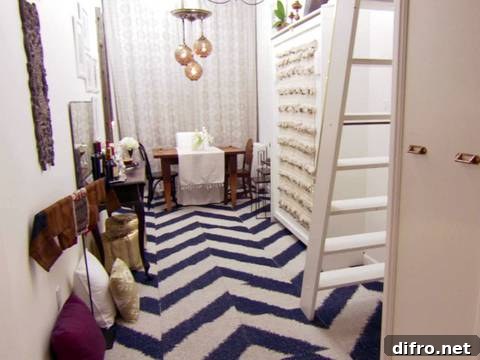
Maximize Natural Light
Embrace Windows and Mirrors
Natural light instantly opens a room. Keep windows clear of bulky furniture and choose light, translucent window treatments that allow daylight to flow in. Mirrors placed opposite windows reflect light and visually double the space—try a large mirror on the wall across from a window to bounce light around the room.
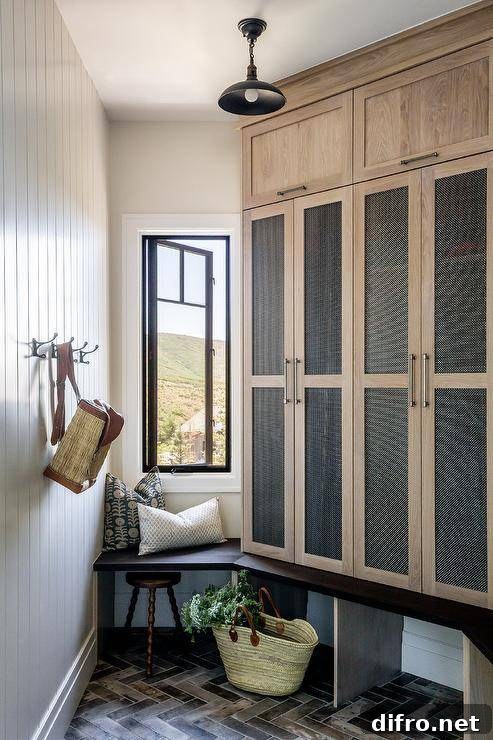
Opt for Sheer Window Treatments
Sheer curtains or light-filtering blinds provide privacy while preserving daylight. If you need more coverage for evenings, layer sheers with heavier drapes that can be tied back during the day. This combination keeps the room bright when you want it and private when you need it.
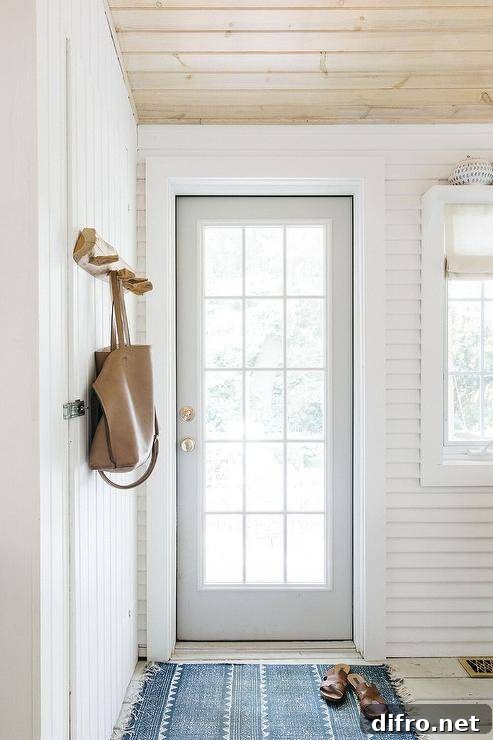
Strategic Furniture Placement
Choose Multi-Functional Furniture
In small rooms, every piece should work hard. Choose multifunctional furniture—sofa beds, nesting tables, storage ottomans, and coffee tables with compartments—to maximize utility without crowding the floor plan. These choices keep living areas flexible and clutter-free.
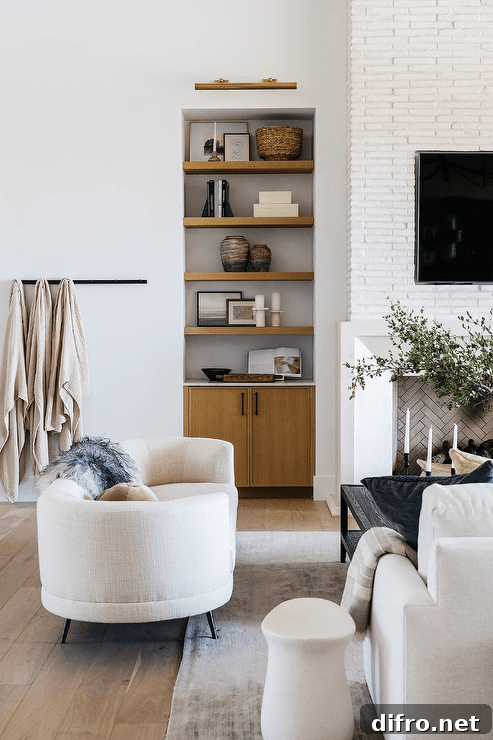
Keep Furniture Off the Floor
Furniture with visible legs or wall-mounted pieces increase the sense of space by revealing more floor area. Floating shelves, wall-mounted desks, and slim-profile seating make a room feel lighter and less boxed in than bulky, floor-hugging alternatives.
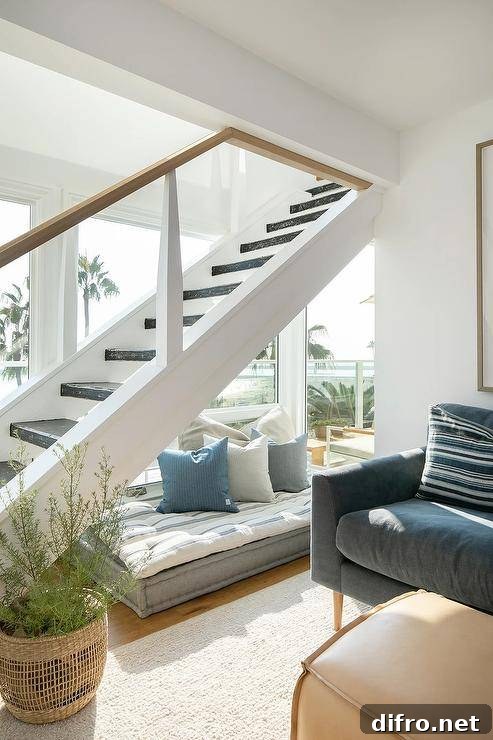
Declutter and Organize
Simplify Your Space
Clutter shrinks a room visually and mentally. Regularly sort and remove items you no longer use, and use tidy storage solutions—baskets, bins, concealed cabinets—to keep surfaces clear. A streamlined space reads as larger and more serene.
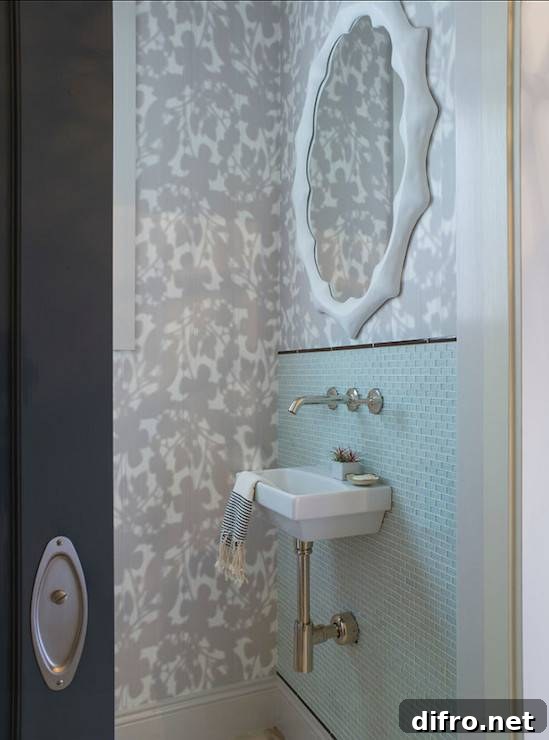
Use Vertical Space
When floor space is scarce, think vertically. Tall bookcases, wall-mounted cabinets, stacked storage, and hanging organizers free up horizontal real estate and draw the eye upward, making ceilings appear higher and rooms feel larger.
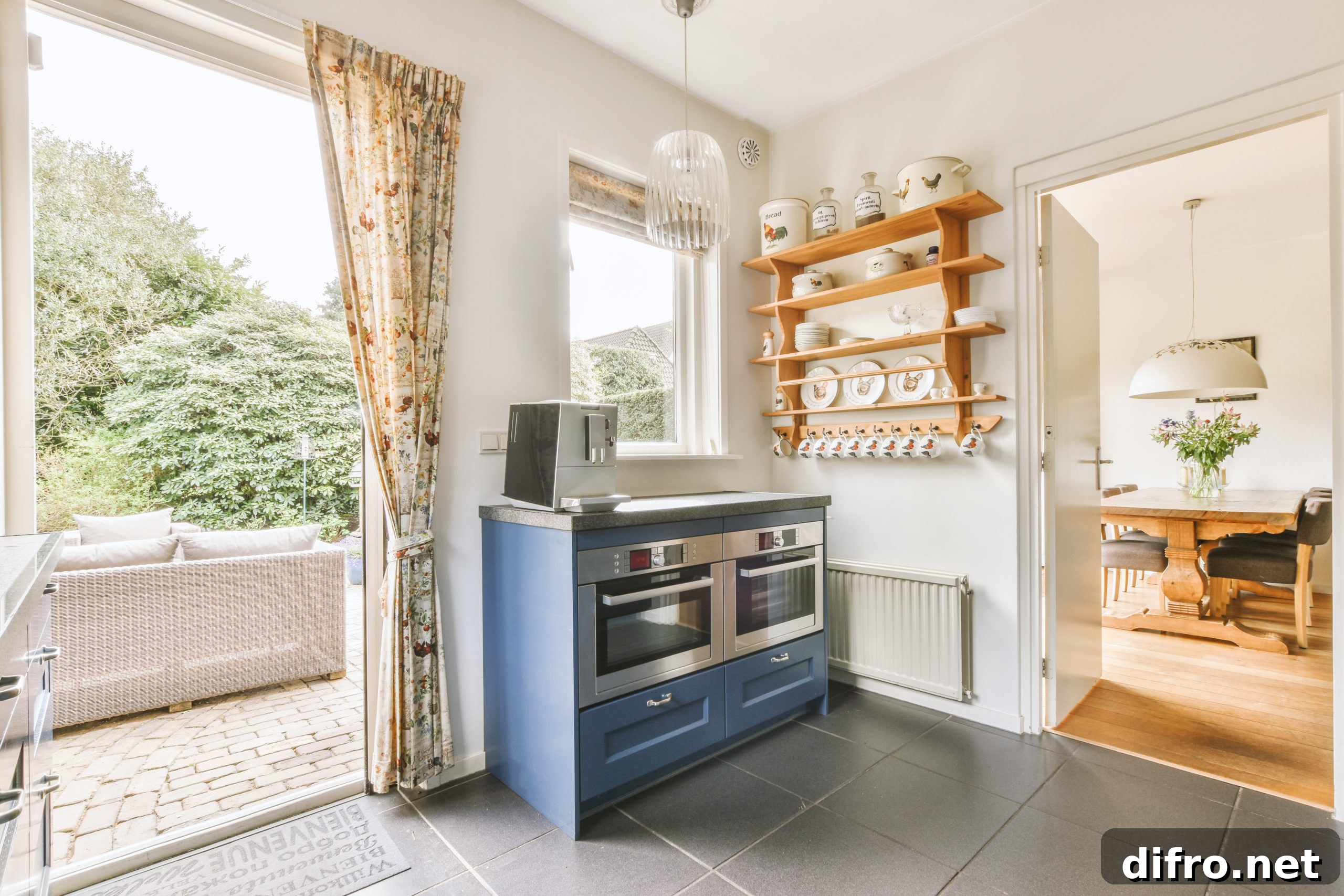
Smart Decor Choices
Minimalist Approach
Adopt a “less is more” mindset. Choose a few high-quality pieces that serve a purpose and bring joy. Avoid overcrowding surfaces and walls with small, competing objects—clean lines and curated accents will create a sense of calm and space.
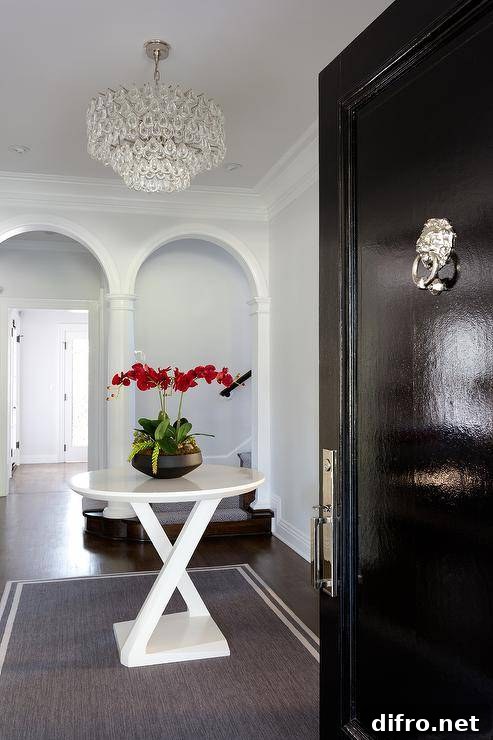
Use Large-Scale Art
One substantial piece of artwork can make a room feel bigger by creating a clear focal point and reducing visual clutter. A single oversized painting or photograph adds scale and personality without overwhelming the space.
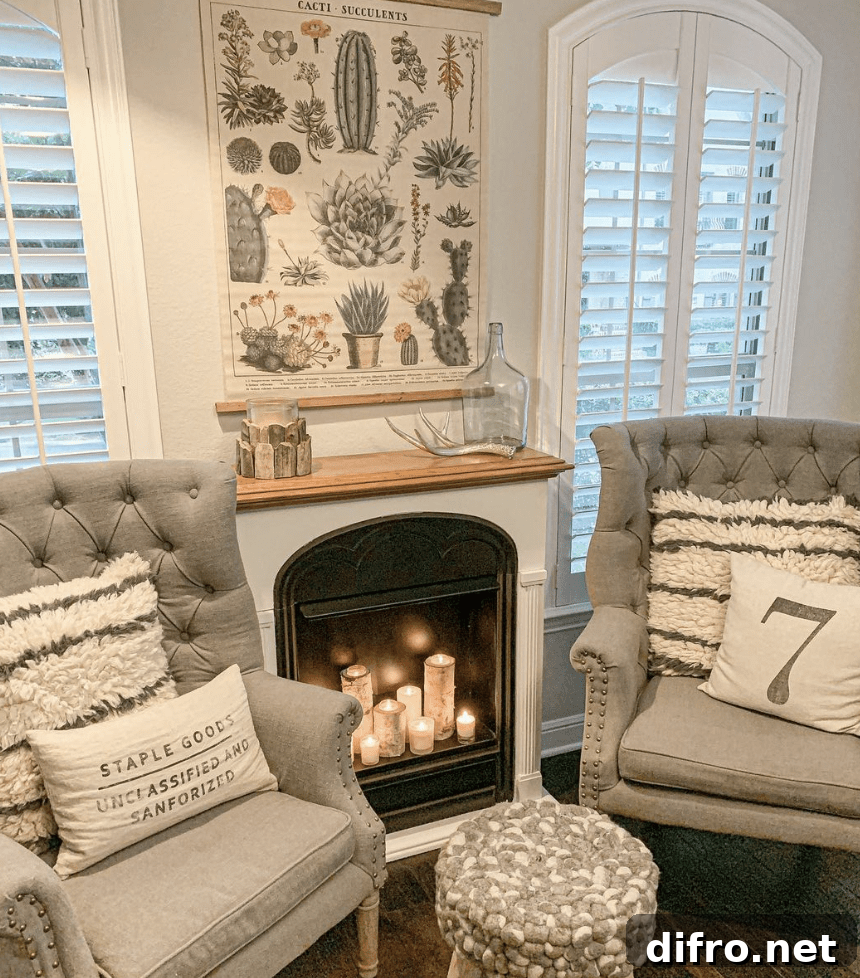
Optimize Lighting
Layered Lighting
Layer ambient, task, and accent lighting to eliminate dark corners and create depth. A well-lit room appears larger and more inviting. Combine ceiling fixtures with table lamps, wall sconces, and directed task lights to achieve balanced illumination.
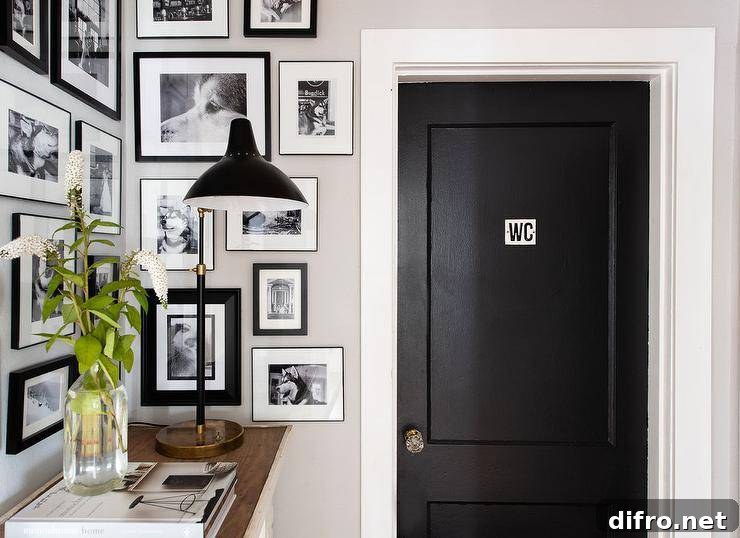
Avoid Heavy Light Fixtures
Choose sleek, low-profile lighting rather than oversized chandeliers that dominate a small room. Recessed lights, slim wall sconces, and slender floor lamps provide ample light without crowding the visual field.
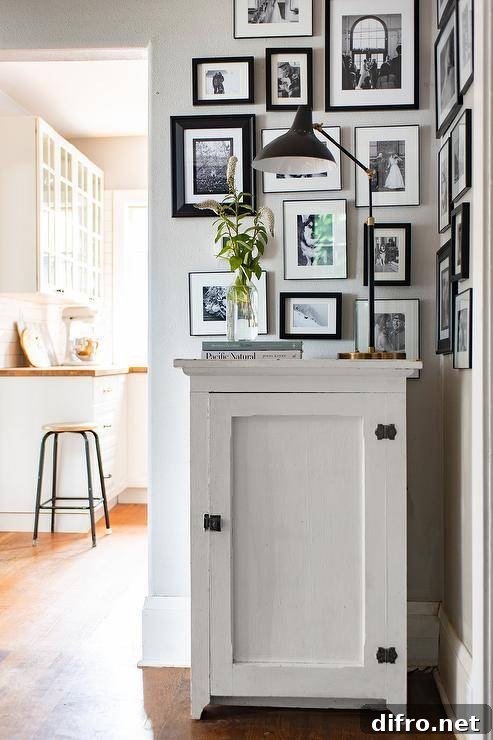
Play with Textures
Use Reflective Surfaces
Reflective finishes—glass, mirrors, and glossy surfaces—help bounce light and add perceived depth. A glass coffee table or a chrome-accented lamp creates visual space by allowing light to pass through and reflect.
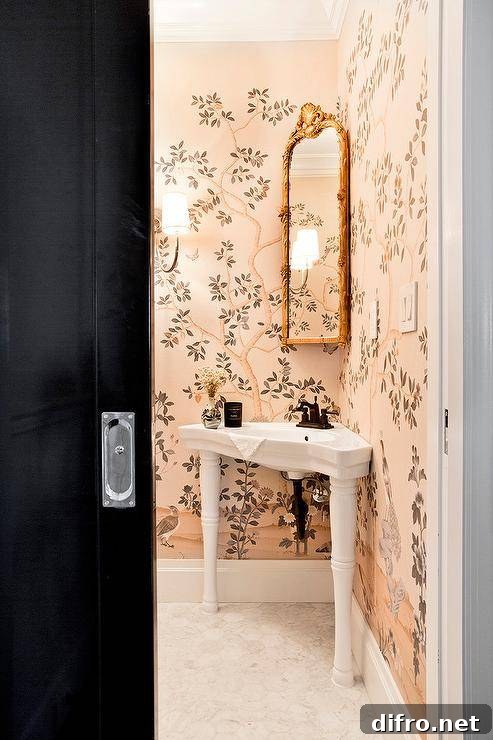
Incorporate Light Fabrics
Choose lightweight fabrics for curtains, upholstery, and bedding. Linen, cotton, and light-sheen blends read as airy and add softness without visual weight. Heavy, dark textiles can make a small room feel closed-in.
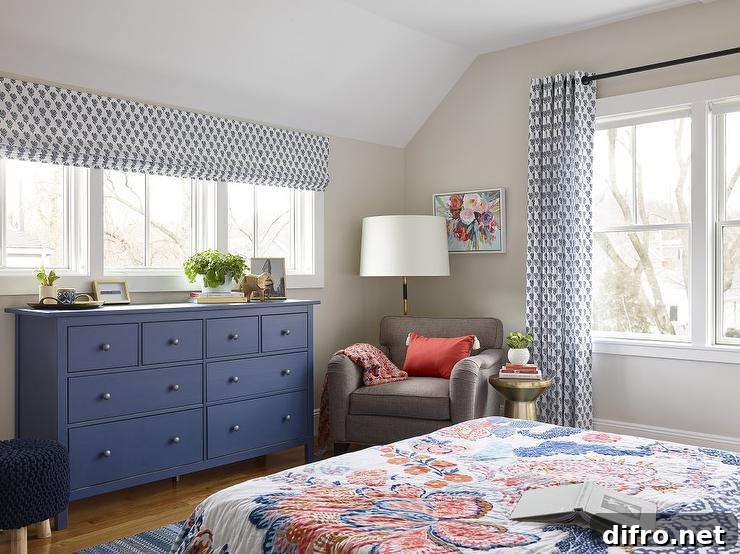
Apply these strategies—light color palettes, smart furniture choices, thoughtful lighting, and careful decluttering—to make even the smallest rooms feel spacious and welcoming. With intentional design, compact spaces can be comfortable, functional, and visually open.
Related Articles
- 19 Wall Mounted Desk Ideas Perfect For Small Spaces
- Small Corner Desk Ideas for Maximizing Work Space
- 10 Small Living Room Dining Room Combo Layout Ideas
Turn your house into the home of your dreams. Subscribe to a design newsletter to get ideas and decor trends delivered to your inbox.
Frequently Asked Questions (FAQs)
What colors make a small room look bigger?
Light colors—white, pale neutrals, soft pastels—reflect light and create an airy feel. Introduce subtle contrasts to define zones, but keep the overall palette light to maintain openness.
How can I use mirrors to make my room look bigger?
Mirrors reflect light and add perceived depth. Place a large mirror opposite a window to bounce daylight around the room, or use mirrored furniture and accents to enhance brightness and space.
What kind of furniture is best for small rooms?
Opt for multi-functional, space-saving furniture: sofa beds, storage ottomans, nesting tables, and wall-mounted desks. Pieces with legs or slim profiles help maintain a sense of open floor area.
How can I maximize natural light in a small room?
Keep windows unobstructed and use sheer treatments to let light in. Use mirrors to reflect natural light and arrange furniture to allow daylight to flow through the space.
What are some storage solutions for small spaces?
Use vertical storage like tall bookcases and wall cabinets, under-bed boxes, built-in shelving, and baskets to keep essentials organized and out of sight.
How can I decorate a small room without making it feel cluttered?
Follow a minimalist approach: choose a few meaningful pieces, avoid excessive small items, and consider one large-scale artwork to create scale without clutter.
What lighting is best for a small room?
Layer ambient, task, and accent lighting to eliminate shadows and create depth. Favor recessed fixtures, wall sconces, and slim floor lamps rather than bulky overhead pieces.