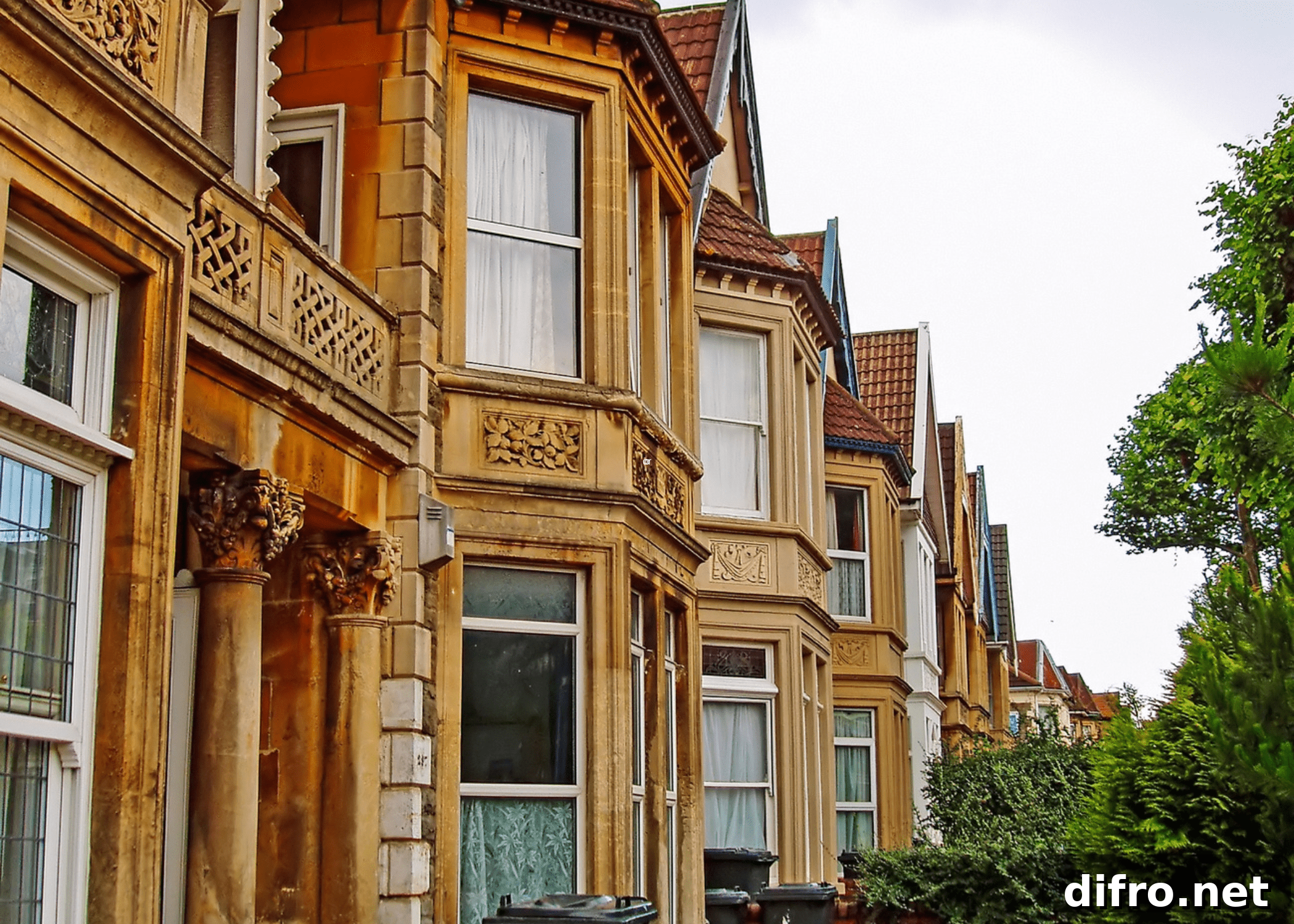
Row houses—also called townhouses or terraced houses—are a long-standing and recognizable form of urban housing. Characterized by a continuous façade and shared party walls, these dwellings typically form a linear block along a street. Compact and efficient by design, row houses balance private ownership with a strong neighborhood presence, making them a common choice in dense cities around the world.
This article examines the history, defining architectural features, advantages and limitations, and current design trends shaping modern row houses. Whether you are researching urban housing options, interested in architectural history, or considering a purchase, this guide explains why row houses remain relevant and appealing.
What Are Row Houses?
Row houses are a sequence of attached homes that share side walls and align in a continuous row. Each unit usually mirrors its neighbors in scale and layout, which creates a cohesive streetscape. Originating in European cities, this typology efficiently uses narrow urban lots while providing separate, private residences with individual entrances. The term “row house” is often interchangeable with “townhouse” or “terraced house,” depending on regional usage.
Historical Background of Row Houses
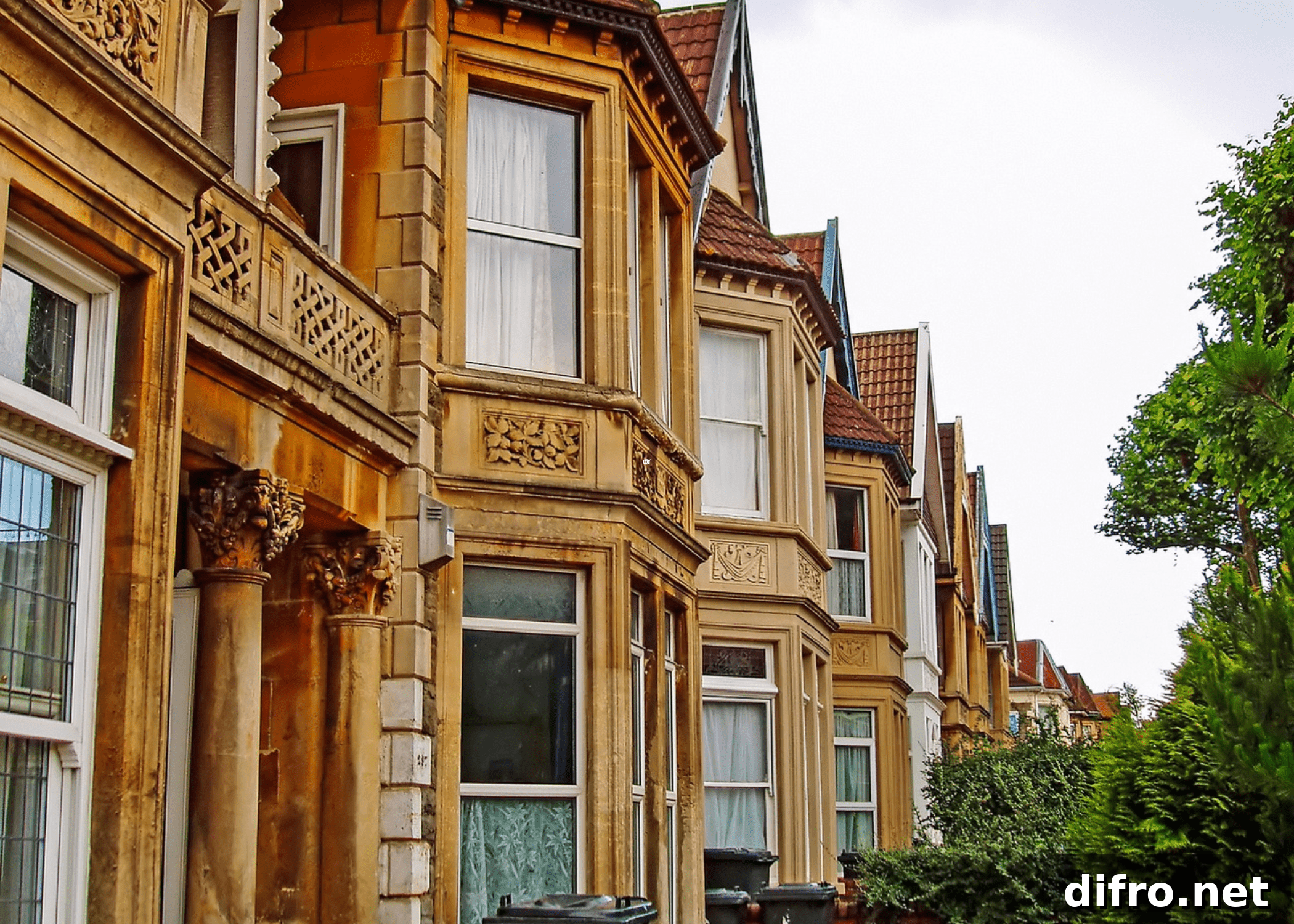
Row houses trace their roots to medieval and early modern Europe, where cities like London, Amsterdam, and Paris adopted attached housing to accommodate dense populations. In North America, the form became prominent in the 18th and 19th centuries in cities such as Philadelphia, New York, and Boston. The layout allowed property developers to build many dwellings on limited land while maintaining a consistent, attractive streetscape. Over time, regional styles—Victorian, Federal, Georgian, and later revivalist designs—adapted the basic row-house form to local tastes and materials.
Architectural Features of Row Houses
Exterior Design
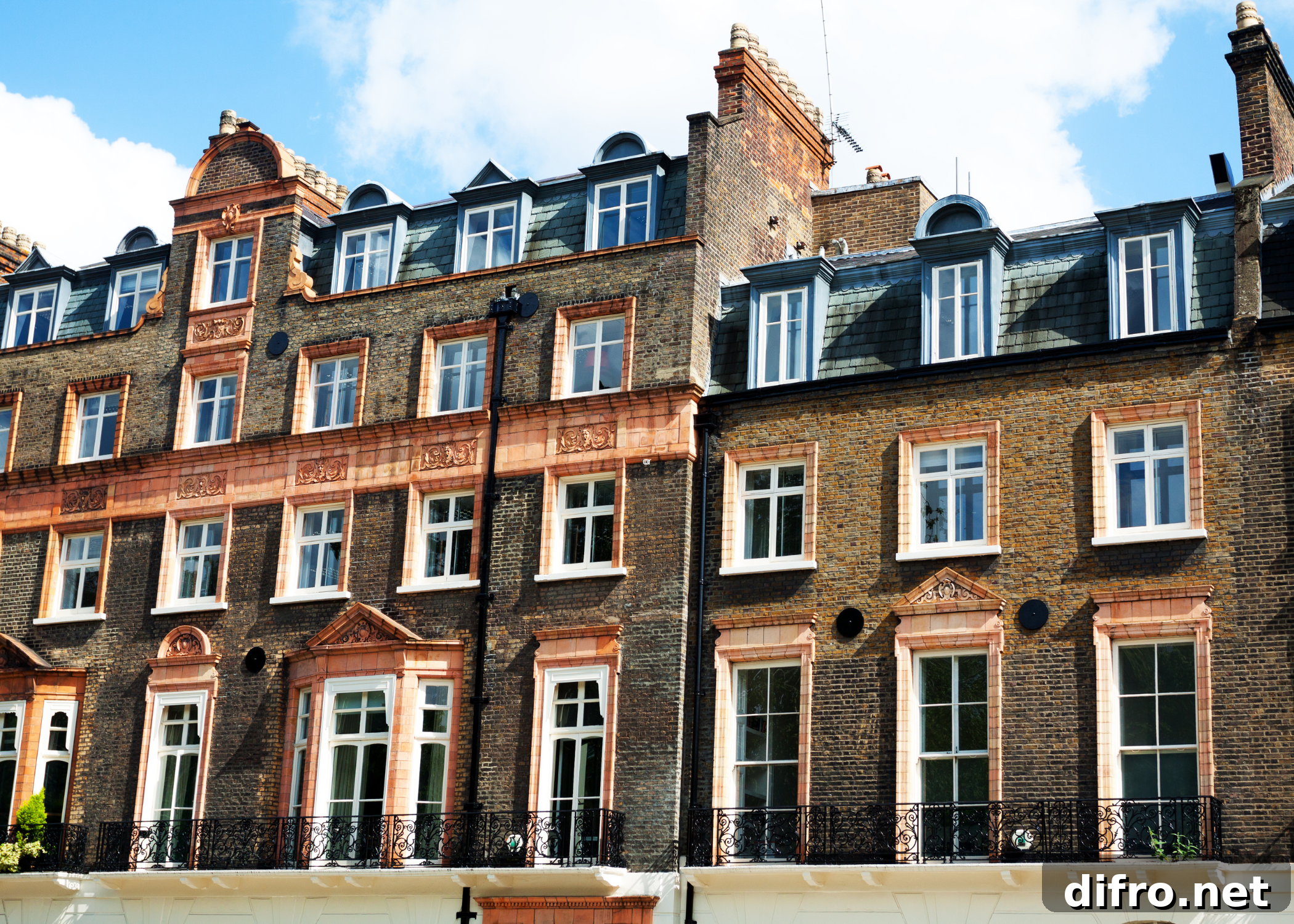
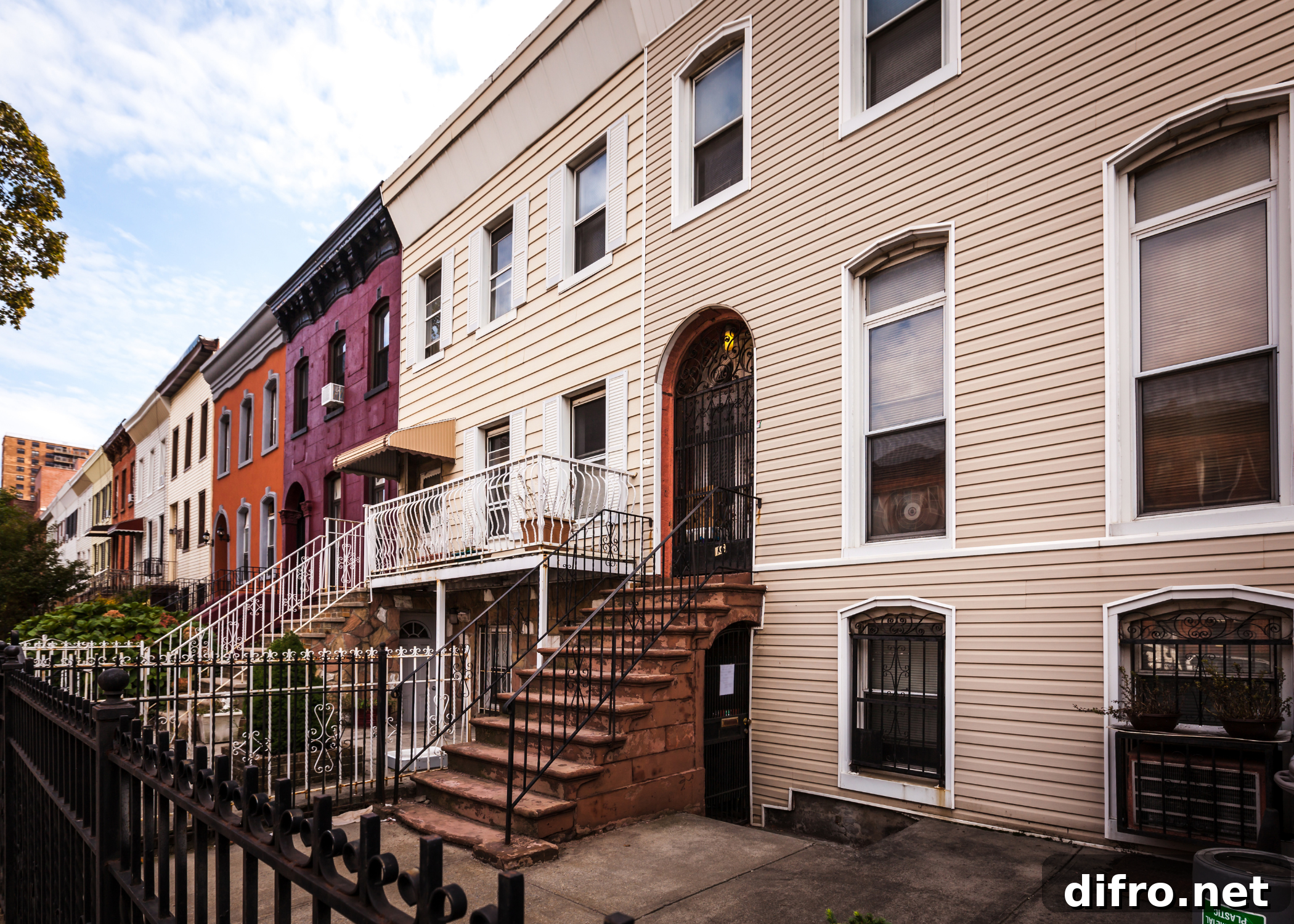
Row house exteriors typically emphasize rhythm and repetition. Narrow frontages, vertical proportions, and continuous cornices or rooflines create a unified street presence. Common materials include brick, stone, and stucco. Details such as stoops, small porches, bay windows, and decorative trim give each block character while preserving the overall harmony of the row. Rear yards or small gardens provide private outdoor space where the street frontage is constrained.
Interior Layout
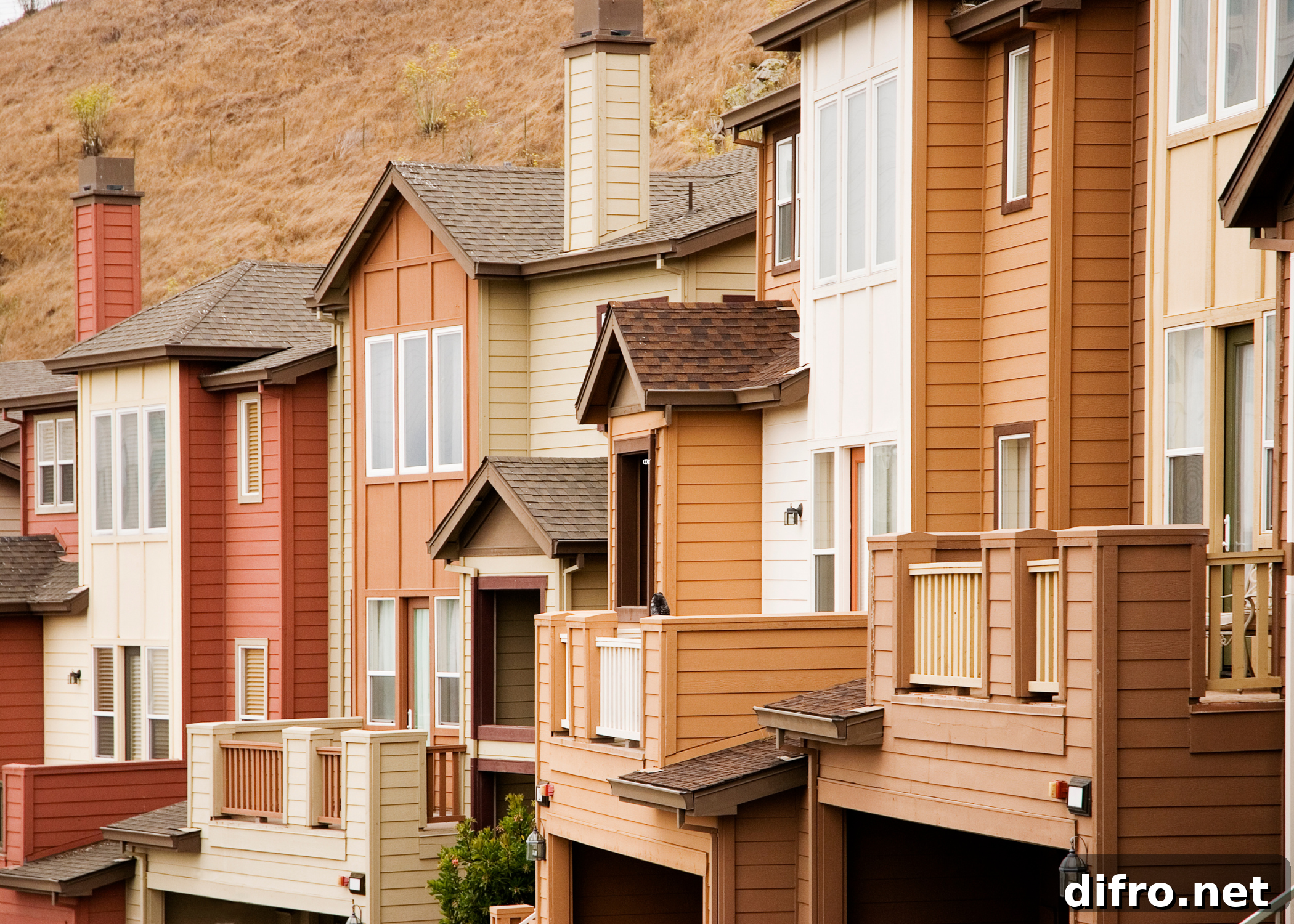
Row houses are designed to make the most of narrow lots. Typical floor plans place communal spaces—living room, dining room, and kitchen—on the ground floor, with bedrooms and bathrooms on upper levels. Basements are common and can serve as storage, laundry, or flexible living areas. Modern renovations often reconfigure layouts to create open-plan living, improve light flow, and increase functional flexibility without changing the building’s footprint.

Advantages of Row Houses
Efficient Use of Space
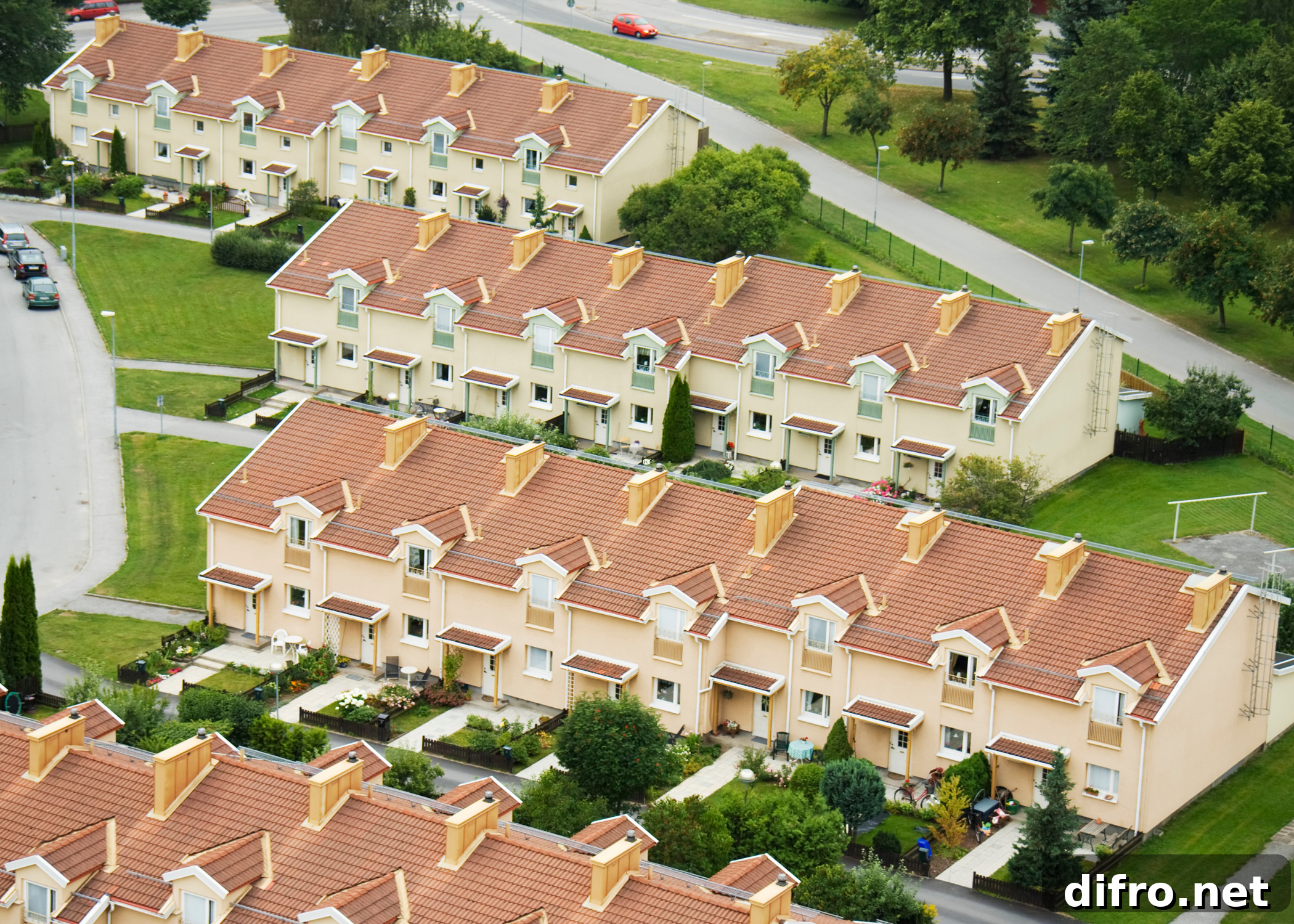
Row houses maximize the number of residences per city block while preserving individual entries and private interiors. They are particularly effective in walkable neighborhoods, where compact housing supports local services, transit access, and lower infrastructure costs per household.
Affordability
Shared walls and compact lots reduce construction and maintenance costs, which can make row houses more affordable than comparable detached homes. For many first-time buyers and investors, they represent an accessible entry into the housing market.
Community Feel
The close proximity of neighbors and regular street-facing design encourage interaction and neighborhood cohesion. Shared alleys, small courtyards, or front stoops foster a social environment that many residents find appealing.
Disadvantages of Row Houses
Limited Privacy
Because units share walls, noise transfer can be an issue. Outdoor private space is often limited compared with detached homes, and side-facing windows may be restricted or absent.
Limited Customization
Uniform façades and historic preservation rules in some neighborhoods can limit exterior alterations. Expansions are typically constrained by shared walls and lot lines, so homeowners often focus renovations on interiors or rear extensions where permitted.
Density-Related Challenges
Higher density can create parking and traffic pressures. Residents considering a row house should evaluate on-street parking, transit access, and neighborhood infrastructure when assessing long-term suitability.
Modern Trends in Row House Design
Sustainable Building Practices
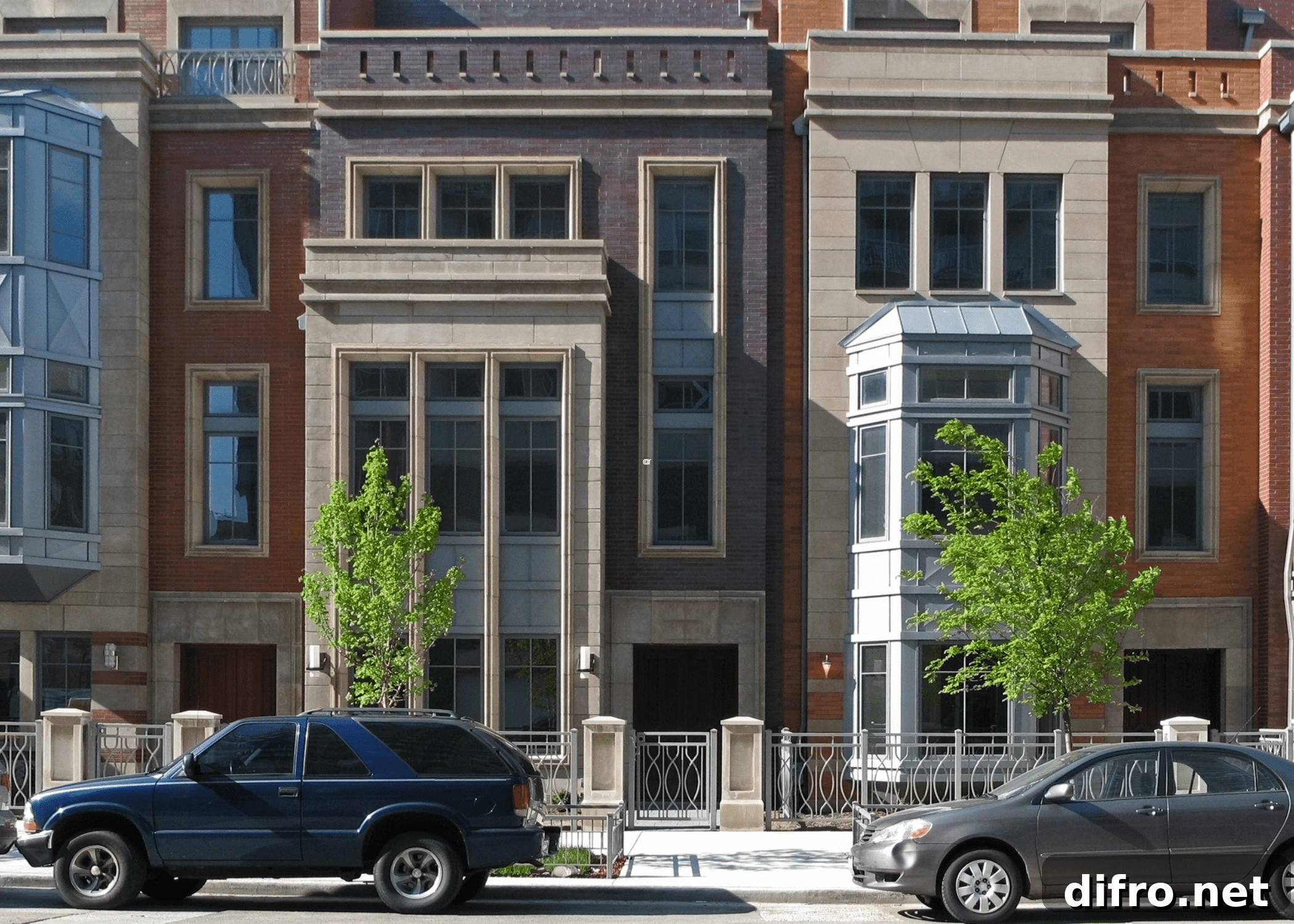
Contemporary row-house projects increasingly prioritize sustainability. Energy-efficient windows, improved insulation, solar panels, and green roofs help reduce utility costs and environmental impact while preserving the compact urban form.
Open Floor Plans
To counter narrow footprints, many row houses now feature open-plan living areas that improve daylight penetration and spatial flow. Designers use mezzanines, light wells, and strategic glazing to create a sense of openness while retaining multiple floors for sleeping and private spaces.
Mixed-Use and Transit-Oriented Development
In many cities, row houses appear within mixed-use developments that combine residential units with street-level shops, cafes, and services. This integration supports walkable neighborhoods and reduces dependence on cars.
Related Articles
- Small Corner Desk Ideas for Maximizing Work Space
- Modern Minimal Townhouse Renovation Creates Polished Living Environment
- 10 Small Living Room Dining Room Combo Layout Ideas
Row houses remain a practical and adaptable urban housing option. Their efficient use of land, affordability relative to detached homes, and strong neighborhood character explain their persistence in city planning and residential architecture. When evaluating row-house living, consider layout, local regulations, potential renovation limits, and neighborhood amenities to determine whether this housing type fits your lifestyle.
Subscribe for design tips, renovation ideas, and neighborhood planning insights to help you make the most of compact urban living.
Frequently Asked Questions (FAQs)
What is the difference between a row house and a townhouse?
The terms are largely interchangeable. Both describe attached houses built in a continuous row with shared walls. Usage varies by region—“row house” is common in some countries, while “townhouse” is preferred in others.
Are row houses a good investment?
Row houses can be strong investments in dense urban markets where land is limited. They often retain value and can provide rental income, though returns depend on location, condition, and local market trends.
How do row houses compare to condominiums?
Row houses typically offer individual ownership of the structure and lot, while condominiums involve ownership of a unit within a shared building and common areas. Row houses often provide more autonomy over modifications but can still be subject to neighborhood or preservation rules.
Can I renovate a row house?
Yes—renovations are common. Interior reconfigurations, energy upgrades, and rear extensions are frequent improvements. Exterior changes may require permits or adherence to local design guidelines, especially in historic districts.
Are row houses suitable for families?
Many families live comfortably in row houses, which typically provide multiple bedrooms and communal living areas. Evaluate the unit’s layout, proximity to schools and parks, and available outdoor space to determine family suitability.