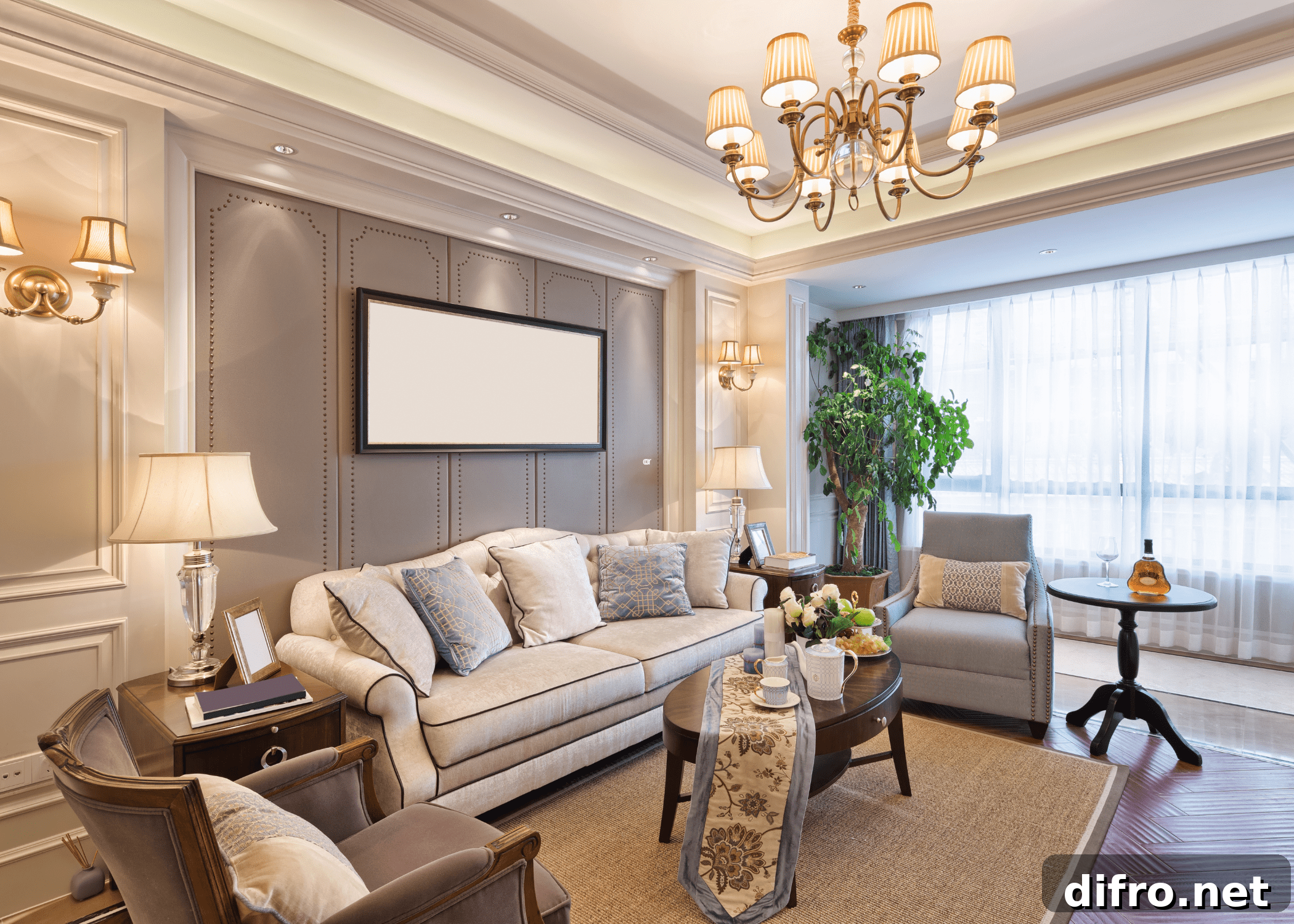
Modern Victorian Interior Design: Classic Elegance Reimagined
Modern Victorian interior design blends the ornate charm of the 19th century with the clean lines and functionality of contemporary living. This style brings together antique details—like carved moldings, tufted upholstery, and crystal chandeliers—with modern, pared-back elements such as neutral palettes, uncluttered layouts, and streamlined lighting. The result is a home that feels refined and layered, where historic character and modern comfort coexist harmoniously.
Whether you prefer subtle nods to the past or a more pronounced historic influence, modern Victorian interior design offers flexible solutions that suit a variety of tastes and home sizes. Thoughtful pairing of old and new ensures each room feels curated, comfortable, and timeless.
Key Elements of Modern Victorian Interior Design
Color Palette
Victorian interiors historically favored deep, saturated hues—burgundy, emerald green, and navy—often used to convey warmth and luxury. In a modern Victorian scheme, these richer tones are used as accents against a foundation of lighter, neutral colors such as soft gray, warm beige, and crisp white. This approach preserves the depth and drama of Victorian color while keeping spaces bright and livable.
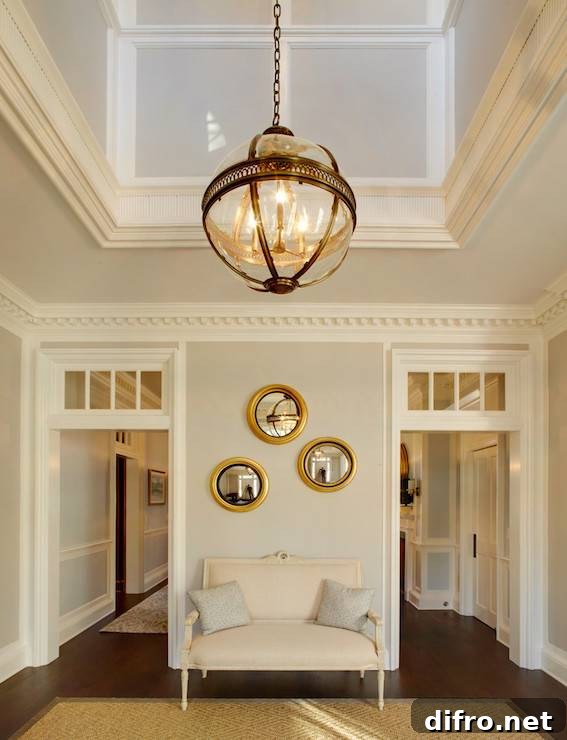
Using a neutral base with strategic color accents helps maintain balance: deep tones for focal points and accessories, and light neutrals for walls, flooring, and larger furniture pieces.
Furniture and Decor
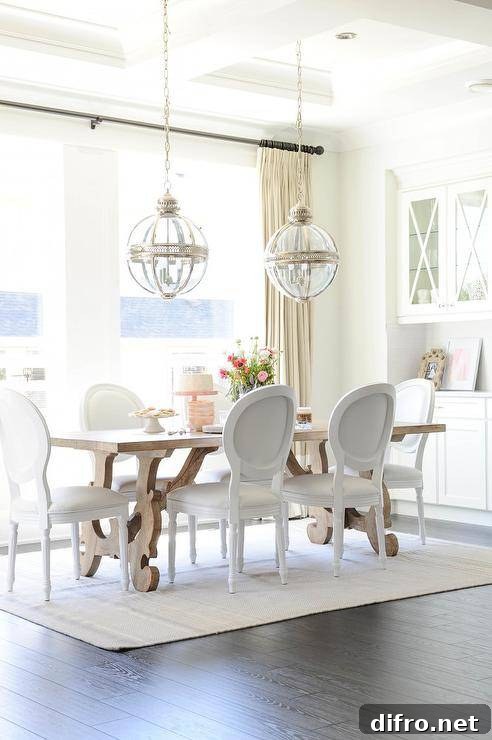
Modern Victorian interiors mix antique or reproduction pieces with contemporary furniture. Think carved wooden chairs and a tufted sofa paired with a minimalist coffee table or a sleek console. This contrast highlights both the craftsmanship of older pieces and the relaxed clarity of modern design.
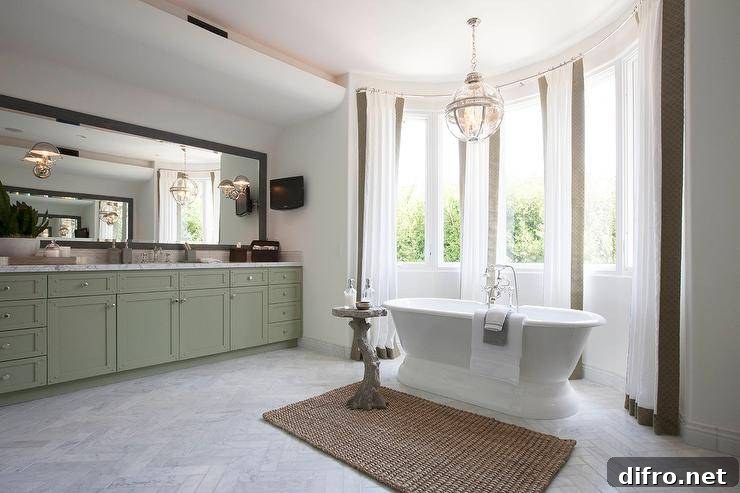
Decorative accents—vintage mirrors, ornate moldings, crystal chandeliers—introduce Victorian glamour, while modern artwork, geometric accents, and simple lighting keep the overall aesthetic fresh and lived-in.
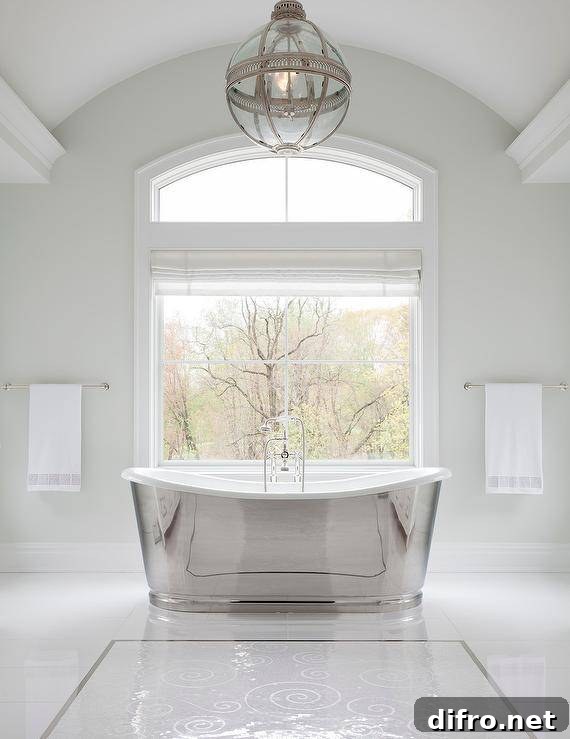
Textiles and Patterns
Rich textiles—velvet, silk, and brocade—are signature materials in Victorian interiors and remain central in the modern interpretation. Use these fabrics for upholstery, drapes, and accent pillows to introduce texture and a sense of luxury.
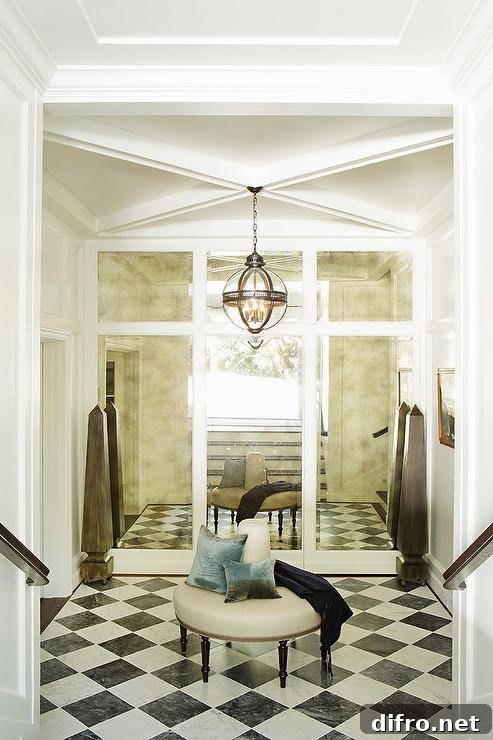
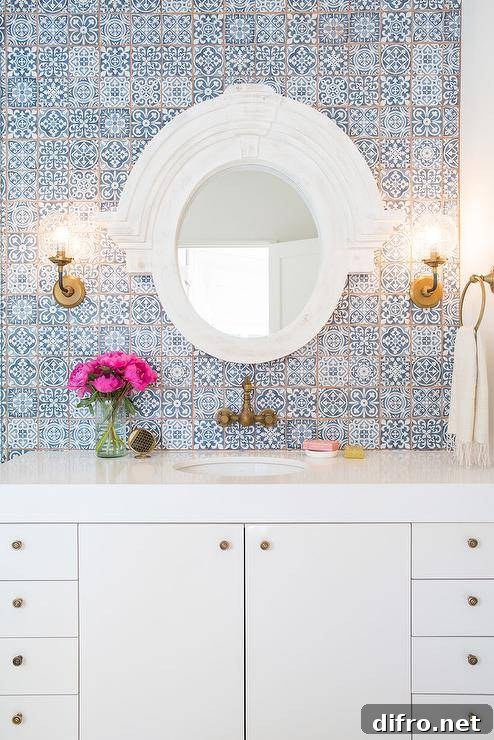
Classic Victorian patterns—damask, floral, and paisley—work well when used sparingly as focal points. Balance them with modern, understated patterns like simple stripes or geometric prints to avoid visual overload.
Incorporating Modern Victorian Elements into Your Home
Living Room Design
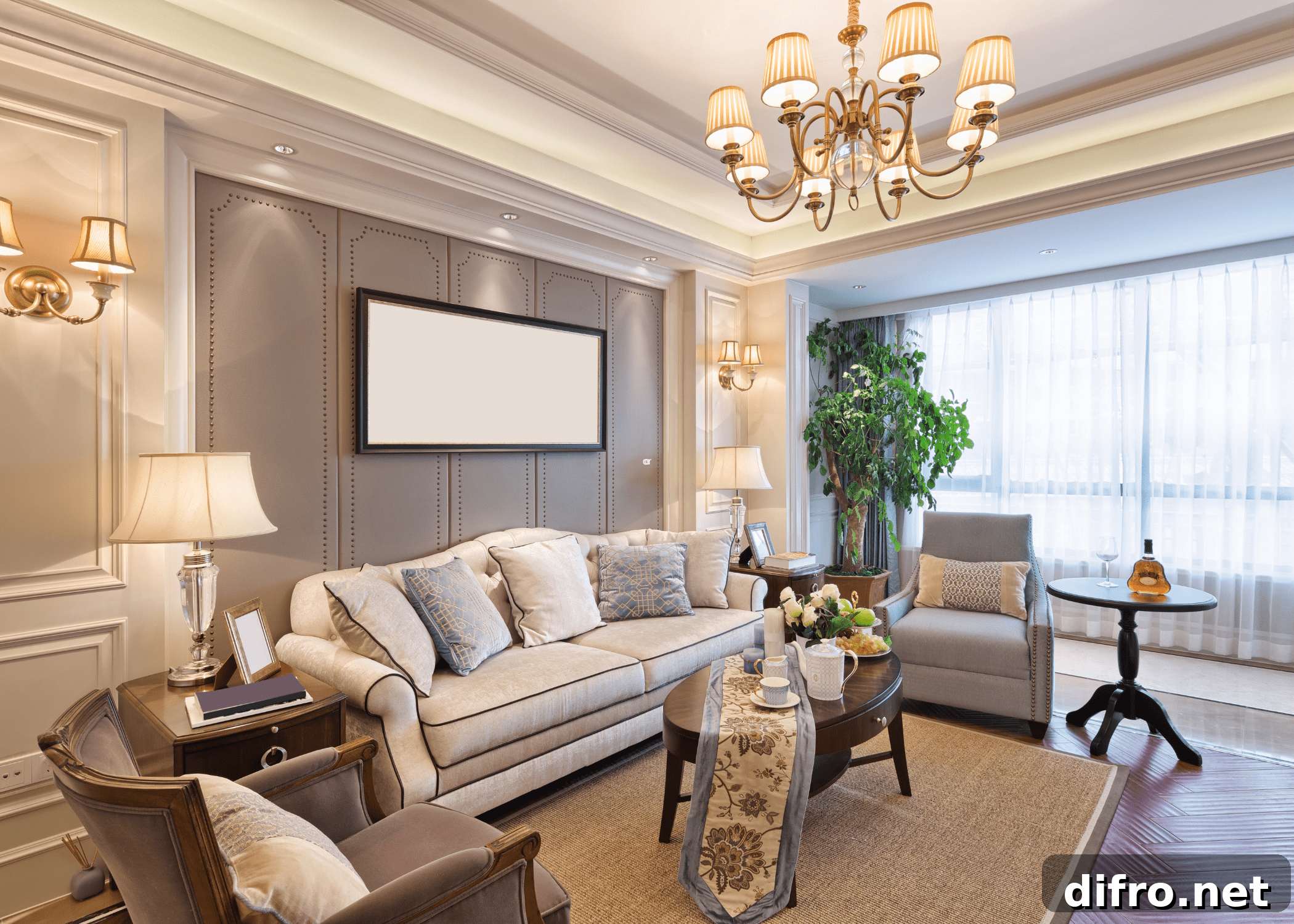
Start with a neutral sofa and layer in texture and pattern through accent chairs, a vintage coffee table, or a tufted ottoman. A gilded mirror or an ornate mantel provides classic character, while contemporary lighting—such as a minimal floor lamp or a statement chandelier—keeps the room current. Aim for balance: let one or two Victorian pieces anchor the space rather than crowding it with too many ornate elements.
Bedroom Design
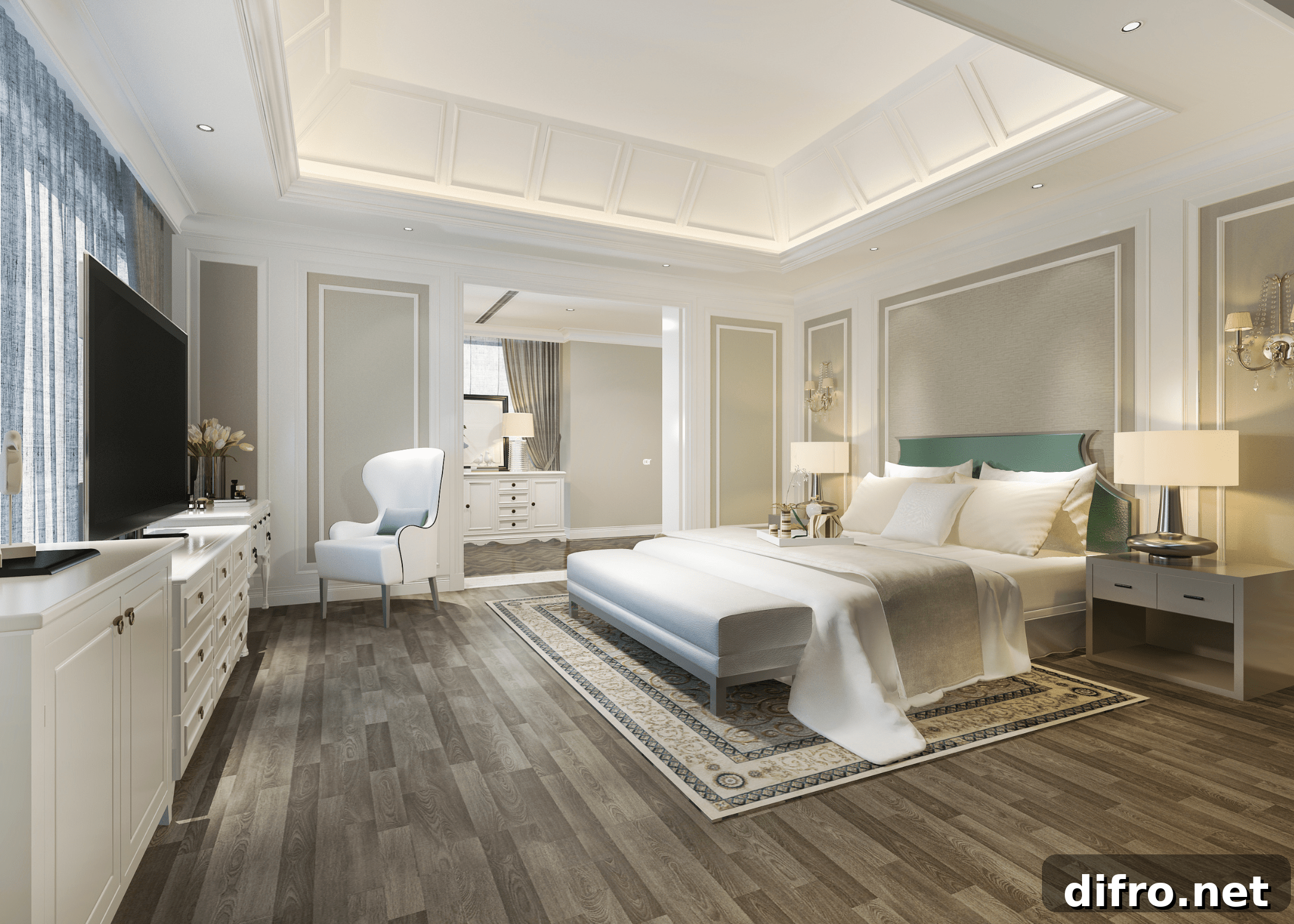
Bedrooms benefit from the luxurious side of Victorian design—an upholstered headboard, plush bedding, and layered textiles create a restful retreat. Pair a carved dresser or vintage vanity with clean-lined nightstands and contemporary artwork to maintain a fresh, uncluttered atmosphere.
Kitchen and Dining Room Design
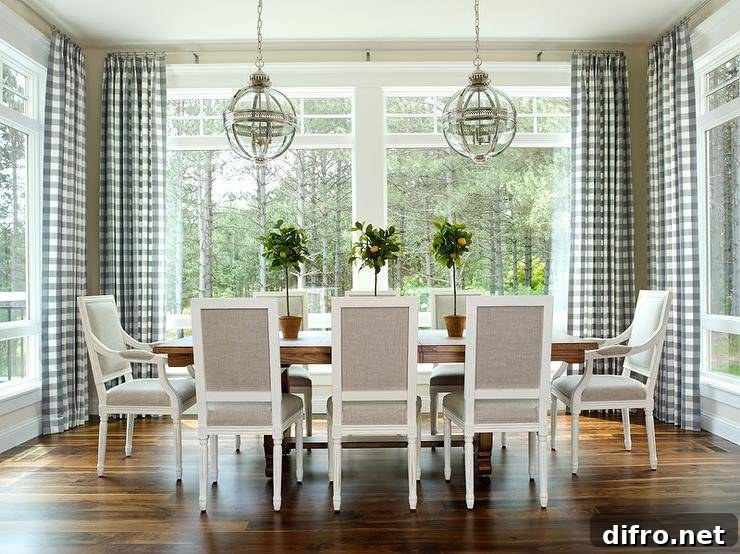
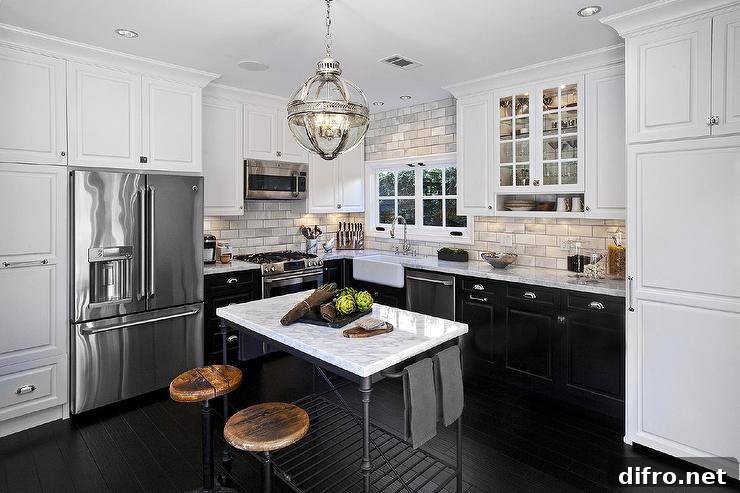
Kitchens and dining rooms offer great opportunities to combine classic and contemporary details. Consider a farmhouse sink or a vintage-inspired range alongside modern cabinets and countertops. In the dining room, a traditional wooden table pairs beautifully with contemporary chairs; add an antique sideboard or a crystal chandelier for drama without overwhelming the space.
Frequently Asked Questions (FAQs)
What is modern Victorian interior design?
Modern Victorian interior design is a hybrid style that merges the ornate, decorative features of Victorian-era decor with contemporary simplicity. It balances rich textures and historic details with modern color schemes and functional layouts to create spaces that feel sophisticated yet comfortable.
How can I achieve a modern Victorian look in my home?
Begin with a neutral base and layer in rich accent colors. Mix antique or antique-style furniture with contemporary pieces, use luxurious fabrics for key elements, and incorporate decorative details like mirrors, moldings, and classic lighting. Maintain careful restraint so the space reads as thoughtfully curated rather than cluttered.
What color schemes are best for modern Victorian interior design?
Combine saturated Victorian colors—burgundy, emerald, navy—with light neutrals like gray, beige, and white. Use the darker colors as accents in upholstery, cabinetry, or accessories while keeping larger surfaces light to preserve brightness and openness.
Can modern Victorian interior design work in a small space?
Yes. Focus on a few well-chosen Victorian elements rather than filling the room with ornate pieces. Choose lighter wall colors, use mirrors to expand the visual space, and select furniture with slim profiles to avoid overwhelming a small room.
What are some key furniture pieces for modern Victorian interior design?
Important pieces include tufted sofas or armchairs, an upholstered statement bed, carved wooden dressers or sideboards, and select vintage coffee tables. Pair these with modern, streamlined items to create contrast and visual harmony.