Hanging a tapestry is one of the easiest ways to turn an empty wall into a striking focal point. Whether you want a bohemian accent, a minimalist backdrop, or a cozy layered look, the right hanging method will protect the fabric and highlight its pattern. This guide explains practical and creative options for how to hang tapestry so you can choose the best solution for your space, budget, and the size of the piece.
Below are ten reliable and attractive ways to hang a tapestry, ranging from renter-friendly solutions to permanent installations. Each method includes tips for achieving a smooth, even display and for protecting both the wall and the textile.
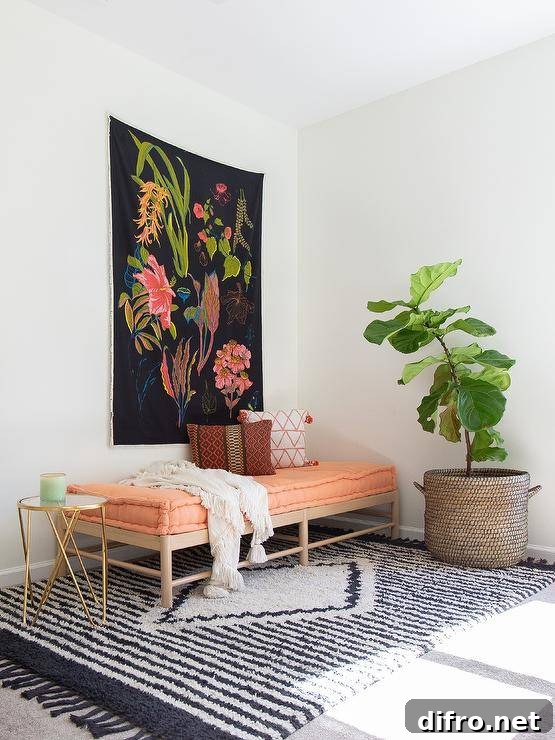
Rod and Brackets
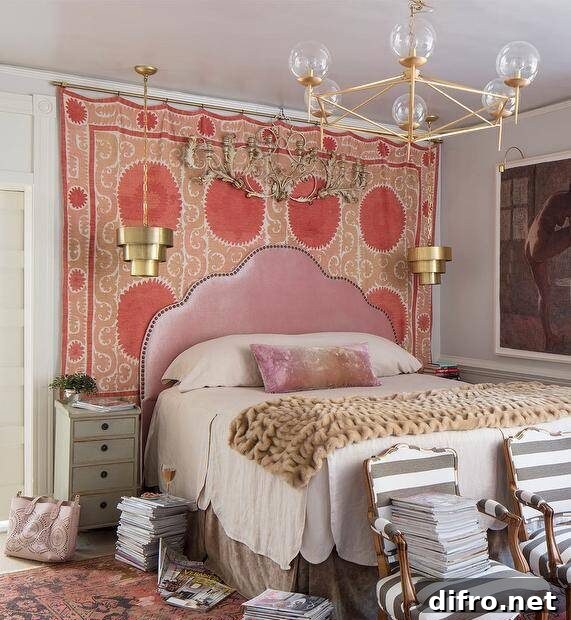
Using a rod and brackets is a classic, sturdy way to hang a tapestry. Sew a pocket along the top edge or attach curtain rings with clips to the fabric, then slide a decorative rod through. Heavy-duty brackets will support larger, heavier tapestries without sagging, and the rod itself can add a finished look that complements your decor.
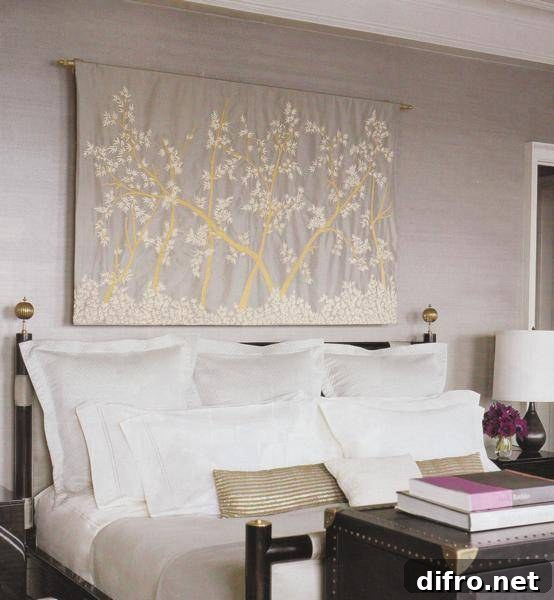
Velcro Strips
Velcro strips offer a streamlined, renter-friendly solution. Attach one side of the Velcro to the tapestry and the matching side to the wall. This creates a virtually invisible mount and makes it easy to remove or reposition the piece without leaving marks. Use industrial-strength Velcro for medium-weight fabrics.
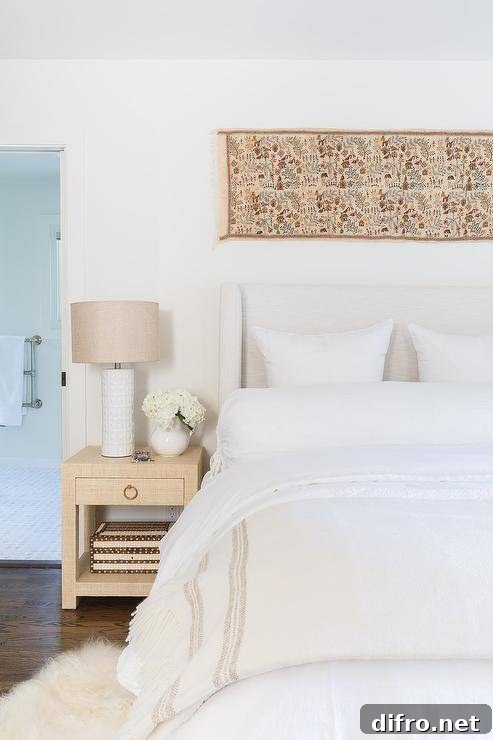
Tapestry Hangers
Specialty tapestry hangers clamp or grip the top edge of the fabric and distribute weight evenly to prevent sagging. They come in plain and decorative styles—some are simple wooden or metal bars, while others feature ornate finials. Hangers make it easy to swap pieces and are a good choice when you want the tapestry to drape naturally without a stitched pocket.
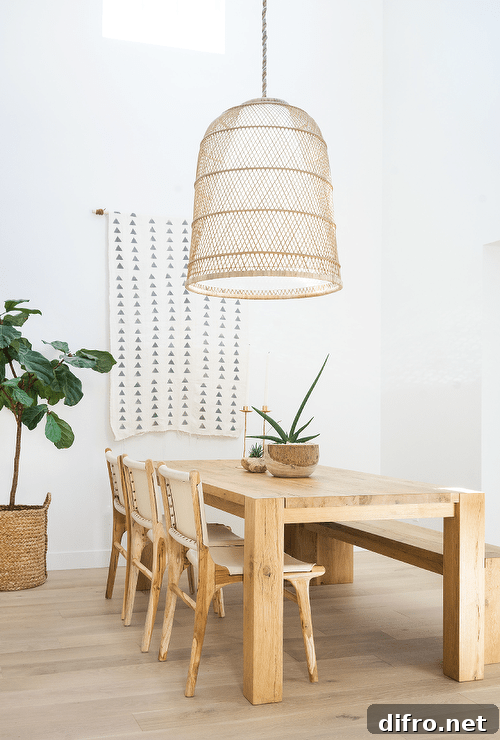
Command Hooks
Command hooks and similar removable adhesive hooks are ideal when you want a no-damage option. Many adhesive hooks support significant weight and peel away cleanly. Use multiple hooks evenly spaced across the top edge of the tapestry to distribute weight and prevent pulling at a single point.
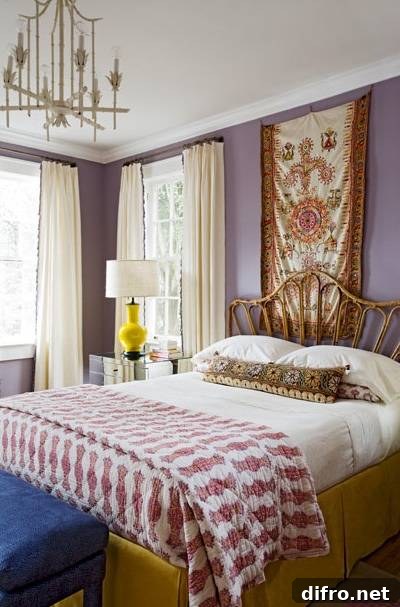
Wooden Frame
Stretching a tapestry over a wooden frame gives it a polished, gallery-style look. Staple the fabric to the back of the frame and pull it taut as you work to avoid wrinkles. This method protects the textile and creates a rigid piece that hangs flat against the wall—great for modern interiors and large-scale patterns.
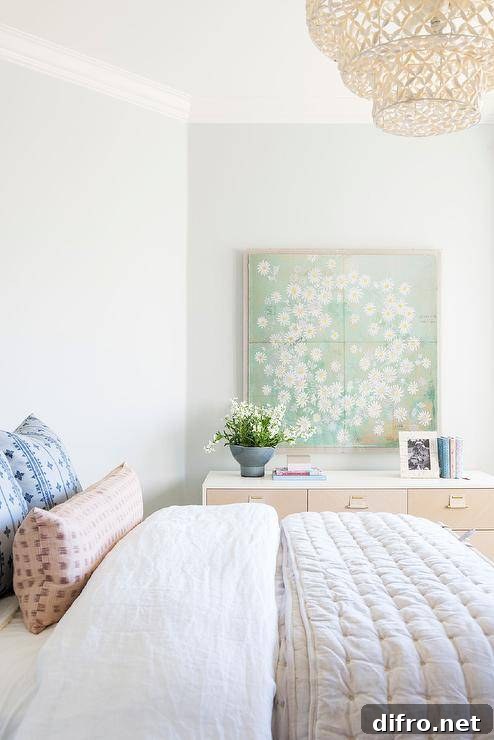
Curtain Rods
Curtain rods are a flexible and attractive choice. You can use rings with clips for a casual feel or sew a rod pocket for a more finished, tailored look. Curtain rods come in many finishes—choose one that complements nearby hardware for a cohesive room aesthetic.
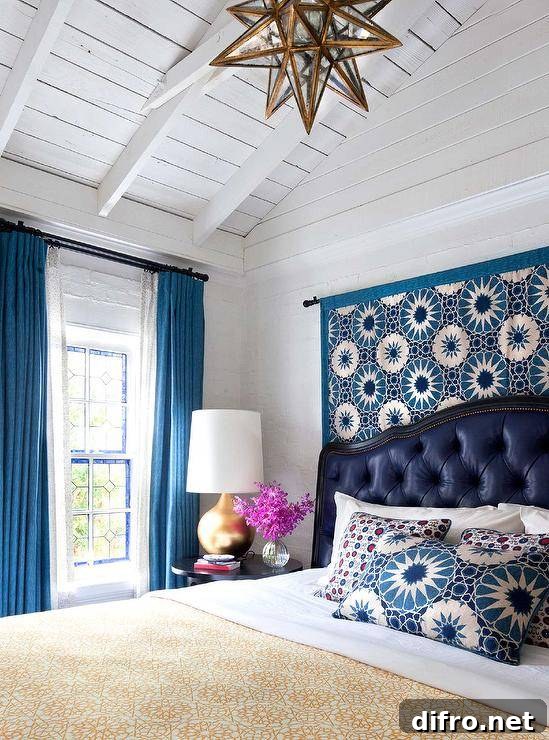
Binder Clips
Binder clips clipped across the top edge create an industrial, minimalist look and are an affordable option. Hang the clips on nails, screws, or hooks set into the wall. This method is gentle on the fabric and works well with medium-weight tapestries for a relaxed, modern display.
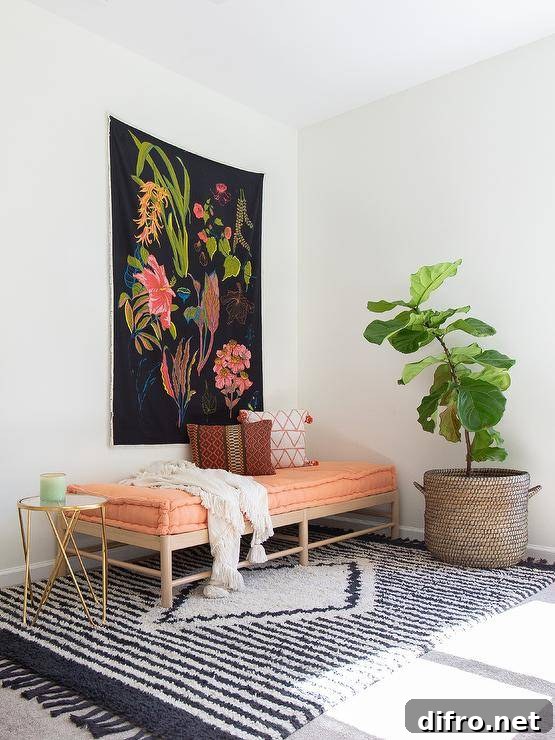
Clothespins and String
For a rustic or bohemian look, hang a tapestry with clothespins on a taut string or wire. Secure the string between two hooks and space the clothespins evenly to support the fabric without creasing. This whimsical method suits small to medium tapestries and makes it easy to swap art frequently.
Stapling
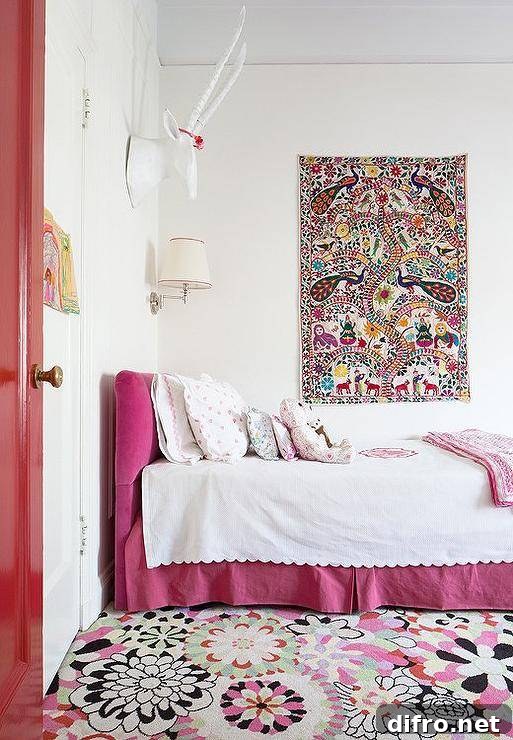
Stapling a tapestry directly to a wall is the most permanent and secure option. Use a staple gun to attach the edges, pulling the fabric taut as you go. This works best for very large pieces intended to stay in place long-term, but be mindful that it will leave holes in both the tapestry and the wall.
Magnetic Hangers
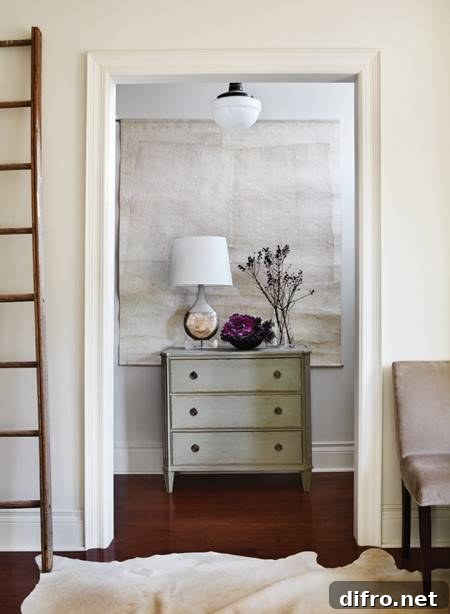
Magnetic poster hangers are an elegant, damage-free option. Two wooden or metal slats with embedded magnets clamp the top—and sometimes the bottom—of the tapestry, holding it flat without stitching or adhesives. They make swapping pieces quick and preserve the integrity of the fabric.
Choosing the right hanging method depends on the tapestry’s weight, the wall surface, and whether you want a permanent or renter-friendly solution. From the supportive rod-and-brackets approach to removable Velcro and magnetic hangers, these ten techniques cover every need. Try one or combine methods—such as a bottom dowel for weight plus a rod at the top—to keep the tapestry smooth and perfectly displayed.
Related Articles
- 10 Home Decor Trends to Bid Farewell in 2024
- Slow Decorating: What It Is and Why It Works
- 10 Simple Decor Ideas to Make Your Home More Stylish
Ready to refresh your space? Subscribe to our newsletter for exclusive interior design tips, trends, and practical ideas to help you style your home. Subscribe today!
Frequently Asked Questions (FAQs)
What are the best methods for hanging a tapestry without damaging the wall?
Renters and anyone avoiding wall damage can use removable adhesive hooks, Velcro strips, magnetic hangers, or command-style strips. These options keep the wall intact while providing reliable support for light- to medium-weight tapestries.
How do I hang a tapestry if I don’t want to put holes in my tapestry?
Use clamps, binder clips, curtain rings, or magnetic hangers so you don’t need to sew or puncture the fabric. Clips and rings attach at the top edge and let you hang the tapestry from a rod or hooks without creating permanent holes.
What tools will I need to hang a tapestry with nails or screws?
For nails or screws you’ll need a hammer or screwdriver, a level to keep the piece straight, measuring tape, and wall anchors for drywall if the tapestry is heavy. Mark mounting points carefully for even support.
Can I hang a tapestry on a brick wall, and if so, how?
Yes. Use brick clips that grip the brick without drilling, or install masonry screws and anchors if you’re comfortable with drilling. Alternatively, lean a framed tapestry against the wall for a no-drill option.
What’s the best way to hang a large, heavy tapestry?
For large or heavy tapestries, use a sturdy rod with heavy-duty brackets or stretch the textile over a wooden frame. These methods distribute weight evenly and prevent sagging or distortion over time.
How high should I hang my tapestry?
Hang a tapestry so its center is roughly at eye level—about 57 to 60 inches from the floor is a helpful guideline. Adjust based on wall height, furniture placement, and the tapestry’s proportions to achieve visual balance.
How can I keep my tapestry from wrinkling or sagging after it’s hung?
Ensure the fabric is stretched taut during installation, use a rod-and-pocket or frame for even tension, and add a weighted dowel at the bottom edge if needed. Periodically smooth and adjust the fabric to maintain a neat appearance.