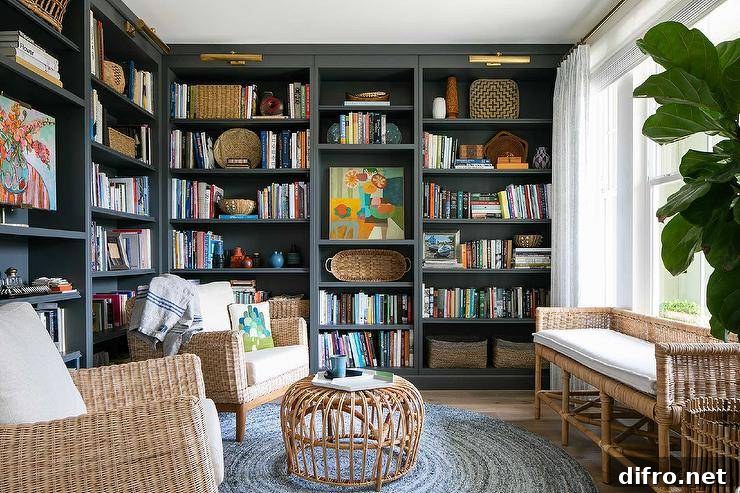
In an era dominated by screens, the tactile pleasure of a physical book continues to hold a special place for many who keep home libraries. Turning a page, lingering over a passage, or rediscovering a favorite title creates a sense of calm and enrichment that digital reading rarely reproduces. For book lovers, a dedicated library space at home is more than storage—it’s a personal retreat.
This article presents practical and inspiring home library ideas to suit a range of tastes and spaces. From snug window nooks to expansive, floor-to-ceiling book walls, these suggestions will help you design a library that stores your collection and encourages reading, study, and relaxation.
Assessing Space and Size for Your Home Library
Before you begin, evaluate the space you plan to use. Measure the room, note available natural light, and decide the atmosphere you want—bright and airy, dark and moody, or warm and cozy. The size and layout of the room will determine the type of shelving and seating that fit best.
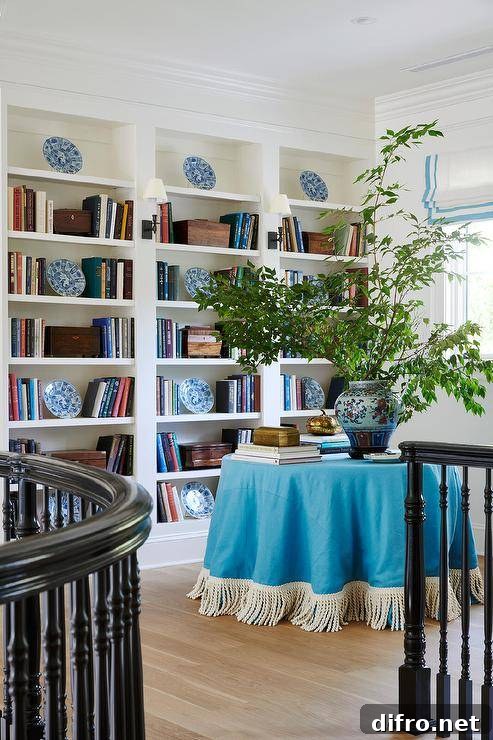
Consider your current collection and future growth. A large library benefits from tall, sturdy shelving that maximizes vertical space; a smaller collection or compact room may call for multifunctional furniture that combines seating and storage. Always leave enough walking and reading space so your library feels inviting rather than cramped.
Plan for flexibility: adjustable shelves, modular units, or stackable bookcases help you adapt as your collection changes.
Selecting a Theme for Your Home Library
Choosing a theme gives your library visual cohesion and emotional character. A classic look with rich wood and brass fixtures evokes old-world reading rooms, while a minimalist design with clean lines and neutral tones supports a calm, modern study. Themes can also reflect the books you keep—travel guides paired with maps, gardening books surrounded by botanical prints, or a mystery-inspired corner with moody hues and vintage decor.
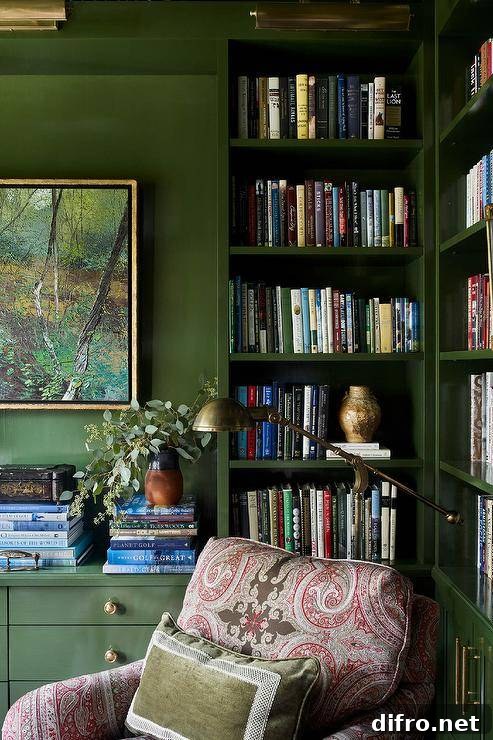
The important thing is to balance style with comfort, creating a space that invites you to linger with a book.
Choosing the Right Shelving for Your Books
Shelves are the backbone of any home library. Material and construction should match the weight and size of your collection—hardwood or metal for heavy volumes, lighter woods or engineered materials for paperback-heavy collections. Adjustable shelving increases versatility for changing book sizes and decorative items.
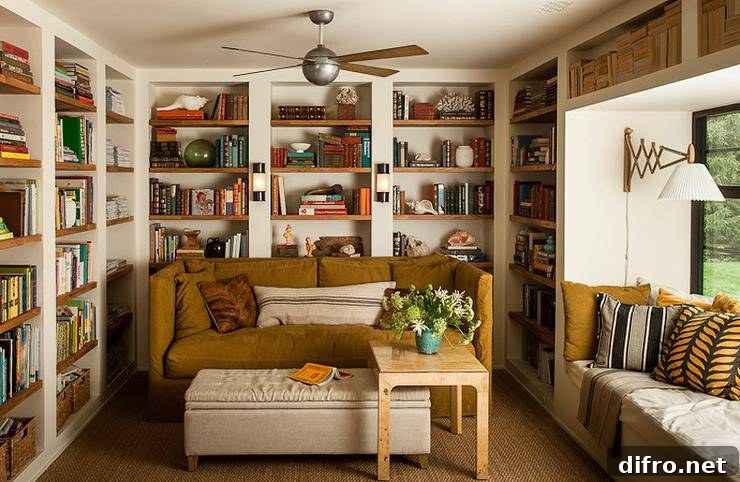
Consider layout and flow: floor-to-ceiling shelving creates an immersive library feel, while floating shelves make a room feel open. Place frequently used books at eye level, keep a mix of vertical and horizontal stacks for visual interest, and leave room for a few decorative pieces to personalize the space.
Incorporating Comfortable Seating Options
Comfortable seating transforms a collection into a destination. Choose chairs and sofas that provide good support for long reading sessions—overstuffed armchairs, chaises, or a well-cushioned window seat are classic choices. Add a footstool or ottoman and keep soft throws and cushions within reach.
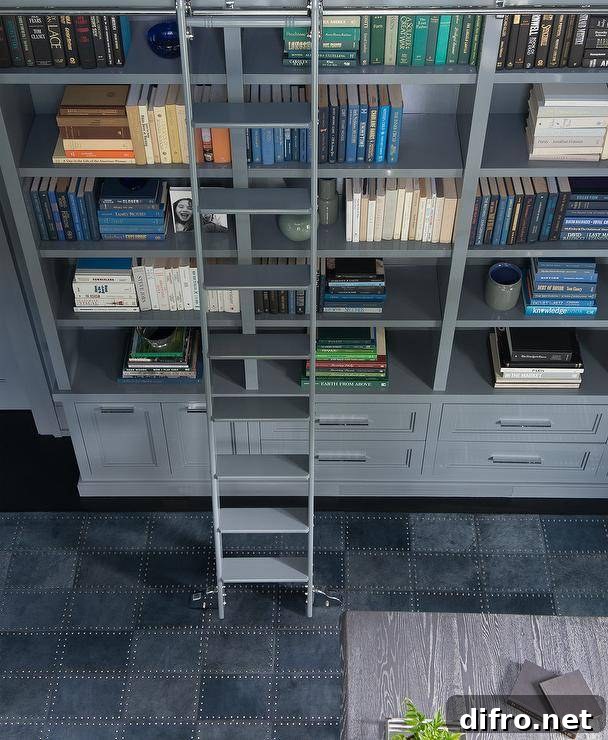
Position seating near a source of light and provide a small side table for drinks or notes. Comfortable seating combined with good lighting makes your library usable day and night.
Lighting Solutions for Enhanced Reading in Home Libraries
Lighting should combine general illumination with targeted task lighting to reduce eye strain and create atmosphere. Overhead lights provide ambient brightness, while floor lamps, adjustable desk lamps, or wall sconces deliver focused light for reading. Choose bulbs that mimic daylight for the most comfortable long-term reading experience.
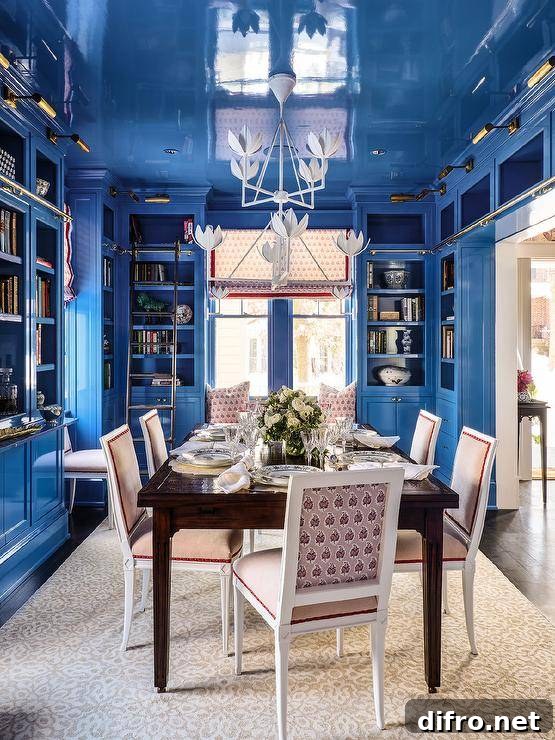
Smart lighting can add convenience—adjustable LEDs let you change brightness and color temperature with a phone or voice command, creating ideal reading conditions at any time.
Integrating Technology in Modern Home Libraries
Technology can enhance a traditional library without detracting from its charm. Consider discreet integrations like smart lighting, e-reader charging stations, or a small workstation for research. More advanced options include shelving systems that support a digital catalog or sensors that help track books, which can simplify organization for large collections.
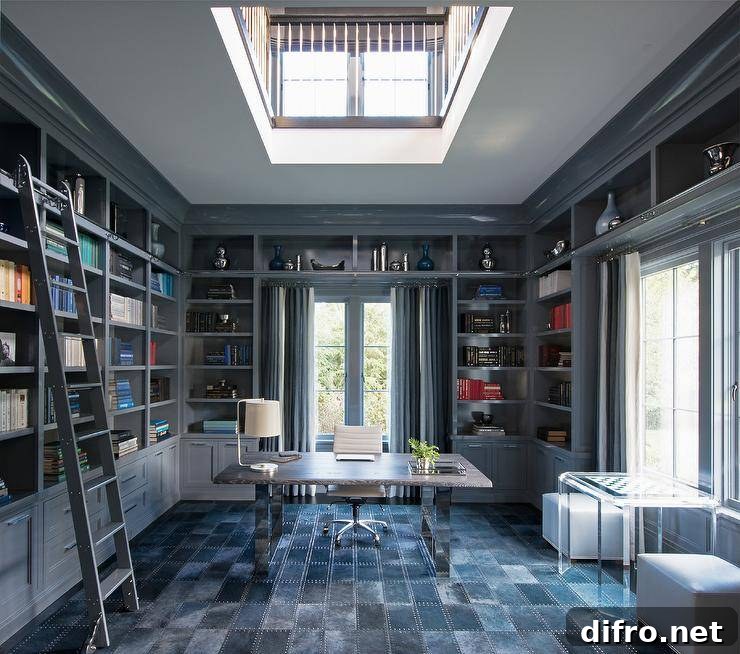
Thoughtful tech integration preserves the feel of a cozy reading room while adding modern convenience for cataloging, lighting, and digital reading.
Personal Touches to Enhance Your Home Library Atmosphere
Personal details make a library feel like yours. Paint shelves in a favorite hue, display art or travel mementos, or add plants and decorative objects to create visual rhythm. Layered lighting—floor lamps, desk lamps, and wall sconces—sets a warm mood while providing practical task lighting.
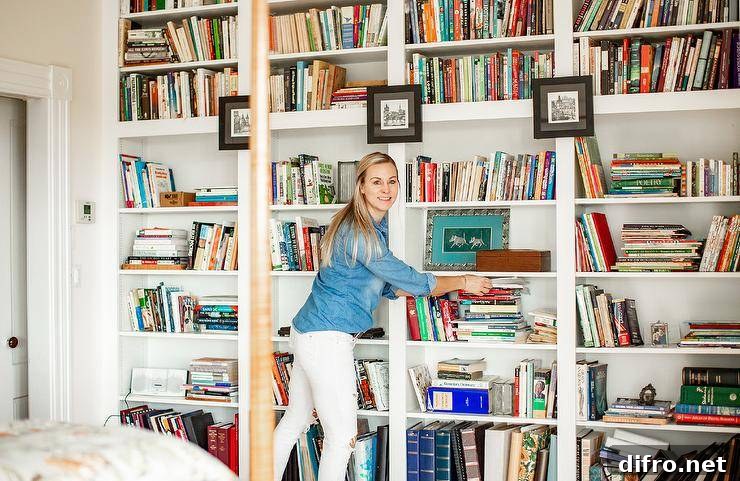
Scent also influences atmosphere—subtle candles or essential oil diffusers with calming notes can make reading sessions more relaxing. These small choices help your library become a personal sanctuary.
Bringing Your Home Library Ideas to Life
To realize your library, start with the essentials: accurate measurements, suitable shelving, comfortable seating, and effective lighting. Choose a style that complements your home, whether modern and restrained or warm and traditional. Arrange books in a way that fits how you use them—by genre, author, or even color—to make the space both functional and inspiring.
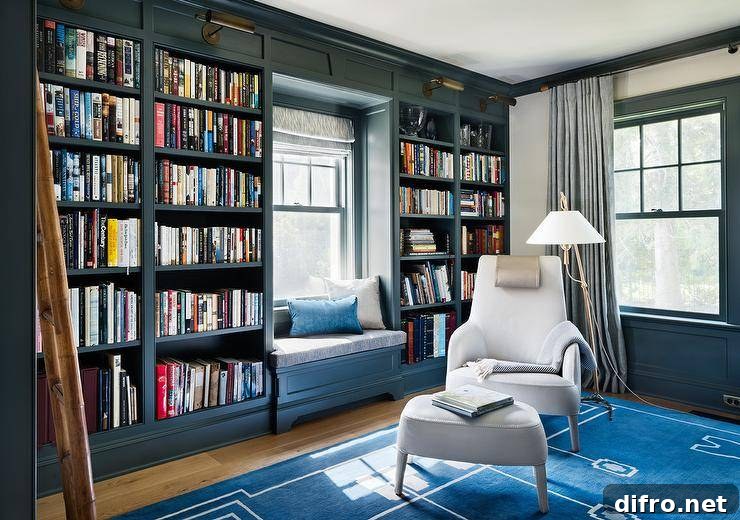
Thoughtful organization and a few personal touches will turn your collection into a curated space you return to again and again. With planning and creativity, your home library can become a beautiful, functional retreat that celebrates your love of books.
More Articles From Us
- Creative Under Stairs Nook Ideas for Compact Spaces
- Sensible and Minimal Restoration: Black Glass Boxes Alter Istanbul’s Oldest Library
- DIY Guide and Style Tips For How to Whitewash a Brick Fireplace
Ready to bring new life to your home? Subscribe to our newsletter for exclusive interior design tips, trends, and ideas that will help transform your space.
Frequently Asked Questions (FAQs)
How do I start a home library?
Begin by choosing and measuring the space you can dedicate—this could be a full room, a closet, or a small nook. Inventory your books to understand shelving needs, and plan seating and lighting to create a comfortable reading environment. Look at existing libraries for inspiration and sketch a layout before purchasing furniture.
What are some creative shelving ideas for small spaces?
Floating shelves save floor space and look modern, corner shelving uses often-overlooked areas, and tall narrow bookcases make the most of vertical space. Multipurpose furniture—like storage ottomans or benches with shelving—adds function without crowding the room.
How can I organize my books in a visually appealing way?
Organize by genre, author, or color for different effects. Combine vertical and horizontal stacks, and mix in decorative items, framed art, or small plants to add personality and break visual monotony.
What kind of lighting is best for a home library?
A blend of natural light, ambient overhead lighting, and focused task lights is ideal. Use bulbs that mimic daylight and position adjustable lamps to avoid glare. Layered lighting creates a cozy mood and supports comfortable reading.
How can I create a cozy reading nook within my library?
Choose a comfortable chair or small sofa, add cushions and a throw, and place a side table and lamp nearby. Position the nook near a window or a warm light source for pleasant daytime or evening reading.
Are there any innovative storage solutions for large book collections?
Custom-built shelving tailored to your space can maximize storage. Use under-stair areas, convert closets, or install rolling ladders for tall shelving runs that remain accessible and stylish.
How to incorporate technology into modern home libraries?
Integrate e-reader charging stations, smart lighting, LED shelf backlighting, or a small workstation for digital reading and research. These additions modernize the space without replacing the tactile experience of physical books.