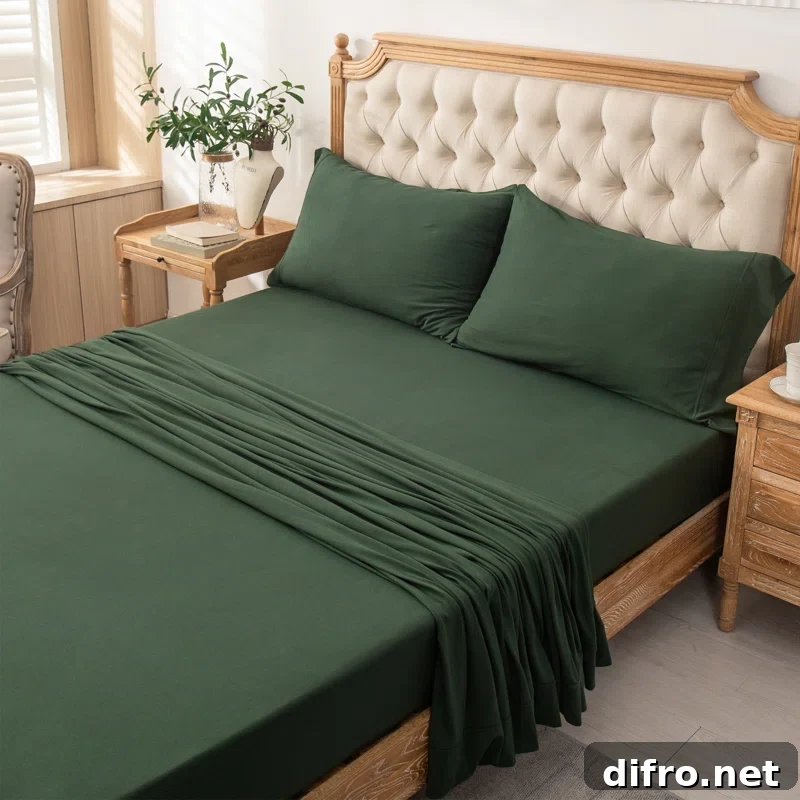
Choosing the right bed sheets is more than a style decision—it’s an investment in better sleep. The right fabric, weave and care routine can make your bed feel inviting, regulate your temperature through the night, and extend the life of your bedding. This guide breaks down the key options and offers practical tips to help you find the best bed sheets for a good night’s sleep.
Materials: What to Know When Choosing Bed Sheets
Different fabrics deliver distinct benefits. Cotton is prized for breathability and softness, making it a versatile choice for many sleepers. Egyptian and Pima cotton varieties are often noted for their long fibers and smooth feel. Silk delivers a luxurious, smooth surface that feels gentle on skin. Bamboo and Tencel (Lyocell) are valued for their moisture-wicking and cooling qualities and are good choices for people who sleep hot. Microfiber, made from fine synthetic fibers, offers easy care, softness, and affordability. Selecting a material that matches your climate, sleep temperature and skin sensitivity is key to improved sleep quality.
Weave and Thread Count Explained
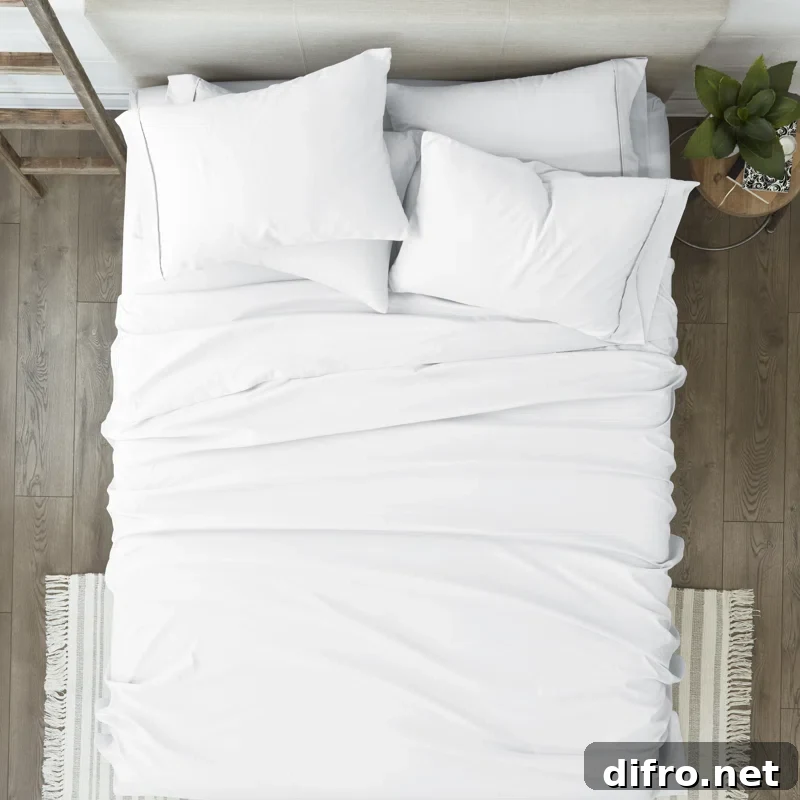
The weave and thread count influence how sheets feel and perform. Percale weave is plain, crisp and breathable—ideal for warm sleepers or those who prefer a cool, matte finish. Sateen weave has more yarns on the surface, creating a smoother, slightly lustrous feel that can seem warmer and more enveloping.
Thread count measures threads per square inch, but higher numbers don’t always mean better sheets. Very high counts can come from multi-ply yarns that reduce breathability. Focus instead on the fiber quality and weave: for most cotton sheets a thread count between roughly 200 and 800 produces good results, depending on the material and construction.

Health and Comfort Considerations
Sheets affect more than comfort—they influence temperature regulation, skin health and even stress levels. Breathable fabrics help prevent night sweats and skin irritation. Hypoallergenic options such as bamboo, organic cotton or carefully processed Tencel can be better for those with allergies or sensitive skin. Investing in high-quality sheets can support deeper, more restorative sleep by creating a comfortable sleep environment.
Microfiber vs. Cotton: Which Is Right for You?
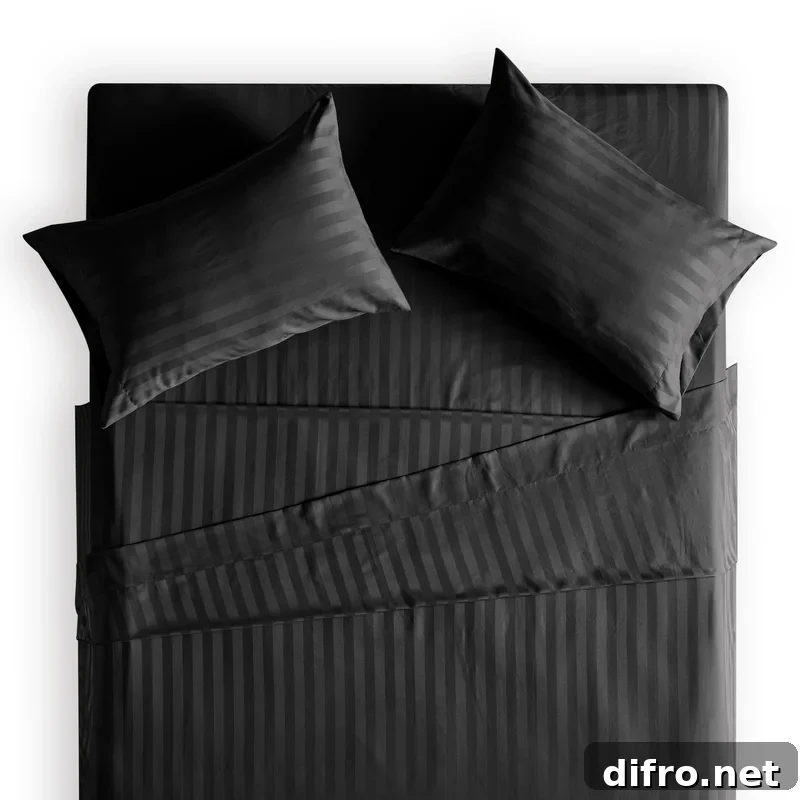
Microfiber is soft, resistant to wrinkling, quick to dry and usually more budget-friendly. It works well in cooler climates or for sleepers who prefer a snug, cozy feel. Cotton—especially long-staple varieties—offers superior breathability and moisture management, making it a top choice for hot sleepers or those who prioritize natural fibers. Cotton is also often better for sensitive skin. Consider your local climate, washing preferences and sensitivity when choosing between the two.
Care and Maintenance Tips
To extend the life and feel of your sheets, always follow the care label. Use a mild detergent and avoid fabric softeners, which can build up on fibers and reduce absorbency. Adding a small amount of white vinegar occasionally can help remove detergent residue and restore softness. Line-drying when possible reduces wear from tumbling; if you use a dryer, choose low heat and remove sheets while slightly damp to prevent over-drying and shrinkage. Delicate fabrics like silk or some specialty cooling materials may require gentler cycles or professional care.
Frequently Asked Questions (FAQs)
What material is best for bed sheets to ensure a good night’s sleep?
There is no single best material for everyone. Cotton (especially Egyptian or Pima) is an excellent all-around choice for breathability and comfort. Linen and Tencel offer strong temperature regulation, while bamboo is often recommended for softness and hypoallergenic properties. Choose based on your sleep temperature and skin needs.
How does thread count affect bedsheet quality?
Thread count indicates threads per square inch, but it’s not the sole indicator of quality. Fabric type, fiber length and weave affect feel and durability as much as—or more than—thread count. Aim for a balance between thread count and overall fiber quality.
Which weave is best for bedsheets?
Percale is crisp and breathable, good for hot sleepers. Sateen is smoother and slightly warmer with a soft sheen. The best choice depends on whether you prefer a cool, matte finish or a silky, cozy surface.
Are some colors or patterns better for sleep?
Color is mostly personal preference, though soft, calming tones like blues, greens and neutrals can help create a relaxing bedroom atmosphere. Comfort and fabric performance matter more than color for sleep quality.
How often should I replace bedsheets?
Wash sheets weekly to keep them fresh. Replace sheets every two to three years, or sooner if you notice thinning, pilling or permanent fading. Proper care can extend their usable life.
Is it worth investing in eco-friendly sheets?
Eco-friendly and organic sheets are often produced without harsh chemicals and may be gentler on sensitive skin. If sustainability and chemical-free manufacturing matter to you, they can be a worthwhile investment.
Which materials make the best cooling bed sheets?
Materials known for cooling properties include bamboo and Tencel, both valued for breathability and moisture-wicking. Percale-woven cotton and lightweight linen also cool well. Some microfiber and specially finished blends can feel cool to the touch, but always consider breathability and moisture management in warm sleepers’ choices.
Ready to refresh your bedroom? Consider your sleep habits and climate, choose quality fibers and proper care, and your sheets will reward you with better rest night after night.