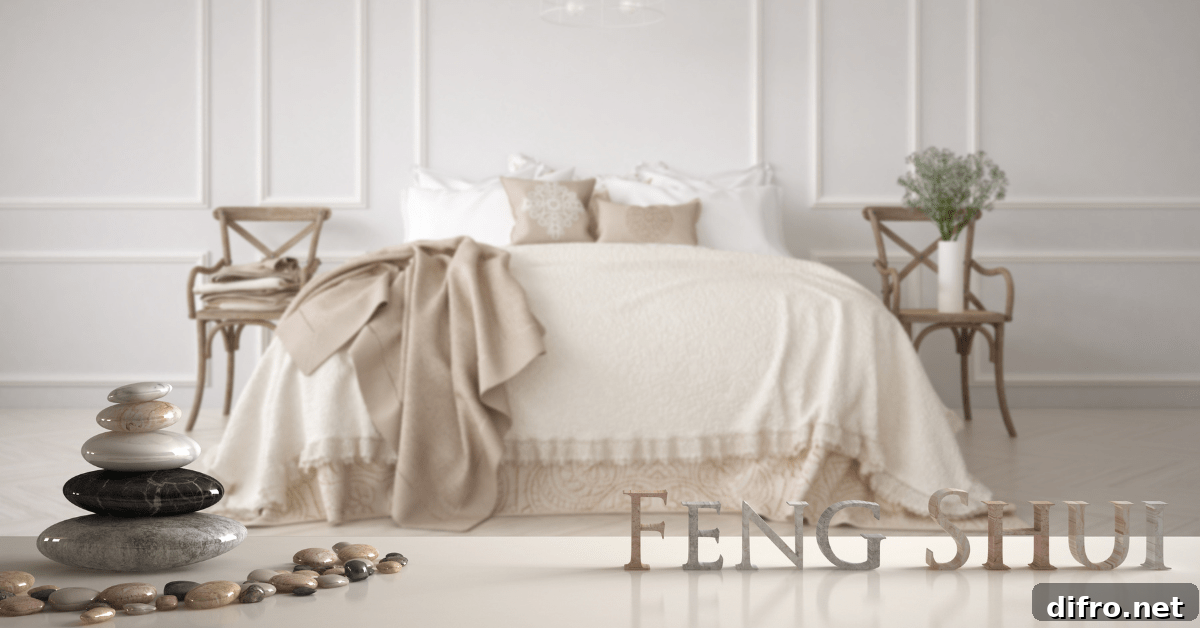
When interior design meets personal well-being, Feng Shui remains a timeless influence—especially when arranging one of the most private spaces in the home: the bedroom. Choosing the right bed direction can transform a room from merely comfortable to truly restorative. This practical guide explains how to position your bed, select supportive furnishings, and use colors and materials that encourage restful sleep, steady energy, and a greater sense of balance in daily life.
Understanding the Basics of Feng Shui Bed Directions

At its simplest, Feng Shui aims to harmonize people with their surroundings. In the bedroom, the bed’s placement is central: it affects how energy moves through the room, how safe and supported you feel while sleeping, and even how refreshed you wake up. The preferred placement is often called the “command position.” From this spot you can see the bedroom door while lying in bed, without being directly lined up with it. This orientation supports a sense of security and control, which helps reduce nighttime anxiety and promotes deeper rest.
Beyond general placement, many practitioners consider the compass direction your head points toward while you sleep. Different directions are traditionally associated with distinct qualities—better health, improved relationships, or increased focus, for example—and aligning your bed with directions that complement your personal energy (often determined by your Kua number) can enhance those outcomes. A personalized approach—matching direction to your life priorities—usually offers the best results.
The Significance of Avoiding Direct Alignments
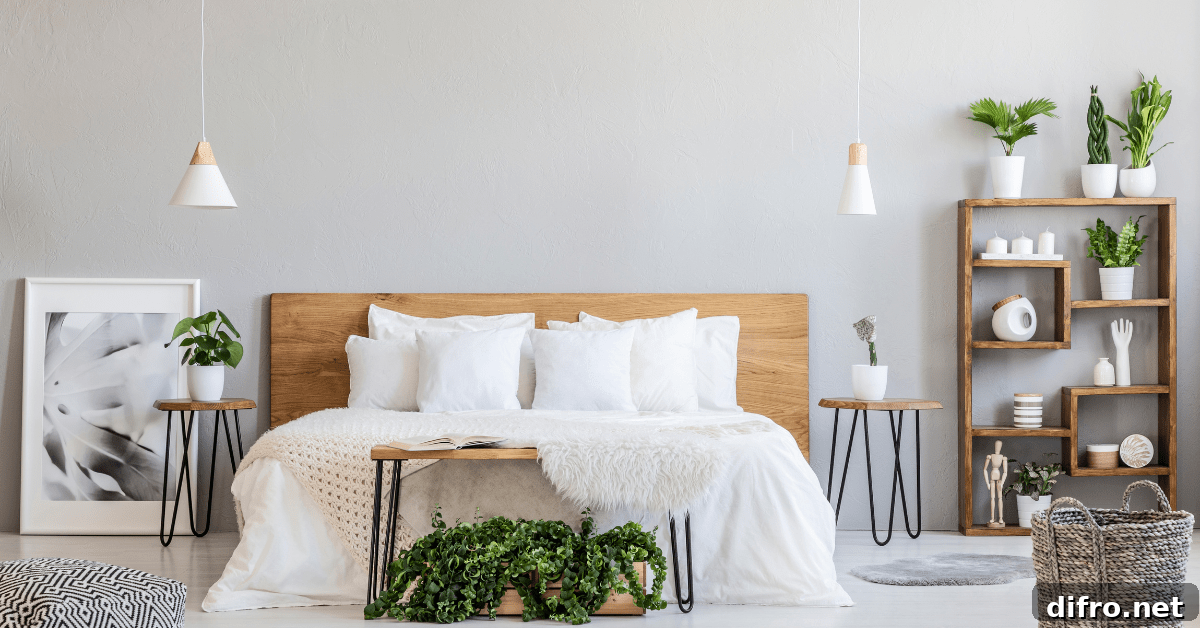
Feng Shui advises avoiding sharp sightlines and direct alignments between the bed and sources of strong, disruptive energy—doors, windows, and mirrors. These straight lines are often described as “poison arrows” because they encourage restless or scattered energy. Position your bed so it is not directly in line with the door; this reduces interruptions and creates a calmer atmosphere. Likewise, avoid placing the bed beneath a window if possible, as that location can feel exposed and unsettled.
Mirrors that face the bed deserve special attention. Reflections can amplify motion and light, which may disturb sleep or intensify worry. If your room has mirrored closet doors or a full-length mirror opposite the bed, consider covering them at night or repositioning them to avoid direct reflection of the sleeping area. Small adjustments like these help maintain a soothing, undisturbed environment.
Choosing the Right Bed and Accessories

The bed itself and the items around it matter as much as direction. A sturdy bed frame with a solid headboard provides a visual and energetic anchor, offering psychological support that can ease sleep. Symmetry is helpful: matching bedside tables and lamps create balance and a sense of partnership, which is particularly beneficial in shared bedrooms.
Clutter-free zones are essential. Keep storage organized and avoid stashing items under the bed when possible, since excess belongings can block the smooth flow of energy. Choose practical storage solutions that maintain openness and calm. Small details—soft lighting, comfortable bedding, and well-placed accessories—combine to create a restful sanctuary rather than a chaotic or overstimulating space.
The Impact of Color and Material Choices

Colors and materials set the emotional tone of a bedroom. Soft, muted hues—blues, greens, warm neutrals and earth tones—encourage relaxation and regeneration. Bright, high-energy colors such as vivid red or hot orange are generally better suited to active spaces; in a bedroom they can overstimulate and interfere with sleep.
Natural materials—wood furniture, cotton or linen bedding, wool rugs—tend to ground a room and foster comfortable, steady energy. Combine these textures with calming colors and minimal patterns to support a restful environment. Thoughtful use of fabric, finish, and lighting will make the bedroom feel both inviting and balanced.
Related Articles:
- Black and White Bedroom Ideas Perfect for a Modern Edgy Space
- Styling a Bedroom With a Floating Bed Frame
- Where To Put A TV In The Bedroom [3 Great Options!]
Applying Feng Shui principles to bed placement is not about rigid rules; it’s about creating a bedroom that supports your health, rest, and inner calm. By choosing a commanding bed position, avoiding disruptive alignments, selecting supportive furniture, and favoring soothing colors and natural materials, you can design a personal sanctuary that enhances sleep and nurtures well-being. Thoughtful adjustments—big or small—help align your bedroom with the rhythms of your life and the natural environment around you.