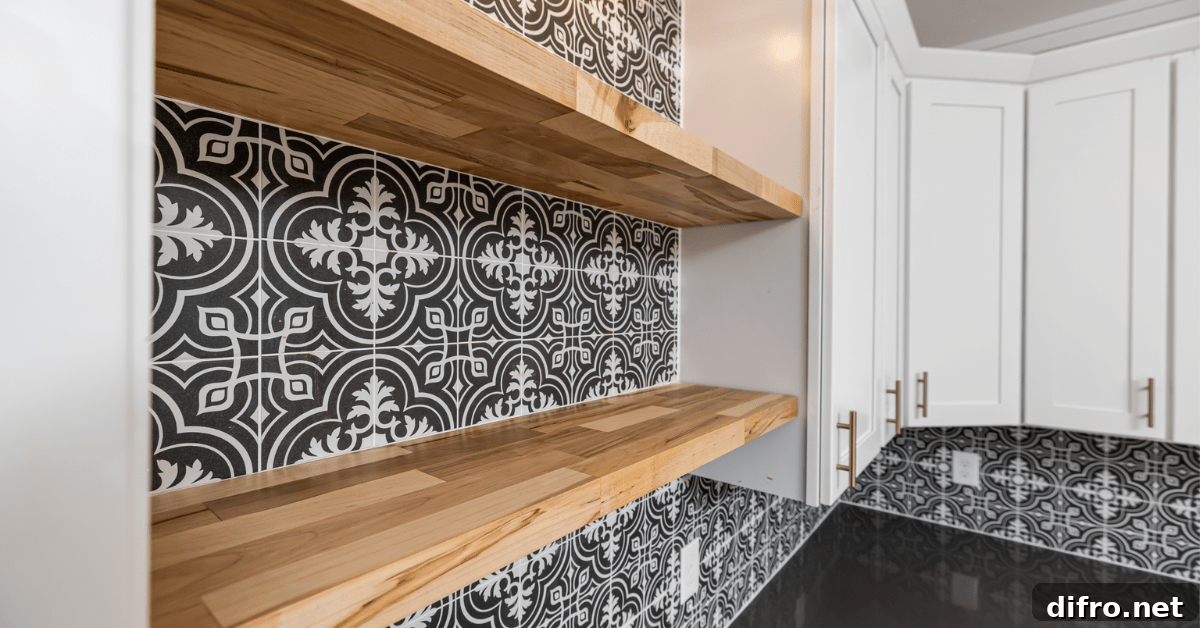
Floating shelves have become a popular choice in modern kitchens, offering a minimalist, airy alternative to traditional cabinetry. They provide open storage that makes a kitchen feel brighter and more spacious while allowing homeowners to display everyday items and decorative pieces. This guide will walk you through the benefits, styling ideas, installation considerations, and maintenance tips for kitchen floating shelves so you can decide if they are the right fit for your space and lifestyle.
Exploring the Appeal of Kitchen Floating Shelves
Kitchen floating shelves are valued for more than their clean lines; they bring practical versatility to the heart of the home. Open shelving eliminates the bulk of upper cabinets, visually expanding the room and improving sightlines. This makes kitchens feel less crowded and more inviting, particularly in smaller spaces or open-plan layouts. Functionally, floating shelves keep frequently used dishes, glasses, and cookware within easy reach, streamlining meal prep and daily routines.
Beyond utility, floating shelves are an opportunity to personalize your kitchen. Use them to showcase cookbooks, heirloom dishes, attractive spice containers, or small potted plants. The open display encourages curation, so the items you choose both serve a purpose and contribute to the kitchen’s overall style. That said, floating shelves are not one-size-fits-all: if you prefer to keep kitchenware tucked away, closed cabinetry may better suit your needs. Consider your storage requirements, cooking habits, and how much visual clutter you are comfortable with before committing.
Styling Your Kitchen Floating Shelves To Achieve A Blend of Functionality and Aesthetics
Styling floating shelves successfully involves balancing accessibility with visual appeal. Start by grouping items in functional clusters: keep everyday plates and glasses on the lower shelves where they are easy to reach, and reserve higher shelves for decorative or rarely used pieces. Mix practical items—like frequently used bowls or canisters—with decorative accents such as framed prints, small vases, or a few curated cookbooks to create depth and personality.
Visual balance is key. Vary heights and textures to draw the eye along the shelf: lean a cutting board vertically behind a stack of plates, place a small plant next to a metal utensil holder, or alternate stacks of dishes with vertical objects. Maintain a cohesive color palette to create unity—neutral ceramics paired with a pop of color in a plant or decorative jar can look deliberate rather than cluttered. Baskets or wire bins are a smart addition for hiding small items while keeping them accessible, and labeled canisters keep pantry essentials tidy and attractive.
Placement matters as well. Leave enough clearance above countertops for practical tasks and below upper shelves to avoid obstructing work areas. If you plan to display delicate items, position them away from high-traffic zones and heat sources. Floating shelves can also complement a backsplash or open up wall space next to a window, enhancing natural light and making the kitchen feel larger.
Maintenance Tips for Keeping Your Kitchen Floating Shelves Pristine
Open shelves require regular upkeep to remain an asset in the kitchen. Dust, grease, and cooking residues can accumulate more quickly on exposed surfaces, so establish a simple cleaning routine: wipe shelves and displayed items with a soft cloth and a gentle cleaner suited to the shelf material. For wooden shelves, choose a wood-safe cleaner and avoid excessive moisture to preserve the finish. Ceramic, glass, and metal shelves typically tolerate standard kitchen cleaners but always test a small area first.
Inspect mounts and fixings periodically. Heavy or uneven loads can stress brackets and wall anchors over time, so rotate and reorganize items to distribute weight evenly and prevent sagging. When installing, secure shelves into studs or use appropriate heavy-duty anchors for the wall type to ensure stability. Avoid placing very heavy cookware on open shelves—reserve those for dedicated cabinet storage or lower shelving rated for greater loads.
Related Articles:
- Retro Kitchen Decor – Timeless Designs That Are Making a Comeback
- Style Your Living Space with Floating Shelves
- Walk-In Pantry Ideas – Stylish Storage Solutions for Your Kitchen
Adding floating shelves to your kitchen can transform both the look and functionality of the space. They encourage intentional storage, make everyday items more accessible, and offer a chance to showcase elements of your personal style. Whether you choose reclaimed wood for a warm, rustic feel or sleek metal and glass for a modern touch, the right floating shelves can elevate your kitchen’s design and utility.
If you enjoy hands-on projects, installing and styling floating shelves can be a rewarding DIY endeavor. For those less inclined to tackle installation, professional help ensures secure mounting and optimal placement. With careful planning, thoughtful styling, and routine maintenance, kitchen floating shelves can be a long-lasting and attractive addition to your home.
Ready to refresh your kitchen? Subscribe to our newsletter for practical design tips, styling ideas, and maintenance advice to help you make the most of your space.