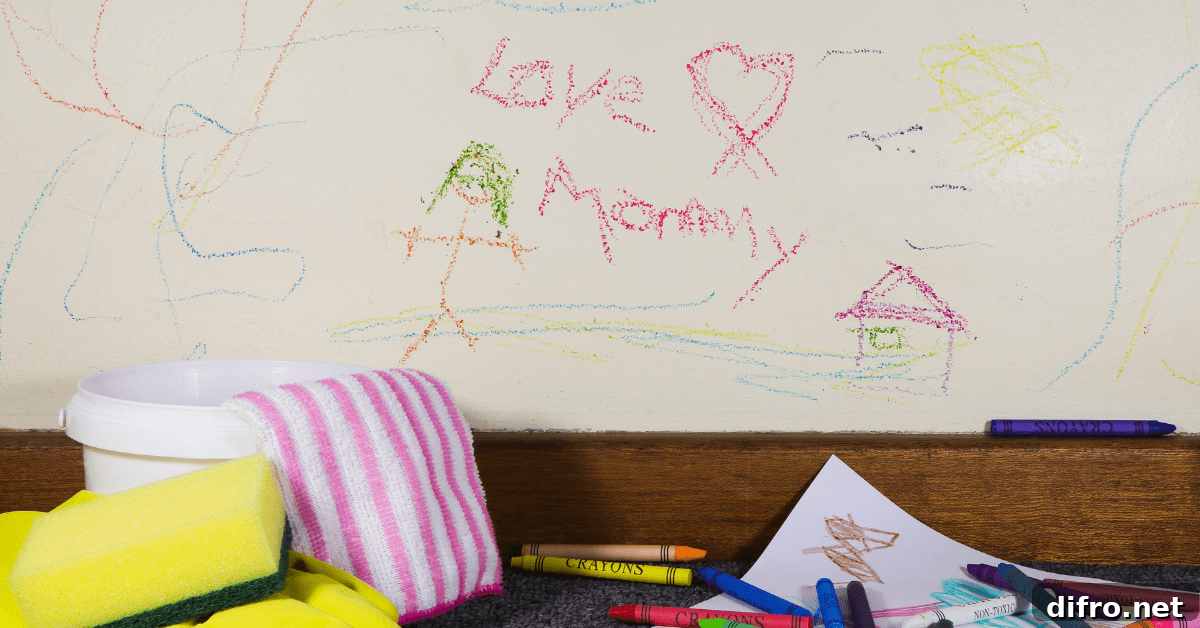
When crayons meet painted walls, the result can feel like a small disaster—but with the right approach you can remove crayon marks without harming your paint. This guide outlines safe, effective techniques for removing crayon from interior walls, how to handle textured surfaces, and practical prevention tips to keep your walls clean going forward.
Quick and Easy Crayon Removal Techniques
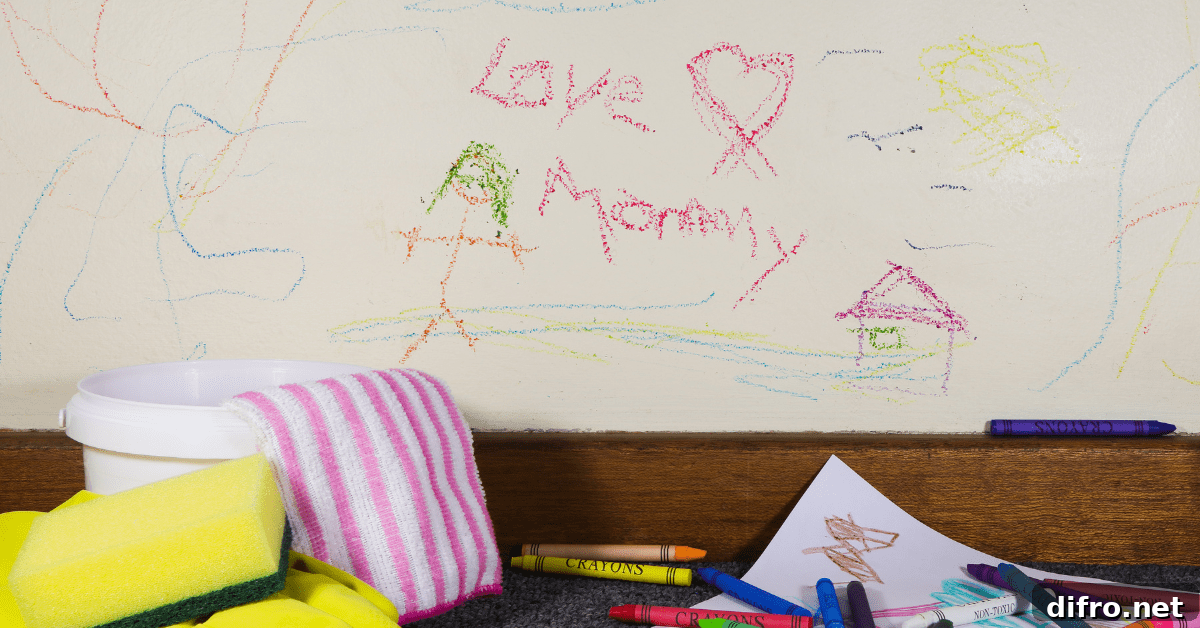
Start with the gentlest options and progress only if needed. Begin by using a soft dry cloth or a clean pencil eraser to remove as much of the crayon wax as possible. Often a few firm, controlled rubs will lift surface wax without affecting the paint.
For persistent marks, make a paste of baking soda and water. Apply a small amount to a soft cloth and gently rub the stained area in a circular motion. Baking soda is mildly abrasive and can lift wax and pigment while being safe for most painted finishes. Wipe the area with a damp cloth afterward to remove residue and dry with a soft towel.
If wax remains after these gentle approaches, a lubricant such as WD-40 can help dissolve the waxy binder. Spray a tiny amount onto a cloth first—never directly on the wall—then softly wipe the crayon marks. Test this on a hidden spot before treating a visible area to make sure the solvent won’t affect your paint. After the wax lifts, clean the spot with soapy water and rinse thoroughly.
Regardless of the method, always work slowly and avoid aggressive scrubbing, which can remove paint or leave shiny spots. Patience and small, controlled motions will deliver the best results.
Exploring the Effectiveness of Commercial Cleaners
If homemade solutions don’t fully remove the crayon, consider a commercial cleaning pad or product formulated for household stains. Micro-abrasive cleaning pads marketed for painted surfaces can be very effective because they physically remove marks without harsh chemicals.
Follow product instructions and test in an inconspicuous area before applying widely. Use light pressure and rinse the wall with water afterward to remove any cleaning residue. When choosing a product, look for those marketed as safe for painted walls and non-abrasive finishes.
The Art of Preventing Future Crayon Masterpieces on Your Walls
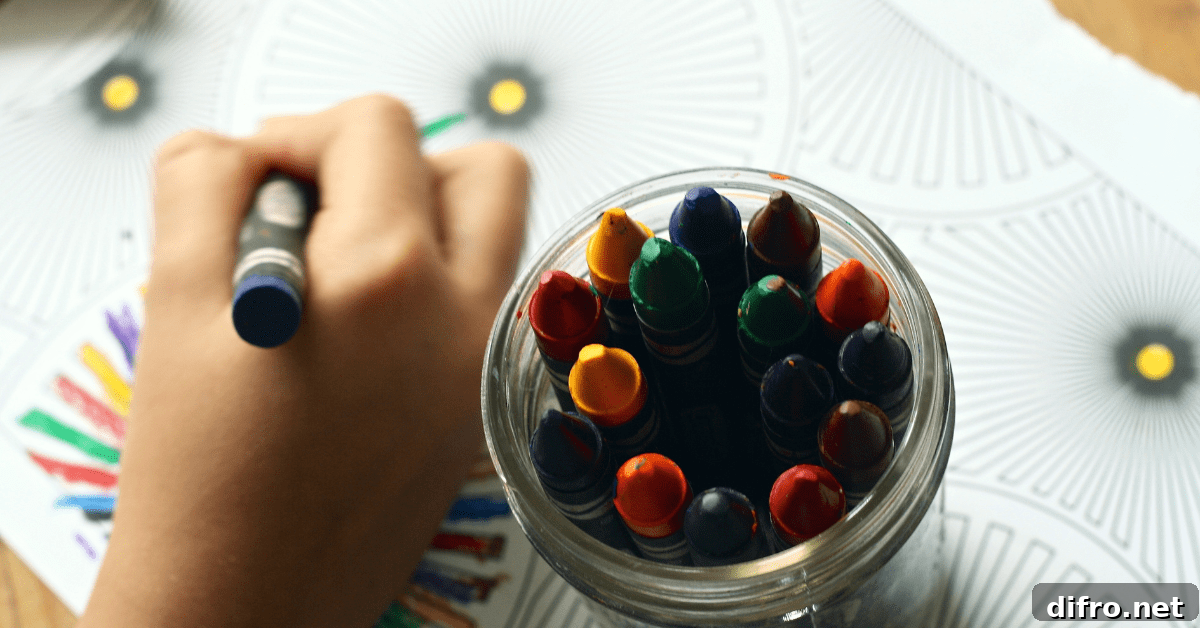
Prevention reduces cleanup time and keeps your walls looking fresh. Set up a dedicated art station stocked with paper, sketchbooks, washable crayons, and an easel or table that encourages drawing on appropriate surfaces. Teach children where it’s okay to create and provide frequent positive reinforcement when they use the designated area.
Another practical step is to choose washable or stain-resistant paint for rooms where young children play. These finishes make cleaning much easier and tolerate mild scrubbing better than unprotected paints. Keeping a small cleaning kit nearby—soft cloths, a gentle cleaner, and a baking soda paste—also helps you respond quickly when accidents occur.
When Crayon Meets Wall Texture – Tackling the Challenge of Rough Surfaces
Textured walls trap wax in grooves and uneven surfaces, which makes removal more demanding. Begin with a soft-bristled brush to lift loose wax from crevices. For stubborn residue, warm the area gently with a hair dryer on low heat to soften the wax; hold the dryer several inches away and move it continuously to avoid overheating the paint.
After warming, follow with the baking soda paste or a mild cleaning pad to work the softened wax from the texture. Rinse and blot dry when finished. If texture is very deep or delicate, consider consulting a professional painter for repair and refinishing advice rather than risking paint damage.
Related Articles:
- Sparkling Solutions: DIY Homemade Window Cleaner
- The Guide on How to Clean Baseboards Like a Pro
- How To Clean Throw Pillows [And How Frequently You Should!]
Once you’ve removed the crayon, take a moment to inspect the area for any remaining residue or dull spots. Clean the surface gently and allow it to dry completely. Keep your preferred cleaning supplies accessible so you can respond promptly to future marks—quick action typically makes removal easier and prevents permanent staining.
Removing crayon from painted walls doesn’t have to be stressful. By starting with nonabrasive methods, testing stronger options on hidden spots, and taking preventive measures, you can protect your paint and maintain a tidy, attractive home. With these practical strategies, most crayon mishaps can be resolved quickly and safely.
Turn your house into the home of your dreams. Our newsletter provides design ideas and decor trends to help you create a beautiful space. Subscribe to receive regular inspiration and practical tips.