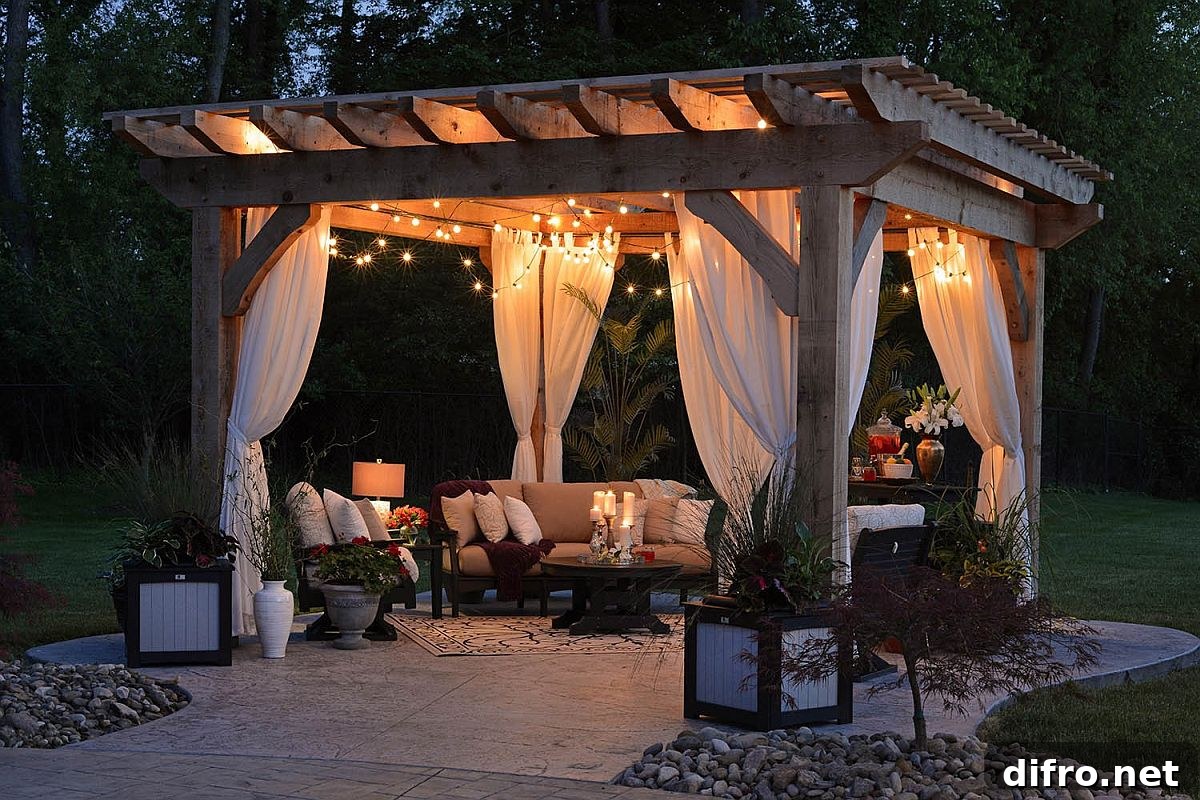
We all get caught up in the rush of modern life. Having a quiet escape at home—an inviting spot in the backyard where you can rest and recharge—can be a simple, affordable way to reclaim calm. A pergola can complete that outdoor retreat, adding style, structure, and function to your garden or patio.

Pergolas have been used for centuries, from Mediterranean gardens to Roman villas, and today they’re a popular feature in contemporary landscape design. Whether you use a pergola for shade, to define a pathway, or to create a private seating area, the first step is clarifying its purpose. Will it be a focal point, a transition between spaces, or an outdoor room with seating and lighting?
Good pergola design directs the eye upward and brings vertical interest to the landscape. Pergolas also provide an ideal support for scented and flowering climbing plants, transforming the structure into a living, shaded canopy.
Before You Start: Key Considerations
Adding a pergola can increase your home’s outdoor living value, but planning matters. Consider the following early decisions:
- Orientation: Which direction will the pergola face? North, south, east or west affects sunlight and shade.
- Materials: Choices range from traditional wood, brick and stone to modern steel, aluminum, fiberglass or corten steel. Each material creates a different look and maintenance profile.
- Budget: Materials and labor are the biggest costs. If funds are limited, focus on smart design, prebuilt kits, or phased construction.
- Construction: Will you DIY, buy a prefab kit, or hire a contractor? Complexity and local codes often determine the best route.
- Regulations: Check building codes and zoning rules. Many local authorities require permits, and approvals can take time.
What Does Your Pergola Offer?
Decide how you plan to use the pergola before choosing size, style, and materials. Frequent entertainers will want a larger, freestanding pergola with ample seating and lighting. If you prefer a quiet, intimate space, a smaller structure with minimal lattice and more open sightlines may be ideal.

Style of the Pergola
Traditional materials such as wood, brick, and concrete lend a timeless, organic character. For a contemporary aesthetic, metal or composite materials provide clean lines and durability. Consider how the pergola’s style will relate to your home and garden—consistency between the structure and surrounding architecture makes the space feel integrated.
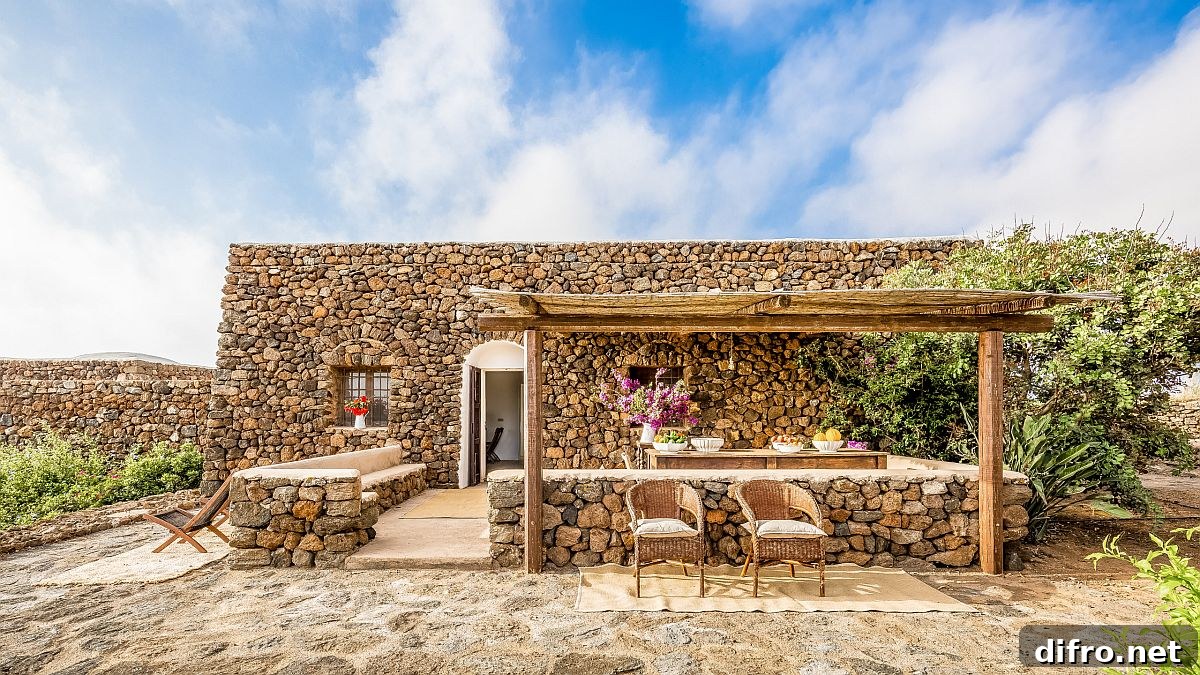
Extending the Home Outdoors
Attaching a pergola to your house is an efficient way to extend living space outdoors. Pergolas that tie into the home’s roofline or deck unify the flow between indoor and outdoor areas, offering shade and shelter with lower construction cost than a fully enclosed addition.

Meeting Your Outdoor Needs
A freestanding pergola can anchor a central seating area in a lush garden or define a dining zone on a deck. Choose furniture and finishes that reflect the pergola’s character. A Mediterranean-style timber pergola pairs well with rustic benches and textured stone, while a contemporary frame suits minimalist furniture and clean textiles.

Weave in Greenery
Integrating vines and climbing plants softens the structure, increases shade, and adds seasonal color and fragrance. Flowering vines like morning glory or wisteria create dappled light and a romantic atmosphere; non-flowering vines deliver lush green coverage and privacy. Containers with bright blooms around the pergola perimeter enhance the welcome and visual appeal.

Size Matters
Dimensions are critical. A pergola that’s too small or too low will feel cramped; one that’s oversized can overwhelm the garden. Consider the furniture you’ll place beneath it and provide enough clearance for circulation and protection from the sun. You can also use perspective—designing a pergola that narrows subtly—to make a space feel longer or more expansive.
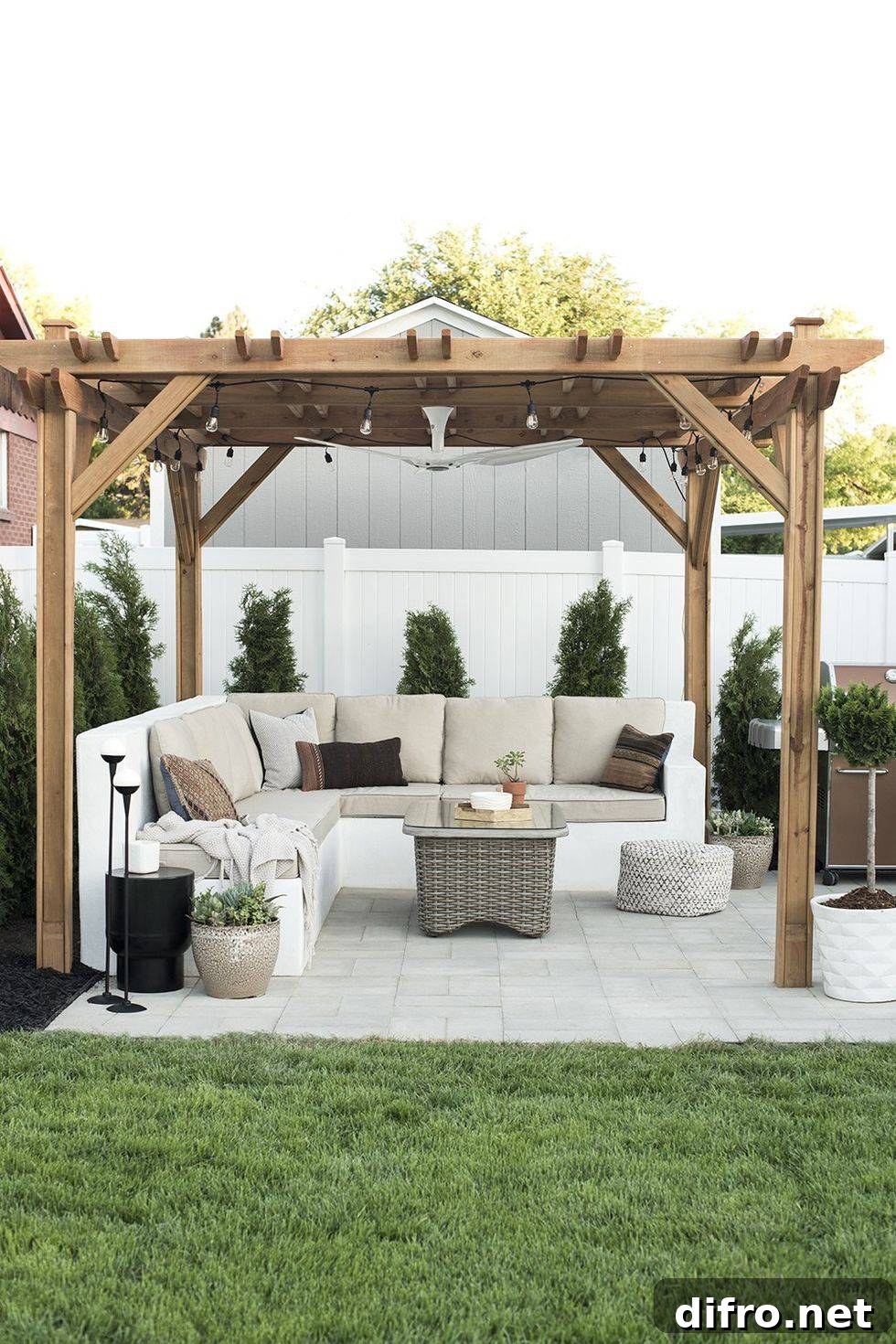
Placement Considerations
Site your pergola where it complements garden flow and captures the best light for how you’ll use the space. A pergola can define a dining area, shield a lounge from afternoon sun, or frame a view. Avoid blocking sightlines that make the garden feel smaller; instead, position the structure so it enhances circulation and visual balance.
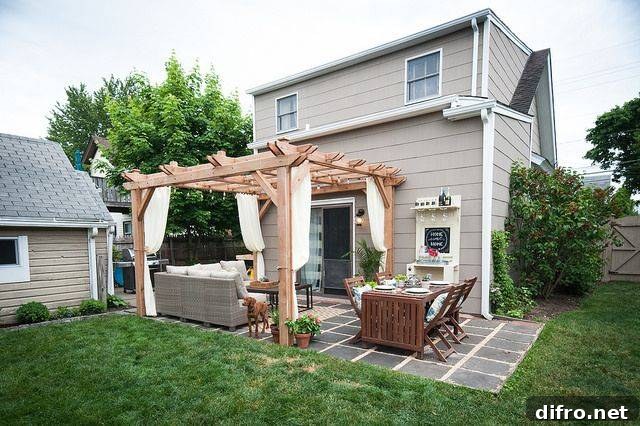
Proper Proportions
Measure carefully. Ensure posts, beams, and roof slats are proportionate to both the pergola footprint and surrounding landscape elements. Allow for furniture clearance and comfortable walkways. If privacy is a goal, use trellis screens, curtains, or fabric panels to adjust openness while maintaining an inviting, airy feel.
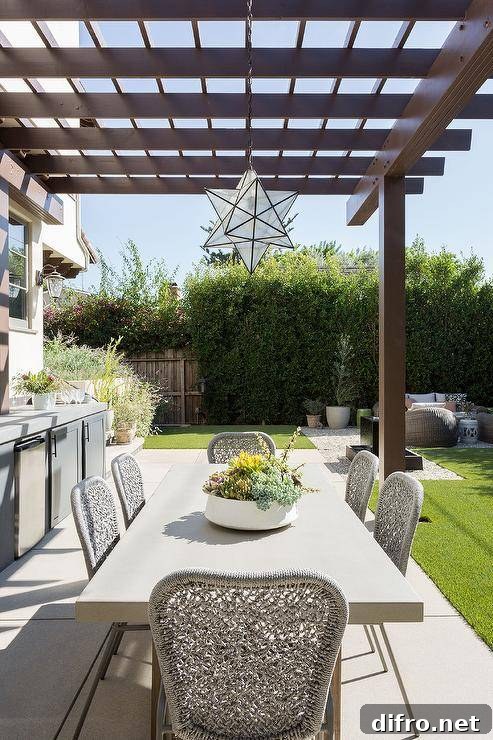
Whether you build a simple timber slat pergola or a sophisticated, multi-material outdoor room, thoughtful planning will ensure your pergola becomes a cherished part of your backyard. Consider orientation, materials, scale, and greenery, and you’ll create an outdoor haven that suits your lifestyle and enhances your home.