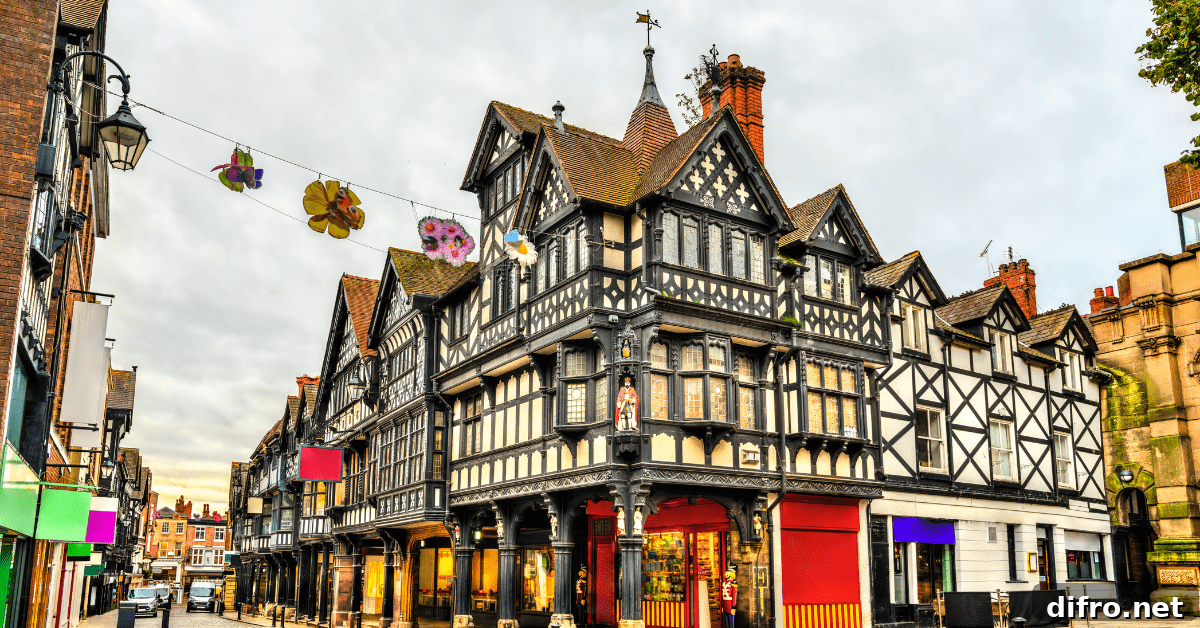
Tudor style houses possess a timeless charm that appeals to homeowners, architects, and design enthusiasts alike. With their distinctive half-timbered facades, steep gables and cozy interiors, Tudor homes blend historic character with a warm, lived-in atmosphere. This article explores the defining features, practical considerations, and contemporary adaptations of Tudor architecture to help you appreciate and apply this classic style.
Understanding Tudor Architecture
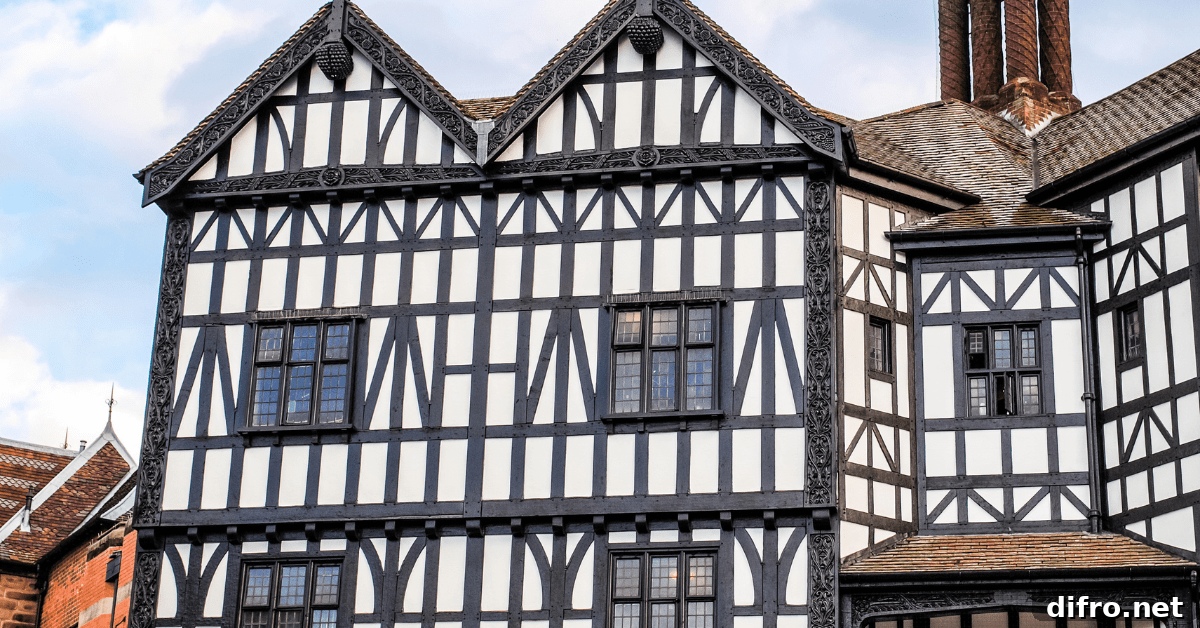
Tudor architecture is defined by a collection of recognizable elements that together create its storybook appearance. Exposed timber framing and decorative half-timbering form striking patterns on gable ends and upper stories. Steeply pitched roofs and prominent chimneys contribute to the vertical emphasis, while leaded or diamond-pane windows set in stone or brick walls add detail and texture. These features work together to establish the distinct silhouette and rich visual interest of Tudor houses.
Interior Design Elements
Inside a Tudor home, the focus is on warmth, craftsmanship, and comfortable proportions. Exposed ceiling beams and wood trim highlight traditional construction techniques and impart rustic elegance. Stained or leaded glass in windows and interior doors introduces color and filtered light. Stone or brick fireplaces are often central focal points, anchoring living rooms and dens with an unmistakable sense of history. When planning interiors, favor natural materials—wood, stone, wrought iron—and finishes that respect the home’s original character.
Landscaping and Exterior Features
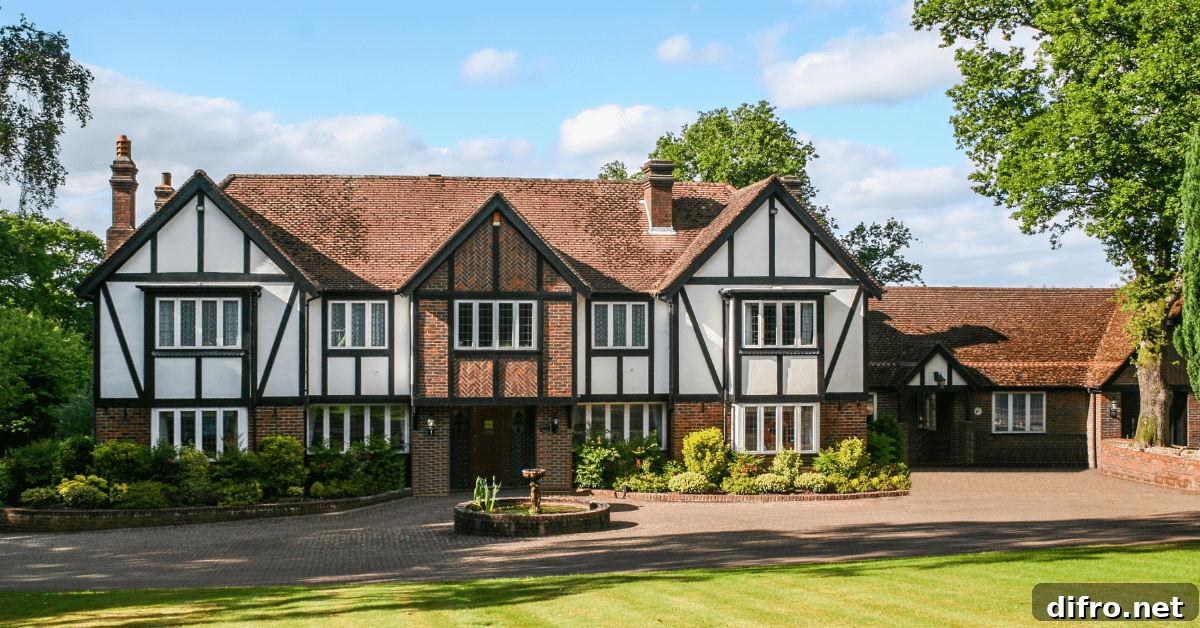
The exterior setting enhances a Tudor home’s historic appeal. Cottage-style gardens, stone pathways, and climbing vines complement textured masonry and timber details. Arched or paneled doors with traditional hardware invite visitors inside, while carefully placed shrubs and perennial plantings soften edges and emphasize the home’s picturesque qualities. Thoughtful landscaping reinforces the architectural story and improves curb appeal.
Renovating and Restoring Tudor Houses
Restoring a Tudor house requires balancing preservation with modern needs. When renovating, prioritize conserving original elements—timber framing, leaded glass, and masonry—while making discreet updates for comfort and efficiency. Energy-efficient windows and modern HVAC systems can be integrated without compromising visual integrity if chosen and installed sensitively. Open-plan adjustments are possible but should respect structural timber and room proportions to maintain the home’s historic rhythm.
Furnishing and Decorating Tips
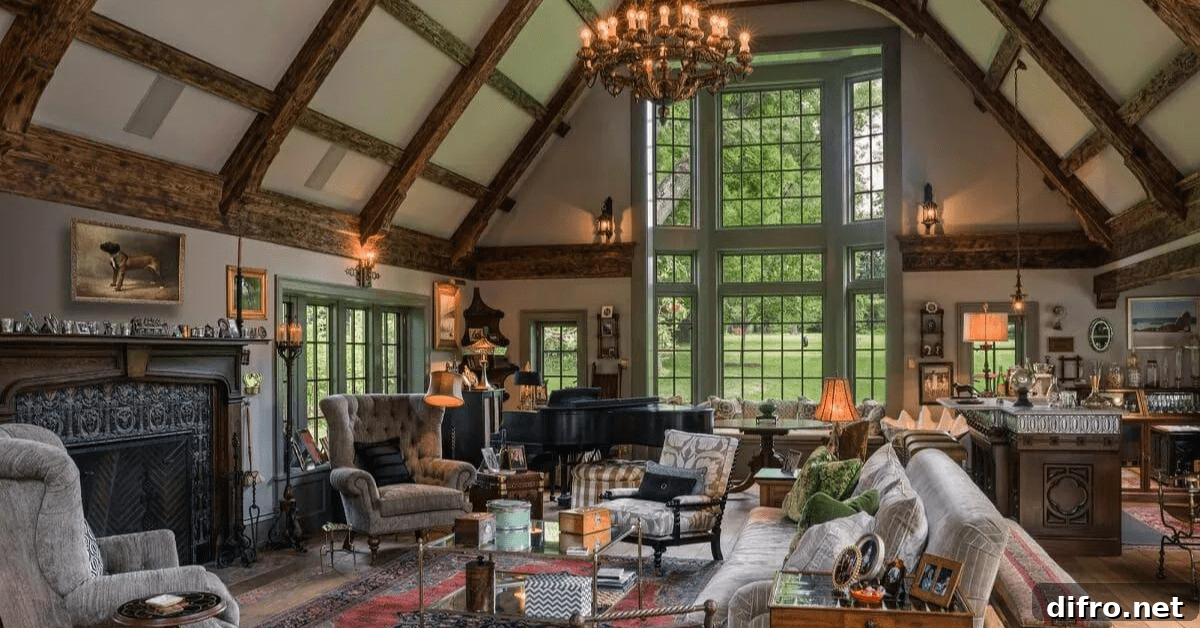
Decorating a Tudor interior favors antiques, handcrafted furniture, and layered textiles. Tapestries, woven rugs and velvet upholstery reinforce a sense of luxury and depth. Choose furniture with solid wood finishes and classic silhouettes, and include statement lighting in iron or brass to echo historic materials. Mix in contemporary pieces sparingly to keep spaces fresh while honoring the home’s heritage.
Maintaining Tudor Style Houses
Proper maintenance preserves both appearance and structure. Regularly inspect timber elements for moisture damage and treat or repair as needed. Protect leaded glass and window seals to maintain energy performance and weather resistance. Masonry and roof details should be checked and repointed or repaired with materials that match the original composition. While maintenance demands can be greater than for new construction, attentive care sustains the home’s value and charm.
Embracing Tudor Style in Modern Living
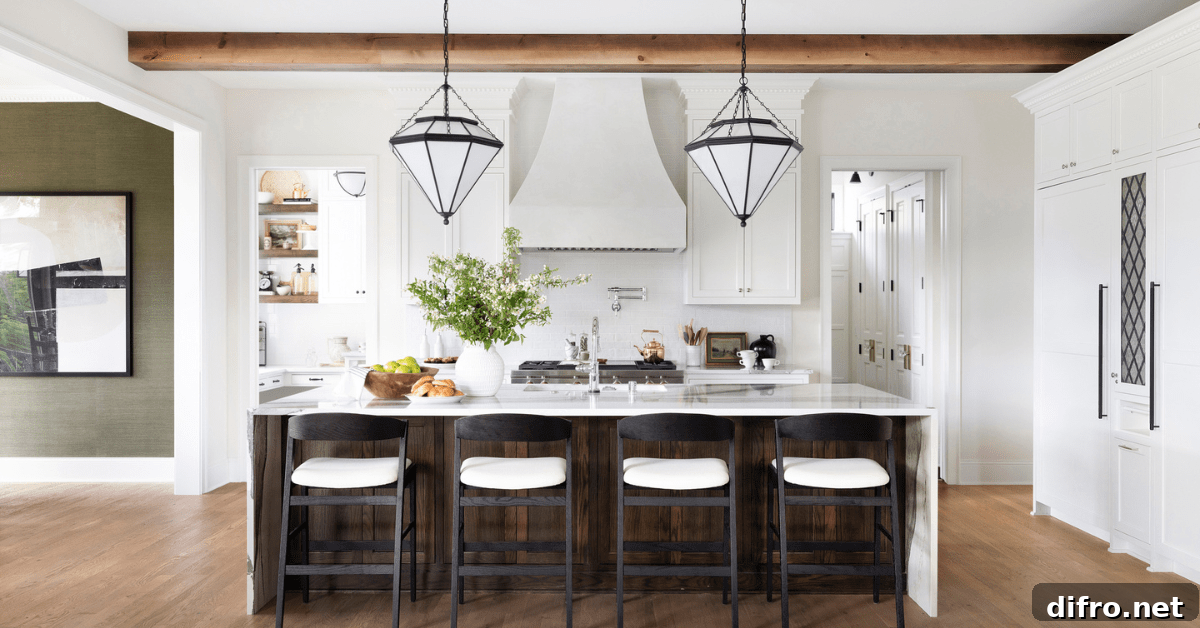
Tudor features adapt well to contemporary lifestyles when blended thoughtfully. Modern kitchens and baths can be introduced with complementary materials—stone countertops, simple cabinetry, and warm metal hardware—allowing modern comfort without erasing historical context. Using neutral palettes and natural textures helps modern interventions sit comfortably alongside original character-defining elements.
Finding Inspiration and Resources
If you’re considering a Tudor renovation or new-build inspired by Tudor design, look for architects and craftspeople experienced with historic materials and methods. Study preserved examples and reputable design references to understand proportion, detailing, and material choices. Local preservation societies and heritage resources can also provide guidance on appropriate restoration techniques and materials.
The Timeless Appeal of Tudor Style Houses
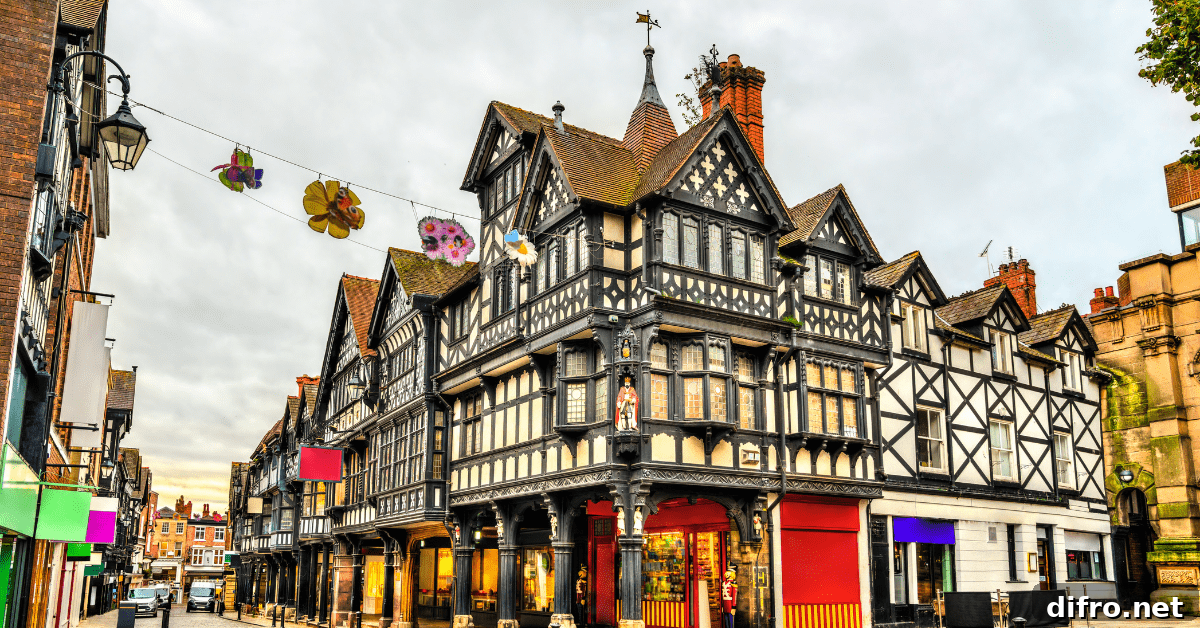
Tudor style houses remain beloved for their distinct character and enduring craftsmanship. Whether preserving an original home or incorporating Tudor elements into new design, the style’s mix of textured materials, historic detailing and comfortable scale offers a compelling alternative to more minimalist trends. Embracing Tudor architecture lets homeowners create spaces that feel both storied and welcoming—an investment in atmosphere as much as in structure.