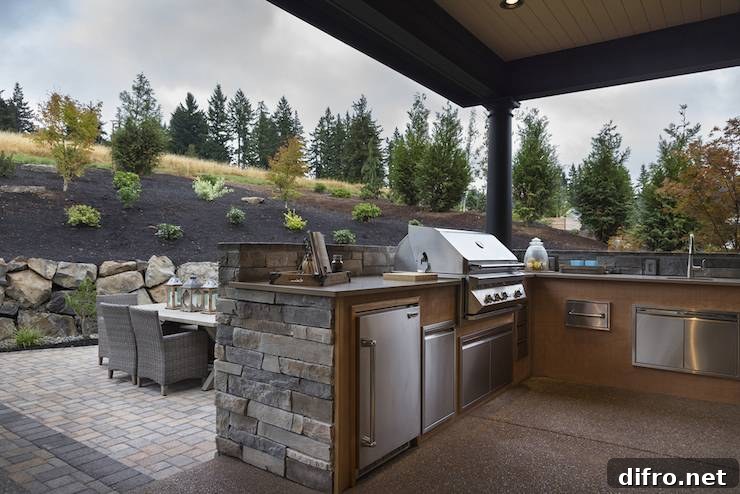
Designing an ideal outdoor barbecue area takes thoughtful planning and a bit of creativity. With the right decisions about layout, materials, lighting, and landscaping, you can build an attractive, practical space for cooking, dining, and relaxing outdoors. This guide covers the essential considerations to help you plan a welcoming and functional barbecue area that suits your lifestyle and enhances your backyard.
Layout
Start by assessing your yard’s size, shape, and existing features. Choose a spot that is convenient to the house and offers enough room for the grill, prep surfaces, dining furniture, and any extras like a fire pit or outdoor kitchen island. Think about how people will circulate through the space—create clear pathways so guests and hosts can move easily between the cooking zone, dining area, and lounge.
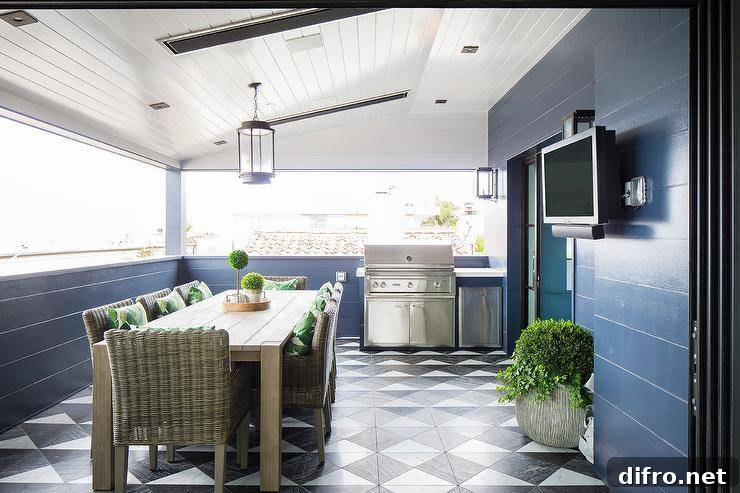
Sketch a basic plan showing the cooking station, seating, and relaxation zones. Consider grouping functions—keep prep and cooking near each other, position dining to take advantage of views, and create a separate lounge area for quieter conversation. Use screens, planters, or partial walls to create privacy and define intimate spaces without cutting off sightlines.
Materials
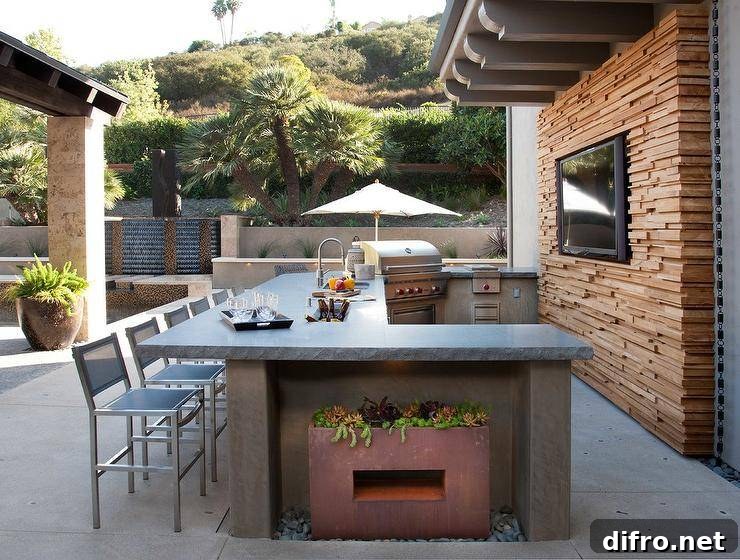
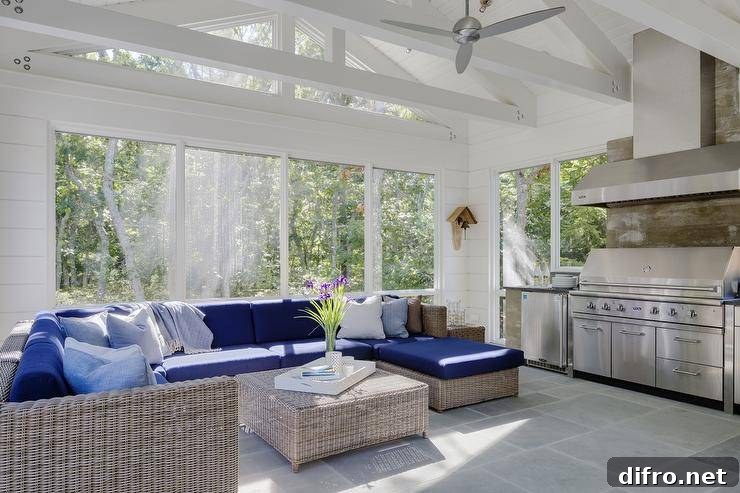
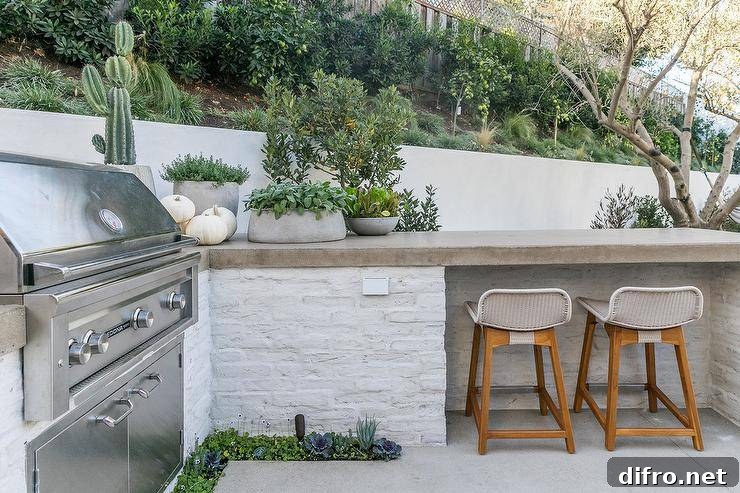
Choose materials that combine durability with the look you want. Outdoor kitchens and barbecue islands need heat- and weather-resistant finishes. Stainless steel appliances and hardware are popular because they resist corrosion and are easy to clean, while stone, brick, and concrete provide a solid, low-maintenance base for counters and cladding.
For seating and furniture, opt for weatherproof options such as teak, cedar, powder-coated aluminum, or synthetic wicker with marine-grade cushions. These materials hold up well to sun and moisture and require less upkeep than untreated wood or delicate fabrics. Include built-in storage for tools, covers, and accessories so everything stays organized and protected.
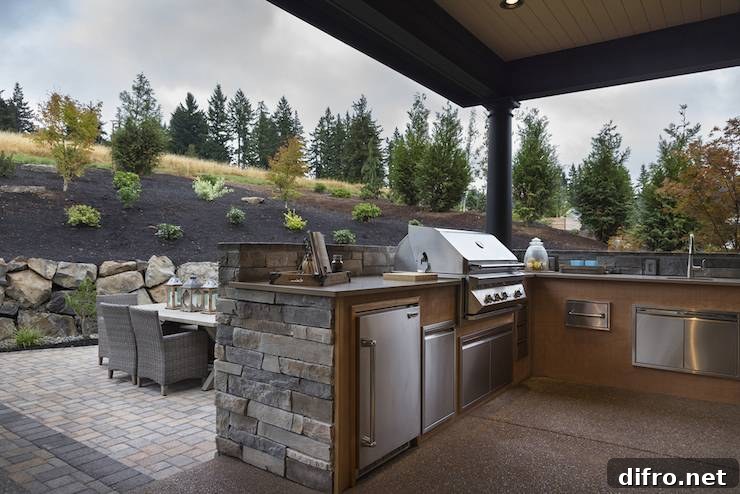
Think about finishes for floors and countertops that are slip-resistant and easy to maintain. Porcelain pavers, textured concrete, and natural stone can provide both beauty and function. If you’ll be exposed to full sun, plan for shade structures such as pergolas, retractable awnings, or umbrellas to keep dining and lounge areas comfortable.
Lighting
Well-designed lighting extends the usability of your barbecue area into the evening and enhances safety and ambiance. Combine ambient, task, and accent lighting to create layers of light. String lights, pendant fixtures, and recessed overhead lighting set the mood, while focused task lights over prep surfaces and the grill ensure safe cooking after dark.
Use warm-toned LEDs to create a welcoming glow and avoid harsh, blue-white lighting in social areas. Low-voltage path lights and step lighting improve safety, while uplights or spotlights can showcase specimen trees, architectural elements, or water features. Consider dimmers and separate circuits so you can adjust lighting for different occasions.
Landscaping
Landscaping ties your barbecue space into the broader yard and helps create privacy, shelter, and visual interest. Plantings can form natural screens, provide shade, and add seasonal color. Choose low-maintenance shrubs and perennials suited to your climate, and place taller plants strategically to block wind or unwanted sights without closing in the space.
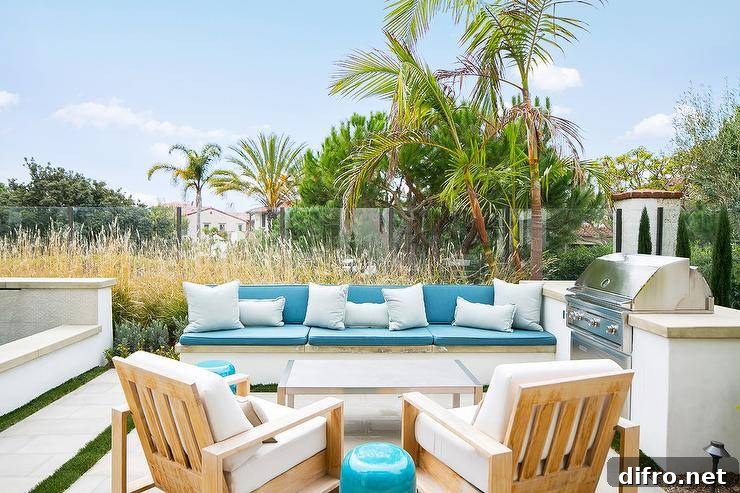
Incorporate hardscape elements like paths, retaining walls, and steps to create a smooth transition between the barbecue area and the rest of the garden. Natural materials such as stone or timber create a cohesive look and help the outdoor kitchen blend with its surroundings. Small water features and planters can add tranquility and heighten the dining experience without requiring extensive maintenance.
Creating the perfect outdoor barbecue space involves balancing practical needs—like workflow, weather resistance, and safety—with aesthetic choices that reflect your personal style. By planning a thoughtful layout, selecting durable materials, layering lighting, and integrating landscaping, you can design a versatile outdoor living area for cooking, dining, and relaxing. Whether you want a simple grilling corner or a full outdoor kitchen and lounge, the key is to create a comfortable, functional space that invites people to gather and enjoy time outside.