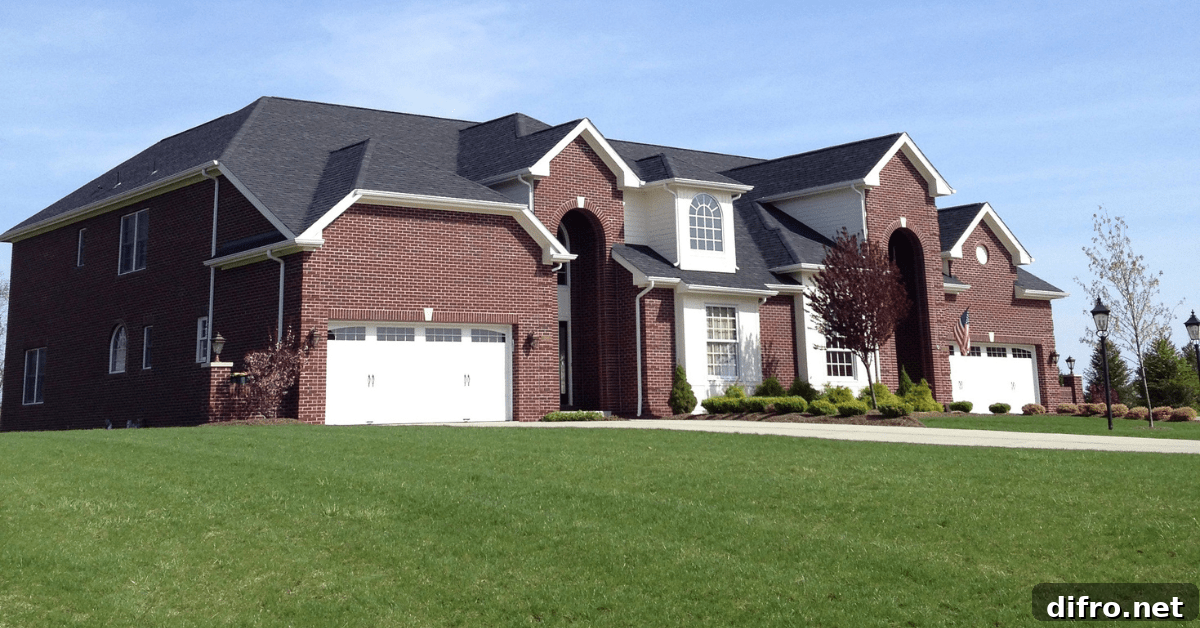
In today’s housing market, duplex homes are increasingly valued for their flexibility, cost-efficiency, and design potential. Whether you are considering buying, renovating, or living in a duplex, a clear understanding of what defines this housing type and how to make the most of its layout will help you make informed choices. This article explains the fundamentals of duplex living, the different configurations available, practical design and renovation considerations, and the everyday benefits of choosing a duplex as your home.
Unveiling the Essentials of Duplex Homes
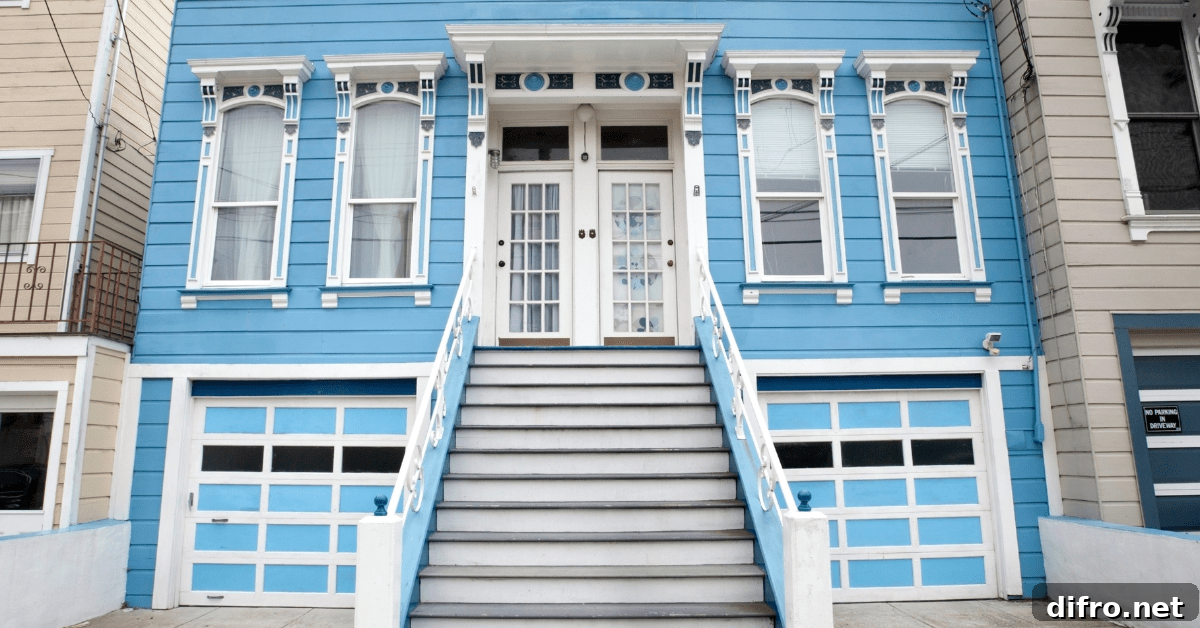
A duplex is a single building that contains two separate living units, each with its own entrance, kitchen, bathroom, and living spaces. These units may be stacked vertically or placed side by side, and they are designed to give occupants both autonomy and proximity. Duplexes appeal to a wide range of people, from families and empty-nesters to investors and professionals seeking an affordable, well-located home option. They also make it possible to blend privacy with community, offering shared experience without the compromises sometimes associated with larger multiunit buildings.
Because each unit is self-contained, duplexes are ideal for a variety of living arrangements: owner-occupiers who rent out the second unit for income, multigenerational households that want close but separate living quarters, or roommates who prefer their own fully independent spaces. The combination of privacy, flexibility, and often lower operating costs than a detached home makes the duplex an attractive choice for many buyers.
Diverse Configurations of Duplex Homes
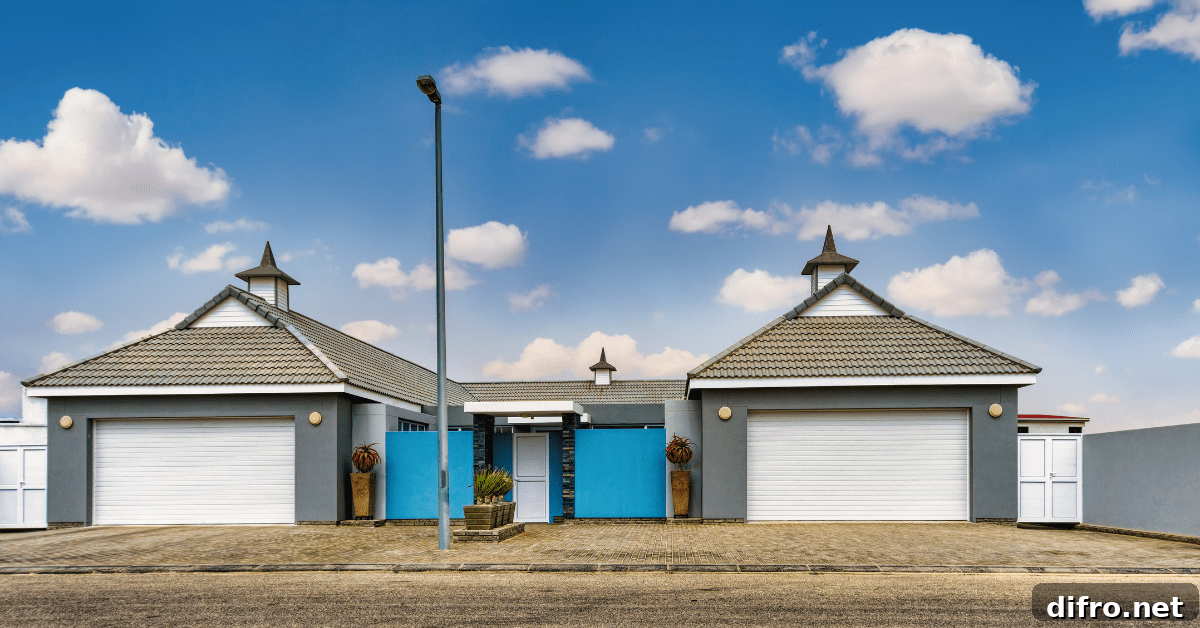
Duplexes come in several common layouts. Side-by-side units share a vertical dividing wall and often have separate front doors and driveways, while up-and-down or stacked units place one dwelling over the other, typically with independent interior stairs or separate entrances. Some duplex-style townhouses mimic the duplex format but extend the concept to a row of individually owned units, keeping the feel of smaller-scale living within a larger development.
Within these types, layouts vary widely: some duplexes mirror each other with identical floor plans, while others differ intentionally to suit distinct occupants. Utility arrangements and soundproofing considerations are important design aspects in all configurations, as are entrances, parking, and outdoor space allocation. Thoughtful planning helps ensure both units function independently while remaining efficient and comfortable.
Benefits of Residing in a Duplex
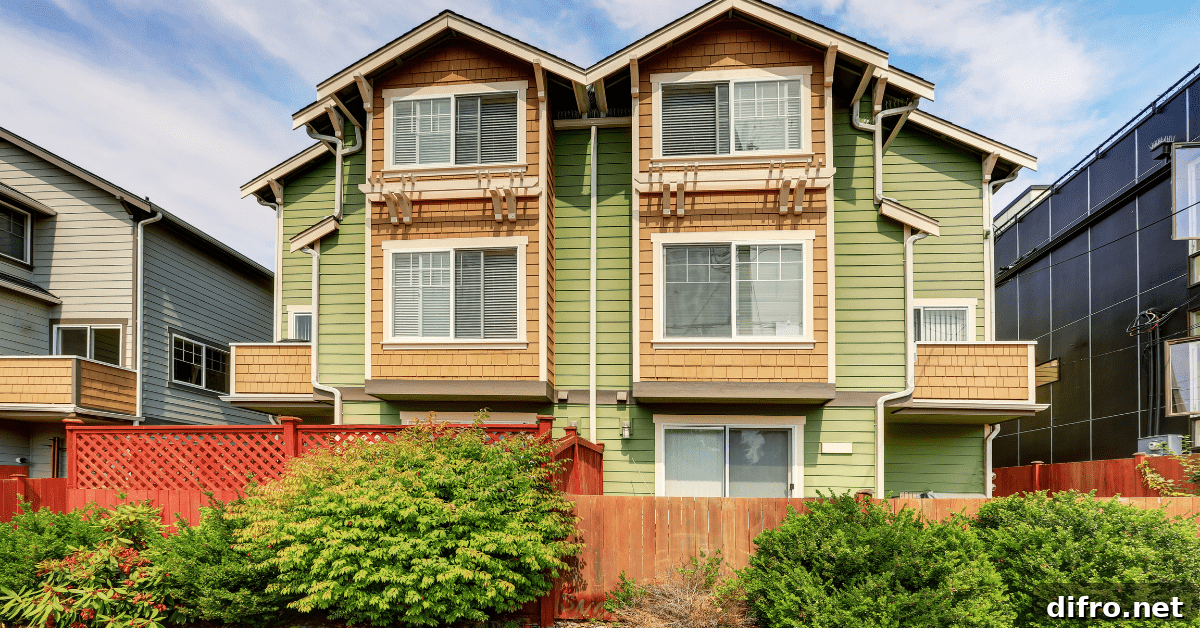
One of the most compelling advantages of duplex ownership is flexibility. Owners can occupy one unit and rent the other to generate income, offset mortgage costs, or house family members while maintaining independence. For buyers who prioritize design, duplexes often encourage creative, efficient use of space: smaller footprints make it easier to experiment with focal elements like feature walls, custom staircases, or built-in storage that maximize utility without sacrificing style.
Duplex living also supports a range of lifestyles. The additional privacy compared to shared apartments makes duplexes suitable for families, professionals working from home, and those who appreciate a quieter residential setting. Shared maintenance responsibilities and the potential for reduced utility expenses can also make duplex ownership economically attractive compared with some single-family alternatives.
Delving into Design and Layout Considerations
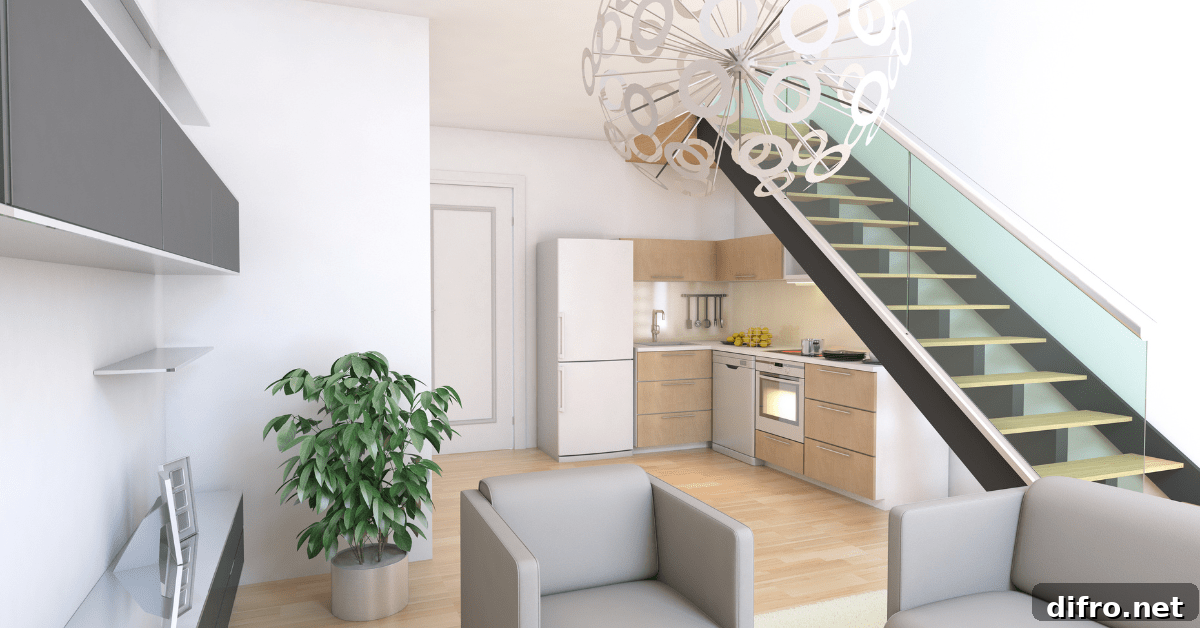
Design choices should balance function, aesthetics, and long-term value. Consider bedroom placement for noise reduction, open-plan kitchens and living areas to maximize perceived space, and separate outdoor zones so each unit has its own private area. A unified exterior palette can create curb appeal while allowing each unit to express a distinct interior personality through color, finishes, and lighting.
Practical details—such as routing plumbing, locating mechanical systems, and planning for adequate insulation—are essential to a comfortable duplex. Where possible, create strong indoor-outdoor connections: patios, balconies, and landscaped yards increase liveability and provide private outdoor space for each unit. For buyers seeking resale value, durable finishes and thoughtful layouts typically appeal to both tenants and future homeowners.
Renovation and Maintenance Strategies
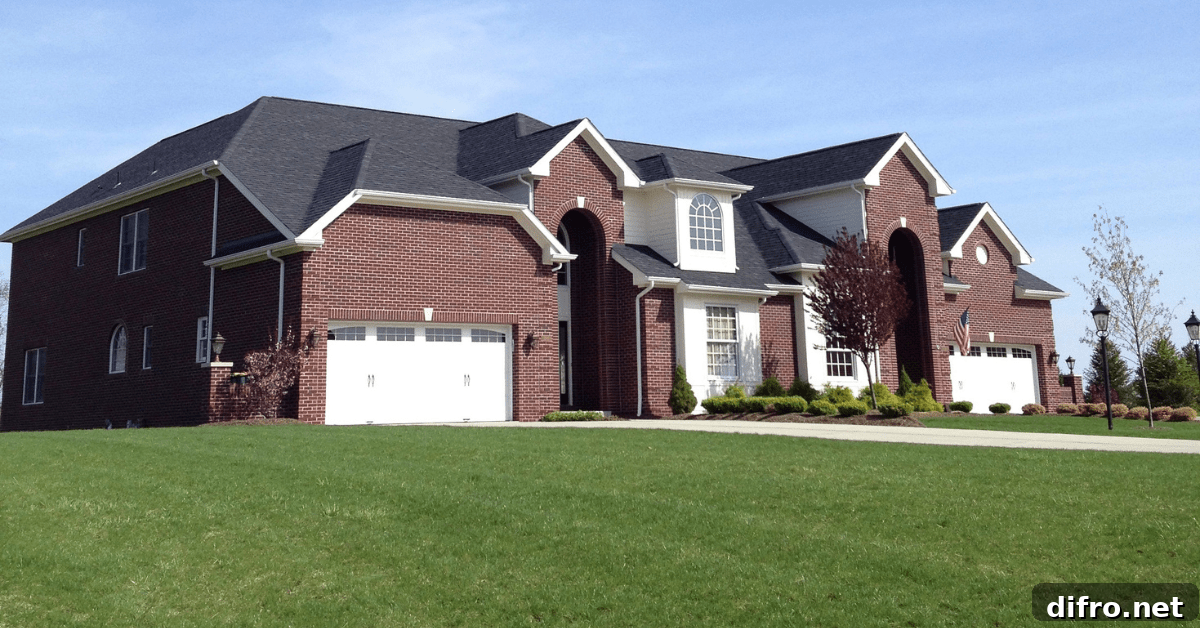
When planning renovations, prioritize improvements that increase comfort and reduce ongoing costs, such as modernizing kitchens and bathrooms, upgrading insulation and windows, and investing in energy-efficient systems. Address shared systems—like roofing, foundations, and major utilities—thoughtfully, since these elements affect both units and often represent higher repair costs if neglected.
Regular maintenance is important for preserving value. Establish clear responsibilities for upkeep and repairs if units are owned separately or if tenants are involved. During renovations, consider consistent design language across common areas while allowing each unit signature touches to reflect individual tastes. Finally, check local building codes and permitting rules before making structural changes to ensure compliance and a smooth renovation process.
Related Articles:
- Amazing Alpine Escape: Unwind Inside this Luxury Duplex in Val d’Isere
- For the Urban Socialite: Brazilian Duplex Maximizes Just 44 Sqm of Space!
- Modern Montreal Duplex Showcases Industrial Minimalism at its Functional Best
Duplex homes offer a practical mix of affordability, adaptability, and design opportunity. By understanding the variety of layouts, the everyday advantages, and the key design and maintenance considerations, prospective buyers and current owners can make informed choices that maximize comfort, income potential, and long-term value. Thoughtful planning and well-executed design transform a duplex from a simple property into a flexible, rewarding home.