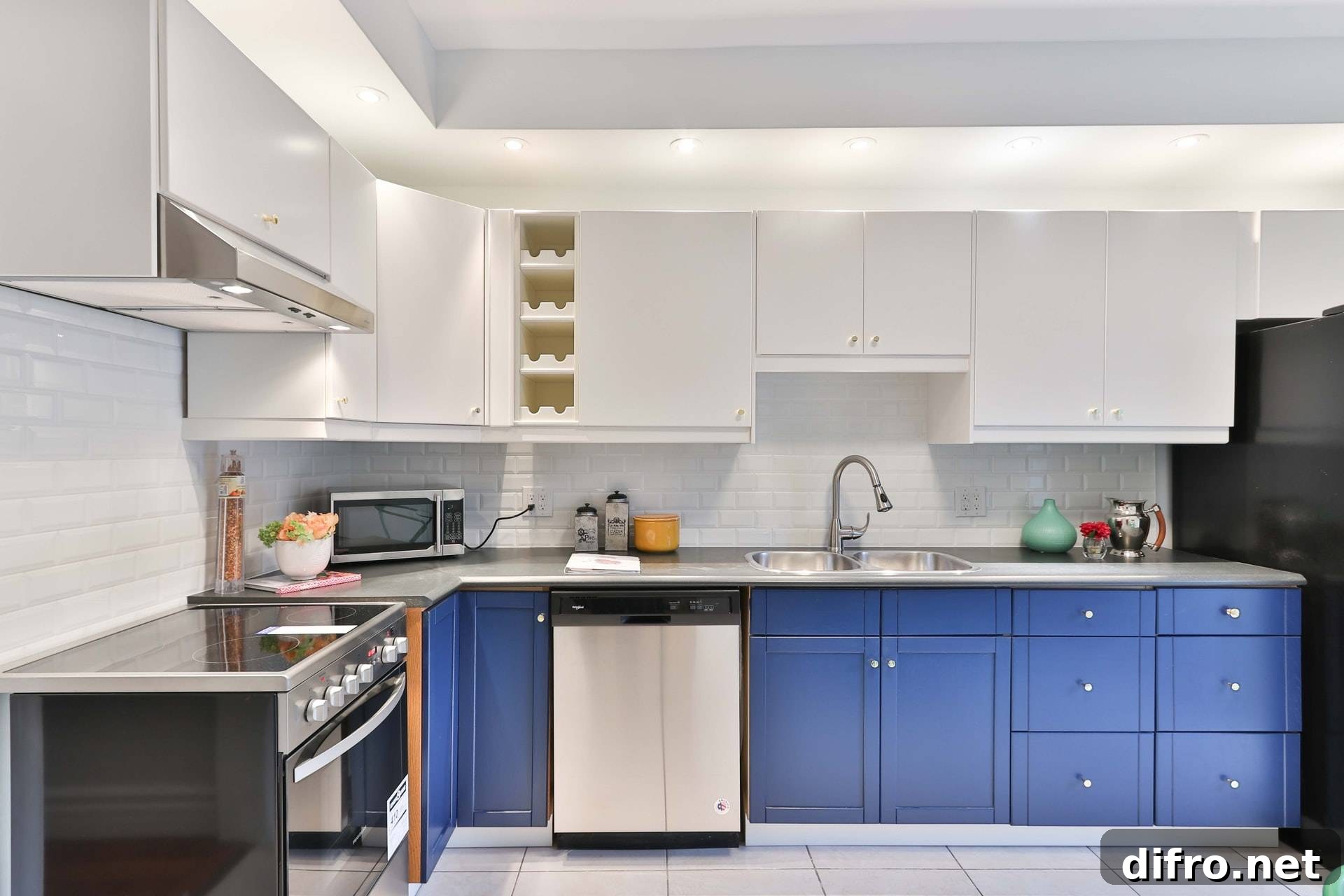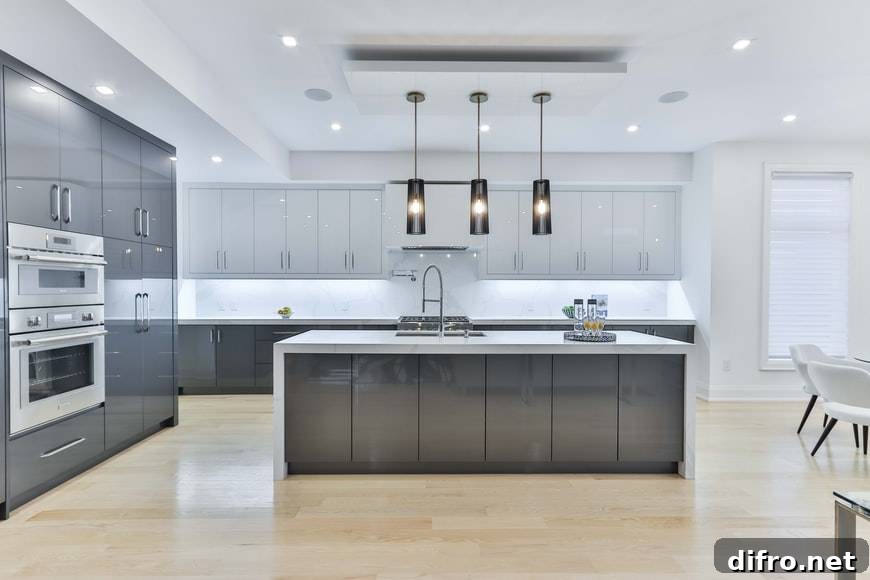
A modular kitchen offers a stylish, practical, and cost-effective alternative to fully custom carpentry. Built from pre-manufactured cabinets and units available in a range of standard sizes, modular kitchens let you combine components to meet the exact storage, workflow, and aesthetic needs of your home without sacrificing quality or finish.
Design professionals usually handle the fundamentals of a modular kitchen layout. Using ergonomic principles and industry-standard kitchen planning, they determine optimal placements for the stove, sink, and refrigerator, as well as ideal counter heights and an effective work triangle. This makes modular kitchens an excellent choice for homeowners who want expert functionality without the time and cost of bespoke joinery.
With a wide selection of finishes, colors, and materials, modular kitchens can match most tastes and budgets. Because components are machine-made, seams are precise and finishes are consistent, producing a clean, contemporary look that holds up well over time.
Cabinets
Modular cabinet components are factory-cut for precision, so doors, drawers, and carcasses align perfectly on installation. Common materials include solid wood, plywood, engineered wood (such as MDF), and particle board. Each material has pros and cons: plywood is often chosen for its balance of cost and durability, solid wood for long-term resilience and aesthetic warmth, and engineered products for uniformity and affordability.
Surface finishes for cabinets range from laminates and melamine to lacquered and veneer surfaces. These finishes affect maintenance, longevity, and appearance, so choose a finish that fits your lifestyle—water-resistant and easy-to-clean surfaces for busy family kitchens, or durable matte and textured finishes for a modern look.
Layout
One of the greatest advantages of modular kitchens is layout flexibility. Well-planned layouts ensure efficient movement, sufficient counter space, and ample storage. Popular layout options include:
- One-wall kitchen – Ideal for small apartments and studio units. Maximize vertical storage with tall cabinets and open shelving to keep essentials accessible.
- Galley kitchen – Two parallel runs of cabinets and counters work well in narrow rooms, creating an efficient corridor-style workflow.
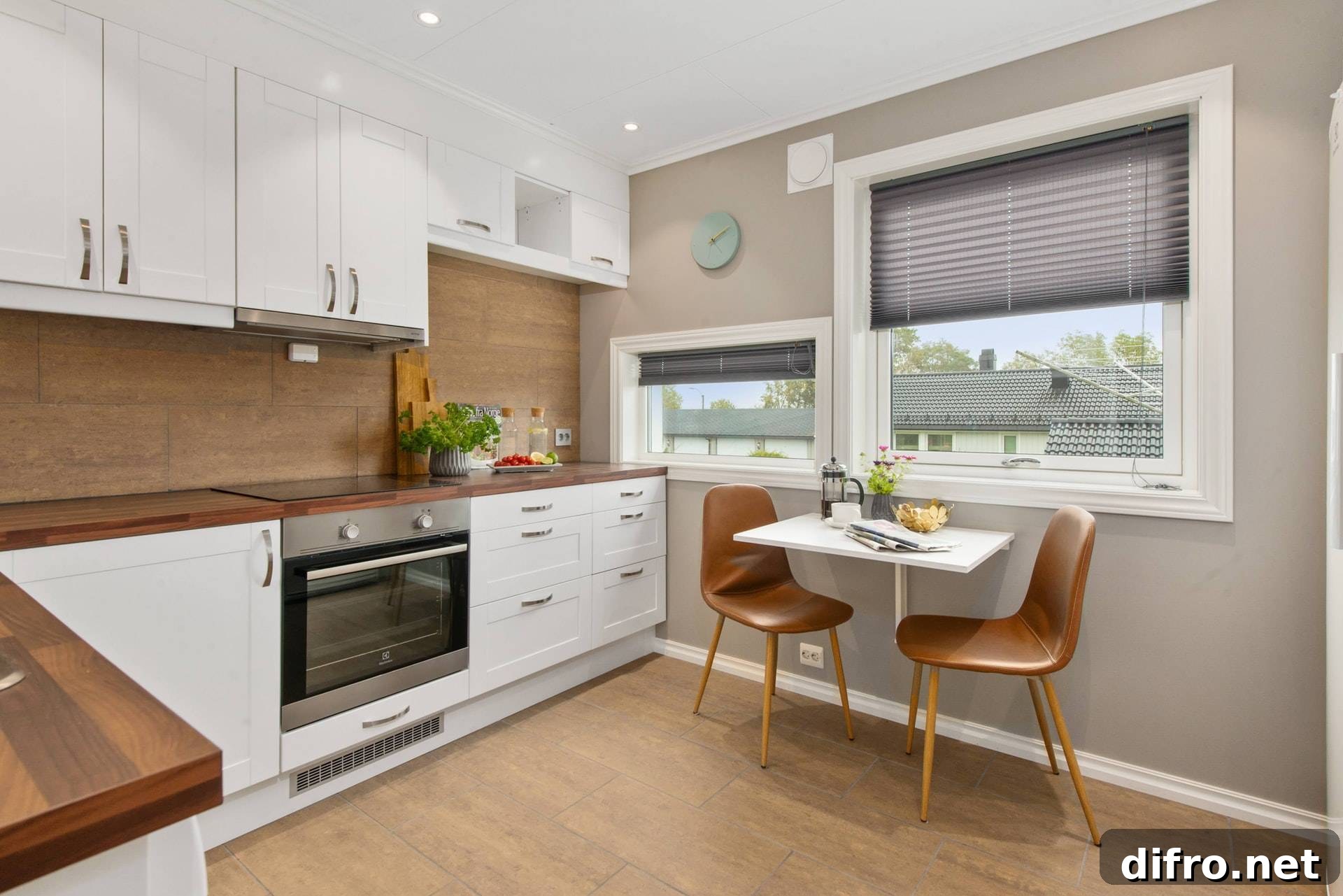
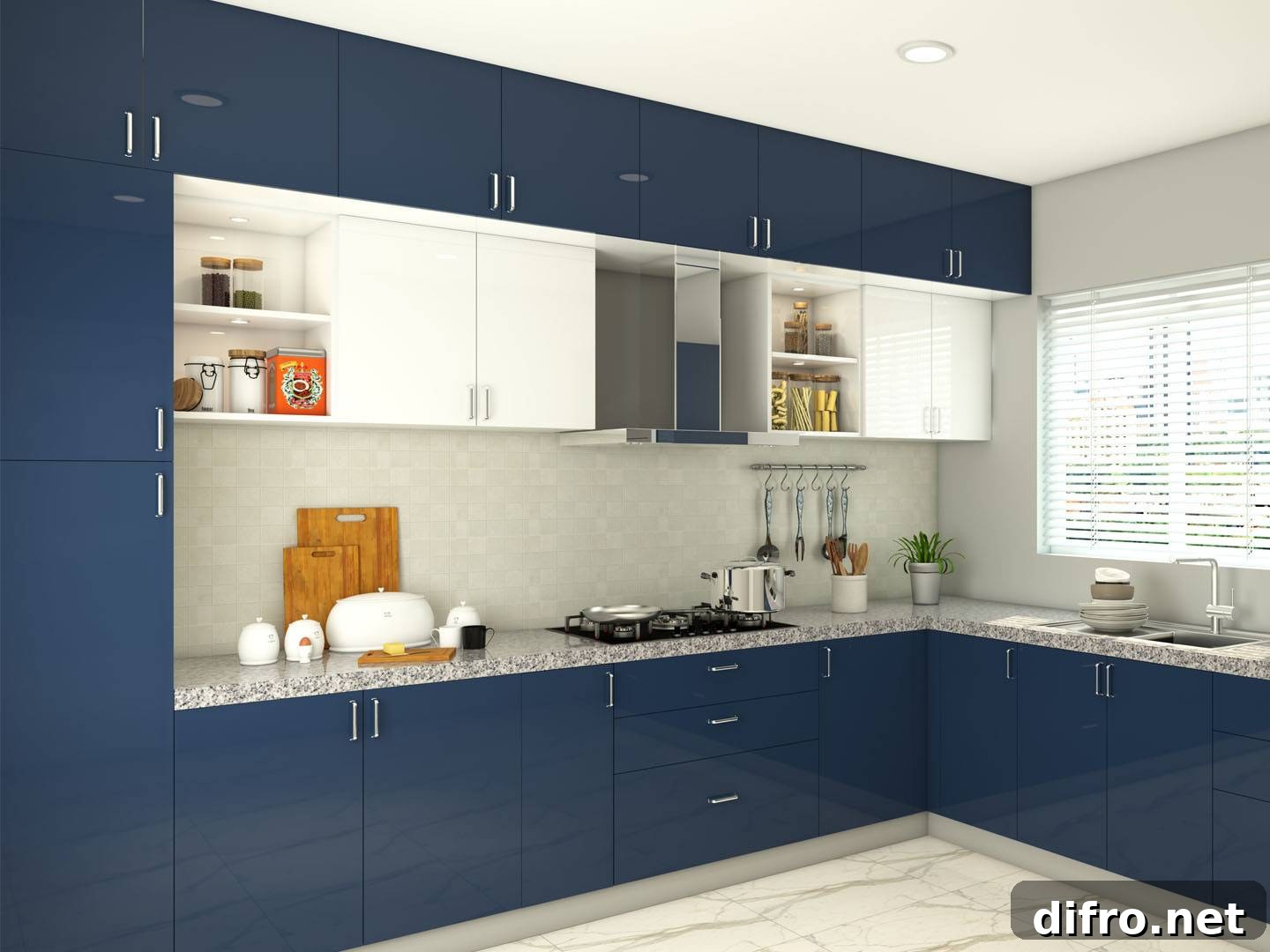
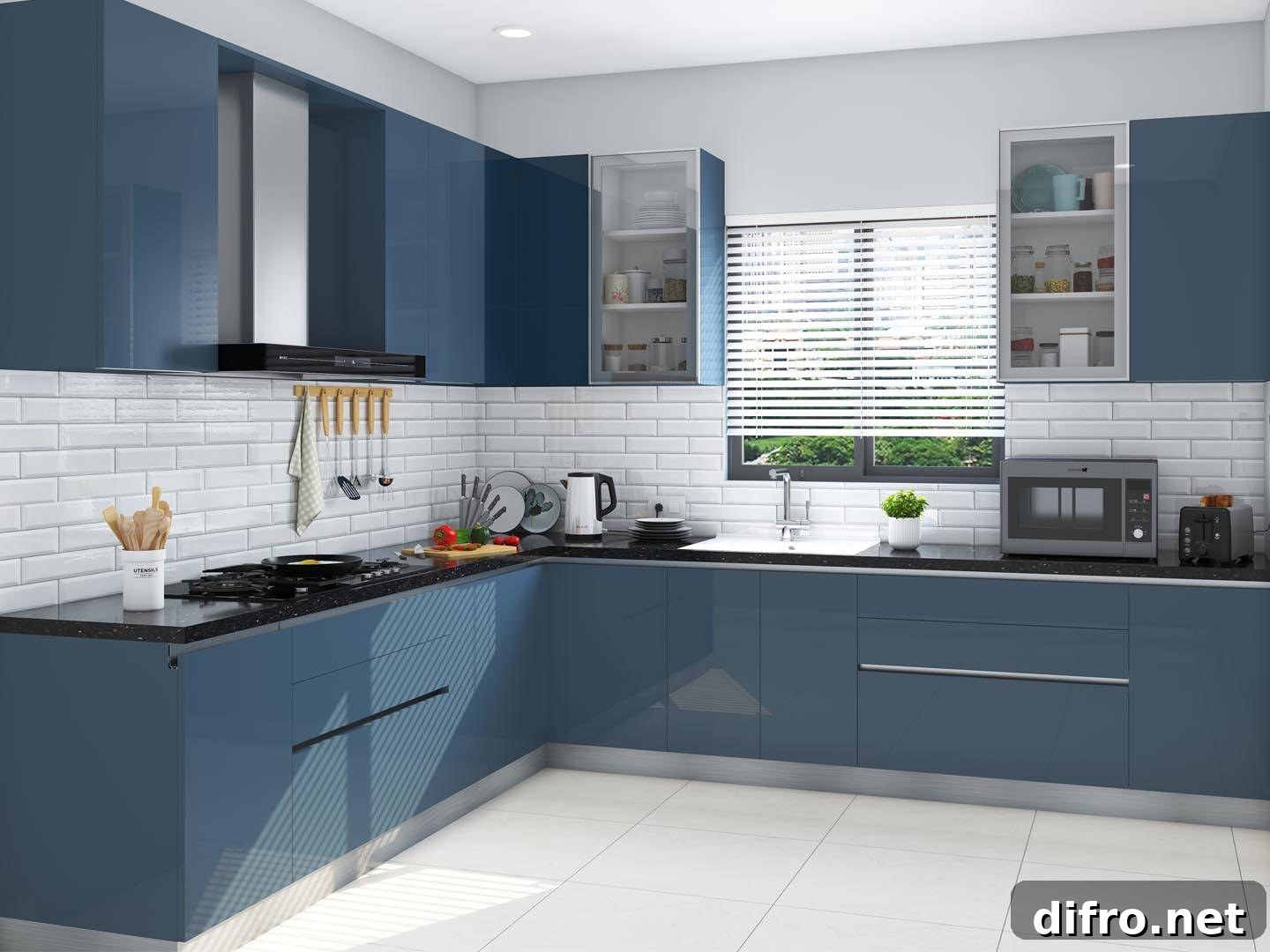
- L-shaped kitchen – Cabinets and appliances line two adjacent walls. Corner units and pull-out mechanisms improve access and storage utilization.
- U-shaped kitchen – Offers the most continuous countertop and storage space, suitable for families or multiple cooks working together.
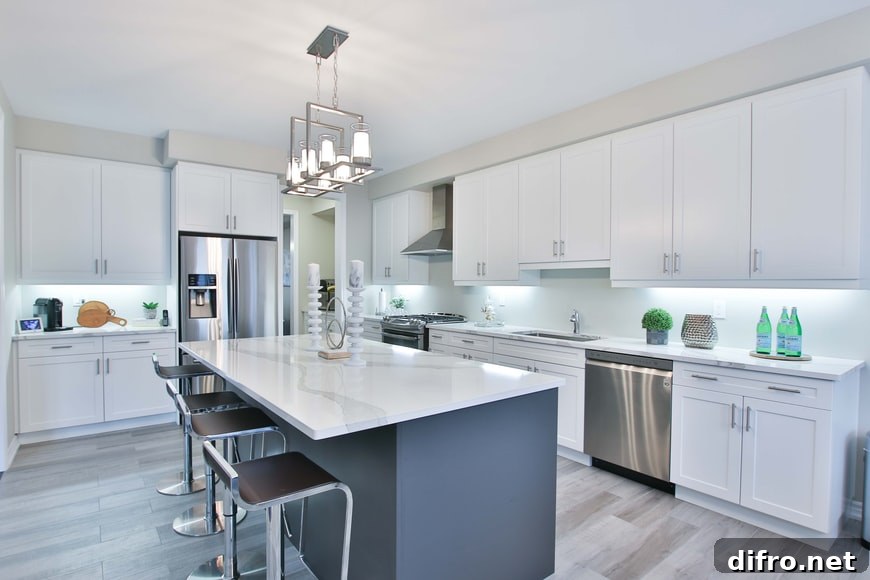
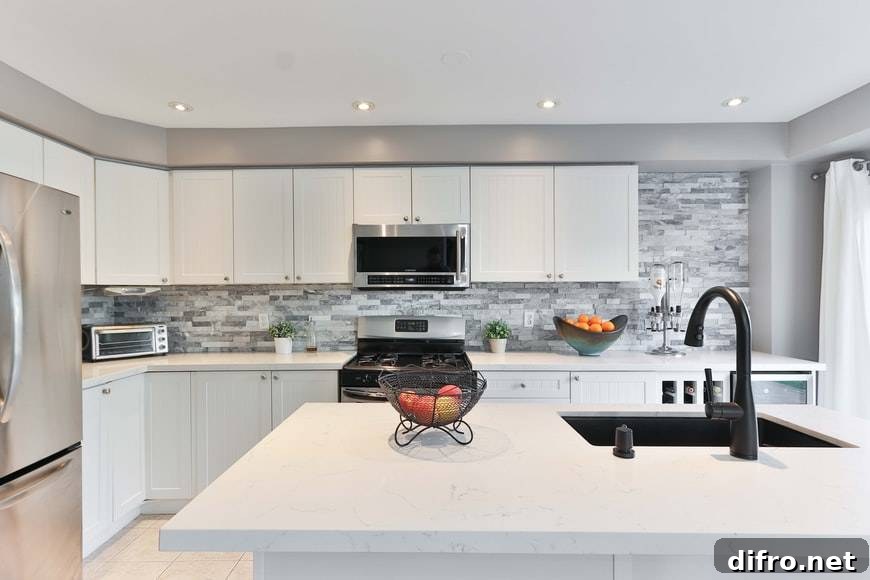
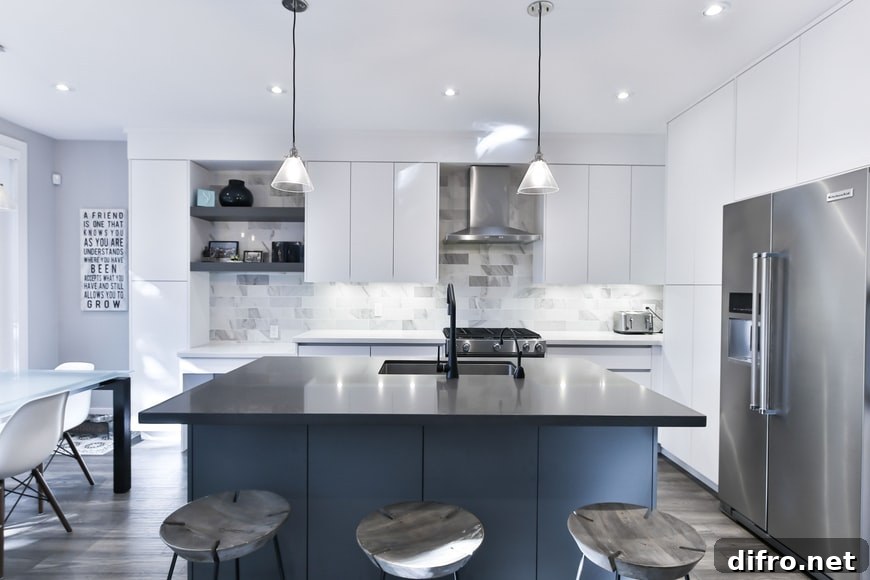
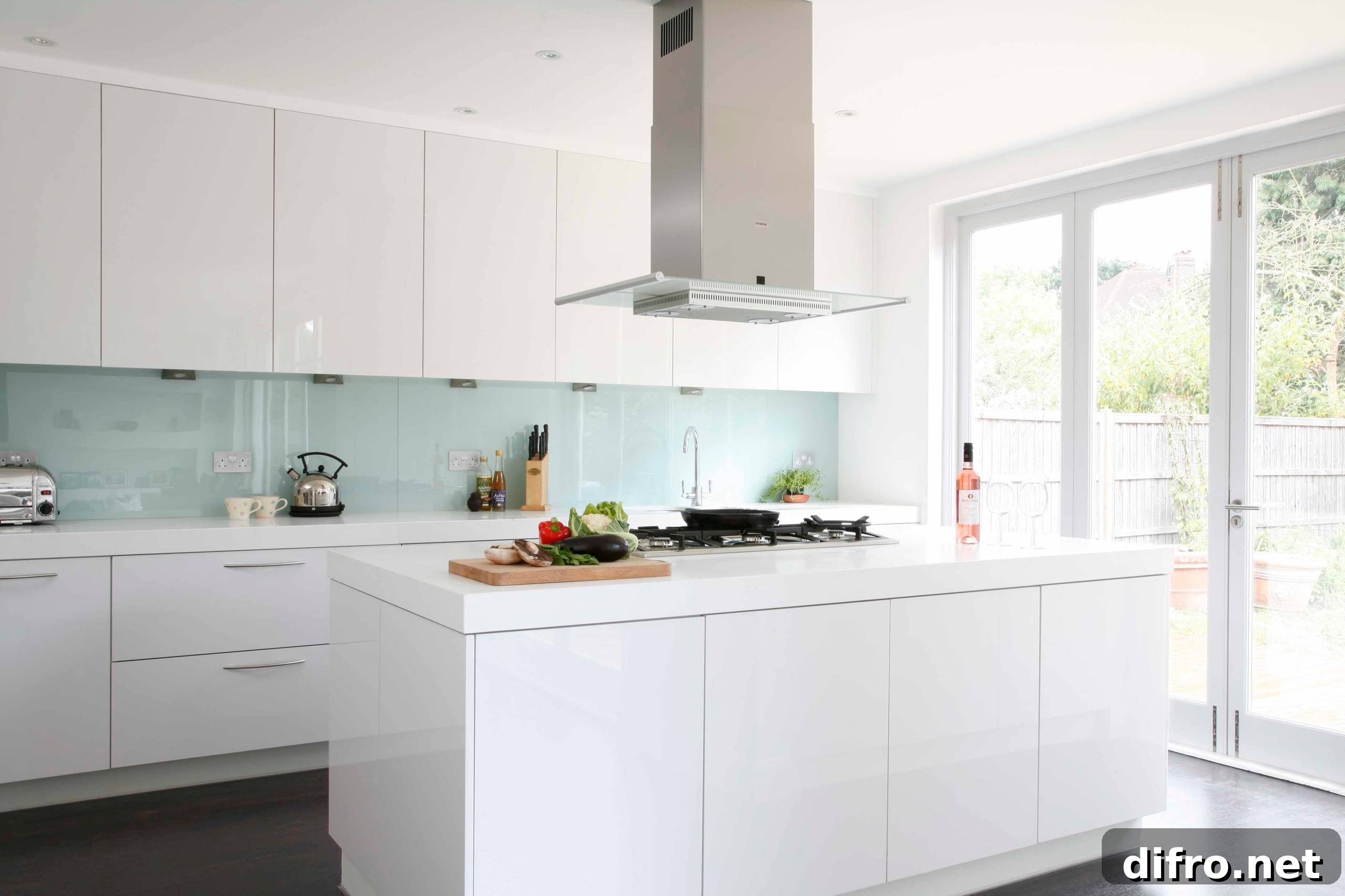
- Island kitchen – Adds a central workspace and seating, perfect for open-plan homes and social cooking zones.
Additional features
Contemporary modular kitchens emphasize a streamlined, uncluttered look. Integrated and hidden appliances—dishwashers, refrigerators, and microwaves—fit inside specially sized cabinets to preserve clean sightlines. Tall pantry cabinets make efficient use of vertical space when a separate pantry isn’t available, while open wall shelves keep daily items within easy reach and add display opportunities.
Smart storage solutions are a hallmark of modern modular design. Consider pull-out larders, corner carousels, drawer organizers, pull-out plate racks, and dedicated bottle storage to make the most of awkward or deep spaces. These features enhance daily usability and increase storage capacity without requiring extra room.
Styles and finishes
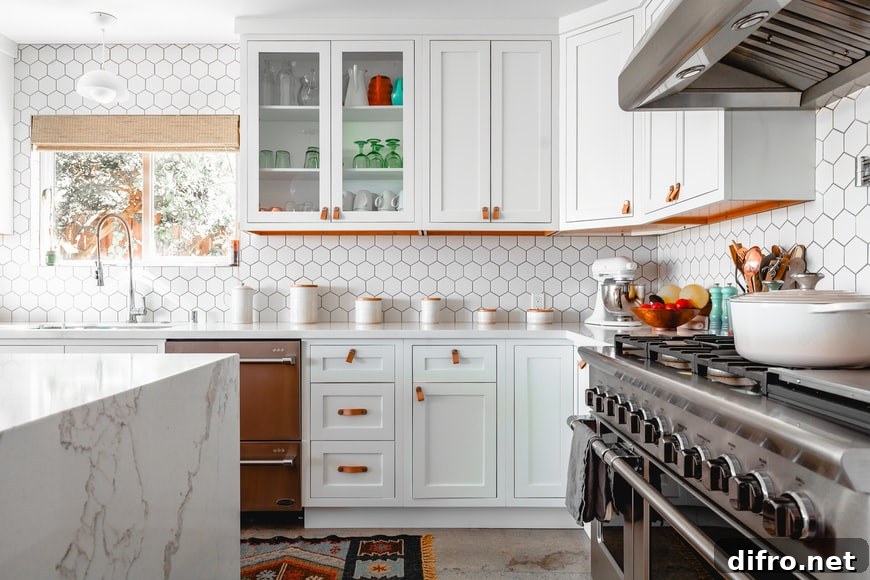
Modular kitchens can reference traditional, transitional, or fully contemporary styles. Classic designs may include shaker-style doors and warm wood tones, while modern kitchens favor handleless fronts, flat panels, and contrasting island colors. Because modular cabinets come in standardized sizes and finishes, it’s easy to mix materials—matte paint, gloss lacquer, wood veneer, or textured laminate—while maintaining a coherent visual language.
When planning your kitchen, think about the combination of aesthetics and function: choose countertop materials that withstand heat and wear, select cabinet finishes that resist stains and humidity, and plan lighting—task and ambient—to ensure a safe, comfortable workspace. Modular kitchens are also straightforward to assemble and modify, making them a great long-term investment for evolving needs.
In summary, modular kitchens deliver professional planning, flexible layouts, precise manufacturing, and a wide range of finishes and storage solutions. Whether you are outfitting a compact apartment or a family home, modular systems simplify installation, reduce waste, and provide adaptable solutions that remain functional and attractive for years.