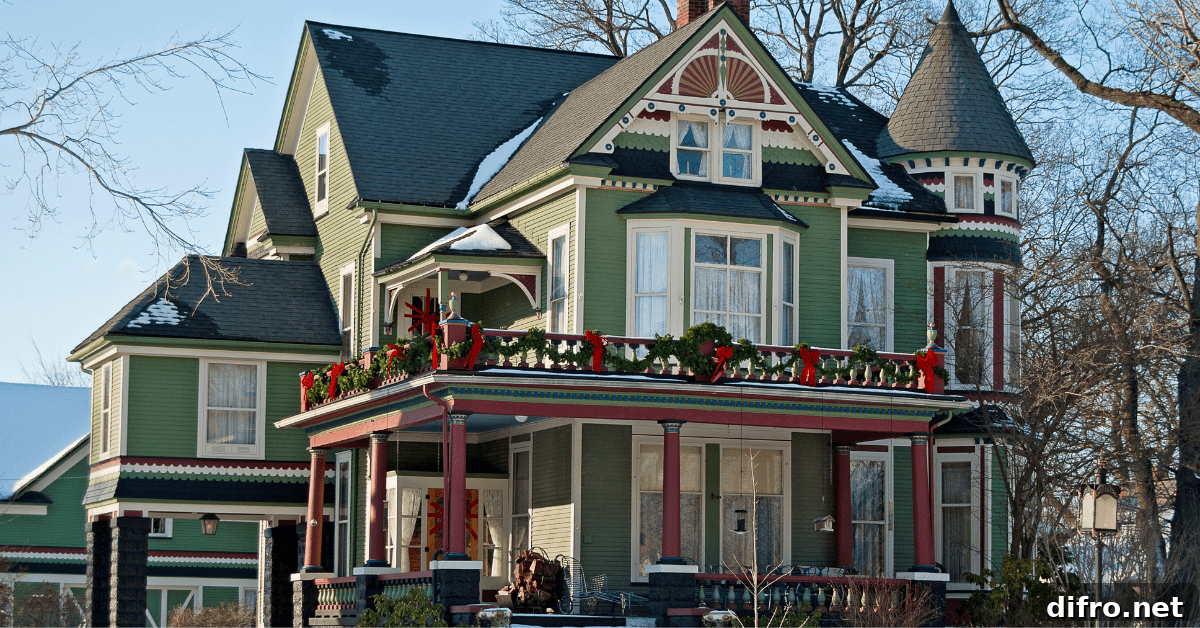
Step into the world of Victorian-style houses, where enduring charm and elaborate details combine to create homes that feel both grand and inviting. Whether you own a historic property, design interiors professionally, or simply love classic architecture, this guide offers practical ideas and inspiration for embracing Victorian aesthetics.
The Victorian era (1837–1901) fostered rapid advances in construction and design, driven in part by the Industrial Revolution. Those innovations made it possible to build larger, more ornate houses that showcased craftsmanship and wealth. Today, Victorian houses remain prized for their distinctive silhouettes, decorative trim, and layered textures.
Inspired by Queen Victoria’s reign, Victorian homes often feature steep gables, ornamental woodwork, and bold color palettes that reflect the period’s sense of elegance. From the exterior cornices to the interior moldings, each element contributes to a cohesive historic look.
Essential Architectural Elements of Victorian-Style Houses
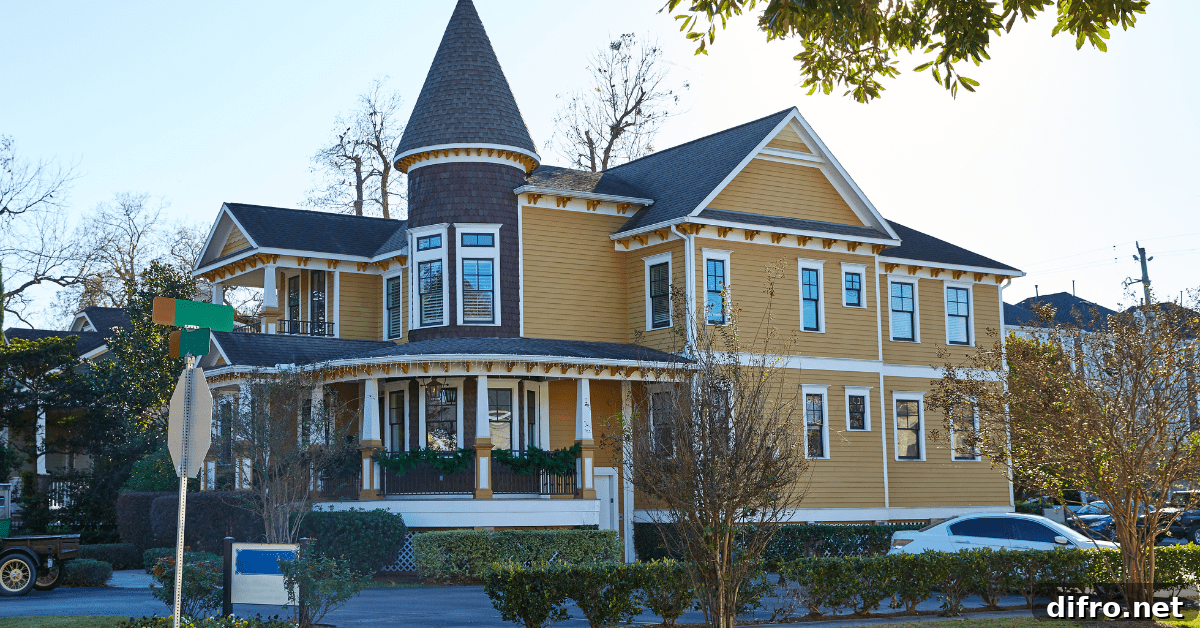
Victorian-style houses blend several historical influences—Gothic Revival, Italianate, and Queen Anne among them—resulting in varied but recognizable features. Exteriors often display elaborate trim, decorative brackets, patterned shingles, and spindlework. Inside, the character continues with high ceilings, stained glass, ornamental moldings, and staircases that serve as visual centerpieces. Rich, saturated hues—deep reds, emerald greens, and jewel-toned blues—complement carved wood and patterned textiles to create a dramatic, layered interior.
Embracing the Exterior Aesthetics and Details
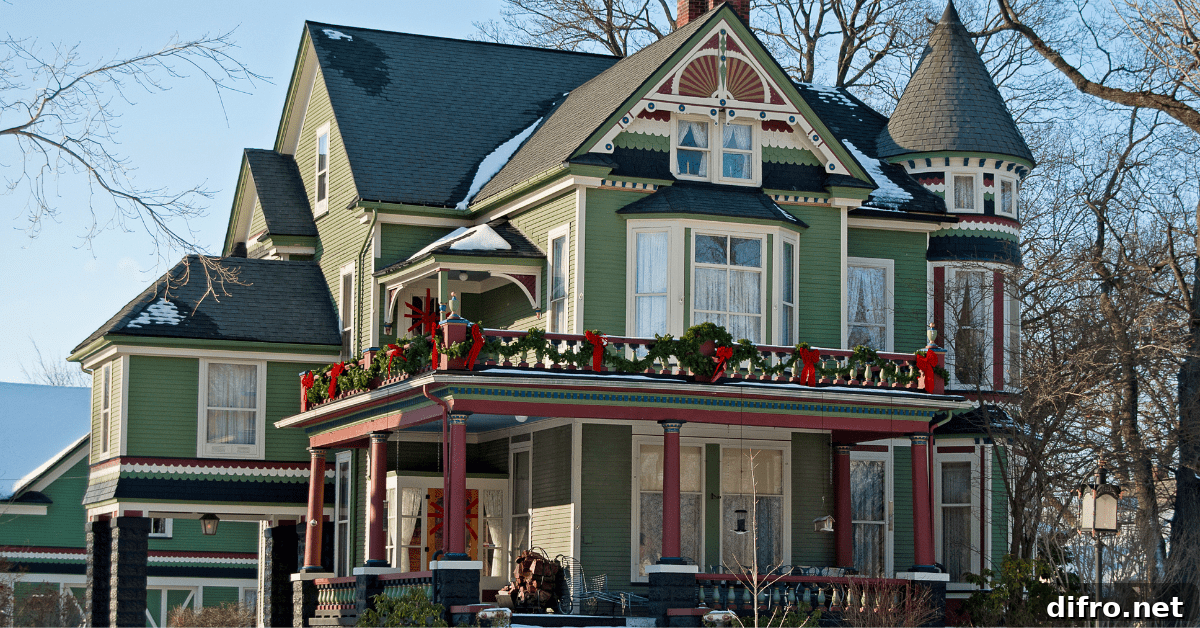
Exterior details are fundamental to an authentic Victorian look. Focus on trim profiles, turned posts, decorative brackets, and textured shingles to achieve the signature depth and shadow that characterize these homes. Choose paint schemes that reflect historic palettes—contrasting trims and accent colors can emphasize cornices, window surrounds, and gables. If your property allows, adding a wraparound porch, a turret, or ornamental railing will enhance curb appeal and reinforce the home’s architectural story.
Interior Design and Décor: A World of Creative Possibilities
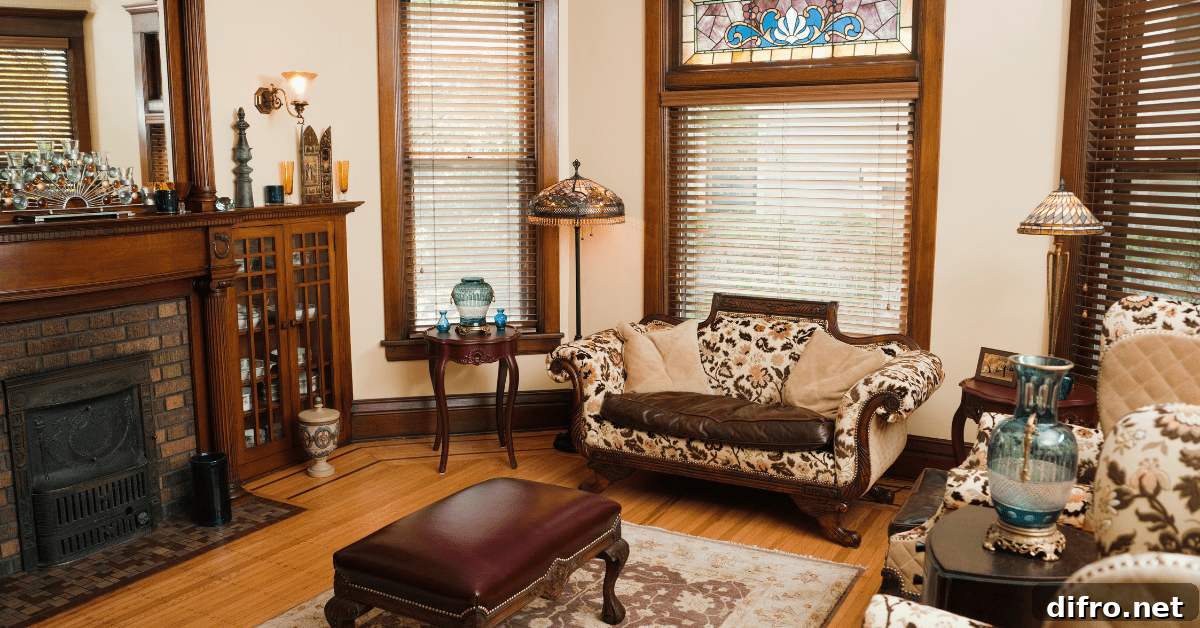
Victorian interiors invite layered fabrics, patterned wallpapers, and carefully chosen antiques. Emphasize tall windows and high ceilings with dramatic draperies and detailed window treatments. Upholstered furniture in velvet or brocade, along with carved wooden tables and sideboards, reinforces an old-world aesthetic. Wallpaper was a hallmark of the era—florals, damasks, and complex repeats framed by picture rails and chair rails bring texture and period authenticity. Balance ornate pieces with thoughtful modern conveniences so rooms feel comfortable without losing historical integrity.
Restoration and Renovation of Victorian Houses
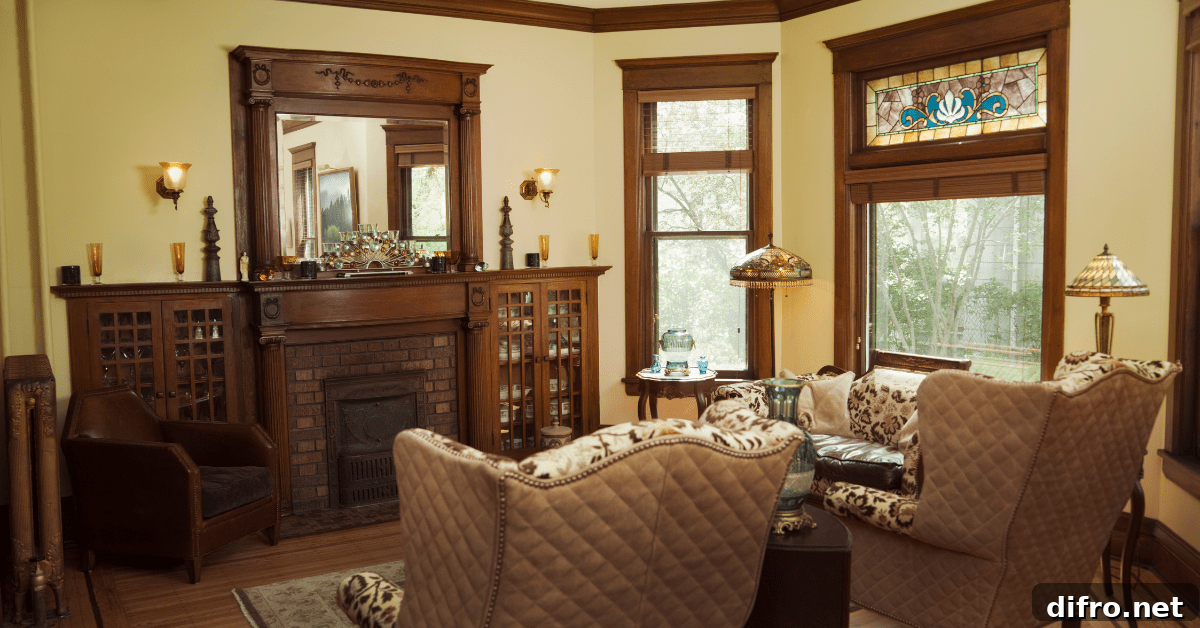
Renovating a Victorian home requires a careful balance: preserve defining features while updating systems for safety, comfort, and efficiency. Prioritize the conservation of handsomely crafted elements—trim, staircases, stained glass, and original flooring—whenever possible. When replacements are necessary, use materials and profiles that match the original look. Modern infrastructure—electrical, plumbing, HVAC, and insulation—can be integrated discreetly so the home performs well for contemporary living without sacrificing historic character. Consulting preservation specialists or architectural historians can help guide sensitive restoration choices.
Landscaping and Outdoor Spaces: Extending Victorian Character
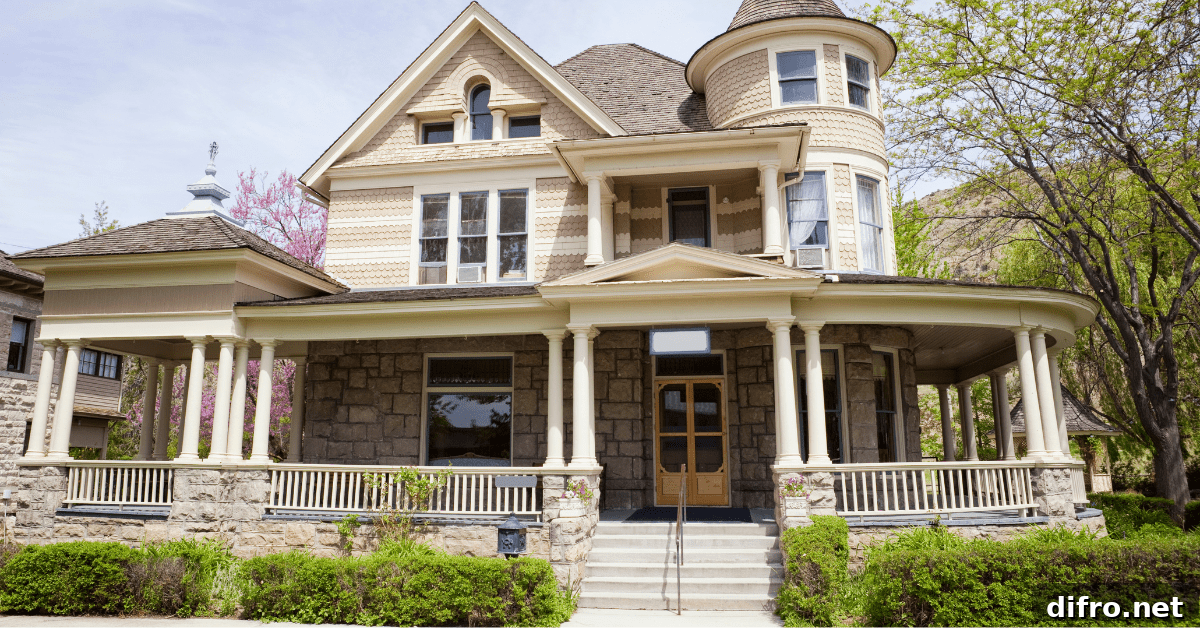
The grounds around a Victorian house should complement its architectural richness. Formal or cottage-style gardens, clipped hedges, and winding paths create a romantic setting. Decorative ironwork, stone steps, and period-appropriate fencing reinforce the historic mood. Small garden structures—gazebos, pergolas, or a decorative fountain—add focal points and outdoor rooms that echo the home’s ornamental spirit.
Eclectic Decorating: Mixing Eras with Intention
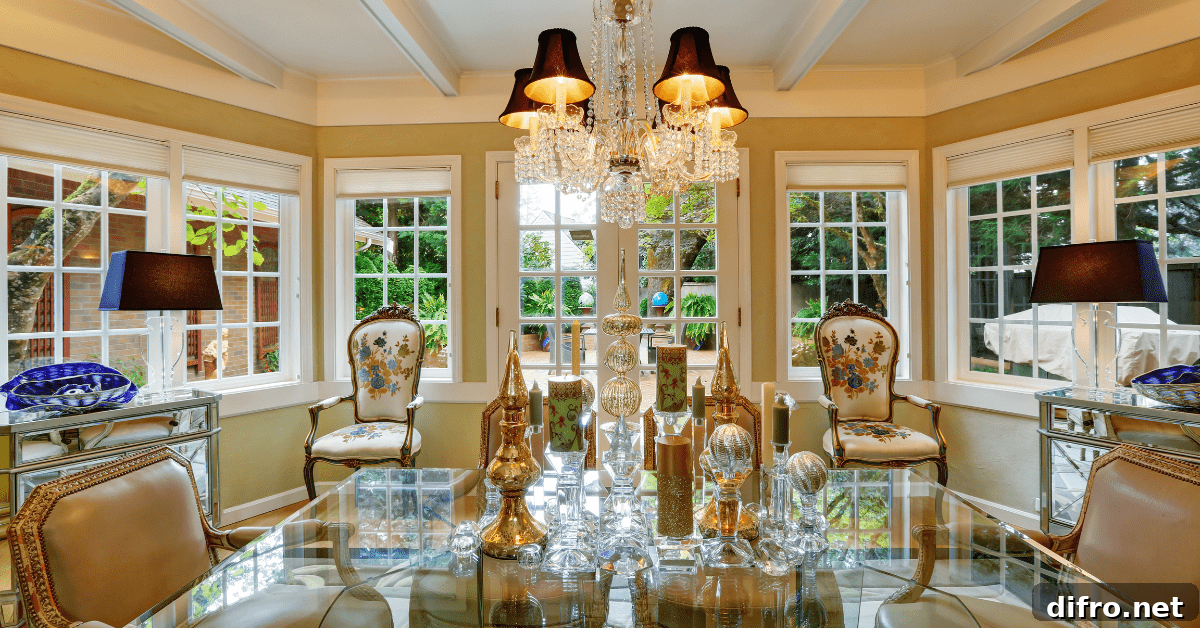
Victorian homes welcome an eclectic approach to decor. Layer antiques, vintage finds, and contemporary pieces to create interiors that feel curated rather than museum-like. Mix patterns and textures—woven rugs, embroidered cushions, and painted cabinets—while using a unifying color palette to maintain harmony. Thoughtful contrast between old and new elements keeps spaces lively and personal.
Related Articles:
- Hub Living: Victorian Terraced House Turned into 11 Custom, Clever Bedsits
- Modern Living Room Mastery: Styling Tips and Design Secrets
- Box-Style Glass Enclosures Extend a Victorian Terraced House in South London
Victorian-style houses continue to enchant with their layered detail and architectural personality. Whether you’re restoring an original property or adapting Victorian elements in a modern context, thoughtful design choices—inside and out—can preserve the historic character while making the home comfortable and functional for today’s lifestyle.