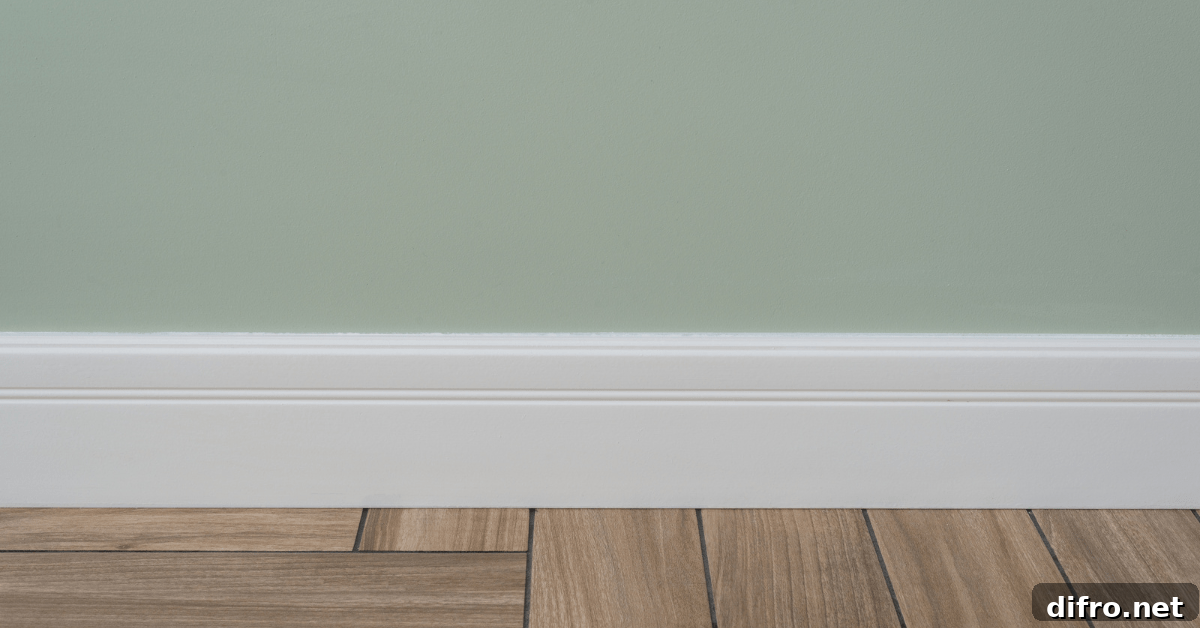
Cleaning white baseboards may feel like a tedious task, but it’s an important part of keeping your home looking fresh and well-maintained. Over time baseboards collect dust, scuff marks, and grime that dull a room’s appearance. This practical guide explains how to clean white baseboards effectively, with step-by-step instructions, alternative methods, and tips to keep them looking their best.
Understanding the Importance of Clean White Baseboards
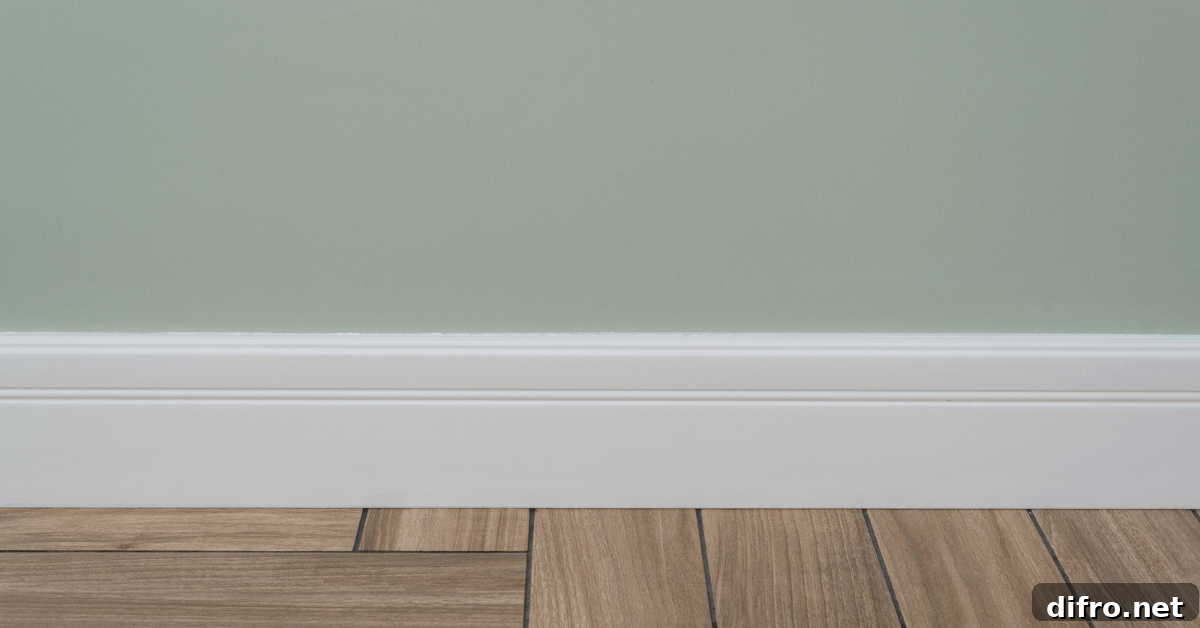
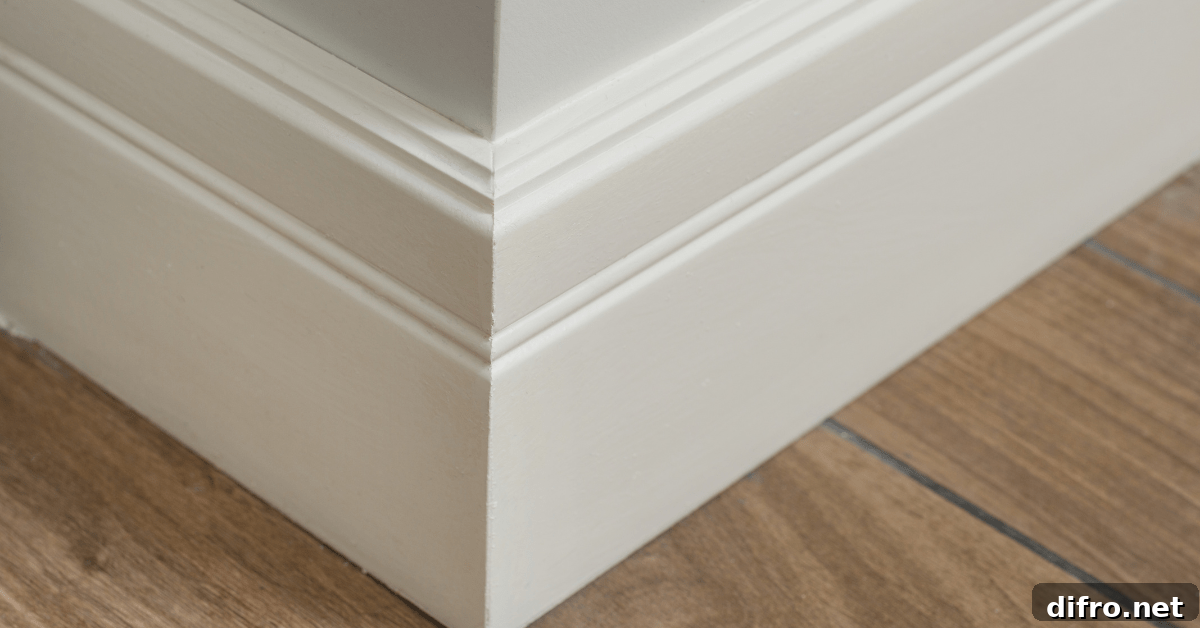
Baseboards frame a room and contribute to its overall visual impact. Clean white baseboards make floors and walls look sharper, enhancing the perceived cleanliness of your home. They also trap allergens and dust; regular cleaning reduces these particles and supports a healthier indoor environment. Routine attention to baseboards prevents stubborn buildup that requires intensive scrubbing later on.
Step-by-Step: How to Clean White Baseboards
Follow these steps for a thorough and efficient baseboard cleaning routine. With the right supplies and a consistent approach, you can keep white baseboards bright without spending hours on maintenance.
Gathering the Necessary Supplies
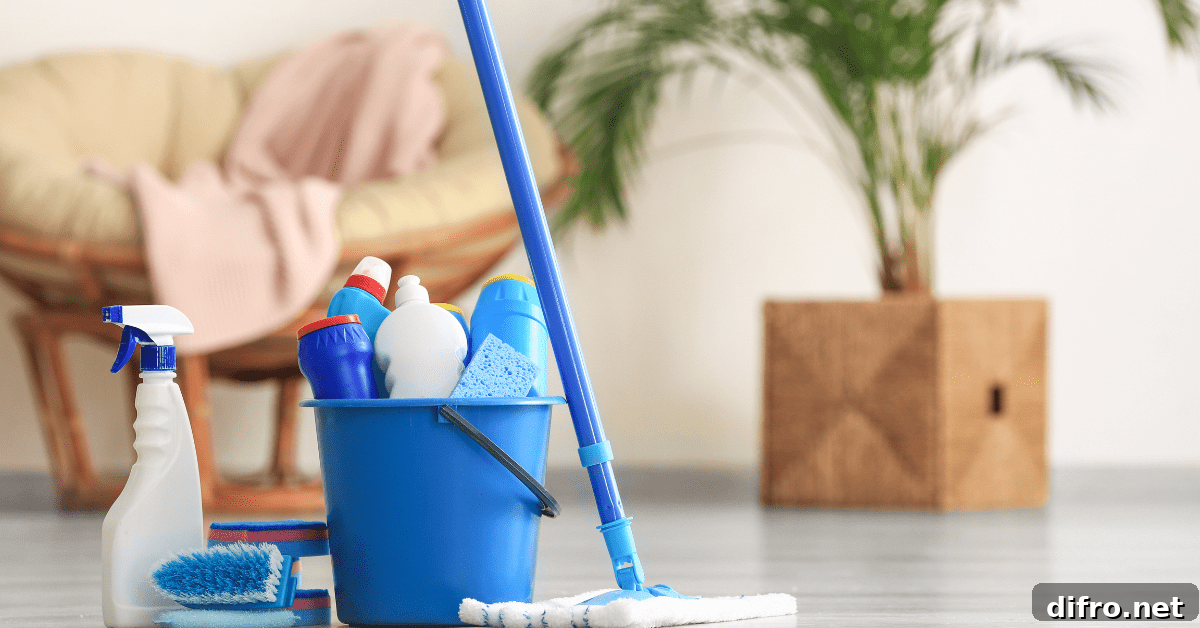
Prepare these basic cleaning tools before you start:
- Vacuum cleaner with a brush attachment (or a hand broom)
- Microfiber cloths (at least two: one for washing, one for drying)
- A bucket of warm water
- Mild detergent, gentle all-purpose cleaner, or a vinegar-water solution
- Sponge and a soft scrub brush for textured trim
- Magic eraser (optional for scuffs)
Having everything on hand makes the process faster and prevents interruptions while you clean a whole room.
Preparing the Baseboards
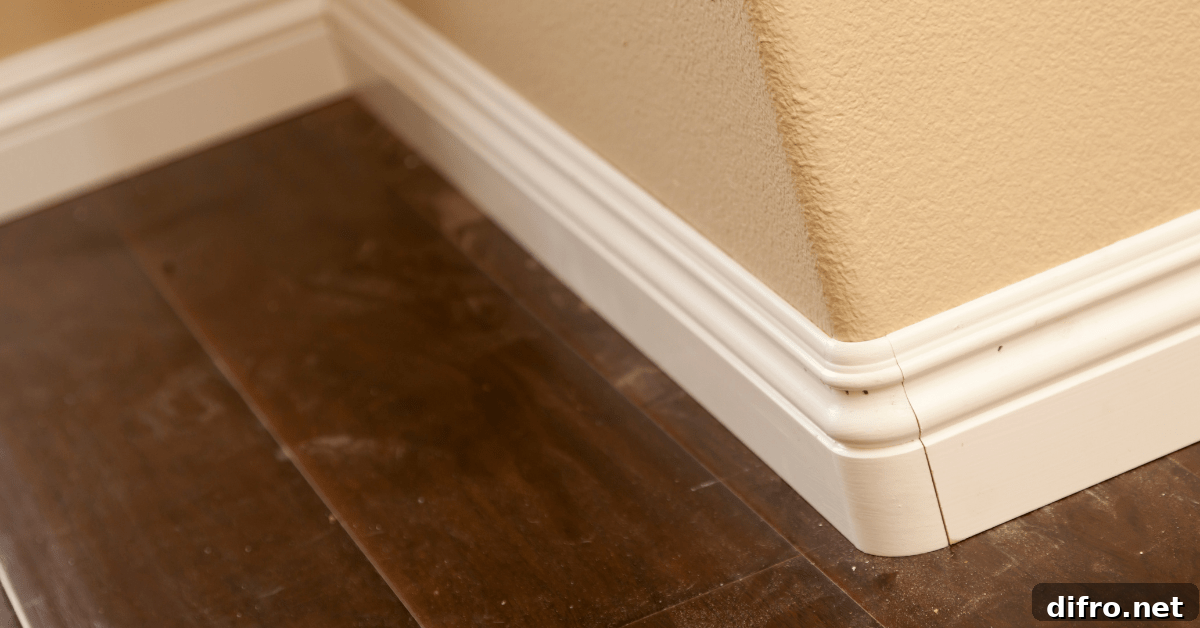
Start by removing loose dust and cobwebs. Run the vacuum with a brush attachment along the top and bottom edges of the baseboards to pick up surface debris. This initial step reduces the amount of grit you’ll be rubbing into the paint and makes the wet cleaning stage more effective.
Cleaning with a Microfiber Cloth and Mild Solution
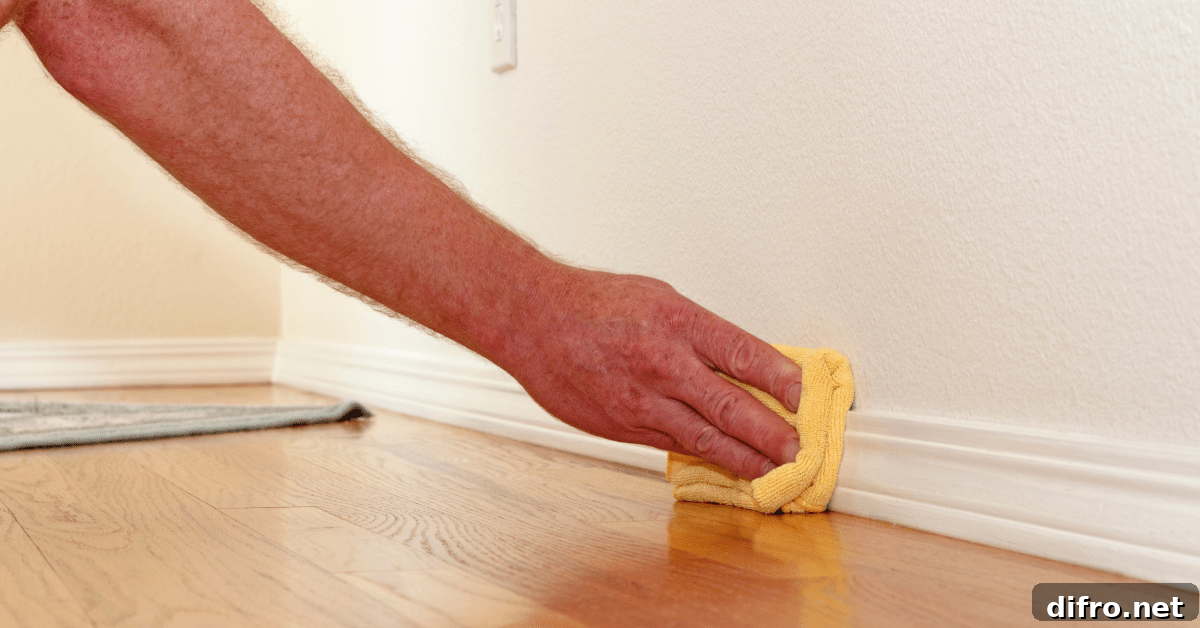
Mix a few drops of mild detergent into warm water or use a 1:1 solution of white vinegar and water for a natural alternative. Dampen a microfiber cloth, wring it out thoroughly so it’s not dripping, and wipe the baseboards from one end to the other. Microfiber traps dirt and minimizes streaking. Work in sections and rinse the cloth frequently to avoid spreading grime.
Tackling Stubborn Stains

For scuffs, crayon marks, or ingrained dirt, use a soft sponge or a scrub brush with gentle pressure. A magic eraser can lift stubborn marks, but test it first in an inconspicuous spot to ensure it won’t dull the paint. Avoid abrasive pads or harsh chemicals that can strip finishes or damage wood trim.
Rinsing and Drying
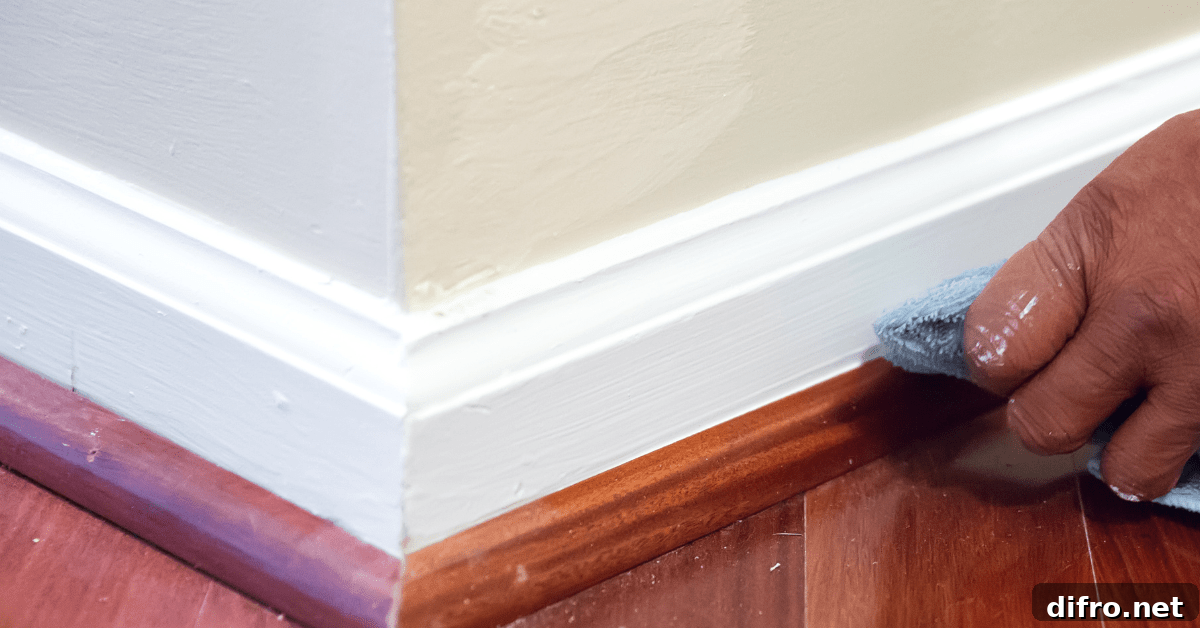
After scrubbing, wipe the baseboards with a clean, damp microfiber cloth to remove any cleaning residue. Finish by drying thoroughly with a dry microfiber cloth to prevent water spots and to protect painted or wooden trim from moisture damage.
Alternative Cleaning Methods
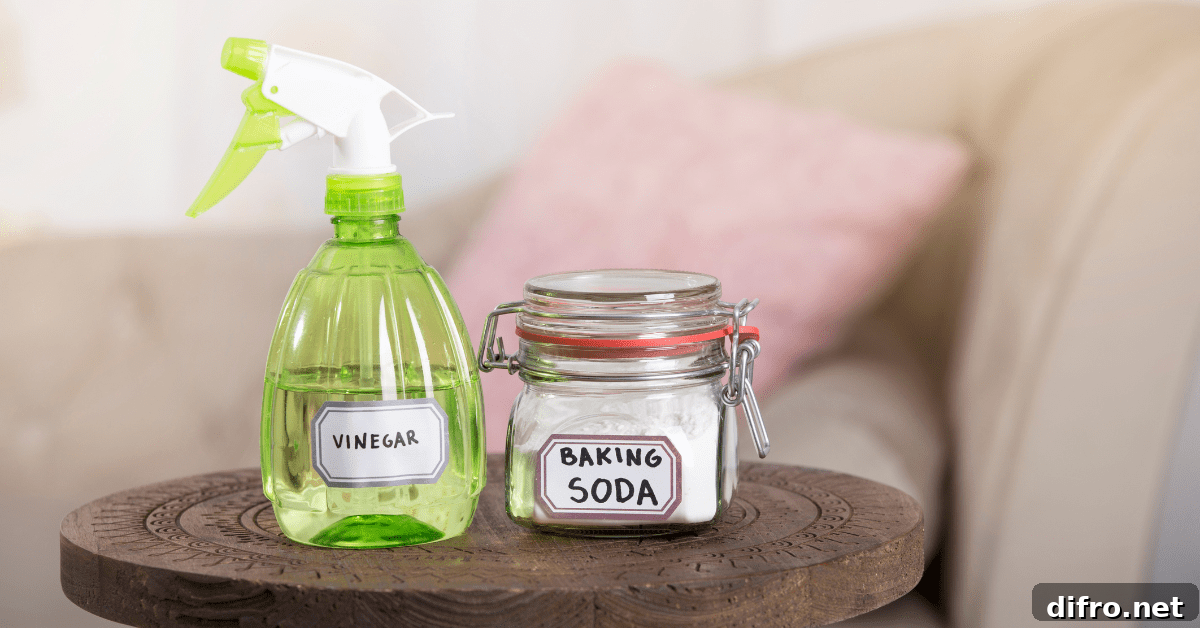
There are several effective alternative approaches: using a dryer sheet to lightly wipe and repel dust, a vinegar-and-water spray for everyday cleaning, or a magic eraser for isolated tough spots. Choose the method that suits your trim material and personal preference, and always spot-test if you’re unsure about the finish.
Maintaining Clean Baseboards Over Time
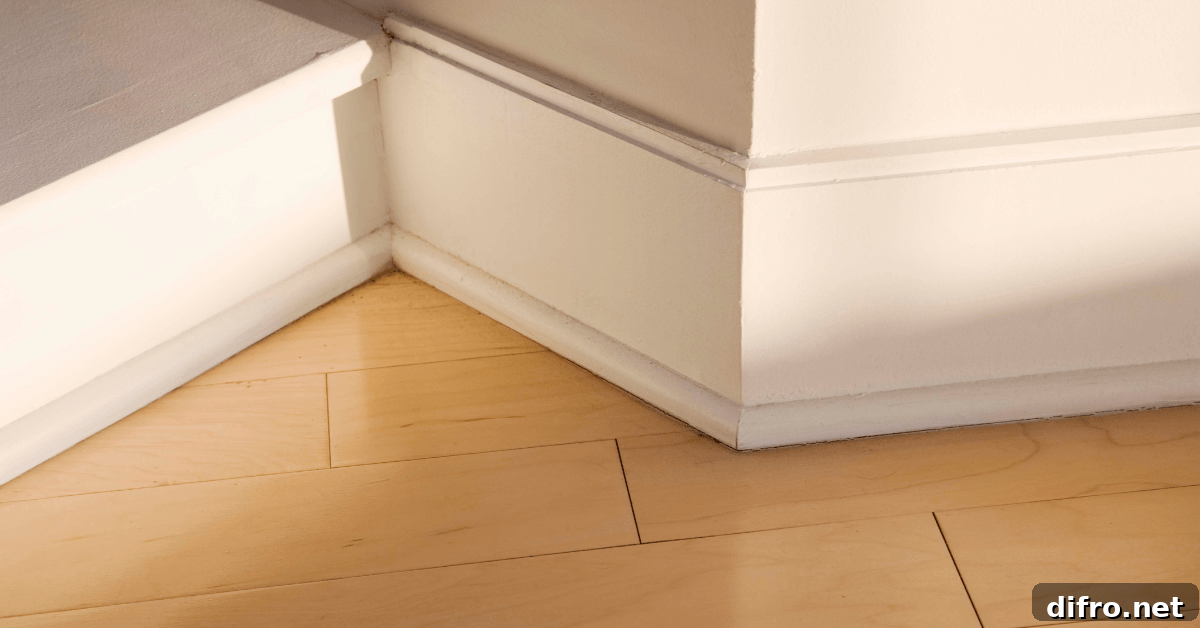
To keep white baseboards looking their best, add quick maintenance tasks to your cleaning routine. Wiping baseboards with a microfiber cloth each week and vacuuming along trim lines regularly will prevent heavy buildup. A monthly rinse-and-dry pass is usually sufficient for most homes. Regular upkeep saves time and keeps baseboards bright between deeper cleanings.
Tips to Prevent Dust and Dirt Buildup
Simple preventive measures reduce how often you need to deep-clean baseboards. Place doormats at entryways and encourage a no-shoes policy to limit tracked-in dirt. Regular dusting and vacuuming remove particles before they settle on trim. For high-traffic areas, consider wiping baseboards more frequently to avoid visible buildup.
Related cleaning topics
- How to clean throw pillows
- How to clean a couch (different fabrics)
- Shower cleaning tips for a gleaming bath or powder room
Knowing how to clean white baseboards properly helps maintain your home’s appearance and keeps indoor air cleaner. With a few routine habits and the right supplies, you can preserve the look of your trim and avoid the need for intensive restoration later.