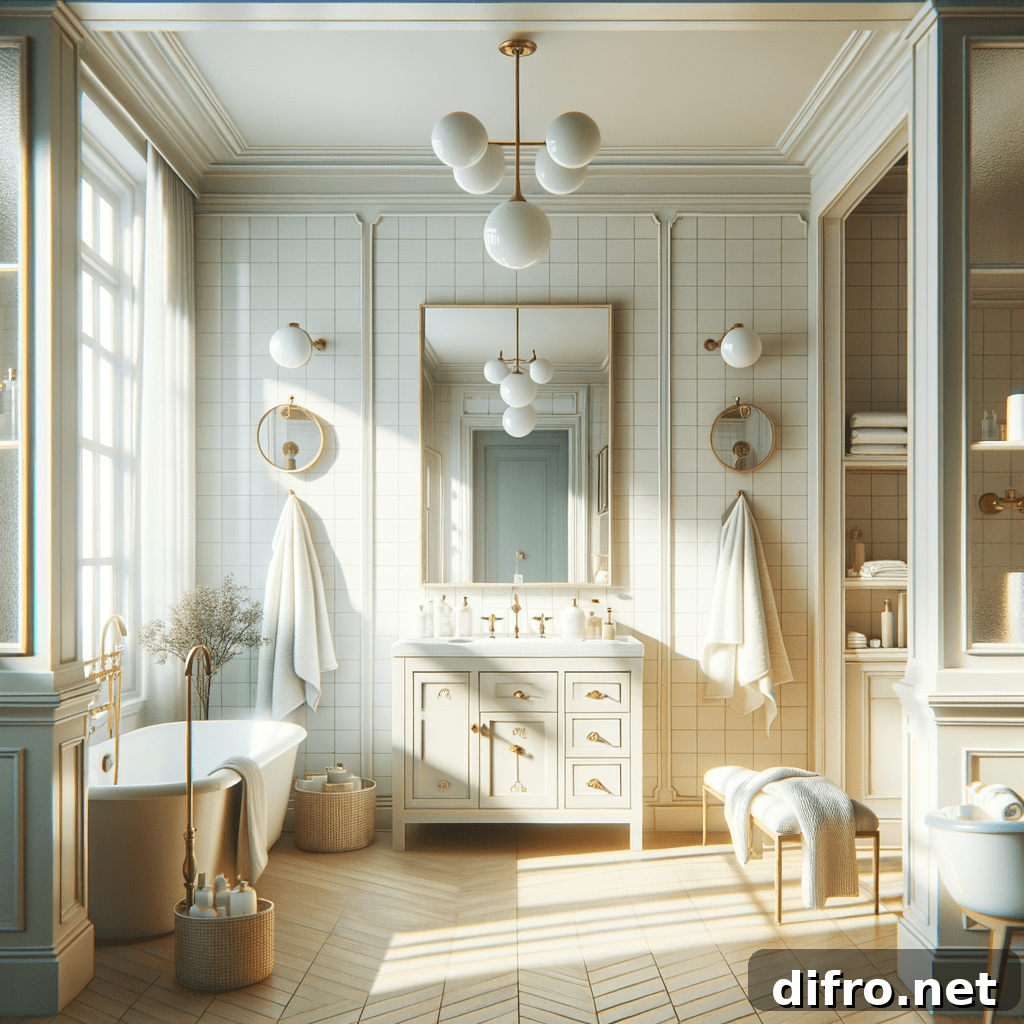
Choosing the right paint colors for your bathroom may seem like a small decision, but it dramatically affects the room’s mood, perceived size, and daily usability. The bathroom is a private retreat where you begin and end your day—where you refresh, relax, and prepare. The colors you select should support these functions by promoting calm, enhancing light, and complementing the fixtures and finishes. This guide explains why color matters and highlights which tones to avoid, practical alternatives, and tips for achieving a balanced, stylish bathroom palette.
Importance of Choosing the Right Paint Colors for Your Bathroom
Bathroom paint choices go beyond aesthetics. They shape how the space feels and functions. Proper color selection can brighten natural light, create a sense of openness in a small room, and set the tone—whether you want a spa-like sanctuary or a modern, dramatic space. The wrong hues can make a bathroom feel cramped, cold, or dated. Successful color choices consider the room’s size, light levels, fixtures, and the mood you want to create.
Think about your daily routines: a fresh, invigorating palette supports a morning routine, while warm, muted tones can make evening baths feel more restful. Prioritizing both style and functionality ensures the bathroom remains inviting and practical over time.
Paint Colors That Should Be Avoided in a Bathroom
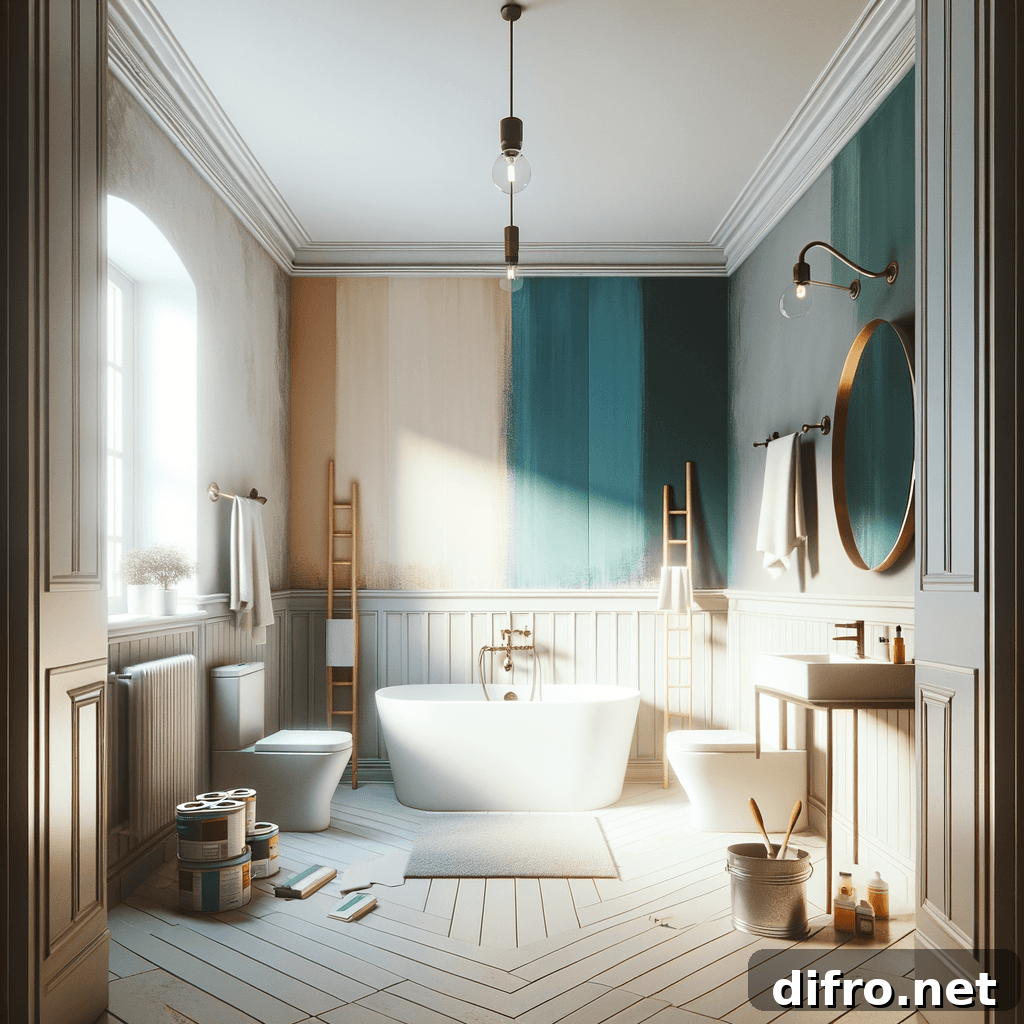
Some colors that work well elsewhere in the home can be problematic in bathrooms due to scale, lighting, or moisture. Very dark tones—deep charcoal, navy, or espresso—can absorb light and make small bathrooms feel closed-in. Extremely bright, saturated colors can also overwhelm a confined space and create visual tension, especially where natural light is limited.
Avoid colors that clash with existing tiles or fixtures or those that highlight water stains, mold, or uneven surfaces. Instead of abandoning bold color entirely, consider using it selectively as an accent where it won’t dominate or cause discomfort.
Dark Colors and Their Drawbacks in a Bathroom
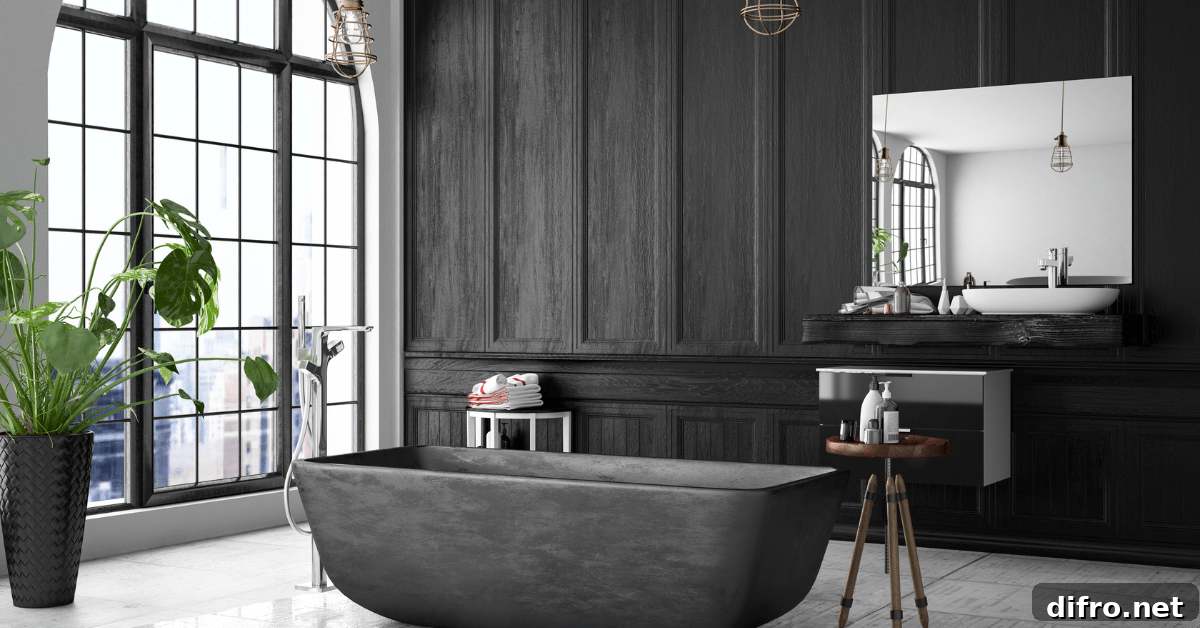
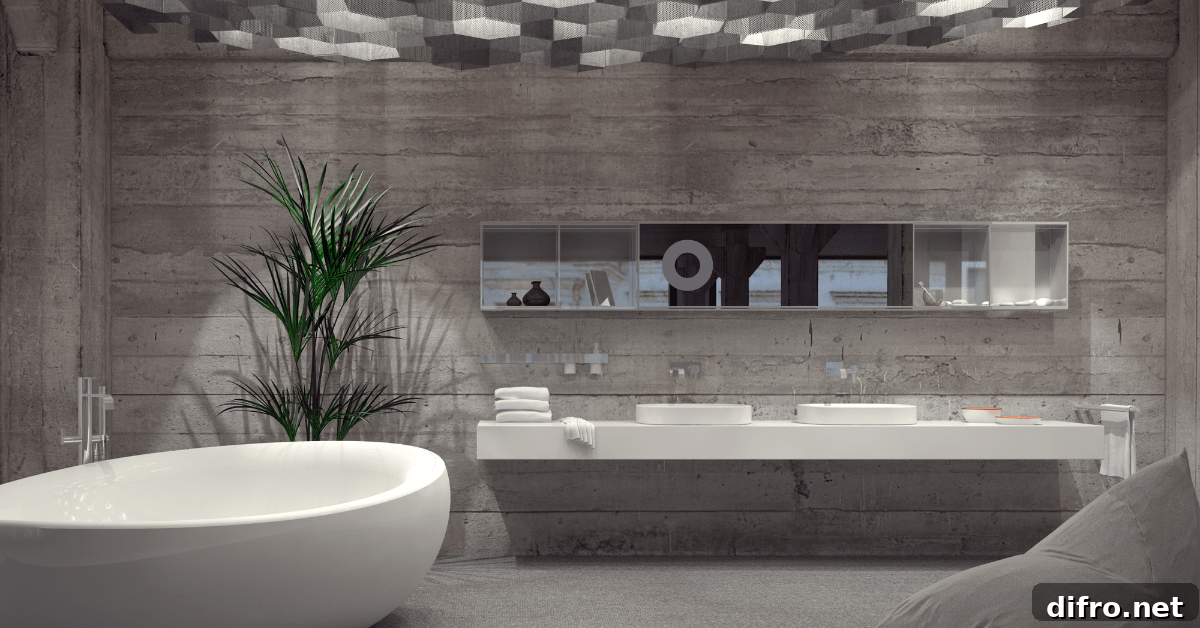
Dark colors can add drama and sophistication, but they require careful planning in a bathroom. Because dark pigments absorb light, they can make compact bathrooms feel smaller and dimmer. In rooms with poor ventilation or low natural light, dark paint may accentuate flaws, show water marks, and demand more frequent cleaning or touch-ups.
If you love deep colors, use them strategically: apply them to a single accent wall, paint cabinetry or vanities in a rich hue, or reserve them for larger bathrooms where there’s room to breathe. Pairing dark paints with reflective surfaces—glossy tiles, mirrors, or strong lighting—can prevent a space from feeling too closed-in.
White and Light Colors and Their Benefits in a Bathroom
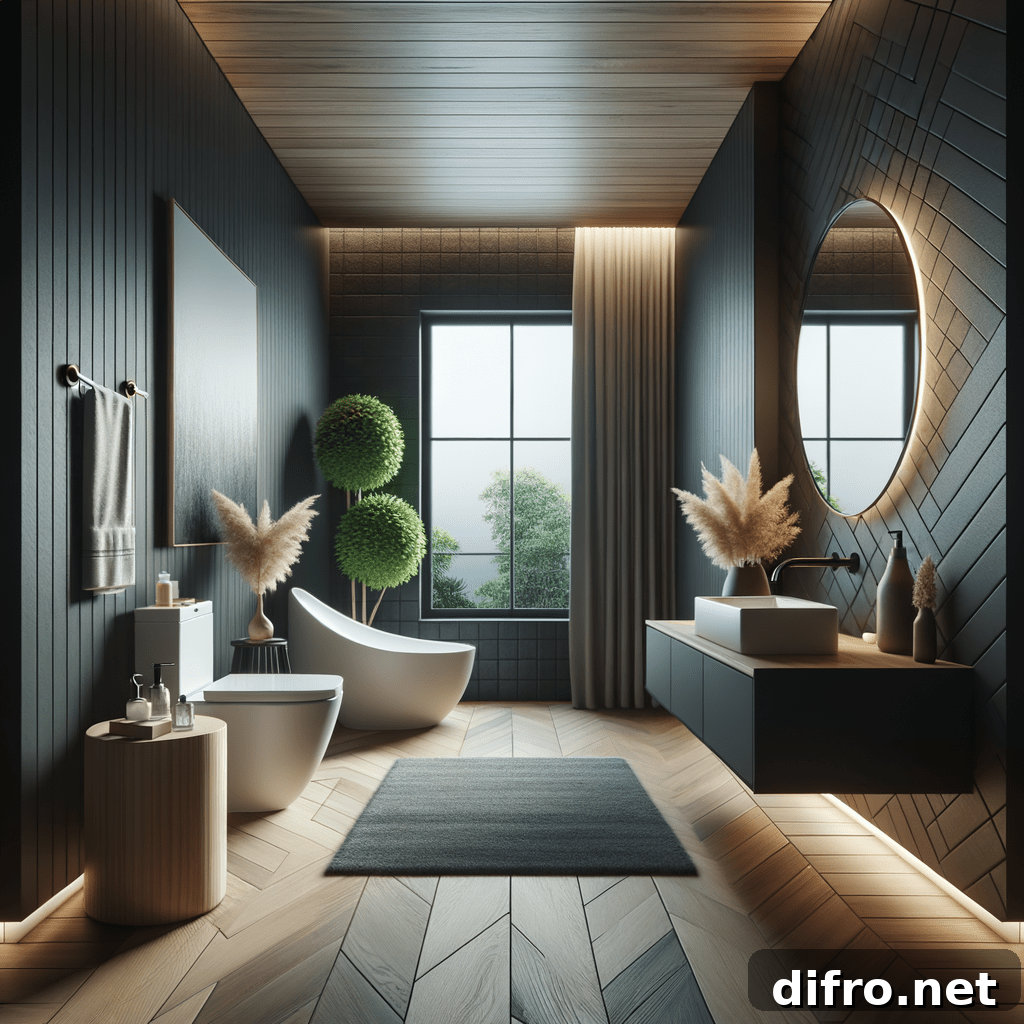
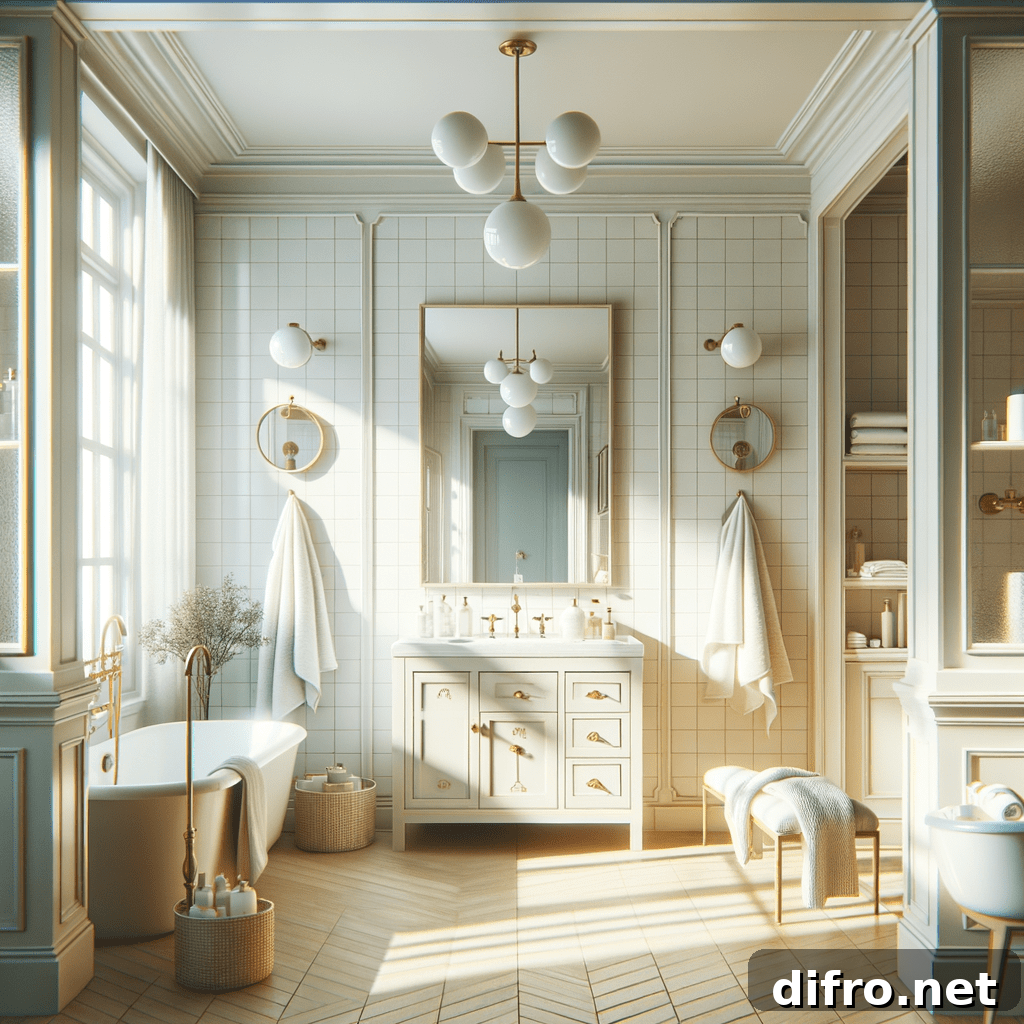
Light colors are often the safest choice for bathrooms because they reflect both natural and artificial light, creating an airy, open feel. Soft blues, pale greens, warm neutrals, and classic whites make small bathrooms appear larger and feel clean and refreshing. These tones provide a neutral backdrop that adapts to many design styles—coastal, minimalist, traditional, or modern.
Light palettes also make it easier to update the room’s look through accessories, textiles, and hardware without repainting. If you want interest without heaviness, introduce texture—matte finishes, beadboard, or subtle tile patterns—while keeping the color palette light and cohesive.
Tips for Selecting the Right Paint Colors for a Small Bathroom
Small bathrooms benefit from strategies that create visual continuity and maximize light. Favor pale, warm neutrals or cool pastels depending on the feeling you want—warm tones create coziness, while cool tones feel crisp and refreshing. A monochromatic color scheme using varying shades of the same hue keeps the space unified and visually larger.
Extend wall color to the ceiling for a seamless effect that prevents the eye from stopping at a hard edge. Use glossy or semi-gloss paints on trim and high-moisture areas to improve durability and ease of cleaning. If you want color without shrinking the room, introduce saturated tones through towels, artwork, or a single accent wall rather than painting all four walls.
Bold Accent Colors and How to Use Them
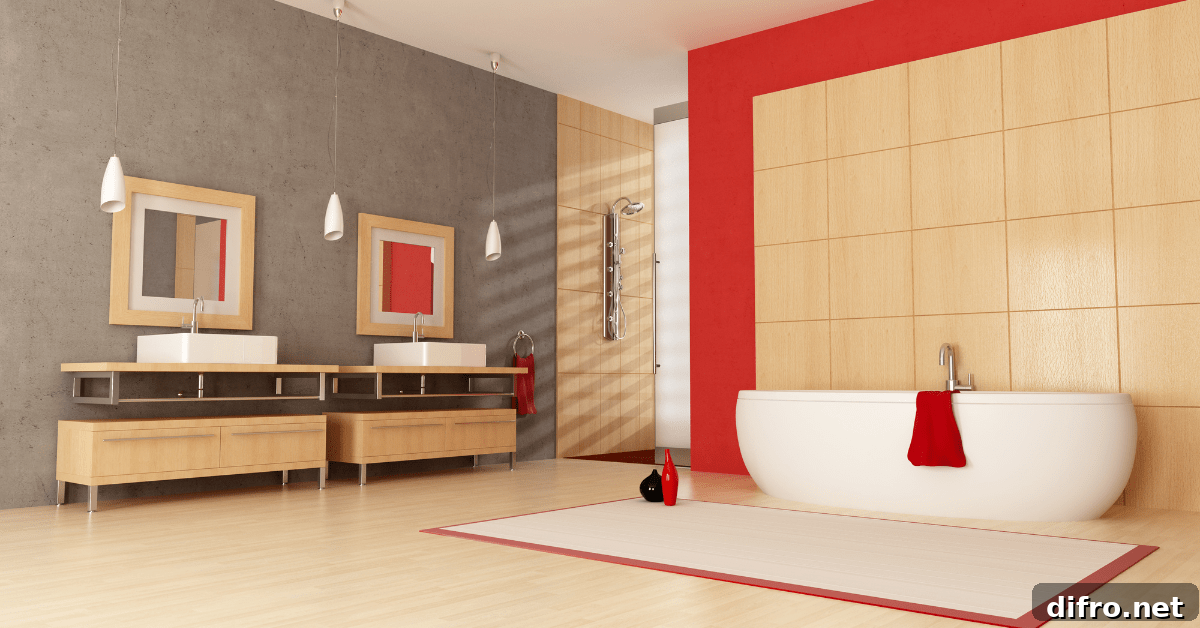
Bold colors can energize a bathroom when used sparingly. Bright reds, deep teals, or saturated corals work best as accents: on a single wall, a vanity, shelving, or accessories like mirrors, towels, and mats. Pair a neutral base with a vivid accent to achieve balance—this keeps the space modern and lively without overwhelming it.
Think of accents as flexible tools. Swapping out towels, artwork, or a painted mirror frame is an easy and cost-effective way to refresh the look. For a longer-lasting statement, choose durable, moisture-resistant finishes for any painted cabinetry or accent walls.
Related Topics
- Wallpaper in a Bathroom: Pros and Cons
- Corner Bathroom Vanity Ideas for Small Spaces
- Budget-Friendly Small Bathroom Remodel Tips
In summary, paint color choices in a bathroom should consider light, scale, and function. Light colors expand and refresh, dark colors add drama when used selectively, and bold accents inject personality without overwhelming the room. Use moisture-resistant finishes where needed, coordinate paint with tile and fixtures, and favor flexible accents for easy updates. Thoughtful color planning will transform your bathroom into a space that feels both beautiful and practical every day.