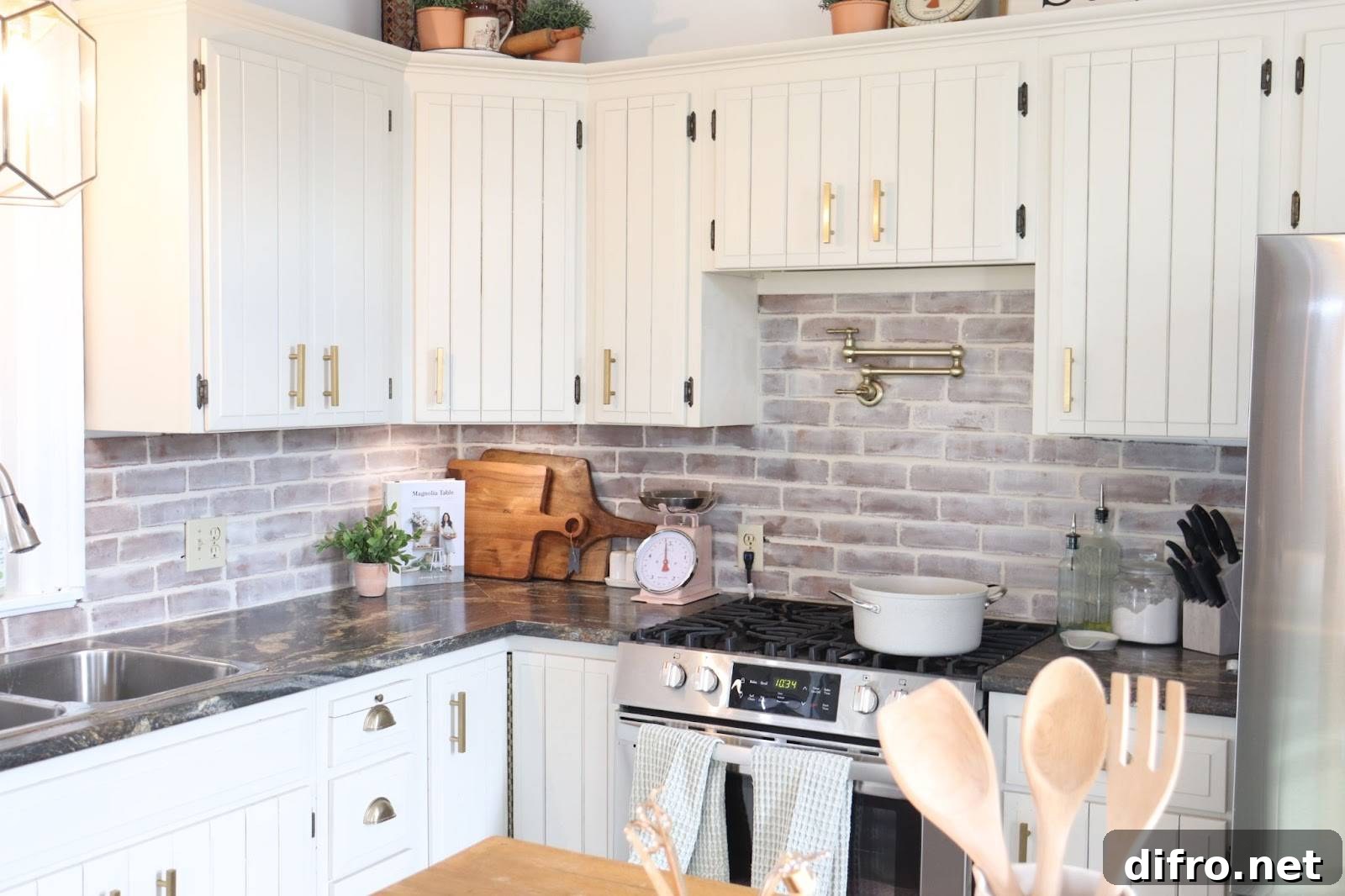
The kitchen is the heart of the home, and having the right fixtures can improve both form and function. One accessory that has grown increasingly popular is the pot filler—also called a stove faucet. This article reviews the pot filler’s history, practical advantages and disadvantages, common styles, and how to determine whether it’s a worthwhile addition to your kitchen.
History
The pot filler originated in the early decades of the 20th century as indoor plumbing became standard. Early models were simple, utilitarian faucets mounted above the stove so cooks could fill heavy pots without carrying them across the kitchen from the sink. Built in brass or chrome with basic valve mechanisms, these early pot fillers prioritized convenience and durability.
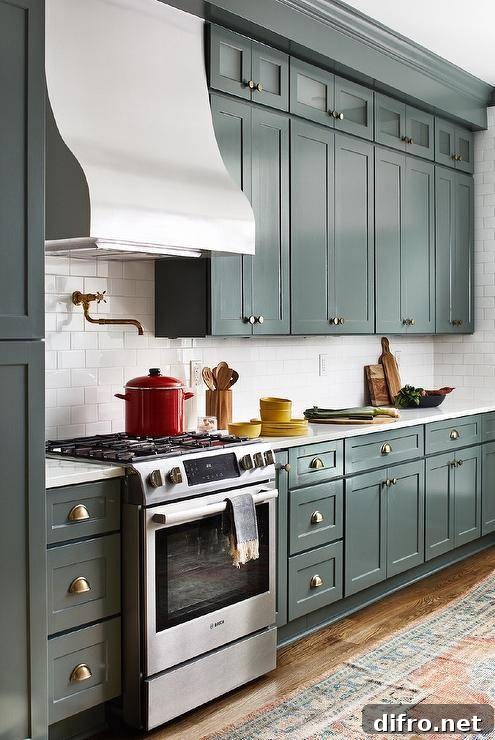
Over time the pot filler evolved from a purely practical tool into a stylish fixture. Manufacturers introduced a range of finishes, adjustable arms, swivel spouts, and even touchless operation. Despite stylistic changes, the basic concept—delivering water directly to a pot at the range—has remained constant. Today’s pot fillers blend utility and design, making them a common choice in modern kitchens.
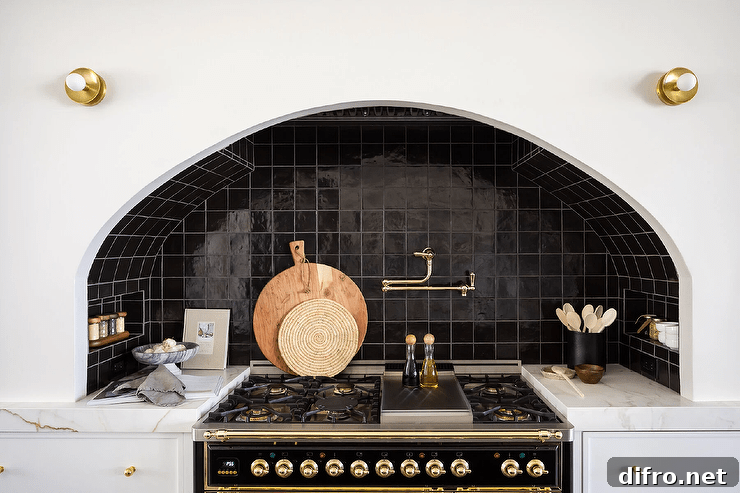
Advantages of a Pot Filler
Pot fillers offer several clear benefits that enhance kitchen workflow:
- Time and effort savings: Filling large pots at the stove eliminates the need to carry heavy, water-filled cookware from the sink, reducing strain and speeding meal preparation—especially useful for pasta, stocks, and boiling tasks.
- Reduced spills and mess: Filling directly at the range minimizes the risk of spills and splashes across floors and counters, creating a safer, cleaner cooking area.
- Design flexibility: Available in many finishes and styles, pot fillers can complement a kitchen’s aesthetic while adding a visible convenience feature.
- Efficient for entertaining: When preparing large volumes of food, a pot filler streamlines multiple-pot cooking and can help keep the kitchen running smoothly during gatherings.
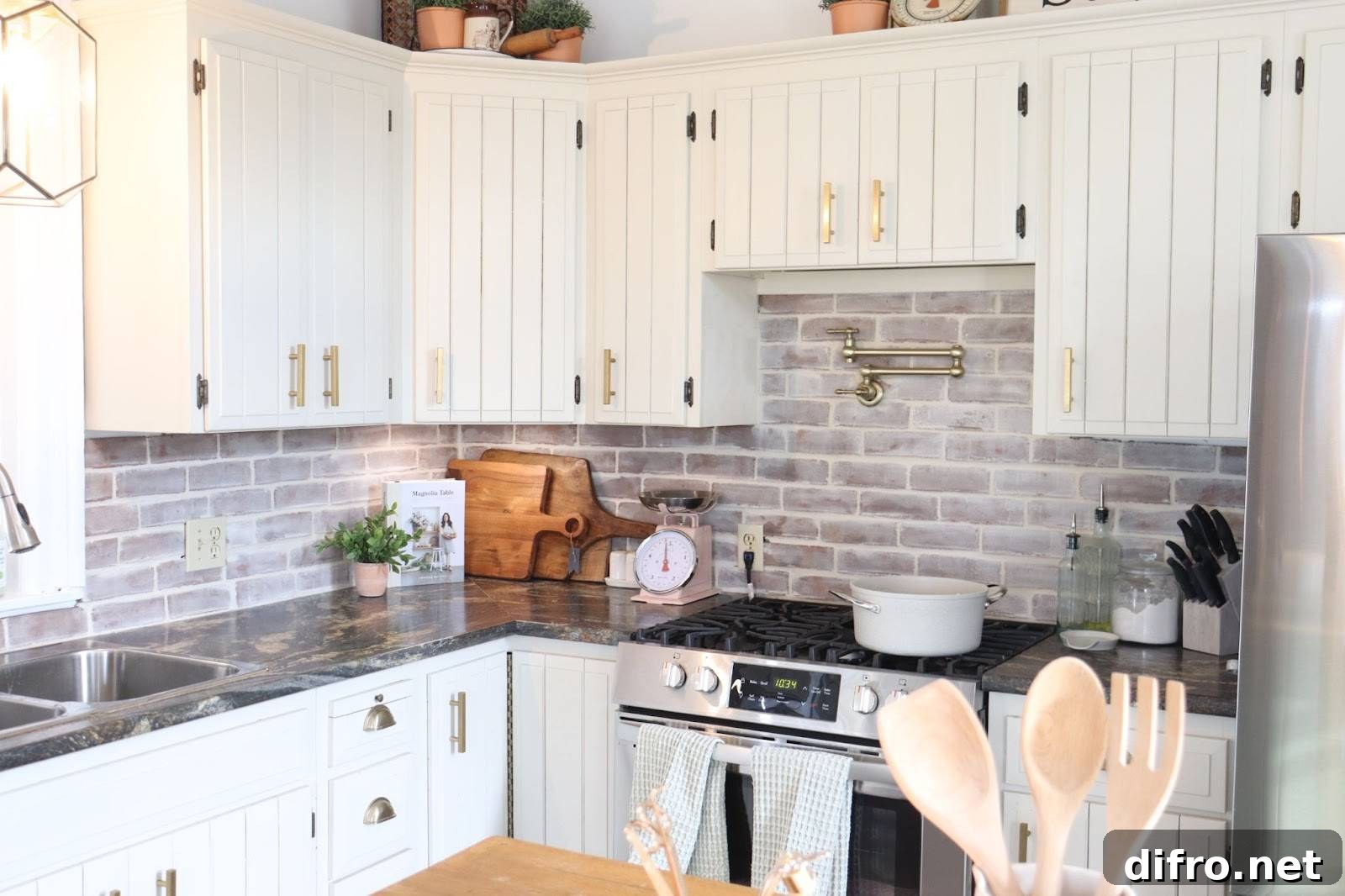
Disadvantages of a Pot Filler
Despite the benefits, there are trade-offs to consider before installing a pot filler:
- Cost: Quality pot fillers and professional installation add expense. Costs include the fixture, potential routing of water lines, and labor fees for a licensed plumber.
- Space and layout constraints: Wall-mounted units require a suitable backsplash and clearance above the stove; deck-mounted or retractable options need adequate counter space. Poor placement can interfere with range hoods, cabinets, or shelving.
- Maintenance and potential leaks: Any additional plumbing fixture increases the number of connections that may require maintenance over time. Proper installation helps reduce leak risk.
Styles and Options
Pot fillers come in a few common configurations, each suited to different kitchen layouts and needs:
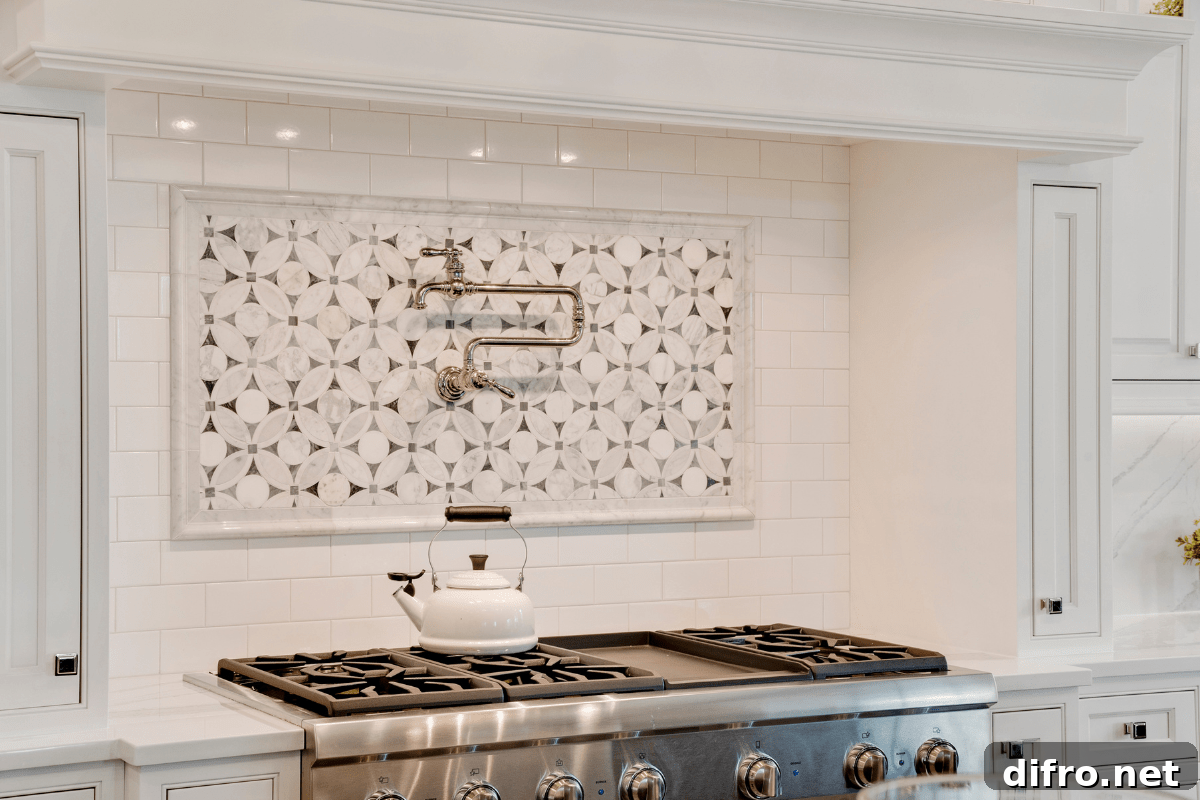
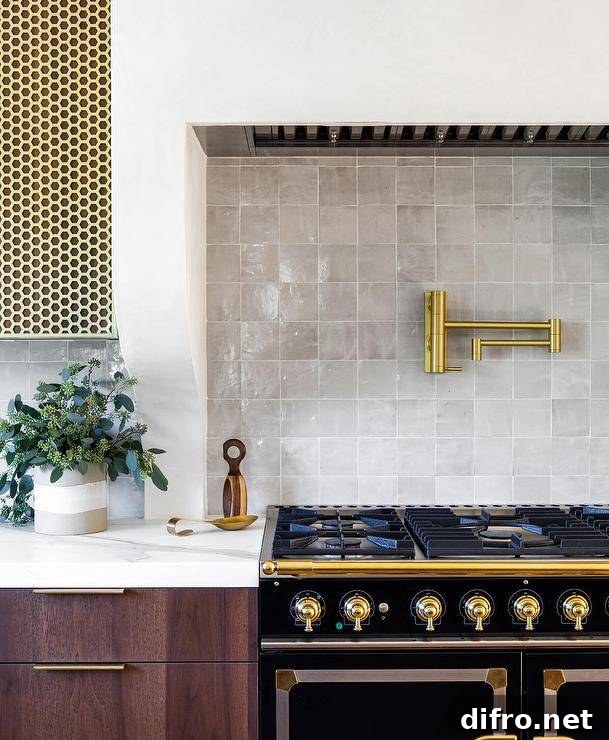
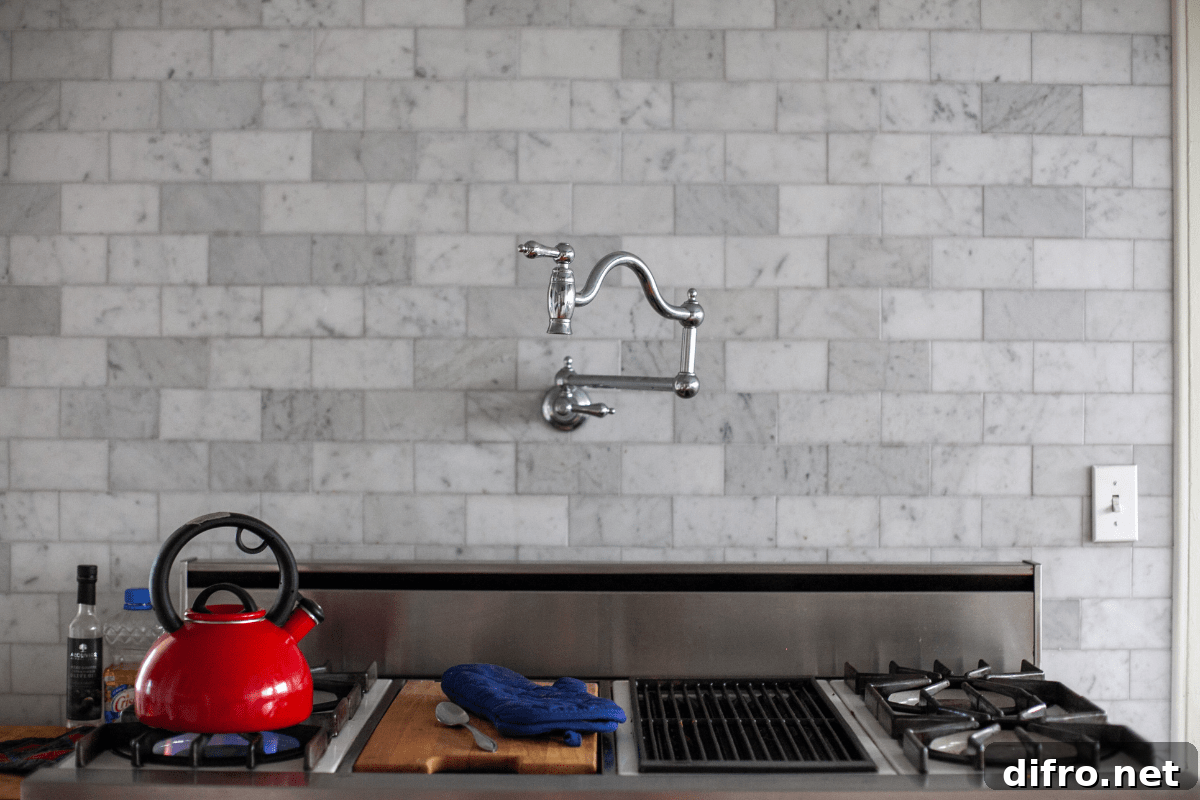
- Wall-mounted: Installed above the stove, wall-mounted pot fillers usually feature long, articulated arms that swing out and tuck back against the wall. They save countertop space and are the most recognizable style.
- Deck-mounted: Installed on the countertop or range deck, these have shorter spouts and can be a good option when wall mounting is impractical.
- Retractable: These units slide or retract when not in use, offering a sleek appearance and minimizing visual clutter.
- Commercial-style: Designed for frequent heavy use, commercial-style pot fillers are robust and durable—often chosen by serious home cooks or small commercial operations.
Is a Pot Filler Right for Your Kitchen?
Deciding whether to install a pot filler depends on your cooking habits, kitchen layout, and budget. If you frequently cook large meals, handle heavy pots, or want to add both convenience and visual interest above your range, a pot filler can be a valuable upgrade. For smaller households or kitchens with limited wall or counter space, the added cost and installation complexity may outweigh the benefits.
If you choose to install one, select a reputable brand and hire a qualified plumber to ensure correct water line routing and secure mounting. Thoughtful placement and professional installation will maximize the pot filler’s usefulness while minimizing the potential downside of leaks or interference with other kitchen elements.
When chosen and installed carefully, a pot filler can enhance kitchen efficiency, reduce strain, and add a refined design element—turning a practical tool into a feature that improves everyday cooking.