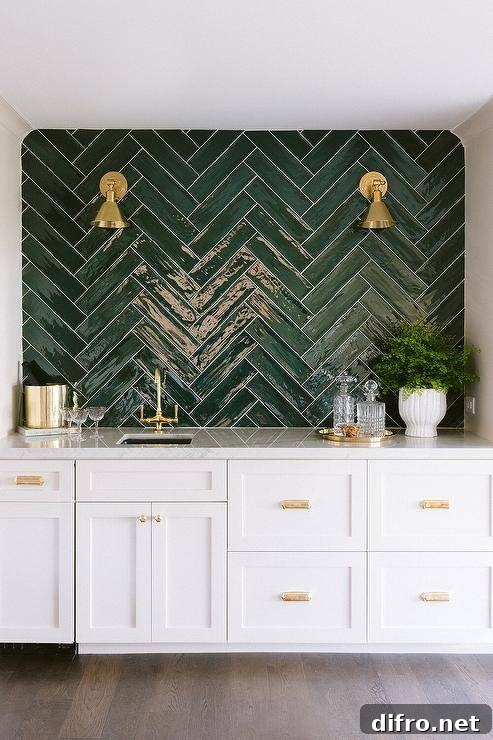
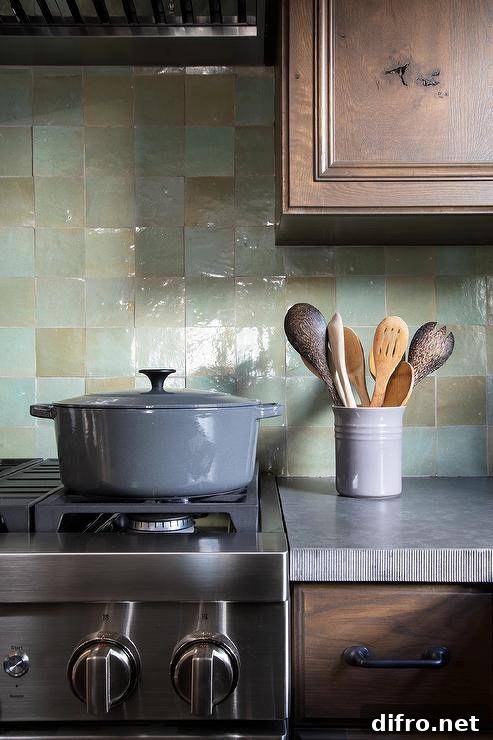
A green tile backsplash can instantly refresh a kitchen, bringing a calm, natural energy while introducing color that feels lively without overwhelming the space. From serene sage and mint to vivid emerald and lime, green tiles offer a wide spectrum of moods and personalities to suit any design goal.
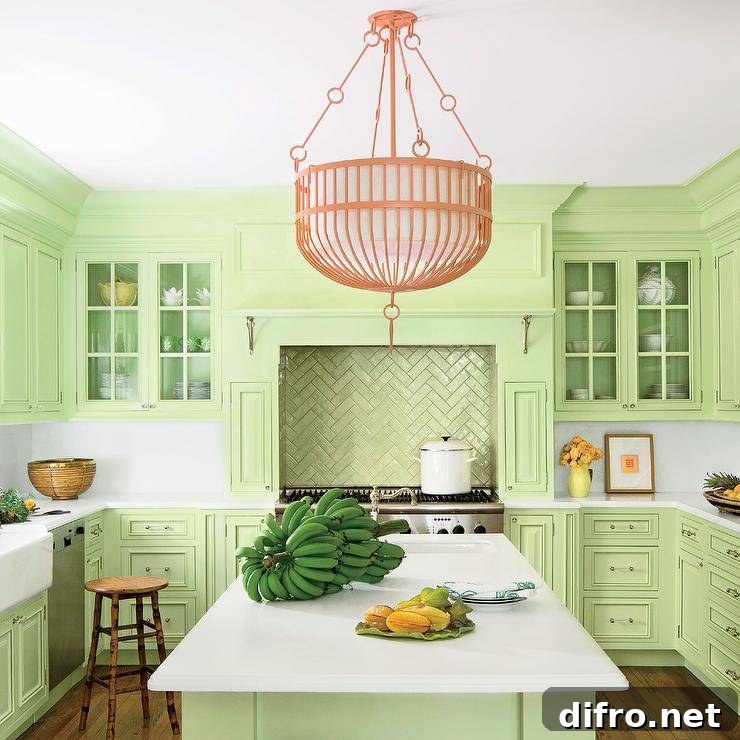
Green tile comes in many materials, sizes and shapes—ceramic and glass, hexagon and subway, penny rounds and large format tiles—giving homeowners countless ways to personalize a backsplash. Whether you prefer a clean, minimalist field of subway tile or an intricate mosaic, green tiles can anchor a room and complement a variety of finishes, from warm brass to cool stainless steel.
This guide highlights green tile backsplash ideas, practical tips for choosing the right shade and finish, and ways to pair green tiles with lighting, cabinetry and countertops so you can design a space that feels both beautiful and functional.
Choosing the Right Shade of Green
The first decision is shade. Pale mint and seafoam suggest a soft, spa-like atmosphere, while deeper tones like forest or emerald convey richness and drama. Bright lime or chartreuse instantly energize a space and work well as an accent in otherwise neutral kitchens. Consider the mood you want—calm and understated, warm and earthy, or bold and contemporary—then choose a green that supports that vision.
Consider the Room’s Lighting
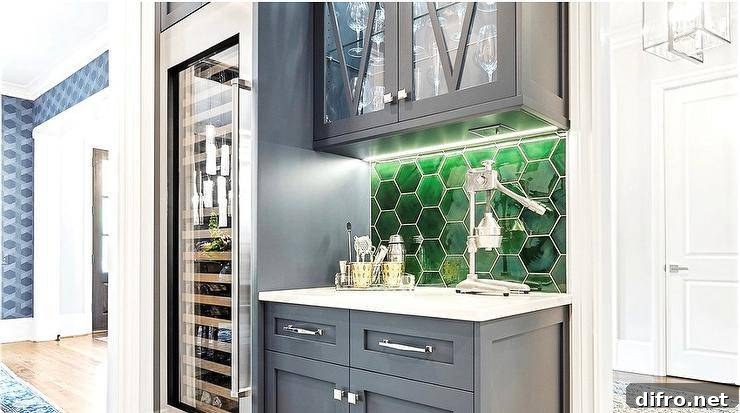
Lighting changes how a shade reads. Rooms with abundant natural light can handle deeper greens without feeling closed-in. In darker rooms, lighter or glossier greens will reflect light and help the space feel brighter. Also think about artificial lighting: warm bulbs accentuate olive and moss tones, while cool LEDs make emeralds and mint shades appear crisper.
Popular Tile Shapes
Shape influences style as much as color. Here are some favorites:
Subway Tiles: Timeless and versatile, subway tiles create an orderly, clean look. Laid stacked, staggered or in a herringbone pattern, green subway tiles can feel vintage or modern depending on grout color and finish.
Hexagonal Tiles: Hex tiles add visual interest and work well as both accents and full-height backsplashes. They pair nicely with shaker cabinets and rustic elements for a balanced look.
Penny and Small Mosaic Tiles: Small round tiles or mosaics create texture and movement, perfect for feature walls or wet zones where grip and drainage matter.
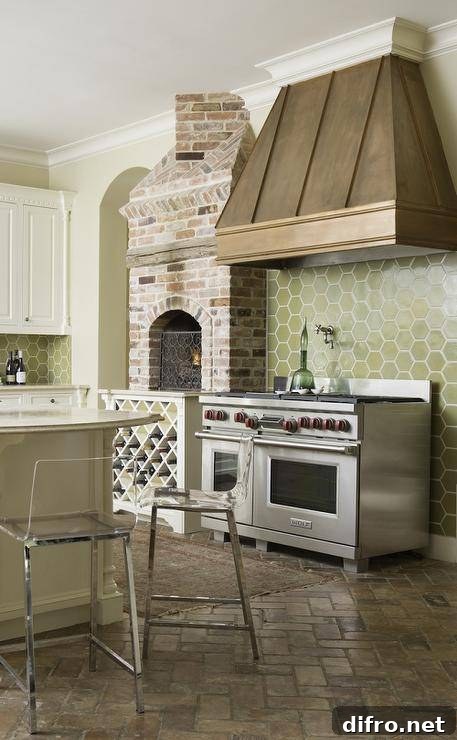
Tile Materials and Styles
Green tiles come in many materials, each bringing a different character to your space:
Ceramic: Durable and affordable, ceramic tiles are easy to maintain and come in countless finishes and shades.
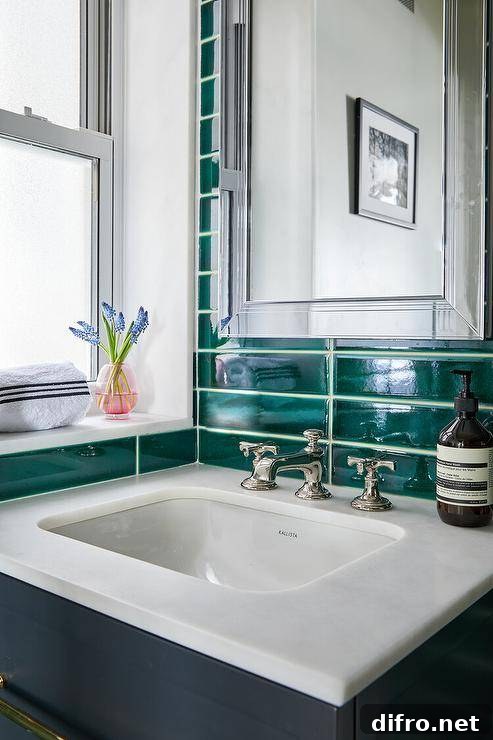
Glass: Glass tiles add depth and shine, reflecting light for a luminous backsplash that feels modern and upscale.
Stone: Natural stone brings texture and earthy variation—ideal for rustic or organic interiors.
Glazed and Patterned Tiles: Glazed tiles offer saturated, glossy color while patterned tiles introduce decorative motifs that become a focal point.
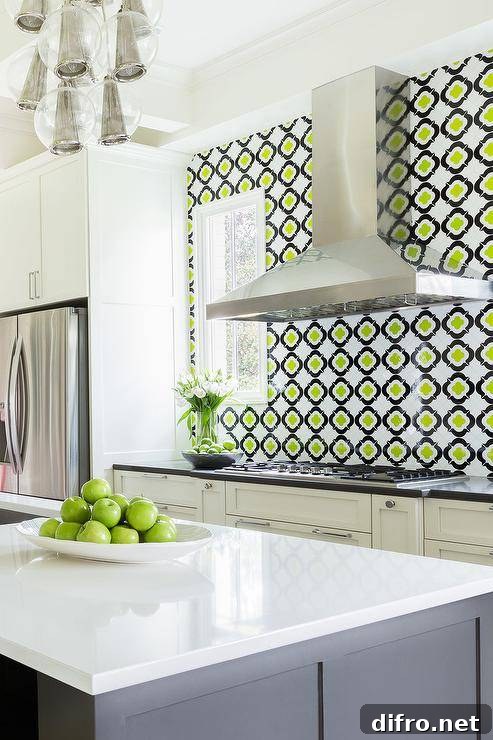
Finishes: Matte, Glossy and Textured
Finish plays a huge role in the perceived depth and formality of a backsplash.
Matte Finishes are understated and modern, hiding water spots and lending a soft, velvety look.
Glossy Finishes reflect light, brighten the room and intensify color—great for small kitchens that need a visual lift.
Textured Finishes introduce tactile interest and can create a handcrafted or artisanal feel, especially in bathrooms and feature walls.
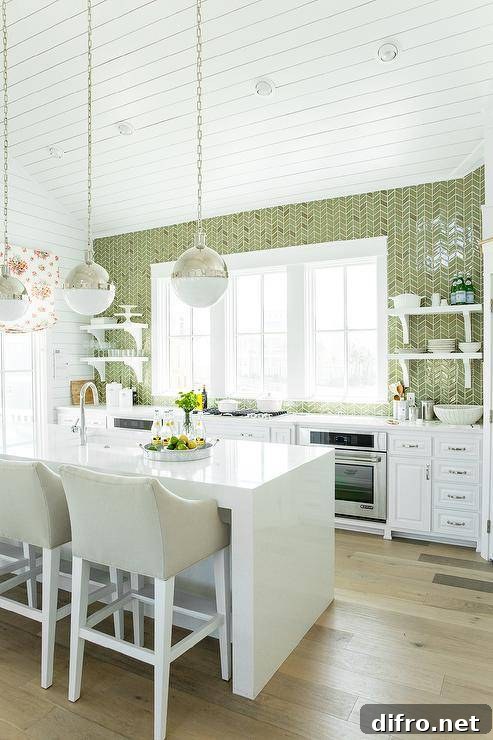
How to Pair Green Tile with Other Elements
Green backsplashes pair beautifully with neutral countertops like white quartz or carrara marble, and contrast nicely with warm wood or brass hardware. For a cohesive scheme, pull a green accent into textiles, plants or small appliances. If you prefer high contrast, pair emerald or forest green tiles with crisp white cabinets and black or dark fixtures.
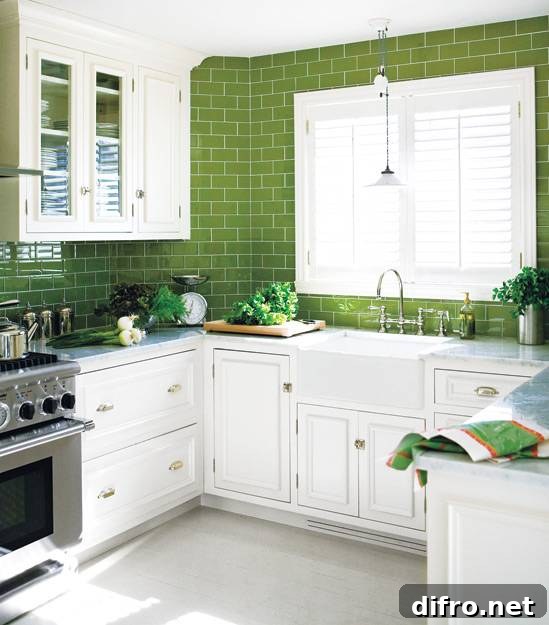
Conclusion
Green tile is a versatile, stylish choice for backsplashes that can convey serenity, warmth, or bold personality depending on your selection of shade, shape and finish. By considering the room’s lighting, the tile shape, the material and the finish you can achieve an uplifting, sophisticated or cozy look that enhances your kitchen or bathroom for years to come.
Frequently Asked Questions
Why choose green tiles for my home?
Green tiles bring a natural, calming vibe and pair well with many palettes. They can make a room feel fresh and rejuvenated while offering a distinctive design statement.
What types of green tiles are available?
You’ll find ceramic, porcelain, glass, stone and recycled materials in a range of greens. Shapes include subway, hexagon, penny round, arabesque and large-format tiles.
Will green tiles make my room look smaller?
Not necessarily. Lighter greens and glossy finishes reflect light and help a room feel larger. Darker greens can create depth; balance them with light surfaces and adequate lighting.
Can I mix green tiles with other colors?
Yes. Green works beautifully with white, beige, wood tones, brass, black and blues. Combining greens with neutrals or complementary accents creates a cohesive, well-rounded palette.
Where can I use green tiles?
Green tiles are ideal for kitchens and bathrooms, but they can also enliven laundry rooms, entryways or even outdoor kitchens—anywhere you want color and character.
How do I maintain green tiles?
Most green tiles are low maintenance—clean regularly with mild soap and water and avoid abrasive cleaners. Sealed stone tiles may require periodic resealing.
Are green tiles eco-friendly?
Some green tile options, such as recycled glass or sustainably produced ceramics, can be eco-friendly. Verify manufacturer practices and recycled content when sustainability is a priority.