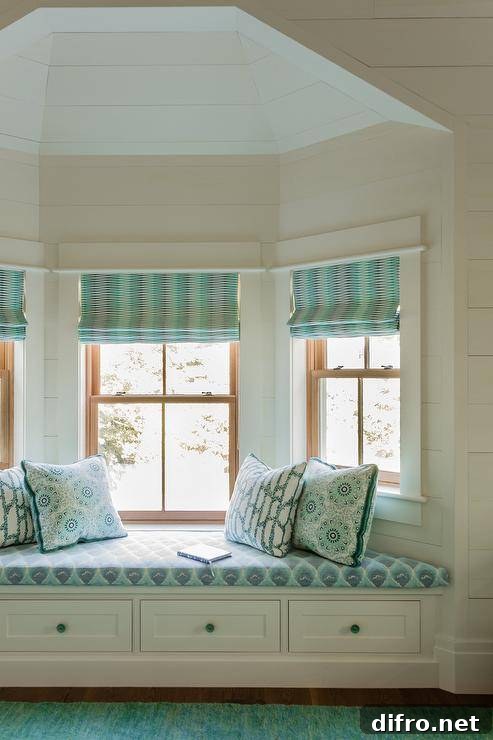
Bay windows add character and depth to any home. They flood interiors with natural light, expand views, and create cozy niches that can serve as extra seating, storage, or a striking focal point. Whether your bay window is traditional or modern, large or modest, thoughtful decoration will maximize its charm and function.
Basics of a Bay Window
A typical bay window features a large central pane flanked by two angled side panes, forming a gentle curve or polygonal projection. Frames are commonly wood or vinyl, and installations often extend from a room’s corner or wall. Because bay windows protrude beyond the exterior wall, they naturally create extra floor space and a lighter, airier feel. Use that space to highlight architecture, add built-in storage, or create a comfortable seating area.
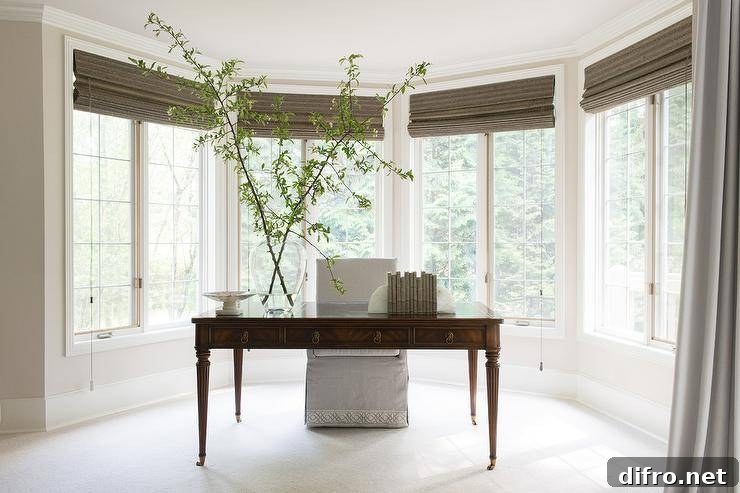
Bay windows can be architectural statements or subtle accents. Their projection allows for creative solutions: built-in benches with storage, a small breakfast nook, a reading alcove, or a place for houseplants to thrive. The key is planning treatments and furnishings to respect the window’s form and the light it brings.
Start with a Clean Slate
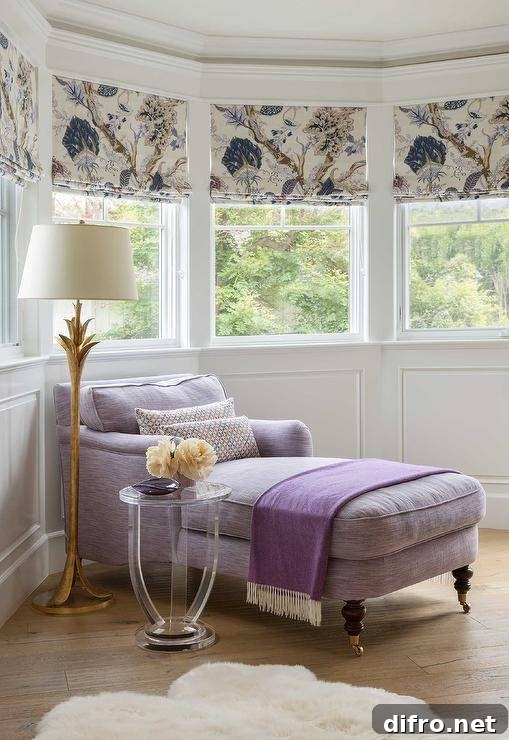
Before decorating, clean the glass, frames, and sill thoroughly and remove outdated treatments. Starting with a blank canvas helps you evaluate the light, sightlines, and usable depth so you can design an arrangement that looks intentional and fits the space.
Choose the Right Window Treatments
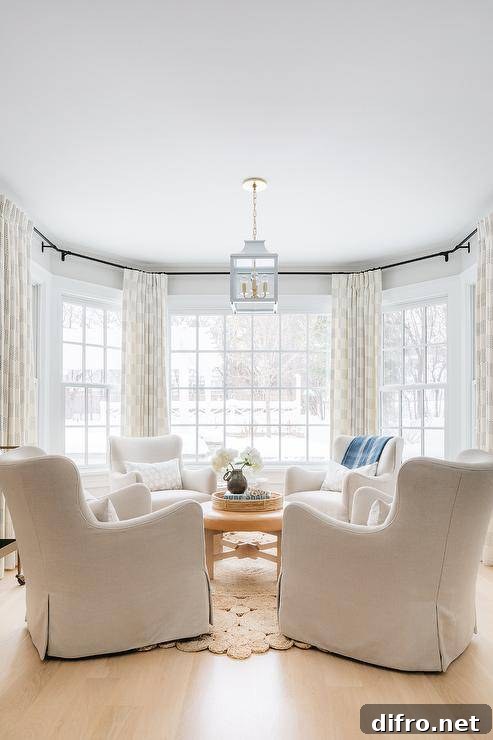
Window treatments should balance light control, privacy, and the window’s architectural lines. Sheer curtains or lightweight blinds preserve the window’s shape and allow plenty of daylight while maintaining privacy. For stronger light control, consider roman shades, woven woods, or tailored shutters. Layering—such as a blind for privacy and a decorative curtain for softness—lets you adapt the mood throughout the day.
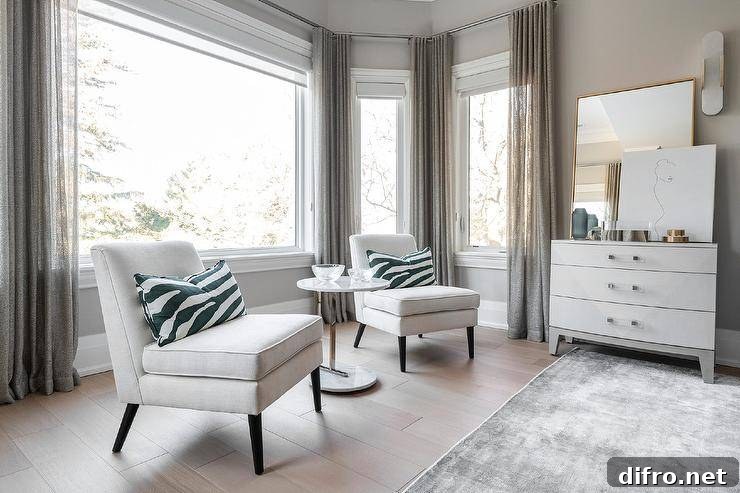
Measure carefully before ordering treatments so they fit each pane or the entire bay as designed. If you want to accentuate the arch or angles, choose treatments that follow the shape; if you prefer a unified look, a single valance or pelmet can tie the sections together.
Add Furniture
Bay windows invite furniture that complements their footprint. A built-in window seat or bench with hidden storage is a practical and attractive solution for many homes. If the bay is larger, a small table with two chairs can create a breakfast nook or workspace. Keep proportions in mind: low-profile pieces maintain sightlines and let light flow freely.
Balance Fabrics and Patterns
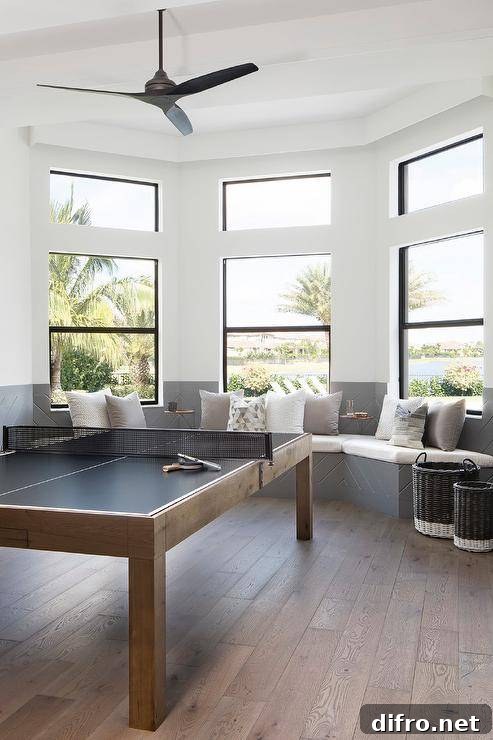
Coordinate upholstery, cushions, and window fabrics to create a cohesive look. Mix solids and patterns at different scales—large-scale pattern on a seat cushion balanced with smaller-scale throw pillows—to avoid visual clutter. Limit your color palette to two or three main hues with accents to keep the area calm and inviting.
Add Accessories
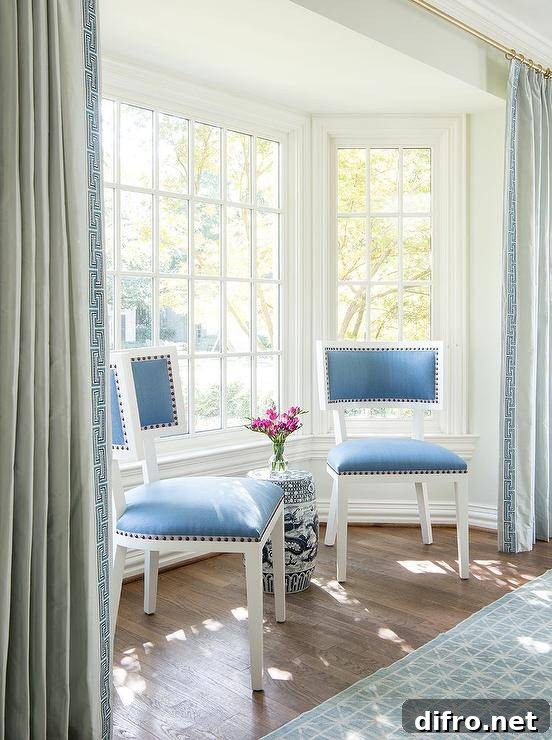
Finishing touches—pillows, a throw, small plants, a lamp, or tasteful décor—personalize the space. Use accessories to introduce texture and seasonal changes without overwhelming the bay. Keep decorative displays low so sunlight remains unobstructed and views stay open.
Things to Avoid
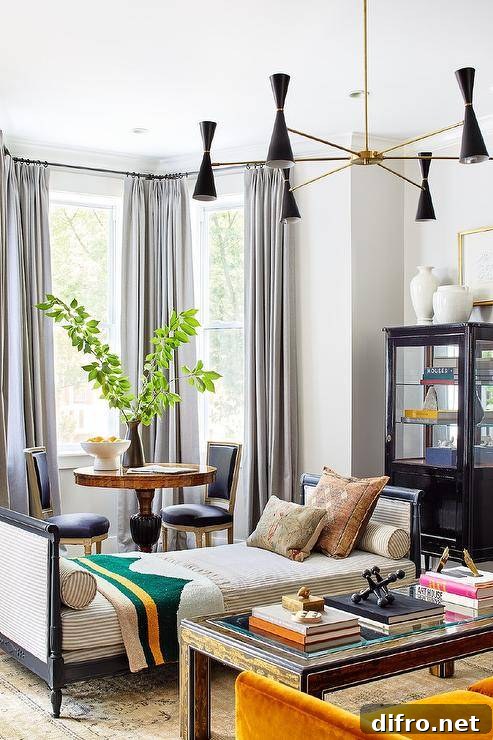
Resist crowding the bay with oversized or bulky furniture that interrupts traffic flow and blocks light. Avoid placing fragile or hazardous items where they could fall from the window seat or be exposed to direct sunlight for long periods. Also, ensure that upholstery and textiles are fade-resistant if the bay receives strong sun.
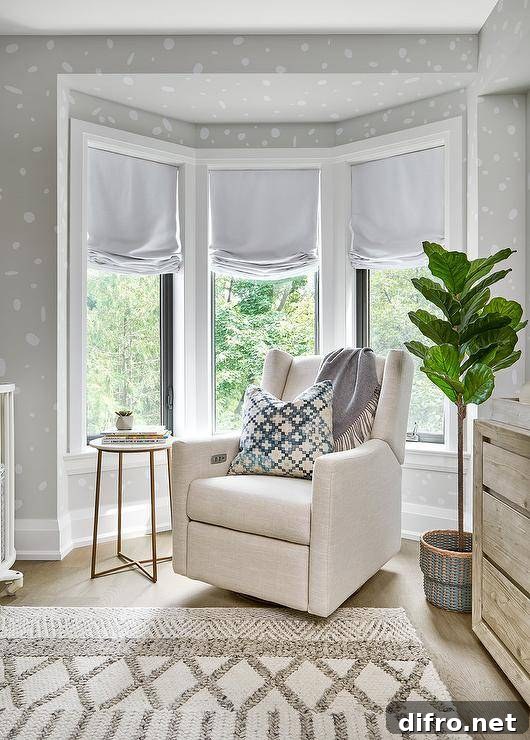
With thoughtful planning, a bay window becomes more than an architectural feature—it becomes a destination within the room. Use proportions, light, fabrics, and accessories to highlight its best qualities while making the space functional and welcoming.
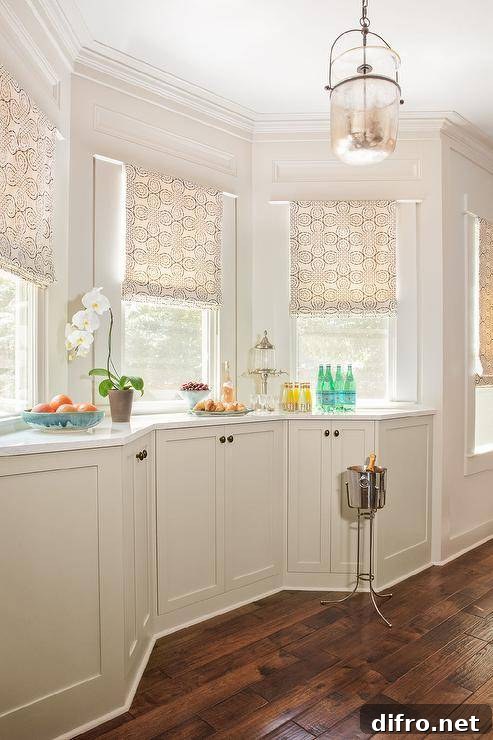
Frequently Asked Questions (FAQs)
What are the benefits of installing bay windows?
Bay windows increase natural light, expand sightlines, and can make rooms feel larger. They create space for seating, storage, or decorative displays while enhancing a home’s exterior profile.
What window treatments work best for bay windows?
Options include sheer curtains, roman shades, woven-wood blinds, and shutters. Layered treatments—such as a blind for privacy plus curtains for softness—offer flexibility. Custom solutions or segmented treatments often yield the best fit and finish.
How much does it cost to install a bay window?
Cost depends on size, materials, and installation complexity. For accurate pricing, request quotes from window professionals who can assess framing, flashing, and structural needs.
How should curtains be hung on a bay window?
Use a curved or segmented rod designed for bays, or hang individual panels on separate rods for each section. Measure carefully so panels clear the sill and operate smoothly. Tab-top or grommet styles offer a neat, tailored appearance.
Any extra tips for styling bay windows?
Consider built-in seating with storage, low-profile lighting, and a restrained accessory palette. Keep traffic flow and sightlines in mind, and choose fabrics that resist fading for sunny exposures. Make the space multi-functional—reading nook, breakfast nook, or a leafy plant display—to get the most from the bay.